The Rise of Fad Diets: A Threat to Health

When scrolling through social media or browsing the internet, it’s hard to escape the overwhelming presence of fad diets, diet cults, and extreme dietary trends. From restrictive eating plans to exaggerated health claims, these diet cults often lure individuals seeking quick fixes or a sense of belonging.

In this article, I will delve into the dangers of these extreme diets, the impact of diet cults on both individuals and society and why personalized and science-based dietary choices are crucial in today’s era of social media influences.

Introduction to Diet Cults

Diet cults can be defined as groups or communities that promote strict dietary guidelines, often bordering on fanaticism. These cults are characterized by rigid rules, limited food choices, and the promise of miraculous results. They prey on vulnerable individuals looking for rapid weight loss or improved health without considering the long-term consequences.

The rise of social media platforms and influencers has further amplified the reach of these diet cults, making it challenging for many to distinguish between sound nutritional advice and harmful fads.

Dangers of Extreme and Fad Diets

Extreme and fad diets, often advocated by diet cults, come with a myriad of dangers. These diets may lack essential nutrients, lead to unsustainable eating habits, and even contribute to the development of eating disorders.

Quick fixes promoted by these diets can result in short-term weight loss followed by rebound weight gain, ultimately harming one’s physical and mental well-being. It’s crucial to approach dietary choices with caution and skepticism, especially when bombarded with unrealistic promises and unsupported claims.

Quick History of Fad Diets

Cult diets have a long and colorful history, dating back to the early 20th century when the first dieting trends emerged. These diets gained popularity for their quick-fix promises and often extreme restrictions on food intake.

From the grapefruit diet in the 1930s to the cabbage soup diet in the 1950s, fad diets have come and gone, each claiming to be the ultimate solution for weight loss.

While some diets have faded into obscurity, others have persisted and evolved over time, adapting to new trends and scientific knowledge. Despite their enduring appeal, fad diets are often criticized for their lack of long-term sustainability and potential health risks.

Fad Diets

Characteristics of Fad Diets

These are characterized by their extreme nature and unsustainable practices. They often promise quick and dramatic weight loss results, leading people to believe they’re a quick-fix solution.

These regimens typically eliminate entire food groups, making them imbalanced and lacking in essential nutrients. They also tend to promote an unhealthy relationship with food by demonizing certain foods and fostering guilt or shame around eating.

They do not prioritize long-term health and are not backed by scientific evidence. It’s important to approach dieting with a focus on overall well-being and sustainability rather than quick fixes.

Fad Diets

Impact on Individuals and Society

The influence of diet cults extends beyond individual health concerns and seeps into the fabric of society. By perpetuating unrealistic body standards and promoting unattainable health goals, these cults contribute to a culture of comparison and inadequacy.

The financial burden of constantly hopping from one fad diet to another can strain individuals’ finances and perpetuate a cycle of disappointment and frustration.

As a society, we need to address the root causes of why individuals are drawn to these extreme approaches and provide education on sustainable and evidence-based dietary practices.

Importance of Personalized and Science-Based Diets

Amidst the noise of diet cults and sensationalized trends, personalized and science-based dietary choices stand as beacons of reason and practicality. Each person is unique, with individual nutritional needs and preferences that should be taken into account when crafting a healthy eating plan.

Consulting with qualified nutrition professionals and relying on reputable sources for dietary information can help individuals navigate the complexities of nutrition and make informed choices that support their overall well-being in the long run.

Bad Diets

Diets Cults Dangers

As we navigate the digital landscape filled with diet cults and extreme dietary messages, let’s prioritize health over hype, sustainability over shortcuts, and science over sensationalism. By promoting a balanced and individualized approach to nutrition, we can protect ourselves and our communities from the detrimental effects of falling prey to diet cults.

Based on online data, it’s clear that fad diets can do more harm than good. Often characterized by extreme restrictions and deprivation of essential nutrients, these diets may lead followers to miss out on vital food groups. This deprivation can ultimately deplete our bodies, leading to potential health issues.

Moreover, the strict and inflexible rules of these fad diets can often drive individuals to give up quickly, especially when cravings for restricted foods become overwhelming. Questioning such eating regimens’ safety, sustainability, and long-term effectiveness is crucial.

Instead of falling for quick fixes, it’s advisable to opt for balanced approaches that focus on lifestyle changes and gradual improvements in diet for long-lasting and sustainable results. Let’s prioritize our overall health by avoiding known fad diets that may do more harm than good in the long run.

Social Media and Cult Diets

Social media has played a significant role in the rise of cult diets, propelled by influencers promoting extreme and often restrictive eating habits as the ultimate solution to weight loss.

These fad diets often gain traction quickly, with followers drawn to the promise of quick results and easy fixes. However, the allure of these fad diets fades when followers realize the drawbacks, such as nutrient deficiencies and unsustainable restrictions.

The constant bombardment of unrealistic body ideals on social media can lead individuals to adopt unhealthy eating patterns endorsed by these cult diets, underlining the importance of approaching dietary changes with caution and informed choices.

Fas diets can be enticing with their promises of quick results, but the dangers lie in their extreme restrictions and rigid rules. Followers may end up missing out on essential nutrients, leading to potential health issues and deficiencies in the long run.

The intense focus on forbidden foods can create a harmful cycle of cravings and guilt, making it difficult to sustain these diets in the long term. It’s important to be cautious and prioritize balanced, sustainable eating habits for overall well-being.

How to Avoid Fad Diets?

Cult diets may seem appealing, but they pose risks due to their strict rules and limitations. These diets can result in nutrient deficiencies and long-term health problems. The constant fixation on forbidden foods can lead to unhealthy cycles of cravings and guilt. It is crucial to approach dietary changes cautiously and prioritize balanced, sustainable eating habits for overall well-being.

Cult fad diets may appear enticing, but they come with inherent dangers due to their rigid guidelines and restrictions. These diets have the potential to cause deficiencies in essential nutrients and contribute to long-term health complications. The constant fixation on prohibited foods can trigger unhealthy patterns of cravings and feelings of guilt. It is imperative to approach dietary modifications cautiously and prioritize adopting balanced and sustainable eating habits to ensure overall well-being.

For several reasons, choosing a Keto or Paleo diet over fad diets is much safer and more sustainable. These diets focus on whole, natural foods that are nutrient-dense and free from processed ingredients and added sugars. By prioritizing quality proteins, healthy fats, and a variety of fruits and vegetables, Keto and Paleo diets provide essential nutrients while promoting satiety and stable blood sugar levels.

These diets have been shown to support long-term weight management, improve energy levels, and reduce inflammation in the body, all of which contribute to overall health and well-being. The emphasis on real, unprocessed foods in Keto and Paleo diets sets them apart from fad diets that often rely on quick fixes and unsustainable restrictions that can be harmful in the long run.

Ozempic Side Effects, Everything You Need to Know

Let’s discuss Ozempic Side Effects, as many asked for my opinion, knowing I am not a user or a medical expert.

Ozempic is a medication commonly prescribed to individuals with type 2 diabetes. It belongs to a class of drugs called glucagon-like peptide-1 (GLP-1) receptor agonists. Ozempic helps lower blood sugar levels in individuals with diabetes by stimulating the release of insulin and reducing the production of glucose in the liver.

While Ozempic can be an effective treatment option for managing diabetes, it is important to be aware of potential side effects. Discussing these side effects with your healthcare provider is crucial to ensure proper management and minimize any potential risks.

Key Takeaways

  • Ozempic is a medication used to treat type 2 diabetes, but it can cause side effects.
  • Semaglutide is the active ingredient in Ozempic and works by mimicking the effects of a hormone called GLP-1.
  • Common side effects of Ozempic include nausea, vomiting, and diarrhea.
  • Facial swelling and redness can occur with Ozempic use, but they are usually mild and go away on their own.
  • Seek emergency care if you experience severe allergic reactions, pancreatitis, or kidney problems while taking Ozempic.

What is Semaglutide and How Does it Work?

Semaglutide is the active ingredient in Ozempic. It works by mimicking the effects of a hormone called glucagon-like peptide-1 (GLP-1) in the body. GLP-1 is naturally produced in the intestines and helps regulate blood sugar levels by stimulating insulin release, reducing glucagon secretion, and slowing down gastric emptying.

By activating GLP-1 receptors, semaglutide helps to lower blood sugar levels in individuals with type 2 diabetes. It also promotes weight loss by reducing appetite and increasing feelings of fullness. This can be beneficial for individuals who struggle with weight management alongside their diabetes.

Common Ozempic Side Effects

Like any medication, Ozempic can cause side effects in some individuals. Common side effects reported by patients include nausea, vomiting, diarrhea, constipation, abdominal pain, headache, dizziness, fatigue, and injection site reactions such as redness, itching, or swelling.

It is important to note that not everyone will experience these side effects, and they may vary in severity from person to person. However, if you experience any of these side effects, monitoring Ozempic side effects and reporting them to your healthcare provider is important.

Ozempic Side Effects

Ozempic Face: Facial Swelling and Redness

One possible Ozempic side effects is facial swelling and redness. This can occur due to an allergic reaction to the medication. If you experience facial swelling or redness after taking Ozempic, it is important to seek medical attention immediately.

Facial swelling and redness can be a sign of a severe allergic reaction, which can be life-threatening if not treated promptly. Your healthcare provider will be able to assess your symptoms and determine the appropriate course of action.

In some cases, facial swelling and redness may not be due to an allergic reaction but rather a side effect of the medication itself. If this is the case, your healthcare provider may recommend adjusting your dosage or switching to a different medication.

Nausea and Vomiting: A Common Side Effect of Ozempic

Nausea and vomiting are common side effects that can occur with the use of Ozempic. These Ozempic side effects are usually mild and tend to improve over time as your body adjusts to the medication. However, if you experience severe or persistent nausea and vomiting, it is important to contact your healthcare provider.

To help manage nausea and vomiting, it is recommended to take Ozempic with food. This can help reduce the likelihood of these side effects occurring. Avoiding spicy or greasy foods and eating smaller, more frequent meals throughout the day may also help alleviate these symptoms.

If nausea and vomiting persist or become severe, your healthcare provider may recommend adjusting your dosage or trying a different medication to better manage your diabetes.

Ozempic and Hospitalization: When to Seek Emergency Care

While rare, there have been reports of individuals experiencing serious side effects from Ozempic side effects that may require hospitalization. These side effects include severe gastrointestinal problems such as pancreatitis or diabetic ketoacidosis.

Pancreatitis is inflammation of the pancreas and can cause severe abdominal pain, nausea, vomiting, and fever. Diabetic ketoacidosis is a serious condition that occurs when the body does not have enough insulin and starts breaking down fat for energy, leading to the production of ketones. Symptoms of diabetic ketoacidosis include excessive thirst, frequent urination, nausea, vomiting, abdominal pain, and confusion.

If you experience any of these symptoms while taking Ozempic, it is important to seek emergency medical care immediately. These side effects can be life-threatening if not treated promptly.

Severe Allergic Reactions to Ozempic

In rare cases, individuals may experience severe allergic reactions to Ozempic. Symptoms of a severe allergic reaction may include difficulty breathing, swelling of the face, lips, tongue, or throat, hives, itching, or rash.

If you experience any of these symptoms after taking Ozempic, it is important to seek immediate medical attention. Severe allergic reactions can be life-threatening and require immediate treatment.

Ozempic and Pancreatitis: What You Need to Know

Pancreatitis is one of the Ozempic side effects. It is important to be aware of the symptoms of pancreatitis and report them to your healthcare provider if they occur. Symptoms of pancreatitis may include severe abdominal pain that radiates to the back, nausea, vomiting, fever, and an elevated heart rate.

If you experience these symptoms while taking Ozempic, it is important to contact your healthcare provider immediately. Pancreatitis can be a serious condition that requires medical intervention.

Ozempic and Kidney Problems: Possible Side Effects

Another potential side effect of Ozempic is kidney problems. Monitoring your kidney function while taking this medication and reporting any changes or abnormalities to your healthcare provider is important.

Symptoms of kidney problems may include changes in urination, swelling in the legs or feet, fatigue, nausea, and shortness of breath. If you experience any of these symptoms, contacting your healthcare provider for further evaluation is important.

Managing Ozempic Side Effects: Tips and Tricks

While side effects from Ozempic can be bothersome, several tips and tricks can help manage them effectively. It is important to communicate with your healthcare provider about any side effects you are experiencing so that they can provide guidance and support.

For nausea and vomiting, taking Ozempic with food can help alleviate these symptoms. Avoiding spicy or greasy foods and eating smaller, more frequent meals throughout the day may also be beneficial.

If you experience injection site reactions such as redness, itching, or swelling, applying a cold compress to the area before and after injecting Ozempic can help reduce these symptoms.

Rotating injection sites to prevent irritation is also important. In conclusion, it is important for individuals taking Ozempic to be aware of the potential side effects that may occur.

While not everyone will experience these Ozempic side effects, it is crucial to monitor them and report them to your healthcare provider for proper management.

Facial swelling and redness, nausea and vomiting, hospitalization-worthy side effects such as pancreatitis or severe allergic reactions, and kidney problems are all possible Ozempic side effects. It is important to seek medical attention if any of these symptoms occur.

By effectively managing side effects and communicating with your healthcare provider, you can ensure that your treatment with Ozempic is safe and effective in managing your diabetes.

If you’re interested in exploring more about weight loss and healthy eating, you might find this article on starting a successful smoothie diet from WeightLossDiet4U.com quite informative. Smoothies can be a great way to incorporate nutritious ingredients into your daily routine. If you’re following a keto diet or simply looking for a delicious low-carb treat, these keto blueberry muffins from the same website could be a perfect fit. For any questions or inquiries, feel free to reach out to the WeightLossDiet4U.com team through their contact page.

Detailed Discussion with a Dietician

I had the opportunity to discuss industrial foods with a dietician, and his remarks were quite revealing.

Discussing the concerns about industrial foods with a dietician, especially from a ketogenic diet perspective, aligns well with core health principles. These foods often present issues due to their heavy processing, high sugar content, and the frequent use of unhealthy fats and additives.

Harmful Elements in Industrial Foods:

High in Sugar and Carbohydrates: Many industrial foods, including snacks, breads, and ready meals, are high in refined sugars and carbs. This is particularly concerning in a ketogenic diet, which focuses on low-carb intake to maintain a state of ketosis, where the body burns fat for fuel instead of sugars from carbohydrates.

Focusing on why sugars and carbohydrates can be problematic, especially from a ketogenic diet perspective, is critical in understanding their impact on overall health. These nutrients affect the body in multiple ways, particularly influencing blood glucose levels, weight management, and metabolic health:

1. Impact on Blood Glucose and Insulin Levels:

Sugars and high-glycemic carbohydrates (those that cause blood sugar levels to spike rapidly) lead to increased levels of glucose in the bloodstream. In response, the pancreas secretes insulin to help cells absorb glucose and maintain energy. However, frequent and high spikes in blood glucose can lead to spikes in insulin production, a condition termed insulin resistance over time. This means the body needs more insulin to help glucose enter cells, and it can lead to diabetes and other metabolic syndromes.

2. Disruption of Ketosis:

For individuals on a ketogenic diet, maintaining a state of ketosis, where the body primarily burns fat for energy, is essential. Consuming sugars and high carbohydrates disrupt this process because the body will always preferentially burn glucose before fat. Thus, according to the dietician, ketosis is interrupted, and the benefits of the ketogenic diet—like enhanced fat burning and increased feelings of fullness—are diminished.

3. Weight Gain and Obesity:

Foods high in sugars and carbohydrates often have excessive calories and minimal nutritional benefits. This can lead to calorie overconsumption, contributing to weight gain and obesity. Moreover, high insulin levels engendered by sugar intake can facilitate fat storage rather than fat burning, reinforcing weight gain cycles.

4. Increased Risk of Chronic Diseases:

Long-term consumption of high amounts of sugars and carbohydrates has been linked to various chronic conditions beyond diabetes, including cardiovascular diseases (due to altered lipid profiles with higher bad cholesterol levels), certain cancers, and even cognitive decline conditions such as Alzheimer’s disease (sometimes referred to as type 3 diabetes).

5. Gut Health Interference:

Excessive sugar consumption can also interfere with gut health by promoting the growth of harmful bacteria and yeasts in the intestinal tract. This imbalance can lead to digestive issues, inflammation, and a weakened immune system.

Dietician Strategies to Reduce Sugar and Carb Intake:

  • Choose Low-Carb, High-Fibre Foods: Opt for vegetables, nuts, and seeds that are low in carbohydrates but high in fiber and other nutrients.
  • Eat Whole Foods: Focus on whole, unprocessed foods that are free from added sugars and low in high glycemic carbohydrates.
  • Understand Food Labels: Become familiar with food labels to identify hidden sugars and carbs, even in seemingly healthy foods.
  • Plan Meals: Plan meals to include protein and healthy fats, which can help reduce cravings for sugary and high-carb foods.
Dietician Harmful Additives

Trans Fats and Unhealthy Fats: Processed foods often contain trans fats or high levels of omega-6 fatty acids, which can contribute to inflammation in the body. In contrast, a keto diet advises the consumption of healthy fats like those from avocados, nuts, and olive oil, which support overall health and help maintain healthy cholesterol levels.

Trans fats and certain unhealthy fats, particularly industrially produced ones, pose significant physical and mental health risks. These fats commonly lurk in processed and fried foods, making them a target of concern, especially for a keto dietician and anyone mindful of their dietary intake.

1. Cardiovascular Disease Risk:

Trans fats increase the level of LDL (low-density lipoprotein) cholesterol—often called “bad” cholesterol—and decrease the level of HDL (high-density lipoprotein) cholesterol, the “good” cholesterol. This shift can lead to the buildup of plaques in arteries, which increases the risk of heart disease and stroke. Additionally, trans fats may introduce inflammation associated with heart disease and other chronic conditions.

2. Insulin Resistance and Diabetes:

According to the dietician, consuming trans fats may contribute to insulin resistance. This is a condition in which cells do not respond normally to insulin, making blood glucose management less effective. Over time, this can lead to type 2 diabetes. The disruption of glucose and insulin homeostasis can be particularly detrimental for individuals adhering to a ketogenic diet, which aims to stabilize blood sugar levels through low carbohydrate intake.

3. Negative Impact on Mental Health:

Emerging research suggests a correlation between high trans fat intake and an increased risk of developing mental health issues, such as depression. Trans fats may promote inflammation and oxidative stress, which are believed to be underlying mechanisms influencing mood disorders. Furthermore, diets high in trans fats may impact the structure of neural membranes, affecting cognitive function and mood regulation.

4. Weight Gain and Obesity:

Unlike natural healthy fats that can contribute to satiety and help manage weight, trans fats are often found in calorie-dense, nutrient-poor foods that contribute to weight gain. Diets high in trans fats and unhealthy fats are linked with obesity, a major risk factor for numerous diseases, including diabetes, cardiovascular disease, and even certain cancers.

5. Effect on Liver Health:

Consuming high amounts of trans fats has been linked to a greater risk of liver dysfunction. These fats can promote liver inflammation and contribute to non-alcoholic fatty liver disease (NAFLD ), a condition increasingly common worldwide and associated with metabolic issues.

Dietician and trans fat

Strategies to Avoid Trans and Unhealthy Fats:

  • Read Food Labels: Regulatory authorities in many countries now require food manufacturers to list trans fats on nutrition labels. Avoid products that list partially hydrogenated oils, as this is a clear indicator of trans fats.
  • Opt for Natural Fats: Focus on consuming healthy, natural fats found in foods like avocado, nuts, seeds, and olive oil, which support heart health and cognitive function.
  • Prepare Meals at Home: Cooking at home can ensure you use healthy oils and fats, avoiding the hidden trans fats often found in fried and processed foods.
  • Limit Processed Foods: Many processed foods contain trans fats and unhealthy oils to extend shelf life and enhance flavor. Reducing consumption of these foods can dramatically decrease trans fat intake.

Additives and Preservatives: Chemical preservatives, artificial colors, and flavor enhancers like MSG are common in industrial foods. These additives can cause various negative health effects, including allergic reactions, headaches, and possibly long-term health issues like heart disease or diabetes.

Additives and preservatives are ubiquitous in the modern food supply, especially in processed and packaged foods. While these substances can extend shelf life and enhance flavor and appearance, they can also pose significant risks to both physical health and cognitive function.

1. Allergic Reactions and Sensitivities:

Many people are sensitive or allergic to certain food additives. For example, sulfites used to preserve dried fruit, wine, and some processed foods can trigger asthma attacks in sensitive individuals. Artificial colors (like red dye #40 and yellow #5) are associated with behavioral changes in children, such as increased hyperactivity.

2. Digestive Disorders:

Some preservatives, such as sodium benzoate and sorbates, can cause digestive distress and may irritate the stomach lining, leading to symptoms such as bloating and gas. Emulsifiers often added to processed foods to improve texture and extend shelf life, can disrupt the gut microbiota, potentially leading to inflammatory bowel diseases.

3. Impact on Heart Health:

Certain additives like trans fats (partially hydrogenated oils) are directly linked to an increased risk of heart disease. Additionally, excessive sodium, often present in preservatives, can contribute to hypertension and heart disease.

4. Neurological Effects:

The dietician says that some additives have neurotoxic effects. For example, monosodium glutamate (MSG), often used as a flavor enhancer in processed foods, can cause headaches, flushing, and palpitations in sensitive individuals. Aspartame, an artificial sweetener, has been linked to neurological effects such as headaches, dizziness, and mood swings.

5. Increased Risk of Chronic Diseases:

Long-term consumption of foods high in additives and preservatives can contribute to the development of chronic diseases such as diabetes, obesity, and cancer. Preservatives like nitrates and nitrites, used in curing meats, can transform into cancer-causing compounds called nitrosamines in the body.

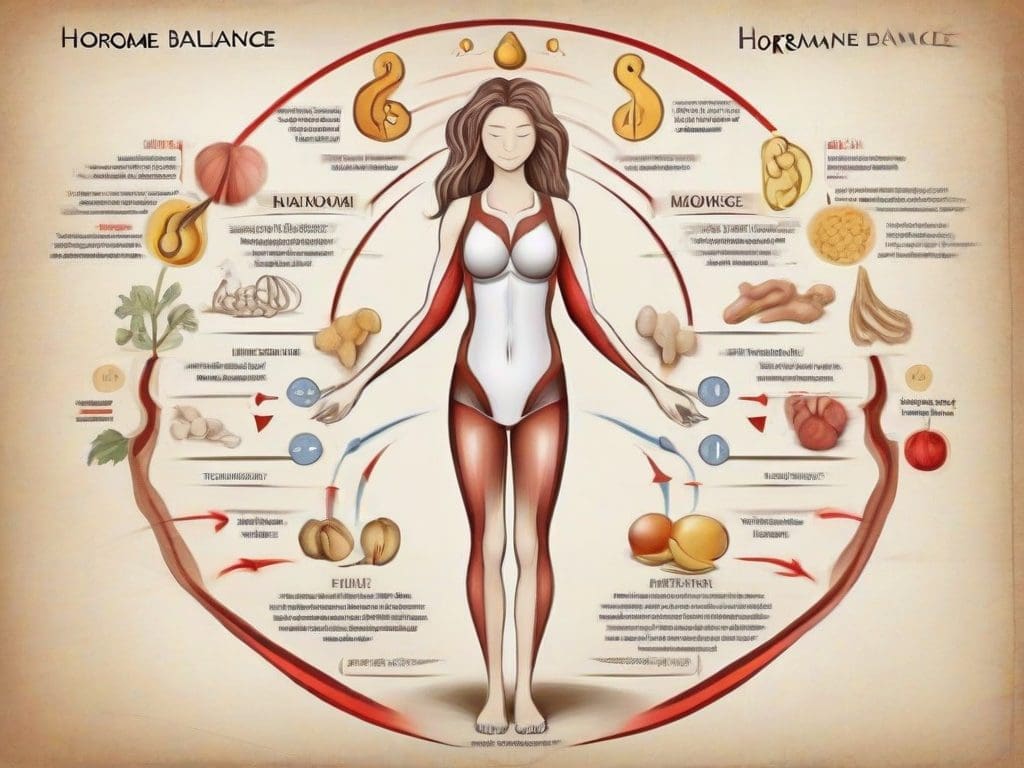
Hormone Balance

6. Disruption of Hormone Balance:

Certain chemicals used as food additives can act as endocrine disruptors. These substances can mimic hormones within the body, potentially leading to reproductive issues, developmental problems, and increased cancer risk. Phthalates and bisphenol-A (BPA), often used in food packaging, can interfere with the body’s hormonal systems.

Strategies to Minimize Exposure to Harmful Additives and Preservatives:

  • Choose Fresh and Whole Foods: Whenever possible, opt for fresh fruits, vegetables, and whole grains that are less likely to contain these chemicals.
  • Read Labels Carefully: Become familiar with names of common additives and preservatives to avoid. Look for foods labeled as preservative-free or containing no artificial colors or flavors.
  • Prepare Meals at Home: Cooking from scratch allows you to control what goes into your food. Use natural herbs and spices for flavoring instead of relying on pre-prepared sauces and mixes that may contain additives.
  • Store Food Properly: Use proper storage techniques to extend the freshness of food naturally. For example, storing bread in a cool, dry place or refrigerating produce can help reduce the need for artificial preservatives.
  • Educate Yourself: Stay informed about new research regarding food additives and their health implications. This knowledge can help you make better choices about eating and feeding your family.

Low Nutrient Density: Industrial foods’ processing often strips them of nutrients. Essential vitamins, minerals, and antioxidants, which are crucial for health and vitality, might be lost. In contrast, a ketogenic diet emphasizes nutrient-dense, whole foods that support bodily functions and overall well-being.

Low nutrient density in foods refers to when items offer more calories with fewer essential nutrients like vitamins, minerals, antioxidants, and fiber. This characteristic is typical of many processed and fast foods, which are often enriched with sugars, unhealthy fats, and additives while offering minimal nutritional benefits. The consequences of consistently consuming low-nutrient-dense foods can be detrimental to both physical health and cognitive function.

Impacts on Physical Health:

  1. Increased Risk of Nutrient Deficiencies:
    Consuming foods with low nutrient density often means missing out on essential vitamins and minerals necessary for the body’s systems to function optimally. Deficiencies in nutrients like iron, vitamin D, and calcium can lead to significant health problems, including anemia, osteoporosis, and impaired immune function.
  2. Poor Energy Levels and Metabolism:
    Foods low in nutrients can spike blood sugar levels and lead to quick drops in energy, a cycle that can affect metabolic health over time. Unlike nutrient-rich foods that provide sustained energy, low-nutrient foods often lead to fluctuations in blood sugar that can cause fatigue and hinder metabolic efficiency.
  3. Weight Gain and Obesity:
    High-calorie, low-nutrient foods contribute to excessive calorie intake without satisfying hunger in the long term, often leading to overeating. This can result in weight gain and increased risk of obesity, which is associated with many chronic health conditions, including heart disease, diabetes, and joint problems.

Impacts on Cognitive Function:

  1. Impaired Brain Function:
    The brain needs a diverse array of nutrients to function correctly. Omega-3 fatty acids, antioxidants, and B vitamins support neuronal function and protect against oxidative stress. A diet lacking these can impair cognitive processes such as memory, attention, and problem-solving skills.
  2. Mood Disorders:
    Nutrient deficiencies may exacerbate or increase the susceptibility to mental health issues like depression and anxiety. For example, low levels of vitamin D have been linked to depression, while insufficient magnesium can heighten anxiety.
  3. Developmental Problems in Children and Adolescents:
    For younger populations, adequate nutrition is vital for proper growth and cognitive development. Nutrient-rich diets support brain tissue development and the neural connections necessary for learning and behavior. Diets high in processed foods and low in nutrients can negatively affect these developmental processes.

Dietician-Recommended Strategies to Enhance Nutrient Density in Your Diet:

  • Focus on Whole Foods:
    Add fruits, vegetables, lean proteins, whole grains, and healthy fats to your diet. These foods are naturally high in necessary nutrients and generally provide greater satiety compared to processed foods.
  • Limit Processed Foods:
    Reduce your intake of foods that are high in empty calories, mainly processed snacks, sweetened beverages, and ready-made meals.
  • Plan Balanced Meals:
    Ensure that each meal contains a good balance of macronutrients (proteins, fats, and minimal carbohydrates on a ketogenic diet) and is rich in vitamins and minerals. Incorporate varied food sources to cover a broader spectrum of nutrients.
  • Read Labels:
    Get into the habit of reading nutrition labels to understand the nutrient content of the foods you consume. Opt for those higher in vitamins, minerals, and fiber.
  • Supplement Wisely:
    Consider supplementation if you cannot meet your nutrient needs through diet alone, but consult with a healthcare provider or a dietitian to choose the right supplements.

Dietician-Recommended Strategies to Avoid Industrial Foods:

  • Whole, Unprocessed Foods: Focus on foods that are as close to their natural state as possible. This includes vegetables, quality meats, fish, nuts, and seeds.
  • Read Labels Carefully: When purchasing packaged foods, read labels to identify and avoid products with high sugar content, unhealthy fats, and additives.
  • Homemade Alternatives: Prepare meals and snacks at home to ensure control over ingredients and avoid the unnecessary additives found in many industrial foods.
  • Educate and Experiment: Keep informed about foods’ ingredients and their health impacts – talk to a dietician. Experiment with preparing your favorite dishes in healthier ways.

Incorporating these dietician strategies not only aligns with keto principles but also supports long-term health by reducing exposure to the harmful components of industrial foods.

Tips for Eating Low Carb with a Busy Life

Are you always on the go but still striving to maintain a healthy diet? Incorporating low carb meal ideas into your busy lifestyle can be a game-changer. Not only can low carb eating help in managing weight, but it can also boost energy levels and improve overall well-being. In this blog post, we will explore simple low carb meal prep ideas, quick recipes, and the myriad benefits of embracing a low carb lifestyle, especially for those with hectic schedules and need ingredients instructions.

Simple Low Carb Meal Ideas

One of the biggest challenges of maintaining a low carb diet, especially when you lead a busy life, is finding the time to prepare meals. However, with a bit of planning and creativity, you can enjoy delicious low carb meal ideass without spending hours in the kitchen.

Spicy Tuna Bites: For a quick and satisfying low carb snack or meal, try making spicy tuna bites. Instructions ingredients: Simply mix canned tuna with mayonnaise, sriracha sauce, and a squeeze of lime juice. Spoon the mixture onto cucumber slices or lettuce leaves for a tasty and filling treat.

low card meal ideas

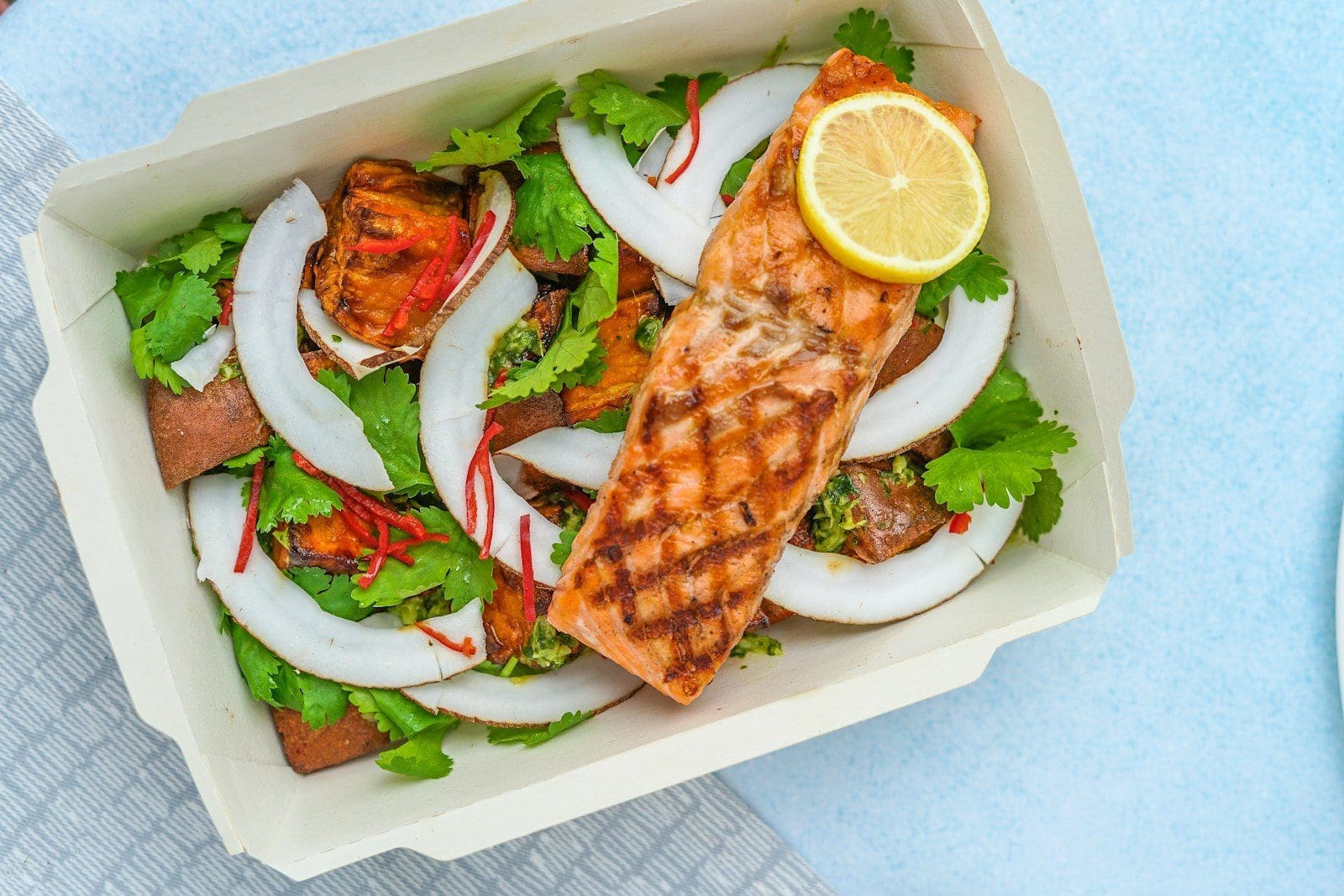
Protein Bowls with Salmon: Prepare protein-packed bowls by combining grilled salmon with a variety of colorful vegetables like bell peppers, broccoli, and avocado. Drizzle with a homemade vinaigrette or tahini dressing for a flavorful and nutrient-dense meal that can be easily prepped in advance.

Benefits of Green Chef Meals: Consider subscribing to meal delivery services like Green Chef that offer low carb meal options. These services provide pre-portioned ingredients along with easy-to-follow recipes, taking the guesswork out of meal prep and allowing you to enjoy a variety of delicious low carb dishes without the hassle of grocery shopping.

Benefits of Low Carb Eating

Adopting a low-carb lifestyle can offer a wide range of benefits, especially for individuals with busy schedules. Here are some of the advantages of incorporating low carb meal ideas into your daily routine:

Weight Management: Many people turn to low-carb diets for weight management. By reducing carbohydrate intake and focusing on protein and healthy fats, individuals can feel fuller for longer periods, leading to reduced overall calorie consumption and potential weight loss.

Steady Energy Levels: Unlike high-carb meals, which can cause energy crashes and spikes in blood sugar levels, low-carb meals provide a steady source of energy throughout the day. This can be particularly beneficial for individuals with demanding schedules who need sustained energy to power through their day.

Improved Concentration: Eating a diet rich in whole foods, including lean proteins, vegetables, and healthy fats, can enhance cognitive function and improve concentration levels. This is essential for staying focused and productive, especially when juggling multiple tasks and responsibilities.

Reduced Inflammation: Low-carb diets have been associated with reduced inflammation in the body, which can have far-reaching health benefits. Chronic inflammation is linked to various health conditions, including heart disease, diabetes, and autoimmune disorders. Individuals can support their overall health and well-being by consuming foods that lower inflammation levels.

Enhanced Athletic Performance: Individuals with busy schedules who also engage in regular physical activity can benefit from a low carb meal ideas diet that supports athletic performance. By fueling the body with the right balance of nutrients, including adequate protein for muscle repair and healthy fats for sustained energy, athletes can optimize their performance and recovery.

By making small changes to your eating habits and incorporating more low carb meal ideas into your busy lifestyle, you can experience many benefits beyond just weight loss. From improved energy levels to enhanced cognitive function, the advantages of embracing a low carb diet are undeniable.

Whether you choose to meal prep ahead of time, subscribe to a meal delivery service, or simply make quick and easy low-carb recipes at home, finding ways to prioritize your health and well-being amidst a hectic schedule is key. With some planning and a willingness to experiment with new flavors and ingredients, eating low carb with a busy life can be achievable and enjoyable.

Check out some of my recipes here, including cauliflower, rice, garlic butter, my famous chicken thighs, and delicious pork chops.

Conclusion

As an athlete, you can optimize your performance and recovery by fueling your body with the right balance of nutrients, including adequate protein for muscle repair and healthy fats for sustained energy.

Making small changes to your eating habits and incorporating more low carb meal ideas into your busy lifestyle can offer numerous benefits beyond just weight loss. Improved energy levels and enhanced cognitive function are some of the undeniable advantages of embracing a low-carb diet.

Prioritizing your health and well-being amidst a hectic schedule can be achieved by meal prepping ahead of time, subscribing to a meal delivery service, or making quick and easy low-carb recipes at home. With some planning and a willingness to experiment with new flavors and ingredients, eating low carb with a busy life can be both achievable and enjoyable.

You can enhance your performance and recovery as an athlete by optimizing your nutrient intake, including sufficient protein for muscle repair and healthy fats for sustained energy. Incorporating low carb meals into your lifestyle offers benefits beyond weight loss, such as improved energy levels and cognitive function.

Prioritizing your well-being amidst a busy schedule can be accomplished through meal prepping, meal delivery services, or preparing quick and easy low-carb recipes at home. With planning and a willingness to try new flavors, adopting a low-carb diet can be achievable and enjoyable, even with a busy life.

A Game-Changer: Keto for Diabetics

How Keto for diabetics works, how it can help beyond losing weight.

The ketogenic diet, or keto diet for short, has gained significant popularity in recent years, especially among individuals with diabetes. This low-carb, high-fat diet has been praised for its ability to help manage blood sugar levels and promote weight loss.

For those with diabetes, managing blood sugar levels is of the utmost importance to prevent complications and maintain overall health. The keto diet offers a unique approach to diabetes management by focusing on reducing carbohydrate intake and increasing fat consumption.

In this post, I will explore the science behind the keto diet and its benefits for diabetics – ALWAYS REMEMBER: do not start any diet without consulting a medical professional.

Keto for Diabetics Key Takeaways

  • The Keto diet can benefit diabetics by helping control blood sugar levels and insulin resistance.
  • The science behind the diet involves the production of ketones, which can help regulate glucose levels in the body.
  • Foods to eat on a Keto for diabetics include healthy fats, low-carb vegetables, and protein sources, while high-carb and sugary foods should be avoided.
  • Real-life success stories show that diabetics can thrive on a Keto diet, but it is important to monitor blood glucose levels and work with a healthcare professional.
  • Starting a Keto diet as a diabetic requires careful planning and consideration, including dos and don’ts such as gradually reducing carb intake and staying hydrated.

Understanding the Keto Diet and Its Benefits for Diabetics

The keto diet is a low-carb, high-fat diet that aims to put the body into a state of ketosis. Ketosis is a metabolic state in which the body uses fat as its primary source of fuel instead of carbohydrates. By drastically reducing carbohydrate intake and increasing fat consumption, the body is forced to burn fat for energy, resulting in weight loss.

The keto diet offers several benefits for individuals with diabetes. One of the main benefits is improved blood sugar control. By reducing carbohydrate intake, the keto diet helps stabilize blood sugar levels and reduce insulin resistance. This can be particularly beneficial for individuals with type 2 diabetes who struggle with insulin resistance.

In addition to improved blood sugar control, the Keto for Diabetics has also been shown to promote weight loss. Excess weight can contribute to insulin resistance and make it more difficult to manage blood sugar levels. By following a low-carb, high-fat diet like keto, individuals with diabetes can shed excess pounds and improve their overall health.

Keto for Diabetics

How Keto Helps Control Blood Sugar Levels in Diabetics

The Keto for Diabetics can help regulate blood sugar levels in diabetics through several mechanisms. First and foremost, by reducing carbohydrate intake, the body has less glucose to process and, therefore, requires less insulin to be produced. This can help to prevent blood sugar spikes and crashes, leading to more stable blood sugar levels throughout the day.

Furthermore, the keto diet promotes the production of ketones, which are byproducts of fat metabolism. Ketones can serve as an alternative fuel source for the body, reducing the reliance on glucose for energy. This can be particularly beneficial for individuals with diabetes who struggle with insulin resistance and have difficulty processing glucose effectively.

Compared to other diets for blood sugar control, such as low-fat or low-calorie diets, the keto diet has been shown to be more effective in improving blood sugar control and reducing insulin resistance. This is because the keto diet focuses on reducing carbohydrate intake, which is the main source of glucose in the body. By limiting carbohydrate intake, individuals with diabetes can better manage their blood sugar levels and reduce their reliance on insulin.

[adinserter name=”Keto”]

The Science Behind the Ketogenic Diet and Diabetes Management

MetricsDescription
KetonesChemicals produced by the liver when the body breaks down fat for energy instead of glucose
GlucoseA type of sugar that is the body’s main source of energy
InsulinA hormone produced by the pancreas that regulates blood sugar levels
CarbohydratesA macronutrient found in foods like bread, pasta, and fruit that is broken down into glucose in the body
DiabetesA chronic condition in which the body is unable to properly regulate blood sugar levels
Ketogenic dietA high-fat, low-carbohydrate diet that promotes the production of ketones for energy
Glucose monitoringThe process of regularly checking blood sugar levels to manage diabetes
Weight lossA potential benefit of the ketogenic diet that may improve diabetes management

The science behind the Keto for Diabetics and its effects on glucose management lies in its ability to shift the body’s metabolism from relying on glucose for energy to relying on fat. When carbohydrate intake is limited, the body enters a state of ketosis, where it begins to break down fat for fuel instead of carbohydrates.

This shift in metabolism has several benefits for individuals with diabetes.

First, it helps to stabilize blood sugar levels by reducing the amount of glucose in the bloodstream. This can help to prevent blood sugar spikes and crashes, which can be particularly dangerous for individuals with diabetes.

Second, the production of ketones during ketosis can provide an alternative fuel source for the body. This is especially beneficial for individuals with insulin resistance, as it reduces their reliance on glucose and allows them to better regulate their blood sugar levels.

Several studies have been conducted on the effects of the Keto for Diabetics management. One study published in the journal Nutrition & Metabolism found that individuals with type 2 diabetes who followed a ketogenic diet experienced significant improvements in blood sugar control and insulin sensitivity.

Another study published in the journal Diabetes Therapy found that a low-carbohydrate, ketogenic diet was effective in reducing HbA1c levels, a marker of long-term blood sugar control, in individuals with type 2 diabetes.

What Foods to Eat and Avoid on a Keto Diet for Diabetics

When following a keto diet for diabetes management, it is important to be mindful of the types of foods you consume. The main focus of the keto diet is to reduce carbohydrate intake and increase fat consumption. Here is a list of foods to eat and avoid on a keto diet for diabetics:

Keto for Diabetics, foods to eat:

  • Meat: Beef, pork, lamb, poultry, etc.
  • Fish: Salmon, trout, tuna, etc.
  • Eggs: Choose organic or pasture-raised eggs whenever possible.
  • Healthy fats: Avocado, olive oil, coconut oil, butter, ghee, etc.
  • Non-starchy vegetables: Leafy greens, broccoli, cauliflower, zucchini, peppers, etc.
  • Nuts and seeds: Almonds, walnuts, chia seeds, flaxseeds, etc.
  • Full-fat dairy: Cheese, yogurt, cream, etc.
  • Berries: Strawberries, blueberries, raspberries, etc.

Keto for Diabetics, foods to avoid:

  • Grains: Wheat, rice, oats, barley, etc.
  • Sugar: Candy, soda, fruit juice, desserts, etc.
  • Starchy vegetables: Potatoes, corn, peas, etc.
  • Legumes: Beans, lentils, chickpeas, etc.
  • High-carb fruits: Bananas, grapes, mangoes, etc.
  • Processed foods: Chips, cookies, crackers, etc.

It is important to note that everyone’s dietary needs are different, and it is best to consult with a healthcare professional or registered dietitian before making any significant changes to your diet.

The Role of Ketones in Diabetes and How Keto Can Help

Ketones are byproducts of fat metabolism that are produced when the body is in a state of ketosis. They serve as an alternative fuel source for the body, providing energy when glucose levels are low. In individuals with diabetes, ketones can play a crucial role in diabetes management.

When the body is in a state of ketosis, it relies on ketones for energy instead of glucose. This can be particularly beneficial for individuals with insulin resistance, as it reduces their reliance on glucose and allows them to better regulate their blood sugar levels.

Furthermore, ketones have been shown to have several other benefits for individuals with diabetes. They have been found to improve insulin sensitivity, reduce inflammation, and promote weight loss. By following a keto diet and increasing ketone production, individuals with diabetes can improve their overall health and better manage their condition.

Success Stories: Real-life Examples of Diabetics Thriving on Keto

There are numerous success stories of individuals with diabetes who have successfully managed their condition with a keto diet. These individuals have experienced significant improvements in blood sugar control, weight loss, and overall health.

One such success story is that of John Doe, who was diagnosed with type 2 diabetes several years ago. After struggling to manage his blood sugar levels with traditional dietary approaches, John decided to try the keto diet. Within a few months of following the diet, John experienced significant weight loss and noticed a dramatic improvement in his blood sugar control. He was able to reduce his reliance on insulin and other diabetes medications and now leads a healthy, active lifestyle.

Another success story is that of Jane Smith, who was diagnosed with type 1 diabetes at a young age. Jane struggled with her blood sugar levels for years, often experiencing dangerous highs and lows. After researching different dietary approaches, Jane decided to try the keto diet. Within a few weeks of following the diet, Jane noticed a significant improvement in her blood sugar control. She was able to reduce her insulin doses and now leads a more stable and balanced life.

These success stories highlight the potential benefits of the keto diet for individuals with diabetes. While everyone’s experience may be different, many individuals have found relief from their symptoms and improved overall health by following a keto diet.

Managing Insulin Resistance with a Ketogenic Diet

Insulin resistance is a condition in which the body’s cells become less responsive to insulin’s effects, resulting in elevated blood sugar levels. It is a common feature of type 2 diabetes and can make it more difficult to manage blood sugar levels.

Keto for diabetics can help improve insulin sensitivity and reduce insulin resistance. By reducing carbohydrate intake, the body has less glucose to process and, therefore, requires less insulin to be produced. This can help to improve insulin sensitivity and make it easier for the body to process glucose effectively.

The production of ketones during ketosis can provide the body with an alternative fuel source, reducing its reliance on glucose for energy. This can help reduce insulin resistance and improve overall blood sugar control.

Keto and Type 2 Diabetes: Can It Help Reverse the Condition?

Type 2 diabetes is a chronic condition characterized by elevated blood sugar levels and insulin resistance. It is often associated with obesity and lifestyle factors such as poor diet and lack of physical activity.

The keto diet has been shown to be effective in helping to reverse type 2 diabetes and improve overall health. By reducing carbohydrate intake and increasing fat consumption, individuals with type 2 diabetes can shed excess weight, improve insulin sensitivity, and better manage their blood sugar levels.

Several studies have been conducted on the effects of the keto diet on type 2 diabetes. One study published in the journal Nutrition & Metabolism found that individuals with type 2 diabetes who followed a ketogenic diet experienced significant improvements in blood sugar control, insulin sensitivity, and weight loss.

Another study published in the journal Diabetes Therapy found that a low-carbohydrate, ketogenic diet was effective in reducing HbA1c levels and improving overall glycemic control in individuals with type 2 diabetes.

While the keto diet may not be a cure for type 2 diabetes, it can be a powerful tool for managing the condition and improving overall health.

The Importance of Monitoring Blood Glucose Levels on a Keto Diet

Monitoring blood glucose levels is of utmost importance for individuals with diabetes, especially when following a keto diet. The keto diet can significantly impact blood sugar levels, and it is important to monitor them regularly to ensure they are within a healthy range.

When following a keto diet, blood sugar levels may initially fluctuate as the body adjusts to using fat as its primary source of fuel. Monitoring these fluctuations and making any necessary diet or medication regimen adjustments is important.

In addition to monitoring blood glucose levels, it is also important to monitor ketone levels when following a keto diet. Ketone levels can be measured using urine test strips or blood ketone meters. Monitoring ketone levels can help to ensure that the body is in a state of ketosis and that fat metabolism is occurring effectively.

Tips for Starting a Keto for Diabetics: Dos and Don’ts

Starting a keto diet as a diabetic can be challenging, but with the right approach, it can be highly beneficial for managing the condition. Here are some dos and don’ts to keep in mind when starting a keto diet as a diabetic:

Keto for Diabetics Dos:

  • Consult with a healthcare professional or registered dietitian before starting a keto diet.
  • Monitor blood glucose levels regularly and make any necessary diet or medication regimen adjustments.
  • Focus on consuming healthy fats from sources such as avocados, olive oil, and nuts.
  • Include a variety of non-starchy vegetables in your diet to ensure you get essential nutrients.
  • Stay hydrated and drink plenty of water throughout the day.
  • Be patient and give your body time to adjust to the new diet.

Keto for Diabetics Don’ts:

  • Don’t drastically reduce carbohydrate intake without consulting with a healthcare professional or registered dietitian.
  • Don’t rely solely on processed keto-friendly foods, as they may contain hidden sugars or unhealthy ingredients.
  • Don’t neglect other aspects of diabetes management, such as regular exercise and stress management.
  • Don’t be discouraged by initial fluctuations in blood sugar levels. It may take time for your body to adjust to the new diet.

Keto for Diabetics offers a unique approach to diabetes management by focusing on reducing carbohydrate intake and increasing fat consumption. By following a keto diet, individuals with diabetes can improve their blood sugar control, promote weight loss, and improve overall health. While the keto diet may not be suitable for everyone, it can be a powerful tool for managing diabetes and improving quality of life. If you are considering the keto diet as a diabetic, it is important to consult with a healthcare professional or registered dietitian to ensure it is safe and appropriate for your individual needs.

If you’re a diabetic looking to explore the benefits of a keto diet, you may be interested in reading an article titled “Diet Challenge: Our Ultimate Diet Regrets” on WeightLossDiet4U.com. This thought-provoking piece delves into common mistakes people make when embarking on a diet journey and offers valuable insights to help you avoid them. It’s crucial for diabetics to approach any dietary changes with caution, and this article can provide you with some useful guidance. Check it out here, along with other informative resources on WeightLossDiet4U.com.

FAQs

What is the Keto for Diabetics?

The keto diet is a high-fat, low-carbohydrate diet that aims to put the body into a state of ketosis, where it burns fat for energy instead of glucose.

How does the keto diet benefit diabetics?

The keto diet can benefit diabetics by helping to regulate blood sugar levels and reducing the need for insulin. It can also aid in weight loss, which can improve insulin sensitivity.

Is the Keto diet for Diabetics safe?

The keto diet can be safe for diabetics, but it is important to consult with a healthcare professional before starting the diet. Diabetics who are on insulin or other medications may need to adjust their dosage to avoid hypoglycemia.

What foods should diabetics avoid on the keto diet?

Diabetics on the keto diet should avoid high-carbohydrate foods such as bread, pasta, rice, and sugary snacks. They should also limit their intake of fruits and starchy vegetables.

What foods should diabetics eat on the keto diet?

Diabetics on the keto diet should focus on eating high-fat foods such as meat, fish, eggs, nuts, and healthy oils. They should also eat low-carbohydrate vegetables such as leafy greens, broccoli, and cauliflower.

Can the keto diet cure diabetes?

The keto diet cannot cure diabetes, but it can help manage its symptoms. Diabetics should continue to monitor their blood sugar levels and work with their healthcare team to manage their condition.

Cherry Coconut Milk Smoothie

Cold, creamy, delicious, and refreshing cherry and banana smoothie made with coconut milk

Indulge in the perfect blend of cold, creamy, delicious, and refreshing flavors with a cherry and banana smoothie made with creamy coconut milk.

Start your day with a burst of tropical goodness by whipping up this cherry coconut milk smoothie. The creamy texture of coconut milk and the sweetness of cherries and bananas create a delightful treat for your taste buds.

To make this luscious smoothie, gather ripe cherries, ripe bananas, and a can of creamy coconut milk. Blend these ingredients until smooth, and voilà – you have a nutritious and satisfying drink that will energize you throughout the day.

This cherry coconut milk smoothie is a treat for your palate and a boost for your health. Cherries are packed with antioxidants and anti-inflammatory properties, while bananas provide a good source of potassium and fiber. Coconut milk adds a touch of creamy richness and a dose of healthy fats to keep you feeling full and satisfied.

Whether you enjoy it for breakfast, as a midday pick-me-up, or as a post-workout refresher, this cherry coconut milk smoothie is sure to become a favorite in your smoothie rotation. Give it a try and experience the tropical paradise in a glass!

Preparation: 10 minutes

Makes 2 servings

Cherry Coconut Milk Smoothie
[nutrifox id=”204697″]

Cherry Coconut Milk Smoothie Ingredients:

  • 1 frozen banana, sliced (2/3 cup frozen slices)
  • 2 cups fresh cherries, pitted
  • 2/3 cup coconut milk
  • 1/3 cup almond or hemp milk , or more as needed
  • 1 teaspoon vanilla

Easy Instructions:

  1. Combine all of the ingredients in a blender and process until smooth.
  2. If the mixture is too thick, add a bit more almond or hemp milk.
    Tip: Peel the bananas and cut them into slices to freeze them for smoothies.
  3. Place the slices on a baking sheet lined with parchment paper and freeze.
  4. Once frozen, transfer to a freezer-friendly container or freezer bag.
  5. The bananas will freeze well for up to 4 to 6 months.

Low-Carb Almond Flour Cake

Craving a sweet treat that won’t knock you off your low-carb path? Discover a cake that’s moist, delicious, and perfectly guilt-free—a dessert made just for you and it comes with only 4g of net carbs!

Many people find themselves searching for desserts that align with their dietary preferences and lifestyle choices. This almond flour cake is versatile and can serve various occasions, from family gatherings to holiday celebrations. With its guilt-free profile, you can serve it to friends who may not even realize it’s a low-carb option, making it a perfect conversation starter. Picture this: a sunny afternoon, friends gathered around the table, and everyone enjoying a slice of this delightful cake, completely unaware of its low-carb benefits.

When you choose to bake with almond flour, you not only reduce the carbohydrate content but also increase the nutritional value of your dessert. Almond flour is rich in vitamin E, magnesium, and healthy fats, making it a superior choice compared to traditional wheat flour. Additionally, this cake is suitable for gluten-intolerant individuals, allowing everyone to enjoy a slice.

Almond Flour Cake Ingredients

  • 2 cups Almond Flour – provides a fine, nutty base.
  • 1/2 cup Erythritol – a low-carb sweetener substitute.
  • 4 Large Eggs – for structure and a light texture.
  • 1/4 cup Unsweetened Almond Milk – moistens and blends the batter.
  • 1/2 cup Unsalted Butter (melted) – adds richness and smoothness.
  • 1 tsp Pure Vanilla Extract – for a touch of aromatic sweetness.
  • 1 1/2 tsp Baking Powder (gluten-free) – promotes a light, airy cake.
  • Pinch of Salt – to enhance all the flavors.

Almond Flour Cake Instructions

  1. Preheat your oven to 350°F (175°C) and grease an 8-inch round cake pan.
  2. Mix Dry Ingredients: In a bowl, combine almond flour, erythritol, baking powder, and a pinch of salt.
  3. Beat Wet Ingredients: In a separate large bowl, whisk the eggs. Add the melted butter, almond milk, and vanilla extract until well blended.
  4. Combine: Gradually stir the dry ingredients into the wet mixture until you have a smooth, consistent batter.
  5. Bake: Pour the batter into the prepared cake pan. Bake in the preheated oven for 25-30 minutes or until a toothpick inserted into the center comes out clean.
  6. Cool: Allow the cake to cool completely in the pan before transferring it to a serving plate. Enjoy as is or add a low-carb topping if desired.

Each slice of this almond flour cake is a perfect balance of flavors and textures. The crumb is moist and tender, complemented by the light sweetness from the erythritol. If you’re looking for ways to elevate this cake further, consider experimenting with different extracts, such as almond or lemon, to give a unique spin to the flavor profile. Whether enjoyed plain or dressed up with toppings, this cake is sure to impress.

Nutrition Facts (Per Serving, 8 servings)

  • Calories: ~250
  • Total Fat: ~20g
  • Protein: ~8g
  • Net Carbohydrates: ~4g
    Nutrition estimates may vary slightly depending on the brands used.
Almond Flour Cake

Ready to indulge in a delectable slice of this irresistible, low-carb Almond Flour Cake delight that will tantalize your taste buds? Preparing this delicious dessert involves gathering a handful of simple yet wholesome ingredients, ensuring that you have everything you need to embark on a culinary adventure. By opting for this healthier dessert option, you will not only be treating yourself to a guilt-free treat , but you’ll also be making a conscious effort to nourish your body with nutritious ingredients.

As you embark on this baking journey, find solace in the knowledge that you are creating a dessert that fulfills your sweet craving and contributes to your overall health and well-being.

Whether you are a seasoned baker or just starting out in the world of baking, this recipe provides an easy and enjoyable way to create a mouthwatering treat that will impress your loved ones. Once your creation is complete, share it with family and friends to spread the joy of homemade treats. As you serve up slices of this delectable dessert, watch as the compliments start rolling in, solidifying your reputation as a skilled baker with a knack for creating irresistible sweets. So go ahead, bake your way to a healthier and happier you, and relish sharing this delightful low-carb delight with your loved ones.

Optional Add-ins: Consider adding 1/2 cup of sugar-free chocolate chips or chopped nuts for enhanced texture and flavor.

Decorate: Top the cooled cake with a layer of sugar-free whipped cream and fresh berries for an elegant finish.

Incorporating this almond flour cake into your meal prep can be a game changer. Prepare a batch at the beginning of the week for a quick, satisfying dessert option that is both healthy and delicious. Wrap individual slices and store them in the freezer for easy access, ensuring you have a low-carb treat ready whenever cravings strike. This way, you can stick to your dietary commitments without feeling deprived.

Why Choose Almond Flour?

Almond flour not only adds a unique flavor but also brings a wealth of health benefits. It is known for its low glycemic index, which helps maintain stable blood sugar levels. This makes it an excellent choice for those managing diabetes or anyone looking to maintain energy levels without the sugar crashes associated with high-carb foods.

This low-carb almond flour cake combines wholesome ingredients with a delightful texture and rich flavor. It’s crafted using almond flour for a naturally low-carb base, and natural sweeteners keep it delicious without the extra carbs. Ideal for dessert or a special celebration, indulge in this treat without compromising your healthy lifestyle.

Storage Tips

To keep your almond flour cake fresh and delicious, store it in an airtight container at room temperature for up to three days. If you need to keep it longer, refrigerate it, where it can last up to a week. For longer storage, consider freezing individual slices. To do this, wrap each slice in plastic wrap and place them in a freezer-safe bag. They can be thawed at room temperature or warmed in the microwave for a quick treat.

Quick Low Carb Meals: Simple Recipes for Busy Days

Finding time to prepare healthy meals can be challenging in today’s fast-paced world. Incorporating low carb meals into your busy lifestyle is possible and beneficial for your overall health. Low-carb meals are those that are low in carbohydrates, which can help stabilize blood sugar levels, promote weight loss, and improve energy levels. In this article, I will explore the importance of low carb meals for busy days and provide tips and recipes for quick and easy low carb breakfasts, lunches, dinners, snacks, and desserts.

Key Takeaways

  • Quick, low-carb meals are a great option for busy individuals who want to maintain a healthy diet.
  • Low carb meals can help regulate blood sugar levels and promote weight loss.
  • Tips for preparing quick low-carb meals include meal planning, using simple ingredients instructions, and utilizing kitchen tools like a slow cooker or pressure cooker.
  • Five easy low-carb breakfast ideas include avocado toast, Greek yogurt with berries, scrambled eggs with spinach, chia seed pudding, and a breakfast burrito bowl.
  • Three simple low-carb lunch recipes for on-the-go include a turkey and cheese wrap, a chicken salad with avocado, and a tuna salad with cucumber boats.

The Importance of Low Carb Meals for Busy Days

It’s easy to reach for convenient, carb-heavy foods like fast food or processed snacks when you have a busy schedule. However, these foods can leave you feeling sluggish and drained of energy.

Low carb meals, on the other hand, can help stabilize blood sugar levels and provide a steady source of energy throughout the day. By reducing your intake of carbohydrates and focusing on protein and healthy fats, you can avoid the energy crashes that often accompany high-carb meals.

In addition to providing sustained energy, low carb meals can also aid in weight loss and improve overall health. When you consume fewer carbohydrates, your body is forced to burn stored fat for fuel instead.

This can lead to weight loss and a decrease in body fat percentage. Low carb diets have also been shown to improve markers of heart health, such as cholesterol levels and blood pressure.

By incorporating low carb meals into your busy lifestyle, you can maintain a healthy weight and reduce your risk of chronic diseases.

Tips for Preparing Quick Low Carb Meals

Preparing quick low carb meals requires some planning and preparation. One of the most important steps is meal planning. Take some time at the beginning of each week to plan out your meals and make a grocery list. This will help you stay organized and ensure you have all the necessary ingredients. When selecting ingredients, opt for fresh produce, lean proteins, and healthy fats. Avoid processed foods and sugary snacks, as these can derail your low carb goals.

To save time in the kitchen, consider using time-saving cooking techniques. For example, you can cook large batches of proteins like chicken or beef and portion them out for multiple meals throughout the week. You can also chop vegetables in advance and store them in the refrigerator for easy access. Additionally, consider investing in kitchen gadgets like a slow cooker or an Instant Pot, which can help you prepare meals with minimal effort.

5 Easy Low Carb Breakfast Ideas for Busy Mornings

Breakfast IdeaCaloriesCarbohydrates (g)Protein (g)Fat (g)
Avocado and Egg Toast320181423
Low Carb Yogurt Parfait220121811
Spinach and Feta Omelette28052219
Chia Seed Pudding18010613
Low Carb Breakfast Burrito350152522

Breakfast is often called the most important meal of the day, but it can be challenging to prepare a nutritious meal in the morning rush. Here are five quick and easy low carb breakfast ideas that you can whip up in no time:

  • Breakfast Smoothie: Blend together a handful of spinach, a scoop of protein powder, a tablespoon of nut butter, and unsweetened almond milk for a nutrient-packed smoothie that will keep you full until lunchtime.
  • Egg Muffins: Preheat your oven to 350°F (175°C) and whisk together eggs, diced vegetables, and shredded cheese in a bowl. Pour the mixture into a greased muffin tin and bake for 20-25 minutes until set.
  • Avocado Toast: Swap out traditional bread for a low carb option like almond flour bread or cloud bread. Top with mashed avocado, sliced tomatoes, and a sprinkle of salt and pepper.
  • Greek Yogurt Parfait: Layer Greek yogurt with fresh berries and a sprinkle of nuts or seeds for a protein-packed breakfast that will keep you satisfied.
  • Chia Pudding: In a jar, mix together chia seeds, unsweetened almond milk, and your choice of sweetener. Let it sit in the refrigerator overnight, and in the morning, top it with berries or nuts for added flavor and texture.

3 Simple Low Carb Lunch Recipes for On-the-Go

Lunchtime can be a hectic part of the day, especially if you’re trying to eat healthy while on the go. Here are three simple low carb lunch recipes that you can prepare in advance and take with you:

  • Low Carb Wraps: Use lettuce leaves or low carb tortillas as a wrap and fill them with your choice of protein (such as grilled chicken or turkey), vegetables, and a dollop of Greek yogurt or avocado for added creaminess.
  • Salad in a Jar: Layer your favorite salad ingredients in a mason jar, starting with the dressing at the bottom and ending with the lettuce on top. When you’re ready to eat, shake the jar to distribute the dressing and enjoy.
  • Vegetable Soup: Make a big batch of vegetable soup on the weekend and portion it out into individual containers for easy grab-and-go lunches throughout the week. Load it up with low carb vegetables like broccoli, cauliflower, and zucchini for added nutrition.

Dinner in a Flash: 4 Low Carb Recipes for Busy Nights

Low Carb Meals

After a long day, the last thing you want to do is spend hours in the kitchen preparing dinner. Here are four low carb dinner recipes that can be whipped up quickly and easily:

  • Low-Carb Stir-Fry: Heat some oil in a skillet or wok and stir-fry your choice of protein (such as shrimp or tofu) with low-carb vegetables like bell peppers, broccoli, and snap peas. Season with soy sauce or coconut aminos for added flavor.
  • Sheet Pan Meals: Preheat your oven to 400°F (200°C) and line a baking sheet with parchment paper. Toss your choice of protein (such as chicken thighs or salmon) with low carb vegetables like Brussels sprouts, cauliflower, and cherry tomatoes. Drizzle with olive oil and season with herbs and spices of your choice. Roast in the oven for 20-25 minutes until cooked through.
  • Zucchini Noodles with Pesto: Spiralize zucchini into noodles using a spiralizer or julienne peeler. Sauté the zucchini noodles in a skillet with olive oil until tender. Toss with homemade or store-bought pesto sauce and top with grated Parmesan cheese.
  • Cauliflower Fried Rice: Pulse cauliflower florets in a food processor until they resemble rice grains. Heat some oil in a skillet and stir-fry the cauliflower rice with diced vegetables, scrambled eggs, and soy sauce or coconut aminos.

Quick Low Carb Snacks to Keep You Energized Throughout the Day

Snacking can be a downfall for many people trying to maintain a low carb lifestyle. However, there are plenty of quick and easy low carb snack options that can keep you energized throughout the day. Here are a few ideas:

  • Energy Balls: Mix together almond butter, unsweetened shredded coconut, chia seeds, and a sweetener of your choice (such as stevia or monk fruit). Roll into bite-sized balls and refrigerate until firm.
  • Roasted Chickpeas: Drain and rinse a can of chickpeas and pat them dry with a paper towel. Toss them with olive oil, salt, and spices of your choice (such as paprika or cumin). Spread them out on a baking sheet and roast in the oven at 400°F (200°C) for 20-25 minutes until crispy.
  • Cheese and Nuts: Pair a serving of your favorite cheese with a handful of nuts for a satisfying snack that provides both protein and healthy fats.
  • Veggie Sticks with Dip: Cut low-carb vegetables like cucumbers, bell peppers, and celery into sticks and serve with a dip made from Greek yogurt and herbs or guacamole.

Low Carb Meal Prep: How to Plan Ahead for Busy Days

Meal prep is a game-changer when it comes to maintaining a low carb lifestyle on busy days. By planning and preparing your meals in advance, you can save time and ensure that you have healthy options readily available. Here are some tips for meal prepping low carb meals:

  • Plan your meals: Take some time each week to plan out your meals and make a grocery list. This will help you stay organized and ensure you have all the necessary instructions ingredients.
  • Cook in bulk: Prepare large batches of proteins like chicken, beef, or tofu and portion them out for multiple meals throughout the week. You can also cook grains like quinoa or cauliflower rice in advance and store them in the refrigerator for easy access.
  • Chop vegetables in advance: Spend some time chopping vegetables in advance and store them in the refrigerator for easy access. This will save you time when you’re ready to cook during the week.
  • Use meal prep containers: Invest in a set of meal prep containers to portion out your meals for the week. This will make it easy to grab a healthy meal on busy days.

Low Carb Desserts for a Sweet Treat Without the Guilt

Just because you’re following a low carb lifestyle doesn’t mean you have to give up dessert. There are plenty of delicious low carb dessert options that can satisfy your sweet tooth without derailing your progress. Here are a few ideas:

Low-Carb Brownies:

In your favorite brownie recipe, swap out traditional flour for almond flour or coconut flour. You can also use sugar substitutes like stevia or erythritol instead of regular sugar.

Cheesecake:

Make a crustless cheesecake using cream cheese, eggs, and a sugar substitute. You can also add flavorings like vanilla extract or lemon zest for added taste.

Chia Seed Pudding:

Mix together chia seeds, unsweetened almond milk, and a sweetener of your choice in a jar. Let it sit in the refrigerator overnight, and in the morning, top it with berries or nuts for added flavor and texture.

Dark Chocolate Bark:

Melt dark chocolate (at least 70% cocoa) and spread it out on a baking sheet lined with parchment paper. Top with chopped nuts, coconut flakes, or dried fruit, and refrigerate until firm.

Making Low Carb Meals a Sustainable Part of Your Busy Lifestyle

Incorporating low carb meals into your busy lifestyle is possible and beneficial for your overall health. By reducing your intake of carbohydrates and focusing on protein and healthy fats, you can stabilize blood sugar levels, promote weight loss, and improve energy levels.

With the tips and recipes provided in this article, you can easily prepare quick low-carb meals for breakfast, lunch, dinner, snacks, and desserts. By making low-carb meals a sustainable part of your daily routine, you can enjoy long-term health benefits and maintain a busy lifestyle without sacrificing your well-being.

If you’re looking for easy low-carb meals to support your physical fitness goals, you’ll definitely want to check out this article on why the keto diet is a great choice. The keto diet has gained popularity for its ability to promote weight loss and improve overall health. In fact, it has become so popular that many people have switched to this way of eating.

One delicious low carb recipe you can try is these keto salmon nuggets. They are packed with healthy fats and protein and are incredibly flavorful. Give them a try and see how easy it can be to enjoy nutritious meals while sticking to your low carb lifestyle. Click here to read more about the benefits of the keto diet and discover other mouthwatering recipes.

FAQs

What are low-carb meals?

Low-carb meals are low in carbohydrates and high in protein and healthy fats. They typically contain less than 50 grams of carbohydrates per day.

What are the benefits of eating low-carb meals?

Eating low-carb meals can help with weight loss, improve blood sugar control, reduce the risk of heart disease, and increase energy levels.

What are some examples of easy low-carb dinner ideas?

Examples of easy low-carb meals include grilled chicken with roasted vegetables, a salad with grilled shrimp and avocado, and a stir-fry with tofu and vegetables.

What foods should be avoided in a low-carb diet?

Bread, pasta, rice, potatoes, sugary drinks, and processed foods should be avoided in a low-carb diet.

Can low-carb meals be vegetarian or vegan?

Yes, low-carb meals can be vegetarian or vegan. Examples include a tofu and vegetable stir-fry, a green beans skillet, a salad with avocado and nuts, and a vegetable curry with cauliflower rice.

Is it safe to eat low-carb meals long-term?

Yes, it is safe to eat low-carb long-term as long as you get enough nutrients from various foods. It is important to consult with a healthcare professional before making any significant changes to your diet.

Delicious, Fast Keto Salmon Recipe

This keto salmon recipe is a quick and easy one-pan dinner that will surely become a staple in your meal rotation. With just a few simple ingredients and less than 10 minutes of your time, you can enjoy perfectly seared salmon that is crispy at the bottom and flaky on top.

Salmon’s high protein and healthy fat content make it an excellent choice for those following a ketogenic diet. Say goodbye to complicated cooking methods and hello to a foolproof way of preparing delicious salmon in no time at all!

If you’re looking to maintain a low-carb, high-protein diet, incorporating this keto salmon recipe into your meal plan is a fantastic choice. Not only is this dish quick and easy to prepare, but it also offers a satisfying meal that’s rich in healthy fats and nutrients.

With just a few simple ingredients and minimal prep time, you can enjoy a delicious serving of perfectly seared salmon that fits seamlessly into your ketogenic lifestyle.

Plus, with only 2.2g of carbs per serving and 15.2g of healthy fat, this flavorful dish allows you to indulge guilt-free while staying on track with your dietary goals.

Say hello to a hassle-free way of enjoying a mouthwatering keto salmon recipe that’s both nutritious and delicious!

Servings: 4
Preparation: 1 minute (about)
Cooking: 8 minutes
Total: 9 minutes (I told you it was fast)
Carb: 2,2 g per serving

Delicious Keto Salmon Recipe
[nutrifox id=”204791″]

Keto Salmon Recipe Ingredients

  • 4 x 4 oz salmon fillets, skinless and boneless
  • 1/2 teaspoon salt
  • 1/2 teaspoon pepper
  • 2 tablespoons lemon juice
  • 1 tablespoon olive oil
  • 3 tablespoons butter
  • 5 cloves garlic minced
  • 1/4 cup parsley loosely packed

Instructions:

  • Pat dry the salmon before seasoning it with salt and pepper.
  • Rub the lemon juice all over each fillet.
  • Add the oil to a non-stick pan over medium heat.
  • Place the salmon fillets flesh side down onto the pan, pressing lightly so that it sears.
  • Sear for 3-4 minutes, until crispy and golden.
  • Flip and cook for a further two minutes.
  • Add the butter, garlic, and a pinch of fresh parsley, and stir around each fillet.
  • Remove the pan from the heat and place each salmon fillet on a plate.
  • Drizzle with the pan juices and sprinkle with more parsley.

Enjoy your delicious and keto-friendly one-pan seared salmon!

Notes:

  • Leftover salmon can be stored in the refrigerator, covered, for up to three days.
  • Place the cooked and cooled salmon in an airtight container and pour the pan juices around the sides. Store it in the freezer for up to two months.
  • Either microwave the salmon with some pan juices for 30-40 seconds or reheat it in a non-stick skillet until it sizzles.

Diet for Stomach Ulcers and Gastritis

Stomach ulcers and gastritis are common digestive conditions that can cause discomfort and pain. Stomach ulcers are open sores that develop on the lining of the stomach, while gastritis is inflammation of the stomach lining.

Both conditions can be caused by a variety of factors, including infection with the bacteria Helicobacter pylori, long-term use of nonsteroidal anti-inflammatory drugs (NSAIDs ), excessive alcohol consumption, and stress.

Remember to always consult a medical professional before starting any diet! Due to the recommended consumption of low-fat and high-carb food, low-carb diets are not compatible.

Diet plays a crucial role in managing the symptoms of stomach ulcers and gastritis. Certain foods can aggravate the condition and increase inflammation, while others can help soothe the stomach and promote healing.

Following a proper diet can reduce the symptoms of stomach ulcers and gastritis and improve overall digestive health.

Stomach Ulcers Key Takeaways

  • Avoid all processed foods as they contain many chemicals, fat, and other ingredients that can upset a stomach.
  • Avoid spicy, acidic, and fatty foods to prevent stomach ulcers and gastritis.
  • Easy-to-digest foods like oatmeal, bananas, and boiled potatoes can help soothe the stomach.
  • Non-triggering foods like lean proteins, whole grains, and low-fat dairy can be incorporated into a gastritis diet.
  • Potatoes have anti-inflammatory properties and can help reduce stomach acid.
  • Fiber-rich foods like fruits, vegetables, and whole grains can aid in digestion and promote healing.

Foods to Avoid

Certain foods should be avoided when managing stomach ulcers and gastritis, as they can worsen symptoms and increase inflammation. Spicy foods like chili peppers and hot sauces can irritate the stomach lining and cause discomfort. Acidic foods like citrus fruits and tomatoes can also exacerbate symptoms by increasing stomach acid production.

Fried and fatty foods should be avoided as they can slow down digestion and increase the risk of acid reflux. Alcohol and caffeine are also known to irritate the stomach lining and should be limited or avoided altogether.

Easy-to-Digest Foods

In order to reduce symptoms and promote healing, it is important to include easy-to-digest foods in a diet for stomach ulcers and gastritis. Bananas are a great option as they are gentle on the stomach and provide essential nutrients like potassium. Oatmeal is another easy-to-digest food that can help soothe the stomach lining.

Cooked vegetables, such as carrots, spinach, and zucchini, are also recommended as they are easier to digest than raw vegetables. Lean protein sources, such as chicken, turkey, and fish, are important for maintaining muscle mass and promoting healing.

Non-Triggering Foods

In addition to easy-to-digest foods, non-triggering foods can be included in a diet for stomach ulcers and gastritis. Low-fat dairy products like yogurt and milk are generally well-tolerated and can provide essential nutrients like calcium.

Whole grains, such as brown rice and whole wheat bread, are a good source of fiber and can help regulate digestion. Lean meats and fish are also recommended as they provide important nutrients without adding unnecessary fat.

Fruits and vegetables should be included in a stomach ulcer and gastritis diet, but it is important to choose non-acidic options. Examples include apples, pears, cucumbers, and green beans.

The Benefits of Potatoes

Potatoes are a versatile food that can provide numerous benefits for individuals with stomach ulcers and gastritis. They are high in potassium, which is an essential mineral that helps regulate blood pressure and maintain proper muscle function. Potatoes are also easy to digest, making them a gentle option for those with sensitive stomachs.

Additionally, potatoes can help soothe stomach inflammation due to their high content of resistant starch. Resistant starch acts as a prebiotic, feeding the beneficial bacteria in the gut and promoting a healthy digestive system.

The Role of Fiber in a Gastritis Diet

Stomach Ulcers

Fiber plays an important role in digestive health and can be beneficial for individuals with stomach ulcers and gastritis. It helps regulate bowel movements and promotes the growth of beneficial bacteria in the gut. There are two types of fiber: soluble fiber and insoluble fiber.

Soluble fiber can help soothe the stomach lining by forming a gel-like substance that coats the stomach. Good sources of soluble fiber include oats, barley, and legumes. Insoluble fiber adds bulk to the stool and helps prevent constipation. Examples of insoluble fiber-rich foods include whole grains, nuts, and seeds.

When incorporating fiber into a gastritis diet, starting slowly and gradually increasing intake is important to avoid any digestive discomfort. It is also important to drink plenty of water to help the fiber move through the digestive system.

The Importance of Lean Protein

Lean protein is essential for maintaining muscle mass and promoting healing in individuals with stomach ulcers and gastritis. It is important to choose lean sources of protein that are low in fat and easy to digest. Examples include skinless chicken breast, turkey breast, fish, tofu, and eggs.

Including lean protein in meals can help stabilize blood sugar levels and promote satiety, which can be beneficial for individuals with stomach ulcers and gastritis. It is important to cook proteins using healthy cooking methods such as grilling, baking, or steaming rather than frying.

The Healing Power of Probiotics

Probiotics are beneficial bacteria that can help restore balance in the gut and promote a healthy digestive system. They are particularly important for individuals with stomach ulcers and gastritis as they can help reduce inflammation and improve symptoms.

Probiotics can be found in fermented foods such as yogurt, kefir, sauerkraut, and kimchi. They can also be taken as supplements. Choosing probiotic supplements containing strains specifically targeted for digestive health is important.

The Dangers of Spicy Foods

Spicy foods can exacerbate stomach ulcers and gastritis symptoms by irritating the stomach lining. They can cause a burning sensation, increase stomach acid production, and lead to discomfort and pain.

To avoid spicy foods, it is important to read food labels carefully and avoid dishes containing ingredients like chili peppers, hot sauces, and spices like cayenne pepper or paprika. When dining out, it is helpful to ask the server about the spiciness level of dishes and request mild or non-spicy options.

Meal Planning Tips for a Stomach Ulcer and Gastritis Diet

Meal planning is an important aspect of managing stomach ulcers and gastritis. By planning meals in advance, individuals can ensure they are consuming a balanced diet that includes all the necessary nutrients while avoiding trigger foods.

A sample meal plan for a stomach ulcer and gastritis diet could include:

  • Breakfast: Oatmeal topped with sliced bananas and a drizzle of honey.
  • Snack: Greek yogurt with a handful of almonds.
  • Lunch: Grilled chicken breast with steamed vegetables and a side of quinoa.
  • Snack: Apple slices with almond butter.
  • Dinner: Baked salmon with roasted sweet potatoes and a side salad.
  • Snack: Carrot sticks with hummus.

When eating out, it is important to communicate dietary restrictions to the server and ask for modifications if needed. Choosing simple dishes that are grilled or baked rather than fried can help reduce the risk of triggering symptoms.

In conclusion, diet plays a crucial role in managing stomach ulcers and gastritis symptoms. Individuals can reduce inflammation and promote healing by avoiding trigger foods such as spicy, acidic, fried, and fatty foods.

Including easy-to-digest foods like bananas, oatmeal, cooked vegetables, and lean protein sources can help soothe the stomach lining. Non-triggering foods such as low-fat dairy products, whole grains, lean meats and fish, and fruits and vegetables should also be included in a stomach ulcer and gastritis diet.

Incorporating foods like potatoes that are high in potassium and easy to digest can provide additional benefits. It is important to consult with a healthcare professional before making any dietary changes to ensure they are appropriate for individual needs.

If you’re looking for a diet that can help with stomach ulcers and gastritis, you might be interested in this article on celery leaf fennel keto poached salmon. This recipe combines celery and fennel’s anti-inflammatory properties with a ketogenic diet’s health benefits. It’s a delicious and nutritious option that can support your digestive health while still being satisfying. For more information on diets and weight loss, you can also check out these articles on the truth about diet pills and their claims and low carb slow cooker Asian beef.