Posts Tagged: Keto

Detailed Discussion with a Dietician

I had the opportunity to discuss industrial foods with a dietician, and his remarks were quite revealing.

Discussing the concerns about industrial foods with a dietician, especially from a ketogenic diet perspective, aligns well with core health principles. These foods often present issues due to their heavy processing, high sugar content, and the frequent use of unhealthy fats and additives.

Harmful Elements in Industrial Foods:

High in Sugar and Carbohydrates: Many industrial foods, including snacks, breads, and ready meals, are high in refined sugars and carbs. This is particularly concerning in a ketogenic diet, which focuses on low-carb intake to maintain a state of ketosis, where the body burns fat for fuel instead of sugars from carbohydrates.

Focusing on why sugars and carbohydrates can be problematic, especially from a ketogenic diet perspective, is critical in understanding their impact on overall health. These nutrients affect the body in multiple ways, particularly influencing blood glucose levels, weight management, and metabolic health:

1. Impact on Blood Glucose and Insulin Levels:

Sugars and high-glycemic carbohydrates (those that cause blood sugar levels to spike rapidly) lead to increased levels of glucose in the bloodstream. In response, the pancreas secretes insulin to help cells absorb glucose and maintain energy. However, frequent and high spikes in blood glucose can lead to spikes in insulin production, a condition termed insulin resistance over time. This means the body needs more insulin to help glucose enter cells, and it can lead to diabetes and other metabolic syndromes.

2. Disruption of Ketosis:

For individuals on a ketogenic diet, maintaining a state of ketosis, where the body primarily burns fat for energy, is essential. Consuming sugars and high carbohydrates disrupt this process because the body will always preferentially burn glucose before fat. Thus, according to the dietician, ketosis is interrupted, and the benefits of the ketogenic diet—like enhanced fat burning and increased feelings of fullness—are diminished.

3. Weight Gain and Obesity:

Foods high in sugars and carbohydrates often have excessive calories and minimal nutritional benefits. This can lead to calorie overconsumption, contributing to weight gain and obesity. Moreover, high insulin levels engendered by sugar intake can facilitate fat storage rather than fat burning, reinforcing weight gain cycles.

4. Increased Risk of Chronic Diseases:

Long-term consumption of high amounts of sugars and carbohydrates has been linked to various chronic conditions beyond diabetes, including cardiovascular diseases (due to altered lipid profiles with higher bad cholesterol levels), certain cancers, and even cognitive decline conditions such as Alzheimer’s disease (sometimes referred to as type 3 diabetes).

5. Gut Health Interference:

Excessive sugar consumption can also interfere with gut health by promoting the growth of harmful bacteria and yeasts in the intestinal tract. This imbalance can lead to digestive issues, inflammation, and a weakened immune system.

Dietician Strategies to Reduce Sugar and Carb Intake:

  • Choose Low-Carb, High-Fibre Foods: Opt for vegetables, nuts, and seeds that are low in carbohydrates but high in fiber and other nutrients.
  • Eat Whole Foods: Focus on whole, unprocessed foods that are free from added sugars and low in high glycemic carbohydrates.
  • Understand Food Labels: Become familiar with food labels to identify hidden sugars and carbs, even in seemingly healthy foods.
  • Plan Meals: Plan meals to include protein and healthy fats, which can help reduce cravings for sugary and high-carb foods.

Dietician Harmful Additives

Trans Fats and Unhealthy Fats: Processed foods often contain trans fats or high levels of omega-6 fatty acids, which can contribute to inflammation in the body. In contrast, a keto diet advises the consumption of healthy fats like those from avocados, nuts, and olive oil, which support overall health and help maintain healthy cholesterol levels.

Trans fats and certain unhealthy fats, particularly industrially produced ones, pose significant physical and mental health risks. These fats commonly lurk in processed and fried foods, making them a target of concern, especially for a keto dietician and anyone mindful of their dietary intake.

1. Cardiovascular Disease Risk:

Trans fats increase the level of LDL (low-density lipoprotein) cholesterol—often called “bad” cholesterol—and decrease the level of HDL (high-density lipoprotein) cholesterol, the “good” cholesterol. This shift can lead to the buildup of plaques in arteries, which increases the risk of heart disease and stroke. Additionally, trans fats may introduce inflammation associated with heart disease and other chronic conditions.

2. Insulin Resistance and Diabetes:

According to the dietician, consuming trans fats may contribute to insulin resistance. This is a condition in which cells do not respond normally to insulin, making blood glucose management less effective. Over time, this can lead to type 2 diabetes. The disruption of glucose and insulin homeostasis can be particularly detrimental for individuals adhering to a ketogenic diet, which aims to stabilize blood sugar levels through low carbohydrate intake.

3. Negative Impact on Mental Health:

Emerging research suggests a correlation between high trans fat intake and an increased risk of developing mental health issues, such as depression. Trans fats may promote inflammation and oxidative stress, which are believed to be underlying mechanisms influencing mood disorders. Furthermore, diets high in trans fats may impact the structure of neural membranes, affecting cognitive function and mood regulation.

4. Weight Gain and Obesity:

Unlike natural healthy fats that can contribute to satiety and help manage weight, trans fats are often found in calorie-dense, nutrient-poor foods that contribute to weight gain. Diets high in trans fats and unhealthy fats are linked with obesity, a major risk factor for numerous diseases, including diabetes, cardiovascular disease, and even certain cancers.

5. Effect on Liver Health:

Consuming high amounts of trans fats has been linked to a greater risk of liver dysfunction. These fats can promote liver inflammation and contribute to non-alcoholic fatty liver disease (NAFLD ), a condition increasingly common worldwide and associated with metabolic issues.

Dietician and trans fat

Strategies to Avoid Trans and Unhealthy Fats:

  • Read Food Labels: Regulatory authorities in many countries now require food manufacturers to list trans fats on nutrition labels. Avoid products that list partially hydrogenated oils, as this is a clear indicator of trans fats.
  • Opt for Natural Fats: Focus on consuming healthy, natural fats found in foods like avocado, nuts, seeds, and olive oil, which support heart health and cognitive function.
  • Prepare Meals at Home: Cooking at home can ensure you use healthy oils and fats, avoiding the hidden trans fats often found in fried and processed foods.
  • Limit Processed Foods: Many processed foods contain trans fats and unhealthy oils to extend shelf life and enhance flavor. Reducing consumption of these foods can dramatically decrease trans fat intake.

Additives and Preservatives: Chemical preservatives, artificial colors, and flavor enhancers like MSG are common in industrial foods. These additives can cause various negative health effects, including allergic reactions, headaches, and possibly long-term health issues like heart disease or diabetes.

Additives and preservatives are ubiquitous in the modern food supply, especially in processed and packaged foods. While these substances can extend shelf life and enhance flavor and appearance, they can also pose significant risks to both physical health and cognitive function.

1. Allergic Reactions and Sensitivities:

Many people are sensitive or allergic to certain food additives. For example, sulfites used to preserve dried fruit, wine, and some processed foods can trigger asthma attacks in sensitive individuals. Artificial colors (like red dye #40 and yellow #5) are associated with behavioral changes in children, such as increased hyperactivity.

2. Digestive Disorders:

Some preservatives, such as sodium benzoate and sorbates, can cause digestive distress and may irritate the stomach lining, leading to symptoms such as bloating and gas. Emulsifiers often added to processed foods to improve texture and extend shelf life, can disrupt the gut microbiota, potentially leading to inflammatory bowel diseases.

3. Impact on Heart Health:

Certain additives like trans fats (partially hydrogenated oils) are directly linked to an increased risk of heart disease. Additionally, excessive sodium, often present in preservatives, can contribute to hypertension and heart disease.

4. Neurological Effects:

The dietician says that some additives have neurotoxic effects. For example, monosodium glutamate (MSG), often used as a flavor enhancer in processed foods, can cause headaches, flushing, and palpitations in sensitive individuals. Aspartame, an artificial sweetener, has been linked to neurological effects such as headaches, dizziness, and mood swings.

5. Increased Risk of Chronic Diseases:

Long-term consumption of foods high in additives and preservatives can contribute to the development of chronic diseases such as diabetes, obesity, and cancer. Preservatives like nitrates and nitrites, used in curing meats, can transform into cancer-causing compounds called nitrosamines in the body.
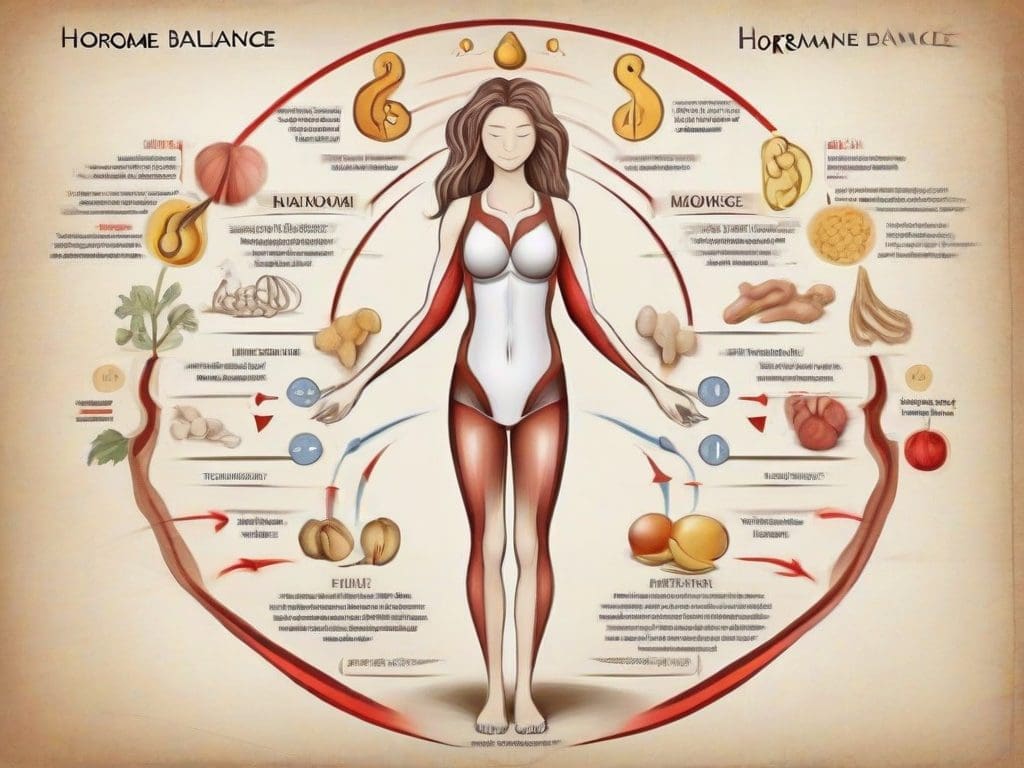
Hormone Balance

6. Disruption of Hormone Balance:

Certain chemicals used as food additives can act as endocrine disruptors. These substances can mimic hormones within the body, potentially leading to reproductive issues, developmental problems, and increased cancer risk. Phthalates and bisphenol-A (BPA), often used in food packaging, can interfere with the body’s hormonal systems.

Strategies to Minimize Exposure to Harmful Additives and Preservatives:

  • Choose Fresh and Whole Foods: Whenever possible, opt for fresh fruits, vegetables, and whole grains that are less likely to contain these chemicals.
  • Read Labels Carefully: Become familiar with names of common additives and preservatives to avoid. Look for foods labeled as preservative-free or containing no artificial colors or flavors.
  • Prepare Meals at Home: Cooking from scratch allows you to control what goes into your food. Use natural herbs and spices for flavoring instead of relying on pre-prepared sauces and mixes that may contain additives.
  • Store Food Properly: Use proper storage techniques to extend the freshness of food naturally. For example, storing bread in a cool, dry place or refrigerating produce can help reduce the need for artificial preservatives.
  • Educate Yourself: Stay informed about new research regarding food additives and their health implications. This knowledge can help you make better choices about eating and feeding your family.

Low Nutrient Density: Industrial foods’ processing often strips them of nutrients. Essential vitamins, minerals, and antioxidants, which are crucial for health and vitality, might be lost. In contrast, a ketogenic diet emphasizes nutrient-dense, whole foods that support bodily functions and overall well-being.

Low nutrient density in foods refers to when items offer more calories with fewer essential nutrients like vitamins, minerals, antioxidants, and fiber. This characteristic is typical of many processed and fast foods, which are often enriched with sugars, unhealthy fats, and additives while offering minimal nutritional benefits. The consequences of consistently consuming low-nutrient-dense foods can be detrimental to both physical health and cognitive function.

Impacts on Physical Health:

  1. Increased Risk of Nutrient Deficiencies:
    Consuming foods with low nutrient density often means missing out on essential vitamins and minerals necessary for the body’s systems to function optimally. Deficiencies in nutrients like iron, vitamin D, and calcium can lead to significant health problems, including anemia, osteoporosis, and impaired immune function.
  2. Poor Energy Levels and Metabolism:
    Foods low in nutrients can spike blood sugar levels and lead to quick drops in energy, a cycle that can affect metabolic health over time. Unlike nutrient-rich foods that provide sustained energy, low-nutrient foods often lead to fluctuations in blood sugar that can cause fatigue and hinder metabolic efficiency.
  3. Weight Gain and Obesity:
    High-calorie, low-nutrient foods contribute to excessive calorie intake without satisfying hunger in the long term, often leading to overeating. This can result in weight gain and increased risk of obesity, which is associated with many chronic health conditions, including heart disease, diabetes, and joint problems.

Impacts on Cognitive Function:

  1. Impaired Brain Function:
    The brain needs a diverse array of nutrients to function correctly. Omega-3 fatty acids, antioxidants, and B vitamins support neuronal function and protect against oxidative stress. A diet lacking these can impair cognitive processes such as memory, attention, and problem-solving skills.
  2. Mood Disorders:
    Nutrient deficiencies may exacerbate or increase the susceptibility to mental health issues like depression and anxiety. For example, low levels of vitamin D have been linked to depression, while insufficient magnesium can heighten anxiety.
  3. Developmental Problems in Children and Adolescents:
    For younger populations, adequate nutrition is vital for proper growth and cognitive development. Nutrient-rich diets support brain tissue development and the neural connections necessary for learning and behavior. Diets high in processed foods and low in nutrients can negatively affect these developmental processes.

Dietician-Recommended Strategies to Enhance Nutrient Density in Your Diet:

  • Focus on Whole Foods:
    Add fruits, vegetables, lean proteins, whole grains, and healthy fats to your diet. These foods are naturally high in necessary nutrients and generally provide greater satiety compared to processed foods.
  • Limit Processed Foods:
    Reduce your intake of foods that are high in empty calories, mainly processed snacks, sweetened beverages, and ready-made meals.
  • Plan Balanced Meals:
    Ensure that each meal contains a good balance of macronutrients (proteins, fats, and minimal carbohydrates on a ketogenic diet) and is rich in vitamins and minerals. Incorporate varied food sources to cover a broader spectrum of nutrients.
  • Read Labels:
    Get into the habit of reading nutrition labels to understand the nutrient content of the foods you consume. Opt for those higher in vitamins, minerals, and fiber.
  • Supplement Wisely:
    Consider supplementation if you cannot meet your nutrient needs through diet alone, but consult with a healthcare provider or a dietitian to choose the right supplements.

Dietician-Recommended Strategies to Avoid Industrial Foods:

  • Whole, Unprocessed Foods: Focus on foods that are as close to their natural state as possible. This includes vegetables, quality meats, fish, nuts, and seeds.
  • Read Labels Carefully: When purchasing packaged foods, read labels to identify and avoid products with high sugar content, unhealthy fats, and additives.
  • Homemade Alternatives: Prepare meals and snacks at home to ensure control over ingredients and avoid the unnecessary additives found in many industrial foods.
  • Educate and Experiment: Keep informed about foods’ ingredients and their health impacts – talk to a dietician. Experiment with preparing your favorite dishes in healthier ways.

Incorporating these dietician strategies not only aligns with keto principles but also supports long-term health by reducing exposure to the harmful components of industrial foods.

A Game-Changer: Keto for Diabetics

How Keto for diabetics works, how it can help beyond losing weight.

The ketogenic diet, or keto diet for short, has gained significant popularity in recent years, especially among individuals with diabetes. This low-carb, high-fat diet has been praised for its ability to help manage blood sugar levels and promote weight loss.

For those with diabetes, managing blood sugar levels is of the utmost importance to prevent complications and maintain overall health. The keto diet offers a unique approach to diabetes management by focusing on reducing carbohydrate intake and increasing fat consumption.

In this post, I will explore the science behind the keto diet and its benefits for diabetics – ALWAYS REMEMBER: do not start any diet without consulting a medical professional.

Keto for Diabetics Key Takeaways

  • The Keto diet can benefit diabetics by helping control blood sugar levels and insulin resistance.
  • The science behind the diet involves the production of ketones, which can help regulate glucose levels in the body.
  • Foods to eat on a Keto for diabetics include healthy fats, low-carb vegetables, and protein sources, while high-carb and sugary foods should be avoided.
  • Real-life success stories show that diabetics can thrive on a Keto diet, but it is important to monitor blood glucose levels and work with a healthcare professional.
  • Starting a Keto diet as a diabetic requires careful planning and consideration, including dos and don’ts such as gradually reducing carb intake and staying hydrated.

Understanding the Keto Diet and Its Benefits for Diabetics

The keto diet is a low-carb, high-fat diet that aims to put the body into a state of ketosis. Ketosis is a metabolic state in which the body uses fat as its primary source of fuel instead of carbohydrates. By drastically reducing carbohydrate intake and increasing fat consumption, the body is forced to burn fat for energy, resulting in weight loss.

The keto diet offers several benefits for individuals with diabetes. One of the main benefits is improved blood sugar control. By reducing carbohydrate intake, the keto diet helps stabilize blood sugar levels and reduce insulin resistance. This can be particularly beneficial for individuals with type 2 diabetes who struggle with insulin resistance.

In addition to improved blood sugar control, the Keto for Diabetics has also been shown to promote weight loss. Excess weight can contribute to insulin resistance and make it more difficult to manage blood sugar levels. By following a low-carb, high-fat diet like keto, individuals with diabetes can shed excess pounds and improve their overall health.

Keto for Diabetics

How Keto Helps Control Blood Sugar Levels in Diabetics

The Keto for Diabetics can help regulate blood sugar levels in diabetics through several mechanisms. First and foremost, by reducing carbohydrate intake, the body has less glucose to process and, therefore, requires less insulin to be produced. This can help to prevent blood sugar spikes and crashes, leading to more stable blood sugar levels throughout the day.

Furthermore, the keto diet promotes the production of ketones, which are byproducts of fat metabolism. Ketones can serve as an alternative fuel source for the body, reducing the reliance on glucose for energy. This can be particularly beneficial for individuals with diabetes who struggle with insulin resistance and have difficulty processing glucose effectively.

Compared to other diets for blood sugar control, such as low-fat or low-calorie diets, the keto diet has been shown to be more effective in improving blood sugar control and reducing insulin resistance. This is because the keto diet focuses on reducing carbohydrate intake, which is the main source of glucose in the body. By limiting carbohydrate intake, individuals with diabetes can better manage their blood sugar levels and reduce their reliance on insulin.

[adinserter name=”Keto”]

The Science Behind the Ketogenic Diet and Diabetes Management

MetricsDescription
KetonesChemicals produced by the liver when the body breaks down fat for energy instead of glucose
GlucoseA type of sugar that is the body’s main source of energy
InsulinA hormone produced by the pancreas that regulates blood sugar levels
CarbohydratesA macronutrient found in foods like bread, pasta, and fruit that is broken down into glucose in the body
DiabetesA chronic condition in which the body is unable to properly regulate blood sugar levels
Ketogenic dietA high-fat, low-carbohydrate diet that promotes the production of ketones for energy
Glucose monitoringThe process of regularly checking blood sugar levels to manage diabetes
Weight lossA potential benefit of the ketogenic diet that may improve diabetes management

The science behind the Keto for Diabetics and its effects on glucose management lies in its ability to shift the body’s metabolism from relying on glucose for energy to relying on fat. When carbohydrate intake is limited, the body enters a state of ketosis, where it begins to break down fat for fuel instead of carbohydrates.

This shift in metabolism has several benefits for individuals with diabetes.

First, it helps to stabilize blood sugar levels by reducing the amount of glucose in the bloodstream. This can help to prevent blood sugar spikes and crashes, which can be particularly dangerous for individuals with diabetes.

Second, the production of ketones during ketosis can provide an alternative fuel source for the body. This is especially beneficial for individuals with insulin resistance, as it reduces their reliance on glucose and allows them to better regulate their blood sugar levels.

Several studies have been conducted on the effects of the Keto for Diabetics management. One study published in the journal Nutrition & Metabolism found that individuals with type 2 diabetes who followed a ketogenic diet experienced significant improvements in blood sugar control and insulin sensitivity.

Another study published in the journal Diabetes Therapy found that a low-carbohydrate, ketogenic diet was effective in reducing HbA1c levels, a marker of long-term blood sugar control, in individuals with type 2 diabetes.

What Foods to Eat and Avoid on a Keto Diet for Diabetics

When following a keto diet for diabetes management, it is important to be mindful of the types of foods you consume. The main focus of the keto diet is to reduce carbohydrate intake and increase fat consumption. Here is a list of foods to eat and avoid on a keto diet for diabetics:

Keto for Diabetics, foods to eat:

  • Meat: Beef, pork, lamb, poultry, etc.
  • Fish: Salmon, trout, tuna, etc.
  • Eggs: Choose organic or pasture-raised eggs whenever possible.
  • Healthy fats: Avocado, olive oil, coconut oil, butter, ghee, etc.
  • Non-starchy vegetables: Leafy greens, broccoli, cauliflower, zucchini, peppers, etc.
  • Nuts and seeds: Almonds, walnuts, chia seeds, flaxseeds, etc.
  • Full-fat dairy: Cheese, yogurt, cream, etc.
  • Berries: Strawberries, blueberries, raspberries, etc.

Keto for Diabetics, foods to avoid:

  • Grains: Wheat, rice, oats, barley, etc.
  • Sugar: Candy, soda, fruit juice, desserts, etc.
  • Starchy vegetables: Potatoes, corn, peas, etc.
  • Legumes: Beans, lentils, chickpeas, etc.
  • High-carb fruits: Bananas, grapes, mangoes, etc.
  • Processed foods: Chips, cookies, crackers, etc.

It is important to note that everyone’s dietary needs are different, and it is best to consult with a healthcare professional or registered dietitian before making any significant changes to your diet.

The Role of Ketones in Diabetes and How Keto Can Help

Ketones are byproducts of fat metabolism that are produced when the body is in a state of ketosis. They serve as an alternative fuel source for the body, providing energy when glucose levels are low. In individuals with diabetes, ketones can play a crucial role in diabetes management.

When the body is in a state of ketosis, it relies on ketones for energy instead of glucose. This can be particularly beneficial for individuals with insulin resistance, as it reduces their reliance on glucose and allows them to better regulate their blood sugar levels.

Furthermore, ketones have been shown to have several other benefits for individuals with diabetes. They have been found to improve insulin sensitivity, reduce inflammation, and promote weight loss. By following a keto diet and increasing ketone production, individuals with diabetes can improve their overall health and better manage their condition.

Success Stories: Real-life Examples of Diabetics Thriving on Keto

There are numerous success stories of individuals with diabetes who have successfully managed their condition with a keto diet. These individuals have experienced significant improvements in blood sugar control, weight loss, and overall health.

One such success story is that of John Doe, who was diagnosed with type 2 diabetes several years ago. After struggling to manage his blood sugar levels with traditional dietary approaches, John decided to try the keto diet. Within a few months of following the diet, John experienced significant weight loss and noticed a dramatic improvement in his blood sugar control. He was able to reduce his reliance on insulin and other diabetes medications and now leads a healthy, active lifestyle.

Another success story is that of Jane Smith, who was diagnosed with type 1 diabetes at a young age. Jane struggled with her blood sugar levels for years, often experiencing dangerous highs and lows. After researching different dietary approaches, Jane decided to try the keto diet. Within a few weeks of following the diet, Jane noticed a significant improvement in her blood sugar control. She was able to reduce her insulin doses and now leads a more stable and balanced life.

These success stories highlight the potential benefits of the keto diet for individuals with diabetes. While everyone’s experience may be different, many individuals have found relief from their symptoms and improved overall health by following a keto diet.

Managing Insulin Resistance with a Ketogenic Diet

Insulin resistance is a condition in which the body’s cells become less responsive to insulin’s effects, resulting in elevated blood sugar levels. It is a common feature of type 2 diabetes and can make it more difficult to manage blood sugar levels.

Keto for diabetics can help improve insulin sensitivity and reduce insulin resistance. By reducing carbohydrate intake, the body has less glucose to process and, therefore, requires less insulin to be produced. This can help to improve insulin sensitivity and make it easier for the body to process glucose effectively.

The production of ketones during ketosis can provide the body with an alternative fuel source, reducing its reliance on glucose for energy. This can help reduce insulin resistance and improve overall blood sugar control.

Keto and Type 2 Diabetes: Can It Help Reverse the Condition?

Type 2 diabetes is a chronic condition characterized by elevated blood sugar levels and insulin resistance. It is often associated with obesity and lifestyle factors such as poor diet and lack of physical activity.

The keto diet has been shown to be effective in helping to reverse type 2 diabetes and improve overall health. By reducing carbohydrate intake and increasing fat consumption, individuals with type 2 diabetes can shed excess weight, improve insulin sensitivity, and better manage their blood sugar levels.

Several studies have been conducted on the effects of the keto diet on type 2 diabetes. One study published in the journal Nutrition & Metabolism found that individuals with type 2 diabetes who followed a ketogenic diet experienced significant improvements in blood sugar control, insulin sensitivity, and weight loss.

Another study published in the journal Diabetes Therapy found that a low-carbohydrate, ketogenic diet was effective in reducing HbA1c levels and improving overall glycemic control in individuals with type 2 diabetes.

While the keto diet may not be a cure for type 2 diabetes, it can be a powerful tool for managing the condition and improving overall health.

The Importance of Monitoring Blood Glucose Levels on a Keto Diet

Monitoring blood glucose levels is of utmost importance for individuals with diabetes, especially when following a keto diet. The keto diet can significantly impact blood sugar levels, and it is important to monitor them regularly to ensure they are within a healthy range.

When following a keto diet, blood sugar levels may initially fluctuate as the body adjusts to using fat as its primary source of fuel. Monitoring these fluctuations and making any necessary diet or medication regimen adjustments is important.

In addition to monitoring blood glucose levels, it is also important to monitor ketone levels when following a keto diet. Ketone levels can be measured using urine test strips or blood ketone meters. Monitoring ketone levels can help to ensure that the body is in a state of ketosis and that fat metabolism is occurring effectively.

Tips for Starting a Keto for Diabetics: Dos and Don’ts

Starting a keto diet as a diabetic can be challenging, but with the right approach, it can be highly beneficial for managing the condition. Here are some dos and don’ts to keep in mind when starting a keto diet as a diabetic:

Keto for Diabetics Dos:

  • Consult with a healthcare professional or registered dietitian before starting a keto diet.
  • Monitor blood glucose levels regularly and make any necessary diet or medication regimen adjustments.
  • Focus on consuming healthy fats from sources such as avocados, olive oil, and nuts.
  • Include a variety of non-starchy vegetables in your diet to ensure you get essential nutrients.
  • Stay hydrated and drink plenty of water throughout the day.
  • Be patient and give your body time to adjust to the new diet.

Keto for Diabetics Don’ts:

  • Don’t drastically reduce carbohydrate intake without consulting with a healthcare professional or registered dietitian.
  • Don’t rely solely on processed keto-friendly foods, as they may contain hidden sugars or unhealthy ingredients.
  • Don’t neglect other aspects of diabetes management, such as regular exercise and stress management.
  • Don’t be discouraged by initial fluctuations in blood sugar levels. It may take time for your body to adjust to the new diet.

Keto for Diabetics offers a unique approach to diabetes management by focusing on reducing carbohydrate intake and increasing fat consumption. By following a keto diet, individuals with diabetes can improve their blood sugar control, promote weight loss, and improve overall health. While the keto diet may not be suitable for everyone, it can be a powerful tool for managing diabetes and improving quality of life. If you are considering the keto diet as a diabetic, it is important to consult with a healthcare professional or registered dietitian to ensure it is safe and appropriate for your individual needs.

If you’re a diabetic looking to explore the benefits of a keto diet, you may be interested in reading an article titled “Diet Challenge: Our Ultimate Diet Regrets” on WeightLossDiet4U.com. This thought-provoking piece delves into common mistakes people make when embarking on a diet journey and offers valuable insights to help you avoid them. It’s crucial for diabetics to approach any dietary changes with caution, and this article can provide you with some useful guidance. Check it out here, along with other informative resources on WeightLossDiet4U.com.

FAQs

What is the Keto for Diabetics?

The keto diet is a high-fat, low-carbohydrate diet that aims to put the body into a state of ketosis, where it burns fat for energy instead of glucose.

How does the keto diet benefit diabetics?

The keto diet can benefit diabetics by helping to regulate blood sugar levels and reducing the need for insulin. It can also aid in weight loss, which can improve insulin sensitivity.

Is the Keto diet for Diabetics safe?

The keto diet can be safe for diabetics, but it is important to consult with a healthcare professional before starting the diet. Diabetics who are on insulin or other medications may need to adjust their dosage to avoid hypoglycemia.

What foods should diabetics avoid on the keto diet?

Diabetics on the keto diet should avoid high-carbohydrate foods such as bread, pasta, rice, and sugary snacks. They should also limit their intake of fruits and starchy vegetables.

What foods should diabetics eat on the keto diet?

Diabetics on the keto diet should focus on eating high-fat foods such as meat, fish, eggs, nuts, and healthy oils. They should also eat low-carbohydrate vegetables such as leafy greens, broccoli, and cauliflower.

Can the keto diet cure diabetes?

The keto diet cannot cure diabetes, but it can help manage its symptoms. Diabetics should continue to monitor their blood sugar levels and work with their healthcare team to manage their condition.

Quick Low Carb Meals: Simple Recipes for Busy Days

Finding time to prepare healthy meals can be challenging in today’s fast-paced world. Incorporating low carb meals into your busy lifestyle is possible and beneficial for your overall health. Low-carb meals are those that are low in carbohydrates, which can help stabilize blood sugar levels, promote weight loss, and improve energy levels. In this article, I will explore the importance of low carb meals for busy days and provide tips and recipes for quick and easy low carb breakfasts, lunches, dinners, snacks, and desserts.

Key Takeaways

  • Quick, low-carb meals are a great option for busy individuals who want to maintain a healthy diet.
  • Low carb meals can help regulate blood sugar levels and promote weight loss.
  • Tips for preparing quick low-carb meals include meal planning, using simple ingredients instructions, and utilizing kitchen tools like a slow cooker or pressure cooker.
  • Five easy low-carb breakfast ideas include avocado toast, Greek yogurt with berries, scrambled eggs with spinach, chia seed pudding, and a breakfast burrito bowl.
  • Three simple low-carb lunch recipes for on-the-go include a turkey and cheese wrap, a chicken salad with avocado, and a tuna salad with cucumber boats.

The Importance of Low Carb Meals for Busy Days

It’s easy to reach for convenient, carb-heavy foods like fast food or processed snacks when you have a busy schedule. However, these foods can leave you feeling sluggish and drained of energy.

Low carb meals, on the other hand, can help stabilize blood sugar levels and provide a steady source of energy throughout the day. By reducing your intake of carbohydrates and focusing on protein and healthy fats, you can avoid the energy crashes that often accompany high-carb meals.

In addition to providing sustained energy, low carb meals can also aid in weight loss and improve overall health. When you consume fewer carbohydrates, your body is forced to burn stored fat for fuel instead.

This can lead to weight loss and a decrease in body fat percentage. Low carb diets have also been shown to improve markers of heart health, such as cholesterol levels and blood pressure.

By incorporating low carb meals into your busy lifestyle, you can maintain a healthy weight and reduce your risk of chronic diseases.

Tips for Preparing Quick Low Carb Meals

Preparing quick low carb meals requires some planning and preparation. One of the most important steps is meal planning. Take some time at the beginning of each week to plan out your meals and make a grocery list. This will help you stay organized and ensure you have all the necessary ingredients. When selecting ingredients, opt for fresh produce, lean proteins, and healthy fats. Avoid processed foods and sugary snacks, as these can derail your low carb goals.

To save time in the kitchen, consider using time-saving cooking techniques. For example, you can cook large batches of proteins like chicken or beef and portion them out for multiple meals throughout the week. You can also chop vegetables in advance and store them in the refrigerator for easy access. Additionally, consider investing in kitchen gadgets like a slow cooker or an Instant Pot, which can help you prepare meals with minimal effort.

5 Easy Low Carb Breakfast Ideas for Busy Mornings

Breakfast IdeaCaloriesCarbohydrates (g)Protein (g)Fat (g)
Avocado and Egg Toast320181423
Low Carb Yogurt Parfait220121811
Spinach and Feta Omelette28052219
Chia Seed Pudding18010613
Low Carb Breakfast Burrito350152522

Breakfast is often called the most important meal of the day, but it can be challenging to prepare a nutritious meal in the morning rush. Here are five quick and easy low carb breakfast ideas that you can whip up in no time:

  • Breakfast Smoothie: Blend together a handful of spinach, a scoop of protein powder, a tablespoon of nut butter, and unsweetened almond milk for a nutrient-packed smoothie that will keep you full until lunchtime.
  • Egg Muffins: Preheat your oven to 350°F (175°C) and whisk together eggs, diced vegetables, and shredded cheese in a bowl. Pour the mixture into a greased muffin tin and bake for 20-25 minutes until set.
  • Avocado Toast: Swap out traditional bread for a low carb option like almond flour bread or cloud bread. Top with mashed avocado, sliced tomatoes, and a sprinkle of salt and pepper.
  • Greek Yogurt Parfait: Layer Greek yogurt with fresh berries and a sprinkle of nuts or seeds for a protein-packed breakfast that will keep you satisfied.
  • Chia Pudding: In a jar, mix together chia seeds, unsweetened almond milk, and your choice of sweetener. Let it sit in the refrigerator overnight, and in the morning, top it with berries or nuts for added flavor and texture.

3 Simple Low Carb Lunch Recipes for On-the-Go

Lunchtime can be a hectic part of the day, especially if you’re trying to eat healthy while on the go. Here are three simple low carb lunch recipes that you can prepare in advance and take with you:

  • Low Carb Wraps: Use lettuce leaves or low carb tortillas as a wrap and fill them with your choice of protein (such as grilled chicken or turkey), vegetables, and a dollop of Greek yogurt or avocado for added creaminess.
  • Salad in a Jar: Layer your favorite salad ingredients in a mason jar, starting with the dressing at the bottom and ending with the lettuce on top. When you’re ready to eat, shake the jar to distribute the dressing and enjoy.
  • Vegetable Soup: Make a big batch of vegetable soup on the weekend and portion it out into individual containers for easy grab-and-go lunches throughout the week. Load it up with low carb vegetables like broccoli, cauliflower, and zucchini for added nutrition.

Dinner in a Flash: 4 Low Carb Recipes for Busy Nights

Low Carb Meals

After a long day, the last thing you want to do is spend hours in the kitchen preparing dinner. Here are four low carb dinner recipes that can be whipped up quickly and easily:

  • Low-Carb Stir-Fry: Heat some oil in a skillet or wok and stir-fry your choice of protein (such as shrimp or tofu) with low-carb vegetables like bell peppers, broccoli, and snap peas. Season with soy sauce or coconut aminos for added flavor.
  • Sheet Pan Meals: Preheat your oven to 400°F (200°C) and line a baking sheet with parchment paper. Toss your choice of protein (such as chicken thighs or salmon) with low carb vegetables like Brussels sprouts, cauliflower, and cherry tomatoes. Drizzle with olive oil and season with herbs and spices of your choice. Roast in the oven for 20-25 minutes until cooked through.
  • Zucchini Noodles with Pesto: Spiralize zucchini into noodles using a spiralizer or julienne peeler. Sauté the zucchini noodles in a skillet with olive oil until tender. Toss with homemade or store-bought pesto sauce and top with grated Parmesan cheese.
  • Cauliflower Fried Rice: Pulse cauliflower florets in a food processor until they resemble rice grains. Heat some oil in a skillet and stir-fry the cauliflower rice with diced vegetables, scrambled eggs, and soy sauce or coconut aminos.

Quick Low Carb Snacks to Keep You Energized Throughout the Day

Snacking can be a downfall for many people trying to maintain a low carb lifestyle. However, there are plenty of quick and easy low carb snack options that can keep you energized throughout the day. Here are a few ideas:

  • Energy Balls: Mix together almond butter, unsweetened shredded coconut, chia seeds, and a sweetener of your choice (such as stevia or monk fruit). Roll into bite-sized balls and refrigerate until firm.
  • Roasted Chickpeas: Drain and rinse a can of chickpeas and pat them dry with a paper towel. Toss them with olive oil, salt, and spices of your choice (such as paprika or cumin). Spread them out on a baking sheet and roast in the oven at 400°F (200°C) for 20-25 minutes until crispy.
  • Cheese and Nuts: Pair a serving of your favorite cheese with a handful of nuts for a satisfying snack that provides both protein and healthy fats.
  • Veggie Sticks with Dip: Cut low-carb vegetables like cucumbers, bell peppers, and celery into sticks and serve with a dip made from Greek yogurt and herbs or guacamole.

Low Carb Meal Prep: How to Plan Ahead for Busy Days

Meal prep is a game-changer when it comes to maintaining a low carb lifestyle on busy days. By planning and preparing your meals in advance, you can save time and ensure that you have healthy options readily available. Here are some tips for meal prepping low carb meals:

  • Plan your meals: Take some time each week to plan out your meals and make a grocery list. This will help you stay organized and ensure you have all the necessary instructions ingredients.
  • Cook in bulk: Prepare large batches of proteins like chicken, beef, or tofu and portion them out for multiple meals throughout the week. You can also cook grains like quinoa or cauliflower rice in advance and store them in the refrigerator for easy access.
  • Chop vegetables in advance: Spend some time chopping vegetables in advance and store them in the refrigerator for easy access. This will save you time when you’re ready to cook during the week.
  • Use meal prep containers: Invest in a set of meal prep containers to portion out your meals for the week. This will make it easy to grab a healthy meal on busy days.

Low Carb Desserts for a Sweet Treat Without the Guilt

Just because you’re following a low carb lifestyle doesn’t mean you have to give up dessert. There are plenty of delicious low carb dessert options that can satisfy your sweet tooth without derailing your progress. Here are a few ideas:

Low-Carb Brownies:

In your favorite brownie recipe, swap out traditional flour for almond flour or coconut flour. You can also use sugar substitutes like stevia or erythritol instead of regular sugar.

Cheesecake:

Make a crustless cheesecake using cream cheese, eggs, and a sugar substitute. You can also add flavorings like vanilla extract or lemon zest for added taste.

Chia Seed Pudding:

Mix together chia seeds, unsweetened almond milk, and a sweetener of your choice in a jar. Let it sit in the refrigerator overnight, and in the morning, top it with berries or nuts for added flavor and texture.

Dark Chocolate Bark:

Melt dark chocolate (at least 70% cocoa) and spread it out on a baking sheet lined with parchment paper. Top with chopped nuts, coconut flakes, or dried fruit, and refrigerate until firm.

Making Low Carb Meals a Sustainable Part of Your Busy Lifestyle

Incorporating low carb meals into your busy lifestyle is possible and beneficial for your overall health. By reducing your intake of carbohydrates and focusing on protein and healthy fats, you can stabilize blood sugar levels, promote weight loss, and improve energy levels.

With the tips and recipes provided in this article, you can easily prepare quick low-carb meals for breakfast, lunch, dinner, snacks, and desserts. By making low-carb meals a sustainable part of your daily routine, you can enjoy long-term health benefits and maintain a busy lifestyle without sacrificing your well-being.

If you’re looking for easy low-carb meals to support your physical fitness goals, you’ll definitely want to check out this article on why the keto diet is a great choice. The keto diet has gained popularity for its ability to promote weight loss and improve overall health. In fact, it has become so popular that many people have switched to this way of eating.

One delicious low carb recipe you can try is these keto salmon nuggets. They are packed with healthy fats and protein and are incredibly flavorful. Give them a try and see how easy it can be to enjoy nutritious meals while sticking to your low carb lifestyle. Click here to read more about the benefits of the keto diet and discover other mouthwatering recipes.

FAQs

What are low-carb meals?

Low-carb meals are low in carbohydrates and high in protein and healthy fats. They typically contain less than 50 grams of carbohydrates per day.

What are the benefits of eating low-carb meals?

Eating low-carb meals can help with weight loss, improve blood sugar control, reduce the risk of heart disease, and increase energy levels.

What are some examples of easy low-carb dinner ideas?

Examples of easy low-carb meals include grilled chicken with roasted vegetables, a salad with grilled shrimp and avocado, and a stir-fry with tofu and vegetables.

What foods should be avoided in a low-carb diet?

Bread, pasta, rice, potatoes, sugary drinks, and processed foods should be avoided in a low-carb diet.

Can low-carb meals be vegetarian or vegan?

Yes, low-carb meals can be vegetarian or vegan. Examples include a tofu and vegetable stir-fry, a green beans skillet, a salad with avocado and nuts, and a vegetable curry with cauliflower rice.

Is it safe to eat low-carb meals long-term?

Yes, it is safe to eat low-carb long-term as long as you get enough nutrients from various foods. It is important to consult with a healthcare professional before making any significant changes to your diet.