Top Keto-Friendly Fruits for a Delicious Low-Carb Diet

The ketogenic diet, or keto diet for short, is a low-carb, high-fat diet that has gained popularity in recent years for its potential health benefits. The main goal of the keto diet is to put your body into a state of ketosis, where it burns fat for fuel instead of carbohydrates. While the diet typically restricts carbohydrate intake, many people wonder if they can still enjoy fruits while following a keto lifestyle.

Fruits are often associated with a healthy diet due to their high vitamin and mineral content. However, they also contain natural sugars, which can be a concern for those following a low-carb diet like keto. In this article, I will explore the role of fruit consumption on a keto diet and provide you with a list of keto-friendly fruits that you can enjoy while still staying in ketosis.

Key Takeaways

  • The Keto diet is a low-carb, high-fat diet that can be compatible with fruit consumption.
  • Fruits vary in their carbohydrate content, and it’s important to choose low-carb options on a Keto diet.
  • Eating fruits on a Keto diet can provide important nutrients, fiber, and antioxidants.
  • Berries, avocados, citrus fruits, and melons are some of the best low-carb fruits for a Keto diet.
  • Berries are particularly nutrient-dense and can be a great addition to a Keto diet.

Understanding Carbohydrate Content in Fruits

Carbohydrates are one of the three macronutrients found in food, along with protein and fat. They are the body’s primary source of energy and play a crucial role in various bodily functions. However, on a keto diet, carbohydrate intake is typically limited to induce ketosis.

Fruits’ carbohydrate content can vary significantly. Some are high in carbohydrates and may not be suitable for a keto diet, while others are low in carbohydrates and can be enjoyed in moderation. Understanding the carbohydrate content of different fruits is essential to making informed choices while following a keto lifestyle.

Benefits of Eating Fruits on a Keto Diet

While the keto diet restricts carbohydrate intake, it’s still important to include nutrient-dense foods in your diet, such as fruits. Fruits are rich in vitamins, minerals, and antioxidants that are essential for overall health and well-being.

Vitamins and minerals found in fruits play vital roles in various bodily functions, including immune function, energy production, and cell growth. By incorporating fruits into your keto diet, you can ensure that you’re getting a wide range of essential nutrients that may be lacking in a low-carb diet.

Fiber is another important component of fruits that can benefit those following a keto diet. Fiber aids in digestion, promotes feelings of fullness, and can help with weight loss. By including fiber-rich fruits in your diet, you can support healthy digestion and maintain a healthy weight while following a keto lifestyle.

Top 5 keto-friendly fruits

Fruit Net Carbs (per 100g) Fiber (per 100g) Fat (per 100g) Calories (per 100g)
Avocado 1.8g 6.7g 15g 160
Olives 3.0g 3.3g 15g 145
Strawberries 5.7g 2.0g 0.5g 32
Raspberries 5.4g 6.5g 0.7g 52
Blackberries 4.3g 5.3g 0.5g 43

While some fruits may be high in carbohydrates, there are still plenty of keto-friendly fruits options that are low in carbs and can be enjoyed on a keto diet. Here are the top five low-carb fruits that you can incorporate into your keto-friendly meal plan:

1. Avocado: Avocado is technically a fruit and is an excellent choice for those following a keto diet. It is low in carbohydrates and high in healthy fats, making it a perfect addition to your meals or as a snack.

2. Berries: Berries such as strawberries, raspberries, and blackberries are relatively low in carbohydrates compared to other fruits. They are also packed with antioxidants and fiber, making them an excellent choice for a keto-friendly dessert or snack.

3. Lemons: Lemons are low in carbohydrates and can add a burst of flavor to your meals or beverages. They are also rich in vitamin C, which is essential for immune function.

4. Watermelon: While watermelon is higher in carbohydrates compared to other fruits on this list, it can still be enjoyed in moderation on a keto diet. It is hydrating and refreshing, making it an excellent choice for hot summer days.

5. Tomatoes: Although commonly mistaken as a vegetable, tomatoes are technically a fruit. They are low in carbohydrates and rich in vitamins A and C, making them a versatile ingredient in keto-friendly recipes.

Nutritional Value of Berries for a Keto Diet

Berries are a popular choice of keto-friendly fruits for those following a keto diet due to their low carbohydrate content and high fiber content. Let’s take a closer look at the nutritional value of different types of berries:

– Strawberries: Strawberries are low in carbohydrates and high in vitamin C and manganese. They are also rich in antioxidants, which can help protect against oxidative stress and inflammation.

– Raspberries: Raspberries are packed with fiber, antioxidants, and vitamins C and K. They also contain ellagic acid, which has been shown to have anti-inflammatory and anti-cancer properties.

– Blackberries: Blackberries are rich in fiber, vitamin C, and antioxidants. They also contain anthocyanins, which have been linked to various health benefits, including improved brain function and reduced risk of chronic diseases.

By incorporating berries into your keto diet, you can enjoy their sweet taste while still staying within your carbohydrate limits.

Incorporating Avocado into Your Keto-Friendly Fruit List

Avocado is a unique fruit that is often considered a staple on a keto diet. It is low in carbohydrates and high in healthy fats, making it an excellent choice for those following a keto lifestyle.

Avocado is rich in monounsaturated fats, which have been shown to improve heart health and reduce inflammation. It is also a good source of fiber, potassium, vitamin K, vitamin E, and vitamin C.

There are many ways to incorporate avocado into your keto-friendly meal plan. You can enjoy it sliced on top of salads or as a spread on keto-friendly bread or crackers. Avocado can also be used as a base for dips or dressings, adding creaminess and flavor to your dishes.

Best Citrus Fruits for a Low-Carb Diet

Citrus fruits are known for their refreshing taste and high vitamin C content. While some citrus fruits may be higher in carbohydrates, there are still keto-friendly fruits that can be enjoyed on a low-carb diet. Here are some of the best citrus fruits for a low-carb diet:

– Lemons: Lemons are low in carbohydrates and can add a tangy flavor to your meals or beverages. They are also rich in vitamin C, which is essential for immune function.

– Limes: Limes are similar to lemons in terms of their nutritional profile. They are low in carbohydrates and high in vitamin C. Limes can be used to add a zesty flavor to dishes or as a garnish for beverages.

– Grapefruits: While grapefruits are higher in carbohydrates compared to lemons and limes, they can still be enjoyed in moderation on a low-carb diet. They are rich in vitamin C and fiber, which can aid in digestion and promote feelings of fullness.

Melons and their Role in a Keto Diet

Melons are a popular choice for those following a keto diet due to their high water content and refreshing taste. While some melons may be higher in carbohydrates, there are options that can be enjoyed on a keto-friendly meal plan.

Watermelon, for example, is relatively low in carbohydrates compared to other fruits and is hydrating and refreshing. It is also rich in vitamins A and C, which are essential for immune function. A great keto-friendly fruits!

Cantaloupe is another melon that can be enjoyed on a keto diet. It is low in carbohydrates and high in vitamins A and C. Cantaloupe can be enjoyed on its own or added to salads or smoothies for added flavor and nutrition.

By incorporating melons into your keto-friendly meal plan, you can enjoy their sweet taste while still staying within your carbohydrate limits.

Low-Sugar Tropical Fruits for a Keto Diet

Tropical fruits are often associated with high sugar content, but there are options that can be enjoyed on a keto diet. Here are some low-sugar tropical fruits that you can incorporate into your keto-friendly meal plan:

– Coconut: While coconut is technically not a fruit, it is often classified as one. It is low in carbohydrates and high in healthy fats, making it a perfect addition to a keto diet. Coconut can be enjoyed in various forms, such as coconut milk, coconut oil, or shredded coconut.

– Papaya: Papaya is relatively low in carbohydrates and high in vitamins A and C. It is also rich in enzymes that aid in digestion. Papaya can be enjoyed on its own or added to salads or smoothies for added flavor and nutrition.

– Guava: Guava is low in carbohydrates and high in fiber, making it an excellent choice of keto-friendly fruits for those following a keto diet. It is also rich in vitamin C and antioxidants. Guava can be enjoyed on its own or added to salads or smoothies for added flavor and nutrition.

By incorporating low-sugar tropical fruits into your keto-friendly meal plan, you can enjoy their unique flavors while still staying within your carbohydrate limits.

Creative Ways to Enjoy Keto-Friendly Fruits

Now that you have a list of keto-friendly fruits let’s explore some creative ways to enjoy them:

– Fruit salads: Combine a variety of keto-friendly fruits, such as berries and melons, to create a refreshing and nutritious fruit salad. You can also add a sprinkle of chia seeds or a dollop of Greek yogurt for added texture and flavor.

– Smoothies: Blend your favorite keto-friendly fruits with unsweetened almond milk or coconut milk for a delicious and filling smoothie. You can also add a scoop of protein powder or a handful of spinach for an extra nutritional boost.

– Fruit-infused water: Add slices of lemon, lime, or berries to your water for a refreshing and flavorful twist. This is a great way to stay hydrated while enjoying the natural flavors of fruits.

Keto-friendly desserts: Many keto-friendly dessert recipes incorporate fruits, such as berry chia seed pudding or avocado chocolate mousse. These desserts are low in carbohydrates and high in healthy fats, making them perfect treats for those following a keto lifestyle.
In conclusion, while the keto diet restricts carbohydrate intake, it’s still possible to enjoy fruits in moderation. Fruits are rich in vitamins, minerals, and antioxidants that are essential for overall health and well-being. By choosing low-carb fruits such as berries, avocados, citrus fruits, melons, and low-sugar tropical fruits, you can incorporate them into your keto-friendly meal plan without compromising your ketosis state.

Experiment with different types of fruits and recipes to find what works best for your individual dietary needs. Whether you enjoy them on their own, in salads, smoothies, or keto-friendly fruits desserts to incorporate fruits into your keto diet can add variety and nutritional value to your meals. Remember to monitor your carbohydrate intake and adjust accordingly to ensure that you stay within your desired ketosis state.

If you’re following a keto diet and looking for keto-friendly fruit options, you might be interested in this article on “Cookie Dough Keto Fat Bombs.” Check here: https://weightlossdiet4u.com/cookie-dough-keto-fat-bombs/

These delicious treats are not only low in carbs but also packed with healthy fats to keep you satisfied. Check out the recipe and indulge guilt-free! For more keto-friendly ideas, you can also explore articles like “Smoothie or Juice Diet While on Keto” and “Keto Breaded Shrimp.” Happy keto snacking!

FAQs

What is a keto diet?

A keto diet is a low-carb, high-fat diet that aims to put the body in a state of ketosis, where it burns fat for energy instead of carbohydrates.

Can you eat fruit on a keto diet?

Yes, but some fruits are higher in carbs than others and should be consumed in moderation. Keto-friendly fruits include berries, avocados, olives, and tomatoes.

What are the best keto-friendly fruits?

The best keto-friendly fruits are those that are low in carbs and high in fiber and nutrients. Examples include strawberries, raspberries, blackberries, blueberries, avocados, olives, and tomatoes.

What fruits should be avoided on a keto diet?

Fruits that are high in carbs should be avoided on a keto diet. These include bananas, apples, oranges, grapes, and pineapples.

How much fruit can you eat on a keto diet?

The amount of fruit you can eat on a keto diet depends on your daily carb limit. Generally, it is recommended to limit fruit intake to 1-2 servings per day and choose low-carb options.

Can you eat fruit on a keto diet if you have diabetes?

Yes, but monitoring your blood sugar levels and choosing keto-friendly fruits is important. Consult with a healthcare professional before making any dietary changes. (https://www.ncbi.nlm.nih.gov/books/NBK587401/ )

The Significance of Adaptability of Living Paleo

A key aspect of adopting the Living Paleo lifestyle is self-awareness and establishing manageable boundaries. If you’re unsure about your challenges, now is the perfect opportunity to examine them. Doing so can promptly steer your life in a more focused direction.

In any situation, it’s crucial to recognize when to release your expectations and accept reality as it is. If you’re overly fixated on achieving an idealized vision because you picture a perfect life, you’ll likely struggle significantly with balancing what you currently possess and what you aim to achieve.

Living Paleo

Living Paleo: Are You Ready To Get Fit, Naturally?

4.9/5
It includes a Paleo Video Course, Paleo eBook, Paleo – Cheat Sheet, Paleo – Mind Map, and Paleo – Resource Guide – all valued at $99.
$99
now $27
Save $72

Learn to let go of striving for perfection. No one truly is perfect. However, you can embrace the fact that, occasionally, you might choose to enjoy a treat that isn’t paleo-friendly.

Is that acceptable? Absolutely! Does it mean you’re not following a living paleo lifestyle? Certainly not! If you spend most of your time engaging in activities that enrich your life and consuming natural, healthy, and nourishing foods, you are indeed maintaining a paleo lifestyle.

You’re simply being kind to yourself by setting boundaries. Instead of constantly indulging and basing your lifestyle around unhealthy habits, you are fostering a lifestyle rich in healthy habits, with the occasional treat that you won’t let become a bad habit.

Although it’s beneficial to have life goals that enhance your well-being, it’s also important to occasionally give yourself the freedom to relax. Allow yourself to indulge from time to time. Avoid feeling like your life is dominated by restrictions.

Enjoy the things you truly love in moderation, and avoid turning them into regular habits. Treat these moments as special occasions, and then forgive yourself, love yourself, and proceed without feeling guilty. This way, you can avoid falling into a cycle of shame that could eventually result in a negative downward spiral.

There’s no need to feel guilty about being human with preferences, desires, and dislikes. Do your best and always keep your main objective in mind. Stay committed to it while allowing yourself some flexibility. The only reason to avoid this is if you know it’s risky because you haven’t yet developed the discipline needed to prevent it from becoming a harmful habit.

After you have developed self-discipline, it’s crucial to understand that you can occasionally make a choice without repeatedly making the same error. This realization will bring a great sense of empowerment to your life. Adopting a paleo lifestyle doesn’t mean you have to give up what you love; it’s about cultivating enough self-love to make decisions that are best for your well-being in all aspects. Stay adaptable and strong, and everything else will fall into place!

Get your Living Paleo Bundle Now! $27 ONLY

Living Paleo

Stay committed to the Paleo Diet while allowing yourself some flexibility. After developing self-discipline, understand that occasional choices don’t mean repeating the same errors.

Adopting a paleo lifestyle means making decisions that prioritize your overall well-being without giving up what you love. Stay adaptable and strong for a greater sense of empowerment in life. Stay true to the principles of the Paleo Diet while also allowing yourself some leeway.

Once you have established self-control, remember that occasional deviations do not equate to repeating past mistakes.

Embracing a living paleo lifestyle involves making choices that prioritize your overall well-being while still enjoying the things you love. Remain flexible and resilient to cultivate a stronger sense of empowerment in all aspects of life. Get your Living Paleo Bundle Now!

When you order this $27 bundle, I may get a small percentage used at 100% to help homeless Veterans.

Keto Diet: Your Guide to What to Eat

The Keto Diet, short for the ketogenic diet, is a low-carb, high-fat diet that has recently gained popularity. Hers is my guide to what to eat.

It is designed to help the body enter a state of ketosis, where it burns fat for fuel instead of carbohydrates. This diet is different from others because it focuses on drastically reducing carbohydrate intake and increasing fat consumption.

The main principles of the Keto Diet involve consuming foods that are high in healthy fats, moderate in protein, and very low in carbohydrates. The goal is to shift the body’s metabolism from using glucose as its primary energy source to using ketones, produced when the body breaks down fat. By doing so, the body becomes more efficient at burning fat and can lead to weight loss.

Key Takeaways for Guide to What to Eat on Keto

  • The Keto Diet is a low-carb, high-fat diet that puts your body into a state of ketosis.
  • Benefits of the Keto Diet include weight loss, improved mental clarity, and increased energy levels.
  • The Keto Diet works by forcing your body to burn fat for fuel instead of carbohydrates.
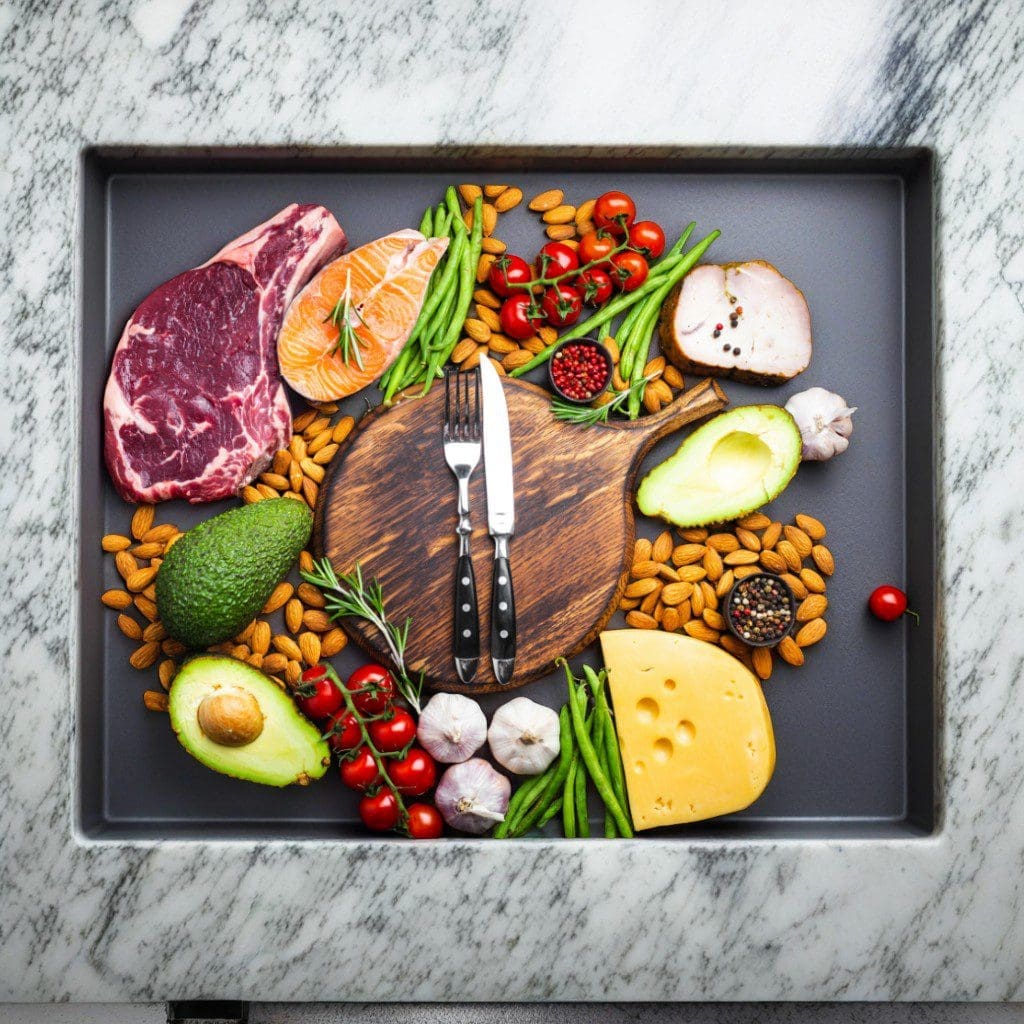
  • Meat, fish, eggs, low-carb vegetables, and healthy fats are some of the foods you can eat on the Keto diet.
  • Foods to avoid on the Keto Diet include sugar, grains, and high-carb fruits.

The Benefits of the Keto Diet: Weight Loss and More

One of the main reasons people turn to the Keto Diet is for weight loss. Reducing carbohydrate intake and increasing fat consumption forces the body to burn stored fat for energy. This can lead to significant weight loss over time. Additionally, the Keto Diet has been shown to help reduce appetite and cravings, making it easier to stick to a calorie deficit.

On top of weight loss, the Keto Diet offers other benefits. It has been shown to improve insulin sensitivity and blood sugar control, which can be beneficial for those with diabetes or pre-diabetes. It may also help reduce inflammation in the body and improve brain function. Some studies have even suggested that the Keto Diet may have potential benefits for certain neurological disorders, such as epilepsy and Alzheimer’s disease.

It’s important to note that there can also be potential drawbacks to the Keto Diet. Some people may experience what is known as the “keto flu” when first starting the diet, which can include symptoms such as fatigue, headaches, and irritability. Additionally, because the diet is so low in carbohydrates, it can be challenging to meet certain nutrient needs, such as fiber and certain vitamins and minerals. It’s important to ensure you’re getting a variety of nutrient-dense foods while following the Keto Diet.

The Science Behind the Keto Diet: How it Works

When you follow the Keto Diet, your body enters a state of ketosis. This is when your body starts using ketones, which are produced from fat, as its primary source of fuel instead of glucose from carbohydrates. To achieve this state, you need to reduce your carbohydrate intake and increase your fat consumption drastically.

When you consume carbohydrates, your body breaks them down into glucose, which is then used for energy. However, when you restrict carbohydrates, your body doesn’t have enough glucose to use for fuel. Instead, it starts breaking down stored fat into ketones, which can be used as an alternative fuel source.

The Keto Diet also affects your metabolism. When you consume carbohydrates, your body releases insulin to help regulate blood sugar levels. Insulin promotes the storage of glucose as glycogen in the liver and muscles. However, when you follow the Keto Diet and restrict carbohydrates, insulin levels decrease, and the body starts using stored fat for energy instead.

Ketones play a crucial role in the Keto Diet. As mentioned earlier, ketones are produced when the body breaks down fat. These ketones can cross the blood-brain barrier and provide an alternative fuel source for the brain. This is why some people report improved mental clarity and focus when following the Keto Diet.

Guide to What to Eat on the Keto Diet: A Comprehensive List

FoodServing SizeNet CarbsFatProtein
Avocado1/2 medium2g15g2g
Broccoli1 cup chopped4g0.5g2.6g
Cauliflower1 cup chopped3g0.3g2g
Chicken Breast3 oz0g3.6g26g
Eggs2 large1g10g12g
Ground Beef (80% lean)3 oz0g15g22g
Salmon3 oz0g5g17g
Spinach1 cup1g0.1g0.9g

When following the Keto Diet, it’s important to focus on consuming foods that are high in healthy fats, moderate in protein, and very low in carbohydrates. Some of the best foods for my guide to what to eat on the Keto Diet include:

  • Avocados: Avocados are high in healthy fats and low in carbohydrates, making them a perfect choice for the Keto Diet. They are also a good source of fiber and contain important vitamins and minerals.
  • Coconut oil: Coconut oil is rich in medium-chain triglycerides (MCTs), which the liver easily converts into ketones. It’s a great source of healthy fats and can be used for cooking or added to smoothies and coffee.
  • Olive oil: Olive oil is another healthy fat option that can be used for cooking or as a dressing for salads. It’s high in monounsaturated fats, which have numerous health benefits.
  • Nuts and seeds: Nuts and seeds are high in healthy fats and protein, making them a great snack option on the Keto Diet. Some good choices include almonds, walnuts, chia seeds, and flaxseeds.
  • Fatty fish: Fatty fish such as salmon, mackerel, and sardines are not only high in healthy fats but also a good source of omega-3 fatty acids, which have been shown to have numerous health benefits.
  • Eggs: Eggs are an excellent source of protein and healthy fats. They are also low in carbohydrates, making them a perfect choice for the Keto Diet.
  • Leafy greens: Leafy greens such as spinach, kale, and Swiss chard are low in carbohydrates and high in important vitamins and minerals. They can be enjoyed as a side dish or added to salads and smoothies.
  • Cheese: Cheese is high in fat and protein but low in carbohydrates, making it a great option on the Keto Diet. Just be mindful of portion sizes as it can be easy to overconsume calories from cheese.
  • Meat and poultry: Meat and poultry are excellent sources of protein in the keto diet. Opt for grass-fed or organic options whenever possible.
  • Full-fat dairy: Full-fat dairy products such as yogurt, butter, and cream are high in healthy fats and low in carbohydrates. Just be sure to choose full-fat options and avoid added sugars.

It’s important to note that while these foods are allowed on the Keto Diet, portion control is still important. It’s easy to overconsume calories from fat, so be mindful of your overall calorie intake.

Foods to Avoid on the Keto Diet: What to Steer Clear Of

While there are many foods that you can enjoy on the Keto Diet, there are also some foods that you should avoid. These foods are typically high in carbohydrates and can prevent your body from entering ketosis. Some foods to steer clear of on the Keto Diet include:

  • Grains: Grains such as wheat, rice, oats, and barley are high in carbohydrates and should be avoided on the Keto Diet. This includes bread, pasta, cereal, and baked goods made with these grains.
  • Sugar: Sugar is high in carbohydrates and can quickly spike blood sugar levels. This includes table sugar, honey, maple syrup, and other sweeteners.
  • Fruit: While fruit is generally considered healthy, it can be high in natural sugars and carbohydrates. It’s best to limit your fruit intake on the Keto Diet.
  • Starchy vegetables: Starchy vegetables such as potatoes, corn, and peas are high in carbohydrates and should be avoided in the keto diet. Opt for non-starchy vegetables instead.
  • Legumes: Legumes such as beans, lentils, and chickpeas are high in carbohydrates and should be avoided in the keto diet.
  • Beer: Beer is high in carbohydrates and can interfere with ketosis. It’s best to avoid alcohol or consume it in moderation while following the Keto Diet.
  • Processed foods: Processed foods such as chips, crackers, and packaged snacks are typically high in carbohydrates and should be avoided on the Keto Diet. They are also often high in unhealthy fats and additives.

It’s important to read food labels and be mindful of hidden sources of carbohydrates, such as added sugars and starches. Some foods may seem keto-friendly at first glance but can actually contain hidden carbohydrates.

Meal Planning on the Keto Diet: Tips and Tricks

Guide to What to Eat

A guide to what to eat while on Keto is not enough; meal planning is essential to following the Keto Diet. It helps ensure that you’re getting the right nutrients and can make sticking to the diet much easier. Here are some tips and tricks for meal planning on the Keto Diet:

  • Plan your meals in advance: Take some time each week to plan out your meals and snacks for the upcoming week. This will help you stay organized and ensure you have all the necessary ingredients.
  • Focus on whole, unprocessed foods: When planning your meals, focus on whole, unprocessed foods that are high in healthy fats, moderate in protein, and low in carbohydrates. This will help ensure that you’re getting a variety of nutrients.
  • Incorporate healthy fats into your meals: Healthy fats are crucial to the Keto Diet. To increase your fat intake, be sure to include foods such as avocados, coconut oil, olive oil, nuts, and seeds.
  • Include a variety of non-starchy vegetables: Non-starchy vegetables are low in carbohydrates and high in important vitamins and minerals. Be sure to include a variety of vegetables in your meals to ensure you’re getting a range of nutrients.
  • Meal prep in advance: To save time during the week, consider meal prepping some of your meals in advance. This can involve cooking large batches of food and portioning them out into individual containers for easy grab-and-go meals.
  • Remember fiber: Getting enough fiber on the Keto Diet can be challenging since many high-fiber foods are also high in carbohydrates. Be sure to include sources of fiber such as leafy greens, chia seeds, and flaxseeds in your meals.
  • Stay hydrated: Drinking enough water, including the Keto Diet, is important on any diet. Aim to drink at least 8 cups of water per day to stay hydrated.

Keto-Friendly Snacks: Satisfy Your Cravings

Snacking can be a challenge on the Keto Diet since many traditional snack foods are high in carbohydrates. In this guide to what to eat, there are plenty of options for satisfying your cravings while staying within the guidelines of the diet. Here are some keto-friendly snack options:

  • Nuts and seeds: Nuts and seeds are a great snack option on the Keto Diet. They are high in healthy fats and protein, making them both satisfying and nutritious. Some good choices include almonds, walnuts, chia seeds, and pumpkin seeds.
  • Cheese: Cheese is another excellent snack option on the Keto Diet. It’s high in fat and protein but low in carbohydrates. Just be mindful of portion sizes, as it can be easy to overconsume cheese calories.
  • Avocado: Avocado is a versatile snack option that can be enjoyed on its own or paired with other ingredients. It’s high in healthy fats and fiber, making it both satisfying and nutritious.
  • Hard-boiled eggs: Hard-boiled eggs are a convenient and portable snack option on the Keto Diet. They are high in protein and healthy fats, making them great for satisfying your hunger.
  • Greek yogurt: Greek yogurt is a good source of protein and can be enjoyed as a snack on the Keto Diet. Just be sure to choose full-fat options and avoid added sugars.
  • Olives: Olives are a flavorful snack that is low in carbohydrates and healthy fats. They can be enjoyed on their own or added to salads and other dishes.
  • Pork rinds: Pork rinds are a crunchy snack that is low in carbohydrates and protein. They can be enjoyed on their own or substituted for breadcrumbs in recipes.
  • Nut butter: Nut butter, such as almond butter or peanut butter, can be enjoyed in moderation on the Keto Diet. Just be sure to choose options that are free from added sugars and other additives.

When choosing snacks on the Keto Diet, it’s important to read food labels and be mindful of hidden sources of carbohydrates. Some packaged snacks may seem keto-friendly but can actually contain hidden sugars and starches.

Eating Out on the Keto Diet: Navigating Restaurant Menus

Eating out can be challenging when following the Keto Diet, as many restaurant menus are filled with high-carbohydrate options. Yet, with a little planning and knowledge, making healthy choices while dining out is possible. Here are some tips for navigating restaurant menus on the Keto Diet:

  • Choose protein-based dishes: Look for dishes that are centered around protein, such as grilled chicken, steak, or fish. These dishes are typically lower in carbohydrates and higher in fat and protein.
  • Opt for non-starchy vegetables: Instead of starchy sides such as potatoes or rice, opt for non-starchy vegetables such as broccoli, spinach, or asparagus. These vegetables are low in carbohydrates and high in important vitamins and minerals.
  • Ask for modifications: Don’t be afraid to ask for modifications to your meal to make it more keto-friendly. For example, you can ask for a burger without the bun or substitute a side of fries for a side salad.
  • Be mindful of sauces and dressings: Many sauces and dressings contain added sugars and other hidden sources of carbohydrates. Ask for sauces and dressings on the side so you can control the amount you consume, or opt for options such as olive oil and vinegar.
  • Avoid sugary beverages: Many beverages, such as soda and sweetened iced tea, are high in carbohydrates and can quickly derail your progress on the Keto Diet. Stick to water, unsweetened tea, or black coffee instead.
  • Research the menu in advance: If possible, research the restaurant’s menu in advance so you can plan your meal choices ahead of time. This will help you make healthier choices and avoid impulse decisions.
  • Don’t be afraid to ask questions: If you’re unsure about a dish’s ingredients or preparation methods, don’t be afraid to ask your server for more information. They should be able to provide you with the necessary details to make an informed decision.

It’s important to remember that while dining out on the Keto Diet can be challenging, it is still possible to make healthy choices. With a little planning, knowledge, and this guide to what to eat, you can enjoy a meal while staying on track with your goals.

Common Mistakes to Avoid on the Keto Diet: What Not to Do

When starting the Keto Diet, it’s common to make some mistakes along the way. However, being aware of these mistakes can help you avoid them and stay on track with your goals. Here are some common mistakes to avoid on the Keto Diet:

Not tracking your macronutrients: When following the keto diet, it’s important to track your macronutrients, including carbohydrates, protein, and fat. This will help ensure that you are consuming the right balance of nutrients to achieve and maintain ketosis.

Tracking your macronutrients allows you to monitor your carbohydrate intake and keep it within the recommended range of 20-50 grams per day. It also helps you ensure that you are getting enough protein to support muscle growth and repair while keeping your fat intake high enough to provide the necessary fuel for your body.

By tracking your macronutrients, you can adjust your diet as needed and ensure that you stay on track with your keto goals.

If you’re following a keto diet and looking for delicious dessert options, you’ll love this article on keto desserts that are not only for those over 50. From decadent chocolate treats to fruity delights, these desserts are low in carbs and high in flavor. Check out the article here to discover mouthwatering recipes that will satisfy your sweet tooth while keeping you on track with your weight loss goals. And if you’re interested in more keto-friendly meal ideas, be sure to explore the other articles on WeightLossDiet4U.com, such as this delicious slow cooker keto Mongolian beef recipe here.

FAQs

What is a keto diet?

A keto diet is a low-carb, high-fat diet that aims to put your body into a state of ketosis , where it burns fat for energy instead of carbohydrates.

What foods should I eat on a keto diet?

Foods that are high in fat and low in carbs are ideal for a keto diet. This includes meat, fish, eggs, dairy, nuts, seeds, and low-carb vegetables like spinach, broccoli, and cauliflower.

What foods should I avoid on a keto diet?

Foods that are high in carbs should be avoided on a keto diet. This includes grains, sugar, fruit, and starchy vegetables like potatoes and corn.

How much protein should I eat on a keto diet?

Protein should make up around 20-25% of your daily calorie intake on a keto diet. This equates to around 0.6-0.8 grams of protein per pound of body weight.

Can I eat dairy on a keto diet?

Yes, dairy is allowed on a keto diet as long as it is low in carbs. This includes cheese, butter, cream, and full-fat yogurt.

Can I eat fruit on a keto diet?

Most fruits are high in carbs and should be avoided on a keto diet. However, small amounts of berries like strawberries and raspberries can be eaten in moderation.

Can I eat bread on a keto diet?

Bread is high in carbs and should be avoided on a keto diet. However, there are low-carb bread alternatives available that can be eaten in moderation.

How to do a Juicing Diet to Lose Weight

A juicing diet, also known as a juice cleanse or Juice fast, is a diet where a person consumes only fruit and vegetable juices for a certain period. The goal of a juicing diet to lose weight is to detoxify the body, promote weight loss, and improve overall health.

During a juice cleanse, solid foods are eliminated from the diet, and the body is nourished with fresh juices that are rich in vitamins, minerals, and antioxidants.

One of the main ways that a juicing diet aids in weight loss is by reducing calorie intake. Since fruits and vegetables are low in calories but high in nutrients, consuming them in juice form significantly reduces calorie consumption while still providing the body with essential vitamins and minerals. Additionally, the high water content in juices helps to keep you hydrated and can help curb hunger cravings.

Juicing Diet To Lose Weight

Benefits of a Juicing Diet To Lose Weight

  1. Increased nutrient intake: Juices are packed with essential vitamins, minerals, and antioxidants that are easily absorbed by the body. By consuming a variety of fruits and vegetables in juice form, you can ensure that your body is getting all the nutrients it needs to function properly.
  2. Reduced calorie intake: Juices are naturally low in calories but high in nutrients. By replacing solid foods with juices during a cleanse, you can significantly reduce your calorie intake while still providing your body with essential nutrients.
  3. Improved digestion: Juices are easier for the body to digest compared to solid foods. This allows your digestive system to take a break and can help improve digestion overall. Improved digestion can lead to better nutrient absorption and can also help reduce bloating and discomfort.
  4. Boosted metabolism: Some fruits and vegetables, such as grapefruit and celery, have been shown to boost metabolism. Including these ingredients in your juices can help increase your body’s calorie-burning potential and aid in weight loss.
  5. Reduced inflammation: Many fruits and vegetables have anti-inflammatory properties. By consuming them in juice form, you can help reduce inflammation in the body, which is often associated with weight gain and other health issues.

Getting Started: Preparing for a Juice Cleanse

Before starting a juice cleanse, it is important to consult with a healthcare professional, especially if you have any underlying health conditions or are taking medication. They can guide and ensure a juice cleanse is safe for you.

Choosing the right juicer is also important. Different types of juicers are available, such as centrifugal juicers and masticating juicers. Centrifugal juicers are more affordable and work quickly, but they may not extract as much juice from fruits and vegetables. Masticating juicers are slower but tend to extract more juice and retain more nutrients.

When selecting fruits and vegetables for your juices, it is important to choose organic produce whenever possible to avoid consuming pesticides and other harmful chemicals. It is also important to choose a variety of fruits and vegetables to ensure that you are getting a wide range of nutrients.

Preparing your body for a juice cleanse is also important. It is recommended to gradually reduce your intake of caffeine, processed foods, and animal products in the days leading up to your cleanse. This can help minimize withdrawal symptoms and make the transition to a juice cleanse easier.

Juice Diet 5 Days: A Comprehensive Plan for Quick Weight Loss

A 5-day Juicing Diet To Lose Weight can effectively jumpstart weight loss and detoxify the body. Here is a sample plan for a 5-day juice cleanse:

  • Day 1:
    • Morning: Green juice (kale, spinach, cucumber, apple)
    • Mid-morning: Carrot-orange juice
    • Lunch: Beetroot juice
    • Afternoon snack: Watermelon juice
    • Dinner: Tomato-celery juice
    • Evening snack: Pineapple-mint juice
  • Day 2:
    • Morning: Green juice (kale, spinach, cucumber, apple)
    • Mid-morning: Carrot-orange juice
    • Lunch: Cucumber-mint juice
    • Afternoon snack: Watermelon juice
    • Dinner: Tomato-celery juice
    • Evening snack: Pineapple-mint juice
  • Day 3:
    • Morning: Green juice (kale, spinach, cucumber, apple)
    • Mid-morning: Carrot-orange juice
    • Lunch: Beetroot juice
    • Afternoon snack: Watermelon juice
    • Dinner: Tomato-celery juice
    • Evening snack: Pineapple-mint juice
  • Day 4:
    • Morning: Green juice (kale, spinach, cucumber, apple)
    • Mid-morning: Carrot-orange juice
    • Lunch: Cucumber-mint juice
    • Afternoon snack: Watermelon juice
    • Dinner: Tomato-celery juice
    • Evening snack: Pineapple-mint juice
  • Day 5:
    • Morning: Green juice (kale, spinach, cucumber, apple)
    • Mid-morning: Carrot-orange juice
    • Lunch: Beetroot juice
    • Afternoon snack: Watermelon juice
    • Dinner: Tomato-celery juice
    • Evening snack: Pineapple-mint juice

During a 5-day Juicing Diet To Lose Weight, it is important to stay hydrated by drinking plenty of water in addition to the juices. It is also important to listen to your body and adjust the cleanse as needed. If you feel weak or lightheaded, adding a small meal or snack to your cleanse may be necessary.

Potential side effects of a 5-day juice cleanse can include headaches, fatigue, and irritability. These symptoms are often temporary and can be managed by staying hydrated, getting plenty of rest, and practicing self-care.

Juice Diet Chart: A Guide to Planning Your Daily Juices

Creating a Juicing Diet To Lose Weight chart can help you stay organized and ensure that you get various nutrients during your cleanse. Here is a sample juice diet chart:

  • Day 1:
    • Morning: Green juice (kale, spinach, cucumber, apple)
    • Mid-morning: Carrot-orange juice
    • Lunch: Beetroot juice
    • Afternoon snack: Watermelon juice
    • Dinner: Tomato-celery juice
    • Evening snack: Pineapple-mint juice
  • Day 2:
    • Morning: Green juice (kale, spinach, cucumber, apple)
    • Mid-morning: Carrot-orange juice
    • Lunch: Cucumber-mint juice
    • Afternoon snack: Watermelon juice
    • Dinner: Tomato-celery juice
    • Evening snack: Pineapple-mint juice
  • Day 3:
    • Morning: Green juice (kale, spinach, cucumber, apple)
    • Mid-morning: Carrot-orange juice
    • Lunch: Beetroot juice
    • Afternoon snack: Watermelon juice
    • Dinner: Tomato-celery juice
    • Evening snack: Pineapple-mint juice
  • Day 4:
    • Morning: Green juice (kale, spinach, cucumber, apple)
    • Mid-morning: Carrot-orange juice
    • Lunch: Cucumber-mint juice
    • Afternoon snack: Watermelon juice
    • Dinner: Tomato-celery juice
    • Evening snack: Pineapple-mint juice
  • Day 5:
    • Morning: Green juice (kale, spinach, cucumber, apple)
    • Mid-morning: Carrot-orange juice
    • Lunch: Beetroot juice
    • Afternoon snack: Watermelon juice
    • Dinner: Tomato-celery juice
    • Evening snack: Pineapple-mint juice

It is important to note that this is just a sample Juicing Diet To Lose Weight chart and can be customized to fit your taste preferences and nutritional needs. It is also important to listen to your body and adjust the cleanse as needed.

Juice Diet 30 Days: A Long-Term Plan for Sustainable Weight Loss

Juicing Diet To Lose Weight

A 30-day Juicing Diet To Lose Weight is a cleanse that can be a more challenging but rewarding way to achieve sustainable weight loss. Here is a sample plan for a 30-day juice cleanse:

  • Week 1:
    • Morning: Green juice (kale, spinach, cucumber, apple)
    • Mid-morning: Carrot-orange juice
    • Lunch: Beetroot juice
    • Afternoon snack: Watermelon juice
    • Dinner: Tomato-celery juice
    • Evening snack: Pineapple-mint juice
  • Week 2:
    • Morning: Green juice (kale, spinach, cucumber, apple)
    • Mid-morning: Carrot-orange juice
    • Lunch: Cucumber-mint juice
    • Afternoon snack: Watermelon juice
    • Dinner: Tomato-celery juice
    • Evening snack: Pineapple-mint juice
  • Week 3:
    • Morning: Green juice (kale, spinach, cucumber, apple)
    • Mid-morning: Carrot-orange juice
    • Lunch: Beetroot juice
    • Afternoon snack: Watermelon juice
    • Dinner: Tomato-celery juice
    • Evening snack: Pineapple-mint juice
  • Week 4:
    • Morning: Green juice (kale, spinach, cucumber, apple)
    • Mid-morning: Carrot-orange juice
    • Lunch: Cucumber-mint juice
    • Afternoon snack: Watermelon juice
    • Dinner: Tomato-celery juice
    • Evening snack: Pineapple-mint juice

During a 30-day juice cleanse, it is important to stay hydrated by drinking plenty of water in addition to the juices. It is also important to listen to your body and adjust the cleanse as needed. If you feel weak or lightheaded, adding a small meal or snack to your cleanse may be necessary.

Staying motivated during a longer cleanse can be challenging. Setting small goals and rewarding yourself for reaching them can be helpful. Finding support from friends, family, or online communities can also provide encouragement and accountability.

Juice Diet Detox: Cleansing Your Body and Mind

A juice detox is a more intense form of a juice cleanse that focuses on cleansing the body and mind. During a juice detox, the goal is to eliminate toxins from the body and promote overall wellness. Here are some tips for a successful juice detox:

  1. Start with a shorter detox: If you are new to juice detoxes, it is recommended to start with a shorter duration, such as 3-5 days, and gradually increase the length as you become more comfortable.
  2. Stay hydrated: Drinking plenty of water is essential during a juice detox to help flush out toxins and keep your body hydrated.
  3. Practice self-care: During a juice detox, it is important to take care of yourself physically and mentally. This can include activities such as yoga, meditation, or relaxing baths.
  4. Listen to your body: Pay attention to how you feel during the detox and adjust as needed. If you feel weak or lightheaded, you may need to add a small meal or snack to your cleanse.
  5. Be mindful of detox symptoms: During a Juicing Diet To Lose Weight detox, it is common to experience symptoms such as headaches, fatigue, or irritability. These symptoms are often temporary and can be managed by staying hydrated, getting plenty of rest, and practicing self-care.

Juice Diet Ideas: Delicious and Nutritious Recipes for Every Taste

One of the great things about juicing is that there are endless possibilities when it comes to creating delicious and nutritious juice recipes. Here are some ideas for fruit-based and vegetable-based juice recipes:

Fruit-based juice recipes:

  • Tropical Paradise: Pineapple, mango, and orange
  • Berry Blast: Strawberries, blueberries, and raspberries
  • Citrus Sunrise: Grapefruit, orange, and lemon
  • Watermelon Cooler: Watermelon, cucumber, and mint

Vegetable-based juice recipes:

  • Green Goddess: Kale, spinach, cucumber, celery, and apple
  • Beetroot Boost: Beetroot, carrot, ginger, and lemon
  • Cucumber Refresher: Cucumber, mint, lime, and ginger
  • Tomato Zinger: Tomato, celery, carrot, and jalapeno

Feel free to experiment with different combinations of fruits and vegetables to create your own unique Juicing Diet To Lose Weight recipes. You can also add herbs and spices such as ginger or turmeric for added flavor and health benefits.

Tips for Success: Staying Motivated and Overcoming Challenges

Staying motivated during a juice cleanse or detox can be challenging at times. Here are some tips to help you stay on track and overcome challenges:

  1. Set realistic goals: It is important to set realistic goals for your juice cleanse or detox. This can help you stay motivated and prevent feelings of disappointment or failure.
  2. Find support: Having a support system can make a big difference in staying motivated during a juice cleanse or detox. This can be friends, family members, or online communities who are also going through a similar experience.
  3. Manage cravings: It is normal to experience cravings during a juice cleanse or detox. To manage cravings, try distracting yourself with activities such as going for a walk or practicing a hobby. You can also try drinking herbal tea or chewing on a piece of sugar-free gum.
  4. Stay active: During a Juicing Diet To Lose Weight, cleanse, or detox, staying active can help boost your mood and energy levels. Engage in light exercise such as walking, yoga, or stretching to keep your body moving.

Achieving Your Weight Loss Goals with a Juicing Diet To Lose Weight

In conclusion, a juicing diet can be an effective way to achieve weight loss and improve overall health. By consuming fresh juices that are packed with essential nutrients, you can nourish your body while reducing calorie intake.

Whether you choose to do a short-term juice cleanse or a longer-term juice detox, it is important to consult with a healthcare professional and listen to your body throughout the process. With proper planning and preparation, a juicing diet can help you achieve your weight loss goals and improve your overall well-being.

FAQs

What is a juicing diet?

A juicing diet involves consuming only fresh fruit and vegetable juices for a certain period of time, usually a few days to a few weeks.

How does a juicing diet help with weight loss?

A juicing diet can help with weight loss by reducing calorie intake and increasing nutrient intake. Juices are low in calories but high in nutrients, which can help to reduce cravings and promote feelings of fullness.

What are the benefits of a juicing diet?

The benefits of a juicing diet include weight loss, improved digestion, increased energy, clearer skin, and improved overall health.

What are the potential risks of a juicing diet?

The potential risks of a juicing diet include nutrient deficiencies, low blood sugar, and gastrointestinal issues such as bloating and diarrhea. It is important to consult with a healthcare professional before starting a juicing diet.

What fruits and vegetables are best for juicing?

Fruits and vegetables that are high in water content and nutrients are best for juicing. Some examples include kale, spinach, cucumber, celery, apples, and carrots.

How often should I juice?

The frequency of juicing depends on individual goals and preferences. Some people juice daily as part of their regular diet, while others may do a juicing cleanse for a few days or weeks at a time.

Can I eat solid food while on a juicing diet?

Some Juicing Diet To Lose Weight allow for small amounts of solid food, while others require only juice consumption. It is important to follow the guidelines of the specific juicing diet being followed.

When Dieting, Organic Food vs Non-Organic

Organic vs non-organic food is a topic that has gained significant attention in recent years. With the growing interest in health and wellness, many people are becoming more conscious of the food they consume and its impact on their bodies and the environment.

Organic food has become popular for those seeking a healthier and more sustainable option. In this article, I will explore the differences between organic and non-organic food, including the use of pesticides, herbicides, synthetic fertilizers, GMOs, and hormones. We will also discuss the potential benefits of choosing organic food when dieting.

What is Organic Food?

Organic food refers to produce and other agricultural products grown without synthetic chemicals, such as pesticides, herbicides, and fertilizers. Organic farming practices focus on maintaining soil health, conserving water, and promoting biodiversity. Organic farmers use natural methods to control pests and diseases, such as crop rotation, companion planting, and the use of beneficial insects.

Food must meet certain regulations and certifications to be labeled as organic. In the United States, the Department of Agriculture (USDA) has established the National Organic Program (NOP), which sets standards for organic farming and processing. Farms that wish to be certified organic must undergo a rigorous inspection process to ensure that they meet these standards. Organic products are then labeled with the USDA organic seal.

What is Non-Organic Food?

Non-organic food refers to produce and other agricultural products that are grown using conventional farming methods. These methods often involve the use of synthetic chemicals such as pesticides, herbicides, and fertilizers. Non-organic farming practices may also include the use of genetically modified organisms (GMOs) and hormones to enhance crop yield or animal growth.

The main difference between organic and non-organic food is the methods used to grow and produce it. While organic farming focuses on natural and sustainable practices, non-organic farming relies on synthetic chemicals and other artificial methods to maximize production.

Pesticides in Non-Organic Food

Pesticides are chemicals that are used to kill or control pests, such as insects, weeds, and fungi. In non-organic farming, pesticides are commonly used to protect crops from pests and diseases. However, the use of pesticides in food production has raised concerns about potential serious health risks.

Exposure to pesticides has been linked to various health problems, including cancer, reproductive issues, and neurological disorders. Some studies have also suggested that pesticide residues in food may contribute to the development of allergies and asthma. While the levels of pesticide residues in non-organic food are regulated by government agencies, some people choose organic food to minimize their exposure to these potentially harmful chemicals.

Herbicides in Non-Organic Food

Herbicides are chemicals that are used to kill or control weeds. In non-organic farming, herbicides are commonly used to prevent weed growth and improve crop yield. However, the use of herbicides has raised concerns about potential health risks and environmental impacts.

Exposure to herbicides has been linked to various health problems, including cancer, hormonal imbalances, and birth defects. Some studies have also suggested that herbicide residues in food may disrupt the gut microbiome and contribute to digestive issues. Additionally, the use of herbicides can have negative effects on soil health and biodiversity. Organic farming practices focus on natural weed control methods, such as hand weeding and mulching, to minimize the use of herbicides.

Synthetic Fertilizers in Non-Organic Food

Organic Food

Synthetic fertilizers are chemical compounds that are used to provide essential nutrients to plants. In non-organic farming, synthetic fertilizers are commonly used to enhance crop growth and yield. However, synthetic fertilizers have raised concerns about potential environmental impacts.

Excessive use of synthetic fertilizers can lead to nutrient runoff, contaminating water sources and contributing to water pollution. This can have detrimental effects on aquatic ecosystems and human health. Organic farming practices focus on building healthy soil through natural fertilizers, such as compost and manure, to minimize synthetic fertilizers and promote sustainable agriculture.

GMOs in Non-Organic Food


GMOs, or genetically modified organisms, are plants or animals that have been genetically engineered to possess certain traits. In non-organic farming, GMOs are commonly used to enhance crop yield, improve resistance to pests and diseases, and increase tolerance to herbicides. However, the use of GMOs has raised concerns about potential health and environmental risks.

Some studies have suggested that GMOs may have negative effects on human health, such as allergic reactions and antibiotic resistance. Additionally, the cultivation of GMO crops can have negative effects on biodiversity and ecosystem health. Organic farming practices prohibit the use of GMOs, providing consumers with a choice to avoid these potentially controversial crops.

Hormones in Non-Organic Food

Hormones are chemical substances that regulate various physiological processes in living organisms. In non-organic farming, hormones are commonly used to enhance animal growth and increase milk production. However, the use of hormones has raised concerns about potential health risks.

Exposure to hormones in food has been linked to various health problems, including hormonal imbalances and reproductive issues. Some studies have also suggested that food hormone residues may contribute to the development of certain cancers. Organic farming practices prohibit the use of hormones in animal production, providing consumers with a hormone-free option.

Benefits of Organic Food when Dieting

Choosing organic food when dieting can offer several potential benefits. Firstly, organic food is often more nutrient-dense compared to non-organic food. Studies have shown that organic fruits and vegetables can contain higher levels of certain vitamins, minerals, and antioxidants. These nutrients are essential for maintaining a healthy diet and supporting weight loss.

Secondly, organic food is generally lower in harmful chemicals. By choosing organic, you can minimize your exposure to pesticides, herbicides, synthetic fertilizers, GMOs, and hormones. This can help reduce the toxic burden on your body and support overall health.

Lastly, organic farming practices promote sustainable agriculture and environmental conservation. By choosing organic food, you support farmers prioritizing soil health, water conservation, and biodiversity. This can have positive environmental impacts and contribute to a more sustainable food system.

In conclusion, the choice between organic and non-organic food is a personal one that depends on individual preferences and priorities. However, it is important to consider our food choices’ potential health and environmental impacts. Organic food offers a more natural and sustainable option that can provide several potential benefits when dieting. By choosing organic, you can minimize your exposure to harmful chemicals and support a healthier body and planet.

When dieting, one important consideration is whether to choose organic or non-organic food. According to a recent article on WeightLossDiet4U, the decision between organic and non-organic food can have an impact on weight loss and overall health. The article explores the potential benefits of choosing organic food, such as reduced exposure to pesticides and higher nutrient content. It also discusses the potential drawbacks, such as higher costs and limited availability. For more information on this topic, check out the article “Organic Food vs Non-Organic: Which is Better for Weight Loss?”.

Keto Chimichurri Skirt Steak with Grilled Asparagus

Savor this delectable Keto Chimichurri Skirt Steak prepared in the Gaucho style and transport yourself to a traditional Buenos Aires eatery.

During my exploration of the perfect chimichurri formula, I identified the crucial elements: parsley, garlic, lemon, and olive oil. Although many variations include cilantro, a divisive herb, I excluded it from my rendition.

I introduced fresh mint into the amalgamation to maintain the vibrant and herbal essence reminiscent of cilantro. Chimichurri isn’t limited to steak; it harmonizes wonderfully with pork, lamb, chicken, and even delicate white fish.

This adaptable sauce also exquisitely complements grilled veggies. The magic of grilling asparagus lies in imparting a smoky and nutty undertone—a far cry from the bland, boiled asparagus of yesteryears. It’s really delicious with this Keto Chimichurri Skirt Steak.

Asparagus undergoes a remarkable flavor transformation when coated in minced garlic, olive oil, salt, and pepper before grilling.

Serve: 4
Total Carbohydrate 9.5g
Dietary Fiber 3.2g
Sugars 1.5g

Keto Chimichurri Skirt Steak
[nutrifox id=”204700″]

For a touch of elegance, consider using white or albino asparagus instead of the standard green variety. This simple swap can elevate any meal from mundane to exceptional when lightly tossed in this condiment.

Keto Chimichurri Skirt Steak Ingredients:

  • 1 pound green or white asparagus, woody ends snapped off & discarded
  • 1/2 teaspoon chili pepper flakes
  • 1 cup flat-leaf parsley, lightly packed & roughly chopped
  • ¼ cup fresh mint leaves
  • 3 to 5 garlic cloves, roughly chopped
  • 4 garlic cloves, peeled
  • Kosher salt
  • 3 tablespoons lemon juice
  • 1/4 cup of extra-virgin olive oil
  • ¼ cup fresh oregano leaves
  • 1 teaspoon freshly ground pepper
  • Freshly cracked black pepper
  • 2 tablespoons Red wine vinegar
  • 2 tablespoons shallot, chopped
  • 2 skirt steaks

Easy Instructions:

  1. Place all chimichurri sauce ingredients except for the olive oil in a food processor & pulse until well chopped.
  2. While the food processor is going, slowly pour the olive oil into the mixture until blended.
  3. Reserve half of the sauce to serve on the side with the meal.
  4. Season skirt steaks with salt & pepper on both sides.
  5. Spoon the remaining chimichurri sauce over the steaks & let marinate for 30 minutes up to overnight.
  6. Preheat the grill to 350 to 400 F.
  7. Add asparagus, olive oil, garlic, salt & pepper in a plastic resealable bag.
  8. Shake to coat & place in a grill basket.
  9. Place the steak & grill basket of asparagus directly over a hot grill.
  10. Gently toss the asparagus for even grilling & baste with garlic and olive oil mixture for 10 minutes.
  11. Grill the skirt steak to the desired temperature for 5 to 8 minutes per side.
  12. Remove from the grill & let the steak rest for 10 minutes before slicing long strips.
  13. Spoon reserved chimichurri sauce over steak & serve with asparagus on the side.

Enjoy this Keto Chimichurri Skirt Steak!

Keto Diet Beginner’s Guide to Achieving Optimal Health and Weight Loss

Many ask for an easy Keto Diet Beginner Guide for optimal health and weight loss management. Here is my take!

The keto diet has gained significant popularity in recent years as a way to lose weight and improve overall health. This low-carb, high-fat diet has been praised for promoting weight loss, increasing energy levels, and improving mental clarity. However, before embarking on the keto journey, it is important to understand the basics of this diet and how it works. By understanding the science behind ketosis and the types of foods to eat and avoid, individuals can make informed decisions about whether the keto diet is right for them.

Keto Diet Beginner Guide Key Takeaways

  • The Keto Diet is a low-carb, high-fat diet that puts your body into a state of ketosis.
  • Benefits of the Keto Diet include weight loss, improved blood sugar control, and increased energy levels.
  • On the Keto Diet, foods to eat include meat, fish, eggs, low-carb vegetables, and healthy fats, while foods to avoid include grains, sugars, and processed foods.
  • Meal planning and preparation are important for success on the Keto Diet, and incorporating exercise can enhance results.
  • Common challenges on the Keto Diet include the “Keto flu” and social situations, but these can be overcome with proper planning and support.

Understanding the Basics of the Keto Diet

The keto diet is based on the principle of ketosis, a metabolic state in which the body burns fat for fuel instead of carbohydrates. Normally, the body relies on glucose from carbohydrates as its primary source of energy. However, when carbohydrate intake is restricted, the body begins to break down stored fat into molecules called ketones, which are then used as fuel.

There are several types of keto diets, including the standard ketogenic diet (SKD), which involves consuming 75% fat, 20% protein, and 5% carbohydrates; the cyclical ketogenic diet (CKD), which involves cycling between periods of high-carb and low-carb eating; and the targeted ketogenic diet (TKD), which allows for small amounts of carbohydrates around workouts.

The benefits of the keto diet extend beyond weight loss. Research has shown that this diet can improve blood sugar control, reduce inflammation, increase weight loss, and improve brain function. By understanding these benefits, individuals can decide whether the keto diet is right for them.

Benefits of the Keto Diet for Health and Weight Loss

One of the main benefits of the keto diet is improved blood sugar control. Individuals can stabilize their blood sugar levels and reduce insulin resistance by reducing carbohydrate intake and increasing fat consumption. This can be particularly beneficial for individuals with type 2 diabetes or prediabetes.

In addition, the keto diet has been shown to reduce inflammation in the body. Chronic inflammation is linked to a variety of health conditions, including heart disease, cancer, and autoimmune disorders. By reducing carbohydrate intake and increasing fat consumption, individuals can lower their levels of inflammation and improve overall health.

Another benefit of the keto diet is increased weight loss. When the body is in a state of ketosis, it becomes more efficient at burning fat for fuel. This can lead to significant weight loss, particularly in individuals who are overweight or obese. Additionally, the keto diet has been shown to reduce appetite and increase feelings of fullness, which can further support weight loss efforts.

Finally, the keto diet has been shown to improve brain function. The brain relies on glucose for energy, but it can also use ketones as an alternative fuel source. By following a keto diet, individuals can provide their brains with a steady supply of ketones, which may improve cognitive function and protect against neurodegenerative diseases.

Foods to Eat and Avoid on the Keto Diet Beginner Guide

Foods to EatFoods to Avoid
Meat (beef, pork, lamb, chicken, turkey)Bread and grains (wheat, rice, oats, corn)
Fish and seafood (salmon, tuna, shrimp)Sugar (sweets, candy, soda)
EggsFruit (bananas, apples, oranges)
Low-carb vegetables (spinach, broccoli, cauliflower)Processed foods (chips, crackers, fast food)
Healthy fats (avocado, olive oil, nuts)High-carb vegetables (potatoes, corn, carrots)

When following the keto diet, it is important to focus on consuming foods that are high in healthy fats and low in carbohydrates. Some examples of keto-friendly foods include:

  • Avocados
  • Olive oil
  • Coconut oil
  • Butter in small quantities, I prefer ghee which contains less carbs.
  • Nuts and seeds
  • Fatty fish (such as salmon and sardines)
  • Meat and poultry
  • Eggs
  • Non-starchy vegetables (such as spinach, kale, and broccoli)

On the other hand, there are several foods that should be avoided on the keto diet due to their high carbohydrate content. These include:

  • Grains (such as wheat, rice, and oats)
  • Legumes (such as beans and lentils)
  • Sugar (including both natural and added sugars)
  • Fruit (with the exception of small amounts of berries)
  • Starchy vegetables (such as potatoes and corn)
  • Processed foods (which often contain hidden sugars and carbohydrates)

In addition to focusing on the types of foods to eat and avoid, it is also important to track macronutrients (carbohydrates, protein, and fat) to ensure that the body is in a state of ketosis. This can be done through the use of food-tracking apps or by consulting with a registered dietitian who knows and understands the ketogenic diet.

Meal Planning and Preparation for the Keto Diet

Meal planning in this Keto diet beginner guide is essential to the ketogenic diet. By planning meals in advance, individuals can ensure they have keto-friendly options and avoid making impulsive food choices that may derail their progress.

When meal planning for the keto diet, it is important to focus on incorporating a variety of healthy fats, moderate amounts of protein, and low-carbohydrate vegetables. Some tips for successful meal prep on the keto diet include:

  • Preparing meals in bulk: Cook large batches of keto-friendly meals and portion them out into individual containers for easy grab-and-go options throughout the week.
  • Stocking up on keto-friendly snacks: Keep a supply of keto-friendly snacks on hand, such as nuts, seeds, and cheese, to prevent reaching for high-carb options when hunger strikes.
  • Experimenting with new recipes: The keto diet does not have to be boring. Try out new recipes that incorporate a variety of flavors and textures to keep meals interesting and enjoyable.

Here is a sample meal plan for this Keto Diet Beginner Guide:

  • Breakfast: Scrambled eggs cooked in butter with avocado slices and bacon.
  • Lunch: Grilled chicken salad with mixed greens, cherry tomatoes, cucumbers, and olive oil dressing.
  • Snack: Handful of almonds.
  • Dinner: Baked salmon with roasted Brussels sprouts and cauliflower rice.
  • Dessert: Keto-friendly chocolate mousse made with heavy cream, cocoa powder, and a sugar substitute.

Tips for Staying on Track with the Keto Diet

Keto Diet Beginner Guide

Staying on track with the keto diet can be challenging, especially when faced with social situations or cravings for high-carb foods. However, there are several strategies that can help individuals stay committed to their goals.

One important tip for staying on track with the keto diet is to find an accountability partner. This could be a friend, family member, or coworker who is also following the keto diet. By checking in with each other regularly and providing support and encouragement, individuals can stay motivated and accountable to their goals.

Eating out can also be a challenge on the keto diet, as many restaurant meals are high in carbohydrates. However, there are several strategies that can help individuals make keto-friendly choices when dining out. Some tips for eating out on the keto diet include:

  • Researching the menu in advance: Look up the menu online before going to a restaurant to identify keto-friendly options.
  • Asking for modifications: Don’t be afraid to ask for substitutions or modifications to make a meal more keto-friendly. For example, ask for a burger without the bun or request extra vegetables instead of rice or potatoes.
  • Bringing your own snacks: If you’re unsure if keto-friendly options will be available, bring your own snacks to ensure that you have something to eat.

In addition to focusing on food choices, it is also important to prioritize self-care when following this Keto Diet Beginner Guide. This includes getting enough sleep, managing stress levels, and engaging in activities that bring joy and relaxation. Taking care of oneself holistically can support overall health and well-being while following the keto diet.

Common Challenges and How to Overcome Them on the Keto Diet

While the keto diet has many benefits, it is not without its challenges. One common challenge that individuals may face when starting the keto diet is the “keto flu.” This is a collection of symptoms that can occur during the first few days or weeks of transitioning into ketosis. Symptoms may include fatigue, headache, irritability, and nausea. However, these symptoms are temporary and can be alleviated by staying hydrated, increasing electrolyte intake, and gradually reducing carbohydrate intake.

Social pressure is another challenge for the Keto Diet Beginner Guide that individuals may face on the keto diet. It can be difficult to stick to a specific eating plan when surrounded by friends or family members who are not following the same diet. In these situations, it is important to communicate your dietary needs and goals to those around you. Additionally, bringing your own keto-friendly dishes to social gatherings or suggesting keto-friendly restaurants can help ensure that you have options that align with your dietary preferences.

Plateaus are another common challenge that individuals may face on the keto diet. After initial weight loss, it is common for progress to slow down or stall completely. This can be frustrating, but it is important to remember that weight loss is not always linear. To overcome plateaus, individuals can try adjusting their macronutrient ratios, increasing physical activity levels, or incorporating intermittent fasting into their routines.

Incorporating Exercise into Your Keto Diet Beginner Guide

Exercise is an important component of any healthy lifestyle, and it can be particularly beneficial when combined with the keto diet. Regular physical activity can help support weight loss efforts, improve cardiovascular health, increase muscle mass, and boost overall well-being.

When incorporating exercise into a keto diet plan, choosing activities that align with individual preferences and goals is important. Some types of exercise that are well-suited for the keto diet include:

  • Strength training: Lifting weights or using resistance bands can help build lean muscle mass and increase metabolism.
  • High-intensity interval training (HIIT) involves short bursts of intense activity followed by rest or lower-intensity periods. HIIT workouts can be effective for burning calories and improving cardiovascular fitness.
  • Low-intensity steady-state (LISS) cardio: Activities such as walking, swimming, or cycling at a moderate pace can help burn calories and improve cardiovascular health without placing excessive stress on the body.

When starting an exercise routine on this keto diet beginner guide or any diet, it is important to start slowly and gradually increase intensity and duration. It is also important to listen to your body and rest when needed.

Staying hydrated and replenishing electrolytes is crucial, as the keto diet can increase fluid loss.

Tracking Progress and Adjusting Your Keto Diet as Needed

Tracking progress is an important aspect of any diet or lifestyle change. By monitoring changes in weight, body measurements, energy levels, and overall well-being, individuals can assess the effectiveness of their keto diet plan and make adjustments as needed.

Some signs that adjustments may be needed include:

  • Stalled weight loss: If weight loss has plateaued for an extended period of time, it may be necessary to adjust macronutrient ratios or caloric intake.
  • Lack of energy: If energy levels are consistently low or workouts are suffering, it may be necessary to increase carbohydrate intake slightly to provide additional fuel for physical activity.
  • Poor sleep quality: If sleep quality has declined since starting the keto diet, it may be necessary to adjust macronutrient ratios or meal timing to support better sleep.

When making adjustments to a keto diet plan, it is important to do so gradually and monitor how the body responds. Consulting with a registered dietitian or healthcare professional can provide guidance and support during this process.

Combining the Keto Diet with Intermittent Fasting for Enhanced Results

Intermittent fasting is a dietary approach that involves cycling between periods of fasting and eating. This eating pattern has gained popularity in recent years for its potential health benefits, including improved insulin sensitivity, increased fat burning, and reduced inflammation.

When combined with the keto diet, intermittent fasting can enhance the benefits of both approaches. By restricting carbohydrate intake and extending the fasting period, individuals can enter into a deeper state of ketosis and potentially accelerate weight loss.

There are several different methods of intermittent fasting, including the 16/8 method (fasting for 16 hours and eating within an 8-hour window), alternate-day fasting (fasting every other day), and the 5:2 method (eating normally for 5 days and restricting calories for 2 days).

When starting intermittent fasting, it is important to listen to your body and adjust the fasting and eating windows as needed. It is also important to stay hydrated and consume adequate nutrients during eating periods to support overall health.

Frequently Asked Questions About the Keto Diet Beginner Guide

Is the keto diet safe?
The keto diet is generally considered safe for most individuals. However, it may not be suitable for everyone, particularly those with certain medical conditions or dietary restrictions. It is important to consult with a healthcare professional before starting any new diet or lifestyle change.

Can I eat fruit on the keto diet?
Fruit is generally limited on the keto diet due to its high carbohydrate content. However, small amounts of berries, such as strawberries or blueberries, can be incorporated into a keto diet plan in moderation.

How long does it take to enter ketosis?
The time it takes to enter ketosis can vary from person to person. Generally, it takes about 2-7 days of restricting carbohydrates to enter into a state of ketosis.

Can I drink alcohol on the keto diet?
Alcohol can be consumed in moderation on the keto diet, but it is important to choose low-carb options. Hard liquors such as vodka, whiskey, and tequila are typically low in carbohydrates.

Will I regain weight after stopping the keto diet?
Weight regain can occur after stopping the keto diet if individuals return to their previous eating habits. It is important to transition out of the keto diet gradually and focus on maintaining a balanced, healthy eating plan.

The keto diet can be a powerful tool for improving health and achieving weight loss goals. By understanding the basics of the keto diet, individuals can make informed decisions about whether this dietary approach is right for them.

By focusing on consuming healthy fats, moderate amounts of protein, and low-carbohydrate vegetables, individuals can enter into a state of ketosis and experience the many benefits that the keto diet has to offer. With proper meal planning, self-care, and tracking progress, individuals can stay on track with the keto diet and achieve their desired results.

If you’re just starting out on the keto diet and looking for some delicious breakfast options, you’ll definitely want to check out this article on keto breakfast cups. These tasty cups are not only easy to make but also packed with all the essential nutrients to keep you energized throughout the day. And if you’re wondering whether smoothies can be a part of your keto journey, this article on the smoothie diet will provide you with all the information you need. I

f you’re curious about how a low-carb diet works and its benefits, this article on the low-carb diet will give you a comprehensive understanding. So, whether you’re looking for breakfast ideas or want to explore different aspects of the keto diet, these articles will be a great resource for beginners.

Shedding Pounds with the Keto Diet: A Comprehensive Guide to Effective Weight Loss

The Keto Diet, short for the ketogenic diet, is a low-carb, high-fat diet that has gained popularity in recent years for effective weight loss. The main principle behind the Keto Diet is to switch the body’s primary source of fuel from carbohydrates to fats. By drastically reducing carbohydrate intake and increasing fat consumption, the body enters a state of ketosis, where it burns fat for energy instead of glucose.

One of the main benefits of the Keto Diet for weight loss is its ability to promote fat burning. When the body is in ketosis, it becomes more efficient at using stored fat as fuel. This can lead to significant weight loss, especially in individuals who have excess body fat. Additionally, the Keto Diet has been shown to reduce appetite and cravings, making it easier to stick to a calorie deficit and lose weight.

Effective Weight Loss Key Takeaways

  • The Keto Diet can be an effective way for effective weight loss and improve overall health.
  • The diet works by putting the body into a state of ketosis, where it burns fat for energy instead of carbohydrates.
  • To start with the Keto Diet, limiting carbohydrate intake and increasing healthy fat consumption is important.
  • Meats, fish, eggs, nuts, and low-carb vegetables are essential foods to include in a Keto diet for weight loss.
  • Meal planning and preparation are key to success on the Keto Diet, and it’s important to avoid common mistakes like not getting enough electrolytes or protein.

Understanding the Science Behind the Keto Diet and Effective Weight Loss

To understand how the Keto Diet works for effective weight loss, it’s important to understand the role of ketones in the body. Ketones are produced when the body breaks down fat for energy in the absence of glucose. When carbohydrate intake is limited, the body’s glycogen stores become depleted, and it starts using stored fat as its primary source of fuel.

When the body is in ketosis, it produces ketones from fatty acids in the liver. The brain and other organs then use these ketones as an alternative source of energy. By relying on fat for fuel instead of glucose, the body can burn stored fat more efficiently, leading to weight loss.

How to Get Started with the Keto Diet for Weight Loss

Before starting the Keto Diet, taking a few steps is important to ensure success. First, consult with a healthcare professional or registered dietitian to make sure that the Keto Diet is safe and appropriate for you. They can provide personalized guidance and help you determine the right macronutrient ratios for your specific needs.

Next, it’s important to gradually reduce carbohydrate intake and increase fat consumption. This will allow your body to adjust to using fat as its primary source of fuel. Start by cutting out processed carbohydrates like bread, pasta, and sugary snacks. Instead, focus on consuming whole, nutrient-dense foods that are low in carbohydrates and high in healthy fats.

Essential Foods to Include in a Keto Diet for Effective Weight Loss

FoodNet Carbs (g)Fat (g)Protein (g)Calories
Avocado2212.5233
Salmon01322220
Eggs15678
Spinach1017
Broccoli40315
Almonds2146164

When following the Keto Diet for weight loss, it’s important to include a variety of foods that are low in carbohydrates and high in healthy fats. Some essential foods to include in a Keto Diet include:

  1. Avocados: Avocados are an excellent source of healthy fats and fiber. They also contain important nutrients such as potassium and vitamin K.
  2. Eggs: Eggs are a staple on the Keto Diet because they are low in carbohydrates and high in protein and healthy fats. They are also a good source of vitamins and minerals.
  3. Olive oil: Olive oil is a healthy fat that is rich in monounsaturated fats and antioxidants. It can be used for cooking or as a dressing for salads.
  4. Nuts and seeds: Nuts and seeds are high in healthy fats, fiber, and protein. They make a great snack option on the Keto Diet.
  5. Fatty fish: Fatty fish such as salmon, mackerel, and sardines are rich in omega-3 fatty acids, which have been shown to have numerous health benefits.
  6. Coconut oil is a great source of medium-chain triglycerides (MCTs), which the body easily converts into ketones.

Tips and Tricks for Meal Planning and Preparation on the Keto Diet

Meal planning and preparation are key to success on the Keto Diet. By planning and preparing your meals in advance, you can ensure that you have healthy, keto-friendly options available at all times. Here are some tips to make meal planning and preparation easier:

  1. Plan your meals for the week: Take some time each week to plan out your meals and snacks. This will help you stay on track and avoid making impulsive food choices.
  2. Prep ingredients in advance: Chop vegetables, cook proteins, and portion out snacks ahead of time. This will save you time during the week and make sticking to your keto diet easier.
  3. Cook in bulk: Prepare large batches of keto-friendly meals and freeze them in individual portions. This way, you’ll always have a healthy meal ready to go when you’re short on time.
  4. Use meal delivery services: If you don’t have the time or energy to cook, consider using a keto-friendly meal delivery service. This can be a convenient way to stay on track with your diet.

Common Mistakes When Starting the Keto Diet for Effective Weight Loss

effective weight loss

When starting the Keto Diet for weight loss, it’s important to avoid common mistakes that can hinder your progress. Here are some common mistakes to avoid:

  1. Not tracking your macronutrient intake: To ensure that you’re in ketosis and burning fat for fuel, it’s important to track your macronutrient intake. This means keeping track of your carbohydrate, protein, and fat intake.
  2. Not drinking enough water: Drinking enough water is important on any diet, but it’s especially important on the Keto Diet. When you’re in ketosis, your body excretes more water, so staying hydrated is important.
  3. Not getting enough electrolytes: When following the Keto Diet, it’s important to replenish electrolytes such as sodium, potassium, and magnesium. These minerals are essential for proper bodily function.
  4. Eating too many processed foods: While many keto-friendly processed foods are available, it is important to focus on whole, nutrient-dense foods. These foods will provide your body with the vitamins, minerals, and fiber it needs.

Incorporating Exercise into a Keto Diet for Optimal Weight Loss Results

While the Keto Diet can be effective for weight loss on its own, incorporating exercise into your routine can enhance your results. Exercise helps to increase calorie burn, build lean muscle mass, and improve overall health. Here are some types of exercise to incorporate into a Keto Diet for effective weight loss:

  1. Strength training: Strength training exercises such as weightlifting or bodyweight exercises can help build lean muscle mass. This can increase your metabolism and help you burn more calories throughout the day.
  2. Cardiovascular exercise: Cardiovascular exercises such as running, cycling, or swimming can help increase calorie burn and improve cardiovascular health.
  3. High-intensity interval training (HIIT): HIIT workouts involve short bursts of intense exercise followed by periods of rest. This type of workout can help increase calorie burn and improve cardiovascular fitness.
  4. Low-intensity activities: Incorporating low-intensity activities such as walking or yoga into your routine can help improve overall fitness and aid in recovery.

Tracking Progress and Staying Motivated on the Keto Diet for Weight Loss

Tracking your progress and staying motivated are important aspects of any weight loss journey, including the Keto Diet. Here are some tips for tracking progress and staying motivated:

  1. Take measurements: In addition to tracking your weight, measure your waist, hips, and other areas of your body. This can help you see changes in body composition even if the scale doesn’t move.
  2. Keep a food diary: Keeping a food diary can help you stay accountable and track your macronutrient intake. It can also help you identify any patterns or triggers that may be hindering your progress.
  3. Set realistic goals: Set achievable goals for yourself and celebrate your progress along the way. This can help keep you motivated and focused on your weight loss journey.
  4. Find a support system: Surround yourself with supportive friends, family members, or online communities who can provide encouragement and accountability.

Addressing Common Concerns and Questions About the Keto Diet for Weight Loss

As with any diet, there are common concerns and questions about the Keto Diet. Here are some common concerns and questions, along with answers:

  • Is the Keto Diet safe? The Keto Diet is generally safe for most people but may not be suitable for everyone. It’s important to consult with a healthcare professional before starting the diet to ensure that it’s safe for you.
  • Will I feel hungry on the Keto Diet? Initially, you may experience hunger or cravings as your body adjusts to using fat as its primary source of fuel. However, many people find that their appetite decreases overtime on the Keto Diet.
  • Can I eat carbohydrates on the Keto Diet? The Keto Diet is a low-carb diet, so carbohydrate intake is limited. However, you can still include small amounts of carbohydrates from non-starchy vegetables and low-carb fruits.
  • Will I lose muscle mass on the Keto Diet? Consuming enough protein to support muscle growth and maintenance is important when following the Keto Diet. This can help prevent muscle loss while promoting fat loss.

Success Stories and Real-Life Examples of Weight Loss with the Keto Diet

There are countless success stories of individuals who have lost weight on the Keto Diet. These success stories serve as inspiration and motivation for others who are considering trying the diet. Here are some tips and advice from these success stories:

  1. Be patient: Weight loss takes time, and it’s important to be patient with yourself and your body. Focus on making sustainable lifestyle changes rather than quick fixes.
  2. Find what works for you: The Keto Diet can be customized to fit your individual needs and preferences. Experiment with different foods and recipes to find what works best for you.
  3. Don’t be afraid to ask for help: If you’re struggling with the Keto Diet or have questions, don’t hesitate to ask for help. There are many resources available, including healthcare professionals, registered dietitians, and online communities.
  4. Stay consistent: Consistency is key to weight loss. Stick to your Keto Diet and exercise routine, even when they get challenging. Remember that every small step counts towards your overall progress.

In conclusion, the Keto Diet can be an effective weight loss tool when done correctly. By understanding the science behind the diet, incorporating essential foods, and staying consistent with meal planning and exercise, individuals can achieve their weight loss goals on the Keto Diet. It’s important to address common concerns and questions, track progress, and find motivation through success stories and real-life examples. With dedication and patience, the Keto Diet can lead to long-term effective weight loss success.

If you’re following a keto diet for weight loss and have been craving something sweet, you’ll be delighted to know that keto desserts are not only for those over 50!

In fact, there are plenty of delicious and healthy options available for all ages. One such option is keto chocolate mousse, which not only satisfies your sweet tooth but also works with a paleo lifestyle. To learn more about this delectable treat and how to make it, check out this article on WeightLossDiet4U.com: Keto Chocolate Mousse: Works with Paleo. Don’t miss out on enjoying guilt-free desserts while staying on track with your weight loss goals!

FAQs

What is a keto diet?

A keto diet is a low-carb, high-fat diet that aims to put your body into a state of ketosis, where it burns fat for energy instead of carbohydrates.

How does a keto diet help with weight loss?

A keto diet can help with weight loss by reducing your appetite, increasing your metabolism, and promoting fat burning. It also helps to stabilize blood sugar levels, which can reduce cravings and prevent overeating.

What foods are allowed on a keto diet?

Foods that are allowed on a keto diet include meat, fish, eggs, dairy, nuts, seeds, low-carb vegetables, and healthy fats such as olive oil and avocado.

What foods should be avoided on a keto diet?

Foods that should be avoided on a keto diet include grains, sugar, processed foods, high-carb fruits, and starchy vegetables such as potatoes and corn.

Is a keto diet safe?

A keto diet can be safe for most people, but it may not be suitable for everyone. It is important to consult with a healthcare professional before starting a keto diet, especially if you have any underlying health conditions.

What are the potential side effects of a keto diet?

Potential side effects of a keto diet include headaches, fatigue, constipation, and bad breath. These side effects are usually temporary and can be managed with proper hydration and nutrition.

How long does it take to see results on a keto diet?

Results on a keto diet can vary depending on the individual, but most people start to see results within a few weeks. It is important to stick to the diet and maintain a calorie deficit to achieve weight loss goals.

Natural Herbs for Weight Loss – Powerful!

Transforming Powerful Remedies into Appetizing Dishes

Why natural herbs for weight loss? Seeking cost-effective methods to maintain your health can be challenging, particularly when you’re cautious about avoiding the wrong treatments that could potentially harm your body further.

This herbal guide to help you avoid the common mistakes people often make when searching for remedies on the Internet, and these are not just natural herbs for weight loss 😁 Check out this short list:

  • Weight Loss
  • Anxiety
  • Anger
  • Joint Pain
  • Blood Pressure
  • Headaches
  • Sweating and skin healing

Just $17, your 6 eBooks arrive within seconds… Fine minutes 😁

Natural Herbs for Weight Loss and Much More

Natural Herbs for Weight Loss
  • 6 eBooks:
  • Natural Remedies for Common Health Problems
  • Herbs for Health
  • Growing Herbs For Health
  • Supplements for Health
  • Power Foods for Health
  • Cooking with herbs for health – 70 recipes
  • 60 days refund guaranteed!

These ebooks show you how to make tasty dishes that include the finest herbs for your well-being and ways to utilize plants as remedies for various minor health issues.

When you purchase a copy of “Natural Herbs for Weight Loss,

You’ll get an herbal cookbook with more than 70 recipes that have helped me break free from my reliance on standard medications for high blood pressure and other issues. Many of the recipes are Keto Friendly, like the delicious smoked salmon egg cup that comes with 14g of good fat and only 1g of carbs – the family loves them, and there are never any leftovers

High blood pressure can be a big issue. These books help you address it. Inside, you’ll discover more than 39 herbal solutions!

The Sweet Tasting Herb That Reduces Your Fasting Blood Glucose Levels.

In contrast to artificial sweeteners that merely assert they are safe for your blood sugar, this spice has been shown to actually help keep glucose levels stable.

In 2018, researchers reviewed hundreds of studies conducted since 2003. All these studies involved human participants who had type 2 diabetes. prediabetes.

In addition to aiding in weight loss, this herb has also contributed to reducing their HbA1c and fasting blood glucose levels, and it is currently backed by numerous doctors globally.

One of these doctors is Dr. Heitor O Santos – check his research here ) from whom we have learned how to create the most effective recipe for maintaining balanced blood sugar levels when you’re fasting. You can begin noticing outcomes in just 30 minutes!

In the ebooks, you’ll discover a proven remedy for Weight Loss 

These two herbs have set new records for rapid weight loss. They are supported by the strongest scientific evidence and start showing results within just a few weeks! See how fast the progress can be with a little exercise.

In one 30-day study, 44 people who had previously been unable to shed pounds (due to a slow metabolism) were observed. Check the study here: ‘notable decreases in body weight, BMI, and measurements of waist and hip circumference.’

These two herbs are also readily available; you might even have them in your kitchen at this moment. If not, you can purchase them for less than a dollar at any nearby supermarket.

Let’s demonstrate how to quickly transform these fat-burning herbs into a potent stew.

How to Detoxify Your Liver and Dissolve Gallstones in Just 4 Weeks 

This incredible soup is crafted from a hidden superfood known to shield the liver from toxin-induced harm and boost the enzymes responsible for detoxifying the body.

This soup is both tasty and simple to prepare; all you require is a blender and this special ingredient.

Several studies have shown that consuming about 300 mL (roughly 1 cup) was sufficient to begin demonstrating noticeable improvements. Within 12 hours, volunteers started noticing outcomes!

To prepare this soup at home, refer to page 30 of your complimentary cookbook!

How to Make  Cold and Flu Medicine Using honey, ginger, and a hint of basil.

You’ve likely been told that honey is excellent for soothing a sore throat, but have you ever considered combining it with basil and ginger? Yes, it’s the same recipe your GrandMa used when you were a child!

The most unpleasant aspect of catching a cold is the initial day when you’re burdened with a scratchy throat. That’s the purpose of the honey in this treatment.

Ginger and basil help Prevent a runny nose and clear phlegm from the throat while the body combats the virus. This treatment can be applied to nearly any respiratory condition.

You will also discover the one essential herb you need. Begin Caring for Your Heart

After examining 39 human studies concerning garlic, the authors concluded that the optimal dose for lowering blood pressure was 600-900 mg/day, Which amounts to roughly 2-4 fresh garlic cloves.

They also discovered that garlic had a small impact on reducing overall and LDL cholesterol levels, but it did not affect HDL cholesterol (the beneficial kind).

If you’re similar to me, you likely don’t enjoy consuming raw garlic daily, particularly due to its unpleasant impact on your breath. The eBooks offer more than 30 garlic-based recipes for you to explore, but my personal favorite is the creamy zucchini and basil soup.

It’s a simple method for reaching the suggested daily amount (600 to 900 mg), and it works well for me—almost a week.

In this recipe, I incorporate 3 cloves of garlic and finish it with a handful of basil leaves, which is another potent herb known for reducing blood pressure.

Sample this Indonesian recipe if you find it difficult to Cholesterol or Osteoporosis 

This could be your opportunity if you’ve never tasted Indonesian food before.

Tempeh is a Traditional Indonesian cuisine crafted from fermented soybeans. It can enhance any dish with a delicious, nutty taste.

If you’re not familiar with it, it’s among the most nutrient-rich foods available. Just 3 ounces of tempeh offers up to 15 grams of protein and fulfills 9% of your daily calcium needs!

This makes it one of the most highly desired foods for those dealing with osteoporosis, arthritis, and other bone health issues.

The recipe shows you how to prepare easily a delicious herb-infused tempeh.

Tempeh recipes frequently incorporate garlic, not only for its robust flavor but also because it contains beneficial properties. allicin is an antibacterial agent commonly present in many medications.

Anyone can use garlic tempeh to control their cholesterol levels. When garlic is added to tempeh…can lower the creation of blood lipidsTriglycerides prevent the accumulation of bad cholesterol in your body.

The recipe eBook contains this recipe as an alternative to costly medications with similar results!

Chive Hashbrowns – An Ideal Dish for Boosting Your Immune System! 

If you enjoy having hashbrowns for breakfast, you’re going to adore this recipe.

The main distinction is that you’ll prepare our hashbrowns using fresh potatoes instead of baked ones, Coconut flour, riced cauliflower, and eggs.

Cauliflower is widely recognized for its health benefits, particularly in bolstering our immune system. Just one cup of this vegetable can supply up to 58% of our daily vitamin C needs!

However, chives are the most unique component you’ll be incorporating into this recipeThis plant holds an uncommon chemical substance known as quercetin. 

Quercetin breaks down plaque development, removing harmful cholesterol in arteries and thereby preventing atherosclerosis.

These eBooks are not just Natural Herbs for Weight Loss; it’s all about herbs for better well-being!

Get your eBooks NOW – $17, just once.

How Does a BMI Calculator Work?

Many ask me how does a BMI Calculator work? BMI stands for Body Mass Index and is based on Body fat vs. Height and weight. You can check the NIH calculator here – it’s free but basic.

In today’s world, where health and fitness are becoming increasingly important, it is crucial to have a tool that can help us understand and monitor our body weight.

This is where a BMI calculator comes in. A BMI calculator is a simple and effective tool that can provide us with valuable information about our body mass index (BMI). By understanding our BMI, we can gain insights into our overall health and make informed decisions about our weight management.

BMI Calculator Key Takeaways

  • BMI Calculator helps in determining the body mass index of an individual.
  • Body Mass Index (BMI) is a measure of body fat based on height and weight.
  • Using a BMI Calculator can help monitor weight and reduce the risk of health problems.
  • To use a BMI Calculator, input your height and weight, and the calculator will provide your BMI score.
  • BMI calculation considers age, gender, height, and weight.

Understanding Body Mass Index (BMI)

Body Mass Index, or BMI, is a measure of body fat based on an individual’s height and weight. It is calculated by dividing a person’s weight in kilograms by the square of their height in meters. The resulting number is then categorized into different ranges to determine whether a person is underweight, normal weight, overweight, or obese.

BMI numbers are categorized as follows:

  • Underweight: BMI less than 18.5
  • Normal weight: BMI between 18.5 and 24.9 – I’m here and it was a long journey 🙂
  • Overweight: BMI between 25 and 29.9
  • Obese: BMI 30 or higher
BMI Calculator

Benefits of Using a BMI Calculator

Knowing your BMI can provide numerous benefits for your overall health and well-being. It can help you understand whether you are at a healthy weight for your height. This knowledge can be empowering and motivate you to make positive changes if necessary.

Monitoring your BMI can assist with weight management. By regularly checking your BMI, you can track your progress and make adjustments to your diet and exercise routine as needed. This can be especially helpful for individuals who are trying to lose or maintain weight.

Furthermore, understanding your BMI can also provide insights into potential health risks associated with being underweight, overweight, or obese. For example, individuals with a high BMI may be at an increased risk for conditions such as heart disease, diabetes, and certain types of cancer. By knowing your BMI, you can take proactive steps to reduce these risks and improve your overall health.

How to Use a BMI Calculator

Using a BMI calculator is straightforward. First, gather your height and weight measurements. For the most accurate results, use accurate and up-to-date measurements.

Next, input your height and weight into the BMI calculator. The calculator will then perform the necessary calculations and provide you with your BMI number. This number will fall into one of the categories mentioned earlier: underweight, normal weight, overweight, or obese.

Numerous BMI calculators are available online for free. Some popular options include the calculators provided by the Centers for Disease Control and Prevention (CDC) and the National Institutes of Health (NIH). These calculators are user-friendly and provide accurate results.

For Adults (20 and over)

[BMIAKC_adult_calc lang=”English” id_calc=”e1710953706″ units=”imperial” ]

For Kids (19 and under)

[BMIAKC_kid_calc lang=”English” id_calc=”e1710953707″ units=”imperial” ]

Factors Considered in BMI Calculation

While BMI is a useful tool for assessing body weight, it is important to note that it does not take into account factors such as muscle mass, bone density, and fat distribution. Therefore, it may not be accurate for certain individuals, such as athletes or those with a high muscle mass.

Additionally, age, gender, and other factors can impact BMI results. For example, older individuals may have a higher percentage of body fat compared to younger individuals with the same BM

Men tend to have more muscle mass than women, which can affect their BMI calculations.

It is important to consider these factors when interpreting BMI results and consult with a healthcare professional for a more comprehensive health assessment.

BMI Calculator for Women

The calculation of BMI for women is similar to that of men; however, there are some differences to consider. Women tend to have a higher percentage of body fat compared to men with the same BM.

This is due to physiological differences and the role of estrogen in storing fat.

Understanding BMI is particularly important for women’s health. Women are more prone to certain health conditions, such as osteoporosis and hormonal imbalances, which can be influenced by body weight. By monitoring their BMI, women can take proactive steps to maintain a healthy weight and reduce their risk of these conditions.

BMI Calculator for Men

While the calculation of BMI for men is similar to that of women, there are some differences to consider. Men tend to have a higher percentage of muscle mass compared to women with the same BM

This is due to physiological differences and the role of testosterone in promoting muscle growth.

Monitoring BMI is important for men’s health as well. Men are more prone to certain health conditions, such as heart disease and high blood pressure, which can be influenced by body weight. By knowing their BMI, men can take steps to maintain a healthy weight and reduce their risk of these conditions.

BMI Calculator by Age

BMI calculations can also vary based on age. As we age, our body composition changes, with a tendency to lose muscle mass and gain fat. This can result in an increase in BMI even if our weight remains the same.

It is important to consider age when interpreting BMI results. Older individuals may have a higher percentage of body fat compared to younger individuals with the same BM

It is essential to take into account other factors, such as muscle mass and overall health when assessing BMI in older adults.

BMI Calculator by Gender

BMI calculations can also differ based on gender. As mentioned earlier, men tend to have more muscle mass compared to women with the same BM

This can result in a higher BMI for men even if they have a similar body fat percentage as women.

Understanding the gender differences in BMI calculations is important for interpreting results accurately. It is essential to consider factors such as muscle mass and overall health when assessing BMI in both men and women.

Interpretation of BMI Results

Interpreting BMI results is crucial for understanding the implications for your health. As mentioned earlier, BMI numbers fall into different categories: underweight, normal weight, overweight, or obese.

If your BMI falls within the normal weight range, it indicates that you have a healthy weight for your height. However, it is still important to maintain a balanced diet and engage in regular physical activity to support overall health.

If your BMI falls within the underweight range, it may indicate that you are not getting enough nutrients and may be at risk for certain health conditions. It is important to consult with a healthcare professional to determine the underlying cause and develop a plan to achieve a healthy weight.

If your BMI falls within the overweight or obese range, it may indicate that you are at an increased risk for certain health conditions such as heart disease, diabetes, and certain types of cancer. It is important to consult with a healthcare professional to develop a plan for weight management and reduce these risks.

In conclusion, a BMI calculator is a valuable tool that can provide insights into our body weight and overall health. By understanding our BMI, we can make informed decisions about our weight management and take proactive steps to improve our health. However, it is important to consider other factors such as age, gender, and overall health when interpreting BMI results. Consulting with a healthcare professional can provide a more comprehensive assessment of your health and guide you toward making positive changes for your well-being.

If you’re interested in learning more about weight loss and dieting, this article on “Smoothie or Juice Diet While on Keto” is intriguing. It explores the compatibility of a smoothie or juice diet with the popular ketogenic diet, providing insights into whether these options can be incorporated into a keto lifestyle. Discover the potential benefits and considerations of incorporating smoothies or juices into your keto journey. Check out the article here.

FAQs

What is a BMI calculator?

A BMI calculator is a tool that calculates a person’s body mass index (BMI) based on their height and weight.

What is BMI?

BMI stands for body mass index, which is a measure of body fat based on a person’s height and weight.

How does a BMI calculator work?

A BMI calculator uses a mathematical formula to calculate a person’s BMI based on their height and weight. The formula divides a person’s weight in kilograms by their height in meters squared.

What is the formula for calculating BMI?

The formula for calculating BMI is weight in pounds divided by height in inches squared (BMI = (lbs/in²)*703). For example, if you weigh 140 pounds and are 5’5″ (65 inches), your BMI calculation is (150 ÷ (65)2) x 703 = 23.29.

What is a healthy BMI?

A healthy BMI is typically between 18.5 and 24.9. A BMI below 18.5 is considered underweight, while a BMI above 25 is considered overweight.

What are the limitations of using a BMI calculator?

BMI calculators do not take into account factors such as muscle mass, bone density, and body composition, so they will not be accurate for athletes or individuals with high muscle mass.

BMI calculators should not be used as a diagnostic tool for health conditions.

Finally, don’t spend a penny on any BMI app… really not worth it.