Posts Categorized: Keto Diet

25 Easy Keto Lunch Ideas to Take to Work

Finding easy keto lunch ideas to take to work in 2025 doesn’t have to be complicated. Based on the keto basics from weightlossdiet4u.com, these lunches focus on low-carb and high-fat ingredients that help with weight loss.

They are effortless to prepare. Think hearty salads packed with avocado and bacon, or wraps made with lettuce or low-carb tortillas filled with deli meats and cheese.

Egg muffins and tuna lettuce wraps are quick options you can prep ahead.

For something warm, meals like cauliflower fried rice or zucchini noodles with pesto offer tasty variety.

These lunches keep things simple, portable, and satisfying so you stay in ketosis without fuss during busy workdays.

Hearty Keto Salads with Protein and Healthy Fats
Keto Lunch Ideas

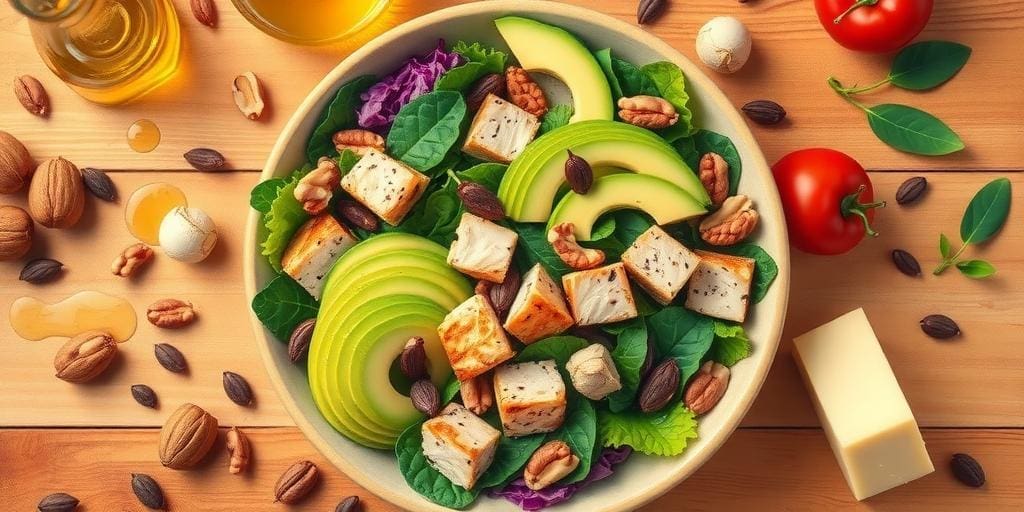
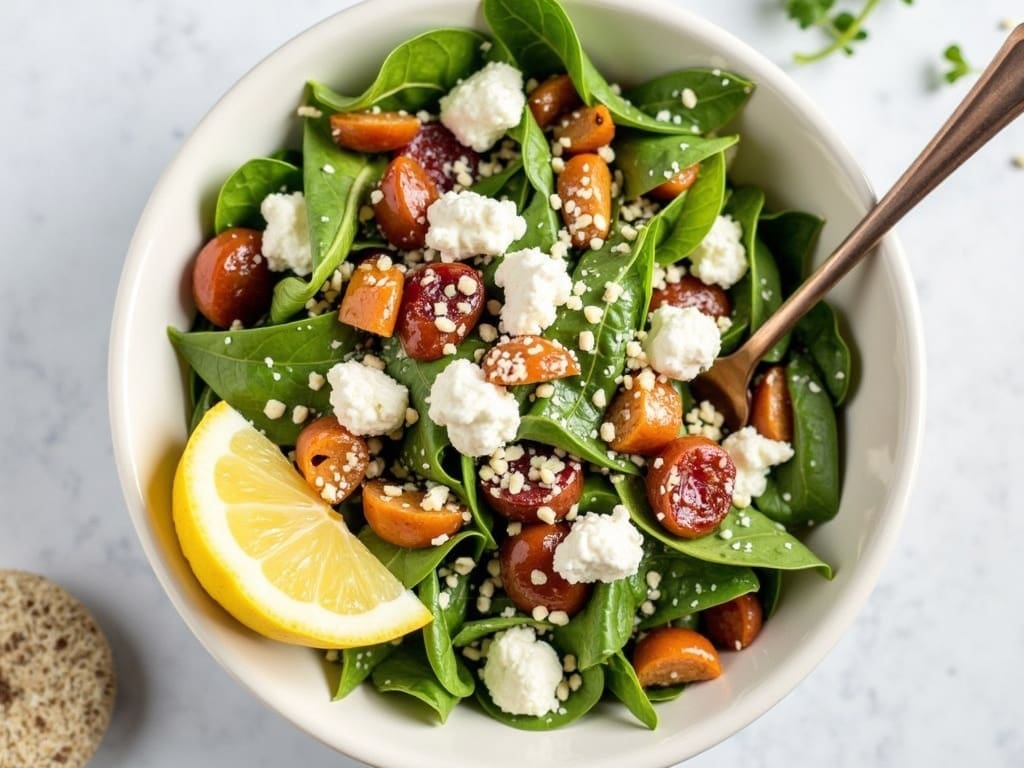
Starting with a base of leafy greens like spinach, kale, or arugula gives your salad a low-carb boost packed with fiber and essential nutrients.

To keep your salad keto-friendly and satisfying, toss in high-fat toppings such as sliced avocado, marinated olives, crunchy nuts like walnuts or pecans, and shredded cheese.

Add crunchy veggies like cucumbers, radishes, or bell peppers to bring texture and freshness without adding many carbs.

Dress your creation with keto-friendly options such as olive oil, avocado oil, or creamy ranch dressings low in carbs, and brighten it up with lemon juice or apple cider vinegar for a refreshing zing.

These ingredients not only add healthy fats but also help keep you full through the afternoon.

For protein, grilled chicken, hard-boiled eggs, bacon, or turkey are perfect choices that make these salads more filling and balanced.

Don’t forget to sprinkle some pumpkin or sunflower seeds for an extra crunch and fat boost.

Fresh herbs like parsley, cilantro, or basil add vibrant flavor without any carbs, making your salad more exciting.

  • Start with a base of leafy greens like spinach, kale, or arugula for low-carb fiber and nutrients.
  • Add high-fat toppings such as sliced avocado, olives, nuts (walnuts, pecans), or shredded cheese to boost fat content.
  • Include protein sources like grilled chicken, hard-boiled eggs, bacon, or turkey to make it filling.
  • Use keto-friendly dressings made with olive oil, avocado oil, or creamy ranch that are low in carbs.
  • Incorporate crunchy vegetables like cucumbers, radishes, or bell peppers for texture.
  • Sprinkle seeds like pumpkin or sunflower seeds to add healthy fats and crunch.
  • Add fresh herbs like parsley, cilantro, or basil for flavor without carbs.
  • Try marinated olives or artichoke hearts for variety and extra fats.
  • Use lemon juice or apple cider vinegar to brighten flavors without adding carbs.
  • Prepare salad ingredients in advance for quick assembly at work or on busy days.
Keto Lunch Ideas

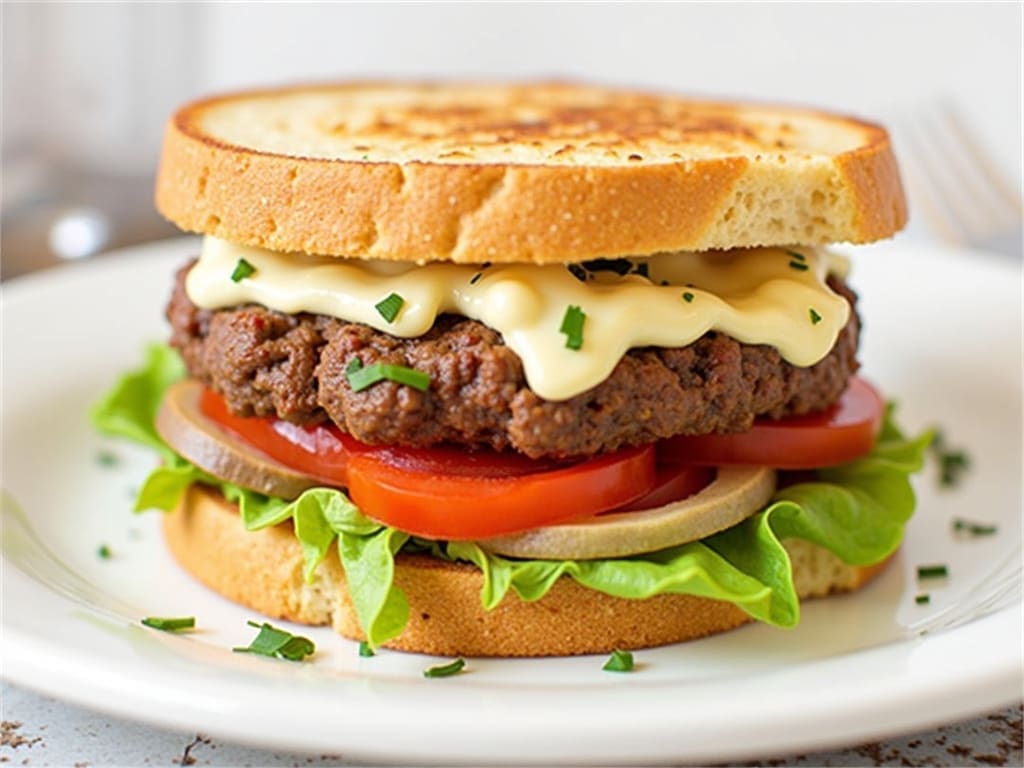
Low-carb keto sandwiches and wraps are a great way to enjoy a satisfying lunch without breaking your carb limits.

Low-carb keto sandwiches and wraps are a great way to enjoy a satisfying lunch without breaking your carb limits. Start by choosing low-carb tortillas made from almond flour, coconut flour, or cheese-based wraps.

If you want something even lighter, large, sturdy lettuce leaves like romaine or butter lettuce make perfect natural wraps that keep everything together. When it comes to fillings, lean deli meats such as turkey, ham, roast beef, or chicken breast provide plenty of protein to keep you full.

Adding slices of creamy avocado brings in healthy fats and a smooth texture that balances the sandwich nicely. Cheese slices like cheddar, mozzarella, or pepper jack add both fat and flavor, making your lunch more enjoyable.

For condiments, stick with keto-friendly options such as mayonnaise, mustard, or sugar-free pesto to add moisture and taste without hidden sugars. Another fun option is cloud bread, made from eggs and cream cheese.

When adding veggies, avoid high-carb choices like carrots or corn; instead, go for crunchy cucumbers or extra leafy greens to keep things fresh and low carb.

To keep your lunch ready for work, wrap sandwiches tightly and store them in airtight containers.

This helps maintain freshness. Preparing ingredients like sliced meats, cheeses, and washed lettuce ahead of time helps you assemble your sandwich quickly in the morning.

Adding slices of creamy avocado brings in healthy fats and a smooth texture that balances the sandwich nicely.

When it comes to fillings, lean deli meats such as turkey, ham, roast beef, or chicken breast provide plenty of protein to keep you full.

Start by choosing low-carb tortillas made from almond flour, coconut flour, or cheese-based wraps. If you want something even lighter, large, sturdy lettuce leaves like romaine or butter lettuce make perfect natural wraps that keep everything together.

These egg muffins are a fantastic keto-friendly meal prep option that’s both easy and versatile.

Hard boil your eggs carefully to avoid cracking the shells. Then peel them gently for perfect halves. For a classic egg salad, chop the eggs and mix them with full-fat mayonnaise to add creaminess.

Healthy fats are included in the mix.

Stir in a spoonful of Dijon or yellow mustard for tangy flavor without adding carbs. Season with salt, pepper, and fresh herbs like dill, chives, or parsley to brighten the taste.

If you prefer deviled eggs, scoop out the yolks and blend them with mayo and mustard, then pipe this creamy mixture back into the whites for a neat, flavorful bite.

Adding extras like chopped celery or pickles gives the salad a nice crunch and extra flavor layers. To finish deviled eggs, sprinkle paprika or smoked paprika on top for a pop of color and a subtle smoky twist.

These dishes are not only quick to make but also easy to portion into containers or serve in lettuce cups for a mess-free lunch at work. Eggs provide a great balance of protein and fat, making this meal satisfying and perfect for keeping energy levels steady.

Plus, making a batch ahead of time saves you time during busy mornings.

You can grab and go without stress.

Tuna Salad Lettuce Wraps That Pack Well

Tuna salad lettuce wraps are a fantastic keto lunch option that’s both quick to prepare and easy to take to work.

Start with canned tuna packed in water or oil, making sure to drain it well to avoid sogginess.
Keto Lunch Ideas

Classic Chicken Caesar Salad with Low-Carb Dressing

A Classic Chicken Caesar Salad is a perfect keto-friendly lunch that’s both satisfying and easy to prep for work. Start with fresh romaine lettuce chopped into bite-sized pieces for a crisp base. Grill or roast chicken breast, then slice it thin or shred it to make it easy to eat on the go. The key to keeping it keto is using a low-carb Caesar dressing, either homemade or store-bought, that contains no sugar or hidden carbs, look for olive oil-based dressings to keep fat levels high and support ketosis.

Add plenty of grated Parmesan cheese for a nice boost of flavor and healthy fats. For that authentic Caesar taste, mix in anchovies or anchovy paste, which also adds depth without carbs.

To bring extra crunch and fat, toss in crispy bacon bits, but skip traditional croutons; instead, substitute with roasted nuts or cheese crisps to keep it low-carb while adding texture. Finish the salad with freshly ground black pepper and a squeeze of lemon juice to brighten all the flavors.

When packing your lunch, keep the dressing separate until you’re ready to eat to keep the salad fresh and crisp. This salad hits all the marks for a keto lunch, high in fat, moderate in protein, low in carbs, and full of flavor, making it an effortless, delicious choice for your workday meal in 2025.

Easy Avocado and Bacon Boats

Avocado and bacon boats are a perfect keto lunch that’s both simple and satisfying. Start by slicing ripe avocados in half and carefully removing the pit. To make room for the filling, scoop out a bit more avocado flesh from the center.

Then fill each half with crispy cooked bacon pieces or chopped bacon bits. For a tasty twist, add a scoop of chicken salad or egg salad on top. Sprinkle shredded cheese or chopped green onions for extra flavor, and season with salt, pepper, plus a drizzle of olive oil or fresh lemon juice to brighten it up. Preparing the bacon ahead of time saves you valuable morning minutes, making it an effortless grab-and-go option. Avocados bring a healthy dose of fats and fiber, keeping you full and energized throughout your workday.

To prevent any mess, pack the avocado halves in containers that hold them upright. This no-cook, nutritious lunch is ideal for busy days when you want something quick, tasty, and keto-friendly.

Zucchini Noodles with Pesto and Chicken

Zucchini noodles, or zoodles, are a fantastic low-carb alternative to pasta that keeps your lunch light and fresh. You can easily make them using a spiralizer or even a vegetable peeler if you don’t have one.

To avoid soggy noodles, lightly sauté or blanch the zoodles just enough to soften them while keeping a bit of crunch. Toss them with a homemade or store-bought pesto that’s low-carb and sugar-free.

Adding pine nuts or walnuts to your pesto not only boosts healthy fats but also adds a nice texture. For protein, grilled or roasted chicken pieces are perfect and keep this meal filling. Season everything with a pinch of salt, pepper, and a squeeze of lemon to brighten up the flavors.

Avoid starchy vegetables or sugary sauces that can throw off your keto balance. To save time during the week, prepare pesto in bulk and store it in the fridge. When packing your lunch, use an airtight container to keep the zoodles fresh; if you prefer, you can reheat them gently to preserve their texture without turning them mushy.

Stuffed Bell Peppers with Ground Meat

Stuffed bell peppers make a colorful and satisfying keto lunch that’s easy to prep and take to work. Start by choosing vibrant red, yellow, or green bell peppers, then cut the tops off and remove the seeds and membranes to create a perfect pocket for the filling.

Cook ground beef, turkey, or pork with onions, garlic, and spices like cumin and paprika to add bold flavor without extra carbs. Once the meat is cooked, mix it with shredded cheese and a low-carb tomato sauce or paste to keep it moist and rich.

Fill each pepper generously and arrange them in a baking dish. Bake at 375°F until the peppers are tender and the filling is heated through, adding extra cheese on top in the last 5 minutes for a melty, golden finish.

Let the peppers cool before packing to prevent condensation in your lunch containers. These stuffed peppers are packed with nutrients, protein, and healthy fats, making them a portable and filling keto meal that reheats beautifully for a warm midday boost.

Keto Chili Without Beans

Keto chili without beans is a perfect work lunch that’s hearty, flavorful, and low-carb. Start by browning ground beef or turkey, which gives you a solid protein base packed with flavor. While the meat cooks, sauté onions, garlic, and bell peppers to build a rich, aromatic foundation.

Add diced tomatoes (make sure they have no added sugar) along with a spoonful of tomato paste for depth and thickness. Season everything with chili powder, cumin, paprika, and oregano to get that classic chili taste without the carbs from beans.

Let it simmer gently so all the flavors meld and the sauce thickens nicely. If the chili gets too thick, a splash of beef broth helps adjust the consistency without adding carbs. When you’re ready to serve or pack it for work, top your chili with shredded cheese, creamy avocado slices, or a dollop of sour cream for extra fat and creaminess.

One of the best things about this chili is how easy it is to make in bulk, it reheats well and stores in microwave-safe containers, making it a convenient and satisfying keto lunch option that keeps you fueled throughout the workday.

Cauliflower Fried Rice with Protein

Cauliflower fried rice is a fantastic low-carb alternative to traditional rice dishes, perfect for a keto lunch that’s both filling and flavorful. Start by grating or pulsing cauliflower into small, rice-sized pieces to keep carbs in check.

Stir-fry the cauliflower rice quickly on high heat in a bit of sesame or avocado oil, adding minced garlic and fresh ginger to build a tasty base. Toss in colorful chopped veggies like bell peppers, green beans, or scallions for a satisfying crunch and vibrant look.

For protein, scramble eggs right in the pan and mix in diced chicken, shrimp, or pork to make the meal more substantial and keep you energized through the workday.

eason everything with low-carb soy sauce or tamari, avoid sweet or thick sauces that can sneak in extra sugar. When packing, use containers that seal tightly to lock in moisture and freshness, ensuring your cauliflower fried rice stays delicious whether you eat it warm or at room temperature.

This dish is easy to prep ahead, reheats well, and offers a tasty, quick, and keto-friendly lunch option to keep you on track at work.

Keto Lunch Ideas

Keto Meatballs Served with Zoodles

Keto meatballs are a perfect low-carb lunch that’s both satisfying and easy to prepare. Start by mixing ground beef or pork with Parmesan cheese to boost flavor without adding carbs. Instead of traditional breadcrumbs, use almond flour or crushed pork rinds as a binder to keep the meatballs keto-friendly.

Season the mixture with garlic, Italian herbs, salt, and pepper for a classic, comforting taste. You can bake or pan-fry the meatballs in olive oil or avocado oil until they’re golden and cooked through. Then, simmer them briefly in sugar-free marinara sauce to add moisture and a rich tomato flavor without the added sugars. For the pasta substitute, serve the meatballs over zucchini noodles, or zoodles, which add vegetable fiber and keep the meal light and low-carb.

You can spiralize fresh zucchini yourself or buy pre-made zoodles for convenience. To finish, top with freshly grated Parmesan and chopped basil for extra flavor and a nice presentation. These meatballs hold up well in the fridge and freeze nicely, making bulk prep a timesaver for busy workdays.

When packing lunch, keep the meatballs and zoodles in separate containers to avoid sogginess, and reheat them just before eating for the best texture and taste.

Buffalo Chicken Salad with Ranch Dressing

Buffalo chicken salad is a perfect keto lunch that packs bold flavor and plenty of healthy fats to keep you full throughout the workday.

Start with shredded cooked chicken tossed in a homemade buffalo sauce made from hot sauce and melted butter, just make sure the hot sauce is sugar-free to stay keto-friendly.

Serve the spicy chicken over a bed of mixed greens like romaine, spinach, or iceberg to add crunch and nutrients. Top it off with celery sticks, creamy avocado slices, and blue cheese crumbles for that classic buffalo vibe.

For an extra boost of fat and flavor, sprinkle cooked bacon bits or shredded cheese on top. The ranch dressing is key here: blend full-fat mayo, sour cream, and herbs to create a creamy, carb-free dressing that perfectly balances the heat.

Feel free to adjust the buffalo sauce’s heat level to suit your taste, and brighten the dish with chopped green onions or parsley. This salad is great for meal prep since you can pack the dressing separately to keep the greens fresh. High in protein and fat, it’s an effortless, satisfying lunch that fits seamlessly into your keto routine at work.

Egg Muffins for Meal Prep

Egg muffins are a fantastic keto-friendly meal prep option that’s both easy and versatile. Start by whisking eggs with heavy cream or coconut milk to give the muffins a fluffy, rich texture.

Add chopped veggies like spinach, bell peppers, and onions for extra fiber and nutrients, and throw in cooked bacon, sausage, or shredded cheese to boost the fat and protein content, perfect for keeping you full through the workday.

Season the mixture with salt, pepper, and fresh herbs such as chives or parsley to brighten the flavor. Pour the batter into muffin tins (silicone pans work great for easy removal and cleanup) and bake until they’re set and golden on top.

These muffins are super portable, making them ideal for grab-and-go lunches or snacks. You can store them in the fridge for up to 5 days or freeze for longer, then reheat in the microwave or eat cold if you prefer. Egg muffins offer a simple, tasty way to incorporate eggs and veggies into your keto meal plan without much fuss.

Loaded Cobb Salad with Keto Dressings

A Loaded Cobb Salad is a perfect keto lunch to take to work because it’s filling, packed with healthy fats, protein, and low-carb veggies.

Start with a base of mixed greens like romaine, kale, or arugula for a fresh and crunchy foundation. Add diced grilled chicken or turkey for lean protein, then toss in crispy bacon pieces and sliced boiled eggs to boost fats and protein.

Creamy avocado chunks bring healthy fats and smooth texture, while diced tomatoes and cucumbers add freshness and crunch without adding many carbs.

Sprinkle blue cheese or shredded cheddar on top to enhance flavor and fat content. For dressing, stick to olive oil with apple cider vinegar or a creamy keto-friendly option like ranch or blue cheese dressing. Fresh herbs such as chives or parsley work great to brighten the flavors.

To keep it fresh during the workday, prep your ingredients ahead of time and assemble the salad just before eating. This combination creates a balanced meal that’s easy to pack, satisfying, and fully keto-compliant, making it an excellent choice for your 2025 work lunches.

Tuna or Chicken Stuffed Avocados

Using ripe avocados as natural bowls is a simple, tasty way to enjoy a keto-friendly lunch. Halve and pit the avocado, then fill each half with a creamy mix of canned tuna or shredded cooked chicken blended with mayonnaise and a touch of mustard.

To add some crunch and flavor, toss in chopped celery, pickles, or onions. Season the mixture with salt, pepper, and fresh herbs like dill or parsley for a bright finish. A squeeze of lemon juice not only lifts the flavors but also helps keep the avocado from browning.

These stuffed avocados are best served chilled, making them a perfect grab-and-go option that needs no reheating. Packed with healthy fats from the avocado and protein from the tuna or chicken, this meal keeps you full and energized throughout the day.

For easy meal prep, prepare the protein salad in advance and store it separately from the avocado halves until ready to eat. This low-carb, high-satiety lunch fits perfectly into a busy keto lifestyle while offering a fresh, satisfying bite every time.

Creamy Keto-Friendly Soups to Reheat

Creamy soups are a fantastic keto lunch option that you can easily prepare in advance and reheat at work. Think broccoli cheese, chicken and vegetable, or creamy mushroom soups made with full-fat cream, heavy cream, or coconut milk to add richness and healthy fats.

Use low-carb veggies like cauliflower, spinach, zucchini, or mushrooms to keep the carb count low while adding fiber and nutrients. For protein, toss in shredded chicken, ground beef, or sausage to make your soup more filling and satisfying. Avoid high-carb ingredients like potatoes, corn, or beans to stay in ketosis.

Season your soups with herbs such as thyme, rosemary, garlic, and onion powder to deepen the flavor without extra carbs. Making large batches and portioning them into containers means you can grab a ready-to-go lunch that reheats well and keeps you warm and full. To thicken your soup, stir in cream cheese or shredded cheese, which also boosts the fat content.

Using bone broth or homemade stock not only adds flavor but also packs in extra nutrients. Overall, these creamy keto soups are perfect for busy workdays when you want comfort food that fits your keto lifestyle without extra prep or carbs.

Bunless Burgers with Keto Toppings

Bunless burgers are a classic keto lunch option that’s both simple and satisfying. Start with high-quality ground beef or turkey, seasoned lightly with salt and pepper, then grill, pan-fry, or bake the patties until they’re cooked through but still juicy inside. Instead of a bun, wrap the burger in large lettuce leaves like romaine or iceberg, or serve it open-faced for an easy-to-eat lunch.

Top your patty with keto-friendly favorites like cheese slices, creamy avocado, crispy bacon, and sauces such as mayo or sugar-free ketchup. Adding fresh crunch with sliced tomato, pickles, and onions can brighten the flavors and add texture.

Mustard or homemade aioli are great low-carb options to boost flavor without adding carbs. These patties can be prepared ahead of time and reheated at work or enjoyed cold during warmer months, making them perfect for busy days.

To round out the meal, pair your bunless burger with a side salad or low-carb veggies. Keep sauces separate in small containers to avoid sogginess and maintain fresh textures. This meal is straightforward, filling, and easily customized to your taste, making it a reliable go-to for keto lunches at work.

Keto Sushi Rolls with Cauliflower Rice

Keto sushi rolls are a fantastic low-carb lunch option that bring all the fun of sushi without the carbs from traditional rice. Instead of white rice, finely grated cauliflower rice is steamed or microwaved briefly to soften, creating the perfect base.

Using nori seaweed sheets keeps that authentic sushi texture and flavor. Fill your rolls with creamy avocado slices, crisp cucumber, and a touch of cream cheese for richness.

For protein, options like cooked shrimp, crab meat, smoked salmon, or tuna work beautifully and keep the rolls filling. Add a little wasabi , tamari (a gluten-free soy sauce alternative), and pickled ginger sparingly to keep it keto-friendly and flavorful.

Rolling tightly with a bamboo sushi mat helps create neat, easy-to-pack pieces that are perfect for work lunches. Just slice the rolls into bite-sized pieces and avoid sugary sauces or tempura to stay within keto guidelines.

These rolls offer a fresh, light lunch with healthy fats and protein, making them both satisfying and easy to enjoy on the go.

Cucumber and Cream Cheese Roll-Ups

Cucumber and cream cheese roll-ups are a fantastic keto lunch option that’s both refreshing and easy to prepare. Start by slicing cucumbers thinly lengthwise using a mandoline or a sharp knife to get even, flexible strips.

Spread a layer of full-fat cream cheese evenly over each slice, which adds rich fat to keep you full. For protein, add a slice of smoked salmon, deli turkey, or ham right on top. To boost flavor, sprinkle fresh dill, chives, or a pinch of black pepper before rolling the cucumber slices tightly into bite-sized wraps.

If you want to keep them secure for work, use toothpicks to hold everything together. These roll-ups are low in carbs, making them perfect for staying in ketosis, while the cream cheese provides creaminess and the deli meats offer satisfying protein.

Chill them before packing to keep the cream cheese firm and fresh, making these roll-ups ideal for a quick, portable lunch. Plus, they’re a smart way to use up deli meats and add variety to your keto meal rotation without much fuss.

Simple Keto Chicken Salad

Simple Keto Chicken Salad is a go-to for easy, satisfying lunches that fit perfectly into a keto lifestyle. Start with shredded cooked chicken breast or thighs for a solid protein base. Mix in full-fat mayonnaise or avocado mayo to add creaminess and healthy fats that keep you full longer. For a bit of crunch and fresh flavor, toss in diced celery and green onions.

Season generously with salt, pepper, garlic powder, and fresh herbs like parsley or dill to elevate the taste. If you like a tangy twist, chopped pickles or olives make a great addition without adding carbs. You can enjoy this salad in large lettuce cups, spread on keto crackers, or stuffed into avocado halves for a filling meal.

One of the best parts is that you can make it in bulk and store it in the fridge for several days, making meal prep a breeze. Just avoid sugary add-ins like raisins or dried cranberries to keep your carbs low.

The salad tastes great cold, perfect for work lunches, but it also reheats well if you want to serve it warm. Overall, this chicken salad is quick to prepare, portable, and keeps you satisfied during busy workdays while sticking to your keto goals.

Cauliflower Mac and Cheese

Cauliflower mac and cheese is a fantastic keto-friendly twist on a classic comfort food. Instead of pasta, use cauliflower florets to keep the carbs low while still enjoying that creamy, cheesy goodness.

Make a rich cheese sauce by combining heavy cream, sharp cheddar, and cream cheese, full-fat dairy not only boosts the flavor but also keeps you in ketosis and feeling satisfied longer.

Spice things up with paprika, garlic powder, and mustard powder to add depth without any extra carbs. For a little extra texture and punch, toss in cooked bacon bits or diced jalapenos before baking.

Baking the cauliflower and cheese sauce together creates a golden, bubbly top that mimics traditional mac and cheese perfectly. This dish is great for meal prep since it reheats well; just be sure to portion it in containers that prevent sogginess to keep that appealing texture.

Pair your cauliflower mac and cheese with a side of leafy greens or a simple salad to round out your meal with fiber and nutrients. For an even cheesier experience, try mixing in shredded mozzarella or Parmesan cheese for layers of melty flavor.

Grilled Sausages with Sauerkraut

Grilled sausages paired with sauerkraut make a simple yet satisfying keto lunch that’s perfect for work. Start by choosing high-quality, nitrate-free sausages with no added sugars to keep it keto-friendly.

Grilling or pan-frying the sausages brings out a smoky, rich flavor that hits the spot when cravings strike. Sauerkraut adds a nice tangy crunch without adding carbs, and its probiotics help support digestion and gut health, a great bonus for busy workdays.

For extra flavor, serve with mustard or sugar-free ketchup on the side. To round out the meal, toss in some sautéed low-carb veggies like bell peppers or zucchini, creating a balanced plate with protein, fats, and fiber.

Make extra sausages during meal prep so you can quickly assemble lunches throughout the week. Using insulated containers keeps everything warm and fresh until lunchtime, ensuring your keto meal stays delicious and satisfying.

This combo not only fuels your day with a good mix of protein and fats but also supports overall health with fermented veggies that promote gut-friendly bacteria.

Keto Pizza Chaffles with Pepperoni

Keto pizza chaffles are a fun and tasty way to enjoy pizza at work without breaking your low-carb goals. Start by mixing eggs and shredded cheese, mozzarella or Parmesan work great, then cook the batter in a waffle maker until it’s golden and crispy.

This creates a perfect keto-friendly base that’s easy to handle and packed with fat and protein to keep you full. Top your chaffles with a small spoonful of sugar-free tomato sauce, sprinkle more mozzarella cheese, and add slices of pork pepperoni that contain no added sugars or fillers to keep carbs low.

Finish them off under a broiler or in a toaster oven for a few minutes to melt the cheese and crisp the pepperoni. You can prep chaffles ahead of time and store them in the fridge or freezer, making lunch assembly super quick. They’re portable and taste great cold or reheated, which is ideal for a busy workday. For an extra layer of flavor, mix in Italian herbs like oregano or basil into your cheese or sauce.

Pair your chaffles with a simple side salad or sliced veggies to add fiber and nutrients, rounding out your meal while staying keto-friendly.

Avocado egg salad is a fresh twist on the classic egg salad that swaps out some or all of the mayonnaise for mashed avocado.

Avocado egg salad is a fresh twist on the classic egg salad that swaps out some or all of the mayonnaise for mashed avocado, adding extra creaminess and healthy fats. Using finely chopped hard-boiled eggs makes it easy to mix and spread, perfect for packing into lettuce wraps or serving with keto-friendly crackers for a quick work lunch.

Adding diced celery or green onions gives the salad a nice crunch and a burst of freshness without adding carbs. To brighten the flavors, season with mustard, salt, pepper, and a squeeze of lemon or lime juice.

You can also mix in fresh herbs like dill or chives to keep things interesting. Avocado not only boosts the fat content to help keep you in ketosis but also adds fiber and potassium, which support electrolyte balance, something important on a keto diet.

This salad stores well in airtight containers and doesn’t need reheating, making it an ideal portable option for busy days at work.

Leftover Keto Meal Bowls

Leftover keto meal bowls are a fantastic way to save time and reduce food waste while keeping your lunch interesting and keto-friendly. Start by combining leftover proteins like grilled chicken, steak, or sausage with low-carb veggies such as roasted broccoli, cauliflower, or sautéed spinach.

To keep your fats high and flavors rich, drizzle your bowl with a high-fat dressing or sauce like olive oil vinaigrette, ranch, or a mayo-based dressing. Adding cheese, avocado slices, or nuts not only boosts the richness but also adds a nice texture contrast. Using airtight containers is key to maintaining freshness and preventing sogginess, especially if you’re prepping meals for the week.

To keep things exciting and nutritionally balanced, rotate different leftovers and include fermented foods like pickles or sauerkraut, which help with digestion and add a tangy twist.

Portion your bowls carefully to control carb intake, and when you’re ready to eat, fresh herbs or a sprinkle of your favorite spices can bring the flavors back to life. Whether you prefer them cold or warmed up, leftover keto bowls offer flexible, hassle-free lunches that fit well into any workday routine.

Frequently Asked Questions

1. How can I make sure my keto lunch stays fresh throughout the workday?

To keep your keto lunch fresh, use airtight containers and consider packing ingredients separately when possible. Cold items like salads or deli meats stay best when kept chilled with an ice pack, and reheating leftovers in the morning can also help maintain taste and texture.

2. What are some simple ways to add variety to my keto lunches without spending too much time?

Mix up your lunch by swapping proteins like chicken, beef, or tofu, and rotate low-carb veggies such as spinach, broccoli, or zucchini. Adding different herbs, spices, or keto-friendly dressings can also change flavors easily without extra prep time.

3. Are there keto-friendly lunch options that are easy to eat at a desk without making a mess?

Absolutely! Think about meals like lettuce wraps, stuffed avocado halves, or egg muffins that are neat and portable. These options minimize the need for utensils and reduce mess, making them perfect for busy workdays.

4. How can I balance my keto lunch for sustained energy and avoid afternoon slumps?

Include a good mix of healthy fats, moderate protein, and fiber-rich low-carb veggies. Foods like salmon, avocado, nuts, and leafy greens help keep your blood sugar steady, which supports lasting energy and keeps those energy crashes away.

5. What are some keto lunch ideas that require little to no cooking and can be prepped the night before?

Try simple recipes like cold chicken salad with mayo, cheese and veggie roll-ups, or a combo of boiled eggs and olives. These can be assembled quickly the night before and stored in the fridge for a hassle-free morning grab.

TL;DR Discover 25 simple and tasty keto lunch ideas perfect for taking to work in 2025. From hearty salads and low-carb wraps to egg muffins and keto-friendly soups, these meals focus on easy prep, healthy fats, and plenty of protein to keep you full and in ketosis.

Whether you prefer salads, stuffed avocados, or cauliflower-based dishes, these recipes are designed to be portable, reheatable, and packed with flavor, all based on effortless keto cooking principles for sustainable weight loss and busy lifestyles.

Low-Carb Diet Benefits: A Comprehensive Guide with Real-Life Examples

Many readers asked for Low-Carb Diet Benefits, here we are 🙂

Low-Carb Diet Benefits are gaining attention for their role in promoting better health.

Millions of people have adopted low-carb diets to enhance their health and vitality. This detailed guide explores the many advantages of a low-carb diet, including Low-Carb Diet Benefits, backed by science and real-world examples. Whether you’re looking to lose weight, manage blood sugar levels, or improve overall wellness, a low-carb diet may offer an effective solution. In this article, we break down the benefits of a low-carb diet, provide actionable examples, and offer insights to help you decide if this lifestyle change is right for you.


What Is a Low-Carb Diet?

Many are discovering the Low-Carb Diet Benefits as a means to healthier living.

A low-carb diet primarily limits the consumption of carbohydrates, replacing them with protein and healthy fats. By reducing carbohydrates—found mostly in sugary foods, pasta, bread, and rice—the body is nudged into a state where it burns fat more efficiently. This process, sometimes called ketosis when taken to extremes, isn’t necessary for everyone, but even moderate carbohydrate restriction can lead to significant health improvements.

Many are experiencing positive changes due to the Low-Carb Diet Benefits.

Key Features of a Low-Carb Diet:

  • Reduced Carb Intake: Typically, less than 50-100 grams of carbohydrates per day.
  • Increased Protein and Fats: Focus on lean proteins, healthy fats like olive oil, avocado, and nuts.
  • Whole Foods Focus: Emphasizes vegetables, meats, fish, eggs, and natural fats.
  • Lower Sugar Consumption: Drastically reduces processed sugars and refined carbs.

Discover the Low-Carb Diet Benefits that can enhance your wellness journey.

Recognizing the Low-Carb Diet Benefits helps guide healthier food choices.

For example, a low-carb diner might choose a grilled salmon salad with avocado and a lemon-olive oil dressing over a pasta dish smothered in creamy sauce.

Low-Carb Diet Benefits

Many people appreciate the Low-Carb Diet Benefits for their impact on overall health.


Recognizing the Low-Carb Diet Benefits is crucial for a successful health journey.

Health Benefits of a Low-Carb Diet

Low-carb diets offer a host of benefits beyond weight loss. Below are some of the most notable advantages supported by scientific research and anecdotal evidence.

Understanding the Low-Carb Diet Benefits can enhance your approach to nutrition.

1. Weight Loss and Fat Reduction

Gaining insight into the Low-Carb Diet Benefits can inform your dietary choices.

One of the most celebrated benefits of a low-carb diet is its impact on weight loss. By lowering insulin levels, the body is encouraged to burn stored fat for energy. Reduced carbohydrate intake also diminishes water retention, often leading to a rapid drop in weight that many experience in the first few weeks.

Understanding the Low-Carb Diet Benefits is essential for effective dietary choices.

Example:
Jane, a 35-year-old professional, switched to a low-carb diet and lost 15 pounds over three months. Not only did she see a reduction in body fat, but her energy levels and overall fitness improved dramatically. Jane’s daily regimen included lean proteins like chicken and fish, non-starchy vegetables, and healthy fats such as avocados and olive oil. Her story illustrates how consistent carb reduction can lead to sustainable weight loss and improved metabolic health.

Understanding the Low-Carb Diet Benefits is crucial for making informed dietary choices that support your health.

2. Improved Blood Sugar Control

For people with insulin resistance or type 2 diabetes, a low-carb diet can be transformative. Carbohydrates have a significant impact on blood sugar levels, and minimizing their intake can help stabilize these levels throughout the day. Many studies have shown that low-carb diets lead to a reduction in fasting blood glucose levels and improved insulin sensitivity.

Example:
Mark, a 50-year-old with prediabetes, adopted a low-carb lifestyle after struggling with high blood sugar levels. Over six months, his blood sugar normalized, and he was able to reduce his reliance on medication. Mark focused on lean proteins and non-starchy vegetables, finding that his energy improved and hunger pangs diminished. His experience underscores how a low-carb approach can be an effective tool in managing and even reversing early stages of diabetes.

3. Enhanced Heart Health

Low-carb diets can improve several heart disease risk factors, including lowering triglycerides and increasing HDL cholesterol (the “good” cholesterol). By reducing the intake of refined carbs and sugars, the overall inflammatory state of the body improves, contributing to better cardiovascular health.

Scientific Insight:
A study published in the Journal of Nutrition found that reducing carbohydrate intake led to significant improvements in triglyceride levels and HDL cholesterol compared to diets high in carbohydrates. Additionally, the focus on healthy fats from sources like olive oil and avocado helps reduce inflammation and oxidative stress, thereby supporting heart health.

Discovering the Low-Carb Diet Benefits can lead to a more satisfying and nutritious diet.

4. Better Cognitive Function

Some research suggests that low-carb diets may contribute to enhanced mental clarity and focus. By reducing inflammation and stabilizing blood sugar levels, the brain can benefit from a more consistent energy supply. This can translate into improved concentration and cognitive performance.

Example:
Megan, a freelance writer, noticed a remarkable difference in her productivity and concentration after switching to a low-carb diet. She attributed her enhanced focus during long writing sessions to the more stable blood sugar levels and the elimination of energy crashes that were common with high-carb meals. Her experience has prompted many of her peers to reconsider their own diets and explore similar nutritional strategies.

5. Reduced Appetite and Cravings

Low-carb diets are also known for reducing hunger pangs and curbing sugar cravings. High-protein and high-fat foods keep you full for longer, which means you are less likely to overeat or snack on unhealthy foods. The impact on appetite hormones, particularly ghrelin (the hunger hormone), contributes to the overall reduction in appetite.

Example:
Tom, a 40-year-old teacher, faced constant cravings that led to frequent snacking and overeating. By reconfiguring his meals around lean proteins, healthy fats, and low-carb vegetables, Tom found himself feeling satisfied after every meal. With fewer and less intense cravings , he successfully managed his weight without the need for strict portion control.

Low-Carb Diet Benefits

Explore the Low-Carb Diet Benefits to enhance your health and vitality.

With a focus on Low-Carb Diet Benefits, meal planning becomes more effective.

Low-Carb Diets and Physical Performance

The benefits of low-carb diets are not limited to weight loss and metabolic improvements; many athletes and fitness enthusiasts have also embraced this eating style to enhance performance. While traditional high-carb diets are often associated with fueling intense workouts, low-carb diets offer a steady stream of energy that can enhance endurance and recovery.

Benefits for Athletes:

  • Steady Energy Supply: Constant energy derived from fats rather than quick-fix sugars.
  • Reduced Inflammation: Lower processed carbs lead to a reduction in exercise-induced inflammation.
  • Enhanced Fat Oxidation: Improved ability to oxidize fat during long, endurance-based activities.

Example:
Professional endurance athlete Sarah switched to a low-carb diet during her training season. While she initially worried that reduced carbs would sap her energy, she soon discovered that her stamina improved, and her recovery times shortened. Sarah’s diet included high-quality proteins, mixed greens, and plenty of healthy fats from nuts and seeds. Her performance improvements highlight how a low-carb strategy can support athletic endeavors without sacrificing energy needs.


Addressing Common Myths

Despite the many benefits, low-carb diets often face skepticism. Let’s debunk some common myths:

Myth 1: Low-Carb Diets Are Too Restrictive

Exploring the Low-Carb Diet Benefits can lead to a more balanced lifestyle.

Reality:
While some may mistakenly equate low-carb with no-carb, a balanced low-carb diet leaves ample room for nutrient-dense foods like leafy greens, berries, and nuts. The focus is on quality over quantity, ensuring you receive essential vitamins and minerals.

Myth 2: Low-Carb Diets Lead to Nutritional Deficiencies

Take note of the Low-Carb Diet Benefits as you embark on your health journey.

Reality:
When planned correctly, low-carb diets can be incredibly nutrient-dense. Many low-carb dieters incorporate a wide variety of vegetables and protein sources, which provide essential nutrients and fiber often lacking in processed diets.

Myth 3: Low-Carb Diets Cause Muscle Loss

With awareness of the Low-Carb Diet Benefits, you can make informed decisions about your meals.

Exploring the Low-Carb Diet Benefits can inspire lifestyle changes that enhance overall well-being.

Reality:
Contrary to popular belief, a low-carb diet with adequate protein supports muscle maintenance. By providing sufficient protein and incorporating resistance training, you can build and maintain lean muscle mass while losing fat.


Crafting a Low-Carb Meal Plan

Transitioning to a low-carb diet successfully requires planning. Here’s a sample daily meal plan to illustrate how to integrate low-carb benefits into your daily routine.

Sample Daily Meal Plan

  • Breakfast:
    Scrambled eggs with spinach and feta
    • 3 eggs scrambled with fresh spinach
    • 1 oz of crumbled feta cheese
    • 1/2 avocado on the side
    • Black coffee or herbal tea
  • Mid-Morning Snack:
    Nutty Greek Yogurt Bowl
    • 1/2 cup full-fat Greek yogurt
    • 1 tablespoon chia seeds
    • A handful of mixed nuts
  • Lunch:
    Grilled Chicken Salad
    • 6 oz grilled chicken breast
    • 4 cups mixed greens with a variety of vegetables (cucumber, cherry tomatoes, bell peppers)
    • Dressing: Olive oil, lemon juice, salt, and pepper
  • Afternoon Snack:
    Veggie Sticks with Guacamole
    • Sliced celery, bell peppers, and cucumber
    • 1/2 cup guacamole (avocado, lime juice, salt, and diced tomatoes)
  • Dinner:
    Baked Salmon with Roasted Vegetables
    • 6 oz salmon fillet baked with herbs
    • 1 cup roasted Brussels sprouts and cauliflower drizzled with olive oil
    • A side salad with leafy greens and vinaigrette
  • Dessert (Optional):
    Keto Berry Parfait
    • A small bowl of mixed berries (blueberries, raspberries)
    • A dollop of whipped cream or coconut cream

Realizing the Low-Carb Diet Benefits encourages a commitment to healthier eating habits.

Real-Life Success Stories

1. Susan’s Journey to Heart Health

Susan, a 60-year-old retired teacher, had a family history of heart disease. Concerned about her own health, she decided to adopt a low-carb diet. Within months, Susan lost 20 pounds, her blood pressure normalized, and her cholesterol levels improved dramatically. Susan credits her success to smart food choices and the consistent inclusion of healthy fats from olive oil and nuts. Her transformation not only improved her health markers but also boosted her confidence and outlook on life.

2. Michael’s Athletic Transformation

Many have discovered the Low-Carb Diet Benefits and transformed their health through dietary changes.

Incorporating the Low-Carb Diet Benefits into your meals can enhance your health journey.

Michael, an amateur marathon runner, was skeptical about reducing carbohydrates. However, after experimenting with a low-carb regimen, he discovered enhanced endurance and a quicker recovery time between runs. Michael’s diet involved lean proteins from fish and poultry, plenty of low-carb vegetables, and hydration strategies that minimized inflammation. During his next marathon, he felt more energized and focused, proving that low-carb approaches can complement athletic training effectively.

3. Laura’s Chronic Fatigue Breakthrough

Laura, a busy professional battling chronic fatigue, struggled with energy crashes and brain fog. After consulting with a nutritionist, she switched to a low-carb diet that emphasized whole foods. Within weeks, Laura experienced a noticeable increase in her energy levels and mental clarity. Although not all her symptoms disappeared, her quality of life significantly improved, and she became more active and motivated—an inspiring example of how nutrition can affect overall well-being.


How to Get Started on a Low-Carb Diet

If you’re ready to experience the benefits of a low-carb diet, here are some actionable steps to help you begin:

Steps to Transition:

  1. Educate Yourself: Focus on resources that explain the benefits and science behind low-carb diets. Books, documentaries, and reputable websites offer valuable insights.
  2. Plan Your Meals: Use meal planning tools or apps to create balanced, low-carb menus that suit your lifestyle.
  3. Stock Your Pantry: Remove high-carb temptations from your kitchen and replace them with nutrient-dense options like leafy greens, lean proteins, and healthy fats.
  4. Gradual Transition: If you currently consume a high-carb diet, consider reducing carbohydrates gradually to allow your body to adjust.
  5. Monitor Your Progress: Keep track of changes in your weight, energy levels, and overall health. Journaling your food intake and how you feel can be motivating.
  6. Seek Support: Join online forums or local groups for low-carb dieters. Sharing recipes, challenges, and victories can make the transition easier and more enjoyable.

Tips for Long-Term Success:

  • Variety is Key: Ensure your diet is varied to include different types of vegetables, proteins, and fats. This keeps meals interesting and prevents nutritional gaps.
  • Experiment with Recipes: Try new, creative recipes that fit within your low-carb framework. From keto-friendly desserts to savory mains, diversity is important.
  • Stay Hydrated: Drinking plenty of water helps flush out toxins and supports metabolic processes, especially when transitioning to fat-burning mode.
  • Mind Your Macros: Understand your macronutrient needs and adjust them based on your activity level, age, and health goals.

Many individuals have experienced remarkable Low-Carb Diet Benefits through mindful eating.


Addressing Challenges and Common Misunderstandings

Overcoming Initial Side Effects

When transitioning to a low-carb diet, some people experience mild side effects often referred to as the “keto flu.” These can include headaches, fatigue, and irritability. These symptoms usually fade after the initial week as your body adapts to burning fat for energy. Staying well-hydrated, consuming adequate electrolytes (like sodium and potassium), and getting enough sleep can mitigate these effects.

Making Informed Choices

Some critics argue that low-carb diets lack variety or lead to nutrient deficiencies. However, with careful planning, a well-formulated low-carb diet can include all essential vitamins and minerals. Fresh vegetables, nuts, seeds, and quality proteins supply a broad range of nutrients when integrated intelligently into daily meals.


Understanding the Low-Carb Diet Benefits helps you tailor your meals to achieve optimal health.

Embracing the Low-Carb Diet Benefits promotes a healthier relationship with food.

Scientific Research and Expert Opinions

Scientific literature has validated many of the observed benefits of low-carb diets. Research indicates that reducing carbohydrate intake can help reduce visceral fat—the dangerous fat that accumulates around the organs—and improve insulin sensitivity. Key studies, including those published in the New England Journal of Medicine and The American Journal of Clinical Nutrition, support the notion that low-carb diets are effective in reducing weight and managing metabolic syndrome.

Key Findings:

  • Insulin Sensitivity: Studies have shown marked improvement in insulin resistance, thereby reducing the risk of type 2 diabetes.
  • Satiety and Calorie Reduction: Increased protein and fat intake have been linked to higher satiety levels, resulting in a natural reduction in calorie consumption.
  • Cardiovascular Benefits: Improvements in heart disease risk factors such as triglycerides and HDL cholesterol further endorse the benefits of a low-carb approach.

These findings have inspired many health professionals to consider low-carb diets as a first-line therapy for conditions like obesity, diabetes, and even certain neurological disorders.


Take advantage of Low-Carb Diet Benefits for improved energy levels and mental clarity.

Recognizing the Low-Carb Diet Benefits is essential for maintaining a balanced lifestyle.

Expert Tips for Maximizing Low-Carb Benefits

Incorporate Intermittent Fasting:

Some low-carb enthusiasts combine the diet with intermittent fasting, optimizing fat-burning and metabolic flexibility. For example, the 16/8 method—fasting for 16 hours and eating only within an 8-hour window—helps further stabilize blood sugar levels and accelerate fat loss.

Focus on Whole Foods:

Choosing whole, unprocessed foods is key. Processed foods often contain hidden sugars and unhealthy fats that can undermine your health efforts. Base your meals around vegetables, whole sources of protein, and natural fats to maximize nutrient density.

Customize Your Diet:

Every individual’s metabolic needs differ. It may be beneficial to adjust your macronutrient ratios depending on your activity level and personal goals. Consulting with a nutritionist or dietitian can provide a tailored approach that aligns with your health aspirations.


Real-World Applications in Different Lifestyles

Busy Professionals

For professionals with hectic schedules, a low-carb diet can be streamlined with meal prep. By cooking in bulk and using a variety of easy-to-store ingredients (like pre-chopped veggies and grilled proteins), you can ensure nutritious meals that don’t require hours of daily preparation.

Families and Home Cooking

In households with children, integrating low-carb meals doesn’t mean serving bland food. Creative dishes like zucchini noodles, cauliflower “mashed potatoes,” or turkey burgers are kid-friendly and nutritious. These meals not only reduce the family’s overall carb intake but also promote healthier eating habits and improve the quality of family meals.

Athletes and Fitness Enthusiasts

Athletes may benefit from the sustained energy release provided by low-carb eating. When combined with proper training regimens, low-carb diets can enhance endurance and support muscle maintenance through higher protein consumption. Tailor your post-workout meals with a focus on lean proteins and non-starchy vegetables to promote recovery and sustain energy.


Conclusion

The benefits of a low-carb diet extend far beyond simple weight loss. From improved blood sugar control and enhanced heart health to increased cognitive clarity and sustained energy for physical activities, the advantages are well-documented and supported by both scientific research and real-world experiences.

Whether you are a busy professional, an athlete, or simply someone looking to improve overall wellness, transitioning to a low-carb lifestyle can be a powerful step towards achieving your health goals. The beauty of a low-carb diet lies in its flexibility—it can be customized to meet individual nutritional needs while still delivering impressive results. By focusing on whole, nutrient-dense foods, you not only reduce your carbohydrate intake but also pave the way for a healthier, more vibrant life.

Key Points to Remember:

  • A low-carb diet reduces carbohydrate intake to encourage fat burning, weight loss, and improved metabolic health.
  • Benefits include better blood sugar control, cardiovascular health, reduced appetite, and enhanced cognitive function.
  • Real-life examples—from busy professionals to endurance athletes—demonstrate the versatility and effectiveness of this nutritional approach.
  • A well-planned meal strategy that includes lean proteins, healthy fats, and plenty of vegetables is essential for success.
  • Overcoming challenges like initial adaptation symptoms can be managed with proper hydration, electrolyte balance, and gradual changes.

Embracing a low-carb diet need not be a radical experiment—it’s a lifestyle change that can lead to lasting benefits. Consider starting with small adjustments, monitoring how your body responds, and enjoying the journey to better health. As the landscape of nutritional science evolves, the timeless benefits of reducing processed carbohydrates in favor of whole, natural foods remain a cornerstone of improved health and wellness.

By integrating the strategies outlined in this guide, you’re well on your way to discovering a vibrant, energetic lifestyle backed by science, personalized strategies, and inspiring success stories. Enjoy the process, and remember that every small change contributes to a healthier you!

The Low-Carb Diet Benefits extend beyond weight loss and can enhance various aspects of your health.

Embracing the Low-Carb Diet Benefits can lead to a healthier relationship with food and improved health outcomes.

By focusing on the Low-Carb Diet Benefits, you can make choices that support your wellness journey.

Highlighting the Low-Carb Diet Benefits can guide you in making healthier food selections.

Gaining knowledge about the Low-Carb Diet Benefits empowers you to take charge of your health.

Realizing the Low-Carb Diet Benefits fosters personal growth and health improvement.

By exploring the Low-Carb Diet Benefits, you’re taking steps towards a healthier lifestyle.

Understanding the Low-Carb Diet Benefits will empower you to make intelligent food choices.

A Comprehensive Low Carb Diet Plan for 2025

Low carb diets have lately attracted considerable popularity since they help control blood sugar and induce weight loss. Those who choose to follow this kind of diet in 2025 have to first be aware of the several types, such as ketogenic or Atkins. A balanced dinner can call for non-starchy veggies like broccoli and zucchini, proteins like chicken and fish, and beneficial fats from avocados or almonds. It’s equally important to reduce high-carb foods like bread and sugary snacks even as you’re browsing intriguing low-carb dishes. Monitoring daily carb intake with a diary or an app helps people make sensible decisions that match their way of life.

First, Let’s Understand Low Carb Diets

Low-carb diets are eating regimens stressing proteins and good fats while limiting carbohydrate intake. The idea is to replace burn fat for the primary energy source in the body, therefore reducing its need on sugar. These diets have quite diverse carbohydrate limits and food choices.

Usually ranging from 20 to 50 grams, the ketogenic diet is one popular version whereby people take less than 5-10% of their daily calories from carbohydrates. This drastic reduction puts the body in a state of ketosis, where it efficiently burns fat for fuel. Beginning with a very low daily carb intake of about 20 grams, the Atkins diet gradually increases carbs as the person passes phases of the program.

Starting with a significant reduction in carbohydrates, the South Beach diet stresses lean proteins and good fats above all else.
The Paleo diet avoids processed foods completely and advocates whole meals that approximate what our ancestors would have eaten, so following a different path. Finally, designed in phases that enable people to accomplish their weight loss targets, the Dukan diet is low in fat and heavy in protein.

Knowing these several low carb diets will enable people to choose the one most suitable for their objectives about lifestyle and health.

Health Benefits of a Low Carb Diet

Low carb diets attract many people because of its several health benefits. Among the most significant advantages is loss of weight. Particularly in the beginning stages of the diet, the body turns to burning fat for fuel by reducing carbohydrate intake, which can lead to fast weight reduction. Low carb diets particularly benefit people with type 2 diabetes or insulin resistance since this changes in metabolism helps to control blood sugar levels.

Low carb diets also might improve heart function. Studies show that by increasing HDL (good) cholesterol and reducing triglycerides, they can lower cholesterol overall. This change in lipid profile helps to lower the heart disease risk.

Those on low carb diets sometimes report less sugar cravings, which would help to control meals and cut snacking. The higher intake of proteins and good fats can induce a sensation of fullness, which lowers general calorie intake. A supper of grilled chicken with non-starchy veggies, for example, can keep you full longer than a high-carb lunch, so preventing the frequent fast energy crashes sometimes associated with a diet heavy in carbohydrates.

Many people also discover that low carb diets boost their general mental clarity and energy level. Many people claim to have more constant energy throughout the day as the body adjusts to utilizing fat for fuel, so avoiding the highs and lows connected with carbohydrate intake.

Looking at it, adopting a low carb diet can produce weight loss, better blood sugar control, heart health improvement, and increased satiety—all of which would make it a reasonable choice for everyone looking to elevate their general health.

low carb diet meals

Foods Your Low Carb Diet Should Feature

Starting a low carb diet calls for knowing which foods to include for a balanced and fulfilling eating schedule. Beginning with premium proteins like meat, chicken, and fish, excellent options with vital nutrients and helping to keep you full are beef, chicken, and fatty seafood like salmon. Also a flexible protein source with various possible cooking methods are eggs.

Then give non-starchy vegetables top priority. Low in carbohydrates but high in fiber, vitamins, and minerals are leafy greens including spinach and kale as well as cruciferous vegetables like broccoli and cauliflower.
Another excellent choice, ideal for spiralizing into noodles or adding to stir-fries is zucchini.

In a low carb diet, healthy fats are really vital since they give you energy and satisfy you. Add foods high in avocados, olive oil, and nuts. Additionally included are cheese and full-fat dairy products, which give your dishes taste and richness.

Lower-carb fruits are an excellent option for a little sweetener without adding too much carbohydrates. Moderately consumed berries, cherries, and apples provide antioxidants and minerals while maintaining modest carbohydrate levels.

At last, consider eating in moderation starchy foods as sweet potatoes, lentils, and quinoa. These provide essential nutrients and energy even if they help you to keep your total carbohydrate intake under control—especially if you are active.

Examples:

CategoryExamples
ProteinsMeat (beef, pork, chicken), fish (salmon, tuna), eggs
Non-starchy vegetablesSpinach, broccoli, cauliflower, zucchini
Healthy fatsAvocado, olive oil, nuts, seeds, cheese, full-fat dairy
Lower-carb fruitsBerries, cherries, apples in moderation
Starchy vegetables (in moderation)Sweet potatoes, legumes, quinoa

Foods Low Carb Dieters Should Limit or Avoid

A low carb diet requires you to limit or avoid several things that can impede your advancement. The most major offenders are high-carb foods; among them are bread, pasta, and rice, which can rapidly pile up in carbohydrate count.

Eliminating soft drinks, sugar-filled snacks, and other sweetened liquids will help to lower blood sugar levels and have little nutritional worth. White rice and white bread, among refined grains, are less appealing since they lack fiber and minerals.

At last, think about eating in moderation starchy foods as quinoa, sweet potatoes, and lentils. These provide most of the minerals and vitality while helping you to reduce your overall carb intake—especially if you are active.

  • Sugary foods (candies, desserts, sodas)
  • Bread and pasta (including whole grain)
  • Starchy vegetables (potatoes, corn, peas)
  • Certain fruits (bananas, grapes, cherries)
  • Rice and grains (quinoa, barley, bulgur)
  • Legumes (beans, lentils, chickpeas)
  • Processed snacks (chips, crackers, baked goods)

Low Carb Diet Meal Planning

Following a low carb diet effectively requires meal preparation. First, figure out your daily carbohydrate limit; usually advised to be fewer than 50 grams. This guarantees you still enjoy your meals and helps control your intake. Your decisions might be guided by a three-day menu sample (see below).

There are plenty of healthy choices; important snacks are also Greek yogurt, a piece of fruit, or a handful of nuts. When dining out, consider meat-based main meals and ask for extra vegetables rather than starchy sides. Maintaining your carb limit and making any changes along the road depends on recording your meals—probably using a food journal or an app.

Low Carb Diet

Good Example of a 3-Day Low-Carb Menu

First Day:

  • Start your morning with two slices of Ezekiel bread topped with mashed avocado for good fiber and fats.
  • For lunch: Appreciate grilled chicken served over zucchini noodles, which provides a satisfying, low-carb alternative to pasta.
  • Dinner can be a beef burger (lean) covered with cooked or steamed vegetables.

Second Day:

  • Breakfast can be Greek yogurt topped with fresh blueberries and almonds for extra crunch and nutrition.
  • Lunch: Have a hearty rib-eye roast with rutabaga mash (low-carb substitute for mashed potatoes).
  • Dinner: Savor baked or grilled salmon with a side of roasted asparagus, rich in vitamins and fiber.

Third Day:

  • Breakfast: Hard-boiled eggs, served with sliced tomato and avocado for a balanced start.
  • Lunch: A refreshing shrimp salad drizzled with olive oil dressing, perfect for a light yet filling meal.
  • Dinner: End the day with grilled chicken, complemented by Brussels sprouts and a small serving of quinoa for a nutritious boost.

Good Low Carb Snacking Ideas

Low-carb diets don’t have to be monotonous or restrictive for snacking. Many delicious and filling foods help you control your carbohydrate intake. Greek yogurt is a common option since it is high in protein and may be topped with a few berries to provide taste without adding too many carbohydrates. Another excellent substitute are nuts and seeds; although almonds, walnuts, and sunflower seeds offer rich lipids and protein, be careful of portion proportions since they may rapidly add up.

For a fresh, filling snack toss veggies including bell pepper strips, cucumbers slices, or baby carrots with hummus or guacamole.
Cheese sticks or slices are also a quick and great way with protein and fat to keep you satisfied.

If you’re in the mood for something sweet, choose a low-carb protein bar fit for your nutritional needs or some small piece of dark chocolate (70% cocoa or higher). Hard-boiled eggs are another quick snack high in protein that will keep you full until your next meal. You still have wonderful snacks and these decisions assist you to stay to your low carb goals.

Dining Out on a Low Carb Diet

Following a low carb diet and dining out may be fun and simple if you make few wise decisions. Look first for places with a selection of meat-based cuisine, such shellfish or steak houses. Usually offering rich protein sources low in carbohydrates, these locations Order extra veggies rather than starchy sides like rice or potatoes. If you decide on a grilled salmon, for instance, ask for a mixed green salad or sautéed spinach instead of mashed potatoes on a side.

One also benefits from thinking through the sauces and dressings. Requesting many sauces on the side is wise as many of them might be heavy in sugar and carbohydrates. This helps you to regulate your usage, or even to completely skip them. For salads, also look for substitutes including olive oil and vinegar as they are low in carbohydrates and give taste without the extra sweets.

About appetisers, replace a cheese platter or prawn cocktail with fried dishes or chips. Consider split a low-carb meal or selecting berries with cream if you want a sweet treat for dessert.
Making these choices can/will help you stay on a low-carb diet and yet enjoy dining out.

Monitoring and Adjusting Your Low-Carb Diet

Reaching your health targets needs some close attention of your low-carb diet. Either keep a food diary or use tools like MyFitnessPal to track your daily carb intake. it helps you to know what you eat and how it supports your objective.
See medical experts; particularly if you have diabetes, this is vital. They can offer customised recommendations depending on your medical requirements.

As you advance, notice how your body reacts. You can be decreasing carbohydrates too low if you feel tired or sick.
Make adjustments by slightly increasing your carb intake with healthy options like starchy vegetables or whole grains. Balance is key; ensure you’re getting enough protein, healthy fats, and fiber-rich foods to keep you satisfied and energized.

Review your food choices and objectives often. What works first could need adjusting as your body adjusts or your way of life evolves. Remember, the goal is not only to cut carbs but also to create a sustainable and pleasurable eating plan that supports your general health.

10. Final Considerations for a Sustainable Low Carb Diet

To maintain a sustainable low carb diet, it’s essential to prioritize balance in your meals. Incorporate a mix of proteins, healthy fats, and fiber-rich foods, as this combination helps keep you full and satisfied. Instead of viewing carbs as the enemy, focus on quality. Choose whole, unprocessed foods and be mindful of portion sizes to avoid overeating.

Incorporating variety is also crucial. Look for new recipes that excite your palate and introduce different low-carb ingredients. For instance, try cauliflower rice instead of traditional rice or make zucchini lasagna for a comforting meal without the carbs.

It’s important to listen to your body. If you feel fatigued or unwell on a low carb diet, consider adjusting your carb intake or the types of foods you’re eating. Ensuring you’re getting enough nutrients is vital for long-term success.

Lastly, remember that this lifestyle should be enjoyable. Allow yourself the occasional treat within your carb limits, and don’t stress too much about every bite. The goal is to cultivate a way of eating that you can see yourself maintaining for years to come.

Frequently Asked Questions

1. What is a low carb diet and how does it work?

A low carb diet focuses on reducing the amount of carbohydrates you eat, like bread and pasta, and increasing protein and healthy fats. This change can help your body burn fat for energy instead of sugar.

2. What foods can I eat on a low carb diet?

On a low carb diet, you can eat meats, fish, eggs, vegetables, nuts, seeds, and healthy fats like olive oil. You should avoid sugary foods and refined carbs.

3. Can I still enjoy snacks while on a low carb diet?

Yes, you can enjoy snacks! Good options include cheese, nuts, yogurt, or veggie sticks with dip. Just make sure they are low in carbohydrates.

4. Is a low carb diet suitable for everyone?

While many people can benefit from a low carb diet, it’s important to consult with a healthcare professional before starting, especially if you have underlying health conditions.

5. How can I stay motivated on a low carb diet?

To stay motivated, set small goals, keep track of your progress, and try new low carb recipes to keep meals exciting. Joining a community or support group can also help.

TL;DR A Comprehensive Low Carb Diet Plan for 2025 provides an overview of low carb diets, highlighting their types, health benefits, and food choices. It emphasizes proteins, non-starchy vegetables, healthy fats, and lower-carb fruits while advising against high-carb and processed foods. The post includes meal planning tips, a sample 3-day menu, healthy snacking options, dining out strategies, and the importance of monitoring intake. It concludes with considerations for sustainable eating habits, encouraging a balanced approach to nutrition.

A Game-Changer: Keto for Diabetics

How Keto for diabetics works, how it can help beyond losing weight.

The ketogenic diet, or keto diet for short, has gained significant popularity in recent years, especially among individuals with diabetes. This low-carb, high-fat diet has been praised for its ability to help manage blood sugar levels and promote weight loss.

For those with diabetes, managing blood sugar levels is of the utmost importance to prevent complications and maintain overall health. The keto diet offers a unique approach to diabetes management by focusing on reducing carbohydrate intake and increasing fat consumption.

In this post, I will explore the science behind the keto diet and its benefits for diabetics – ALWAYS REMEMBER: do not start any diet without consulting a medical professional.

Keto for Diabetics Key Takeaways

  • The Keto diet can benefit diabetics by helping control blood sugar levels and insulin resistance.
  • The science behind the diet involves the production of ketones, which can help regulate glucose levels in the body.
  • Foods to eat on a Keto for diabetics include healthy fats, low-carb vegetables, and protein sources, while high-carb and sugary foods should be avoided.
  • Real-life success stories show that diabetics can thrive on a Keto diet, but it is important to monitor blood glucose levels and work with a healthcare professional.
  • Starting a Keto diet as a diabetic requires careful planning and consideration, including dos and don’ts such as gradually reducing carb intake and staying hydrated.

Understanding the Keto Diet and Its Benefits for Diabetics

The keto diet is a low-carb, high-fat diet that aims to put the body into a state of ketosis. Ketosis is a metabolic state in which the body uses fat as its primary source of fuel instead of carbohydrates. By drastically reducing carbohydrate intake and increasing fat consumption, the body is forced to burn fat for energy, resulting in weight loss.

The keto diet offers several benefits for individuals with diabetes. One of the main benefits is improved blood sugar control. By reducing carbohydrate intake, the keto diet helps stabilize blood sugar levels and reduce insulin resistance. This can be particularly beneficial for individuals with type 2 diabetes who struggle with insulin resistance.

In addition to improved blood sugar control, the Keto for Diabetics has also been shown to promote weight loss. Excess weight can contribute to insulin resistance and make it more difficult to manage blood sugar levels. By following a low-carb, high-fat diet like keto, individuals with diabetes can shed excess pounds and improve their overall health.

Keto for Diabetics

How Keto Helps Control Blood Sugar Levels in Diabetics

The Keto for Diabetics can help regulate blood sugar levels in diabetics through several mechanisms. First and foremost, by reducing carbohydrate intake, the body has less glucose to process and, therefore, requires less insulin to be produced. This can help to prevent blood sugar spikes and crashes, leading to more stable blood sugar levels throughout the day.

Furthermore, the keto diet promotes the production of ketones, which are byproducts of fat metabolism. Ketones can serve as an alternative fuel source for the body, reducing the reliance on glucose for energy. This can be particularly beneficial for individuals with diabetes who struggle with insulin resistance and have difficulty processing glucose effectively.

Compared to other diets for blood sugar control, such as low-fat or low-calorie diets, the keto diet has been shown to be more effective in improving blood sugar control and reducing insulin resistance. This is because the keto diet focuses on reducing carbohydrate intake, which is the main source of glucose in the body. By limiting carbohydrate intake, individuals with diabetes can better manage their blood sugar levels and reduce their reliance on insulin.

[adinserter name=”Keto”]

The Science Behind the Ketogenic Diet and Diabetes Management

MetricsDescription
KetonesChemicals produced by the liver when the body breaks down fat for energy instead of glucose
GlucoseA type of sugar that is the body’s main source of energy
InsulinA hormone produced by the pancreas that regulates blood sugar levels
CarbohydratesA macronutrient found in foods like bread, pasta, and fruit that is broken down into glucose in the body
DiabetesA chronic condition in which the body is unable to properly regulate blood sugar levels
Ketogenic dietA high-fat, low-carbohydrate diet that promotes the production of ketones for energy
Glucose monitoringThe process of regularly checking blood sugar levels to manage diabetes
Weight lossA potential benefit of the ketogenic diet that may improve diabetes management

The science behind the Keto for Diabetics and its effects on glucose management lies in its ability to shift the body’s metabolism from relying on glucose for energy to relying on fat. When carbohydrate intake is limited, the body enters a state of ketosis, where it begins to break down fat for fuel instead of carbohydrates.

This shift in metabolism has several benefits for individuals with diabetes.

First, it helps to stabilize blood sugar levels by reducing the amount of glucose in the bloodstream. This can help to prevent blood sugar spikes and crashes, which can be particularly dangerous for individuals with diabetes.

Second, the production of ketones during ketosis can provide an alternative fuel source for the body. This is especially beneficial for individuals with insulin resistance, as it reduces their reliance on glucose and allows them to better regulate their blood sugar levels.

Several studies have been conducted on the effects of the Keto for Diabetics management. One study published in the journal Nutrition & Metabolism found that individuals with type 2 diabetes who followed a ketogenic diet experienced significant improvements in blood sugar control and insulin sensitivity.

Another study published in the journal Diabetes Therapy found that a low-carbohydrate, ketogenic diet was effective in reducing HbA1c levels, a marker of long-term blood sugar control, in individuals with type 2 diabetes.

What Foods to Eat and Avoid on a Keto Diet for Diabetics

When following a keto diet for diabetes management, it is important to be mindful of the types of foods you consume. The main focus of the keto diet is to reduce carbohydrate intake and increase fat consumption. Here is a list of foods to eat and avoid on a keto diet for diabetics:

Keto for Diabetics, foods to eat:

  • Meat: Beef, pork, lamb, poultry, etc.
  • Fish: Salmon, trout, tuna, etc.
  • Eggs: Choose organic or pasture-raised eggs whenever possible.
  • Healthy fats: Avocado, olive oil, coconut oil, butter, ghee, etc.
  • Non-starchy vegetables: Leafy greens, broccoli, cauliflower, zucchini, peppers, etc.
  • Nuts and seeds: Almonds, walnuts, chia seeds, flaxseeds, etc.
  • Full-fat dairy: Cheese, yogurt, cream, etc.
  • Berries: Strawberries, blueberries, raspberries, etc.

Keto for Diabetics, foods to avoid:

  • Grains: Wheat, rice, oats, barley, etc.
  • Sugar: Candy, soda, fruit juice, desserts, etc.
  • Starchy vegetables: Potatoes, corn, peas, etc.
  • Legumes: Beans, lentils, chickpeas, etc.
  • High-carb fruits: Bananas, grapes, mangoes, etc.
  • Processed foods: Chips, cookies, crackers, etc.

It is important to note that everyone’s dietary needs are different, and it is best to consult with a healthcare professional or registered dietitian before making any significant changes to your diet.

The Role of Ketones in Diabetes and How Keto Can Help

Ketones are byproducts of fat metabolism that are produced when the body is in a state of ketosis. They serve as an alternative fuel source for the body, providing energy when glucose levels are low. In individuals with diabetes, ketones can play a crucial role in diabetes management.

When the body is in a state of ketosis, it relies on ketones for energy instead of glucose. This can be particularly beneficial for individuals with insulin resistance, as it reduces their reliance on glucose and allows them to better regulate their blood sugar levels.

Furthermore, ketones have been shown to have several other benefits for individuals with diabetes. They have been found to improve insulin sensitivity, reduce inflammation, and promote weight loss. By following a keto diet and increasing ketone production, individuals with diabetes can improve their overall health and better manage their condition.

Success Stories: Real-life Examples of Diabetics Thriving on Keto

There are numerous success stories of individuals with diabetes who have successfully managed their condition with a keto diet. These individuals have experienced significant improvements in blood sugar control, weight loss, and overall health.

One such success story is that of John Doe, who was diagnosed with type 2 diabetes several years ago. After struggling to manage his blood sugar levels with traditional dietary approaches, John decided to try the keto diet. Within a few months of following the diet, John experienced significant weight loss and noticed a dramatic improvement in his blood sugar control. He was able to reduce his reliance on insulin and other diabetes medications and now leads a healthy, active lifestyle.

Another success story is that of Jane Smith, who was diagnosed with type 1 diabetes at a young age. Jane struggled with her blood sugar levels for years, often experiencing dangerous highs and lows. After researching different dietary approaches, Jane decided to try the keto diet. Within a few weeks of following the diet, Jane noticed a significant improvement in her blood sugar control. She was able to reduce her insulin doses and now leads a more stable and balanced life.

These success stories highlight the potential benefits of the keto diet for individuals with diabetes. While everyone’s experience may be different, many individuals have found relief from their symptoms and improved overall health by following a keto diet.

Managing Insulin Resistance with a Ketogenic Diet

Insulin resistance is a condition in which the body’s cells become less responsive to insulin’s effects, resulting in elevated blood sugar levels. It is a common feature of type 2 diabetes and can make it more difficult to manage blood sugar levels.

Keto for diabetics can help improve insulin sensitivity and reduce insulin resistance. By reducing carbohydrate intake, the body has less glucose to process and, therefore, requires less insulin to be produced. This can help to improve insulin sensitivity and make it easier for the body to process glucose effectively.

The production of ketones during ketosis can provide the body with an alternative fuel source, reducing its reliance on glucose for energy. This can help reduce insulin resistance and improve overall blood sugar control.

Keto and Type 2 Diabetes: Can It Help Reverse the Condition?

Type 2 diabetes is a chronic condition characterized by elevated blood sugar levels and insulin resistance. It is often associated with obesity and lifestyle factors such as poor diet and lack of physical activity.

The keto diet has been shown to be effective in helping to reverse type 2 diabetes and improve overall health. By reducing carbohydrate intake and increasing fat consumption, individuals with type 2 diabetes can shed excess weight, improve insulin sensitivity, and better manage their blood sugar levels.

Several studies have been conducted on the effects of the keto diet on type 2 diabetes. One study published in the journal Nutrition & Metabolism found that individuals with type 2 diabetes who followed a ketogenic diet experienced significant improvements in blood sugar control, insulin sensitivity, and weight loss.

Another study published in the journal Diabetes Therapy found that a low-carbohydrate, ketogenic diet was effective in reducing HbA1c levels and improving overall glycemic control in individuals with type 2 diabetes.

While the keto diet may not be a cure for type 2 diabetes, it can be a powerful tool for managing the condition and improving overall health.

The Importance of Monitoring Blood Glucose Levels on a Keto Diet

Monitoring blood glucose levels is of utmost importance for individuals with diabetes, especially when following a keto diet. The keto diet can significantly impact blood sugar levels, and it is important to monitor them regularly to ensure they are within a healthy range.

When following a keto diet, blood sugar levels may initially fluctuate as the body adjusts to using fat as its primary source of fuel. Monitoring these fluctuations and making any necessary diet or medication regimen adjustments is important.

In addition to monitoring blood glucose levels, it is also important to monitor ketone levels when following a keto diet. Ketone levels can be measured using urine test strips or blood ketone meters. Monitoring ketone levels can help to ensure that the body is in a state of ketosis and that fat metabolism is occurring effectively.

Tips for Starting a Keto for Diabetics: Dos and Don’ts

Starting a keto diet as a diabetic can be challenging, but with the right approach, it can be highly beneficial for managing the condition. Here are some dos and don’ts to keep in mind when starting a keto diet as a diabetic:

Keto for Diabetics Dos:

  • Consult with a healthcare professional or registered dietitian before starting a keto diet.
  • Monitor blood glucose levels regularly and make any necessary diet or medication regimen adjustments.
  • Focus on consuming healthy fats from sources such as avocados, olive oil, and nuts.
  • Include a variety of non-starchy vegetables in your diet to ensure you get essential nutrients.
  • Stay hydrated and drink plenty of water throughout the day.
  • Be patient and give your body time to adjust to the new diet.

Keto for Diabetics Don’ts:

  • Don’t drastically reduce carbohydrate intake without consulting with a healthcare professional or registered dietitian.
  • Don’t rely solely on processed keto-friendly foods, as they may contain hidden sugars or unhealthy ingredients.
  • Don’t neglect other aspects of diabetes management, such as regular exercise and stress management.
  • Don’t be discouraged by initial fluctuations in blood sugar levels. It may take time for your body to adjust to the new diet.

Keto for Diabetics offers a unique approach to diabetes management by focusing on reducing carbohydrate intake and increasing fat consumption. By following a keto diet, individuals with diabetes can improve their blood sugar control, promote weight loss, and improve overall health. While the keto diet may not be suitable for everyone, it can be a powerful tool for managing diabetes and improving quality of life. If you are considering the keto diet as a diabetic, it is important to consult with a healthcare professional or registered dietitian to ensure it is safe and appropriate for your individual needs.

If you’re a diabetic looking to explore the benefits of a keto diet, you may be interested in reading an article titled “Diet Challenge: Our Ultimate Diet Regrets” on WeightLossDiet4U.com. This thought-provoking piece delves into common mistakes people make when embarking on a diet journey and offers valuable insights to help you avoid them. It’s crucial for diabetics to approach any dietary changes with caution, and this article can provide you with some useful guidance. Check it out here, along with other informative resources on WeightLossDiet4U.com.

FAQs

What is the Keto for Diabetics?

The keto diet is a high-fat, low-carbohydrate diet that aims to put the body into a state of ketosis, where it burns fat for energy instead of glucose.

How does the keto diet benefit diabetics?

The keto diet can benefit diabetics by helping to regulate blood sugar levels and reducing the need for insulin. It can also aid in weight loss, which can improve insulin sensitivity.

Is the Keto diet for Diabetics safe?

The keto diet can be safe for diabetics, but it is important to consult with a healthcare professional before starting the diet. Diabetics who are on insulin or other medications may need to adjust their dosage to avoid hypoglycemia.

What foods should diabetics avoid on the keto diet?

Diabetics on the keto diet should avoid high-carbohydrate foods such as bread, pasta, rice, and sugary snacks. They should also limit their intake of fruits and starchy vegetables.

What foods should diabetics eat on the keto diet?

Diabetics on the keto diet should focus on eating high-fat foods such as meat, fish, eggs, nuts, and healthy oils. They should also eat low-carbohydrate vegetables such as leafy greens, broccoli, and cauliflower.

Can the keto diet cure diabetes?

The keto diet cannot cure diabetes, but it can help manage its symptoms. Diabetics should continue to monitor their blood sugar levels and work with their healthcare team to manage their condition.

Quick Low Carb Meals: Simple Recipes for Busy Days

Finding time to prepare healthy meals can be challenging in today’s fast-paced world. Incorporating low carb meals into your busy lifestyle is possible and beneficial for your overall health. Low-carb meals are those that are low in carbohydrates, which can help stabilize blood sugar levels, promote weight loss, and improve energy levels. In this article, I will explore the importance of low carb meals for busy days and provide tips and recipes for quick and easy low carb breakfasts, lunches, dinners, snacks, and desserts.

Key Takeaways

  • Quick, low-carb meals are a great option for busy individuals who want to maintain a healthy diet.
  • Low carb meals can help regulate blood sugar levels and promote weight loss.
  • Tips for preparing quick low-carb meals include meal planning, using simple ingredients instructions, and utilizing kitchen tools like a slow cooker or pressure cooker.
  • Five easy low-carb breakfast ideas include avocado toast, Greek yogurt with berries, scrambled eggs with spinach, chia seed pudding, and a breakfast burrito bowl.
  • Three simple low-carb lunch recipes for on-the-go include a turkey and cheese wrap, a chicken salad with avocado, and a tuna salad with cucumber boats.

The Importance of Low Carb Meals for Busy Days

It’s easy to reach for convenient, carb-heavy foods like fast food or processed snacks when you have a busy schedule. However, these foods can leave you feeling sluggish and drained of energy.

Low carb meals, on the other hand, can help stabilize blood sugar levels and provide a steady source of energy throughout the day. By reducing your intake of carbohydrates and focusing on protein and healthy fats, you can avoid the energy crashes that often accompany high-carb meals.

In addition to providing sustained energy, low carb meals can also aid in weight loss and improve overall health. When you consume fewer carbohydrates, your body is forced to burn stored fat for fuel instead.

This can lead to weight loss and a decrease in body fat percentage. Low carb diets have also been shown to improve markers of heart health, such as cholesterol levels and blood pressure.

By incorporating low carb meals into your busy lifestyle, you can maintain a healthy weight and reduce your risk of chronic diseases.

Tips for Preparing Quick Low Carb Meals

Preparing quick low carb meals requires some planning and preparation. One of the most important steps is meal planning. Take some time at the beginning of each week to plan out your meals and make a grocery list. This will help you stay organized and ensure you have all the necessary ingredients. When selecting ingredients, opt for fresh produce, lean proteins, and healthy fats. Avoid processed foods and sugary snacks, as these can derail your low carb goals.

To save time in the kitchen, consider using time-saving cooking techniques. For example, you can cook large batches of proteins like chicken or beef and portion them out for multiple meals throughout the week. You can also chop vegetables in advance and store them in the refrigerator for easy access. Additionally, consider investing in kitchen gadgets like a slow cooker or an Instant Pot, which can help you prepare meals with minimal effort.

5 Easy Low Carb Breakfast Ideas for Busy Mornings

Breakfast IdeaCaloriesCarbohydrates (g)Protein (g)Fat (g)
Avocado and Egg Toast320181423
Low Carb Yogurt Parfait220121811
Spinach and Feta Omelette28052219
Chia Seed Pudding18010613
Low Carb Breakfast Burrito350152522

Breakfast is often called the most important meal of the day, but it can be challenging to prepare a nutritious meal in the morning rush. Here are five quick and easy low carb breakfast ideas that you can whip up in no time:

  • Breakfast Smoothie: Blend together a handful of spinach, a scoop of protein powder, a tablespoon of nut butter, and unsweetened almond milk for a nutrient-packed smoothie that will keep you full until lunchtime.
  • Egg Muffins: Preheat your oven to 350°F (175°C) and whisk together eggs, diced vegetables, and shredded cheese in a bowl. Pour the mixture into a greased muffin tin and bake for 20-25 minutes until set.
  • Avocado Toast: Swap out traditional bread for a low carb option like almond flour bread or cloud bread. Top with mashed avocado, sliced tomatoes, and a sprinkle of salt and pepper.
  • Greek Yogurt Parfait: Layer Greek yogurt with fresh berries and a sprinkle of nuts or seeds for a protein-packed breakfast that will keep you satisfied.
  • Chia Pudding: In a jar, mix together chia seeds, unsweetened almond milk, and your choice of sweetener. Let it sit in the refrigerator overnight, and in the morning, top it with berries or nuts for added flavor and texture.

3 Simple Low Carb Lunch Recipes for On-the-Go

Lunchtime can be a hectic part of the day, especially if you’re trying to eat healthy while on the go. Here are three simple low carb lunch recipes that you can prepare in advance and take with you:

  • Low Carb Wraps: Use lettuce leaves or low carb tortillas as a wrap and fill them with your choice of protein (such as grilled chicken or turkey), vegetables, and a dollop of Greek yogurt or avocado for added creaminess.
  • Salad in a Jar: Layer your favorite salad ingredients in a mason jar, starting with the dressing at the bottom and ending with the lettuce on top. When you’re ready to eat, shake the jar to distribute the dressing and enjoy.
  • Vegetable Soup: Make a big batch of vegetable soup on the weekend and portion it out into individual containers for easy grab-and-go lunches throughout the week. Load it up with low carb vegetables like broccoli, cauliflower, and zucchini for added nutrition.

Dinner in a Flash: 4 Low Carb Recipes for Busy Nights

Low Carb Meals

After a long day, the last thing you want to do is spend hours in the kitchen preparing dinner. Here are four low carb dinner recipes that can be whipped up quickly and easily:

  • Low-Carb Stir-Fry: Heat some oil in a skillet or wok and stir-fry your choice of protein (such as shrimp or tofu) with low-carb vegetables like bell peppers, broccoli, and snap peas. Season with soy sauce or coconut aminos for added flavor.
  • Sheet Pan Meals: Preheat your oven to 400°F (200°C) and line a baking sheet with parchment paper. Toss your choice of protein (such as chicken thighs or salmon) with low carb vegetables like Brussels sprouts, cauliflower, and cherry tomatoes. Drizzle with olive oil and season with herbs and spices of your choice. Roast in the oven for 20-25 minutes until cooked through.
  • Zucchini Noodles with Pesto: Spiralize zucchini into noodles using a spiralizer or julienne peeler. Sauté the zucchini noodles in a skillet with olive oil until tender. Toss with homemade or store-bought pesto sauce and top with grated Parmesan cheese.
  • Cauliflower Fried Rice: Pulse cauliflower florets in a food processor until they resemble rice grains. Heat some oil in a skillet and stir-fry the cauliflower rice with diced vegetables, scrambled eggs, and soy sauce or coconut aminos.

Quick Low Carb Snacks to Keep You Energized Throughout the Day

Snacking can be a downfall for many people trying to maintain a low carb lifestyle. However, there are plenty of quick and easy low carb snack options that can keep you energized throughout the day. Here are a few ideas:

  • Energy Balls: Mix together almond butter, unsweetened shredded coconut, chia seeds, and a sweetener of your choice (such as stevia or monk fruit). Roll into bite-sized balls and refrigerate until firm.
  • Roasted Chickpeas: Drain and rinse a can of chickpeas and pat them dry with a paper towel. Toss them with olive oil, salt, and spices of your choice (such as paprika or cumin). Spread them out on a baking sheet and roast in the oven at 400°F (200°C) for 20-25 minutes until crispy.
  • Cheese and Nuts: Pair a serving of your favorite cheese with a handful of nuts for a satisfying snack that provides both protein and healthy fats.
  • Veggie Sticks with Dip: Cut low-carb vegetables like cucumbers, bell peppers, and celery into sticks and serve with a dip made from Greek yogurt and herbs or guacamole.

Low Carb Meal Prep: How to Plan Ahead for Busy Days

Meal prep is a game-changer when it comes to maintaining a low carb lifestyle on busy days. By planning and preparing your meals in advance, you can save time and ensure that you have healthy options readily available. Here are some tips for meal prepping low carb meals:

  • Plan your meals: Take some time each week to plan out your meals and make a grocery list. This will help you stay organized and ensure you have all the necessary instructions ingredients.
  • Cook in bulk: Prepare large batches of proteins like chicken, beef, or tofu and portion them out for multiple meals throughout the week. You can also cook grains like quinoa or cauliflower rice in advance and store them in the refrigerator for easy access.
  • Chop vegetables in advance: Spend some time chopping vegetables in advance and store them in the refrigerator for easy access. This will save you time when you’re ready to cook during the week.
  • Use meal prep containers: Invest in a set of meal prep containers to portion out your meals for the week. This will make it easy to grab a healthy meal on busy days.

Low Carb Desserts for a Sweet Treat Without the Guilt

Just because you’re following a low carb lifestyle doesn’t mean you have to give up dessert. There are plenty of delicious low carb dessert options that can satisfy your sweet tooth without derailing your progress. Here are a few ideas:

Low-Carb Brownies:

In your favorite brownie recipe, swap out traditional flour for almond flour or coconut flour. You can also use sugar substitutes like stevia or erythritol instead of regular sugar.

Cheesecake:

Make a crustless cheesecake using cream cheese, eggs, and a sugar substitute. You can also add flavorings like vanilla extract or lemon zest for added taste.

Chia Seed Pudding:

Mix together chia seeds, unsweetened almond milk, and a sweetener of your choice in a jar. Let it sit in the refrigerator overnight, and in the morning, top it with berries or nuts for added flavor and texture.

Dark Chocolate Bark:

Melt dark chocolate (at least 70% cocoa) and spread it out on a baking sheet lined with parchment paper. Top with chopped nuts, coconut flakes, or dried fruit, and refrigerate until firm.

Making Low Carb Meals a Sustainable Part of Your Busy Lifestyle

Incorporating low carb meals into your busy lifestyle is possible and beneficial for your overall health. By reducing your intake of carbohydrates and focusing on protein and healthy fats, you can stabilize blood sugar levels, promote weight loss, and improve energy levels.

With the tips and recipes provided in this article, you can easily prepare quick low-carb meals for breakfast, lunch, dinner, snacks, and desserts. By making low-carb meals a sustainable part of your daily routine, you can enjoy long-term health benefits and maintain a busy lifestyle without sacrificing your well-being.

If you’re looking for easy low-carb meals to support your physical fitness goals, you’ll definitely want to check out this article on why the keto diet is a great choice. The keto diet has gained popularity for its ability to promote weight loss and improve overall health. In fact, it has become so popular that many people have switched to this way of eating.

One delicious low carb recipe you can try is these keto salmon nuggets. They are packed with healthy fats and protein and are incredibly flavorful. Give them a try and see how easy it can be to enjoy nutritious meals while sticking to your low carb lifestyle. Click here to read more about the benefits of the keto diet and discover other mouthwatering recipes.

FAQs

What are low-carb meals?

Low-carb meals are low in carbohydrates and high in protein and healthy fats. They typically contain less than 50 grams of carbohydrates per day.

What are the benefits of eating low-carb meals?

Eating low-carb meals can help with weight loss, improve blood sugar control, reduce the risk of heart disease, and increase energy levels.

What are some examples of easy low-carb dinner ideas?

Examples of easy low-carb meals include grilled chicken with roasted vegetables, a salad with grilled shrimp and avocado, and a stir-fry with tofu and vegetables.

What foods should be avoided in a low-carb diet?

Bread, pasta, rice, potatoes, sugary drinks, and processed foods should be avoided in a low-carb diet.

Can low-carb meals be vegetarian or vegan?

Yes, low-carb meals can be vegetarian or vegan. Examples include a tofu and vegetable stir-fry, a green beans skillet, a salad with avocado and nuts, and a vegetable curry with cauliflower rice.

Is it safe to eat low-carb meals long-term?

Yes, it is safe to eat low-carb long-term as long as you get enough nutrients from various foods. It is important to consult with a healthcare professional before making any significant changes to your diet.

Top Keto-Friendly Fruits for a Delicious Low-Carb Diet

The ketogenic diet, or keto diet for short, is a low-carb, high-fat diet that has gained popularity in recent years for its potential health benefits. The main goal of the keto diet is to put your body into a state of ketosis, where it burns fat for fuel instead of carbohydrates. While the diet typically restricts carbohydrate intake, many people wonder if they can still enjoy fruits while following a keto lifestyle.

Fruits are often associated with a healthy diet due to their high vitamin and mineral content. However, they also contain natural sugars, which can be a concern for those following a low-carb diet like keto. In this article, I will explore the role of fruit consumption on a keto diet and provide you with a list of keto-friendly fruits that you can enjoy while still staying in ketosis.

Key Takeaways

  • The Keto diet is a low-carb, high-fat diet that can be compatible with fruit consumption.
  • Fruits vary in their carbohydrate content, and it’s important to choose low-carb options on a Keto diet.
  • Eating fruits on a Keto diet can provide important nutrients, fiber, and antioxidants.
  • Berries, avocados, citrus fruits, and melons are some of the best low-carb fruits for a Keto diet.
  • Berries are particularly nutrient-dense and can be a great addition to a Keto diet.

Understanding Carbohydrate Content in Fruits

Carbohydrates are one of the three macronutrients found in food, along with protein and fat. They are the body’s primary source of energy and play a crucial role in various bodily functions. However, on a keto diet, carbohydrate intake is typically limited to induce ketosis.

Fruits’ carbohydrate content can vary significantly. Some are high in carbohydrates and may not be suitable for a keto diet, while others are low in carbohydrates and can be enjoyed in moderation. Understanding the carbohydrate content of different fruits is essential to making informed choices while following a keto lifestyle.

Benefits of Eating Fruits on a Keto Diet

While the keto diet restricts carbohydrate intake, it’s still important to include nutrient-dense foods in your diet, such as fruits. Fruits are rich in vitamins, minerals, and antioxidants that are essential for overall health and well-being.

Vitamins and minerals found in fruits play vital roles in various bodily functions, including immune function, energy production, and cell growth. By incorporating fruits into your keto diet, you can ensure that you’re getting a wide range of essential nutrients that may be lacking in a low-carb diet.

Fiber is another important component of fruits that can benefit those following a keto diet. Fiber aids in digestion, promotes feelings of fullness, and can help with weight loss. By including fiber-rich fruits in your diet, you can support healthy digestion and maintain a healthy weight while following a keto lifestyle.

Top 5 keto-friendly fruits

Fruit Net Carbs (per 100g) Fiber (per 100g) Fat (per 100g) Calories (per 100g)
Avocado 1.8g 6.7g 15g 160
Olives 3.0g 3.3g 15g 145
Strawberries 5.7g 2.0g 0.5g 32
Raspberries 5.4g 6.5g 0.7g 52
Blackberries 4.3g 5.3g 0.5g 43

While some fruits may be high in carbohydrates, there are still plenty of keto-friendly fruits options that are low in carbs and can be enjoyed on a keto diet. Here are the top five low-carb fruits that you can incorporate into your keto-friendly meal plan:

1. Avocado: Avocado is technically a fruit and is an excellent choice for those following a keto diet. It is low in carbohydrates and high in healthy fats, making it a perfect addition to your meals or as a snack.

2. Berries: Berries such as strawberries, raspberries, and blackberries are relatively low in carbohydrates compared to other fruits. They are also packed with antioxidants and fiber, making them an excellent choice for a keto-friendly dessert or snack.

3. Lemons: Lemons are low in carbohydrates and can add a burst of flavor to your meals or beverages. They are also rich in vitamin C, which is essential for immune function.

4. Watermelon: While watermelon is higher in carbohydrates compared to other fruits on this list, it can still be enjoyed in moderation on a keto diet. It is hydrating and refreshing, making it an excellent choice for hot summer days.

5. Tomatoes: Although commonly mistaken as a vegetable, tomatoes are technically a fruit. They are low in carbohydrates and rich in vitamins A and C, making them a versatile ingredient in keto-friendly recipes.

Nutritional Value of Berries for a Keto Diet

Berries are a popular choice of keto-friendly fruits for those following a keto diet due to their low carbohydrate content and high fiber content. Let’s take a closer look at the nutritional value of different types of berries:

– Strawberries: Strawberries are low in carbohydrates and high in vitamin C and manganese. They are also rich in antioxidants, which can help protect against oxidative stress and inflammation.

– Raspberries: Raspberries are packed with fiber, antioxidants, and vitamins C and K. They also contain ellagic acid, which has been shown to have anti-inflammatory and anti-cancer properties.

– Blackberries: Blackberries are rich in fiber, vitamin C, and antioxidants. They also contain anthocyanins, which have been linked to various health benefits, including improved brain function and reduced risk of chronic diseases.

By incorporating berries into your keto diet, you can enjoy their sweet taste while still staying within your carbohydrate limits.

Incorporating Avocado into Your Keto-Friendly Fruit List

Avocado is a unique fruit that is often considered a staple on a keto diet. It is low in carbohydrates and high in healthy fats, making it an excellent choice for those following a keto lifestyle.

Avocado is rich in monounsaturated fats, which have been shown to improve heart health and reduce inflammation. It is also a good source of fiber, potassium, vitamin K, vitamin E, and vitamin C.

There are many ways to incorporate avocado into your keto-friendly meal plan. You can enjoy it sliced on top of salads or as a spread on keto-friendly bread or crackers. Avocado can also be used as a base for dips or dressings, adding creaminess and flavor to your dishes.

Best Citrus Fruits for a Low-Carb Diet

Citrus fruits are known for their refreshing taste and high vitamin C content. While some citrus fruits may be higher in carbohydrates, there are still keto-friendly fruits that can be enjoyed on a low-carb diet. Here are some of the best citrus fruits for a low-carb diet:

– Lemons: Lemons are low in carbohydrates and can add a tangy flavor to your meals or beverages. They are also rich in vitamin C, which is essential for immune function.

– Limes: Limes are similar to lemons in terms of their nutritional profile. They are low in carbohydrates and high in vitamin C. Limes can be used to add a zesty flavor to dishes or as a garnish for beverages.

– Grapefruits: While grapefruits are higher in carbohydrates compared to lemons and limes, they can still be enjoyed in moderation on a low-carb diet. They are rich in vitamin C and fiber, which can aid in digestion and promote feelings of fullness.

Melons and their Role in a Keto Diet

Melons are a popular choice for those following a keto diet due to their high water content and refreshing taste. While some melons may be higher in carbohydrates, there are options that can be enjoyed on a keto-friendly meal plan.

Watermelon, for example, is relatively low in carbohydrates compared to other fruits and is hydrating and refreshing. It is also rich in vitamins A and C, which are essential for immune function. A great keto-friendly fruits!

Cantaloupe is another melon that can be enjoyed on a keto diet. It is low in carbohydrates and high in vitamins A and C. Cantaloupe can be enjoyed on its own or added to salads or smoothies for added flavor and nutrition.

By incorporating melons into your keto-friendly meal plan, you can enjoy their sweet taste while still staying within your carbohydrate limits.

Low-Sugar Tropical Fruits for a Keto Diet

Tropical fruits are often associated with high sugar content, but there are options that can be enjoyed on a keto diet. Here are some low-sugar tropical fruits that you can incorporate into your keto-friendly meal plan:

– Coconut: While coconut is technically not a fruit, it is often classified as one. It is low in carbohydrates and high in healthy fats, making it a perfect addition to a keto diet. Coconut can be enjoyed in various forms, such as coconut milk, coconut oil, or shredded coconut.

– Papaya: Papaya is relatively low in carbohydrates and high in vitamins A and C. It is also rich in enzymes that aid in digestion. Papaya can be enjoyed on its own or added to salads or smoothies for added flavor and nutrition.

– Guava: Guava is low in carbohydrates and high in fiber, making it an excellent choice of keto-friendly fruits for those following a keto diet. It is also rich in vitamin C and antioxidants. Guava can be enjoyed on its own or added to salads or smoothies for added flavor and nutrition.

By incorporating low-sugar tropical fruits into your keto-friendly meal plan, you can enjoy their unique flavors while still staying within your carbohydrate limits.

Creative Ways to Enjoy Keto-Friendly Fruits

Now that you have a list of keto-friendly fruits let’s explore some creative ways to enjoy them:

– Fruit salads: Combine a variety of keto-friendly fruits, such as berries and melons, to create a refreshing and nutritious fruit salad. You can also add a sprinkle of chia seeds or a dollop of Greek yogurt for added texture and flavor.

– Smoothies: Blend your favorite keto-friendly fruits with unsweetened almond milk or coconut milk for a delicious and filling smoothie. You can also add a scoop of protein powder or a handful of spinach for an extra nutritional boost.

– Fruit-infused water: Add slices of lemon, lime, or berries to your water for a refreshing and flavorful twist. This is a great way to stay hydrated while enjoying the natural flavors of fruits.

Keto-friendly desserts: Many keto-friendly dessert recipes incorporate fruits, such as berry chia seed pudding or avocado chocolate mousse. These desserts are low in carbohydrates and high in healthy fats, making them perfect treats for those following a keto lifestyle.
In conclusion, while the keto diet restricts carbohydrate intake, it’s still possible to enjoy fruits in moderation. Fruits are rich in vitamins, minerals, and antioxidants that are essential for overall health and well-being. By choosing low-carb fruits such as berries, avocados, citrus fruits, melons, and low-sugar tropical fruits, you can incorporate them into your keto-friendly meal plan without compromising your ketosis state.

Experiment with different types of fruits and recipes to find what works best for your individual dietary needs. Whether you enjoy them on their own, in salads, smoothies, or keto-friendly fruits desserts to incorporate fruits into your keto diet can add variety and nutritional value to your meals. Remember to monitor your carbohydrate intake and adjust accordingly to ensure that you stay within your desired ketosis state.

If you’re following a keto diet and looking for keto-friendly fruit options, you might be interested in this article on “Cookie Dough Keto Fat Bombs.” Check here: https://weightlossdiet4u.com/cookie-dough-keto-fat-bombs/

These delicious treats are not only low in carbs but also packed with healthy fats to keep you satisfied. Check out the recipe and indulge guilt-free! For more keto-friendly ideas, you can also explore articles like “Smoothie or Juice Diet While on Keto” and “Keto Breaded Shrimp.” Happy keto snacking!

FAQs

What is a keto diet?

A keto diet is a low-carb, high-fat diet that aims to put the body in a state of ketosis, where it burns fat for energy instead of carbohydrates.

Can you eat fruit on a keto diet?

Yes, but some fruits are higher in carbs than others and should be consumed in moderation. Keto-friendly fruits include berries, avocados, olives, and tomatoes.

What are the best keto-friendly fruits?

The best keto-friendly fruits are those that are low in carbs and high in fiber and nutrients. Examples include strawberries, raspberries, blackberries, blueberries, avocados, olives, and tomatoes.

What fruits should be avoided on a keto diet?

Fruits that are high in carbs should be avoided on a keto diet. These include bananas, apples, oranges, grapes, and pineapples.

How much fruit can you eat on a keto diet?

The amount of fruit you can eat on a keto diet depends on your daily carb limit. Generally, it is recommended to limit fruit intake to 1-2 servings per day and choose low-carb options.

Can you eat fruit on a keto diet if you have diabetes?

Yes, but monitoring your blood sugar levels and choosing keto-friendly fruits is important. Consult with a healthcare professional before making any dietary changes. (https://www.ncbi.nlm.nih.gov/books/NBK587401/ )

Keto Diet: Your Guide to What to Eat

The Keto Diet, short for the ketogenic diet, is a low-carb, high-fat diet that has recently gained popularity. Hers is my guide to what to eat.

It is designed to help the body enter a state of ketosis, where it burns fat for fuel instead of carbohydrates. This diet is different from others because it focuses on drastically reducing carbohydrate intake and increasing fat consumption.

The main principles of the Keto Diet involve consuming foods that are high in healthy fats, moderate in protein, and very low in carbohydrates. The goal is to shift the body’s metabolism from using glucose as its primary energy source to using ketones, produced when the body breaks down fat. By doing so, the body becomes more efficient at burning fat and can lead to weight loss.

Key Takeaways for Guide to What to Eat on Keto

  • The Keto Diet is a low-carb, high-fat diet that puts your body into a state of ketosis.
  • Benefits of the Keto Diet include weight loss, improved mental clarity, and increased energy levels.
  • The Keto Diet works by forcing your body to burn fat for fuel instead of carbohydrates.
  • Meat, fish, eggs, low-carb vegetables, and healthy fats are some of the foods you can eat on the Keto diet.
  • Foods to avoid on the Keto Diet include sugar, grains, and high-carb fruits.

The Benefits of the Keto Diet: Weight Loss and More

One of the main reasons people turn to the Keto Diet is for weight loss. Reducing carbohydrate intake and increasing fat consumption forces the body to burn stored fat for energy. This can lead to significant weight loss over time. Additionally, the Keto Diet has been shown to help reduce appetite and cravings, making it easier to stick to a calorie deficit.

On top of weight loss, the Keto Diet offers other benefits. It has been shown to improve insulin sensitivity and blood sugar control, which can be beneficial for those with diabetes or pre-diabetes. It may also help reduce inflammation in the body and improve brain function. Some studies have even suggested that the Keto Diet may have potential benefits for certain neurological disorders, such as epilepsy and Alzheimer’s disease.

It’s important to note that there can also be potential drawbacks to the Keto Diet. Some people may experience what is known as the “keto flu” when first starting the diet, which can include symptoms such as fatigue, headaches, and irritability. Additionally, because the diet is so low in carbohydrates, it can be challenging to meet certain nutrient needs, such as fiber and certain vitamins and minerals. It’s important to ensure you’re getting a variety of nutrient-dense foods while following the Keto Diet.

The Science Behind the Keto Diet: How it Works

When you follow the Keto Diet, your body enters a state of ketosis. This is when your body starts using ketones, which are produced from fat, as its primary source of fuel instead of glucose from carbohydrates. To achieve this state, you need to reduce your carbohydrate intake and increase your fat consumption drastically.

When you consume carbohydrates, your body breaks them down into glucose, which is then used for energy. However, when you restrict carbohydrates, your body doesn’t have enough glucose to use for fuel. Instead, it starts breaking down stored fat into ketones, which can be used as an alternative fuel source.

The Keto Diet also affects your metabolism. When you consume carbohydrates, your body releases insulin to help regulate blood sugar levels. Insulin promotes the storage of glucose as glycogen in the liver and muscles. However, when you follow the Keto Diet and restrict carbohydrates, insulin levels decrease, and the body starts using stored fat for energy instead.

Ketones play a crucial role in the Keto Diet. As mentioned earlier, ketones are produced when the body breaks down fat. These ketones can cross the blood-brain barrier and provide an alternative fuel source for the brain. This is why some people report improved mental clarity and focus when following the Keto Diet.

Guide to What to Eat on the Keto Diet: A Comprehensive List

FoodServing SizeNet CarbsFatProtein
Avocado1/2 medium2g15g2g
Broccoli1 cup chopped4g0.5g2.6g
Cauliflower1 cup chopped3g0.3g2g
Chicken Breast3 oz0g3.6g26g
Eggs2 large1g10g12g
Ground Beef (80% lean)3 oz0g15g22g
Salmon3 oz0g5g17g
Spinach1 cup1g0.1g0.9g

When following the Keto Diet, it’s important to focus on consuming foods that are high in healthy fats, moderate in protein, and very low in carbohydrates. Some of the best foods for my guide to what to eat on the Keto Diet include:

  • Avocados: Avocados are high in healthy fats and low in carbohydrates, making them a perfect choice for the Keto Diet. They are also a good source of fiber and contain important vitamins and minerals.
  • Coconut oil: Coconut oil is rich in medium-chain triglycerides (MCTs), which the liver easily converts into ketones. It’s a great source of healthy fats and can be used for cooking or added to smoothies and coffee.
  • Olive oil: Olive oil is another healthy fat option that can be used for cooking or as a dressing for salads. It’s high in monounsaturated fats, which have numerous health benefits.
  • Nuts and seeds: Nuts and seeds are high in healthy fats and protein, making them a great snack option on the Keto Diet. Some good choices include almonds, walnuts, chia seeds, and flaxseeds.
  • Fatty fish: Fatty fish such as salmon, mackerel, and sardines are not only high in healthy fats but also a good source of omega-3 fatty acids, which have been shown to have numerous health benefits.
  • Eggs: Eggs are an excellent source of protein and healthy fats. They are also low in carbohydrates, making them a perfect choice for the Keto Diet.
  • Leafy greens: Leafy greens such as spinach, kale, and Swiss chard are low in carbohydrates and high in important vitamins and minerals. They can be enjoyed as a side dish or added to salads and smoothies.
  • Cheese: Cheese is high in fat and protein but low in carbohydrates, making it a great option on the Keto Diet. Just be mindful of portion sizes as it can be easy to overconsume calories from cheese.
  • Meat and poultry: Meat and poultry are excellent sources of protein in the keto diet. Opt for grass-fed or organic options whenever possible.
  • Full-fat dairy: Full-fat dairy products such as yogurt, butter, and cream are high in healthy fats and low in carbohydrates. Just be sure to choose full-fat options and avoid added sugars.

It’s important to note that while these foods are allowed on the Keto Diet, portion control is still important. It’s easy to overconsume calories from fat, so be mindful of your overall calorie intake.

Foods to Avoid on the Keto Diet: What to Steer Clear Of

While there are many foods that you can enjoy on the Keto Diet, there are also some foods that you should avoid. These foods are typically high in carbohydrates and can prevent your body from entering ketosis. Some foods to steer clear of on the Keto Diet include:

  • Grains: Grains such as wheat, rice, oats, and barley are high in carbohydrates and should be avoided on the Keto Diet. This includes bread, pasta, cereal, and baked goods made with these grains.
  • Sugar: Sugar is high in carbohydrates and can quickly spike blood sugar levels. This includes table sugar, honey, maple syrup, and other sweeteners.
  • Fruit: While fruit is generally considered healthy, it can be high in natural sugars and carbohydrates. It’s best to limit your fruit intake on the Keto Diet.
  • Starchy vegetables: Starchy vegetables such as potatoes, corn, and peas are high in carbohydrates and should be avoided in the keto diet. Opt for non-starchy vegetables instead.
  • Legumes: Legumes such as beans, lentils, and chickpeas are high in carbohydrates and should be avoided in the keto diet.
  • Beer: Beer is high in carbohydrates and can interfere with ketosis. It’s best to avoid alcohol or consume it in moderation while following the Keto Diet.
  • Processed foods: Processed foods such as chips, crackers, and packaged snacks are typically high in carbohydrates and should be avoided on the Keto Diet. They are also often high in unhealthy fats and additives.

It’s important to read food labels and be mindful of hidden sources of carbohydrates, such as added sugars and starches. Some foods may seem keto-friendly at first glance but can actually contain hidden carbohydrates.

Meal Planning on the Keto Diet: Tips and Tricks

Guide to What to Eat

A guide to what to eat while on Keto is not enough; meal planning is essential to following the Keto Diet. It helps ensure that you’re getting the right nutrients and can make sticking to the diet much easier. Here are some tips and tricks for meal planning on the Keto Diet:

  • Plan your meals in advance: Take some time each week to plan out your meals and snacks for the upcoming week. This will help you stay organized and ensure you have all the necessary ingredients.
  • Focus on whole, unprocessed foods: When planning your meals, focus on whole, unprocessed foods that are high in healthy fats, moderate in protein, and low in carbohydrates. This will help ensure that you’re getting a variety of nutrients.
  • Incorporate healthy fats into your meals: Healthy fats are crucial to the Keto Diet. To increase your fat intake, be sure to include foods such as avocados, coconut oil, olive oil, nuts, and seeds.
  • Include a variety of non-starchy vegetables: Non-starchy vegetables are low in carbohydrates and high in important vitamins and minerals. Be sure to include a variety of vegetables in your meals to ensure you’re getting a range of nutrients.
  • Meal prep in advance: To save time during the week, consider meal prepping some of your meals in advance. This can involve cooking large batches of food and portioning them out into individual containers for easy grab-and-go meals.
  • Remember fiber: Getting enough fiber on the Keto Diet can be challenging since many high-fiber foods are also high in carbohydrates. Be sure to include sources of fiber such as leafy greens, chia seeds, and flaxseeds in your meals.
  • Stay hydrated: Drinking enough water, including the Keto Diet, is important on any diet. Aim to drink at least 8 cups of water per day to stay hydrated.

Keto-Friendly Snacks: Satisfy Your Cravings

Snacking can be a challenge on the Keto Diet since many traditional snack foods are high in carbohydrates. In this guide to what to eat, there are plenty of options for satisfying your cravings while staying within the guidelines of the diet. Here are some keto-friendly snack options:

  • Nuts and seeds: Nuts and seeds are a great snack option on the Keto Diet. They are high in healthy fats and protein, making them both satisfying and nutritious. Some good choices include almonds, walnuts, chia seeds, and pumpkin seeds.
  • Cheese: Cheese is another excellent snack option on the Keto Diet. It’s high in fat and protein but low in carbohydrates. Just be mindful of portion sizes, as it can be easy to overconsume cheese calories.
  • Avocado: Avocado is a versatile snack option that can be enjoyed on its own or paired with other ingredients. It’s high in healthy fats and fiber, making it both satisfying and nutritious.
  • Hard-boiled eggs: Hard-boiled eggs are a convenient and portable snack option on the Keto Diet. They are high in protein and healthy fats, making them great for satisfying your hunger.
  • Greek yogurt: Greek yogurt is a good source of protein and can be enjoyed as a snack on the Keto Diet. Just be sure to choose full-fat options and avoid added sugars.
  • Olives: Olives are a flavorful snack that is low in carbohydrates and healthy fats. They can be enjoyed on their own or added to salads and other dishes.
  • Pork rinds: Pork rinds are a crunchy snack that is low in carbohydrates and protein. They can be enjoyed on their own or substituted for breadcrumbs in recipes.
  • Nut butter: Nut butter, such as almond butter or peanut butter, can be enjoyed in moderation on the Keto Diet. Just be sure to choose options that are free from added sugars and other additives.

When choosing snacks on the Keto Diet, it’s important to read food labels and be mindful of hidden sources of carbohydrates. Some packaged snacks may seem keto-friendly but can actually contain hidden sugars and starches.

Eating Out on the Keto Diet: Navigating Restaurant Menus

Eating out can be challenging when following the Keto Diet, as many restaurant menus are filled with high-carbohydrate options. Yet, with a little planning and knowledge, making healthy choices while dining out is possible. Here are some tips for navigating restaurant menus on the Keto Diet:

  • Choose protein-based dishes: Look for dishes that are centered around protein, such as grilled chicken, steak, or fish. These dishes are typically lower in carbohydrates and higher in fat and protein.
  • Opt for non-starchy vegetables: Instead of starchy sides such as potatoes or rice, opt for non-starchy vegetables such as broccoli, spinach, or asparagus. These vegetables are low in carbohydrates and high in important vitamins and minerals.
  • Ask for modifications: Don’t be afraid to ask for modifications to your meal to make it more keto-friendly. For example, you can ask for a burger without the bun or substitute a side of fries for a side salad.
  • Be mindful of sauces and dressings: Many sauces and dressings contain added sugars and other hidden sources of carbohydrates. Ask for sauces and dressings on the side so you can control the amount you consume, or opt for options such as olive oil and vinegar.
  • Avoid sugary beverages: Many beverages, such as soda and sweetened iced tea, are high in carbohydrates and can quickly derail your progress on the Keto Diet. Stick to water, unsweetened tea, or black coffee instead.
  • Research the menu in advance: If possible, research the restaurant’s menu in advance so you can plan your meal choices ahead of time. This will help you make healthier choices and avoid impulse decisions.
  • Don’t be afraid to ask questions: If you’re unsure about a dish’s ingredients or preparation methods, don’t be afraid to ask your server for more information. They should be able to provide you with the necessary details to make an informed decision.

It’s important to remember that while dining out on the Keto Diet can be challenging, it is still possible to make healthy choices. With a little planning, knowledge, and this guide to what to eat, you can enjoy a meal while staying on track with your goals.

Common Mistakes to Avoid on the Keto Diet: What Not to Do

When starting the Keto Diet, it’s common to make some mistakes along the way. However, being aware of these mistakes can help you avoid them and stay on track with your goals. Here are some common mistakes to avoid on the Keto Diet:

Not tracking your macronutrients: When following the keto diet, it’s important to track your macronutrients, including carbohydrates, protein, and fat. This will help ensure that you are consuming the right balance of nutrients to achieve and maintain ketosis.

Tracking your macronutrients allows you to monitor your carbohydrate intake and keep it within the recommended range of 20-50 grams per day. It also helps you ensure that you are getting enough protein to support muscle growth and repair while keeping your fat intake high enough to provide the necessary fuel for your body.

By tracking your macronutrients, you can adjust your diet as needed and ensure that you stay on track with your keto goals.

If you’re following a keto diet and looking for delicious dessert options, you’ll love this article on keto desserts that are not only for those over 50. From decadent chocolate treats to fruity delights, these desserts are low in carbs and high in flavor. Check out the article here to discover mouthwatering recipes that will satisfy your sweet tooth while keeping you on track with your weight loss goals. And if you’re interested in more keto-friendly meal ideas, be sure to explore the other articles on WeightLossDiet4U.com, such as this delicious slow cooker keto Mongolian beef recipe here.

FAQs

What is a keto diet?

A keto diet is a low-carb, high-fat diet that aims to put your body into a state of ketosis , where it burns fat for energy instead of carbohydrates.

What foods should I eat on a keto diet?

Foods that are high in fat and low in carbs are ideal for a keto diet. This includes meat, fish, eggs, dairy, nuts, seeds, and low-carb vegetables like spinach, broccoli, and cauliflower.

What foods should I avoid on a keto diet?

Foods that are high in carbs should be avoided on a keto diet. This includes grains, sugar, fruit, and starchy vegetables like potatoes and corn.

How much protein should I eat on a keto diet?

Protein should make up around 20-25% of your daily calorie intake on a keto diet. This equates to around 0.6-0.8 grams of protein per pound of body weight.

Can I eat dairy on a keto diet?

Yes, dairy is allowed on a keto diet as long as it is low in carbs. This includes cheese, butter, cream, and full-fat yogurt.

Can I eat fruit on a keto diet?

Most fruits are high in carbs and should be avoided on a keto diet. However, small amounts of berries like strawberries and raspberries can be eaten in moderation.

Can I eat bread on a keto diet?

Bread is high in carbs and should be avoided on a keto diet. However, there are low-carb bread alternatives available that can be eaten in moderation.

Keto Diet Beginner’s Guide to Achieving Optimal Health and Weight Loss

Many ask for an easy Keto Diet Beginner Guide for optimal health and weight loss management. Here is my take!

The keto diet has gained significant popularity in recent years as a way to lose weight and improve overall health. This low-carb, high-fat diet has been praised for promoting weight loss, increasing energy levels, and improving mental clarity. However, before embarking on the keto journey, it is important to understand the basics of this diet and how it works. By understanding the science behind ketosis and the types of foods to eat and avoid, individuals can make informed decisions about whether the keto diet is right for them.

Keto Diet Beginner Guide Key Takeaways

  • The Keto Diet is a low-carb, high-fat diet that puts your body into a state of ketosis.
  • Benefits of the Keto Diet include weight loss, improved blood sugar control, and increased energy levels.
  • On the Keto Diet, foods to eat include meat, fish, eggs, low-carb vegetables, and healthy fats, while foods to avoid include grains, sugars, and processed foods.
  • Meal planning and preparation are important for success on the Keto Diet, and incorporating exercise can enhance results.
  • Common challenges on the Keto Diet include the “Keto flu” and social situations, but these can be overcome with proper planning and support.

Understanding the Basics of the Keto Diet

The keto diet is based on the principle of ketosis, a metabolic state in which the body burns fat for fuel instead of carbohydrates. Normally, the body relies on glucose from carbohydrates as its primary source of energy. However, when carbohydrate intake is restricted, the body begins to break down stored fat into molecules called ketones, which are then used as fuel.

There are several types of keto diets, including the standard ketogenic diet (SKD), which involves consuming 75% fat, 20% protein, and 5% carbohydrates; the cyclical ketogenic diet (CKD), which involves cycling between periods of high-carb and low-carb eating; and the targeted ketogenic diet (TKD), which allows for small amounts of carbohydrates around workouts.

The benefits of the keto diet extend beyond weight loss. Research has shown that this diet can improve blood sugar control, reduce inflammation, increase weight loss, and improve brain function. By understanding these benefits, individuals can decide whether the keto diet is right for them.

Benefits of the Keto Diet for Health and Weight Loss

One of the main benefits of the keto diet is improved blood sugar control. Individuals can stabilize their blood sugar levels and reduce insulin resistance by reducing carbohydrate intake and increasing fat consumption. This can be particularly beneficial for individuals with type 2 diabetes or prediabetes.

In addition, the keto diet has been shown to reduce inflammation in the body. Chronic inflammation is linked to a variety of health conditions, including heart disease, cancer, and autoimmune disorders. By reducing carbohydrate intake and increasing fat consumption, individuals can lower their levels of inflammation and improve overall health.

Another benefit of the keto diet is increased weight loss. When the body is in a state of ketosis, it becomes more efficient at burning fat for fuel. This can lead to significant weight loss, particularly in individuals who are overweight or obese. Additionally, the keto diet has been shown to reduce appetite and increase feelings of fullness, which can further support weight loss efforts.

Finally, the keto diet has been shown to improve brain function. The brain relies on glucose for energy, but it can also use ketones as an alternative fuel source. By following a keto diet, individuals can provide their brains with a steady supply of ketones, which may improve cognitive function and protect against neurodegenerative diseases.

Foods to Eat and Avoid on the Keto Diet Beginner Guide

Foods to EatFoods to Avoid
Meat (beef, pork, lamb, chicken, turkey)Bread and grains (wheat, rice, oats, corn)
Fish and seafood (salmon, tuna, shrimp)Sugar (sweets, candy, soda)
EggsFruit (bananas, apples, oranges)
Low-carb vegetables (spinach, broccoli, cauliflower)Processed foods (chips, crackers, fast food)
Healthy fats (avocado, olive oil, nuts)High-carb vegetables (potatoes, corn, carrots)

When following the keto diet, it is important to focus on consuming foods that are high in healthy fats and low in carbohydrates. Some examples of keto-friendly foods include:

  • Avocados
  • Olive oil
  • Coconut oil
  • Butter in small quantities, I prefer ghee which contains less carbs.
  • Nuts and seeds
  • Fatty fish (such as salmon and sardines)
  • Meat and poultry
  • Eggs
  • Non-starchy vegetables (such as spinach, kale, and broccoli)

On the other hand, there are several foods that should be avoided on the keto diet due to their high carbohydrate content. These include:

  • Grains (such as wheat, rice, and oats)
  • Legumes (such as beans and lentils)
  • Sugar (including both natural and added sugars)
  • Fruit (with the exception of small amounts of berries)
  • Starchy vegetables (such as potatoes and corn)
  • Processed foods (which often contain hidden sugars and carbohydrates)

In addition to focusing on the types of foods to eat and avoid, it is also important to track macronutrients (carbohydrates, protein, and fat) to ensure that the body is in a state of ketosis. This can be done through the use of food-tracking apps or by consulting with a registered dietitian who knows and understands the ketogenic diet.

Meal Planning and Preparation for the Keto Diet

Meal planning in this Keto diet beginner guide is essential to the ketogenic diet. By planning meals in advance, individuals can ensure they have keto-friendly options and avoid making impulsive food choices that may derail their progress.

When meal planning for the keto diet, it is important to focus on incorporating a variety of healthy fats, moderate amounts of protein, and low-carbohydrate vegetables. Some tips for successful meal prep on the keto diet include:

  • Preparing meals in bulk: Cook large batches of keto-friendly meals and portion them out into individual containers for easy grab-and-go options throughout the week.
  • Stocking up on keto-friendly snacks: Keep a supply of keto-friendly snacks on hand, such as nuts, seeds, and cheese, to prevent reaching for high-carb options when hunger strikes.
  • Experimenting with new recipes: The keto diet does not have to be boring. Try out new recipes that incorporate a variety of flavors and textures to keep meals interesting and enjoyable.

Here is a sample meal plan for this Keto Diet Beginner Guide:

  • Breakfast: Scrambled eggs cooked in butter with avocado slices and bacon.
  • Lunch: Grilled chicken salad with mixed greens, cherry tomatoes, cucumbers, and olive oil dressing.
  • Snack: Handful of almonds.
  • Dinner: Baked salmon with roasted Brussels sprouts and cauliflower rice.
  • Dessert: Keto-friendly chocolate mousse made with heavy cream, cocoa powder, and a sugar substitute.

Tips for Staying on Track with the Keto Diet

Keto Diet Beginner Guide

Staying on track with the keto diet can be challenging, especially when faced with social situations or cravings for high-carb foods. However, there are several strategies that can help individuals stay committed to their goals.

One important tip for staying on track with the keto diet is to find an accountability partner. This could be a friend, family member, or coworker who is also following the keto diet. By checking in with each other regularly and providing support and encouragement, individuals can stay motivated and accountable to their goals.

Eating out can also be a challenge on the keto diet, as many restaurant meals are high in carbohydrates. However, there are several strategies that can help individuals make keto-friendly choices when dining out. Some tips for eating out on the keto diet include:

  • Researching the menu in advance: Look up the menu online before going to a restaurant to identify keto-friendly options.
  • Asking for modifications: Don’t be afraid to ask for substitutions or modifications to make a meal more keto-friendly. For example, ask for a burger without the bun or request extra vegetables instead of rice or potatoes.
  • Bringing your own snacks: If you’re unsure if keto-friendly options will be available, bring your own snacks to ensure that you have something to eat.

In addition to focusing on food choices, it is also important to prioritize self-care when following this Keto Diet Beginner Guide. This includes getting enough sleep, managing stress levels, and engaging in activities that bring joy and relaxation. Taking care of oneself holistically can support overall health and well-being while following the keto diet.

Common Challenges and How to Overcome Them on the Keto Diet

While the keto diet has many benefits, it is not without its challenges. One common challenge that individuals may face when starting the keto diet is the “keto flu.” This is a collection of symptoms that can occur during the first few days or weeks of transitioning into ketosis. Symptoms may include fatigue, headache, irritability, and nausea. However, these symptoms are temporary and can be alleviated by staying hydrated, increasing electrolyte intake, and gradually reducing carbohydrate intake.

Social pressure is another challenge for the Keto Diet Beginner Guide that individuals may face on the keto diet. It can be difficult to stick to a specific eating plan when surrounded by friends or family members who are not following the same diet. In these situations, it is important to communicate your dietary needs and goals to those around you. Additionally, bringing your own keto-friendly dishes to social gatherings or suggesting keto-friendly restaurants can help ensure that you have options that align with your dietary preferences.

Plateaus are another common challenge that individuals may face on the keto diet. After initial weight loss, it is common for progress to slow down or stall completely. This can be frustrating, but it is important to remember that weight loss is not always linear. To overcome plateaus, individuals can try adjusting their macronutrient ratios, increasing physical activity levels, or incorporating intermittent fasting into their routines.

Incorporating Exercise into Your Keto Diet Beginner Guide

Exercise is an important component of any healthy lifestyle, and it can be particularly beneficial when combined with the keto diet. Regular physical activity can help support weight loss efforts, improve cardiovascular health, increase muscle mass, and boost overall well-being.

When incorporating exercise into a keto diet plan, choosing activities that align with individual preferences and goals is important. Some types of exercise that are well-suited for the keto diet include:

  • Strength training: Lifting weights or using resistance bands can help build lean muscle mass and increase metabolism.
  • High-intensity interval training (HIIT) involves short bursts of intense activity followed by rest or lower-intensity periods. HIIT workouts can be effective for burning calories and improving cardiovascular fitness.
  • Low-intensity steady-state (LISS) cardio: Activities such as walking, swimming, or cycling at a moderate pace can help burn calories and improve cardiovascular health without placing excessive stress on the body.

When starting an exercise routine on this keto diet beginner guide or any diet, it is important to start slowly and gradually increase intensity and duration. It is also important to listen to your body and rest when needed.

Staying hydrated and replenishing electrolytes is crucial, as the keto diet can increase fluid loss.

Tracking Progress and Adjusting Your Keto Diet as Needed

Tracking progress is an important aspect of any diet or lifestyle change. By monitoring changes in weight, body measurements, energy levels, and overall well-being, individuals can assess the effectiveness of their keto diet plan and make adjustments as needed.

Some signs that adjustments may be needed include:

  • Stalled weight loss: If weight loss has plateaued for an extended period of time, it may be necessary to adjust macronutrient ratios or caloric intake.
  • Lack of energy: If energy levels are consistently low or workouts are suffering, it may be necessary to increase carbohydrate intake slightly to provide additional fuel for physical activity.
  • Poor sleep quality: If sleep quality has declined since starting the keto diet, it may be necessary to adjust macronutrient ratios or meal timing to support better sleep.

When making adjustments to a keto diet plan, it is important to do so gradually and monitor how the body responds. Consulting with a registered dietitian or healthcare professional can provide guidance and support during this process.

Combining the Keto Diet with Intermittent Fasting for Enhanced Results

Intermittent fasting is a dietary approach that involves cycling between periods of fasting and eating. This eating pattern has gained popularity in recent years for its potential health benefits, including improved insulin sensitivity, increased fat burning, and reduced inflammation.

When combined with the keto diet, intermittent fasting can enhance the benefits of both approaches. By restricting carbohydrate intake and extending the fasting period, individuals can enter into a deeper state of ketosis and potentially accelerate weight loss.

There are several different methods of intermittent fasting, including the 16/8 method (fasting for 16 hours and eating within an 8-hour window), alternate-day fasting (fasting every other day), and the 5:2 method (eating normally for 5 days and restricting calories for 2 days).

When starting intermittent fasting, it is important to listen to your body and adjust the fasting and eating windows as needed. It is also important to stay hydrated and consume adequate nutrients during eating periods to support overall health.

Frequently Asked Questions About the Keto Diet Beginner Guide

Is the keto diet safe?
The keto diet is generally considered safe for most individuals. However, it may not be suitable for everyone, particularly those with certain medical conditions or dietary restrictions. It is important to consult with a healthcare professional before starting any new diet or lifestyle change.

Can I eat fruit on the keto diet?
Fruit is generally limited on the keto diet due to its high carbohydrate content. However, small amounts of berries, such as strawberries or blueberries, can be incorporated into a keto diet plan in moderation.

How long does it take to enter ketosis?
The time it takes to enter ketosis can vary from person to person. Generally, it takes about 2-7 days of restricting carbohydrates to enter into a state of ketosis.

Can I drink alcohol on the keto diet?
Alcohol can be consumed in moderation on the keto diet, but it is important to choose low-carb options. Hard liquors such as vodka, whiskey, and tequila are typically low in carbohydrates.

Will I regain weight after stopping the keto diet?
Weight regain can occur after stopping the keto diet if individuals return to their previous eating habits. It is important to transition out of the keto diet gradually and focus on maintaining a balanced, healthy eating plan.

The keto diet can be a powerful tool for improving health and achieving weight loss goals. By understanding the basics of the keto diet, individuals can make informed decisions about whether this dietary approach is right for them.

By focusing on consuming healthy fats, moderate amounts of protein, and low-carbohydrate vegetables, individuals can enter into a state of ketosis and experience the many benefits that the keto diet has to offer. With proper meal planning, self-care, and tracking progress, individuals can stay on track with the keto diet and achieve their desired results.

If you’re just starting out on the keto diet and looking for some delicious breakfast options, you’ll definitely want to check out this article on keto breakfast cups. These tasty cups are not only easy to make but also packed with all the essential nutrients to keep you energized throughout the day. And if you’re wondering whether smoothies can be a part of your keto journey, this article on the smoothie diet will provide you with all the information you need. I

f you’re curious about how a low-carb diet works and its benefits, this article on the low-carb diet will give you a comprehensive understanding. So, whether you’re looking for breakfast ideas or want to explore different aspects of the keto diet, these articles will be a great resource for beginners.

Sweetening a Low-Carb Deal: The Monk Fruit Revelation

In the quest for a keto-friendly sweetener, Monk Fruit emerges as a game-changer, offering unparalleled sweetness without the carbs or guilt. This natural gem promises a sweet revelation that will revolutionize your low-carb lifestyle, unlocking delectable indulgences while maintaining an unwavering dedication to your dietary goals.

Why Monk Fruit Matters in Your Keto Journey

On the ketogenic path, every carb counts, making the search for the perfect sweetener a quest for both maintaining ketosis and overall well-being. Monk Fruit shines as a beacon of hope, offering a natural, low-carb alternative that satisfies sweet cravings without compromising your dietary goals.

Known scientifically as Luo Han Guo , this Southeast Asian fruit boasts an incredible sweetness derived naturally without affecting blood sugar levels. This makes Monk Fruit keto-friendly and a suitable choice for anyone looking to reduce their sugar intake. It debunks the myth that all-natural sweeteners either spike insulin or leave an undesirable aftertaste, distinguishing itself from options like honey, maple syrup, or agave nectar with its zero-calorie profile and lack of influence on blood glucose levels.

Monk Fruit’s relevance is further bolstered by the growing awareness and appreciation within the ketogenic community, among those with diabetes, and among individuals striving for a healthier lifestyle devoid of processed sugars. The endorsement from these health-conscious groups underscores Monk Fruit’s pivotal role in crafting diets that do not compromise on taste while remaining steadfastly focused on well-being.

Ultimately, understanding why Monk Fruit matters goes beyond recognizing it as merely another alternative sweetener. It represents a harmonious blend of indulging in delicious sweetness while adhering strictly to dietary goals. The journey towards incorporating this extraordinary fruit into your keto regimen reflects deeper desires: enjoying delicious flavors without derailing one’s path to wellness and achieving dietary success with no sacrifices on taste or enjoyment.

Monk Fruit Extract

100% Fruit Extract

Often, manufacturers add Erythritol to lower the cost.

Unpacking the Monk Fruit: Facts Behind the Sweetness

Delving into the magic of Monk Fruit involves exploring its origins, understanding its unique sweetness profile, and comparing it with other common sweeteners. Originating from the mountainous regions of Southeast Asia, this small green melon has been used for centuries in traditional Chinese medicine to treat ailments and promote longevity. Its name pays homage to the Buddhist monks who first cultivated it nearly a thousand years ago.

The secret behind Monk Fruit’s extraordinary sweetness lies in its natural compounds, known as mogrosides (for more information about mogrosides, see https://en.wikipedia.org/wiki/Mogroside).

These antioxidants give the fruit its characteristic sweetness, up to 200 times sweeter than sugar, yet astonishingly contain zero calories. Unlike regular sugar or many artificial sweeteners, mogrosides do not raise blood glucose levels when consumed, making them exceptionally suitable for ketogenic diets where controlling blood sugar is paramount.

When comparing Monk Fruit with other sweeteners, several advantages come to light. Traditional sugars and many sugar alcohols can impact insulin levels and undermine ketosis. Artificial alternatives might promise zero carbs but often bring along concerns over potential health effects or off-putting aftertastes. In contrast, Monk Fruit stands apart thanks to its minimal processing requirements; most products undergo a simple extraction process resulting in either a liquid concentrate or powdered form without needing additional chemical alterations.

What further solidifies Luo Han Guo’s position as a keto-friendly additive is its versatility in cooking and baking applications—all without breaking your carbohydrate budget or spiking your glycemic response. Additionally, studies suggest that beyond mere sweetness, mogrosides may possess anti-inflammatory properties, contributing positively to overall well-being.

Understanding these salient facts about Monk Fruit opens up new pathways for navigating one’s diet more creatively and healthily. It epitomizes the possibility of enjoying sweet tastes while maintaining strict adherence to low-carb eating philosophies like keto, making it a true revelation for those seeking a guilt-free indulgence.

Sweet Success: Integrating The Fruit into Your Keto Lifestyle

Incorporating Monk Fruit into your keto lifestyle means unlocking creative potential in the kitchen while adhering to dietary guidelines. The beauty of this natural sweetener lies in its versatility, seamlessly blending into various culinary creations without compromising taste or texture. Here’s how you can infuse Monk Fruit into your daily regimen for a touch of sweetness that keeps carbs in check.

Baking with Monk Fruit presents an exciting avenue, especially for those missing traditional desserts on keto. When substituting sugar with Monk Fruit in recipes, remember its potent sweetness – a little goes a long way. For cakes and cookies, start with conversions suggested by the sweetener’s manufacturer and adjust according to taste. This allows you to enjoy all-time favorites like brownies or muffins without straying from ketosis.

Beyond sweets, refreshing beverages also benefit immensely from a splash of fruit extract. When lightly sweetened with this fruit’s extract, lemonades and iced teas gain refreshing zestiness without added sugars or artificial flavorings, making hydration during hot summer days both delightful and guilt-free.

Even savory dishes can experience a transformative lift with Monk Fruit. Glazes and barbecue sauces often incorporate hefty doses of sugar, but replacing them with this fruit’s extract imbues meats with rich flavors minus the unwanted carbs – think glazed salmon or chicken wings that leave palates pleased without spiking blood glucose.

To truly integrate Monk Fruit into your lifestyle involves experimentation – figuring out preferred concentrations for beverages versus baked goods – and learning how it interacts within specific recipes. Remember: adaptability is key since responses to sweetness vary widely among individuals. By adopting these strategies – mindful replacement in baking, innovative twists on beverages, and savory dish enhancements – you maintain adherence to keto principles and elevate your culinary experiences without nutritional compromise.

From Theory to Plate: Real-World Monk Fruit Marvels

To illustrate the practical magic of Luo Han Guo in a keto-friendly diet, let’s dive into some mouth-watering examples that bring our discussions from theory straight to your plate.

First up is the Ultimate Keto Cheesecake. This dessert becomes a reality by substituting traditional sugar with Monk Fruit sweetener for both the crust and filling. Imagine indulging in a creamy, dreamy slice where every bite satisfies your sweet tooth without the carb count skyrocketing. It’s proof positive that you can have your cake and eat it too on keto.

Next, refresh with a Summer Days Lemonade, perfect for sipping under the sun or after an intense workout. By blending freshly squeezed lemon juice, cold water, and just a teaspoon or two (depending on taste) of Monk Fruit liquid extract or powder, this version offers all the zesty enjoyment of classic lemonade minus the sugary guilt. Add mint leaves or cucumber slices for an extra refreshing twist.

For an entrée that combines sweet undertones with savory satisfaction, try crafting a Savory Asian Glazed Salmon. The glaze – made using soy sauce (or tamari if gluten-free), garlic, ginger, and Monk Fruit as a substitute for honey – coats each salmon fillet with flavors deepened by baking or grilling. What emerges is beautifully caramelized fish that encapsulates how natural sweetness can elevate savory dishes to gourmet status while keeping carbs minimal.

Each recipe showcases Monk Fruit’s versatility across various types of dishes and its role in transforming dietary restrictions into culinary adventures. Engaging directly with food in this manner proves enlightening; it demystifies keto cooking concerns and celebrates flavor without fear of breaking dietary guidelines. With Monk Fruit, the possibilities for guilt-free indulgence are endless.

Monk Fruit Mastery: Key Takeaways for the Keto Enthusiast

As we wrap up our exploration into the sweet world of Monk Fruit, it’s clear that this natural wonder offers an invaluable ally to those on a ketogenic diet. The journey through its origins, nutritional benefits, and versatile applications has unveiled how Monk Fruit can sweeten the keto experience without compromising health goals or flavor.

Key takeaways include understanding Monk Fruit’s unique properties: its mogrosides grant it powerful sweetness with zero calories and no impact on blood sugar levels, making it a top contender among low-carb sweeteners. Its ability to blend seamlessly into both beverages and dishes underscores its versatility in keto cooking and baking, offering a way to enjoy your favorite flavors while maintaining dietary integrity.

We’ve also seen how Monk Fruit compares favorably against other sweeteners – both natural and artificial – championing the cause for healthier alternatives without sacrificing taste. Whether you’re crafting a decadent dessert or adding a subtle sweetness to savory dishes, Monk Fruit proves itself more than capable of satisfying diverse culinary needs.

Furthermore, practical integration tips have highlighted ways to navigate potential pitfalls when substituting Monk Fruit for traditional sugars. Experimentation is encouraged; finding your personal balance between desired sweetness and optimal health outcomes may require some tweaking but is undoubtedly rewarding.

In embracing Monk Fruit as part of your keto lifestyle, remember: moderation remains key. Even with its impressive attributes, mindful consumption ensures you reap all benefits while enjoying the richer tapestry of flavors achievable within ketogenic parameters.

Ultimately, unveiling the truths about Monk Fruit dispels myths surrounding natural sweeteners in low-carb diets. Its standing as a crown jewel among keto-friendly options isn’t just deserved – it’s unequivocally proven by those who choose to explore beyond conventional boundaries for delightfully delicious discoveries. With Monk Fruit, the possibilities for guilt-free indulgence are truly sweet.

Is Sucralose Keto Friendly?

Sucralose has become a popular sweetener among those following the keto diet, but is Sucralose Keto friendly? The keto diet is a low-carb, high-fat diet that aims to put the body into a state of ketosis, where it burns fat for fuel instead of carbohydrates. Sucralose is an artificial sweetener that provides sweetness without adding any carbohydrates or calories, making it an attractive option for those on the keto diet.

Is Sucralose Keto Friendly? Key Takeaways

  • Sucralose is a zero-calorie artificial sweetener that is commonly used in the keto diet.
  • Sucralose does not affect blood sugar levels, making it a great option for those on the keto diet.
  • Sucralose can be used in a variety of keto recipes, including baked goods and beverages.
  • Sucralose is a better option than other keto-friendly sweeteners like honey or maple syrup, which contain carbs and can affect blood sugar levels.
  • While sucralose is generally safe for consumption, some people may experience side effects such as digestive issues or headaches.

What is Sucralose?

Sucralose is an artificial sweetener made from sugar. It is created by replacing three hydrogen-oxygen groups on the sugar molecule with chlorine atoms. This modification makes sucralose much sweeter than sugar, approximately 600 times greater. Despite its intense sweetness, sucralose does not have the same impact on blood sugar levels as sugar.

How Sucralose Affects the Keto Diet

One of the main reasons why sucralose is popular among keto dieters is that it does not raise blood sugar levels or stimulate insulin release. Insulin is a hormone that helps regulate blood sugar levels and promotes fat storage. By avoiding spikes in insulin, sucralose allows keto dieters to maintain a state of ketosis and continue burning fat for fuel.

In addition to its impact on insulin levels, sucralose also fits well into the macronutrient ratios of the keto diet. The keto diet typically consists of high fat, moderate protein, and low carbohydrate intake. Since sucralose does not contain any carbohydrates or calories, it can be used to add sweetness to foods and beverages without throwing off the macronutrient balance.

The Benefits of Sucralose for Keto Dieters

Sucralose offers several benefits for those following the keto diet. One of the main advantages is that it can help satisfy sweet cravings without adding any carbs. Many people find that cutting out sugar and other high-carb sweeteners can be challenging, especially in the beginning stages of the keto diet. Sucralose provides a way to enjoy sweet flavors without derailing progress.

Another benefit of sucralose is that it can make keto-friendly recipes taste better. Since the keto diet restricts many traditional ingredients like sugar and flour, finding ways to add flavor and sweetness to dishes can be a challenge. Sucralose can be used in baking and cooking to enhance the taste of keto-friendly recipes, making them more enjoyable and satisfying.

Sucralose vs. Other Keto-Friendly Sweeteners

While sucralose is a popular choice for keto dieters, there are other sweeteners that are also considered keto-friendly. Two common alternatives are stevia and erythritol.

Stevia is a natural sweetener derived from the leaves of the stevia plant. It is intensely sweet, approximately 200-300 times sweeter than sugar. Like sucralose, stevia does not raise blood sugar levels or stimulate insulin release, making it suitable for the keto diet.

Erythritol is a sugar alcohol that is naturally found in certain fruits and fermented foods. It has a sweetness level of approximately 60-80% sugar. Erythritol does not raise blood sugar levels or stimulate insulin release, making it another popular choice for those on the keto diet.

When comparing these sweeteners, it’s important to consider their taste, availability, and potential side effects. Some people may prefer the taste of one sweetener over another, while others may have difficulty finding certain sweeteners in their local stores. Additionally, some individuals may experience digestive issues or other side effects when consuming certain sweeteners.

How to Use Sucralose in Your Keto Recipes

Using sucralose in your keto recipes is relatively straightforward. Since it is a highly concentrated sweetener, you only need a small amount to achieve the desired level of sweetness. It is important to note that sucralose is heat stable, which means it can be used in baking and cooking without losing its sweetness.

Is Sucralose Keto Friendly?

When using sucralose in baking, using a powdered form rather than a liquid one is recommended. The powdered form blends more easily with other ingredients, providing consistent sweetness throughout the baked goods. It is also important to note that sucralose does not have the same bulking properties as sugar, so you may need to adjust the other ingredients in your recipe to compensate.

Here are a few keto-friendly recipes that use sucralose:

  1. Keto Chocolate Chip Cookies
    – Ingredients: almond flour, butter, erythritol, sucralose, sugar-free chocolate chips, eggs, vanilla extract
    – Instructions: In a mixing bowl, combine almond flour, erythritol, and sucralose. Melt the butter in a separate bowl and mix the eggs and vanilla extract. Gradually add the dry ingredients to the wet ingredients and mix until well combined. Fold in the sugar-free chocolate chips. Drop spoonfuls of dough onto a baking sheet lined with parchment paper. Bake at 350°F for 10-12 minutes or until golden brown.
  2. Keto Vanilla Cheesecake
    – Ingredients: almond flour, erythritol, sucralose, cream cheese, heavy cream, eggs, vanilla extract
    – Instructions: In a mixing bowl, combine almond flour, erythritol, and sucralose. In a separate bowl, beat the cream cheese until smooth. Gradually add the heavy cream, eggs, and vanilla extract to the cream cheese and mix until well combined. Pour the mixture into a greased springform pan. Bake at 325°F for 45-50 minutes or until set. Allow the cheesecake to cool before removing it from the pan.

Potential Side Effects of Sucralose on the Keto Diet

While sucralose is generally considered safe for consumption, some individuals may experience side effects when consuming it. These side effects can include digestive issues such as bloating, gas, and diarrhea. Some people may also have an allergic reaction to sucralose, which can manifest as hives, itching, or swelling.

To minimize the risk of experiencing these side effects, it is recommended to start with a small amount of sucralose and gradually increase the dosage if needed. It is also important to read the labels of any products that contain sucralose, as some may contain other ingredients that could trigger an allergic reaction.

If you experience any severe or persistent side effects after consuming sucralose, it is important to consult with a healthcare professional. They can help determine if sucralose is the cause of your symptoms and provide guidance on how to proceed.

The Best Brands of Sucralose for Keto Dieters

When choosing a brand of sucralose for your keto diet, it is important to look for a product that is pure and free from any additional ingredients or fillers. Some popular brands that offer pure sucralose include Splenda, SweetLeaf, and NOW Foods.

It is also worth noting that some brands may offer liquid forms of sucralose, which can be convenient for adding sweetness to beverages or other liquid-based recipes. However, it is important to check the label to ensure no additional ingredients or fillers are in the liquid form.

Frequently Asked Questions About Sucralose and the Keto Diet

Q: Is sucralose safe for consumption?
A: Sucralose has been approved by regulatory agencies around the world as safe for consumption. However, some individuals may experience side effects when consuming sucralose, so it is important to listen to your body and consult with a healthcare professional if needed.

Q: Can I use sucralose in my coffee or tea?
A: Yes, sucralose can be used to sweeten beverages like coffee or tea. Since it is highly concentrated, you only need a small amount to achieve the desired level of sweetness.

Q: Can I use sucralose in my keto-friendly desserts?
A: Yes, sucralose can be used in baking and cooking to add sweetness to keto-friendly desserts. It is important to note that sucralose does not have the same bulking properties as sugar, so you may need to adjust the other ingredients in your recipe to compensate.

Is Sucralose Keto Friendly?

If you are considering incorporating sucralose into your keto diet, it is recommended to start with a small amount and monitor how your body responds. If you experience any negative side effects or do not see the desired results, it may be worth exploring other sweetener options or consulting with a healthcare professional.

As with any dietary change, it is always best to consult with a healthcare professional before making any significant changes to your diet. They can provide personalized guidance and help ensure that you are making choices that align with your health goals.

If you’re following a keto diet and wondering if is sucralose keto friendly? you may also be interested in learning about easy recipes for keto bread. This article from WeightLossDiet4U provides a variety of delicious and low-carb bread recipes that are perfect for those on a ketogenic diet. From almond flour bread to coconut flour bread, these recipes offer a satisfying alternative to traditional bread while keeping your carb intake in check. Check out the article here to discover how you can enjoy bread without compromising your keto goals.

FAQs

What is Sucralose?

Sucralose is a zero-calorie artificial sweetener that is commonly used as a sugar substitute in various food and beverage products.

Is Sucralose Keto Friendly?

Yes, Sucralose is considered keto-friendly. It does not contain carbohydrates or calories, making it a suitable sweetener for people following a ketogenic diet.

Does Sucralose Affect Blood Sugar Levels?

Sucralose does not affect blood sugar levels as it is not metabolized by the body and passes through the digestive system unchanged.

Is Sucralose Safe to Consume?

Sucralose has been approved by various regulatory agencies, including the FDA, as safe for consumption. However, some studies have suggested that consuming large amounts of artificial sweeteners may have negative health effects.

Can Sucralose Cause Weight Gain?

Sucralose is a zero-calorie sweetener, which means it does not contribute to weight gain. However, consuming foods and beverages that contain sucralose may still lead to weight gain if they are high in calories and carbohydrates.

Can Sucralose Cause Digestive Issues?

Some people may experience digestive issues, such as bloating, gas, and diarrhea, when consuming foods and beverages that contain sucralose. However, these side effects are generally mild and uncommon.