The quest for the perfect Low-Carb Sweetener is not an easy one. Imagine indulging in your favorite sweet treats guilt-free, without a trace of carbs. A tantalizing world where sugary cravings are satisfied through ingenious low-carb alternatives—a culinary quest like no other, leading us to the perfect sweetener that harmonizes flavor and health.
The Sweet Life: Navigating the World of Low-Carb Diets
As someone who has navigated the keto lifestyle for over five years, my journey began with a quest for not just weight loss but overall healthier living. Quickly, I realized that one of the biggest challenges wasn’t merely cutting carbs but finding alternatives, such as a low-carb sweetener, to satisfy my innate sugar cravings without backsliding.
Understanding the profound impact of sugar on our bodies—affecting insulin levels, mood swings, and even risking conditions like diabetes—propelled me forward. I learned that enjoying life’s sweet moments doesn’t require compromising health or dietary goals; balance is key.
By embracing keto-friendly sweeteners, I’ve discovered a world where satisfying cravings and maintaining a low-carb lifestyle can coexist harmoniously.
The Bitter Truth: The Challenges of Finding a Low-Carb Sweetener
Embarking on the keto diet brought an unexpected adversary into sharp focus: the daunting task of sifting through sweeteners to find those rare gems that are both low-carb and safe for consumption. The market is awash with products claiming to be ‘healthy’ alternatives, but scratch beneath the surface, and you’ll uncover a reality riddled with hidden sugars and carbs.
Sweeteners like maltitol or sorbitol may masquerade as low-carb heroes, yet they can spike blood sugar levels almost as much as regular sugar.
Adding to the challenge is navigating misleading labels and marketing gimmicks—foods touted as “sugar-free” or “natural,” which, upon closer inspection, reveal ingredients incompatible with keto principles.
Manufacturers have become adept at disguising sugar by using less familiar names such as agave nectar or rice syrup, making it increasingly tricky for those of us trying to stay true to our low-carb commitments.
My journey was no different; I grappled with cravings that seemed only to intensify whenever I experimented with these supposed “safe” sweeteners. I encountered frustrating plateaus in my weight loss goals—a discouraging experience after adhering so strictly to my dietary plan.
This period was marked by trial and error, often feeling like one step forward followed by two steps back. Yet, among the most personal battles was within me—resisting the temptation of simply reverting back to sugar due to its ubiquity and undeniable pleasure factor.
Balancing sweetness in my diet while maintaining steady progress towards ketosis required not just discipline but also a deeper understanding of how various sweeteners interacted with my body’s metabolic processes—a journey fraught with struggles but immensely educational.
The Sweet Victory: Discovering the Best Low-Carb Sweetener
The turning point came with the discovery of Monk Fruit (aka Siraitia Grosvenorii, and Luohan Guo) extract, a natural zero-calorie sweetener that seemed too good to be true.
Originating from Southeast Asia, it had no impact on blood sugar levels and possessed antioxidant properties. The potent sweetness of Monk Fruit required only tiny amounts, broadening my culinary horizons without compromising my keto goals.
Erythritol and Stevia followed closely. Erythritol, a sugar alcohol found naturally in some fruits, became a pantry staple due to its minimal calorie content and inability to spike insulin levels. Meanwhile, Stevia—a plant-based sweetener known for intense sweetness—offered an alternative for both hot drinks and cold desserts.
Incorporating these natural sweeteners required a period of adjustment as I learned how each behaved in different recipes—from baking to simmering sauces. This experimental phase allowed me to substitute sugar and understand how these alternatives could enhance flavors rather than merely mimic them.
What truly marked this phase as a victory were the tangible results: sustained weight loss, stable energy levels, and—a personal triumph—the diminishing intensity of those once-overpowering sugar cravings.
Looking back at the initial uncertainty surrounding low-carb sweeteners makes this juncture immensely satisfying. It represented a successful navigation through murky waters and an elevation of my entire dietary lifestyle—one where indulgence doesn’t come at the expense of health or ketosis stability.
Embracing the Sweet Side of Keto: A Balanced Approach
In the quest for maintaining a low-carb lifestyle without sacrificing the pleasures of sweetness, embracing a balanced approach has been key. Through my experiences, I’ve learned that not all sweeteners are created equal—while some can seamlessly fit into a keto diet, others can derail your efforts and compromise health goals.
The verdict on safe and satisfying low-carb sweeteners to use is clear: erythritol and stevia stand out as frontrunners due to their minimal glycemic impact and natural origins. These have become staples in my kitchen, allowing me to enjoy everything from homemade keto desserts to simply sweetening my morning tea without guilt or fear of breaking ketosis.
It’s just as important to highlight what sweeteners to avoid on a keto diet. Products containing maltitol, sorbitol, or high amounts of dextrose should be approached with caution—as they can spike insulin levels despite being marketed as “low-carb” options. Similarly, agave syrup and honey might be natural but are packed with sugars incompatible with keto principles.
Personal tips for managing cravings include staying hydrated—sometimes thirst disguises itself as craving sweets—and incorporating more healthy fats like avocados or nuts into your meals; these can increase satiety while keeping you on track toward your dietary goals.
Perhaps the most invaluable lesson has been learning from mistakes made along this journey—understanding that occasional slip-ups provide lessons rather than failures. Adjusting expectations around how certain foods taste compared to their sugar-laden counterparts helps adapt more readily to low-carb alternatives.
As someone who’s navigated the turbulent waters of cutting sugar out entirely, I’ve become healthier and wiser about how intricately our bodies respond to what we feed them. Sharing this knowledge means inviting others struggling with similar dilemmas into an open dialogue—a conversation where we collectively celebrate each other’s successes and learn from missteps.
Embracing the sweet side of keto doesn’t signify restriction—it represents an opportunity for creativity and innovation in cooking and baking while maintaining a commitment to optimal health.
A Sweeter Outlook: The Transformative Power of Knowledge
Transitioning from a diet laden with sugar to one that is keto-focused has been nothing short of transformative. The evolution from feeling constantly at the mercy of cravings to becoming sugar-wise represents a journey of dietary change, personal growth, and increased health awareness. This transformation was fueled by knowledge—understanding the real impact of what we consume on our bodies and minds.
Embracing low-carb sweeteners like erythritol and stevia wasn’t merely about finding substitutes for sugar but redefining my relationship with food. It showed me that it’s possible to enjoy the sweetness in life without compromising health goals or ketosis.
This journey illuminated how critical it is to scrutinize what goes into our bodies beyond mere calorie counts.
The right sweeteners have enhanced my culinary repertoire and fortified my commitment to a healthier lifestyle—a testament to how informed choices can lead to fulfilling outcomes.
My hope now is to inspire others embarking on similar paths by sharing insights gained from navigating through challenges and celebrating victories. Inviting readers to share their experiences is essential to continuing this healthier-living dialogue.
Whether success stories, lessons learned, or favorite recipes using a keto-friendly low-carb sweetener, each shared narrative helps build a community grounded in support and collective wisdom.
Ketosis is a metabolic state in which the body uses fat as its primary source of fuel instead of carbohydrates.
This occurs when carbohydrate intake is significantly reduced, forcing the body to break down stored fat for energy. Low-carb diets, such as the ketogenic diet, are designed to induce and maintain a state of ketosis.
The science behind ketosis lies in the body’s natural response to a lack of carbohydrates. When carbohydrates are limited, the body begins to break down stored fat into molecules called ketones. The brain and other organs then use these ketones as an alternative fuel source.
Benefits of Ketosis Key Takeaways
Ketosis is a metabolic state where the body burns fat for fuel instead of carbohydrates.
Ketosis can also help manage blood sugar levels in people with diabetes.
Low-carb diets have anti-inflammatory effects that can improve overall health.
Achieving optimal nutrient balance and incorporating exercise are important for success on a low-carb, ketogenic diet.
The Benefits of Ketosis: How a Low-Carb Diet Can Promote Weight Loss
One of the main benefits of ketosis is its ability to promote weight loss. When the body is in a state of ketosis, it becomes more efficient at burning fat for fuel. This can lead to a significant reduction in body weight and body fat percentage.
Insulin plays a crucial role in weight gain. When we consume carbohydrates, our blood sugar levels rise, triggering the release of insulin. Insulin helps transport glucose into cells for energy and promotes fat storage. By reducing carbohydrate intake and entering ketosis, insulin levels are kept low, which can help prevent weight gain and promote weight loss.
In addition to reducing insulin levels, low-carb diets have other benefits for weight loss. They tend to be more satiating than high-carb diets, meaning they keep you feeling full for longer periods. This can reduce overall calorie intake and make it easier to stick to a calorie deficit, which is necessary for weight loss.
The Role of Ketones: How Low-Carb Diets Can Improve Brain Function
Ketones are used as fuel by the body and have important effects on brain function. When the brain is fueled by ketones, it can function more efficiently and effectively.
Ketones provide a more stable and consistent energy source for the brain than glucose. This can lead to improved cognitive function, increased mental clarity, and enhanced focus. Many people report experiencing increased productivity and improved mental performance when in a state of ketosis.
In addition to providing a more stable source of energy, ketones also have neuroprotective effects. They can help protect the brain against oxidative stress and inflammation, which are known to contribute to neurodegenerative diseases such as Alzheimer’s and Parkinson’s.
Ketosis and Diabetes: How a Low-Carb Diet Can Help Manage Blood Sugar Levels
Metrics
Description
Blood Glucose Levels
A low-carb diet can help manage blood sugar levels by reducing the amount of glucose in the bloodstream.
Insulin Resistance
A low-carb diet can improve insulin sensitivity and reduce insulin resistance, which can help manage blood sugar levels.
Ketone Levels
A low-carb diet can increase ketone levels in the body, which can help manage blood sugar levels and improve insulin sensitivity.
Weight Loss
A low-carb diet can help with weight loss, which can improve insulin sensitivity and help manage blood sugar levels.
Cholesterol Levels
A low-carb diet can improve cholesterol levels by reducing triglycerides and increasing HDL cholesterol.
Diabetes is a condition characterized by high blood sugar levels. The body’s inability to properly regulate blood sugar can lead to serious health complications. Low-carb diets have been shown to be effective in managing blood sugar levels and reducing the risk of complications associated with diabetes.
When carbohydrates are limited, blood sugar levels remain more stable throughout the day. This can help prevent spikes and crashes in blood sugar, which can be detrimental to overall health. By reducing carbohydrate intake and entering ketosis, individuals with diabetes can better manage their blood sugar levels and reduce their reliance on medication.
In addition to stabilizing blood sugar levels, low-carb diets have been shown to improve insulin sensitivity. Insulin sensitivity refers to how well the body responds to insulin. By improving insulin sensitivity, the body is better able to utilize insulin and regulate blood sugar levels effectively.
The Anti-Inflammatory Benefits of Ketosis: How a Low-Carb Diet Can Improve Overall Health
Inflammation is a natural response by the body to injury or infection. However, chronic inflammation has been linked to the development of many chronic diseases, including heart disease, diabetes, and certain types of cancer. Low-carb diets have been shown to have anti-inflammatory effects, which can improve overall health.
When the body is in a state of ketosis, it produces fewer inflammatory markers. This can help reduce inflammation throughout the body and lower the risk of chronic disease. In addition, ketones have been shown to have anti-inflammatory properties, further contributing to reducing inflammation.
Low-carb diets can improve overall health and reduce the risk of developing chronic diseases by reducing inflammation. They may also help alleviate symptoms of existing inflammatory conditions, such as arthritis or inflammatory bowel disease.
The Importance of Macronutrients: How to Achieve Optimal Nutrient Balance on a Low-Carb Diet
Macronutrients, including carbohydrates, proteins, and fats, play a crucial role in a low-carb diet. Achieving optimal nutrient balance is important to ensure that the body receives all the necessary nutrients for optimal health.
In a low-carb diet, carbohydrates are restricted, but protein and fat intake are increased. Protein is essential for building and repairing tissues, while fat provides energy and supports various bodily functions. Choosing high-quality sources of protein and healthy fats is important to ensure optimal nutrient intake.
To achieve optimal nutrient balance on a low-carb diet, it is recommended to include a variety of nutrient-dense foods such as lean meats, fish, eggs, nuts, seeds, vegetables, and healthy fats like avocado and olive oil. It is also important to monitor micronutrient intake and consider supplementation if necessary.
The Ketogenic Diet and Exercise: How to Fuel Your Workouts for Maximum Performance
Many people wonder how a low-carb diet affects exercise performance. While it may take some time for the body to adapt to using fat as its primary fuel source instead of carbohydrates, individuals can experience improved exercise performance on a low-carb diet once adapted.
When the body is in a state of ketosis, it becomes more efficient at burning fat for fuel during exercise. This can lead to increased endurance and improved fat oxidation, which is beneficial for individuals looking to lose weight or improve body composition.
Adequate amounts of protein and healthy fats are important to fuel workouts on a low-carb diet. Protein helps support muscle repair and growth, while fats provide sustained energy. Consuming small amounts of carbohydrates before intense workouts may also be beneficial to provide an additional source of quick energy.
The Potential Risks of Ketosis: Understanding the Side Effects of Low-Carb Diets
While ketosis and low-carb diets have many benefits, it is important to be aware of the potential risks and side effects associated with them. Some individuals may experience side effects such as fatigue, headaches, constipation, or nutrient deficiencies when first starting a low-carb diet.
It is important to ensure adequate nutrient intake and hydration to minimize the risks of a low-carb diet. It may also be beneficial to gradually reduce carbohydrate intake instead of drastically cutting them out all at once. Consulting a healthcare professional before starting a low-carb diet is also recommended, especially for individuals with pre-existing medical conditions.
The Role of Supplements: How to Support Ketosis with Nutritional Supplements
Supplements can support ketosis and ensure optimal nutrient intake on a low-carb diet. Some supplements that may be beneficial for individuals on a low-carb diet include electrolytes, omega-3 fatty acids, and vitamin D.
Electrolytes such as sodium, potassium, and magnesium are important for maintaining proper hydration and electrolyte balance, especially when transitioning into ketosis. Omega-3 fatty acids are essential fats that have been shown to have numerous health benefits, including reducing inflammation and supporting brain health. Vitamin D is important for bone health and immune function and can be obtained through sun exposure or supplementation.
When choosing supplements for ketosis, choosing high-quality products from reputable brands is important. It is also recommended to consult with a healthcare professional before starting any new supplements.
Incorporating Ketosis into Your Lifestyle: Tips for Making Low-Carb Diets Sustainable and Enjoyable
Incorporating ketosis into your lifestyle can be challenging, but with the right strategies, it can be sustainable and enjoyable. Here are some tips for making low-carb diets sustainable:
Plan and prepare meals in advance: Planning and preparing meals in advance can help ensure that healthy low-carb options are readily available. This can prevent you from reaching for high-carb convenience foods when you’re hungry.
Experiment with new recipes: Countless delicious low-carb recipes are available online. Experimenting with new recipes can help keep your meals interesting and enjoyable.
Focus on whole, unprocessed foods: Opt for whole, unprocessed foods as much as possible. These foods are typically lower in carbohydrates and nutrients than processed foods.
Find low-carb alternatives: Many low-carb alternatives are available for popular high-carb foods such as bread, pasta, and rice. These alternatives can help satisfy cravings while still adhering to a low-carb diet.
Stay hydrated: Drinking plenty of water is important for overall health and can help alleviate some side effects of ketosis, such as constipation or fatigue.
Incorporating ketosis into your lifestyle can have numerous benefits of Ketosis for weight loss, brain function, blood sugar management, overall health, and exercise performance. However, it is important to listen to your body and adjust as needed. Consulting a healthcare professional before starting a low-carb diet is always recommended to ensure that it is appropriate for your individual needs and goals.
If you’re interested in learning more about ketosis and how it can be incorporated into your weight loss journey, you might find this article on low-carb slow cooker Asian beef to be helpful. It provides a delicious recipe that is low in carbs and packed with flavor. By using a slow cooker, you can easily prepare a healthy and satisfying meal without spending hours in the kitchen. Check out the article here to discover a tasty way to stay in ketosis while enjoying a flavorful dish.
Benefits of Ketosis FAQs
What is ketosis?
Ketosis is a metabolic state in which the body burns fat for energy instead of carbohydrates. This occurs when the body’s carbohydrate stores are depleted, and the liver begins to produce ketones.
What are ketones?
Ketones are molecules produced by the liver during the breakdown of fat. The body can use them as an alternative source of energy when glucose (from carbohydrates) is not available.
What are the benefits of ketosis?
Some potential benefits of ketosis include weight loss, improved blood sugar control, increased energy levels, and improved mental clarity.
How can I achieve ketosis?
Ketosis can be achieved by following a low-carbohydrate, high-fat diet (such as the ketogenic diet) or by fasting. It typically takes the body a few days to a week to enter ketosis.
What foods should I eat on a ketogenic diet?
You should focus on consuming high-fat foods such as meat, fish, eggs, nuts, and healthy oils on a ketogenic diet. You should also limit your intake of carbohydrates, including grains, sugars, and starchy vegetables.
Are there any risks associated with ketosis?
Ketosis is generally considered safe for most people, but it can cause side effects such as bad breath, constipation, and fatigue. While in ketosis, it is important to stay hydrated and consume enough electrolytes (such as sodium, potassium, and magnesium). People with certain medical conditions (such as diabetes or liver disease) should consult with a healthcare provider before attempting to enter ketosis.
Chemicals in food supply have become a prevalent issue in today’s society. From pesticides and herbicides to preservatives and additives, our food is often laden with chemicals that can have negative effects on our health.
These chemicals can end up in our food through various means, such as using pesticides during farming, adding preservatives and additives during processing, and even contaminating it during transportation and storage.
Chemicals in Food – Key Takeaways
Chemicals in food are prevalent and can have negative impacts on our health.
Processed foods tend to have more chemicals than clean eating options.
Home cooking can reduce chemical intake and be beneficial for health.
Those on keto and ketogenic diets should be aware of the dangers of chemicals in their food.
Choosing organic and non-GMO foods can help reduce exposure to harmful chemicals.
The Negative Impact of Chemicals in Food
Consuming chemicals in our food can have a detrimental impact on our health. Many of these chemicals have been linked to various health issues, including hormone disruption, immune system dysfunction, and even cancer. For example, certain pesticides and herbicides have been found to disrupt the endocrine system, which is responsible for regulating hormones in our body. This disruption can lead to hormonal imbalances and a range of health problems.
Chemicals in our food can also weaken our immune system, making us more susceptible to infections and diseases. Some chemicals have been found to suppress the immune system, making it less effective at fighting off pathogens. This can leave us vulnerable to illnesses and can also contribute to the development of chronic diseases.
Chemicals in Processed Foods vs. Clean Eating
There is a stark difference between processed foods and whole, unprocessed foods when it comes to the amount of chemicals in them. Processed foods are often loaded with chemicals and additives to enhance flavor, texture, and shelf life. These chemicals can include artificial sweeteners, preservatives, colorings, and flavorings.
On the other hand, whole, unprocessed foods are generally free from these added chemicals. Fruits, vegetables, whole grains, and lean proteins are naturally low in chemicals and provide essential nutrients for our bodies. By choosing to eat more whole foods and reducing our consumption of processed foods, we can significantly reduce our exposure to harmful chemicals.
The Benefits of Home Cooking for Reducing Chemical Intake
One of the most effective ways to reduce our exposure to harmful chemicals in food is by cooking at home. When we cook at home, we control the ingredients and the cooking methods we employ. This allows us to choose organic and non-GMO ingredients, which are often grown without the use of pesticides and other harmful chemicals.
Additionally, cooking at home allows us to avoid processed foods that are often loaded with chemicals and additives. By preparing meals from scratch, we can ensure that our food is free from unnecessary chemicals and preservatives. This reduces our exposure to harmful substances and allows us to enjoy the natural flavors and nutrients of whole foods.
The Dangers of Chemicals for Those on Keto and Ketogenic Diets
Those following a keto or ketogenic diet may be at a higher risk for consuming harmful chemicals. This is because certain foods commonly consumed on these diets, such as processed meats and low-carb snacks, may contain high levels of chemicals. Processed meats, such as bacon and sausages, often contain nitrates and nitrites, which have been linked to an increased risk of cancer.
Low-carb snacks, such as protein bars and shakes, may also contain artificial sweeteners and other additives that can have negative health effects. Those on keto or ketogenic diets should be mindful of the quality of the foods they consume and opt for organic and non-GMO options whenever possible.
BHA is a preservative used in cured meats and other foods.
I highly recommend reading this article about the effect of BHA and reproductive health.
The Importance of Choosing Organic and Non-GMO Foods
Choosing organic and non-GMO foods is crucial for reducing our exposure to harmful chemicals in our food supply. Organic foods are grown without the use of synthetic pesticides, herbicides, and fertilizers, which can contaminate our food and pose health risks. Non-GMO foods are free from genetically modified organisms, which have been linked to various health concerns.
By choosing organic and non-GMO foods, we can ensure that our food is free from harmful chemicals and genetically modified ingredients. These foods are often more nutrient-dense and provide a higher quality of nutrition compared to conventionally grown and genetically modified foods.
The Role of Chemicals in the Obesity Epidemic
Chemicals in our food supply may be contributing to the obesity epidemic. Certain chemicals, such as artificial sweeteners and preservatives, can disrupt our metabolism and lead to weight gain. For example, artificial sweeteners have been found to interfere with our body’s ability to regulate blood sugar levels and can increase cravings for sugary foods.
Additionally, some chemicals have been found to disrupt the gut microbiome, which plays a crucial role in maintaining a healthy weight. Imbalances in the gut microbiome have been linked to obesity and metabolic disorders. By reducing our exposure to these harmful chemicals, we can support a healthy metabolism and reduce the risk of obesity.
The Connection Between Chemicals and Chronic Diseases
Chemicals in our food supply may also be linked to chronic diseases such as cancer, diabetes, and heart disease. Certain chemicals have been found to damage our DNA and increase the risk of developing these diseases. For example, pesticides and herbicides have been associated with an increased risk of certain types of cancer.
Additionally, some chemicals can contribute to inflammation in the body, which is a key factor in the development of chronic diseases. Reducing our exposure to these harmful chemicals can lower our risk of developing these serious health conditions.
How to Identify and Avoid Harmful Chemicals in Food
It is important to be able to identify and avoid harmful chemicals in food to reduce our exposure to them. One way to do this is by reading food labels carefully. Look for ingredients such as artificial sweeteners, preservatives, and colorings, and try to choose products that are free from these additives.
Choosing organic and non-GMO foods is another effective way to avoid harmful chemicals. Look for the USDA Organic or Non-GMO Project Verified labels on food products to ensure that they are free from synthetic pesticides, herbicides, and genetically modified ingredients.
The Need for Greater Awareness and Action to Protect Our Health
In conclusion, the prevalence of chemicals in our food supply is a significant concern for our health. Consuming these chemicals can have negative effects on our hormones, immune system, and overall well-being. By choosing whole, unprocessed foods and cooking at home, we can reduce our exposure to harmful chemicals.
Choosing organic and non-GMO foods is also crucial for minimizing our intake of harmful chemicals. Additionally, being mindful of the quality of the foods we consume and reading food labels can help us identify and avoid harmful chemicals. It is important for individuals and society as a whole to be aware of the impact of chemicals in our food and take action to protect our health.
A recent article I wrote on WeightLossDiet4U highlights the top reasons for adopting a healthy diet and why it is a must-read for anyone looking to improve their overall well-being. In addition to this, another informative article on the website explains how a low-carb diet works and its potential benefits.
Claudia Caldwell‘s Ultimate Keto Meal Plan Review provides valuable insights and guidance for those specifically interested in the keto diet. It’s crucial to stay informed about the impact of chemicals in our food and make informed choices for our health.
FAQs
What are chemicals in food?
Chemicals in food are substances that are added to food during processing, packaging, or storage to enhance flavor, texture, appearance, or shelf life. They can also be naturally occurring substances in food, such as caffeine or histamine.
What are the side effects of chemicals in food?
The side effects of chemicals in food can vary depending on the type and amount of chemical consumed. Some common side effects include allergic reactions, digestive issues, headaches, and dizziness. Long-term exposure to certain chemicals in food has also been linked to an increased risk of cancer, heart disease, and other chronic health conditions.
Are chemicals in food bad for the keto diet?
Chemicals in food can be bad for any diet, not just the keto diet. While some chemicals may be keto-friendly, others can be harmful to health and should be avoided regardless of dietary restrictions.
What are some common chemicals in food?
Common chemicals in food include preservatives, artificial colors and flavors, emulsifiers, and sweeteners. Some examples include sodium benzoate, high fructose corn syrup, monosodium glutamate (MSG), and aspartame.
How can I avoid chemicals in my food?
To avoid chemicals in your food, it is best to eat whole, unprocessed foods as much as possible. When buying packaged foods, read the ingredient list carefully and avoid products with long lists of artificial ingredients. Choosing organic and non-GMO foods can also help reduce exposure to harmful chemicals.
Many readers asked how to simplify the intricate keto diet while juggling a hectic lifestyle.
Discovering the secret to effortless keto cooking that aligns with our busy schedule is not always easy. I looked at options, and a few came up … how can I say it positively… I CAN’T… they are super expensive, and you still have to spend between 20 and 45 minutes cooking.
The one I liked the most is $268.8 weekly for a couple, plus taxes and shipping! In my case, it would be over $1,200 per month. I had no issue finding “plans” charging some $17 per meal but free shipping.
14 meals is 7 lunches and diners; you’re on your own for breakfast.
Looking at the dishes, it’s for one person with no leftovers…
Plus: “Shipping and tax are added at checkout.”
Time to look somewhere else… and find the right keto cooking plan without the need for a second mortgage 🙂
Embarking on a Keto Cooking Journey
For me, keto isn’t just a diet; it’s been a transformative journey since 2016. The keto lifestyle has captivated tables worldwide with its promise of weight loss and increased energy.
Navigating its strict carb limits and precise fat requirements can be daunting, especially for busy individuals. That’s where Keto cooking recipes come in.
Innovative tools are designed to simplify keto cooking and meal planning, making it effortless to maintain your ketogenic lifestyle amidst a bustling schedule.
Unfortunately, many come with “fancy” ingredients, such as pasture-raised organic beef tenderloin at $60+ a pound when I get mine at my local butcher for around $28 a pound… Also, do we really need to eat the most expensive cut of meat?
The Keto Cooking Challenge: Simplifying Complex Diets
The keto diet stands out with its scientific approach to weight loss and numerous health benefits. Keeping up with its strict dietary requirements can be overwhelming.
From meticulously calculating macros to ensuring each meal fits within certain nutritional parameters, the complexity often becomes a significant hurdle, deterring even the most dedicated individuals.
Thanks to a friend, I discovered Ketoplan24, a game-changing solution designed to demystify the intricate nature of keto cooking.
It’s not just another meal planner; it’s your personal culinary sidekick, providing a well-structured platform for those seeking to maintain their diet without the hassle of spending countless hours on meal prep.
Ketoplan24 understands the challenges faced by busy keto enthusiasts striving to balance their dietary goals with hectic lifestyles. Whether you’re juggling work commitments, running errands, or trying to squeeze in gym time, this tool aims to cut down on kitchen time without compromising nutrition.
By automating much of what makes keto daunting, Ketoplan24 positions itself as an indispensable ally for anyone determined to seamlessly integrate a ketogenic lifestyle into their daily grind.
With Ketoplan24, the complexities of keto cooking and shopping are simplified, empowering you to stay faithful to your ketosis pursuit while navigating the demands of a busy schedule.
This innovative tool promises to be a game-changer for time-strapped dieters seeking effortless keto solutions. It automates arduous tasks and provides a well-structured approach.
Get your access to KetoPlan24 NOW!
Get your $1 trial and give me your feedback. I will earn a small percentage of your order, the funds are 100% used to help wounded Veterans.
When I first laid eyes on Ketoplan24, it became abundantly clear that this was no ordinary dietary guide. The sleek, user-friendly interface spoke volumes about the meticulous thought that went into its design, promising an intuitive experience right from the get-go.
As someone who has seen their fair share of diet apps and tools since embarking on the keto cooking journey in 2016, my initial impressions were overwhelmingly positive.
Setting up Ketoplan24 was a breeze, further solidifying its user-friendly nature. Upon signing up, I was prompted to input specific details like dietary preferences, goals, and any particular foods I wanted to avoid.
This level of personalization reassured me that my keto journey would be tailored precisely to my needs, a departure from the one-size-fits-all approach of many other tools.
Navigating through Ketoplan24’s features felt almost second nature. The well-organized dashboard layout provided quick access to all functionalities – meal planning, grocery lists, nutritional tracking, and everything a busy keto enthusiast could need.
What could have been a complex setup process turned out to be surprisingly straightforward, a testament to the app’s intuitive design.
From the get-go, Ketoplan24 stood out not just for its ease of use but also for its seeming purposeful design with real-life challenges in mind—a crucial factor for anyone looking to maintain their keto lifestyle without adding unnecessary complexity to their already bustling day.
First impressions can be deceiving, but in the case of Ketoplan24, they hinted at a tool that could genuinely simplify and streamline the keto experience.
Exploring the Core of Ketoplan24: Features Unfolded
At the heart of Ketoplan24 lies its comprehensive meal planner and shopping list builder – a tool that simplifies keto cooking and easy, inexpensive ingredients shopping list builder.
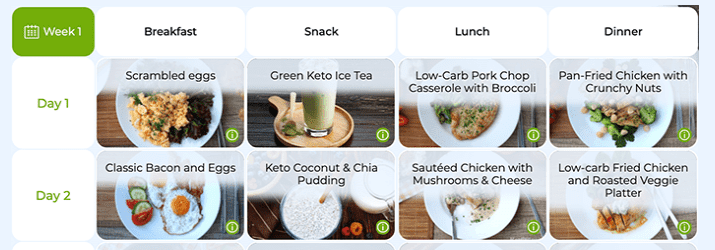
By inputting your preferences and goals, you receive a fully customized weekly meal plan tailored to your specific needs. This goes beyond mere macro adherence; it’s about enjoying delicious, varied meals that meet your dietary requirements without sacrificing flavor or feeling trapped in a repetitive, bland culinary routine.
But Ketoplan24’s genius doesn’t stop there. Integrated with the meal planner is a game-changing grocery list feature that seamlessly syncs with your planned recipes.
With a single click, all the necessary ingredients are compiled into a convenient shopping list, eliminating the need to scribble notes on scraps of paper or memorize a lengthy grocery inventory.
Even better, you can adjust quantities based on household size or specific needs, effectively eliminating food waste and ensuring you only buy what’s essential.
Understanding your progress is crucial on the keto journey, and Ketoplan24 excels in providing granular nutritional insights. More than mere calorie counting, this feature offers a deep dive into how each meal contributes to your daily macro targets, ensuring that maintaining ketosis is within reach without guesswork or spreadsheet gymnastics.
The true power of Ketoplan24 lies in the synergy of these core features. From crafting effortless grocery lists based on curated meal plans to diving deep into macro analysis for better diet management, this innovative tool offers practical solutions that resonate with anyone looking to streamline their culinary routines while adhering firmly to ketogenic principles – all without sacrificing precious time or energy.
By seamlessly integrating meal planning, grocery management, and nutritional tracking into a single, user-friendly platform, Ketoplan24 has raised the bar for what a keto tool should be. It’s not just a dieting aid; it’s a comprehensive lifestyle companion designed to make the often-challenging keto journey feel effortless, even for the busiest of individuals.
Personal Experience: Ketoplan24 in Action: A Personal Journey
Integrating Ketoplan24 into my daily routine was akin to having a personal dietitian and chef by my side. The ease with which I could plan out meals for the week ahead was nothing short of revolutionary. Gone were the days of endless recipe hunting and tedious macro calculations; everything I needed was conveniently accessible within the app.
However, the true game-changer came when I hit the dreaded plateau that every dieter fears. Despite strictly adhering to the keto principles, my progress had stalled.
This is where Ketoplan24 truly shone. By revisiting my meal plans and leveraging the app’s detailed nutritional insights, I made minor adjustments to my macros based on its data-driven suggestions.
To my delight, this small tweak reignited my weight loss journey, reminding me of the power of personalized dietary fine-tuning.
What stood out most during this keto cooking period wasn’t just Ketoplan24’s robust functionality but how it seamlessly adapted to meet my evolving needs. Sticking to a diet is one thing when everything is going smoothly, but navigating challenges is where true commitment is tested.
Ketoplan24 proved invaluable, bridging the gap between strict dietary guidelines and the realities of a busy lifestyle.
Reflecting on these experiences, integrating Ketoplan24 didn’t just make keto easier – it made it sustainable over the long haul without feeling overwhelmed or lost in the intricacies of macronutrient calculations and meal planning.
It empowered me to actualize my ketogenic aspirations amidst the demands of a hectic schedule, fostering a newfound sense of control and confidence on my journey.
Weighing the Scales: The Ups and Downs of Ketoplan24
Ketoplan24 has been a revelation in my keto journey, offering unparalleled support in streamlining meal planning and nutritional tracking. Its user-friendly interface makes navigating various features feel intuitive, almost second nature.
The comprehensive meal planner, integrated with an auto-generated grocery list, effectively eliminates the guesswork and time-consuming process of daily macro calculations.
This functionality conserves precious time and ensures dietary consistency – a cornerstone of success on the ketogenic path.
Moreover, the app’s ability to provide detailed nutritional insights empowers users with a deeper understanding of their food intake. Knowing precisely how each meal contributes to daily macro targets fosters a more mindful approach to eating, promoting sustainable habits vital for long-term adherence to the keto lifestyle.
Yet, despite its impressive array of features, Ketoplan24 is not without room for improvement. One limitation lies in its reliance on an internet connection for full functionality, which can be problematic for users without constant access to Wi-Fi or data.
While the customization options are extensive, they may initially overwhelm new users unfamiliar with keto or those less tech-savvy. A more guided approach or simplified version could enhance accessibility for beginners, ensuring a smoother onboarding process.
This Keto Cooking help service is NOT free! You get it to try for 2 weeks at a cost of $1 plus taxes, then about $30 + taxes per month.
Nevertheless, weighing these aspects, it becomes clear that while Ketoplan24 significantly eases the complexities associated with maintaining a ketogenic lifestyle – especially for busy individuals like me 🙂
Ketoplan24: The Verdict
Through the lens of my keto cooking journey since 2016, Ketoplan24 emerges as more than just an app; it’s a comprehensive companion for anyone embarking on or navigating the intricacies of a ketogenic lifestyle.
Its ability to simplify meal planning, grocery shopping, and nutritional tracking elevates it leagues above traditional tools, placing streamlined keto living within reach.
While opportunities for enhancement exist – broadening accessibility for beginners and incorporating community-driven features – the positives far outweigh these aspects.
For busy individuals committed to maintaining their keto diet without sacrificing hours to planning and preparation, Ketoplan24 stands out as a potential game-changer.
By integrating seamlessly into daily routines, Ketoplan24 makes adherence not only achievable but sustainable over the long haul.
Taking your next step with this innovative tool could very well be the key to unlocking effortless success on your ketogenic journey, empowering you to navigate the demands of a bustling lifestyle while staying firmly on the path to your dietary goals.
Carb Manager is a popular mobile application that helps individuals track their carbohydrate intake and manage their health goals. It is designed to assist with weight loss, blood sugar control, and overall health improvement. The app provides users with a comprehensive database of foods, allowing them to easily track their carb intake and make informed decisions about their diet. I’m not associated with the app, but I use it.
One of the main benefits of Carb Manager is its ability to help individuals achieve their weight loss goals. By tracking their carb intake, users can ensure they are consuming the right amount of carbohydrates for their body and activity level, helping them create a calorie deficit necessary for weight loss. The app provides users with a platform to set specific health goals and track their progress over time.
Key Takeaways
Carb Manager is a helpful tool for tracking and managing your carb intake.
Setting personalized carb goals is important for achieving optimal health.
Tips and tricks for carb counting can make managing your carb intake easier.
A Carb calculator can guide you in making informed food choices.
Customizing your Carb profile can help you personalize your health goals and track your progress.
Setting Your Carb Goals: How Many Carbs Do You Need?
Setting realistic carb goals is crucial when using Carb Manager to manage your health. The amount of carbohydrates you need depends on various factors such as age, weight, activity level, and overall health. It is important to consult with a healthcare professional or registered dietitian to determine the appropriate amount of carbs for your specific needs.
To calculate your daily carb intake, you can use a simple formula. Start by determining your total daily calorie needs based on your weight loss or maintenance goals. Then, calculate the percentage of calories that should come from carbohydrates. For example, if you are following a moderate-carb diet, aim for 40-50% of your calories to come from carbs.
Finally, divide the total number of carb calories by 4 (since there are 4 calories per gram of carbohydrates) to get the number of carbs you should consume daily.
Managing Your Carb Intake: Tips and Tricks for Carb Counting
Accurately tracking your carb intake is essential when using Carb Manager to manage your health goals. This involves reading food labels, measuring portions, and avoiding common mistakes that can lead to inaccurate carb counting.
When reading food labels, pay attention to the total carbohydrate content per serving. This includes both fiber and sugar. It is also important to consider the serving size, as this can greatly affect the total carb count. Measuring portions using a food scale or measuring cups can help ensure accuracy when tracking carbs.
Common mistakes to avoid when counting carbs include forgetting to account for condiments and sauces, not considering beverages’ carb content and underestimating portion sizes. To get the most accurate results, it is important to be diligent and thorough when tracking your carb intake.
Using Carb Manager’s Carb Calculator: A Step-by-Step Guide
The carb calculator feature is useful for determining your daily carb goals and tracking your progress. To use the calculator, start by entering your personal information, such as age, weight, height, and activity level. The app will then calculate your daily calorie needs and suggest a range for your daily carb intake based on your goals.
Once you have set your carb goals, you can track your progress by logging your daily food intake in the app. Carb Manager’s database includes thousands of foods, making it easy to find and log your food intake. The app also allows you to create custom recipes and save your favorite meals for easy tracking.
If your progress does not align with your goals, you can adjust your carb goals in Carb Manager. This flexibility allows you to make changes as needed to ensure you are on track to achieve your health goals.
Customizing Your Carb Manager Profile: Personalizing Your Health Goals
Personalizing your Carb Manager profile is important in achieving your health goals. By setting specific health goals within the app, you can tailor your experience to meet your individual needs.
Whether you want to lose weight, control blood sugar levels, or improve your overall health, Carb Manager allows you to set specific goals and track your progress. This personalized approach can help keep you motivated and focused on achieving your desired outcomes.
In addition to setting health goals, you can also customize your settings in Carb Manager to fit your lifestyle. For example, if you follow a vegetarian or gluten-free diet, you can adjust the app’s settings to reflect your dietary preferences. This ensures that the foods and recipes suggested by the app align with your specific needs.
Tracking Your Progress: Using Carb Manager to Monitor Your Success
Carb Manager offers a variety of features to help you track your progress and monitor your success. These features allow you to see how your carb intake and overall health are improving over time.
One of the main progress-tracking features in Carb Manager is the ability to track your weight, measurements, and other health markers. Regularly logging this information lets you see how your body changes and adjust your goals accordingly.
Carb Manager also provides visual representations of your progress, such as graphs and charts. These visual aids can help you stay motivated and see the positive changes happening in your body.
Making Smart Carb Choices: Finding the Right Foods for Your Diet
Carb Manager’s food database is a valuable resource for finding the right foods for your diet. The app includes a wide range of foods, from fresh produce to packaged goods, making it easy to find and log the foods you eat.
When searching for foods in Carb Manager, paying attention to the carb content per serving is important. This information can help you make informed decisions about what to eat and how it fits into your daily carb goals.
When it comes to making smart carb choices, it is generally recommended to choose whole foods over processed foods. Whole foods are typically lower in carbs and nutrients than processed foods. Also, high-fiber carbs such as fruits, vegetables, and whole grains can help keep you full and satisfied.
Meal Planning with Carb Manager: Creating Delicious and Nutritious Meals
Carb Manager’s meal planning features can help you create delicious and nutritious meals that align with your carb goals. The app allows you to create meal plans based on your desired carb intake, making it easy to stay on track with your health goals.
To create a meal plan in Carb Manager, start by selecting the meals you want to include (breakfast, lunch, dinner, and snacks). Then, search for foods in the app’s database and add them to your meal plan. You can also create custom recipes and save them for future use.
When creating balanced and nutritious meals, it is important to include a variety of food groups. Aim for a mix of protein, healthy fats, and carbohydrates in each meal. This will help keep you satisfied and provide your body with the nutrients it needs to thrive.
Staying Motivated: Strategies for Maintaining Your Health Goals
Staying motivated is key to maintaining your health goals. Carb Manager offers several strategies to help you stay on track and achieve long-term success.
One of the most effective ways to stay motivated is to find support. Whether it’s joining an online community or enlisting the help of a friend or family member, having someone to share your journey with can make a big difference. Carb Manager offers a community feature where users can connect with others who are also using the app to achieve their health goals.
Setting rewards for reaching milestones can also help keep you motivated. Whether it’s treating yourself to a new outfit or planning a special outing, having something to look forward to can provide the extra push you need to stay on track.
Carb Manager itself can be a source of motivation. By tracking your progress and seeing how far you’ve come, you can stay motivated to continue making healthy choices and working towards your goals.
Achieving Optimal Health with Carb Manager
In conclusion, Carb Manager is a powerful tool for managing your carb intake and achieving your health goals. You can make significant strides toward optimal health by setting realistic carb goals, accurately tracking your carb intake, and using Carb Manager’s features to personalize your profile and track your progress.
Remember, achieving optimal health is a journey, and Carb Manager is there to support you every step of the way. You can achieve the health and wellness you desire by making smart carb choices, creating delicious and nutritious meals, and staying motivated. So why wait? Start using Carb Manager today and take control of your health.
If you’re looking for delicious low-carb recipes to add to your Carb Manager meal plan, you won’t want to miss this article on “Low Carb Slow Cooker Asian Beef.” This mouthwatering dish is not only packed with flavor, but it’s also easy to prepare and perfect for busy weeknights. Check out the recipe and get ready to enjoy a healthy and satisfying meal that fits perfectly into your low-carb lifestyle. Read more
FAQs
What is Carb Manager?
Carb Manager is a mobile application and website that helps users track their daily intake of macronutrients, including carbohydrates, protein, and fat.
How does Carb Manager work?
Carb Manager allows users to log their meals and snacks. The app calculates the total number of macronutrients consumed. Users can set daily goals for their macronutrient intake and track their progress towards those goals.
What are the benefits of using Carb Manager?
Carb Manager can help users achieve their health and fitness goals by providing a clear picture of their daily macronutrient intake. The app can also help users identify areas where they may need to make dietary changes to improve their overall health.
Is Carb Manager free?
Carb Manager offers both free and paid versions of the app. The free version includes basic tracking features, while the paid version includes additional features such as meal planning and recipe suggestions.
Is Carb Manager suitable for people with specific dietary needs?
Carb Manager can be customized to meet the needs of users with specific dietary requirements, such as those following a low-carb or ketogenic diet. The app allows users to set custom macronutrient goals based on their individual needs.
Is Carb Manager available in multiple languages?
Carb Manager is currently available in English, Spanish, French, German, Italian, Portuguese, and Dutch.
The benefits of the keto diet have gained immense popularity in recent years, with many people turning to this low-carb, high-fat diet for weight loss and improved health.
However, before jumping on the keto bandwagon, it is important to understand the diet and its principles. This article will provide a comprehensive guide to the keto diet, explaining what it is, how it works, and the benefits it offers. By understanding the science behind ketosis and learning how to navigate the challenges of the diet, you can set yourself up for long-term success.
The benefits of the Keto Diet, Key Takeaways
The Keto Diet is a low-carb, high-fat diet that puts your body into a state of ketosis, where it burns fat for fuel instead of carbohydrates.
Ketosis occurs when your body runs out of glucose and starts breaking down stored fat into molecules called ketones, which are used for energy.
The benefits of the Keto Diet include weight loss, improved energy, better mental clarity, and reduced inflammation.
To get started with the Keto Diet, it’s important to gradually reduce your carb intake and increase your fat intake while also staying hydrated and getting enough electrolytes.
Choosing the right foods for the Keto Diet involves focusing on low-carb, high-fat options like meat, fish, eggs, nuts, seeds, and healthy oils while avoiding grains, sugars, and processed foods.
Understanding the Keto Diet: What it is and How it Works
The keto diet, short for ketogenic diet, is a low-carb, high-fat eating plan that has been shown to help people lose weight and improve their overall health. The main principle of the diet is to drastically reduce carbohydrate intake and replace it with fat. By doing so, the body enters a state of ketosis, where it starts burning fat for fuel instead of carbohydrates.
When you consume carbohydrates, your body breaks them down into glucose, which is the primary energy source. However, when you restrict carbohydrates and increase fat intake, your body has to find an alternative fuel source. This is where ketosis comes into play. During ketosis, your liver produces ketones from fat stores, which are then used as fuel by your body and brain.
The Science Behind Ketosis: How Your Body Burns Fat for Fuel
During ketosis, your body switches from using glucose as its primary fuel source to using fat. This has several benefits for weight loss and overall health. When you consume carbohydrates, your body releases insulin to help transport glucose into your cells for energy. However, when you restrict carbohydrates on the keto diet, insulin levels decrease, allowing your body to access stored fat for fuel.
When your body burns fat for fuel, it produces ketones as a byproduct. These ketones can cross the blood-brain barrier and provide energy to your brain, which is why many people report improved mental clarity and focus on the keto diet. Burning fat for fuel can also lead to more stable blood sugar levels, reduced inflammation, and improved insulin sensitivity.
The Benefits of the Keto Diet: Weight Loss, Improved Energy, and More
Benefits of the Keto Diet
Description
Weight Loss
The keto diet can help you lose weight by reducing your appetite and increasing your metabolism.
Improved Energy
By reducing your carbohydrate intake, your body will start burning fat for energy, which can lead to increased energy levels.
Better Mental Clarity
The keto diet has been shown to improve cognitive function and mental clarity, possibly due to the increased production of ketones in the brain.
Reduced Inflammation
The keto diet can help reduce inflammation in the body, which is linked to a variety of chronic diseases.
Lowered Blood Sugar Levels
By reducing your carbohydrate intake, the keto diet can help lower blood sugar levels and improve insulin sensitivity.
Benefits of the Keto Diet
The keto diet offers a wide range of benefits beyond just weight loss. One of the main advantages of the diet is its ability to promote fat loss while preserving muscle mass. When you restrict carbohydrates, your body taps into its fat stores for fuel, leading to significant weight loss. The diet’s high-fat content helps keep you full and satisfied, reducing cravings and overeating.
In addition to weight loss, many people report increased energy levels and improved mental clarity on the keto diet. This is because ketones provide a more stable energy source than glucose. By reducing carbohydrate intake and stabilizing blood sugar levels, you can avoid the energy crashes and brain fog often associated with high-carb diets.
Other benefits of the keto diet include reduced inflammation, improved insulin sensitivity, and better heart health. By reducing carbohydrate intake and increasing fat consumption, you can lower levels of inflammatory markers in your body. This can lead to a reduction in symptoms of chronic conditions such as arthritis and autoimmune diseases.
The keto diet has been shown to improve insulin sensitivity and reduce the risk of heart disease by lowering triglyceride levels and increasing HDL (good) cholesterol – another of the benefits of the Keto Diet!
Getting Started with the Keto Diet: Tips for Transitioning to a Low-Carb Lifestyle
Transitioning to a low-carb lifestyle can be challenging, but it can be a smooth process with the right strategies. One of the most important tips for getting started on the keto diet is to track your macros.
This means keeping track of your daily intake of carbohydrates, fats, and proteins. By monitoring your macros, you can ensure that you stay within the recommended keto diet ranges.
Another important aspect of transitioning to the keto diet is staying hydrated. When you reduce carbohydrate intake, your body excretes more water and electrolytes, which can lead to dehydration.
Drinking plenty of water and replenishing electrolytes through foods such as avocados and leafy greens or supplements is important to prevent this and fully enjoy the benefits of the Keto Diet.
Choosing the Right Foods for the Keto Diet: A Guide to Low-Carb, High-Fat Foods
Choosing the right foods is crucial when following the keto diet. The main principle of the diet is to consume foods that are low in carbohydrates and high in healthy fats. To enjoy the benefits of the Keto Diet, here are some examples of low-carb, high-fat foods include:
Meat and poultry: Beef, chicken, turkey, and other meats are excellent sources of protein and healthy fats.
Fish and seafood: Fatty fish such as salmon, mackerel, and sardines are rich in omega-3 fatty acids.
Eggs: Eggs are a versatile and nutritious food that can be enjoyed in many different ways.
Avocados: Avocados are high in healthy fats and fiber, making them a great addition to the keto diet.
Nuts and seeds: Almonds, walnuts, chia seeds, and flaxseeds are all low in carbs and high in healthy fats.
Healthy oils: Olive oil, coconut oil, and avocado oil are all excellent choices for cooking and dressing salads.
Non-starchy vegetables: Leafy greens, broccoli, cauliflower, zucchini, and bell peppers are all low in carbs and high in nutrients.
On the other hand, there are certain foods that should be avoided on the keto diet due to their high carbohydrate content. These include:
Grains: Wheat, rice, oats, and other grains are high in carbohydrates and should be avoided.
Sugar: All forms of sugar, including table sugar, honey, and maple syrup, should be eliminated from the diet.
Starchy vegetables: Potatoes, sweet potatoes, and corn are high in carbs and should be limited.
Legumes: Beans, lentils, and chickpeas are high in carbohydrates and should be avoided.
Fruit: While fruit is generally healthy, it is also high in natural sugars and should be consumed in moderation on the keto diet.
Meal Planning for the Keto Diet: Delicious Recipes and Meal Ideas
Meal planning is an essential part of having most of the benefits of the Keto Diet to ensure that you are getting all the necessary nutrients while staying within your macros. Here are some tips for meal planning on the keto diet:
Plan your meals in advance: Take some time each week to plan out your meals and snacks. This will help you stay on track and avoid making impulsive food choices.
Batch cook: Prepare large batches of meals and freeze them in individual portions. This way, you will always have a healthy meal ready to go when you’re short on time.
Focus on whole foods: Choose whole, unprocessed foods whenever possible. These foods are more nutritious, lower in carbs, and higher in healthy fats.
Experiment with recipes: There are countless delicious keto recipes available online. Try new recipes to keep your meals interesting and prevent boredom.
Here are some delicious keto meal ideas for breakfast, lunch, and dinner to enjoy the benefits of the Keto Diet:
Breakfast: Keto-friendly smoothie made with coconut milk, spinach, avocado, and protein powder; scrambled eggs with bacon and cheese; chia seed pudding topped with berries and nuts.
Lunch: Grilled chicken or salmon salad with mixed greens, avocado, cherry tomatoes, and olive oil dressing; zucchini noodles with pesto sauce and grilled shrimp; cauliflower crust pizza topped with cheese, vegetables, and pepperoni.
Dinner: Baked salmon with roasted asparagus and cauliflower rice; steak with sautéed mushrooms and a side of steamed broccoli; chicken stir-fry with bell peppers, onions, and a soy sauce substitute made from coconut.
Overcoming Common Challenges of the Keto Diet: Dealing with the Keto Flu and Other Issues
One common challenge that many people face when starting the keto diet is the keto flu.
The keto flu refers to a collection of symptoms that can occur during the first few days or weeks of transitioning to a low-carb lifestyle. These symptoms can include fatigue, headache, irritability, nausea, and dizziness.
The keto flu is caused by the body’s adjustment to using fat for fuel instead of carbohydrates. As your body adapts to this new fuel source, it may experience withdrawal-like symptoms. However, there are several strategies you can use to overcome the keto flu:
Stay hydrated: Drink plenty of water and replenish electrolytes through foods or supplements.
Increase salt intake: When you reduce carbohydrate intake, your body excretes more sodium. Adding salt to your meals or drinking bone broth can help replenish sodium levels.
Gradually reduce carbohydrate intake: Instead of drastically cutting carbs all at once, gradually reduce your intake over a period of a few weeks. This can help minimize the severity of the keto flu.
Get plenty of rest: Your body needs time to adjust to the new fuel source, so make sure to get enough sleep and rest when needed.
In addition to the keto flu, there are other common challenges that you may encounter on the keto diet. These include constipation, nutrient deficiencies, and social situations.
To overcome these challenges, include plenty of fiber-rich vegetables in your diet, consider taking a multivitamin or specific supplements if needed, and plan for social events by bringing your own keto-friendly dishes or snacks.
Combining the Keto Diet with Exercise: Maximizing Your Results with Physical Activity
While the benefits of the Keto Diet can be effective for weight loss on its own, combining it with regular exercise can help maximize your results. Exercise has several benefits on the keto diet, including increased fat burning, improved insulin sensitivity, and enhanced overall health.
When you exercise, your body uses stored glycogen for energy. However, on the keto diet, glycogen stores are depleted due to low carbohydrate intake. This means that your body has to rely on fat for fuel during exercise, leading to increased fat burning. Additionally, regular exercise can help improve insulin sensitivity, making it easier for your body to use fat for fuel even outside of exercise.
When it comes to exercise on the keto diet, it is important to listen to your body and adjust your routine as needed. Some people may find that they have reduced energy levels during the initial stages of the diet. If this is the case for you, consider starting with low-intensity exercises such as walking or yoga and gradually increasing the intensity as your body adapts to using fat for fuel.
Maintaining Long-Term Success with the Keto Diet: Tips for Sticking to Your Plan
Sticking to any diet long-term can be challenging, and the keto diet is no exception. You can set yourself up for long-term success with the right strategies and mindset. Here are some tips for maintaining consistency on the keto diet:
Find support: Surround yourself with like-minded individuals who are also following the keto diet. This can provide accountability and motivation.
Meal prep: Prepare your meals in advance and have healthy snacks readily available. This will help prevent impulsive food choices when you’re hungry or short on time.
Focus on non-scale victories: Instead of solely focusing on the number on the scale, pay attention to other positive changes such as increased energy levels, improved mental clarity, and better sleep.
Practice self-care: Take care of your mental and emotional well-being by practicing self-care activities such as meditation, journaling, or engaging in hobbies that bring you joy.
Be flexible: While it is important to stick to the principles of the keto diet, it is also important to be flexible and allow yourself occasional indulgences. This can help prevent feelings of deprivation and make the diet more sustainable in the long run.
Is the Keto Diet Right for You? Understanding the Pros and Cons of this Popular Diet Trend.
While the benefits of the Keto Diet are a long list, it may not be suitable for everyone. It is important to consult with a healthcare professional before starting any new diet, especially if you have any underlying health conditions or are taking medications. Here are some pros and cons to consider when deciding if the keto diet is right for you:
Pros:
Effective for weight loss
Improved energy levels and mental clarity
Reduced inflammation and improved insulin sensitivity
Can be customized to individual needs
Cons:
Can be challenging to follow long-term
May cause initial side effects such as the keto flu
Requires careful tracking of macros and nutrient intake
May not be suitable for certain medical conditions or medications
The benefits of the Keto Diet include weight loss, improved energy levels, mental clarity, and better overall health. By understanding the principles of the diet and learning how to navigate its challenges, you can set yourself up for long-term success.
It is important to consult with a healthcare professional before starting any new diet, especially if you have any underlying health conditions or are taking medications. With caution and support, the keto diet can be a powerful tool for achieving your health and wellness goals.
If you’re interested in exploring different diets, you may want to check out this article on the best diets. It provides a comprehensive overview of various diet plans, including the popular Keto Diet.
The benefits of the Keto Diet have gained significant attention for its potential weight loss benefits and its focus on low-carb, high-fat foods. To learn more about the Keto Diet and how it can help you achieve your health goals, click here: https://weightlossdiet4u.com/what-are-the-best-types-of-diets/.
FAQs
What is the Keto Diet?
The Keto Diet is a low-carb, high-fat diet that aims to put the body in a state of ketosis, where it burns fat for energy instead of carbohydrates.
What foods are allowed on the Keto Diet?
Foods allowed on the Keto Diet include meat, fish, eggs, dairy, nuts, seeds, low-carb vegetables, and healthy fats such as olive oil and avocado.
What foods should be avoided on the Keto Diet?
Foods to avoid on the Keto Diet include sugar, grains, starchy vegetables, processed foods, and most fruits.
What are the benefits of the Keto Diet?
The Keto Diet has been shown to aid in weight loss, improve blood sugar control, increase energy levels, and reduce inflammation.
Are there any risks associated with the Keto Diet?
Some potential risks of the Keto Diet include nutrient deficiencies, constipation, and the “Keto flu” which can cause fatigue, headaches, and nausea.
Is the Keto Diet safe for everyone?
The Keto Diet may not be safe for everyone, particularly those with certain medical conditions such as pancreatitis or liver disease. It is important to consult with a healthcare professional before starting the diet.
The low-carb lifestyle has gained significant popularity in recent years, and for good reason. With its numerous health benefits and potential for weight loss, many people are turning to low-carb diets as a way to improve their overall well-being.
In this article, I will explore what a low-carb lifestyle entails, the science behind how it works, its health benefits, and practical tips for getting started. We will also discuss meal planning, low carb alternatives to favorite foods, the role of exercise, overcoming challenges, and the social impact of a low carb lifestyle.
I will share success stories of real people who have transformed their health with a low-carb diet.
Low-Carb Lifestyle Key Takeaways
Low-Carb Lifestyle involves reducing carbohydrate intake and increasing protein and fat consumption
Low Carb Diets work by reducing insulin levels, promoting fat burning, and reducing appetite
Health Benefits of Low Carb Diets include weight loss, improved blood sugar control, and reduced risk of chronic diseases
To Get Started with a Low Carb Diet, focus on whole foods, plan meals, and gradually reduce carb intake
Low Carb Meal Planning involves choosing low-carb foods, preparing meals in advance, and experimenting with new recipes.
What is the Low-Carb Lifestyle?
A low-carb lifestyle is a way of eating that focuses on reducing carbohydrate intake, particularly those high in refined sugars and starches. The goal is to limit the body’s reliance on glucose as its primary source of energy and instead encourage it to burn stored fat for fuel. Several different low-carb lifestyle diets include ketogenic (keto), paleo, and Atkins.
The keto diet is perhaps the most well-known low carb diet. It involves drastically reducing carbohydrate intake and increasing fat consumption. By doing so, the body enters a state of ketosis, where it begins to burn fat for energy instead of glucose.
The paleo diet focuses on eating foods that were available to our ancestors during the Paleolithic era, such as lean meats, fish, fruits, vegetables, nuts, and seeds. It eliminates processed foods, grains, legumes, and dairy products.
The Atkins diet is a low carb diet that emphasizes protein and fats while limiting carbohydrates. It consists of four phases: induction, balancing, fine-tuning, and maintenance.
The Science Behind Low Carb Diets: How They Work
Low-carb lifestyle diets work by reducing the body’s reliance on glucose for energy and instead encouraging it to burn stored fat. When we consume carbohydrates, they are broken down into glucose, which is then used by the body as a source of energy.
Insulin, a hormone produced by the pancreas, helps regulate blood sugar levels by allowing glucose to enter cells. However, when we consume excessive amounts of carbohydrates, insulin levels remain elevated, leading to weight gain and other health issues.
Reducing carbohydrate intake decreases insulin levels, allowing the body to tap into its fat stores for energy. This leads to weight loss and improved metabolic health.
Also, low-carb diets have been shown to reduce hunger and cravings, making it easier to stick to a healthy eating plan.
The Health Benefits of Cutting Carbs
Health Benefit
Description
Weight Loss
Reducing carb intake can lead to weight loss as it helps to reduce overall calorie intake.
Blood Sugar Control
Lowering carb intake can help to regulate blood sugar levels, which is especially beneficial for those with diabetes.
Reduced Risk of Heart Disease
Lowering carb intake can help to reduce risk factors for heart disease, such as high blood pressure and high cholesterol levels.
Improved Digestion
Reducing carb intake can lead to improved digestion and reduced bloating and discomfort.
Increased Energy
Reducing carb intake can lead to more stable blood sugar levels, which can result in increased energy levels throughout the day.
There are numerous health benefits associated with a low carb lifestyle. One of the most well-known benefits is weight loss. When the body enters a state of ketosis, it becomes more efficient at burning fat for fuel, leading to significant weight loss. Studies have shown that low carb diets can lead to greater weight loss compared to low fat diets.
In addition to weight loss, low-carb lifestyle diets have been shown to improve blood sugar control in individuals with diabetes or prediabetes. By reducing carbohydrate intake, blood sugar levels stabilize, reducing the need for insulin and improving insulin sensitivity.
Furthermore, low carb diets have been linked to a reduced risk of chronic diseases such as heart disease and certain types of cancer. They can also improve markers of cardiovascular health, such as blood pressure and cholesterol levels.
How to Get Started with a Low-Carb Diet
Getting started with a low-carb lifestyle may seem daunting at first, but with some planning and preparation, it can be easily incorporated into your lifestyle. One of the first steps is to educate yourself about which foods are high in carbohydrates and which ones are low in carbs. This will help you make informed choices when grocery shopping and meal planning.
Meal planning is an essential aspect of a successful low carb diet. By planning your meals in advance, you can ensure that you have healthy, low-carb options readily available. This can help prevent impulsive food choices and make sticking to your eating plan easier. When meal planning, focus on incorporating a variety of protein sources, healthy fats, and non-starchy vegetables.
Tracking your progress is another important aspect of a low carb diet. This can help you identify patterns and make adjustments as needed. Several apps and websites can help you track your food intake, macronutrient ratios, and weight loss progress.
Low Carb Meal Planning: Tips and Tricks
Meal planning is a crucial component of a successful low carb lifestyle. Here are some tips and tricks to help you plan your meals:
1. Start by making a list of low carb foods that you enjoy. This will serve as a foundation for your meal planning.
2. Plan your meals around protein sources such as lean meats, poultry, fish, eggs, and tofu. These foods are low in carbs and high in essential nutrients.
3. Incorporate healthy fats into your meals, such as avocados, nuts, seeds, olive oil, and coconut oil. Fats are an important part of a low-carb diet as they provide satiety and help the body enter ketosis.
4. Include plenty of non-starchy vegetables in your meals. These include leafy greens, broccoli, cauliflower, zucchini, bell peppers, and mushrooms. They are low in carbs but high in fiber and essential vitamins and minerals.
5. Experiment with different cooking methods and flavors to keep your meals interesting. Try grilling, roasting, sautéing, or steaming your proteins and vegetables. Use herbs, spices, and low carb sauces to add flavor without adding unnecessary carbs.
6. Consider batch cooking and meal prepping to save time and ensure that you always have healthy, low-carb lifestyle options available. Cook large batches of proteins and vegetables and portion them out for the week.
Low-Carb Alternatives to Your Favorite Foods
One of the challenges of a low-carb lifestyle is finding alternatives to your favorite high-carb foods. Fortunately, there are many low carb alternatives available that can satisfy your cravings without derailing your progress.
For bread lovers, there are several low carb bread options available, such as almond flour bread, coconut flour bread, and cloud bread. These breads are made with alternative flours that are low in carbs and high in fiber.
If you’re a pasta lover, there are several low carb pasta options available, such as zucchini noodles (zoodles), spaghetti squash, and shirataki noodles. These alternatives are low in carbs and can be used as a substitute in your favorite pasta dishes.
For rice lovers, cauliflower rice is a popular low carb alternative. It can be used in stir-fries, fried rice, or as a side dish. Other alternatives include broccoli rice and shirataki rice.
The Role of Exercise in a Low-Carb Lifestyle
Exercise plays a crucial role in a low carb lifestyle. It can enhance weight loss, improve cardiovascular health, increase muscle mass, and boost overall well-being. When combined with a low-carb diet, exercise can help accelerate fat loss and improve body composition.
Incorporating both cardiovascular exercise and strength training into your routine is important for optimal results. Cardiovascular exercise helps burn calories and improve cardiovascular health, while strength training helps build lean muscle mass and increase metabolism.
When exercising on a low-carb lifestyle diet, listening to your body and adjusting your intensity as needed is important. Some individuals may have reduced energy levels during intense workouts when starting a low-carb diet. This is normal and usually resolves as the body adapts to using fat for fuel.
Overcoming Challenges and Staying Motivated on a Low-Carb Diet
Sticking to a low-carb lifestyle can be challenging, especially in social situations or when faced with cravings. However, with the right strategies, overcoming these challenges and staying motivated is possible.
One of the biggest challenges of a low carb diet is dealing with cravings. When cravings strike, it’s important to have a plan in place. Stock your pantry with low carb snacks such as nuts, seeds, jerky, and cheese. These can help satisfy cravings without derailing your progress.
Another challenge is dining out or attending social events. In these situations, it’s important to plan ahead and make smart choices. Look for low carb options on the menu or ask for modifications to make a dish low carb-friendly. If no suitable options are available, consider eating beforehand or bringing your own dish.
Setting realistic goals and tracking your progress can also help you stay motivated in a low-carb lifestyle. Celebrate small victories along the way and focus on the positive changes you are making to your health and well-being.
The Social Impact of a Low-Carb Lifestyle
Adopting a low carb lifestyle can have social implications, particularly when it comes to dining out or attending social events. However, with some planning and preparation, it is possible to navigate these situations while sticking to your low-carb diet.
When dining out, research the menu beforehand and look for low carb options. Many restaurants now offer low carb alternatives or are willing to accommodate dietary restrictions. If no suitable options are available, consider ordering a protein-based dish with vegetables and ask for modifications to make it low-carb-friendly.
When attending social events, bring a low-carb lifestyle dish to share or eat beforehand so that you’re not tempted by high-carb options. Focus on socializing and enjoying the company of others rather than solely focusing on the food.
It’s important to remember that your health and well-being are the most important factors. Don’t be afraid to prioritize your dietary needs and make choices that align with your goals.
Success Stories: Real People Who Have Transformed Their Health with Low Carb Diets
Real people have experienced incredible transformations by adopting a low carb lifestyle. These success stories serve as inspiration and motivation for others who are embarking on their own low-carb journey.
One such success story is John, who struggled with obesity and related health issues for most of his life. After adopting a low carb diet, he was able to lose over 100 pounds and reverse his type 2 diabetes. He now leads an active, healthy lifestyle and has regained control of his health.
Another success story is Sarah, who suffered from chronic migraines and fatigue. After switching to a low carb diet, she experienced a significant reduction in migraines and an increase in energy levels. She now enjoys an active lifestyle and feels better than ever.
These success stories highlight the transformative power of a low carb lifestyle and remind you that taking control of your health and well-being is possible.
The low-carb lifestyle offers numerous health benefits, including weight loss, improved blood sugar control, and reduced risk of chronic diseases. Individuals can improve their overall well-being and achieve their health goals by reducing carbohydrate intake and focusing on whole, unprocessed foods. With proper planning, meal preparation, and support, adopting a low carb lifestyle can be a sustainable and enjoyable way of eating. So why not give it a try? Your health is worth it.
If you’re following a low-carb diet and looking for a delicious treat to satisfy your sweet tooth, you’ll definitely want to check out these Keto Peanut Butter Squares. Made with wholesome ingredients and packed with healthy fats, these squares are the perfect guilt-free indulgence.
A low carb diet is a diet that restricts the intake of carbohydrates, typically to less than 20-100 grams per day. This type of diet is often used for weight loss and to manage conditions such as diabetes.
What foods are allowed on a low carb diet?
Foods that are allowed on a low-carb diet include meat, fish, eggs, low-carb vegetables, nuts, and seeds. Foods that are high in carbohydrates, such as bread, pasta, rice, and sugary foods, are typically restricted.
What are the benefits of a low carb diet?
The benefits of a low carb diet include weight loss, improved blood sugar control, and reduced risk of heart disease. It may also improve certain health conditions such as metabolic syndrome and epilepsy.
Are there any risks associated with a low carb diet?
Some risks associated with a low carb diet include nutrient deficiencies, constipation, and bad breath. It may also be difficult to sustain long-term and may lead to feelings of deprivation.
Is a low carb diet suitable for everyone?
A low-carb diet may not be suitable for everyone, particularly those with certain medical conditions such as kidney disease. It is important to consult with a healthcare professional before starting any new diet or exercise program.
Welcome, health enthusiasts and fellow warriors against the perils of prediabetes! Today, we embark on a journey together, armed with something that is both revolutionary and delightful: the low-carb lifestyle.
In a world where sugary temptations lurk around every corner, it’s easy to feel overwhelmed by the possibility of developing prediabetes.
But fear not because the power to take control of your health is firmly within your grasp. It’s time to bid farewell to the era of blood sugar spikes and sluggishness and say hello to a life filled with energy, vitality, and scrumptious low carb lifestyle and delights!
In this enchanting article, we’ll unravel the secrets of embracing the low carb lifestyle and how it can help ward off the impending doom of prediabetes. Gone are the days of restrictive diets and feeling deprived. Instead, we’ll guide you through a journey that is not only effective but also immensely enjoyable.
Imagine waking up every morning, feeling invigorated and ready to conquer the day. Picture indulging in meals that are not only satisfying but also brimming with nutrients, while keeping your blood sugar levels in check.
Together, we’ll unlock the mysteries of low carb lifestyle ingredients, discover tantalizing recipes, and learn to optimize our health while relishing every bite.
But this isn’t just about transforming our own lives; it’s about igniting a low-carb revolution. By embracing this low carb lifestyle, we are crafting a united front against prediabetes—a powerful and infectious force. So join us as we delve into the captivating world of a low carb diet and discover the boundless possibilities it holds for our lives and our health.
Get ready to embark on a journey that will reshape your relationship with food and empower you to take charge of your well-being. Together, we’ll unleash the full potential of low carb living, proving to the world that powering through prediabetes is achievable and immensely rewarding. The adventure awaits, dear friend, so grab your spatulas, buckle up, and let’s embrace the low carb lifestyle, one delicious bite at a time!
1. The Prevalence of Prediabetes: A Silent and Growing Health Concern
Welcome to a world where prediabetes is becoming an increasingly common health issue. With more and more people falling into this category, it’s time to shed light on this silent but alarming condition that often goes unnoticed. Prediabetes is like a sneaky thief, quietly laying the groundwork for the development of type 2 diabetes. Let’s explore why prediabetes is a concern that deserves our attention.
1. Stealth Mode Activation: Prediabetes often operates in stealth mode, showing no obvious symptoms. This makes it easy for individuals to remain blissfully unaware of their condition until it’s too late. With countless individuals affected worldwide, the lack of awareness surrounding prediabetes is concerning. But fear not—as you learn more about this condition, you’ll gain valuable knowledge to prevent or delay the onset of type 2 diabetes potentially.
2. Life in the Gray Zone: Prediabetes falls between the lines of normal blood sugar levels and type 2 diabetes. It’s like being suspended in a gray zone, where an individual’s blood sugar levels are higher than normal but not yet high enough to be diagnosed as diabetes. This can give a false sense of security, leading people to dismiss the significance of their blood sugar levels. However, ignoring prediabetes can have serious consequences for one’s health in the long run.
3. A Preventable Future: The good news is that prediabetes is not a life sentence but a warning sign that can be reversed. With healthy lifestyle changes, such as adopting a balanced diet, regular exercise, and managing stress, individuals with prediabetes can potentially prevent or delay the progression to type 2 diabetes. Awareness and early intervention are key in combating this growing health concern.
2. Understanding Prediabetes: What it Is and Why It Requires Action
So, you’ve recently been told that you have prediabetes, and you may be wondering, “What does that even mean?” Don’t worry; we’ve got you covered. Prediabetes is a condition where your blood sugar level is higher than normal but not high enough to be classified as type 2 diabetes. It acts as an early warning sign, giving you a chance to make positive changes and prevent the progression toward full-blown diabetes. Ignoring it would be like leaving a time bomb ticking away. Trust us; you’ll want to take action now!
But why does prediabetes require action, you ask? Well, let us break it down for you. By identifying and acknowledging prediabetes, you can take control of your health and prevent or delay the onset of type 2 diabetes. This means less medication, doctor visits, and potential complications down the road. Plus, you’ll start feeling better, both physically and mentally, as you make healthier lifestyle choices.
Remember, every small step you take today can greatly impact your future well-being.
We know jumping into action can sometimes feel overwhelming, but don’t fret! We’re here to guide you every step of the way. Embracing a healthy lifestyle is key to managing prediabetes. Start by incorporating regular physical activity into your routine—it could be as simple as taking a brisk walk in the park.
Focus on maintaining a well-balanced diet rich in fiber, whole grains, lean proteins, and plenty of fresh fruits and vegetables. And don’t forget, shedding a few pounds (if needed) can significantly improve your blood sugar levels. Remember, you’re not alone on this journey. We’re here to support you and cheer you on toward a healthier, happier life!
3. Unveiling the Power of Low Carb Living: A Proven Approach to Reversing Prediabetes
Unveiling the Power of Low Carb Living
Are you tired of living with the uncertainty of prediabetes? Look no further! We have the solution that will not only reverse your prediabetes but also empower you to live a healthier life. Say goodbye to constant worry and hello to a proven approach that will change your life for the better.
Our low-carb living program is backed by science and years of success stories. By adopting a low carb lifestyle, you’ll experience many benefits beyond reversing prediabetes. Let’s take a closer look at what this powerful approach can do for you:
Stabilize Blood Sugar: Low-carb eating helps regulate blood sugar levels, reducing the risk of prediabetes progressing into type 2 diabetes.
Weight Loss: Shed those stubborn pounds effortlessly and keep them off by embracing a low carb lifestyle.
Increase Energy: Say goodbye to mid-afternoon crashes. Low carb living is known to provide sustained energy throughout the day.
Improved Heart Health: Lower your risk of heart disease by reducing your intake of refined carbohydrates and unhealthy fats.
Enhanced Mental Clarity: Experience improved focus and concentration, thanks to stabilized blood sugar levels and reduced brain fog.
Don’t let prediabetes hold you back from living your best life. Join our low carb living program today and take control of your health. We’ll guide you every step of the way on this proven path to reversing prediabetes and regaining your zest for life. Get ready to unveil the power of low carb living and embrace a healthier, happier you!
Are you ready to embark on a journey towards a healthier you? Welcome to the world of low carb lifestyle living, where we believe that flavor and health can go hand in hand. This section will unleash a treasure trove of practical strategies and mouthwatering recipes that will help you effortlessly incorporate a low carb lifestyle into your daily routine. Get ready to transform your meals into delightful culinary experiences!
Practical Strategies:
Transitioning to a low carb lifestyle doesn’t have to be daunting! Here are some practical strategies to kickstart your journey:
Plan Ahead: Take a few moments each week to plan your meals, ensuring you have low carb lifestyle options readily available.
Stock Your Pantry: Fill your pantry with low carb essentials such as whole grains, lean proteins, and plenty of fresh vegetables.
Portion Control: Pay attention to portion sizes and experiment with smaller plates to trick your brain into feeling satisfied.
Stay Hydrated: Water is your best friend on this journey! Stay hydrated to curb cravings and support overall well-being.
Delicious Recipes:
Ready to tantalize your taste buds while keeping those carbs in check? Our collection of low carb lifestyle recipes will make your heart skip a beat! Check out these delectable creations:
Savory Cauliflower Fried Rice: A flavorful twist on the classic fried rice, this low carb version swaps rice for cauliflower, packed with colorful veggies and a hint of soy sauce.
Zucchini Noodle Alfredo: Indulge in a creamy pasta dish without the guilt! Replace traditional pasta with zucchini noodles and smother them in a velvety alfredo sauce.
Grilled Lemon Herb Chicken: Succulent and bursting with flavor, this grilled chicken marinated in lemon and herbs will be a favorite among your family and friends.
Chocolate Avocado Mousse: Satisfy your sweet tooth with this velvety dessert made with avocados instead of heavy cream or sugar. It’s a guilt-free treat with a rich chocolaty taste!
Now that you have practical strategies and mouthwatering recipes at your disposal, let your low carb lifestyle adventure begin! Embrace the possibilities of flavorful and nourishing food without sacrificing your health goals. Remember, when it comes to crafting a low carb lifestyle, deliciousness is just a fork away!
5. Navigating Challenges and Staying Motivated: Tips for Long-Term Success
Life is full of ups and downs, and embarking on a long-term journey can sometimes be challenging. However, with the right attitude and mindset, you can overcome any obstacle that comes your way. Here are some tried and tested tips to help you navigate these challenges and stay motivated toward achieving long-term success:
Embrace the Power of Positivity: Surround yourself with positive people and focus on the good things in life. Positivity is contagious and can make a world of difference in your long-term journey. Each day, remind yourself of your progress and your steps toward your goals.
Turn Challenges into Opportunities: Instead of viewing challenges as setbacks, see them as opportunities for growth and learning. Every obstacle you encounter is a chance to develop new skills, gain wisdom, and build resilience. Embrace these challenges, and they will propel you toward long-term success.
Set Milestones and Reward Yourself: Long-term success can sometimes feel distant, so break your journey into smaller milestones. Set achievable goals and celebrate each milestone you reach. By acknowledging your progress and rewarding yourself, you’ll stay motivated and maintain your momentum.
Remember, every successful person faces challenges along their path. It’s how you deal with these challenges that separates the extraordinary from the ordinary. So stay positive, embrace every challenge as an opportunity, and reward yourself along the way. With these tips, you’ll have the tools to navigate any obstacle and achieve long-term success.
6. Empowering Your Health: Embrace the Low Carb Lifestyle and Take Control of Prediabetes
Did you know that making simple changes to your diet can profoundly impact your overall health? If you’ve been diagnosed with prediabetes, now is the perfect time to take control of your health and embrace the low carb lifestyle. By making conscious choices and adopting a low carb lifestyle diet, you can reduce your risk of developing full-blown diabetes and improve your overall well-being.
Going low carb doesn’t mean saying goodbye to delicious food. Quite the opposite! With a plethora of low carb recipes at your fingertips, you can enjoy satisfying meals without feeling deprived. Picture this: a mouthwatering plate of roasted salmon with a side of colorful roasted veggies, followed by a delectable berry chia pudding for dessert. Sounds too good to be true? Well, it’s not! All of these options fit perfectly into a low carb lifestyle, helping you maintain stable blood sugar levels and support your journey towards better health.
Adopting a low carb lifestyle isn’t just about what you eat; it’s about empowering yourself with knowledge. Educate yourself on the best low carb food choices, discover the hidden sugars in packaged foods, and learn the tricks to navigate social situations without derailing your progress. With a little preparation and creativity, you can transform your kitchen into a low carb haven and arm yourself with delicious alternatives to high-carb temptations. Remember, small changes can have a big impact, and by embracing this lifestyle, you are taking the first step towards a healthier, more empowered you!
Your Questions, My Answers
Q: What is prediabetes and why is it important to address it?
A: Picture this as a warning sign from your body, urging you to take action! Prediabetes is a condition where your blood sugar levels are higher than normal but not high enough to be classified as diabetes. The good news is, by taking control of your health now, you can prevent or delay the onset of type 2 diabetes.
Q: How does embracing a low carb lifestyle help in managing prediabetes?
A: Ah, the low carb lifestyle, the mighty hero to the rescue! Reducing your carbohydrate intake can regulate your blood sugar levels, improve insulin sensitivity, and kickstart your journey towards a healthier you. It’s like adding fuel to your body’s self-defense mechanisms!
Q: What are the benefits of adopting a low carb lifestyle?
A: Brace yourself for an adventure of countless benefits! Besides blood sugar control, a low carb lifestyle helps with weight management, increases energy levels, reduces cravings, and even improves cardiovascular health. It’s like unlocking a treasure chest full of perks for your body and mind!
Q: Are there any challenges in transitioning to a low carb lifestyle?
A: Of course, every journey has its obstacles, but fear not, for we are here to guide you! One of the common challenges is adjusting to new eating habits and bidding farewell to some of your favorite high-carb foods. But remember, with determination and a little creativity in the kitchen. You can embrace this new lifestyle and turn those challenges into victories!
Q: How can one maintain a low carb lifestyle without feeling deprived?
A: Who said low carb living means bidding adieu to deliciousness? Embrace the abundance of natural whole foods! Fill your plate with colorful vegetables, lean proteins, healthy fats, and low-glycemic fruits. Get creative with your recipes, experiment with herbs and spices, and discover the joy of flavorful meals that satisfy your cravings and fuel your transformation!
Q: Can physical activity further support a low carb lifestyle?
A: Absolutely! Think of physical activity as the magical wand that amplifies the power of your low carb lifestyle. Engaging in regular exercise, be it walking, dancing, or a fitness class, helps improve insulin sensitivity, boosts metabolism, and strengthens your body overall. Pairing it with your low carb lifestyle approach is like creating a dynamic duo, setting you on a path towards triumph!
Q: What resources are available to help someone on their journey towards embracing a low carb lifestyle?
A: The realm of low carb living is vast and filled with an abundance of resources! Seek support from certified dietitians, join online communities of like-minded individuals, and arm yourself with valuable knowledge through reliable websites and books. Remember, you are not alone on this journey; with the right resources, success is just a step away!
Q: Can you share any success stories or testimonials from individuals who have embraced the low carb lifestyle?
A: We most certainly can! Meet Jane, a former prediabetic who, with her healthcare team’s support and unwavering dedication, managed to reverse her prediabetes status within a year of adopting a low carb lifestyle. John, a passionate advocate for low carb living, successfully lost 50 pounds and is now soaring with energy he never thought possible. These empowering stories are a testament to the incredible potential awaiting you on your own low carb journey!
Q: Any final tips or words of inspiration to encourage someone to power through prediabetes with a low carb lifestyle?
A: Remember that you hold the power to reclaim your health and conquer prediabetes! Every small step towards a low carb lifestyle is a step towards a brighter and healthier future. Embrace the delicious array of low carb foods, stay active, seek support, and believe in yourself. The adventure may have its challenges, but the rewards that await you are beyond measure. So, buckle up and let the low carb lifestyle be your magic wand to empowerment!
Wrapping Up
As we reach the end of this exciting journey towards embracing the low carb lifestyle and powering through prediabetes, it’s important to reflect on all we’ve learned and achieved. We’ve embarked on a path that has transformed our dietary choices and empowered us to take control of our health in ways we never thought possible.
By embracing the low carb lifestyle, we have discovered a whole new world of delicious and nutritious options that satiate our taste buds and help stabilize blood sugar levels. The power of food truly knows no bounds, and we have harnessed that power to combat prediabetes head-on.
But this journey wasn’t just about food—it was about changing our mindset and overcoming the hurdles that prediabetes threw our way. We stood tall and took charge because we knew that the power to shape our future lay within us. Armed with determination, education, and a community of like-minded individuals, we have become warriors in the battle against prediabetes.
Throughout this article, we have explored the science behind the low carb lifestyle, witnessing how it gently pushes our bodies towards balance and stability. We have debunked myths, dismantled misconceptions, and armed ourselves with knowledge that will forever guide our choices. We have learned the importance of balance, moderation, and occasional indulgence to maintain a healthy body and a happy soul.
But this isn’t the end of our journey; it marks a new beginning. As we bid farewell to the pages of this article, we step into a future that is brighter, healthier, and filled with endless possibilities. We are armed with the knowledge and tools to continue this low carb lifestyle adventure, making it a lifelong commitment to ourselves and our well-being.
So let’s stand together, hand in hand, as we power through prediabetes and embrace the low carb lifestyle with all our might. Let’s continue supporting each other, sharing recipes, tips, and success stories. Together, we are an unstoppable force that will change our lives and inspire others to take charge of their health.
Remember, dear friends, the power to transform your life, overcome obstacles, and thrive, lies within you. Embrace , nurture, and let it shine brightly, lighting the path for others to follow. As we conclude this article, let’s raise a toast to a healthier, happier life—the life we deserve and were always meant to live.
Cheers to the low carb lifestyle, and cheers to the powerful individuals we have become!
Are you looking for a new way to fuel your body and boost your health? Let’s see if you can have a Smoothie or Juice Diet while on Keto.
Perhaps you’ve heard about the benefits of smoothie or juice diets and are curious if you can incorporate them into your ketogenic lifestyle.
The idea of sipping on a delicious, nutrient-packed beverage all day may sound enticing, but is it doable while on a keto diet? In this blog post, we’ll explore the relationship between smoothie or juice diets and the keto diet, and share some tips to help you find a balance that works for your unique needs and goals.
Let’s get started!
1. Introduction to Keto Juice and Smoothies
Keto dieting has become increasingly popular over the years, with followers constantly seeking ways to make their meal plans more interesting. One question that’s often asked is whether one can have smoothies or juice diets while on keto. While these drinks may sound healthy, there are certain factors that one needs to consider to ensure that they stay within the limits of the keto diet.
Firstly, it’s crucial to note that traditional smoothies and juices are high in sugar content, which is a big no-no when it comes to keto. The keto diet recommends low-carb, high-fat meals, and drinks such as these may increase carb count and kick you out of ketosis. Instead, it’s best to incorporate low-carb fruits and veggies into your meals and smoothies.
Moreover, juicing may strip fruits and vegetables of their fiber and nutrients, providing significant health benefits. Eating whole food is better than drinking its extracted juice. Whole fruits and vegetables on keto are entirely fine as long as they fit within your carb limits.
There are several keto-friendly drinks to choose from, including water, coffee, tea, and sparkling water, with zero-calorie enhancers. Staying hydrated, especially during keto, is essential. Water is the most versatile option, and you can spruce it up with a squeeze of lemon or lime or even some bubbles for added flavor.
In conclusion, while juicing may seem healthy, it’s unnecessary and may interfere with your ketogenic diet goals. Stick to incorporating fruits and vegetables into your meals and smoothies while being mindful of your carb count. Opt for keto-friendly beverages and stay hydrated to reap the benefits of the keto diet.
2. Understanding Ketosis and Keto Diet
As dieters explore new ways to lose weight and improve their health, many people have turned to the keto diet as an option. This low-carb, high-fat diet puts into motion a state of ketosis in the body, which burns fat for fuel instead of carbohydrates.
This process can lead to weight loss and other health benefits, such as improved insulin sensitivity and reduced inflammation. The keto diet requires specific food choices to maintain ketosis, but can you have a smoothie or juice diet while on keto?
3. Benefits of a Keto Juice and Smoothie Diet
A keto diet focuses on consuming high-fat, low-carb foods to put the body in a state of ketosis where it burns fat for energy. Keto smoothies and juices can benefit those struggling to reach their daily fat intake.
A keto smoothie or juice can provide a nutritious and satisfying meal or snack, including low-carb fruits and vegetables, healthy fats, and low-carb plant-based milk.
Additionally, incorporating fiber-rich ingredients can help promote healthy digestion and keep you feeling full for longer periods.
4. How to Make Keto-Friendly Juice and Smoothies
Smoothies and juices are often considered healthy meal replacements or snacks. However, since the keto diet restricts carbs, including high-carb ingredients such as fruits, honey, and yogurt in your smoothies or juices can be challenging.
Nevertheless, there are still plenty of keto-friendly options, which can be enjoyed without worrying about losing ketosis.
Berries such as strawberries, blueberries, and raspberries are low in carbs and high in fiber, making them great choices for keto-friendly smoothies. A Triple Berry keto smoothie packed with avocado and hemp seeds is nutrient-dense and perfect for a healthy breakfast or snack.
Nuts and seeds can be excellent source of healthy fat for keto smoothies. Chocolate Peanut Butter Smoothie made with almond milk, peanut butter, and unsweetened cocoa powder can keep you full for extended periods.
Incorporating low-carb vegetables like zucchini into your smoothies can provide an array of nutrients, such as fiber and vitamin C, while keeping your carb intake in check. Strawberry Zucchini Chia Smoothie with high omega-3 chia seeds is a perfect summer delight.
Making keto-friendly juices at home is surprisingly easy and healthy. Keto Juice with celery, lemon, and liquid sweetener of your choice is a refreshing and hydrating option. To add more variety to your juice list, you can also experiment with other low-carb fruits and vegetables like cranberries, kiwi, or beetroot.
Introduction to keto-friendly juice and smoothies
Keto is a low-carb, high-fat diet that has gained popularity in recent years due to its potential health benefits. While many people may think that juicing and drinking smoothies would be a great way to get in their daily dose of fruits and vegetables, the truth is that it may not be the best option while on the keto diet.
However, there are ways to make keto-friendly juices and smoothies that can provide you with the same health benefits. The key is choosing low-carb fruits and vegetables, incorporating healthy fats and proteins, and avoiding adding high-sugar ingredients.
Benefits of incorporating juice and smoothies into a keto diet
Incorporating juice and smoothies into a keto diet can provide numerous benefits. They are easy to make and can be a convenient way to consume a variety of vitamins and minerals.
Smoothies can be a great source of fiber and healthy fats by including low-carb fruits and vegetables, such as berries, avocados, and leafy greens.
They can also help keep you hydrated, which is especially important while following a high-fat diet. On the other hand, Juicing is not recommended as it removes some of the essential nutrients and fiber from fruits and vegetables.
Ingredients to include in keto-friendly drinks
K dieters can still enjoy their favorite drinks, like smoothies and juices, as long as the ingredients are low in carbs and healthy fats.
To make a keto-friendly smoothie, opt for ingredients like avocado, coconut milk, almond milk, berries, spinach, and MCT oil.
These ingredients are low in carbs and high in fiber and healthy fats, which will help keep keto dieters in a state of ketosis. It’s important to keep track of the number of carbs in each ingredient to ensure that the smoothie remains keto-friendly.
In addition to low-carb ingredients, keto-friendly sweeteners can also be used in smoothies and juices.
Stevia, erythritol, and monk fruit are all-natural sweeteners that are acceptable on the keto diet and won’t raise blood sugar levels. It’s important to use these sweeteners in moderation to prevent overconsumption of carbs and to maintain ketosis.
Add supplements like collagen powder, chia seeds, and MCT oil powder further to boost the nutritional content of keto smoothies and juices.
These supplements add additional nutrients and healthy fats to the drink, making it more filling and satisfying. They’re also a great way to add variety to the drink and keep it interesting.
While most traditional smoothie and juice recipes are high in sugar and carbs, it’s possible to adapt them to the keto diet.
By using the right ingredients and sweeteners and adding in nutritious supplements, keto dieters can enjoy delicious and healthy smoothies and juices without compromising their weight loss goals or state of ketosis.
Tips to ensure your smoothie or juice fits within your keto diet
Due to their traditional fruit and yogurt ingredients, smoothing and juices are often perceived as high in carbs. However, there are ways to create keto-friendly options that are low in carbs and high in healthy fats.
Berries, leafy greens, and low-carb vegetables are great options for adding nutrition while still keeping your smoothie or juice within keto guidelines.
Including healthy fats such as nut butter or coconut milk can also add richness to your smoothie or juice while helping you stay satiated. Substituting high-carb ingredients like milk for unsweetened almond or coconut milk can also minimize carb intake.
When making a smoothie or juice on the keto diet, it’s important to be mindful of carb counts and net carbs.
Subtracting grams of fiber from total carbs can help determine the actual carb count. Furthermore, powders and extracts such as protein powder or vanilla extract can boost flavor while reducing carb and sugar intake.
Smoothie King offers keto-friendly options that can fit within your diet. Their smoothies utilize low-carb fruits and vegetables, healthy fats, and protein powders to create delicious and nutritious options.
Experimenting with different ingredients and swapping high-carb options for low-carb ones can help you enjoy the benefits of a smoothie or juice while staying within your keto guidelines.
Delicious keto-friendly juice and smoothie recipes to try at home
Juicing and smoothie diets are often associated with high sugar and carb content, making it difficult for those on a keto diet to incorporate them into their meal plan.
However, with a little creativity, it’s possible to make keto-friendly juice and delicious and healthy smoothies. Using low-carb fruits and veggies, healthy fats, and protein sources can create a nutrient-dense and satisfying drink that supports your weight loss goals.
Due to their low-carb and high-fiber content, berries make an excellent addition to keto-friendly smoothies and juices.
Combining frozen raspberries, avocado, and collagen powder creates a creamy and refreshing smoothie with only four net carbs. For a natural and sweet juice recipe, try green apple and cucumber juice with lemon and ginger to balance the flavors and nourish your body with essential nutrients.
Incorporating healthy fats into your juice and smoothie recipes enhances the flavor and keeps you feeling full for longer.
Avocado, coconut milk, and MCT oil are excellent options, low in net carbs, and high in healthy fats. A coconut milk and raspberry smoothie with vanilla protein powder and MCT oil will keep your hunger at bay while tasting like a sweet treat.
Adding superfoods to your juice and smoothies is an easy way to boost their nutritional value. Leafy greens, spirulina, and chia seeds are all excellent sources of vitamins, minerals, and antioxidants.
Turmeric mixed with almond milk, avocado, and vanilla extract created a golden milk smoothie, which tastes like a decadent dessert, yet it’s low in net carbs and packed with healthy fats.
Keto-friendly juices and smoothies can be a healthy addition to any diet, providing essential nutrients, healthy fats, and protein sources. You can create a delicious and satisfying drink that supports your keto lifestyle by choosing the right ingredients.
Whether it’s a creamy and fruity smoothie or a refreshing juice with a hint of ginger, there are endless possibilities to enjoy while staying on track with your health goals.
5. Ingredients to Avoid in Keto Juices and Smoothies
Incorporating fruits and vegetables into a keto diet can improve health, but juicing is not recommended. Juicing removes fiber and some nutrients, reducing the health benefits. Instead, opt for whole keto-friendly fruits and vegetables and include them in meals and smoothies.
Berries like strawberries, blueberries, and raspberries are low in net carbs and high in fiber, making them suitable for a keto diet. However, avoid high-carb smoothie ingredients like fruits, yogurt, honey, and milk.
For a low-carb keto smoothie, replace high-carb ingredients with low-carb options like unsweetened almond, coconut, or plant-based milk. Instead of adding high-carb sweeteners like honey or maple syrup, use fresh herbs and seasonings.
Avoid fruits like bananas and apples, as they are high in carbs. Opt for low-carb veggies like zucchini instead.
Avoid adding artificial sweeteners, even low-carb ones, as they can trigger cravings and affect insulin levels. Also, avoid sweetened protein powders and energy drinks, which typically contain added sugars.
Keep an eye on serving sizes and be mindful of carb count. High-fiber foods like chia seeds, flax seeds, and hemp seeds can be added to smoothies for an added nutritional boost. Finally, always consult with a healthcare professional before starting any new diet or exercise regimen.
A keto diet can include smoothies if made with low-carb and nutritious ingredients. Avoid high-carb smoothie ingredients like fruits, yogurt, honey, and milk. Replace with low-carb options like unsweetened almond milk and coconut milk.
Add flavor with fresh herbs and seasonings instead of high-carb sweeteners. Avoid artificial sweeteners and sweetened protein powders. Finally, be mindful of serving sizes and seek medical advice before starting a new diet.
6. Juicing vs. Blending for Ketosis
Juicing and blending are both popular ways to consume vegetables. However, when it comes to following a keto diet, there are some factors to consider. Juicing involves extracting the liquid from fruits and vegetables, removing most of the fiber and nutrients. Blending, on the other hand, keeps the fiber intact, providing a slower release of glucose into the bloodstream.
Blending may be a better option for those on keto as it helps maintain stable blood sugar levels. Additionally, blending allows for the addition of healthy fats and protein, making it a more complete meal option.
When it comes to making smoothies on keto, it’s important to choose low-carb fruits and vegetables, like berries, leafy greens, and avocado. Adding in sources of protein, such as plain Greek yogurt or collagen powder, and healthy fats, like MCT oil or nuts, can make the smoothie more satisfying and satiating.
Paying attention to portion sizes is important, as even keto-friendly fruits can contain significant carbohydrates. Sticking to a moderate serving size can help maintain ketosis while still enjoying the benefits of a delicious and nutritious smoothie.
While juicing may benefit overall health, blending may be a better option for those following a keto diet.
Blending allows for the preservation of fiber, a slower release of glucose, and the addition of healthy fats and protein. With a little creativity and careful ingredient selection, smoothies can be a delicious and satisfying addition to a keto meal plan.
7. Low-carb and Low-sugar Fruits and Vegetables for Keto Juicing
When it comes to juicing on a keto diet, it’s best to avoid it altogether. Although creating a low-carb, healthy juice is possible, improving your health is unnecessary. Juicing removes the fiber and nutrients from fruits and vegetables, which are crucial to optimal health. Instead, incorporate low-carb and low-sugar fruits and vegetables into your meals or smoothies.
When it comes to keto-friendly green juices, it’s crucial to use low-carb vegetables and limit the amount of sugar. High-carb vegetables or high-sugar fruits can throw off the drink’s ketogenic balance. Even if your green juice matches keto-diet recommendations, it should only be consumed in moderation and in the mornings.
Green juice contains vegetables, fruits, and herbs, offering many health benefits. However, the nutritional makeup of the juice depends entirely on the ingredients used. For example, green juices that include lots of fruit to add sweetness and balance will be much higher in sugar content, which is not ideal for the keto diet.
To ensure that your keto diet includes green juices and other foods low in sugar and carbs, you must know which foods to eat and which to avoid. Healthy oils, low-carb vegetables, and fruits (except for small portions of berries and a few other fruits) are keto-friendly foods to eat. On the other hand, sugary foods, grains and starches, and unhealthy fats are not keto-friendly foods to avoid.
Creating a low-carb, low-sugar juice is possible, but it depends entirely on the ingredients you choose to use. When making green juice keto-friendly, carefully consider what to put in the smoothie. Choose low-carb, low-sugar fruits and vegetables, and avoid high-sugar fruits to maintain the drink’s ketogenic balance. Commercially made juices may contain added sugars, making it important to read the label carefully to ensure they are keto-friendly.
Remember that a smoothie or juice diet may not be the best option while on a keto diet. Instead, incorporate low-carb, low-sugar fruits and vegetables into your meals and smoothies. This will allow you to optimize your health much more effectively while maintaining a keto-friendly diet.
8. Best Keto Juice and Smoothie Recipes
Smoothies and juice diets are popular choices for those looking for a quick and healthy meal. However, with the keto diet limiting carb intake, some may think that these options are off-limits. But fear not – there are plenty of keto-friendly juice and smoothie recipes to choose from.
One option is the triple berry keto smoothie, made with frozen strawberries, blueberries, raspberries, half an avocado, and hemp seeds. This filling smoothie has only 9 grams of net carbs, making it perfect for a quick breakfast or snack.
For a tasty dessert or snack, try the chocolate peanut butter smoothie. This creamy blend contains unsweetened almond milk, peanut butter, cocoa powder, and heavy cream for a delicious treat with only 9 grams of net carbs.
Replace traditional leafy greens with low-carb veggies like zucchini to refresh your usual smoothie. The strawberry zucchini chia smoothie combines frozen strawberries and zucchini with chia seeds for healthy omega-3 fatty acids and only 9 grams of net carbs.
Herbs like fresh mint and seasonings like cinnamon are great additions to any smoothie, especially when you can’t use high-carb sweeteners. The coconut blackberry mint smoothie is made with unsweetened full-fat coconut milk and frozen blackberries for a sweet treat with 12 grams of net carbs.
For a refreshing and hydrating option, try the lemon cucumber green smoothie. Cucumbers are low in carbs and mostly made up of water, making them a perfect addition to any keto smoothie. Blended with spinach or kale, lemon juice, and milled flax seeds, this smoothie has only 5 grams of net carbs.
Other keto smoothie options include the raspberry coconut collagen smoothie, the peanut butter cup in a cup smoothie, the blueberry avocado smoothie, and the green goddess smoothie made with kale, parsley, arugula, and seeds. With these delicious, keto-friendly options, you can still enjoy the benefits of smoothies and juice diets while keeping your carb intake low.
9. Tips for Maintaining Ketosis on a Juice and Smoothie Diet
Maintaining ketosis can be a challenge when following a juice or smoothie diet. Since the diet typically includes fruits and vegetables, staying within the recommended carb intake of 20 grams can be difficult. However, there are ways to maintain ketosis on a juice and smoothie diet.
Firstly, choosing low-carb vegetables such as celery, spinach, and kale is important. These vegetables have lower amounts of carbohydrates and can be used in juicing and smoothie recipes.
Secondly, watching portion sizes and limiting the number of servings per day is essential. Even low-carb vegetables can add up quickly, and it is important to stay within the daily limit to maintain ketosis.
Thirdly, consider incorporating healthy fats into the juice or smoothie to help maintain ketosis. Adding coconut oil or MCT oil to a smoothie can help provide the body with the necessary fats to stay in ketosis.
Fourthly, avoid sweet fruits and high-carb vegetables such as bananas, apples, and carrots. These fruits and vegetables can add significant amounts of carbohydrates, making it difficult to stay in ketosis.
Additionally, consider adding protein powder to the juice or smoothie to help keep you feeling full and avoid snacking on high-carb foods.
Furthermore, it is important to track your daily intake of carbohydrates and adjust your diet accordingly. This way, you can ensure that you stay within the daily limit and maintain ketosis.
Lastly, be mindful of other sources of carbohydrates, such as snacks and drinks. It can be easy to consume excess carbohydrates through these sources and undo your efforts to maintain ketosis. By being aware of these sources and making conscious choices, you can maintain ketosis on a juice and smoothie diet.
10. Conclusion and Final Thoughts on Keto Juicing and Smoothies
Juicing and drinking juice while on the keto diet is not recommended. Although making a healthy, low-net-carb juice is possible, it is unnecessary and robs you of many health benefits. Juicing removes fiber and some nutrients from fruits and vegetables. Opt for whole keto-friendly fruits and vegetables, and incorporate them into your meals and smoothies to optimize your health.
When considering liquids for your keto smoothies, you must be careful with what you mix with your whole ingredients. Plant-based kinds of milk are a versatile addition to your keto smoothies; choose unsweetened nut or plant-based milk to keep those net carbs and sugars down. Safe dairy milk options are limited due to high sugar and net carb content, but half-and-half and heavy cream are keto-friendly.
Coconut milk is an excellent and absolutely great part of the keto diet. Use coconut milk, coconut oil, or MCT oil in many ways. While fruit juice is not the best choice for keto smoothie blending, juiced vegetables can be good. Pick a keto-friendly vegetable low in net carbs, and drink the pulp to retain the nutritious fiber.
Add tea to your keto smoothies for a nearly zero-carb option that is packed with antioxidants. Tea has less than 1 gram of net carbs per cup, including black, green, and white tea.
Black tea is made from aged tea leaves and offers a robust flavor and higher caffeine content. Green tea is rich in antioxidants and has a mild, delicate flavor. Coffee and cold brew are carb-free favorites with an energy boost.
Other than liquid ingredients, there are tons of other low-carb options to add to your keto smoothie to boost flavor and nutrients. Add low-net-carb fruit, such as berries, for added nutrients, vitamins, and flavors. Boost your smoothie with superfoods to add dietary fiber, vitamins, and minerals. Blendtopia keto smoothie packages can take the guesswork out of keto smoothie making.
Are you tired of fad diets that promise quick weight loss but leave you feeling deprived and hungry?
Look no further than the keto diet! Not only can it help you shed those unwanted pounds, but it has also been shown to improve overall health markers.
But with so much information out there, following a safe and effective keto plan can be daunting. That’s why we’ve created “The Guide to Safe Weight Loss with Keto: Tips and Tricks” – a comprehensive resource for anyone looking to start their ketogenic journey or take their efforts to the next level.
Get ready to learn about the science behind this popular diet, practical tips for success, and delicious recipes that will keep your taste buds satisfied along the way!
Introduction to Keto
When it comes to safe weight loss, there is no one-size-fits-all approach. No magic pill, no sitting, relaxing while dropping weight.
However, the diet has been shown to be effective for many people. This guide will give you tips and tricks for successful weight management with keto.
The diet is a high-fat, low-carbohydrate diet that can help you lose pounds. It is effective for many people, but it is not suitable for everyone. If you are considering trying this plan, it is important to consult with your healthcare provider first.
There are a few things you should keep in mind if you decide to try:
Make sure you are getting and losing enough calories. When you cut carbs out of your diet, you need to make sure you are getting enough calories from other sources, such as fat and protein. Otherwise, you may experience fatigue, hunger, and other side effects. If you consume too many calories… your body will save those as fats.
Drink plenty of water. When you start the ketogenic diet, your body will release water weight. Make sure to drink plenty of water so that you stay hydrated and don’t feel dizzy or lightheaded.
Get enough electrolytes. Electrolytes are important for many functions in your body, including muscle function and hydration levels.
Add exercise. Exercise is an important part of any weight loss program. Adding exercise to your regimen helps you burn additional calories and keep your metabolism up.
Now that you know what to expect from the ketogenic diet and how to adopt it for safe weight control, let’s go over some tips and tricks for successful weight loss with the keto diet.
Benefits of Keto for Weight Loss
If you’re looking to lose weight, going keto can be a great option. The ketogenic diet, or “keto” diet for short, is a low-carb, high-fat diet that can help you burn fat more effectively. When your body is in a state of ketosis, it burns fat for energy instead of carbohydrates. This can lead to weight loss and other health benefits, including heart disease – don’t forget to talk to your cardiologist first.
There are many benefits to following this diet. Below are some of the most common ones:
You can lose weight quickly – If you’re looking to lose weight quickly, it may be a good option for you. The ketogenic diet can help you melt fat more effectively in a short period of time. BUT if your calorie intake is much higher than what you burn… it won’t work!
It can help reduce your appetite – When you’re in a state of ketosis, your body burns fat for energy instead of carbohydrates. This can help reduce your appetite and make you feel fuller longer. Additionally, keto may help increase satiety hormones like leptin and GLP-1, which can further help reduce your hunger and cravings.
Keto may help improve your blood sugar control – If you have diabetes or prediabetes, following a ketogenic diet may help improve your blood sugar control. The ketogenic diet can help lower your blood sugar levels by increasing insulin sensitivity and reducing the amount of sugar that is absorbed into your blood.
The ketogenic diet may help lower your blood pressure levels. This is because following a low-carb diet can reduce inflammation, improve cholesterol levels, and decrease fat deposits in the arteries. All of these factors can help reduce your risk of high blood pressure.
Tips for Starting a Ketogenic Diet for Weight Loss
If you’re thinking about starting a ketogenic diet following weight problems, there are a few things you should know before getting started. This post will help you safely and effectively start a keto diet and reach your weight goals.
Before starting any new diet, it’s always a good idea to speak with your healthcare provider to make sure it’s the right fit for you. Once you have the go-ahead from your doctor, here are some tips to help you get started on a safe and successful keto journey:
Cut out processed carbs and sugar: One of the main goals of starting this diet is to significantly reduce your intake of carbs and sugar. That means removing or drastically reducing processed foods, sugary snacks and drinks, and anything else that’s high in carbs but low in nutrients.
Focus on eating healthy fats: Healthy fats are an essential part of the regimen. Not only do they help keep you satiated, but they also promote loss by helping your body burn fat for energy. Aim to get most of your fat from avocados, olive oil, nuts, seeds, and fatty fish like salmon.
Increase your intake of fiber-rich whole foods: Fiber is an important nutrient that helps keep you regular and helps promote feelings of fullness after meals. Good sources of fiber on a keto diet include leafy greens, broccoli, Brussels sprouts, asparagus, and avocado.
Test your ketone levels: Testing your ketone levels helps you track your progress and see how well you’re doing on the diet. If you’re just starting out, you may be in a state of “keto-adaptation” for a few weeks. During this period, it’s normal for levels to remain low until your body gets used to the new diet.
Drink plenty of water: Staying hydrated is essential on any diet, but especially with keto since dehydration can increase feelings of hunger and lead to sugar cravings. Aim for 6-8 glasses (1 cup=8oz) each day.
Prioritize sleep and exercise: Getting enough sleep and regular physical activity are both essential for weight loss success. Sleep helps support good hormone balance, while exercise increases metabolic rate and encourages fat burning. Aim for 7-9 hours of restful sleep each night and 30 minutes of physical activity 3-5 times per week (as long as it’s approved by your healthcare provider).
By following these tips, you should be able to have a safe weight loss with Keto and do it successfully
How to Be Safe Weight Loss with Keto
When it comes to weight loss, there is no one-size-fits-all solution. However, the ketogenic diet has become increasingly popular as a way to lose weight safely. Here are some tips and tricks to help you stay safe while losing weight on keto:
Talk to your doctor before starting any diet work, including keto. This is especially important if you have any health conditions or take medications that could be affected by changes in your diet.
Make sure you’re getting enough calories and nutrients. It’s easy to get caught up in the numbers game when trying to lose weight, but it’s important to make sure you’re still eating enough food to fuel your body. Make sure you’re getting plenty of healthy fats, proteins, and vegetables in your diet.
Drink plenty of water. This will help keep you hydrated and flush out any unwanted toxins from your body.
Avoid processed foods and eat mostly whole foods. Processed foods are often high in unhealthy fats, salt, and sugar – all of which can sabotage your weight loss efforts. Instead, focus on eating fresh, whole foods that are packed with nutrients.
Don’t forget about exercise! Exercise is an important part of any healthy lifestyle, and it can help boost your results when combined with a healthy diet like keto. Just make sure you listen to your body and don’t overdo it – too much exercise can be just as unhealthy as not enough.
These tips should help you stay safe while dropping weight on keto. Always remember to listen to your body and talk to a healthcare professional if you have any concerns or questions.
Common Mistakes to Avoid when Being in Ketosis
There are a few common mistakes that people make when following the keto diet, which can lead to weight gain or other health problems. Here are a few of the most common mistakes to avoid:
Not Tracking Macros: One of the most important aspects of following the keto diet is tracking your macros. This means knowing how many grams of fat, protein, and carbs you’re eating each day. Without tracking, it’s easy to overeat or undereat one of these macronutrients, which can stall weight loss or even cause weight gain.
Eating Too Much Protein: While protein is an important part of the keto diet, eating too much can kick you out of ketosis and stall progress. Be sure to moderate your protein intake and focus on getting most of your calories from fat.
Not Getting Enough Healthy Fat: Fat is the basis of the keto diet, so it’s important to make sure you’re getting enough. If you’re not getting enough fat, you won’t be in ketosis, and you won’t lose a pound. Be sure to include healthy fats like avocados, olive oil, and coconut oil in your diet.
Eating Too Many Carbs: The goal of the ketosis diet is to stay under 20 grams of net carbs per day. Eating too many carbs can kick you out of ketosis and cause weight gain, so be sure to check labels and track your intake.
Not Drinking Enough Water: When following the regimen, it’s important to drink at least 8 glasses of water each day. This will help keep you hydrated, boost your metabolism, and prevent constipation.
Healthy Recipes to Help You on the Keto Diet
When it comes to healthy recipes that can help you lose weight on the keto diet, there are plenty of options to choose from. If you’re looking for breakfast ideas, try a low-carb frittata or omelet loaded with veggies. For lunch or dinner, go for a grass-fed burger on a salad or veggie wrap. And when you need a snack or dessert, reach for an avocado smoothie, high-fat nuts like pecans or macadamia nuts, or dark chocolate.
I’ll have keto meal recipes posted on my blog so you can enjoy them.
Of course, it’s not just about what you eat—it’s also important to focus on other lifestyle factors such as sleep and exercise. Make sure you’re getting enough shut-eye each night (aim for 7-8 hours) and incorporating some form of physical activity into your day-to-day routine. Both of these things will help support your weight loss goals and improve your overall health.
Summary – Why Keto Is the Best Diet For Losing Body Fat
The keto diet is well-known for being a low-carb diet, where the body produces ketones in the liver to be used as energy. It’s referred to by many different names – ketogenic diet, low carb diet, low carb high fat (LCHF), etc. When you eat something high in carbs, your body will produce glucose and insulin.
Glucose is the easiest molecule for your body to convert and use as energy, so that’s what it will choose to do. Insulin is produced to process the glucose in your bloodstream by taking it around the body.
The problem with this is that when you have too much glucose in your blood, it can lead to health problems like:
The good news is if you reduce the number of carbs you eat, your body will look for an alternative energy source – and that’s where ketones come in. Ketones are produced when there aren’t enough carbs to be used for energy, so the body uses fat instead. This process is called ‘fat-adaptation’ and generally takes around two weeks to reach – many call it the Keto Flu.
When you eat a meal high in carbs, your body breaks them down into glucose and stores them as glycogen in your liver and muscles. There are only limited amounts of glycogen stored in your body because it gets used for energy pretty quickly.
Conclusion to Safe Weight Loss with Keto
Weight management can be a daunting task, but with the help of the keto diet, it doesn’t have to be. Our guide has provided you with all the tips and tricks to ensure that your journey is as safe and successful as possible.
By implementing my Safe Weight Loss with Keto strategies into your weight-loss plan, you can rest assured knowing that you’re taking the right steps on your way toward achieving your goals. Good luck!