Posts Categorized: Weight Loss

Ozempic Side Effects, Everything You Need to Know

Let’s discuss Ozempic Side Effects, as many asked for my opinion, knowing I am not a user or a medical expert.

Ozempic is a medication commonly prescribed to individuals with type 2 diabetes. It belongs to a class of drugs called glucagon-like peptide-1 (GLP-1) receptor agonists. Ozempic helps lower blood sugar levels in individuals with diabetes by stimulating the release of insulin and reducing the production of glucose in the liver.

While Ozempic can be an effective treatment option for managing diabetes, it is important to be aware of potential side effects. Discussing these side effects with your healthcare provider is crucial to ensure proper management and minimize any potential risks.

Key Takeaways

  • Ozempic is a medication used to treat type 2 diabetes, but it can cause side effects.
  • Semaglutide is the active ingredient in Ozempic and works by mimicking the effects of a hormone called GLP-1.
  • Common side effects of Ozempic include nausea, vomiting, and diarrhea.
  • Facial swelling and redness can occur with Ozempic use, but they are usually mild and go away on their own.
  • Seek emergency care if you experience severe allergic reactions, pancreatitis, or kidney problems while taking Ozempic.

What is Semaglutide and How Does it Work?

Semaglutide is the active ingredient in Ozempic. It works by mimicking the effects of a hormone called glucagon-like peptide-1 (GLP-1) in the body. GLP-1 is naturally produced in the intestines and helps regulate blood sugar levels by stimulating insulin release, reducing glucagon secretion, and slowing down gastric emptying.

By activating GLP-1 receptors, semaglutide helps to lower blood sugar levels in individuals with type 2 diabetes. It also promotes weight loss by reducing appetite and increasing feelings of fullness. This can be beneficial for individuals who struggle with weight management alongside their diabetes.

Common Ozempic Side Effects

Like any medication, Ozempic can cause side effects in some individuals. Common side effects reported by patients include nausea, vomiting, diarrhea, constipation, abdominal pain, headache, dizziness, fatigue, and injection site reactions such as redness, itching, or swelling.

It is important to note that not everyone will experience these side effects, and they may vary in severity from person to person. However, if you experience any of these side effects, monitoring Ozempic side effects and reporting them to your healthcare provider is important.

Ozempic Side Effects

Ozempic Face: Facial Swelling and Redness

One possible Ozempic side effects is facial swelling and redness. This can occur due to an allergic reaction to the medication. If you experience facial swelling or redness after taking Ozempic, it is important to seek medical attention immediately.

Facial swelling and redness can be a sign of a severe allergic reaction, which can be life-threatening if not treated promptly. Your healthcare provider will be able to assess your symptoms and determine the appropriate course of action.

In some cases, facial swelling and redness may not be due to an allergic reaction but rather a side effect of the medication itself. If this is the case, your healthcare provider may recommend adjusting your dosage or switching to a different medication.

Nausea and Vomiting: A Common Side Effect of Ozempic

Nausea and vomiting are common side effects that can occur with the use of Ozempic. These Ozempic side effects are usually mild and tend to improve over time as your body adjusts to the medication. However, if you experience severe or persistent nausea and vomiting, it is important to contact your healthcare provider.

To help manage nausea and vomiting, it is recommended to take Ozempic with food. This can help reduce the likelihood of these side effects occurring. Avoiding spicy or greasy foods and eating smaller, more frequent meals throughout the day may also help alleviate these symptoms.

If nausea and vomiting persist or become severe, your healthcare provider may recommend adjusting your dosage or trying a different medication to better manage your diabetes.

Ozempic and Hospitalization: When to Seek Emergency Care

While rare, there have been reports of individuals experiencing serious side effects from Ozempic side effects that may require hospitalization. These side effects include severe gastrointestinal problems such as pancreatitis or diabetic ketoacidosis.

Pancreatitis is inflammation of the pancreas and can cause severe abdominal pain, nausea, vomiting, and fever. Diabetic ketoacidosis is a serious condition that occurs when the body does not have enough insulin and starts breaking down fat for energy, leading to the production of ketones. Symptoms of diabetic ketoacidosis include excessive thirst, frequent urination, nausea, vomiting, abdominal pain, and confusion.

If you experience any of these symptoms while taking Ozempic, it is important to seek emergency medical care immediately. These side effects can be life-threatening if not treated promptly.

Severe Allergic Reactions to Ozempic

In rare cases, individuals may experience severe allergic reactions to Ozempic. Symptoms of a severe allergic reaction may include difficulty breathing, swelling of the face, lips, tongue, or throat, hives, itching, or rash.

If you experience any of these symptoms after taking Ozempic, it is important to seek immediate medical attention. Severe allergic reactions can be life-threatening and require immediate treatment.

Ozempic and Pancreatitis: What You Need to Know

Pancreatitis is one of the Ozempic side effects. It is important to be aware of the symptoms of pancreatitis and report them to your healthcare provider if they occur. Symptoms of pancreatitis may include severe abdominal pain that radiates to the back, nausea, vomiting, fever, and an elevated heart rate.

If you experience these symptoms while taking Ozempic, it is important to contact your healthcare provider immediately. Pancreatitis can be a serious condition that requires medical intervention.

Ozempic and Kidney Problems: Possible Side Effects

Another potential side effect of Ozempic is kidney problems. Monitoring your kidney function while taking this medication and reporting any changes or abnormalities to your healthcare provider is important.

Symptoms of kidney problems may include changes in urination, swelling in the legs or feet, fatigue, nausea, and shortness of breath. If you experience any of these symptoms, contacting your healthcare provider for further evaluation is important.

Managing Ozempic Side Effects: Tips and Tricks

While side effects from Ozempic can be bothersome, several tips and tricks can help manage them effectively. It is important to communicate with your healthcare provider about any side effects you are experiencing so that they can provide guidance and support.

For nausea and vomiting, taking Ozempic with food can help alleviate these symptoms. Avoiding spicy or greasy foods and eating smaller, more frequent meals throughout the day may also be beneficial.

If you experience injection site reactions such as redness, itching, or swelling, applying a cold compress to the area before and after injecting Ozempic can help reduce these symptoms.

Rotating injection sites to prevent irritation is also important. In conclusion, it is important for individuals taking Ozempic to be aware of the potential side effects that may occur.

While not everyone will experience these Ozempic side effects, it is crucial to monitor them and report them to your healthcare provider for proper management.

Facial swelling and redness, nausea and vomiting, hospitalization-worthy side effects such as pancreatitis or severe allergic reactions, and kidney problems are all possible Ozempic side effects. It is important to seek medical attention if any of these symptoms occur.

By effectively managing side effects and communicating with your healthcare provider, you can ensure that your treatment with Ozempic is safe and effective in managing your diabetes.

If you’re interested in exploring more about weight loss and healthy eating, you might find this article on starting a successful smoothie diet from WeightLossDiet4U.com quite informative. Smoothies can be a great way to incorporate nutritious ingredients into your daily routine. If you’re following a keto diet or simply looking for a delicious low-carb treat, these keto blueberry muffins from the same website could be a perfect fit. For any questions or inquiries, feel free to reach out to the WeightLossDiet4U.com team through their contact page.

Tips for Eating Low Carb with a Busy Life

Are you always on the go but still striving to maintain a healthy diet? Incorporating low carb meal ideas into your busy lifestyle can be a game-changer. Not only can low carb eating help in managing weight, but it can also boost energy levels and improve overall well-being. In this blog post, we will explore simple low carb meal prep ideas, quick recipes, and the myriad benefits of embracing a low carb lifestyle, especially for those with hectic schedules and need ingredients instructions.

Simple Low Carb Meal Ideas

One of the biggest challenges of maintaining a low carb diet, especially when you lead a busy life, is finding the time to prepare meals. However, with a bit of planning and creativity, you can enjoy delicious low carb meal ideass without spending hours in the kitchen.

Spicy Tuna Bites: For a quick and satisfying low carb snack or meal, try making spicy tuna bites. Instructions ingredients: Simply mix canned tuna with mayonnaise, sriracha sauce, and a squeeze of lime juice. Spoon the mixture onto cucumber slices or lettuce leaves for a tasty and filling treat.

low card meal ideas

Protein Bowls with Salmon: Prepare protein-packed bowls by combining grilled salmon with a variety of colorful vegetables like bell peppers, broccoli, and avocado. Drizzle with a homemade vinaigrette or tahini dressing for a flavorful and nutrient-dense meal that can be easily prepped in advance.

Benefits of Green Chef Meals: Consider subscribing to meal delivery services like Green Chef that offer low carb meal options. These services provide pre-portioned ingredients along with easy-to-follow recipes, taking the guesswork out of meal prep and allowing you to enjoy a variety of delicious low carb dishes without the hassle of grocery shopping.

Benefits of Low Carb Eating

Adopting a low-carb lifestyle can offer a wide range of benefits, especially for individuals with busy schedules. Here are some of the advantages of incorporating low carb meal ideas into your daily routine:

Weight Management: Many people turn to low-carb diets for weight management. By reducing carbohydrate intake and focusing on protein and healthy fats, individuals can feel fuller for longer periods, leading to reduced overall calorie consumption and potential weight loss.

Steady Energy Levels: Unlike high-carb meals, which can cause energy crashes and spikes in blood sugar levels, low-carb meals provide a steady source of energy throughout the day. This can be particularly beneficial for individuals with demanding schedules who need sustained energy to power through their day.

Improved Concentration: Eating a diet rich in whole foods, including lean proteins, vegetables, and healthy fats, can enhance cognitive function and improve concentration levels. This is essential for staying focused and productive, especially when juggling multiple tasks and responsibilities.

Reduced Inflammation: Low-carb diets have been associated with reduced inflammation in the body, which can have far-reaching health benefits. Chronic inflammation is linked to various health conditions, including heart disease, diabetes, and autoimmune disorders. Individuals can support their overall health and well-being by consuming foods that lower inflammation levels.

Enhanced Athletic Performance: Individuals with busy schedules who also engage in regular physical activity can benefit from a low carb meal ideas diet that supports athletic performance. By fueling the body with the right balance of nutrients, including adequate protein for muscle repair and healthy fats for sustained energy, athletes can optimize their performance and recovery.

By making small changes to your eating habits and incorporating more low carb meal ideas into your busy lifestyle, you can experience many benefits beyond just weight loss. From improved energy levels to enhanced cognitive function, the advantages of embracing a low carb diet are undeniable.

Whether you choose to meal prep ahead of time, subscribe to a meal delivery service, or simply make quick and easy low-carb recipes at home, finding ways to prioritize your health and well-being amidst a hectic schedule is key. With some planning and a willingness to experiment with new flavors and ingredients, eating low carb with a busy life can be achievable and enjoyable.

Check out some of my recipes here, including cauliflower, rice, garlic butter, my famous chicken thighs, and delicious pork chops.

Conclusion

As an athlete, you can optimize your performance and recovery by fueling your body with the right balance of nutrients, including adequate protein for muscle repair and healthy fats for sustained energy.

Making small changes to your eating habits and incorporating more low carb meal ideas into your busy lifestyle can offer numerous benefits beyond just weight loss. Improved energy levels and enhanced cognitive function are some of the undeniable advantages of embracing a low-carb diet.

Prioritizing your health and well-being amidst a hectic schedule can be achieved by meal prepping ahead of time, subscribing to a meal delivery service, or making quick and easy low-carb recipes at home. With some planning and a willingness to experiment with new flavors and ingredients, eating low carb with a busy life can be both achievable and enjoyable.

You can enhance your performance and recovery as an athlete by optimizing your nutrient intake, including sufficient protein for muscle repair and healthy fats for sustained energy. Incorporating low carb meals into your lifestyle offers benefits beyond weight loss, such as improved energy levels and cognitive function.

Prioritizing your well-being amidst a busy schedule can be accomplished through meal prepping, meal delivery services, or preparing quick and easy low-carb recipes at home. With planning and a willingness to try new flavors, adopting a low-carb diet can be achievable and enjoyable, even with a busy life.

Shedding Pounds with the Keto Diet: A Comprehensive Guide to Effective Weight Loss

The Keto Diet, short for the ketogenic diet, is a low-carb, high-fat diet that has gained popularity in recent years for effective weight loss. The main principle behind the Keto Diet is to switch the body’s primary source of fuel from carbohydrates to fats. By drastically reducing carbohydrate intake and increasing fat consumption, the body enters a state of ketosis, where it burns fat for energy instead of glucose.

One of the main benefits of the Keto Diet for weight loss is its ability to promote fat burning. When the body is in ketosis, it becomes more efficient at using stored fat as fuel. This can lead to significant weight loss, especially in individuals who have excess body fat. Additionally, the Keto Diet has been shown to reduce appetite and cravings, making it easier to stick to a calorie deficit and lose weight.

Effective Weight Loss Key Takeaways

  • The Keto Diet can be an effective way for effective weight loss and improve overall health.
  • The diet works by putting the body into a state of ketosis, where it burns fat for energy instead of carbohydrates.
  • To start with the Keto Diet, limiting carbohydrate intake and increasing healthy fat consumption is important.
  • Meats, fish, eggs, nuts, and low-carb vegetables are essential foods to include in a Keto diet for weight loss.
  • Meal planning and preparation are key to success on the Keto Diet, and it’s important to avoid common mistakes like not getting enough electrolytes or protein.

Understanding the Science Behind the Keto Diet and Effective Weight Loss

To understand how the Keto Diet works for effective weight loss, it’s important to understand the role of ketones in the body. Ketones are produced when the body breaks down fat for energy in the absence of glucose. When carbohydrate intake is limited, the body’s glycogen stores become depleted, and it starts using stored fat as its primary source of fuel.

When the body is in ketosis, it produces ketones from fatty acids in the liver. The brain and other organs then use these ketones as an alternative source of energy. By relying on fat for fuel instead of glucose, the body can burn stored fat more efficiently, leading to weight loss.

How to Get Started with the Keto Diet for Weight Loss

Before starting the Keto Diet, taking a few steps is important to ensure success. First, consult with a healthcare professional or registered dietitian to make sure that the Keto Diet is safe and appropriate for you. They can provide personalized guidance and help you determine the right macronutrient ratios for your specific needs.

Next, it’s important to gradually reduce carbohydrate intake and increase fat consumption. This will allow your body to adjust to using fat as its primary source of fuel. Start by cutting out processed carbohydrates like bread, pasta, and sugary snacks. Instead, focus on consuming whole, nutrient-dense foods that are low in carbohydrates and high in healthy fats.

Essential Foods to Include in a Keto Diet for Effective Weight Loss

FoodNet Carbs (g)Fat (g)Protein (g)Calories
Avocado2212.5233
Salmon01322220
Eggs15678
Spinach1017
Broccoli40315
Almonds2146164

When following the Keto Diet for weight loss, it’s important to include a variety of foods that are low in carbohydrates and high in healthy fats. Some essential foods to include in a Keto Diet include:

  1. Avocados: Avocados are an excellent source of healthy fats and fiber. They also contain important nutrients such as potassium and vitamin K.
  2. Eggs: Eggs are a staple on the Keto Diet because they are low in carbohydrates and high in protein and healthy fats. They are also a good source of vitamins and minerals.
  3. Olive oil: Olive oil is a healthy fat that is rich in monounsaturated fats and antioxidants. It can be used for cooking or as a dressing for salads.
  4. Nuts and seeds: Nuts and seeds are high in healthy fats, fiber, and protein. They make a great snack option on the Keto Diet.
  5. Fatty fish: Fatty fish such as salmon, mackerel, and sardines are rich in omega-3 fatty acids, which have been shown to have numerous health benefits.
  6. Coconut oil is a great source of medium-chain triglycerides (MCTs), which the body easily converts into ketones.

Tips and Tricks for Meal Planning and Preparation on the Keto Diet

Meal planning and preparation are key to success on the Keto Diet. By planning and preparing your meals in advance, you can ensure that you have healthy, keto-friendly options available at all times. Here are some tips to make meal planning and preparation easier:

  1. Plan your meals for the week: Take some time each week to plan out your meals and snacks. This will help you stay on track and avoid making impulsive food choices.
  2. Prep ingredients in advance: Chop vegetables, cook proteins, and portion out snacks ahead of time. This will save you time during the week and make sticking to your keto diet easier.
  3. Cook in bulk: Prepare large batches of keto-friendly meals and freeze them in individual portions. This way, you’ll always have a healthy meal ready to go when you’re short on time.
  4. Use meal delivery services: If you don’t have the time or energy to cook, consider using a keto-friendly meal delivery service. This can be a convenient way to stay on track with your diet.

Common Mistakes When Starting the Keto Diet for Effective Weight Loss

effective weight loss

When starting the Keto Diet for weight loss, it’s important to avoid common mistakes that can hinder your progress. Here are some common mistakes to avoid:

  1. Not tracking your macronutrient intake: To ensure that you’re in ketosis and burning fat for fuel, it’s important to track your macronutrient intake. This means keeping track of your carbohydrate, protein, and fat intake.
  2. Not drinking enough water: Drinking enough water is important on any diet, but it’s especially important on the Keto Diet. When you’re in ketosis, your body excretes more water, so staying hydrated is important.
  3. Not getting enough electrolytes: When following the Keto Diet, it’s important to replenish electrolytes such as sodium, potassium, and magnesium. These minerals are essential for proper bodily function.
  4. Eating too many processed foods: While many keto-friendly processed foods are available, it is important to focus on whole, nutrient-dense foods. These foods will provide your body with the vitamins, minerals, and fiber it needs.

Incorporating Exercise into a Keto Diet for Optimal Weight Loss Results

While the Keto Diet can be effective for weight loss on its own, incorporating exercise into your routine can enhance your results. Exercise helps to increase calorie burn, build lean muscle mass, and improve overall health. Here are some types of exercise to incorporate into a Keto Diet for effective weight loss:

  1. Strength training: Strength training exercises such as weightlifting or bodyweight exercises can help build lean muscle mass. This can increase your metabolism and help you burn more calories throughout the day.
  2. Cardiovascular exercise: Cardiovascular exercises such as running, cycling, or swimming can help increase calorie burn and improve cardiovascular health.
  3. High-intensity interval training (HIIT): HIIT workouts involve short bursts of intense exercise followed by periods of rest. This type of workout can help increase calorie burn and improve cardiovascular fitness.
  4. Low-intensity activities: Incorporating low-intensity activities such as walking or yoga into your routine can help improve overall fitness and aid in recovery.

Tracking Progress and Staying Motivated on the Keto Diet for Weight Loss

Tracking your progress and staying motivated are important aspects of any weight loss journey, including the Keto Diet. Here are some tips for tracking progress and staying motivated:

  1. Take measurements: In addition to tracking your weight, measure your waist, hips, and other areas of your body. This can help you see changes in body composition even if the scale doesn’t move.
  2. Keep a food diary: Keeping a food diary can help you stay accountable and track your macronutrient intake. It can also help you identify any patterns or triggers that may be hindering your progress.
  3. Set realistic goals: Set achievable goals for yourself and celebrate your progress along the way. This can help keep you motivated and focused on your weight loss journey.
  4. Find a support system: Surround yourself with supportive friends, family members, or online communities who can provide encouragement and accountability.

Addressing Common Concerns and Questions About the Keto Diet for Weight Loss

As with any diet, there are common concerns and questions about the Keto Diet. Here are some common concerns and questions, along with answers:

  • Is the Keto Diet safe? The Keto Diet is generally safe for most people but may not be suitable for everyone. It’s important to consult with a healthcare professional before starting the diet to ensure that it’s safe for you.
  • Will I feel hungry on the Keto Diet? Initially, you may experience hunger or cravings as your body adjusts to using fat as its primary source of fuel. However, many people find that their appetite decreases overtime on the Keto Diet.
  • Can I eat carbohydrates on the Keto Diet? The Keto Diet is a low-carb diet, so carbohydrate intake is limited. However, you can still include small amounts of carbohydrates from non-starchy vegetables and low-carb fruits.
  • Will I lose muscle mass on the Keto Diet? Consuming enough protein to support muscle growth and maintenance is important when following the Keto Diet. This can help prevent muscle loss while promoting fat loss.

Success Stories and Real-Life Examples of Weight Loss with the Keto Diet

There are countless success stories of individuals who have lost weight on the Keto Diet. These success stories serve as inspiration and motivation for others who are considering trying the diet. Here are some tips and advice from these success stories:

  1. Be patient: Weight loss takes time, and it’s important to be patient with yourself and your body. Focus on making sustainable lifestyle changes rather than quick fixes.
  2. Find what works for you: The Keto Diet can be customized to fit your individual needs and preferences. Experiment with different foods and recipes to find what works best for you.
  3. Don’t be afraid to ask for help: If you’re struggling with the Keto Diet or have questions, don’t hesitate to ask for help. There are many resources available, including healthcare professionals, registered dietitians, and online communities.
  4. Stay consistent: Consistency is key to weight loss. Stick to your Keto Diet and exercise routine, even when they get challenging. Remember that every small step counts towards your overall progress.

In conclusion, the Keto Diet can be an effective weight loss tool when done correctly. By understanding the science behind the diet, incorporating essential foods, and staying consistent with meal planning and exercise, individuals can achieve their weight loss goals on the Keto Diet. It’s important to address common concerns and questions, track progress, and find motivation through success stories and real-life examples. With dedication and patience, the Keto Diet can lead to long-term effective weight loss success.

If you’re following a keto diet for weight loss and have been craving something sweet, you’ll be delighted to know that keto desserts are not only for those over 50!

In fact, there are plenty of delicious and healthy options available for all ages. One such option is keto chocolate mousse, which not only satisfies your sweet tooth but also works with a paleo lifestyle. To learn more about this delectable treat and how to make it, check out this article on WeightLossDiet4U.com: Keto Chocolate Mousse: Works with Paleo. Don’t miss out on enjoying guilt-free desserts while staying on track with your weight loss goals!

FAQs

What is a keto diet?

A keto diet is a low-carb, high-fat diet that aims to put your body into a state of ketosis, where it burns fat for energy instead of carbohydrates.

How does a keto diet help with weight loss?

A keto diet can help with weight loss by reducing your appetite, increasing your metabolism, and promoting fat burning. It also helps to stabilize blood sugar levels, which can reduce cravings and prevent overeating.

What foods are allowed on a keto diet?

Foods that are allowed on a keto diet include meat, fish, eggs, dairy, nuts, seeds, low-carb vegetables, and healthy fats such as olive oil and avocado.

What foods should be avoided on a keto diet?

Foods that should be avoided on a keto diet include grains, sugar, processed foods, high-carb fruits, and starchy vegetables such as potatoes and corn.

Is a keto diet safe?

A keto diet can be safe for most people, but it may not be suitable for everyone. It is important to consult with a healthcare professional before starting a keto diet, especially if you have any underlying health conditions.

What are the potential side effects of a keto diet?

Potential side effects of a keto diet include headaches, fatigue, constipation, and bad breath. These side effects are usually temporary and can be managed with proper hydration and nutrition.

How long does it take to see results on a keto diet?

Results on a keto diet can vary depending on the individual, but most people start to see results within a few weeks. It is important to stick to the diet and maintain a calorie deficit to achieve weight loss goals.

How Does a BMI Calculator Work?

Many ask me how does a BMI Calculator work? BMI stands for Body Mass Index and is based on Body fat vs. Height and weight. You can check the NIH calculator here – it’s free but basic.

In today’s world, where health and fitness are becoming increasingly important, it is crucial to have a tool that can help us understand and monitor our body weight.

This is where a BMI calculator comes in. A BMI calculator is a simple and effective tool that can provide us with valuable information about our body mass index (BMI). By understanding our BMI, we can gain insights into our overall health and make informed decisions about our weight management.

BMI Calculator Key Takeaways

  • BMI Calculator helps in determining the body mass index of an individual.
  • Body Mass Index (BMI) is a measure of body fat based on height and weight.
  • Using a BMI Calculator can help monitor weight and reduce the risk of health problems.
  • To use a BMI Calculator, input your height and weight, and the calculator will provide your BMI score.
  • BMI calculation considers age, gender, height, and weight.

Understanding Body Mass Index (BMI)

Body Mass Index, or BMI, is a measure of body fat based on an individual’s height and weight. It is calculated by dividing a person’s weight in kilograms by the square of their height in meters. The resulting number is then categorized into different ranges to determine whether a person is underweight, normal weight, overweight, or obese.

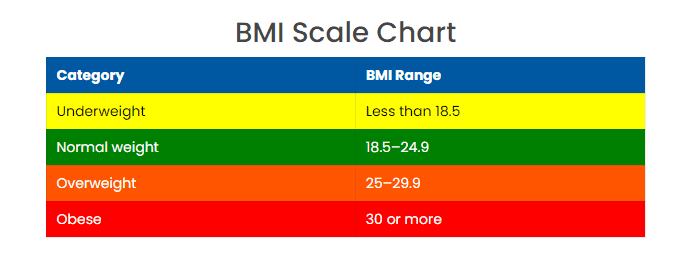
BMI numbers are categorized as follows:

  • Underweight: BMI less than 18.5
  • Normal weight: BMI between 18.5 and 24.9 – I’m here and it was a long journey 🙂
  • Overweight: BMI between 25 and 29.9
  • Obese: BMI 30 or higher
BMI Calculator

Benefits of Using a BMI Calculator

Knowing your BMI can provide numerous benefits for your overall health and well-being. It can help you understand whether you are at a healthy weight for your height. This knowledge can be empowering and motivate you to make positive changes if necessary.

Monitoring your BMI can assist with weight management. By regularly checking your BMI, you can track your progress and make adjustments to your diet and exercise routine as needed. This can be especially helpful for individuals who are trying to lose or maintain weight.

Furthermore, understanding your BMI can also provide insights into potential health risks associated with being underweight, overweight, or obese. For example, individuals with a high BMI may be at an increased risk for conditions such as heart disease, diabetes, and certain types of cancer. By knowing your BMI, you can take proactive steps to reduce these risks and improve your overall health.

How to Use a BMI Calculator

Using a BMI calculator is straightforward. First, gather your height and weight measurements. For the most accurate results, use accurate and up-to-date measurements.

Next, input your height and weight into the BMI calculator. The calculator will then perform the necessary calculations and provide you with your BMI number. This number will fall into one of the categories mentioned earlier: underweight, normal weight, overweight, or obese.

Numerous BMI calculators are available online for free. Some popular options include the calculators provided by the Centers for Disease Control and Prevention (CDC) and the National Institutes of Health (NIH). These calculators are user-friendly and provide accurate results.

For Adults (20 and over)

[BMIAKC_adult_calc lang=”English” id_calc=”e1710953706″ units=”imperial” ]

For Kids (19 and under)

[BMIAKC_kid_calc lang=”English” id_calc=”e1710953707″ units=”imperial” ]

Factors Considered in BMI Calculation

While BMI is a useful tool for assessing body weight, it is important to note that it does not take into account factors such as muscle mass, bone density, and fat distribution. Therefore, it may not be accurate for certain individuals, such as athletes or those with a high muscle mass.

Additionally, age, gender, and other factors can impact BMI results. For example, older individuals may have a higher percentage of body fat compared to younger individuals with the same BM

Men tend to have more muscle mass than women, which can affect their BMI calculations.

It is important to consider these factors when interpreting BMI results and consult with a healthcare professional for a more comprehensive health assessment.

BMI Calculator for Women

The calculation of BMI for women is similar to that of men; however, there are some differences to consider. Women tend to have a higher percentage of body fat compared to men with the same BM.

This is due to physiological differences and the role of estrogen in storing fat.

Understanding BMI is particularly important for women’s health. Women are more prone to certain health conditions, such as osteoporosis and hormonal imbalances, which can be influenced by body weight. By monitoring their BMI, women can take proactive steps to maintain a healthy weight and reduce their risk of these conditions.

BMI Calculator for Men

While the calculation of BMI for men is similar to that of women, there are some differences to consider. Men tend to have a higher percentage of muscle mass compared to women with the same BM

This is due to physiological differences and the role of testosterone in promoting muscle growth.

Monitoring BMI is important for men’s health as well. Men are more prone to certain health conditions, such as heart disease and high blood pressure, which can be influenced by body weight. By knowing their BMI, men can take steps to maintain a healthy weight and reduce their risk of these conditions.

BMI Calculator by Age

BMI calculations can also vary based on age. As we age, our body composition changes, with a tendency to lose muscle mass and gain fat. This can result in an increase in BMI even if our weight remains the same.

It is important to consider age when interpreting BMI results. Older individuals may have a higher percentage of body fat compared to younger individuals with the same BM

It is essential to take into account other factors, such as muscle mass and overall health when assessing BMI in older adults.

BMI Calculator by Gender

BMI calculations can also differ based on gender. As mentioned earlier, men tend to have more muscle mass compared to women with the same BM

This can result in a higher BMI for men even if they have a similar body fat percentage as women.

Understanding the gender differences in BMI calculations is important for interpreting results accurately. It is essential to consider factors such as muscle mass and overall health when assessing BMI in both men and women.

Interpretation of BMI Results

Interpreting BMI results is crucial for understanding the implications for your health. As mentioned earlier, BMI numbers fall into different categories: underweight, normal weight, overweight, or obese.

If your BMI falls within the normal weight range, it indicates that you have a healthy weight for your height. However, it is still important to maintain a balanced diet and engage in regular physical activity to support overall health.

If your BMI falls within the underweight range, it may indicate that you are not getting enough nutrients and may be at risk for certain health conditions. It is important to consult with a healthcare professional to determine the underlying cause and develop a plan to achieve a healthy weight.

If your BMI falls within the overweight or obese range, it may indicate that you are at an increased risk for certain health conditions such as heart disease, diabetes, and certain types of cancer. It is important to consult with a healthcare professional to develop a plan for weight management and reduce these risks.

In conclusion, a BMI calculator is a valuable tool that can provide insights into our body weight and overall health. By understanding our BMI, we can make informed decisions about our weight management and take proactive steps to improve our health. However, it is important to consider other factors such as age, gender, and overall health when interpreting BMI results. Consulting with a healthcare professional can provide a more comprehensive assessment of your health and guide you toward making positive changes for your well-being.

If you’re interested in learning more about weight loss and dieting, this article on “Smoothie or Juice Diet While on Keto” is intriguing. It explores the compatibility of a smoothie or juice diet with the popular ketogenic diet, providing insights into whether these options can be incorporated into a keto lifestyle. Discover the potential benefits and considerations of incorporating smoothies or juices into your keto journey. Check out the article here.

FAQs

What is a BMI calculator?

A BMI calculator is a tool that calculates a person’s body mass index (BMI) based on their height and weight.

What is BMI?

BMI stands for body mass index, which is a measure of body fat based on a person’s height and weight.

How does a BMI calculator work?

A BMI calculator uses a mathematical formula to calculate a person’s BMI based on their height and weight. The formula divides a person’s weight in kilograms by their height in meters squared.

What is the formula for calculating BMI?

The formula for calculating BMI is weight in pounds divided by height in inches squared (BMI = (lbs/in²)*703). For example, if you weigh 140 pounds and are 5’5″ (65 inches), your BMI calculation is (150 ÷ (65)2) x 703 = 23.29.

What is a healthy BMI?

A healthy BMI is typically between 18.5 and 24.9. A BMI below 18.5 is considered underweight, while a BMI above 25 is considered overweight.

What are the limitations of using a BMI calculator?

BMI calculators do not take into account factors such as muscle mass, bone density, and body composition, so they will not be accurate for athletes or individuals with high muscle mass.

BMI calculators should not be used as a diagnostic tool for health conditions.

Finally, don’t spend a penny on any BMI app… really not worth it.

The Importance of Fitness Exercises While on a Keto Diet

The ketogenic or keto diet has gained popularity in recent years for its potential benefits in weight loss and overall health. This low-carb, high-fat diet aims to put the body into a state of ketosis, where it burns fat for fuel instead of carbohydrates. While the keto diet alone can lead to significant weight loss and improved health markers, incorporating Fitness exercise into this lifestyle can maximize its benefits.

Exercise is a crucial component of achieving optimal health and fitness. It helps to improve cardiovascular health, build strength and endurance, and promote overall well-being. When combined with a keto diet, exercise can enhance weight loss, improve insulin sensitivity, and even boost cardiovascular health. The synergy between a keto diet and exercise can lead to remarkable results in terms of both physical Fitness and overall health.

Fitness Exercises Key Takeaways

  • A keto diet can be beneficial for fitness, but it’s important to understand the relationship between the two.
  • Combining exercise with a low-carb diet can maximize the benefits of both.
  • The ketogenic state can enhance fitness performance, but it’s important to fuel workouts properly.
  • Overcoming common fitness challenges on a keto diet requires careful planning and consistency.
  • Staying motivated to exercise on a keto diet requires finding what works for you and staying consistent.

Maximizing the Benefits of a Low-Carb Diet with Exercise

Combining a low-carb diet with exercise can have numerous benefits. First, it can enhance weight loss by increasing calorie expenditure and promoting fat burning. When the body is in a state of ketosis, it becomes more efficient at burning stored fat for fuel during exercise, leading to accelerated weight loss compared to a traditional high-carb diet.

Exercise also improves insulin sensitivity, which is particularly important for those following a low-carb diet. Insulin sensitivity refers to how well the body responds to insulin and regulates blood sugar levels. By improving insulin sensitivity through exercise, individuals on a keto diet can better manage their blood sugar levels and reduce the risk of developing insulin resistance or type 2 diabetes.

Furthermore, exercise has been shown to have significant cardiovascular benefits. Regular physical activity can improve heart health by reducing blood pressure, increasing HDL (good) cholesterol levels, and decreasing LDL (bad) cholesterol levels. When combined with a low-carb diet, exercise can further enhance these cardiovascular benefits and reduce the risk of heart disease.

Examples of particularly effective exercises for keto diets include high-intensity interval training (HIIT ) and resistance training. HIIT involves short bursts of intense exercise followed by periods of rest or low-intensity fitness exercises. This type of workout can help to maximize calorie burn and improve cardiovascular fitness. Resistance training, such as weightlifting or bodyweight exercises, helps to build lean muscle mass and increase strength. This is important for maintaining a healthy metabolism and promoting overall fitness.

The Role of Ketogenic State in Fitness Performance

Being in a state of ketosis can enhance athletic performance, particularly endurance activities. When the body is in ketosis, it becomes more efficient at using fat as a fuel source during exercise. This is beneficial for endurance athletes who rely on sustained energy over long periods of time.

In addition to increased fat oxidation, being in ketosis can also reduce reliance on glycogen stores during exercise. Glycogen is the stored form of glucose in the body, which is typically used as a primary fuel source during high-intensity exercise. However, when following a keto diet, glycogen stores are depleted due to the low-carb nature of the diet. This forces the body to adapt and become more efficient at using fat for fuel, which can lead to improved endurance performance.

Combining Cardio and Strength Training with a Keto Diet

Combining cardio and strength training fitness exercises on a keto diet can provide numerous benefits for overall fitness and health. Cardiovascular exercises, such as running, cycling, or swimming, help improve cardiovascular health, burn calories, and increase endurance. Strength training exercises, on the other hand, help build lean muscle mass, increase strength, and boost metabolism.

To effectively combine cardio and strength training on a keto diet, it is important to schedule workouts strategically. For example, performing cardio exercises on days when carbohydrate intake is higher can help replenish glycogen stores and provide the necessary energy for high-intensity workouts. On the other hand, strength training exercises can be performed on days when carbohydrate intake is lower, as they primarily rely on stored fat for fuel.

Adjusting macronutrient ratios as needed is also important when combining cardio and strength training with a keto diet. For example, increasing protein intake can help to support muscle recovery and growth, while maintaining a moderate intake of healthy fats can provide sustained energy for workouts. It is important to listen to your body and make adjustments to your diet as needed to support your exercise routine.

How to Fuel Your Workouts on a Ketogenic Diet

Properly fueling your workouts on a ketogenic diet is essential for optimal performance and recovery. While the body primarily relies on fat for fuel during exercise in a state of ketosis, it is still important to consume adequate protein and healthy fats before and after workouts.

Consuming a small meal or snack that includes protein and healthy fats can help provide sustained energy before a workout. This could include foods such as eggs, avocados, or nuts. After a workout, it is important to replenish glycogen stores and support muscle recovery by consuming a meal or snack that includes protein and healthy fats. This could include foods such as lean meats, fish, or vegetables cooked in coconut oil.

Some individuals may also benefit from using exogenous ketones or MCT oil for energy during workouts. Exogenous ketones are supplements that provide the body with additional ketones, which can be used as an immediate source of energy during exercise. MCT oil, which is derived from coconut oil, is quickly converted into ketones by the body and can provide a quick source of energy during workouts.

Overcoming The Importance Of Fitness Exercises Challenges

Fitness Exercises

While exercise is important for overall health and fitness, some individuals may face challenges when trying to exercise on a low-carb diet. Common challenges include fatigue, muscle cramps, and decreased performance during high-intensity workouts.

Increasing electrolyte intake, particularly sodium, potassium, and magnesium, is important to overcome these challenges. These electrolytes are essential for proper muscle function and hydration. Consuming foods rich in these electrolytes, such as leafy greens, avocados, and nuts, can help prevent muscle cramps and improve overall performance during fitness exercises.

Gradually increasing exercise intensity is also important when starting a low-carb diet. The body needs time to adapt to using fat as a fuel source, so starting with lower-intensity workouts and gradually increasing the intensity over time is important. This will allow the body to become more efficient at using fat for fuel and improve overall performance.

Enhancing Recovery and Muscle Growth on a Keto Diet

A keto diet can have significant benefits for muscle recovery and growth. The reduced inflammation associated with a low-carb diet can help to speed up recovery time and reduce muscle soreness after workouts. Additionally, the increased protein intake on a keto diet can support muscle growth and repair.

Consuming protein and healthy fats after workouts is important to optimize recovery on a keto diet. These could include foods such as lean meats, fish, eggs, or protein shakes made with low-carb ingredients. Getting adequate rest is also crucial for muscle recovery and growth. Aim for 7-9 hours of quality sleep each night to allow your body to repair and rebuild.

The Importance of Consistency in Fitness Exercises and Nutrition

Consistency is key to achieving fitness and nutrition goals, particularly when following a keto diet. Sticking to your exercise routine and maintaining a consistent level of physical activity will help build strength, endurance, and overall fitness over time.

Consistency in nutrition is also important when following a keto diet. Stick to the recommended macronutrient ratios and avoid excessive carbohydrate intake. This will help maintain a state of ketosis and maximize the diet’s benefits.

Setting realistic goals and tracking progress can help you stay consistent and motivated. Set small, achievable goals and celebrate your progress along the way. Keep track of your workouts, measurements, and how you feel physically and mentally. This will help you stay motivated and see the progress you are making.

Tips for Staying Motivated to Fitness Exercises on a Keto Diet

Staying motivated to exercise on a keto diet can sometimes be challenging, but several strategies can help. Finding a workout buddy or joining a fitness community can provide accountability and support. Having someone to exercise with can make workouts more enjoyable and help you stay on track.

Trying new types of exercise can also help to stay motivated. Incorporating variety into your workout routine can prevent boredom and keep you engaged. Try different types of exercises, such as yoga, Pilates, or dance classes, to keep things interesting.

Fitness exercises have numerous benefits for mental health and stress reduction. Regular physical activity releases endorphins, which are natural mood boosters. It can also help to reduce stress levels and improve overall well-being. Remind yourself of these benefits when you are feeling unmotivated, and use exercise as a way to take care of your mental health.

Achieving Optimal Health and Fitness Exercises with a Ketogenic Lifestyle

In conclusion, combining a keto diet with exercise can lead to remarkable results in terms of both physical fitness and overall health. The synergy between a low-carb diet and exercise can enhance weight loss, improve insulin sensitivity, boost cardiovascular health, enhance athletic performance, and promote muscle recovery and growth.

To maximize the benefits of a low-carb diet with fitness exercises, it is important to schedule workouts strategically, adjust macronutrient ratios as needed, and properly fuel your workouts with protein and healthy fats. Overcoming common fitness challenges on a low-carb diet, such as fatigue and muscle cramps, can be achieved by increasing electrolyte intake and gradually increasing exercise intensity.

Consistency in both fitness exercises and nutrition is key to achieving optimal health and fitness. Setting realistic goals, tracking progress, and staying motivated can help to maintain consistency and achieve long-term success. By incorporating exercise into a keto lifestyle, individuals can achieve optimal health and fitness while enjoying the numerous benefits of a low-carb diet.

If you’re following a keto diet and looking for delicious and healthy smoothie recipes, you’ll definitely want to check out this article on keto chocolate smoothie recipes. These recipes are not only low in carbs and high in healthy fats, but they also satisfy your sweet tooth without derailing your keto progress. Whether you’re craving a rich and creamy chocolate shake or a refreshing mint chocolate chip smoothie, these recipes have got you covered. So, why not give them a try and enjoy a guilt-free treat while staying on track with your keto lifestyle? For more information on fitness exercises to complement your keto diet, be sure to read our related article.

FAQs

What is a keto diet?

A keto diet is a low-carb, high-fat diet that aims to put the body in a state of ketosis, where it burns fat for energy instead of carbohydrates.

What are fitness exercises?

Fitness exercises are physical activities that are designed to improve strength, endurance, flexibility, and overall health.

Why is fitness important while on a keto diet?

Fitness is important while on a keto diet because it helps to maintain muscle mass, improve cardiovascular health, and increase energy levels.

What are some recommended fitness exercises for those on a keto diet?

Recommended fitness exercises for those on a keto diet include strength training, high-intensity interval training (HIIT), yoga, and low-impact cardio exercises such as walking or cycling.

How often should one exercise while on a keto diet?

The frequency of exercise while on a keto diet depends on individual goals and fitness levels. However, it is recommended to engage in at least 30 minutes of moderate-intensity exercise most days of the week.

What are some tips for exercising while on a keto diet?

Some tips for exercising while on a keto diet include staying hydrated, consuming enough protein, incorporating variety in workouts, and listening to your body’s needs.

The Low-Carb Lifestyle: How Cutting Carbs Can Transform Your Health and Well-being

The low-carb lifestyle has gained significant popularity in recent years, and for good reason. With its numerous health benefits and potential for weight loss, many people are turning to low-carb diets as a way to improve their overall well-being.

In this article, I will explore what a low-carb lifestyle entails, the science behind how it works, its health benefits, and practical tips for getting started. We will also discuss meal planning, low carb alternatives to favorite foods, the role of exercise, overcoming challenges, and the social impact of a low carb lifestyle.

I will share success stories of real people who have transformed their health with a low-carb diet.

Low-Carb Lifestyle Key Takeaways

  • Low-Carb Lifestyle involves reducing carbohydrate intake and increasing protein and fat consumption
  • Low Carb Diets work by reducing insulin levels, promoting fat burning, and reducing appetite
  • Health Benefits of Low Carb Diets include weight loss, improved blood sugar control, and reduced risk of chronic diseases
  • To Get Started with a Low Carb Diet, focus on whole foods, plan meals, and gradually reduce carb intake
  • Low Carb Meal Planning involves choosing low-carb foods, preparing meals in advance, and experimenting with new recipes.

What is the Low-Carb Lifestyle?

A low-carb lifestyle is a way of eating that focuses on reducing carbohydrate intake, particularly those high in refined sugars and starches. The goal is to limit the body’s reliance on glucose as its primary source of energy and instead encourage it to burn stored fat for fuel. Several different low-carb lifestyle diets include ketogenic (keto), paleo, and Atkins.

The keto diet is perhaps the most well-known low carb diet. It involves drastically reducing carbohydrate intake and increasing fat consumption. By doing so, the body enters a state of ketosis, where it begins to burn fat for energy instead of glucose.

The paleo diet focuses on eating foods that were available to our ancestors during the Paleolithic era, such as lean meats, fish, fruits, vegetables, nuts, and seeds. It eliminates processed foods, grains, legumes, and dairy products.

The Atkins diet is a low carb diet that emphasizes protein and fats while limiting carbohydrates. It consists of four phases: induction, balancing, fine-tuning, and maintenance.

The Science Behind Low Carb Diets: How They Work

Low-carb lifestyle diets work by reducing the body’s reliance on glucose for energy and instead encouraging it to burn stored fat. When we consume carbohydrates, they are broken down into glucose, which is then used by the body as a source of energy.

Insulin, a hormone produced by the pancreas, helps regulate blood sugar levels by allowing glucose to enter cells. However, when we consume excessive amounts of carbohydrates, insulin levels remain elevated, leading to weight gain and other health issues.

Reducing carbohydrate intake decreases insulin levels, allowing the body to tap into its fat stores for energy. This leads to weight loss and improved metabolic health.

Also, low-carb diets have been shown to reduce hunger and cravings, making it easier to stick to a healthy eating plan.

The Health Benefits of Cutting Carbs

Health BenefitDescription
Weight LossReducing carb intake can lead to weight loss as it helps to reduce overall calorie intake.
Blood Sugar ControlLowering carb intake can help to regulate blood sugar levels, which is especially beneficial for those with diabetes.
Reduced Risk of Heart DiseaseLowering carb intake can help to reduce risk factors for heart disease, such as high blood pressure and high cholesterol levels.
Improved DigestionReducing carb intake can lead to improved digestion and reduced bloating and discomfort.
Increased EnergyReducing carb intake can lead to more stable blood sugar levels, which can result in increased energy levels throughout the day.

There are numerous health benefits associated with a low carb lifestyle. One of the most well-known benefits is weight loss. When the body enters a state of ketosis, it becomes more efficient at burning fat for fuel, leading to significant weight loss. Studies have shown that low carb diets can lead to greater weight loss compared to low fat diets.

In addition to weight loss, low-carb lifestyle diets have been shown to improve blood sugar control in individuals with diabetes or prediabetes. By reducing carbohydrate intake, blood sugar levels stabilize, reducing the need for insulin and improving insulin sensitivity.

Furthermore, low carb diets have been linked to a reduced risk of chronic diseases such as heart disease and certain types of cancer. They can also improve markers of cardiovascular health, such as blood pressure and cholesterol levels.

How to Get Started with a Low-Carb Diet

Getting started with a low-carb lifestyle may seem daunting at first, but with some planning and preparation, it can be easily incorporated into your lifestyle. One of the first steps is to educate yourself about which foods are high in carbohydrates and which ones are low in carbs. This will help you make informed choices when grocery shopping and meal planning.

Meal planning is an essential aspect of a successful low carb diet. By planning your meals in advance, you can ensure that you have healthy, low-carb options readily available. This can help prevent impulsive food choices and make sticking to your eating plan easier. When meal planning, focus on incorporating a variety of protein sources, healthy fats, and non-starchy vegetables.

Tracking your progress is another important aspect of a low carb diet. This can help you identify patterns and make adjustments as needed. Several apps and websites can help you track your food intake, macronutrient ratios, and weight loss progress.

Low Carb Meal Planning: Tips and Tricks

Low-Carb Lifestyle

Meal planning is a crucial component of a successful low carb lifestyle. Here are some tips and tricks to help you plan your meals:

1. Start by making a list of low carb foods that you enjoy. This will serve as a foundation for your meal planning.

2. Plan your meals around protein sources such as lean meats, poultry, fish, eggs, and tofu. These foods are low in carbs and high in essential nutrients.

3. Incorporate healthy fats into your meals, such as avocados, nuts, seeds, olive oil, and coconut oil. Fats are an important part of a low-carb diet as they provide satiety and help the body enter ketosis.

4. Include plenty of non-starchy vegetables in your meals. These include leafy greens, broccoli, cauliflower, zucchini, bell peppers, and mushrooms. They are low in carbs but high in fiber and essential vitamins and minerals.

5. Experiment with different cooking methods and flavors to keep your meals interesting. Try grilling, roasting, sautéing, or steaming your proteins and vegetables. Use herbs, spices, and low carb sauces to add flavor without adding unnecessary carbs.

6. Consider batch cooking and meal prepping to save time and ensure that you always have healthy, low-carb lifestyle options available. Cook large batches of proteins and vegetables and portion them out for the week.

Low-Carb Alternatives to Your Favorite Foods

One of the challenges of a low-carb lifestyle is finding alternatives to your favorite high-carb foods. Fortunately, there are many low carb alternatives available that can satisfy your cravings without derailing your progress.

For bread lovers, there are several low carb bread options available, such as almond flour bread, coconut flour bread, and cloud bread. These breads are made with alternative flours that are low in carbs and high in fiber.

If you’re a pasta lover, there are several low carb pasta options available, such as zucchini noodles (zoodles), spaghetti squash, and shirataki noodles. These alternatives are low in carbs and can be used as a substitute in your favorite pasta dishes.

For rice lovers, cauliflower rice is a popular low carb alternative. It can be used in stir-fries, fried rice, or as a side dish. Other alternatives include broccoli rice and shirataki rice.

The Role of Exercise in a Low-Carb Lifestyle

Exercise plays a crucial role in a low carb lifestyle. It can enhance weight loss, improve cardiovascular health, increase muscle mass, and boost overall well-being. When combined with a low-carb diet, exercise can help accelerate fat loss and improve body composition.

Incorporating both cardiovascular exercise and strength training into your routine is important for optimal results. Cardiovascular exercise helps burn calories and improve cardiovascular health, while strength training helps build lean muscle mass and increase metabolism.

When exercising on a low-carb lifestyle diet, listening to your body and adjusting your intensity as needed is important. Some individuals may have reduced energy levels during intense workouts when starting a low-carb diet. This is normal and usually resolves as the body adapts to using fat for fuel.

Overcoming Challenges and Staying Motivated on a Low-Carb Diet

Sticking to a low-carb lifestyle can be challenging, especially in social situations or when faced with cravings. However, with the right strategies, overcoming these challenges and staying motivated is possible.

One of the biggest challenges of a low carb diet is dealing with cravings. When cravings strike, it’s important to have a plan in place. Stock your pantry with low carb snacks such as nuts, seeds, jerky, and cheese. These can help satisfy cravings without derailing your progress.

Another challenge is dining out or attending social events. In these situations, it’s important to plan ahead and make smart choices. Look for low carb options on the menu or ask for modifications to make a dish low carb-friendly. If no suitable options are available, consider eating beforehand or bringing your own dish.

Setting realistic goals and tracking your progress can also help you stay motivated in a low-carb lifestyle. Celebrate small victories along the way and focus on the positive changes you are making to your health and well-being.

The Social Impact of a Low-Carb Lifestyle

Adopting a low carb lifestyle can have social implications, particularly when it comes to dining out or attending social events. However, with some planning and preparation, it is possible to navigate these situations while sticking to your low-carb diet.

When dining out, research the menu beforehand and look for low carb options. Many restaurants now offer low carb alternatives or are willing to accommodate dietary restrictions. If no suitable options are available, consider ordering a protein-based dish with vegetables and ask for modifications to make it low-carb-friendly.

When attending social events, bring a low-carb lifestyle dish to share or eat beforehand so that you’re not tempted by high-carb options. Focus on socializing and enjoying the company of others rather than solely focusing on the food.

It’s important to remember that your health and well-being are the most important factors. Don’t be afraid to prioritize your dietary needs and make choices that align with your goals.

Success Stories: Real People Who Have Transformed Their Health with Low Carb Diets

Real people have experienced incredible transformations by adopting a low carb lifestyle. These success stories serve as inspiration and motivation for others who are embarking on their own low-carb journey.

One such success story is John, who struggled with obesity and related health issues for most of his life. After adopting a low carb diet, he was able to lose over 100 pounds and reverse his type 2 diabetes. He now leads an active, healthy lifestyle and has regained control of his health.

Another success story is Sarah, who suffered from chronic migraines and fatigue. After switching to a low carb diet, she experienced a significant reduction in migraines and an increase in energy levels. She now enjoys an active lifestyle and feels better than ever.

These success stories highlight the transformative power of a low carb lifestyle and remind you that taking control of your health and well-being is possible.

The low-carb lifestyle offers numerous health benefits, including weight loss, improved blood sugar control, and reduced risk of chronic diseases. Individuals can improve their overall well-being and achieve their health goals by reducing carbohydrate intake and focusing on whole, unprocessed foods. With proper planning, meal preparation, and support, adopting a low carb lifestyle can be a sustainable and enjoyable way of eating. So why not give it a try? Your health is worth it.

If you’re following a low-carb diet and looking for a delicious treat to satisfy your sweet tooth, you’ll definitely want to check out these Keto Peanut Butter Squares. Made with wholesome ingredients and packed with healthy fats, these squares are the perfect guilt-free indulgence.

Plus, they’re easy to make and require minimal prep time. Get the full recipe and step-by-step instructions in this article: https://weightlossdiet4u.com/keto-peanut-butter-squares/.

While you’re at it, don’t forget to explore other informative articles on weight loss and healthy eating, such as “The Truth About Diet Pills and Their Claims” (https://weightlossdiet4u.com/the-truth-about-diet-pills-and-their-claims/) and even get a free cookbook (https://weightlossdiet4u.com/get-a-free-cookbook/).

Happy cooking and happy reading!

FAQs

What is a low carb diet?

A low carb diet is a diet that restricts the intake of carbohydrates, typically to less than 20-100 grams per day. This type of diet is often used for weight loss and to manage conditions such as diabetes.

What foods are allowed on a low carb diet?

Foods that are allowed on a low-carb diet include meat, fish, eggs, low-carb vegetables , nuts, and seeds. Foods that are high in carbohydrates, such as bread, pasta, rice, and sugary foods, are typically restricted.

What are the benefits of a low carb diet?

The benefits of a low carb diet include weight loss, improved blood sugar control, and reduced risk of heart disease. It may also improve certain health conditions such as metabolic syndrome and epilepsy.

Are there any risks associated with a low carb diet?

Some risks associated with a low carb diet include nutrient deficiencies, constipation, and bad breath. It may also be difficult to sustain long-term and may lead to feelings of deprivation.

Is a low carb diet suitable for everyone?

A low-carb diet may not be suitable for everyone, particularly those with certain medical conditions such as kidney disease. It is important to consult with a healthcare professional before starting any new diet or exercise program.

Importance of Cooking Your Own Meals When Dieting

Are you trying to lose weight but finding it difficult to resist the temptation of ordering takeout or eating at restaurants and takeouts?

Cooking your own meals may hold the key to achieving your weight-loss goals. But it’s not just about losing weight; cooking at home has numerous health benefits that outweigh almost any other method of eating, no matter the recipe. 

From being in control of the ingredients to practicing portion control, in this post, we’ll explore the importance of cooking your own meals when dieting. It’s even more important when you are on a Keto or Paleo diet.

Importance of cooking your own meals when dieting

Cooking your own meals while on a diet is essential for a healthy lifestyle. By cooking at home, you have control over the ingredients and are able to adjust the recipe to suit your personal preferences. 

Home-cooked meals also contain fewer calories and harmful additives, promoting weight loss and a healthier diet

Cooking at home enables portion control and helps readjust your taste buds for more flavorful and nutritious meals. 

Despite time constraints and lack of experience, choosing fresh and whole foods over processed options is an important step towards a healthy diet. 

Ability to control ingredients and adjust to personal taste preferences

Cooking your own meals when dieting offers the ability to control ingredients and adjust to personal taste preferences. 

By preparing your own food, you have complete control over what goes into your body, allowing you to avoid unwanted additives and unhealthy ingredients. 

You can also cater your meals to your personal taste buds, making healthy eating more enjoyable. 

Plus, cooking at home often yields more flavorful meals as you can experiment with herbs, spices, and fresh ingredients. 

Lower calorie intake and less consumption of harmful additives

Cooking your own meals when dieting can significantly reduce your calorie intake and minimize the consumption of harmful additives. 

Processed foods tend to contain excessive amounts of sugar, salt, and unhealthy fats. 

However, home-cooked meals offer an opportunity to control the quality and quantity of ingredients, making it easier to cut down on calories and avoid unhealthy additives. 

Cooking at home allows for the use of fresh and whole foods, which are generally healthier for the body. Read More at HelpGuide

Helps readjust taste buds for more flavorful and healthy meals

It’s common to struggle with the taste of healthier options when to a healthier diet. 

Research has shown that taste buds can be retrained to prefer wholesome, nutrient-dense foods. 

By gradually reducing the use of salt, sugar, and unhealthy fats in cooking, individuals can readjust their taste buds to enjoy the flavors of healthier meals. 

Experimenting with herbs, spices, and healthy cooking methods can also add flavor and variety to meals while promoting a more nutritious diet. 

Cooking Your Own Meals``

Promotes weight loss and healthier eating patterns

Cooking your own meals when dieting promotes weight loss and healthier eating patterns. 

Studies demonstrate that those who prepare their own meals have greater adherence to healthier diets such as the Keto, Paleo, Mediterranean, and DASH diets and consume higher amounts of fruits and vegetables. 

By cooking your own meals, you are able to control portion sizes and avoid overeating, leading to a reduction in calorie intake. 

This helps re-adjust your taste buds to prefer more flavorful and healthy meals, making it easier to stick to your diet in the long run. 

Enables portion control to avoid overeating

En portion control is key to avoiding overeating, and by cooking your own meals when dieting, you can measure each ingredient and portion size, ensuring that you are eating a well-balanced meal in the right amount. 

If measuring or weighing food isn’t appealing, using your plate or hands as a portion control guide can also help curb total intake. 

Swapping your usual plate, bowl, or serving spoon for a smaller alternative can reduce the amount of food and prevent overeating. 

By practicing portion control, you can create healthier eating patterns and achieve successful weight loss

Overcoming Obstacles to Cooking at Home – Time constraints and a busy lifestyle

Many people believe that cooking healthy meals at home is time-consuming, especially when balancing work, school, and family responsibilities. 

There are plenty of quick, simple, and wholesome meals to prepare at home in less time than traveling to a restaurant or waiting for a delivery. 

With a little planning and preparation, cooking your own meals can fit into even the busiest of lifestyles. More info on NIH.GOV

Lack of cooking skills or experience

For people, the lack of cooking skills or experience can be a major barrier to cooking their own meals. 

This hurdle can be overcome with a bit of patience and practice. Many resources available online, such as cooking tutorials, recipe blogs, and instructional videos, can help you develop your culinary skills. Just check my easy recipes here, I add more weekly.

Additionally, you can start with simple recipes and gradually work your way up to more complex dishes. 

Don’t be discouraged by mistakes or failures; they are a natural part of learning.

Cost of ingredients and equipment

One difficulty people face when cooking their meals is the ingredients and equipment cost. 

While it may be tempting to opt for cheaper, processed options, investing in fresh whole foods can ultimately save money in the long run by promoting better health. 

Purchasing a few key kitchen tools, such as a sharp knife, a cutting board, and a few pots and pans, can make cooking easier and more enjoyable. 

Plus, homemade meals often yield leftovers that can be enjoyed for multiple meals, further stretching your dollar.

Cooking Your Own Meals

My Tips for Cooking Healthy Meals at Home

Choose fresh and whole foods over processed options

Choosing whole foods over processed options is a great way to improve your diet and overall health. 

These minimally processed and unprocessed foods are more nutrient-dense, containing higher levels of vitamins, minerals, and fiber. 

By choosing whole foods, you also avoid harmful additives and excess calories found in ultra-processed items. 

To make the transition easier, try incorporating simple, fresh ingredients into your meals and gradually phase out processed options. 

With time, you can enjoy more flavorful, satisfying meals while promoting healthier eating habits.

Why Exercising is Important When on a Diet?

Do you want to lose weight and get healthy but don’t know where to start? Exercising Is Important On A Diet. Not only does it help burn calories and increase metabolism. It also reduces stress levels and helps prevent serious medical conditions. In this blog post, we’ll discuss the different types of exercise that can be incorporated into a diet plan, tips and tricks for making exercise part of your routine, and debunk common misconceptions about exercise on a diet. Let’s jump in and learn why exercising is so important when on a diet!

Benefits of exercise for weight loss

Exercise is an essential part of any diet, and it has a wide array of benefits that can help you reach your weight loss goals. From burning calories to reducing stress and risk factors for serious medical conditions, the benefits of exercise are undeniable. Making exercise part of your routine is important to get the most out of your diet plan.

Exercising can help you burn more calories than dieting alone. When combined with a healthy eating plan, physical activity helps to speed up the process by burning extra calories. Exercise also helps build muscle which increases your metabolic rate; this means that even when you’re not actively working out, your body will continue to burn calories at a higher rate than before.

Regular exercise also helps reduce stress and anxiety levels; physical activity releases endorphins, which naturally boost mood and energy levels. Studies have shown that regular exercise can even reduce risk factors for serious medical conditions such as heart disease or diabetes. Exercise can also be a great way to break up the monotony of a strict diet plan; mixing things up by adding in different forms of physical activity like running, swimming, or yoga can help keep you motivated while on your weight loss journey.

Exercising Is Important On A Diet

You should follow some simple tips and tricks to get the most out of exercising while on a diet plan. First off, consistency is key- try to make time for regular physical activity so that it becomes part of your routine rather than something you dread or forget about altogether. Additionally, if possible, try to find activities you enjoy doing; this way.

Staying motivated over time will be easier! Don’t forget about rest days- taking breaks between workouts is just as important as‌ working out! Resting gives our bodies time to recover after intense physical activity and prevents us from getting burned out both mentally and physically from overexertion.

By following these tips and incorporating physical activity into our daily routines, we can reap all the amazing benefits associated with exercise while still achieving our weight loss goals! Don’t let common misconceptions dissuade you- exercise is essential to any diet plan and should not be overlooked or forgotten during this process!

Exercising is Important When on a Diet

When following a diet plan, regular exercise is essential to success. Numerous ways to work out can easily be implemented into your daily routine. Cardio activities such as running, biking, swimming, and walking are excellent options for burning calories and improving aerobic endurance. To mix it up a bit, strength training with weights or bodyweight exercises could provide an intense workout. High-Intensity Interval Training (HIIT) uses short bursts of activity followed by brief periods of rest for maximum results in minimal time. Alternatively, yoga and Pilates offer a range of benefits such as increased flexibility, improved balance, and coordination, better posture alignment, and overall physical fitness.

It’s important to remember that consistency is key when forming an exercise habit – this doesn’t mean spending hours at the gym every day, though! Start by determining which type of activity you prefer – such as running on a treadmill or weight lifting at home – then make small efforts to fit it into your daily life, like taking the stairs instead of the elevator or walking after dinner. It’s also vital not to forget about rest days; while regular exercise is necessary for achieving dieting goals, allowing yourself some downtime prevents burnout from occurring too soon.

Misconceptions about exercising while on a diet should not deter progress either – eating fewer calories does not automatically result in loss of muscle mass; rather than focusing on cutting calories drastically, it’s essential to focus on consuming nourishing foods that will support muscle growth; HIIT workouts also don’t need to be overly strenuous since their intensity should be scaled back according to individual needs if need be.

At the end of the day, plenty of exercises are suitable for those trying to reach their health goals while feeling energized throughout their journey! Through consistent dedication, anyone can make exercising part of their everyday routine no matter the stage in their transformation process!

How to incorporate exercise into a diet plan

Incorporating exercise into a diet plan is essential to providing long-term success. With the right approach, this is achievable and can lead to many physical and mental health benefits. To begin with, individuals should set realistic goals that fit their lifestyle, while also deciding what type of workout they enjoy or would like to try out. Creating a schedule that works for them is key – scheduling time dedicated solely to exercise will help them stay on track and motivated! Additionally, tracking progress reminds them of how far they’ve come, which helps keep them motivated until the end. If done correctly, regular physical activity can make all the difference in reaching your dieting goals!

Tips and tricks for making exercise part of your routine

Exercising while on a diet can be intimidating, but it doesn’t have to be. With the right strategies, you can make exercise an enjoyable part of your lifestyle and reap all the benefits. Here are some tips and tricks for making exercise part of your routine:

Break your goal into manageable chunks: When starting with a new exercise plan, setting realistic goals that fit your lifestyle is important. Break up your goal into achievable pieces instead of trying to do too much at once. This way, you can focus on one task at a time and build up from there.

Set a realistic timeline for yourself: Setting attainable goals is key when it comes to exercising while on a diet. Give yourself enough time to reach these goals without overworking or rushing through them. This will help keep you motivated and prevent burnout or frustration when things are unplanned.

Find an exercise buddy: Having someone to work out with can help motivate you and keep you accountable during tough times. It also makes exercising more enjoyable! Find someone who has similar goals as you and schedule regular workouts together.

Create a reward system for yourself: Rewarding yourself is important to staying motivated when exercising on a diet plan. After achieving each milestone or meeting each goal, it’s important to recognize the hard work that went into reaching that point and take some time off for self-care or relaxation activities.

Mix it up by trying different types of exercise: Variety is key when forming an exercise habit! Trying different types of exercises can help keep things interesting and make it easier to stay consistent with your routine long-term. Incorporating cardio, strength training, HIIT, yoga, or Pilates are all great options depending on what works best for you personally!

Exercising while on a diet is essential to any successful weight loss journey. By breaking down your goals into manageable pieces, setting realistic timelines, finding an exercise buddy, creating a reward system for yourself, and mixing it up by trying different exercises, you can make working out an enjoyable part of your everyday life!

Why Exercising is Important When on a Diet?

Common misconceptions about exercise on a diet

Exercising on a diet is often met with misconceptions and confusion, especially when it comes to how much you should exercise and what type of exercises are best. It can be difficult to sift through the advice given by different sources, so let’s take a look at some of the most common myths about dieting and exercising.

One myth that tends to pop up is that exercising will make you gain weight instead of losing it. This simply isn’t true; exercise is one of the best ways to lose weight and keep it off. Exercise helps burn calories, which results in weight loss over time. Additionally, when we work out, our bodies release endorphins that improve our mood and make us feel good after a tough workout.

Another myth is that if you’re exercising while on a diet, you can’t eat the same amount as someone who isn’t working out. Again, this isn’t true; exercise doesn’t mean cutting down your food intake or skipping meals – its purpose is to help your body burn more calories than usual so that you can reach your goals faster without depriving yourself of essential nutrients.

It’s also important to note that focusing solely on cardio for weight loss isn’t always the best approach either; although cardio does help burn calories quickly, it won’t provide any muscle-building benefits like strength training will. Strength training helps build lean muscle mass, which in turn increases metabolism and helps burn more fat over time – something that cardio alone cannot do as effectively.

Many people believe they can lose weight without exercising at all – this isn’t impossible, but it’s much more difficult than with regular physical activity involved in your routine. While eating healthy foods in moderation is key for any successful diet plan, including regular exercise such as walking or jogging are highly recommended for achieving optimal results and maintaining long-term success with your diet goals.

There are several misconceptions surrounding exercising while on a diet, but by understanding why physical activity is necessary for successful long-term weight management and debunking these myths, individuals can better prepare themselves for reaching their goals while still maintaining an enjoyable lifestyle balance throughout their journey.

Why Diet Pills Aren’t a Magic Solution for Weight Loss

Diet Pills Truth, They Aren’t a Solution for Weight Loss

Are you struggling to lose weight? With so many diet pills and weight loss supplements available in the market, it’s tempting to believe that they hold the key to shedding those extra pounds.

But the truth is, there’s no magic solution to weight loss, and diet pills are not the answer.

While these pills may claim to help you lose weight quickly and effortlessly, they often come with a host of side effects and risks.

In fact, relying on diet pills can be harmful to your health in the long run. In this article, we’ll delve deeper into why diet pills aren’t a magic solution for weight loss, and explore alternative and more sustainable ways to achieve a healthy weight.

So, if you’re considering diet pills as a shortcut to weight loss, read on to learn why they may not be the best option for you.

What are diet pills?

Diet pills are pharmaceutical products marketed as a quick and easy way to lose weight. They come in various forms, including pills, capsules, and liquids.

The most common types of diet pills are appetite suppressants, fat burners, and metabolism boosters. Appetite suppressants reduce feelings of hunger, while fat burners claim to increase the body’s ability to burn fat.

Metabolism boosters claim to increase the body’s metabolism, allowing for more efficient calorie burning.

How do diet pills work?

Diet pills work by altering the body’s natural processes to achieve weight loss. Appetite suppressants work by influencing the part of the brain that controls hunger, making you feel full even when you haven’t eaten much.

Fat burners increase the body’s fat-burning rate, while metabolism boosters increase the body’s metabolic rate, allowing for more efficient calorie burning.

The potential dangers of diet pills

While weight control medications and hunger management pills may seem like a quick fix for weight loss, they come with a host of potential dangers and side effects.

Appetite suppressants can cause insomnia, dry mouth, and constipation. Fat burners can cause stomach upset, diarrhea, and increased heart rate.

Metabolism boosters can cause high blood pressure, anxiety, and agitation. Sometimes, diet pills can lead to addiction, heart attack, and stroke.

The truth about weight loss and diet pills

The truth is, there is no magic solution to weight loss. Diet pills may help you lose weight in the short term, but they are not a sustainable solution. Once you stop taking the pills, you will likely regain the weight you lost, possibly even more.

Diet pills do not address the underlying issues contributing to weight gains, such as poor diet and lack of exercise.

Diet Pills

The importance of a balanced diet and exercise

A balanced diet and regular exercise are the most effective way to achieve sustainable weight loss. Eating a diet rich in fruits, vegetables, lean protein, and whole grains can help you feel full and satisfied while providing your body with the nutrients it needs. Regular exercise, such as cardio and strength training, can help you burn calories and build muscle.

Other weight loss solutions to consider

In addition to a balanced diet and exercise , there are other weight loss solutions to consider. These include:

  • Working with a registered dietitian to develop a personalized nutrition plan
  • Joining a support group, such as Weight Watchers or Overeaters Anonymous
  • Seeking therapy to address emotional eating and other underlying issues
  • Trying alternative therapies, such as acupuncture or hypnotherapy

How to talk to your doctor about weight loss

If you are struggling with weight loss, it’s important to talk to your doctor. Your doctor can help you develop a personalized weight loss plan that takes into account your medical history, current health, and weight loss goals.

They can also help you determine whether diet medicines or other weight loss solutions are safe and appropriate for you.

Conclusion

While diet pills may seem like a quick and easy way to lose weight, they are not a sustainable solution and can be harmful to your health.

A balanced diet and regular exercise are the most effective way to achieve sustainable weight loss. If you are struggling with weight loss, talk to your doctor about developing a personalized weight loss plan that takes into account your medical history, current health, and weight loss goals.

Remember, there is no magic solution to weight loss, but with dedication and perseverance, you can achieve a healthy weight and a happier, more fulfilling life.

How a 3-Week Smoothie Diet Can Transform Your Health

Sip Your Way to Success: How a 3-Week Smoothie Diet Can Transform Your Health

Are you looking to transform your health and feel your best? Sipping your way to success might just be the answer. A 3-week smoothie diet can kickstart your journey toward a healthier lifestyle, offering a delicious and nutrient-dense alternative to traditional meals.

A smoothie diet can help you shed unwanted pounds and provide a host of health benefits, including increased energy, improved digestion, and boosted immunity.

As a highly skilled assistant who specializes in digital marketing and content writing, I’ve seen firsthand the power of a well-crafted message. In this article, I’ll dive into the benefits of a 3-week smoothie diet, sharing tips and tricks to help you succeed on your journey towards better health. So grab your blender and get ready to sip your way to success.

Benefits of a smoothie diet

A smoothie diet is a diet that involves replacing one or more of your daily meals with a nutrient-dense smoothie.

The smoothies are packed with fruits, vegetables, and other healthy ingredients that provide your body with the nutrients it needs to function at its best.

One of the main benefits of a smoothie diet is weight loss. Smoothies are low in calories but high in nutrients, which means you can consume fewer calories while still feeling full and satisfied. This can lead to a calorie deficit necessary for weight loss.

Another benefit of a smoothie diet is improved digestion. Smoothies are easy to digest, which means your body can absorb the nutrients more efficiently.

This can lead to better digestion, improved gut health, and less bloating. Smoothies can also help boost your immune system. The fruits and vegetables in smoothies are loaded with antioxidants, which help fight off free radicals and protect your cells from damage.

Smoothie diet statistics and success stories

Smoothie diets have become increasingly popular in recent years and for good reason. According to a study published in the Journal of Nutrition and Metabolism, participants who followed a smoothie diet for 21 days experienced significant weight loss, improved cholesterol levels, and reduced inflammation.

Many people have also reported success with smoothie diets on social media platforms like Instagram and TikTok . Some of the most popular smoothie diet success stories involve people who have lost significant amounts of weight, improved their overall health, and even reversed chronic health conditions.

Understanding the science behind the smoothie diet

The science behind the smoothie diet is fairly simple. When you replace one or more of your daily meals with a smoothie, you consume fewer calories than a traditional meal.

This creates a calorie deficit, which is necessary for weight loss. Additionally, smoothies are packed with nutrients, which can help improve your overall health and reduce inflammation in the body.

It’s important to note that not all smoothies are created equal. Some smoothies are loaded with added sugars and other unhealthy ingredients, which can negate the health benefits.

To get the most out of your smoothie diet, it’s important to choose nutrient-dense ingredients and avoid added sugars and other unhealthy additives.

How to prepare for a smoothie diet

Before starting a 3-week smoothie diet, preparing yourself mentally and physically is important. Start by setting realistic goals for yourself and creating a plan that works for your lifestyle. This might involve finding recipes that you enjoy, stocking up on ingredients, and investing in a high-quality blender.

It’s also important to prepare your body for the change in diet. Start by gradually reducing your processed foods, sugar, and caffeine intake.

This can help reduce cravings and make sticking to your smoothie diet easier. Additionally, make sure you’re drinking plenty of water and getting enough sleep to support your body’s natural detoxification processes.

Creating your smoothie diet plan

Creating a smoothie diet plan is relatively simple. Start by choosing the meals you want to replace with smoothies. Depending on your preferences, this might involve replacing breakfast, lunch, or dinner. Then, choose the recipes you want to use. It’s important to choose recipes that are high in nutrients and low in added sugars and other unhealthy ingredients for this 3-week smoothie diet.

When creating your smoothie recipes, aim to include a variety of fruits and vegetables. This will help ensure that you’re getting a wide range of nutrients and antioxidants. Additionally, consider adding protein sources like Greek yogurt, chia seeds, or nut butter to help keep you feeling full and satisfied.

3-week smoothie diet

Delicious 3-week smoothie diet recipes for breakfast, lunch, and dinner

Breakfast smoothie:

  • – 1 banana
  • – 1 cup spinach
  • – ½ cup Greek yogurt
  • – 1 tbsp chia seeds
  • – 1 cup almond milk
  • – Ice
  • – Blend all ingredients until smooth

Lunch smoothie:

  • – 1 cup kale
  • – 1 small cucumber
  • – ½ avocado
  • – 1 tbsp lemon juice
  • – 1 cup coconut water
  • – Ice
  • – Blend all ingredients until smooth

Dinner smoothie

  • – 1 cup mixed berries
  • – ½ cup plain Greek yogurt
  • – 1 tbsp honey
  • – 1 cup almond milk
  • – Ice
  • – Blend all ingredients until smooth

3-Week Smoothie Diet diet tips for Success

  • Plan ahead: Plan your meals and smoothie recipes ahead of time to avoid making unhealthy choices.
  • Keep it simple: Stick to simple recipes with few ingredients to make sticking to your smoothie diet easier.
  • Choose nutrient-dense ingredients:** Choose recipes that are high in nutrients and low in added sugars and other unhealthy ingredients.
  • Stay hydrated: Drink plenty of water throughout the day to help flush out toxins and support your body’s natural detoxification processes.
  • Exercise: Incorporate exercise into your daily routine to help boost weight loss and improve overall health.
3 week smoothie diet

Exercise and lifestyle changes to complement your smoothie diet

While a smoothie diet can help kickstart your weight loss journey, it’s important to incorporate exercise and other healthy lifestyle changes to maximize your results.

Aim to get at least 30 minutes of exercise per day, whether it’s a brisk walk, yoga class, or weight lifting session. Additionally, ensure you get enough sleep and manage stress levels to support your overall health.

Common mistakes to avoid during a 3-week smoothie diet

One of the most common mistakes people make during a smoothie diet is not getting enough protein. While smoothies are packed with nutrients, they can sometimes lack protein, which can leave you feeling hungry and unsatisfied.

Be sure to include protein sources like Greek yogurt, chia seeds, or nut butter in your smoothies to help keep you feeling full and satisfied.

Another mistake people make is not drinking enough water. Smoothies can dehydrate, so drinking plenty of water throughout the day is important to support your body’s natural detoxification processes.

Conclusion and final thoughts

In conclusion, a smoothie diet can be a great way to kickstart your journey toward better health. Replacing one or more of your daily meals with a nutrient-dense smoothie can promote weight loss, improve digestion, and boost your immune system.

However, choosing nutrient-dense ingredients and avoiding added sugars and other unhealthy additives is important.

To get the most out of your smoothie diet, be sure to prepare yourself mentally and physically, create a plan that works for your lifestyle, and incorporate exercise and other healthy lifestyle changes to maximize your results.

With the right mindset and tools, you can sip your way to success and improve your health with this 3-week smoothie diet.