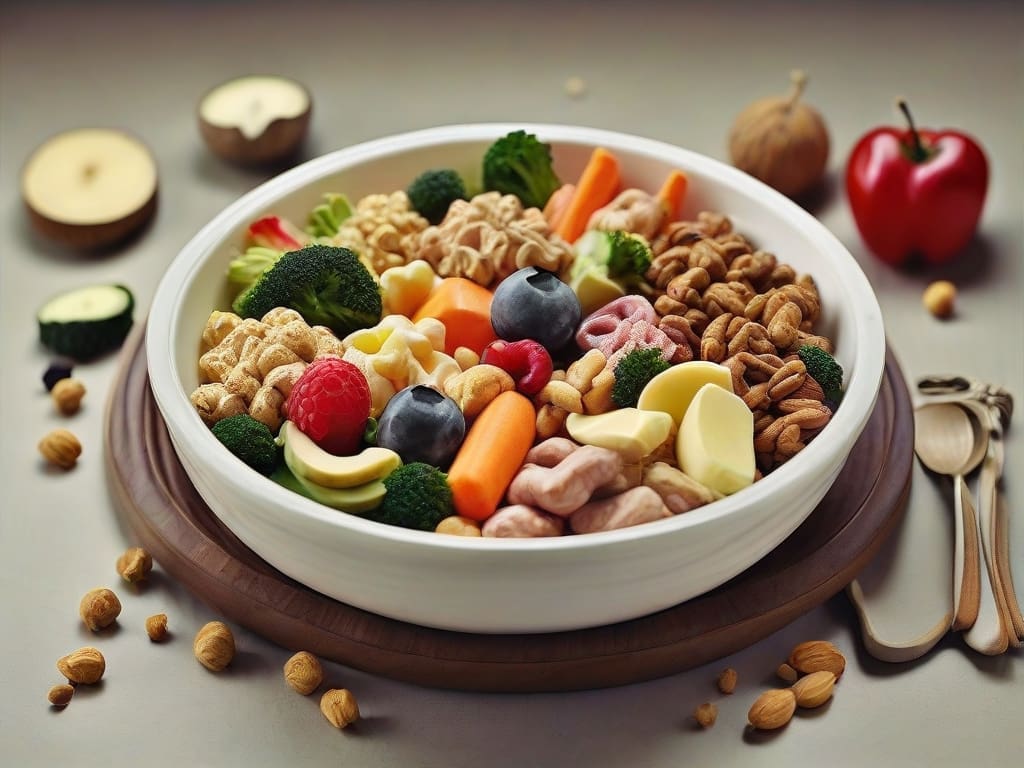
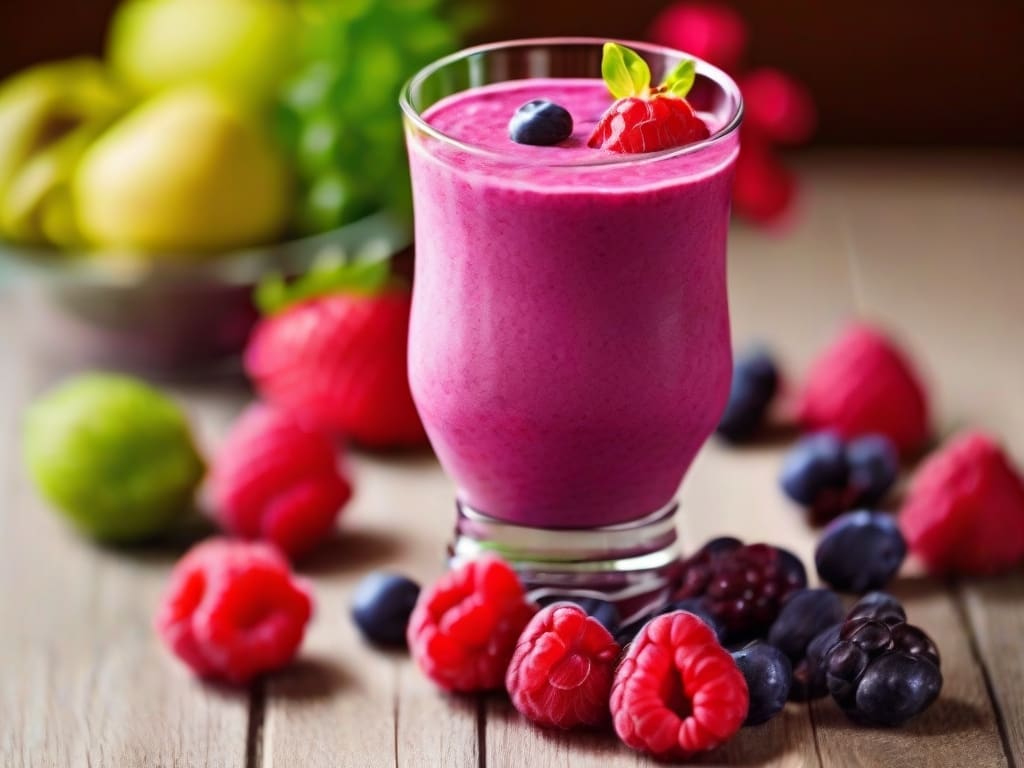
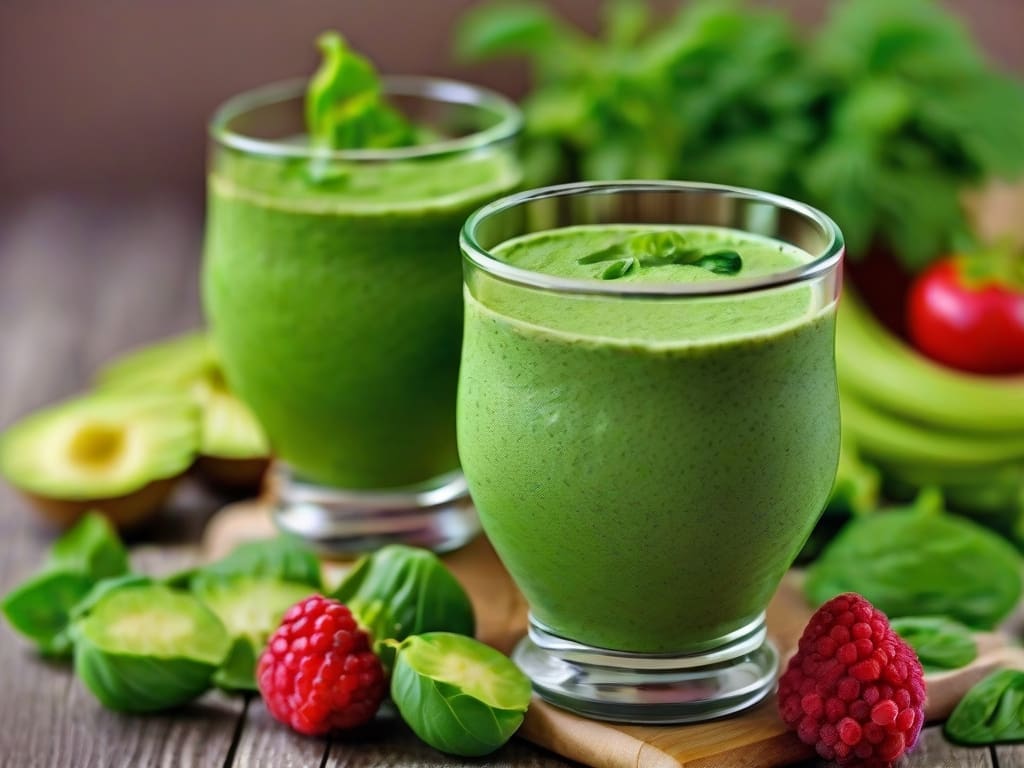
Healthy Smoothie Recipes for Weight Loss is a comprehensive guide that provides a variety of nutritious and delicious smoothie recipes specifically designed to support weight loss goals. I offer a range of options for individuals looking to incorporate smoothies into their diet as a healthy and satisfying meal replacement or snack. Whether you prefer fruit-based or green smoothies, this post has you covered, making it easier to achieve your weight loss objectives.
Green Detox Smoothie Ingredients and Benefits
To create a Green Detox Smoothie, use fresh spinach, cucumber, and green apple. Spinach is rich in iron and vitamin K. Cucumber hydrates your body. Green apple provides fiber to aid digestion. Add a squeeze of lemon juice to help cleanse your system. Include a small piece of ginger for a metabolism boost. These ingredients are packed with vitamins, minerals, and antioxidants. They help detoxify your body and support weight loss. The smoothie is light but filling, perfect for a healthy start to your day. It’s easy to prepare and enjoyable to drink, making it a great addition to your daily routine.
Green Detox Smoothie Preparation and Variations
Prepare your green detox smoothie in just a few steps. First, wash spinach, cucumber, and green apple. Then, chop the ingredients into smaller pieces. Add everything to a blender, including a squeeze of lemon juice and a small piece of peeled ginger. Blend until smooth. If it’s too thick, add water or coconut water for desired consistency.
You can vary the recipe by adding kale instead of spinach, swapping green apple for pear for a sweeter taste, adding avocado for creaminess, or adding flaxseeds for extra fiber. Experimenting with different ingredients keeps your smoothie routine exciting and helps you discover new flavors while still achieving your weight loss goals.
Berry Blast Smoothie Recipe
To make your Berry Blast Smoothie, start with fresh or frozen berries. You can use a mix of strawberries, blueberries, raspberries, or blackberries. Also, grab a banana for creaminess. Yogurt or almond milk will be your liquid base. A handful of spinach can boost the nutrient content without affecting the taste.
Add all ingredients to your blender. Blend until smooth. If it’s too thick, add more liquid. For extra sweetness, add a touch of honey or agave syrup.
This smoothie is packed with antioxidants and vitamins. It’s perfect for breakfast or a snack. Enjoy it fresh for the best flavor and nutritional benefits.
Berry Blast Smoothie Ingredients and Nutritional Value
You’ll need a mix of berries, such as strawberries, blueberries, and raspberries. Add a banana for creaminess and natural sweetness. Use yogurt or almond milk as your liquid base. Toss in a handful of spinach for an extra nutrient kick.
This smoothie is rich in antioxidants from the berries, which help fight inflammation. The banana provides potassium and energy. Yogurt or almond milk adds calcium and probiotics for digestive health.
Spinach sneaks in vitamins A and C, plus iron. Each ingredient boosts your overall nutrition while keeping calories in check. Enjoy this delicious, nutrient-dense smoothie as part of your healthy smoothie recipes for a weight loss plan.
Berry Blast Smoothie Tips for Weight Loss
To maximize the weight loss benefits of your Berry Blast Smoothie, use unsweetened almond milk or water as your base. Opt for fresh or frozen berries without added sugar. Add a scoop of protein powder to keep you full longer. Skip adding any additional sweeteners; the banana provides enough natural sweetness.
Include a handful of chia or flax seeds for extra fiber. Portion control is key—stick to one serving size, usually around 8 ounces. Make this smoothie your breakfast or a post-workout snack to keep your metabolism active. Always combine smoothies with a balanced diet and regular exercise for best results.
Tropical Paradise Smoothie Recipe
Tropical Paradise Smoothie Ingredients and taste profile
You’ll need one cup of coconut water or unsweetened almond milk. Add half a cup of mango chunks, half a cup of pineapple pieces, and a banana for sweetness. Toss in a handful of spinach for added nutrients. The tropical fruits create a sweet and refreshing taste while masking the spinach flavor effectively.
This blend delivers a burst of tropical flavor, making it feel like a treat. The creamy banana complements the juicy mango and pineapple, perfectly balancing the smoothie. The coconut water or almond milk adds a subtle richness without overpowering the fruit flavors. You get a delicious, nutrient-packed drink that feels indulgent yet supports your healthy goals.
Tropical Paradise Smoothie Weight loss benefits and serving suggestions
The Tropical Paradise Smoothie is delicious and supports your weight loss journey. The fruits are rich in fiber, which helps you feel full longer, reducing the urge to snack. Spinach adds vitamins without extra calories. Coconut water is low in calories and hydrates you effectively.
For serving, enjoy it as a breakfast meal or a mid-day snack. Pour it into a chilled glass for a refreshing treat. You can even add a scoop of protein powder to make it more filling. This smoothie can easily be prepped the night before, making your morning rush smoother and healthier.
Protein Power Smoothie Recipe
Protein Power Smoothie Ingredients and muscle-building benefits
This smoothie is perfect for muscle-building. You’ll need one banana, a scoop of protein powder, a tablespoon of almond butter, a cup of unsweetened almond milk, and a handful of spinach. The banana provides natural sugars and potassium. Your protein powder gives your muscles the essential proteins they need to grow. Almond butter adds healthy fats. Almond milk offers a creamy texture without extra calories. Spinach brings in vitamins and minerals. Together, these ingredients create a nutrient-dense smoothie. It supports muscle growth and aids in recovery post-workout. Enjoy this delicious blend, knowing it fuels your fitness goals effectively.
Protein Power Healthy Smoothie Recipes for Weight Loss
This smoothie is excellent for weight loss. The high protein content helps you stay full longer, curbing unnecessary snacking. Protein also boosts your metabolism, helping you burn more calories throughout the day. Almond butter provides healthy fats that keep your energy levels steady. Bananas offer natural sugars for a quick energy boost without a crash.
Spinach is low in calories but rich in nutrients, supporting overall health. Unsweetened almond milk keeps the calorie count low while adding a creamy texture. Blend these ingredients for a tasty drink that effectively fuels your body and supports your weight loss goals. Enjoy this as a post-workout snack or a meal replacement.
You only need a few ingredients for this indulgent yet healthy chocolate banana smoothie. Use one ripe banana, one tablespoon of unsweetened cocoa powder, and one cup of unsweetened almond milk. Add a tablespoon of chia seeds for extra fiber. Blend these together until smooth. The banana provides natural sweetness, and the cocoa adds a rich chocolate flavor. Chia seeds give a nutritional boost without altering the taste. This smoothie satisfies your sweet tooth while keeping you on track with your weight loss goals.
Chocolate Banana Smoothie is a Weight loss snack and dessert option.
This smoothie makes for an ideal weight-loss snack or a guilt-free dessert. The natural sugars from the banana give you an energy lift without spiking your blood sugar levels. The cocoa powder adds antioxidants, aiding your overall health. Chia seeds keep you full longer, reducing the urge to snack on unhealthy options. Enjoy this smoothie post-workout for muscle recovery or as an after-dinner treat. It’s delicious and keeps you aligned with your health objectives.
Conclusion
You’ve now got a collection of delicious and healthy smoothie recipes for weight loss. Each one offers unique flavors and benefits. They are quick to prepare and perfect for busy days. Include these in your daily routine to support your weight loss goals. Always choose ingredients that are fresh and nutrient-dense. Experiment with different variations to keep things exciting. Healthy Smoothie Recipes for Weight Loss can serve as a nutritious snack, meal replacement, or dessert. Focus on balance and moderation. Pay attention to portion sizes and listen to your body’s hunger cues. Use these smoothie recipes to make your weight loss journey enjoyable and sustainable.
Summary of top healthy smoothie recipes for weight loss
You now have five fantastic healthy smoothie recipes for weight loss. Each smoothie offers unique flavors and benefits. The Green Detox Smoothie is packed with greens for detoxing. The Berry Blast Smoothie is rich in antioxidants. Tropical Paradise Smoothie brings you a refreshing taste and essential vitamins. Protein Power Smoothie supports muscle-building and boosts energy. The Chocolate Banana Smoothie provides a sweet yet healthy treat. These smoothies are easy to prepare and fit well into your daily routine. They help you stay full while providing essential nutrients. Use these recipes to support your weight loss journey effectively. Enjoy creating and savoring these delicious smoothies!
Tips for incorporating smoothies into your weight loss journey
Start your day with a healthy smoothie to boost your metabolism. Replace high-calorie meals with nutrient-packed smoothies. Choose recipes for weight loss that are rich in fiber and protein. Control portion sizes by measuring ingredients carefully. Avoid adding sugar or high-calorie sweeteners. Opt for natural sweetness from fruits. Keep a variety of fresh and frozen fruits and vegetables on hand.
Prep ingredients in advance to save time. Drink your smoothie slowly to feel fuller longer. Pair smoothies with a balanced diet and regular exercise. Stay hydrated by drinking water throughout the day. Experiment with different flavors to keep things interesting. Track your progress to stay motivated.
Excess belly fat can have serious health implications, impacting various well-being aspects. Research shows that individuals with high amounts of belly fat are at a higher risk of developing conditions such as heart disease, diabetes, and fatty liver disease. This type of fat, known as visceral belly fat, is not just a cosmetic issue but a significant health risk.
One way excess belly fat affects health is through its association with insulin resistance, a condition where cells in the body do not respond effectively to insulin, leading to high blood sugar levels. This can increase the risk of developing type 2 diabetes. Additionally, excess belly fat is linked to inflammation in the body, which can further contribute to the development of chronic diseases.
Furthermore, having too much belly fat can result in increased levels of stress hormones, which may lead to conditions like sleep apnea and high blood pressure. Excess belly fat can also interfere with the body’s overall metabolism and hormone regulation, affecting factors such as appetite control and fat storage.
In some cases, individuals who appear “skinny fat” – having a normal body weight but high belly fat – may still be at risk for health complications associated with excess abdominal fat. Adopting a health-promoting lifestyle that includes regular physical activity, a balanced diet low in processed carbs and sugars, and sufficient sleep is a good idea to combat these risks. Incorporating healthy habits like aerobic exercise, resistance training, and interval training can help reduce belly fat and improve overall body composition. Individuals can mitigate the health risks associated with excess abdominal fat by making these lifestyle changes and dieting to lose belly fat.
Guidelines for Dieting to Lose Belly Fat
Dieting to lose belly fat effectively, it is important to focus on making dietary changes that promote fat loss in the abdominal area. Research shows that certain dietary habits can play a significant role in slimming down the waistline. Here are some dietary recommendations for reducing belly fat:
Limit consumption of foods high in refined carbs and sugars, as these can lead to weight gain, particularly around the abdominal area.
Include plenty of soluble fiber in your diet from sources such as fruits, vegetables, and whole grains. Fiber helps to aid digestion and can contribute to a feeling of fullness, which may prevent overeating.
Incorporate protein-rich foods such as lean meats, eggs, legumes, and dairy products into your meals. Protein can help increase muscle mass and promote fat loss.
Consume healthy fats from sources like fatty fish, nuts, seeds, and olive oil. These fats can provide essential nutrients and support overall health. Limit consumption of saturated and trans fats.
Stay hydrated by drinking plenty of water throughout the day. Sometimes, thirst can be mistaken for hunger, leading to unnecessary calorie consumption.
Limit alcohol intake, as excessive consumption can contribute to the accumulation of visceral belly fat.
Consider incorporating intermittent fasting into your routine as a way to manage calorie intake and promote fat loss. This approach involves cycling between periods of eating and fasting.
By making these dietary changes, along with regular physical activity and lifestyle adjustments, you can effectively and safely use dieting to Lose Belly Fat. It is important to remember that spot reduction of fat in specific areas is not possible, so overall body fat loss is key to slimming down the waistline.
Dieting to Lose Belly Fat
Effective Exercises for Targeting Belly Fat
Incorporating a mix of exercises into your routine can be highly beneficial when aiming to reduce belly fat. Research shows that aerobic exercise and resistance training effectively target belly fat. Aerobic exercises like running, swimming, or cycling help burn calories and improve overall health by reducing the risk of heart disease and diabetes. On the other hand, resistance training, such as lifting weights, builds muscle mass, which can boost metabolism and aid in fat loss.
Interval training, a form of exercise that alternates between high-intensity bursts and low-intensity recovery periods, has been shown to be particularly effective in reducing belly fat. Additionally, incorporating intermittent fasting and stress-reducing activities into your routine, such as getting enough sleep and practicing regular physical activity, can also help shed excess belly fat.
Making healthy food choices is crucial when dieting to lose belly fat. Consuming plenty of soluble fiber in foods like oats, legumes, and fruits can help reduce belly fat by promoting fullness and aiding in digestion. Cutting back on carbs and limiting the consumption of sugary beverages and alcohol can also contribute to fat loss. Including foods like fatty fish and green tea in your diet, which have been linked to fat loss benefits, can be a good idea.
In summary, a combination of targeted exercises, healthy diet choices, and lifestyle changes can effectively reduce belly fat in a healthy way. By incorporating these effective tips into your routine, you can work towards decreasing visceral belly fat and overall body fat, reducing the risk of various health conditions such as high blood pressure, insulin resistance, and fatty liver disease.
Guidelines for Reducing Heart and Diabetes Risks with Waistline Measurements
Based on research and studies, it is recommended to monitor waistline measurements, as they can indicate potential health risks such as heart disease and diabetes. Maintaining a healthy waist size is crucial for reducing the risks associated with these conditions. Researchers suggest that a waist size of over 35 inches for women and 40 inches for men can increase the likelihood of developing these diseases.
Incorporating lifestyle changes based on waistline measurements is essential to reducing heart and diabetes risks. Engaging in regular aerobic exercises, interval training, and resistance training can help decrease visceral belly fat and improve overall body composition. Getting enough sleep is also important as it helps regulate stress hormones that can contribute to weight gain around the midsection.
Additionally, focusing on a balanced diet by consuming plenty of soluble fiber, fatty fish, and unsaturated fats while limiting carbs and alcohol intake can aid in weight management. Intermittent fasting and incorporating green tea into dieting to lose belly fat have also been shown to have health benefits and support fat loss.
In conclusion, by monitoring waist size and adopting effective tips like regular exercise and a healthy diet, individuals can work towards reducing heart and diabetes risks in a safe and sustainable manner. Making these lifestyle changes is good for overall health and well-being.
The Influence of Health-Conscious Peers on Lifestyle Choices
Research shows that surrounding ourselves with health-conscious friends can significantly impact our eating and exercise habits. Spending time with individuals who prioritize their health makes us more likely to adopt similar behaviors. These friends might encourage us to engage in regular aerobic exercise or try new forms of physical activity like interval training, which can help reduce overall body fat and specifically target belly fat.
Moreover, hanging out with health-focused peers can influence our food intake choices. We may find ourselves opting for green tea over sugary beverages or incorporating fatty fish into our diets for its health benefits. Our friends may introduce us to effective tips such as intermittent fasting or consuming plenty of soluble fiber to aid in fat loss and improve our body composition.
By being around individuals who prioritize their health, we are more likely to make lifestyle changes that support weight loss and reduce the health risks associated with carrying too much belly fat. This includes lifting weights to increase muscle mass and minimize visceral belly fat, as well as managing stress levels to lower the production of the stress hormone cortisol, which can contribute to fat storage around the midsection.
In essence, spending time with health-conscious friends can create a supportive environment that promotes a healthy way of living, from maintaining a balanced diet to engaging in regular physical activity. Research has shown that social influences play a significant role in shaping our behaviors, and surrounding ourselves with individuals who prioritize health can motivate us to make positive choices for our well-being.
Genetics and Fat Storage: Can Your DNA Determine Your Belly Fat?
Can genetics influence where fat is stored in the body?
Research shows that genetics can indeed play a role in determining where fat is stored in the body. Some individuals may have a genetic predisposition to store more fat in certain areas, such as the belly. This can be due to variations in genes that regulate fat metabolism and distribution.
When it comes to where fat is stored, two main types are often discussed: subcutaneous fat, which lies just under the skin, and visceral fat, which surrounds the abdominal organs. Genetics can influence the balance between these two types of fat in the body.
For example, some people may have a tendency to store more visceral fat due to their genes, which can be concerning as visceral fat is more metabolically active and has been linked to a higher risk of health issues like heart disease and diabetes. On the other hand, others may be more prone to storing subcutaneous fat, which, while still affecting appearance, may not pose as many health risks.
While genetics can affect where fat is stored, lifestyle factors such as diet and exercise also significantly affect overall body fat distribution. By adopting a healthy diet, engaging in regular physical activity, and incorporating effective tips like aerobic exercise, resistance training, and interval training, individuals can work towards reducing belly fat and improving their overall body composition, regardless of their genetic predispositions.
Detecting Visceral Fat: How to Identify and Address Unhealthy Levels
Simple methods can be utilized to determine if one has an unhealthy amount of visceral fat. Research shows that a key indicator is waist size. Men with a waist circumference above 40 inches and women above 35 inches are more likely to have excessive visceral fat. Another way to assess is by measuring body mass index (BMI). A BMI over 30 is often associated with high levels of visceral fat.
Researchers have found that such cases may also exhibit health issues like high blood pressure, diabetes, and heart disease. Aerobic exercise and resistance training can help decrease visceral fat levels, leading to a healthier body composition. Getting enough sleep and managing stress levels is also essential, as stress hormones can contribute to fat accumulation around the belly.
In conclusion, identifying excess belly fat can be crucial for overall health, as excess visceral fat is linked to various health risks. Implementing lifestyle changes such as healthy eating habits, regular physical activity, and adequate sleep can help reduce visceral fat naturally and effectively.
Lifestyle Tweaks to Say Goodbye to Belly Fat: Expert Tips
Incorporating certain lifestyle changes can be highly effective in reducing belly fat. Research shows that getting enough sleep is crucial, as lack of sleep can lead to weight gain, including belly fat. Engaging in regular aerobic exercise, such as running or swimming, can help combat belly fat and reduce the risk of heart disease.
In addition to aerobic exercise, building muscle mass through resistance training is essential for fat loss. Interval training, like HIIT workouts, can also be beneficial in reducing overall body fat, including belly fat. For those looking to specifically target belly fat, intermittent fasting and incorporating green tea into their diet may be effective strategies.
Making adjustments to food intake is also key. Consuming plenty of soluble fiber, found in foods like oats and legumes, can help reduce visceral belly fat. Limiting carb intake and steering clear of excessive alcohol consumption can also help shed excess belly fat. Yes, these changes are called dieting to lose belly fat.
Moreover, managing stress levels is crucial, as the stress hormone cortisol can contribute to the accumulation of belly fat. Practicing stress-reducing activities such as yoga or meditation can be a good idea for overall health and weight management.
By implementing these lifestyle changes, individuals can work towards reducing belly fat in a healthy way and lowering the risk of health issues associated with excess abdominal fat, such as diabetes and high blood pressure.
Strategies for Reducing Belly Fat: Diet and Exercise Approaches
A combination of proper diet and exercise strategies is crucial to effectively reducing belly fat. Research shows that a healthy diet coupled with regular physical activity can lead to significant changes in body composition, specifically targeting visceral belly fat.
One effective dietary strategy is to consume a balanced and nutritious diet low in processed foods, sugars, and unhealthy fats. Foods rich in soluble fiber, such as fruits, vegetables, and whole grains, can aid in weight loss by keeping you full longer and regulating blood sugar levels. Additionally, incorporating sources of unsaturated fats, like fatty fish and nuts, can support overall health and contribute to fat loss.
When it comes to exercise, a mix of aerobic exercises, resistance training, and high-intensity interval training (HIIT) can be beneficial for burning calories and building muscle mass. Aerobic exercises, such as running or swimming, help burn calories and reduce overall body fat, including belly fat. On the other hand, resistance training, like lifting weights, can increase muscle mass and boost metabolism, leading to more effective fat loss.
In terms of lifestyle changes, getting enough sleep is crucial. Research suggests that inadequate sleep can lead to weight gain and increased levels of the stress hormone cortisol, which can promote belly fat storage. Moreover, managing stress levels through activities like yoga or meditation can also aid in reducing belly fat.
In conclusion, adopting a healthy way of eating, staying physically active, and making sustainable lifestyle changes are effective tips for losing belly fat and improving overall health. It is important to remember that spot reduction of fat is not possible, and the focus should be on reducing overall body fat through a combination of diet and exercise approaches.
Cardio Workouts: A Key to Shedding Belly Fat
Increasing daily activity levels is crucial in reducing belly fat. Here are some effective tips to help you incorporate more activity into your daily routine:
Start by incorporating aerobic exercises such as brisk walking, running, swimming, or cycling. These activities can help burn calories and reduce overall body fat, including visceral belly fat.
Incorporate interval training into your workout routine. This involves alternating between high-intensity bursts of exercise and lower-intensity recovery periods. Research shows that this type of exercise can be particularly effective in burning fat.
Try to lift weights or engage in resistance training a few times a week. Building muscle mass can help increase your metabolism and burn more calories throughout the day.
Make small lifestyle changes such as taking the stairs instead of the elevator, parking farther away from your destination, or doing household chores like gardening or cleaning. These activities can add up and increase your overall physical activity levels.
Set specific goals for daily steps or active minutes and track your progress using a fitness tracker or app. This can help keep you motivated and accountable.
By incorporating these tips into your daily routine, you can increase your daily activity levels and reduce belly fat in a healthy way. Remember, consistency is key, so find activities you enjoy and make them a regular part of your lifestyle.
The Effectiveness of High-Intensity Interval Training (HIIT) in Belly Fat Loss
Cardiovascular exercises are essential to any weight loss or fat loss journey, especially when targeting belly fat. Some types of cardio exercises that can help in reducing belly fat include aerobic exercises like running, cycling, and swimming. Aerobic exercises elevate the heart rate and help burn calories effectively.
Another type of cardio exercise that is particularly effective in reducing belly fat is interval training. This involves alternating between high-intensity activity bursts followed by short rest periods or lower-intensity exercise. Research shows interval training can be more effective in burning fat, including visceral belly fat, than steady-state cardio exercises.
Additionally, incorporating resistance training into your workout routine can also aid in reducing belly fat. Resistance training helps build muscle mass, which in turn can boost metabolism and promote fat loss, including in the abdominal area.
In conclusion, a combination of aerobic exercises, interval training, and resistance training can be a powerful way to target belly fat and improve overall body composition. Remember, consistency and a balanced approach that includes both exercise and proper nutrition are key in achieving sustainable results in reducing belly fat.
Debunking the Myth: Are Sit-Ups and Crunches Effective for Belly Fat?
Is relying on sit-ups and crunches effective in eliminating belly fat?
When it comes to shedding excess belly fat, many people turn to sit-ups and crunches as their go-to solution. However, it is essential to debunk the myth that these exercises alone are effective in targeting belly fat. While sit-ups and crunches can help strengthen and tone the abdominal muscles, they do not specifically target or eliminate fat in that area.
Research shows that spot reduction, the concept of targeting fat loss in specific areas of the body through exercise, is a myth. To effectively reduce belly fat, a combination of factors such as a healthy diet, regular exercise, and lifestyle changes are crucial. Incorporating aerobic exercise, resistance training, and interval training into your fitness routine can help boost metabolism, burn calories, and promote overall fat loss, including in the abdominal region.
In addition to exercise, maintaining a balanced diet plays a significant role in losing belly fat. Consuming a diet rich in whole foods, plenty of soluble fiber, lean protein, and healthy fats like those found in fatty fish and unsaturated fats can support fat loss. Limiting the intake of refined carbs, sugary beverages, and processed foods can also help reduce the overall body fat percentage.
Furthermore, getting enough sleep, managing stress levels, and staying hydrated are also effective tips for promoting a healthy body composition and reducing belly fat. By adopting a holistic approach that combines proper nutrition, regular physical activity, and lifestyle modifications, individuals can achieve sustainable and long-term fat loss results rather than relying solely on sit-ups and crunches.
Muscle Development and Calorie Burning: Understanding the Connection
Research shows that there is a strong relationship between muscle development and burning calories. Muscles are metabolically active tissues, which means they require energy to function. When you engage in resistance training, such as lifting weights, you build muscle mass and increase your metabolic rate. This means that your body will continue to burn calories even at rest to maintain these newly developed muscles.
In addition to building muscle mass, aerobic exercises like interval training and high-intensity interval training (HIIT) can also help in burning calories. These types of exercises elevate your heart rate and increase calorie expenditure during and after the workout. Furthermore, incorporating resistance training into your exercise routine can effectively boost muscle development and calorie burning.
Overall, focusing on muscle development through resistance training and combining it with aerobic exercises can be a good idea for burning calories and losing belly fat. Additionally, getting enough sleep and managing stress are important factors supporting muscle development and overall health.
The Ketogenic Diet: A Solution for Losing Belly Fat?
The ketogenic diet is a high-fat, low-carbohydrate eating plan that has gained popularity for its potential weight loss benefits. The body enters a metabolic state called ketosis by significantly reducing carb intake and replacing it with fats. During ketosis, the body becomes efficient at burning fat for energy, including stored fat around the belly area.
Research shows that the ketogenic diet can be effective in reducing visceral belly fat, which is harmful fat stored around the abdominal cavity and linked to various health risks such as heart disease and diabetes. By limiting carb consumption, the body reduces its insulin levels, leading to a decreased storage of fat. This can help target stubborn belly fat that is otherwise hard to lose.
In addition to its potential fat-burning benefits, the ketogenic diet has shown positive effects on overall body composition. Some studies suggest that following a keto diet may help preserve muscle mass while promoting fat loss, leading to a healthier body weight and reduced risk of diseases associated with obesity.
While the ketogenic diet may offer a promising solution for losing belly fat, it is essential to approach it in a healthy way. Consulting with a healthcare provider or a nutritionist before starting any new diet is always a good idea, as individual needs vary. Combining the ketogenic diet with other effective tips like regular physical activity, including resistance training and aerobic exercises, may further enhance the results in losing belly fat.
Effective Diet and Exercise Approaches for Reducing Belly Fat
To reduce belly fat effectively, it is essential to incorporate a combination of dietary changes and exercise routines into your lifestyle. Research shows that targeting specific foods and physical activities can help in achieving this goal. Here are some diet and exercise strategies that can assist in reducing belly fat:
Dietary Strategies: – Incorporate plenty of soluble fiber in your diet by consuming foods like oats, flaxseeds, and fruits. Soluble fiber helps reduce belly fat by promoting a feeling of fullness and aiding digestion. – Limit the consumption of fruit juice and foods high in sugar as they can contribute to weight gain, especially around the abdominal area. – Opt for a diet rich in unsaturated fats, such as those found in avocados, nuts, and olive oil, as they can help in reducing visceral belly fat.
Exercise Approaches: – Engage in aerobic exercises like running, swimming, or cycling to burn calories and reduce overall body fat, including belly fat. – Incorporate interval training or HIIT (High-Intensity Interval Training) into your workout routine to boost metabolism and burn calories effectively. – Include resistance training or weightlifting in your exercise regimen to build muscle mass, which can help in burning more calories even at rest.
By combining these effective tips with lifestyle changes such as getting enough sleep, managing stress levels, and staying physically active, you can work towards reducing belly fat in a healthy way. Remember, consistency is key to seeing results in losing belly fat and improving your overall body composition.
Intermittent Fasting: A Method for Reducing Belly Fat
Intermittent fasting is a dietary approach that involves cycling between periods of eating and fasting. This method focuses more on when to eat rather than what to eat. By restricting the time window for eating, intermittent fasting can help regulate the body’s insulin levels and promote fat burning.
Studies have shown that intermittent fasting may directly impact belly fat reduction, particularly the harmful visceral fat that surrounds the organs in the abdominal cavity. Visceral fat is linked to various health risks, such as heart disease, diabetes, and fatty liver disease. By incorporating intermittent fasting into your routine, you may be able to specifically target this deep-seated fat that is difficult to lose through traditional dieting methods.
During the fasting periods, the body starts tapping into its fat stores for energy, including the stubborn belly fat. This process may lead to a reduction in overall body fat percentage, including the fat accumulated around the waist. Additionally, intermittent fasting can help improve body composition by preserving muscle mass while promoting fat loss, especially in the abdominal area.
In summary, intermittent fasting can be an effective and healthy way to reduce belly fat and improve overall health. However, for optimal results, it’s essential to combine this approach with a balanced diet, regular exercise, such as aerobic and resistance training, and enough sleep.
Are you tired of feeling sluggish and worn out? Do you want to revitalize your body and boost your energy levels? Well, look no further than diving into diets!
Discover the many diet benefits of healthy eating and how it can transform your life in more ways than one. Get ready to uncover the secrets of diets and energize your life like never before!
It’s time to embrace a healthier lifestyle and experience the incredible advantages of nourishing your body with wholesome foods. By incorporating nutritious meals into your daily routine, say goodbye to fatigue and hello to a renewed sense of vitality.
Uncover the Secrets of Diet Benefits!
Embarking on a journey into the world of diets may seem overwhelming at first, but fear not! With a little bit of research and determination, you can unlock the secrets to a healthier, happier you.
Diets are not just about restricting yourself from certain foods; they are about nourishing your body with the nutrients it needs to thrive. From cutting out processed sugars to incorporating more fruits and vegetables into your meals, diets can help you achieve optimal health and wellness.
One of the greatest diet benefits of diets is their positive impact on overall well-being. Not only can diets improve your physical health by reducing your risk of chronic diseases, but they can also enhance your mental clarity and emotional stability. Say goodbye to mood swings and hello to a newfound sense of balance and vitality!
By making small changes to your eating habits, you can dramatically improve your appearance and feel.
With a bit of research and determination, you can unlock the secrets to a healthier, happier you. Diets go beyond restricting yourself from certain foods; they focus on nourishing your body with essential nutrients.
Diet benefits help you achieve optimal health and wellness. From cutting out processed sugars to incorporating more fruits and vegetables, diets significantly impact overall well-being, improving physical health and reducing the risk of chronic diseases.
They can enhance mental clarity and emotional stability, eliminating mood swings and promoting a sense of balance and vitality. Making small changes to your eating habits can also noticeably improve your appearance and overall well-being.
By embracing diets as a way of life, you can enjoy increased energy levels, improved digestion, and a stronger immune system. Imagine waking up each morning feeling refreshed and ready to take on the day with gusto!
With the right combination of wholesome foods and mindful eating practices, you can fuel your body with the nutrients it needs to thrive.
Say goodbye to fatigue and hello to a newfound sense of vibrancy and vitality that will carry you through each day with ease.
Energize Your Life with Healthy Eating!
Healthy eating is key to energizing your life. By fueling your body with nutritious foods, you can supercharge your energy levels and enhance your overall quality of life. From enjoying a rainbow of fruits and vegetables to savoring lean proteins and whole grains, healthy eating can help you feel your best from the inside out.
Why delay any longer? Embrace the world of diets today and unlock the myriad advantages that lie ahead on this thrilling expedition towards a more vibrant, contented version of yourself. Embarking on a journey to a healthier lifestyle not only promises physical benefits but also mental and emotional well-being.
With so many different diet benefits available, from plant-based to Mediterranean to ketogenic, one is bound to suit your preferences and goals. By making mindful choices about what you eat, you can improve your energy levels, boost your mood, and even reduce your risk of chronic diseases.
Exploring diet benefits opens up a world of possibilities for personal growth and transformation. It isn’t just about what you eat; it’s about how you nourish your body, mind, and soul.
Committing to a healthier diet is investing in your overall quality of life and longevity. Imagine feeling more energized, confident, and resilient as you navigate the challenges of daily life. The benefits of a well-balanced diet extend far beyond the physical realm, influencing your mental clarity, emotional stability, and spiritual well-being.
So, don’t hesitate any longer. Take the first step towards a healthier, happier you by embarking on the exciting journey of exploring different diets.
Whether you are looking to lose weight, improve your digestion, or simply feel better in your own skin, there is a diet out there waiting for you to uncover its transformative powers. Start today and reap the rewards of a nourished body, a rejuvenated mind, and a fulfilled soul. Your future self will thank you for taking this important step towards holistic well-being.
In conclusion, diets offer a wealth of benefits that can transform your life in ways you never thought possible. By uncovering the secrets of diets and embracing healthy eating habits, you can elevate your energy levels, improve your overall well-being, and experience a newfound sense of vitality that will propel you toward a brighter, more vibrant future.
So what are you waiting for? Dive into diets today and discover the amazing benefits that await you on this deliciously nutritious adventure!
The Fantastic Diet Benefits You’ll Love
Here are some awesome diet benefits you can enjoy when you eat right:
Boosts Energy Levels
Eating a balanced diet helps keep your energy levels high. Say goodbye to those midday slumps!
Whole grains like oats and brown rice give you sustained energy.
Fruits and vegetables are packed with essential nutrients.
Magnesium in leafy greens like spinach can help you relax.
Tryptophan in turkey and milk promotes good sleep quality.
Supports Heart Health
Your heart will be happier with a diet rich in nutrients.
Healthy fats from avocados and olive oil help lower bad cholesterol.
Potassium-rich foods like bananas can help control blood pressure.
Quick Recap Table
Diet Benefits
Key Foods
Boosts Energy Levels
Whole grains, fruits, vegetables
Maintains Healthy Weight
Lean proteins, fiber-rich foods
Strengthens Immune System
Vitamin C-rich foods, probiotics
Improves Mental Health
Omega-3 fatty acids, antioxidants
Enhances Skin Glow
Vitamin E, hydrating foods
Promotes Better Sleep
Magnesium, tryptophan
Supports Heart Health
Healthy fats, potassium-rich foods
So there you have it! These are just a few reasons to embrace a healthier diet. Ready to start feeling your best? Let’s do it together! 🌟
What Are the Different Types of Diets?
Hey there! So, you’ve hit that point where you’re curious about different types of diets, right? Understanding them better can be super enlightening, whether it’s for health reasons, weight loss, or maybe just out of pure curiosity. Let’s dive into the different diets out there!
Keto Diet
The keto diet has been the rage lately. It’s high-fat, moderate-protein, and low-carb. The goal? To get your body into a state called ketosis where it burns fat for fuel instead of carbs. Think:
Meat, fish, and eggs
High-fat dairy
Nuts and seeds
Paleo Diet
Travel back in time with the Paleo diet! This one encourages you to eat like our hunter-gatherer ancestors. Basically, if it wasn’t available back in the day, skip it.
Lean meats
Fruits and veggies
Nuts and seeds
Vegan Diet
Going vegan means cutting out all animal products. Yep, that includes meat, dairy, and even honey. It’s all about plant-based goodness!
Fruits and veggies
Legumes
Whole grains
Vegetarian Diet
Vegetarianism is a bit more flexible than veganism. While it skips meat, you can still munch on dairy and eggs as in the Lacto-vegetarian diet.
Let’s look at the best exercise for weight management as well as my own experience.
Cardio Exercises for Weight Loss
When it comes to losing weight, cardio exercises are my go-to choice. Not only do they burn calories, but they also improve cardiovascular health. Engaging in cardio exercises helps me maintain a healthy weight and boost my overall fitness level. Whether it’s running, cycling, swimming, or dancing, there are countless options to choose from. I love the feeling of my heart pumping and my body sweating as I engage in these activities. The best part is that they are fun and can be done both indoors and outdoors. Cardio exercises are an excellent way to shed those extra pounds and feel great!
Cardiovascular exercise benefits for weight loss
Cardiovascular exercise has numerous benefits for weight loss. When I engage in cardio activities like running, cycling, or swimming, I burn a significant amount of calories. This helps me create a calorie deficit essential for shedding those extra pounds. Additionally, cardio exercises improve my heart health and increase my overall fitness level. They also boost my metabolism, making it easier for my body to burn fat. The best part is that cardio exercises are effective and enjoyable, making my weight loss journey more fun and rewarding.
Recommended cardio routines for effective weight loss
When it comes to effective weight loss, there are a variety of cardio routines that I highly recommend. One of my favorites is jogging or running outside. Not only does it burn a significant amount of calories, but it also provides me with fresh air and beautiful scenery. Another great option is cycling, whether on a stationary bike or outdoors. It’s a low-impact exercise that targets the major muscles in my legs. I also love swimming as a cardio workout, as it’s gentle on my joints while providing a full-body workout. Lastly, I enjoy dancing as a fun and energetic cardio routine. Whether it’s Zumba, hip hop, or salsa, dancing increases my heart rate and puts a smile on my face. Whichever cardio routine I choose, I make sure to stay consistent and challenge myself to reach my weight loss goals.
Strength Training for Weight Loss
Strength training is an essential component of my weight loss routine. Not only does it burn calories, but it also helps build lean muscle mass, which increases my metabolism. I enjoy incorporating exercises like squats, lunges and deadlifts into my workout routine. These compound movements simultaneously engage multiple muscle groups, helping me burn more calories. Strength training also improves my overall strength and endurance, making my cardio workouts more effective. I love the feeling of getting stronger and seeing the changes in my body as I continue to lift weights.
Strength training advantages in weight loss
Strength training offers numerous advantages when it comes to weight loss. Not only does it help me burn calories during my workout, but it also increases my metabolism, helping me burn more calories even at rest. Building lean muscle through strength training also improves my overall body composition, making me look more toned and defined. Additionally, strength training boosts my strength and endurance, allowing me to push harder during cardio workouts and maximize my calorie burn. With consistent strength training, I am confident in achieving my weight loss goals and maintaining a healthy lifestyle.
Best strength training exercises for weight loss
When it comes to strength training exercises for weight loss, there are a few that I find particularly effective. I love doing squats, as they target multiple muscle groups in the lower body and engage the core. Another favorite of mine is the deadlift, as it works the entire body, especially the back and legs. Push-ups are fantastic for strengthening the upper body and core, while lunges help build leg strength and stability. Adding these exercises to my routine has been a game-changer in my weight loss journey!
HIIT Workouts for Weight Loss
When it comes to shedding those extra pounds, High-Intensity Interval Training (HIIT) has been a game-changer for me. These workouts are intense and effective, helping to burn calories and boost metabolism. The best part is that they can be done in a short amount of time, making them perfect for busy schedules. I love the variety of exercises in HIIT, from burpees to mountain climbers, which keep me engaged and energized. HIIT has truly transformed my weight loss journey, and I can’t recommend it enough!
High-Intensity Interval Training (HIIT) benefits in weight loss
High-intensity interval Training (HIIT) is a game-changer for weight loss. I love how these intense workouts help me burn calories and boost my metabolism. HIIT workouts are short but effective, perfect for my busy schedule. Various exercises, like burpees and mountain climbers, keep me engaged and energized. The best part is that HIIT helps me shed those extra pounds in no time! I can’t recommend it enough for anyone looking to lose weight and have fun doing it. The national center for health highly recommends it.
Effective HIIT workout routines for maximum weight loss
When it comes to HIIT workout routines, there are endless options to choose from. One of my favorites is a 20-minute circuit featuring exercises like burpees, jump squats, and mountain climbing. This fast-paced routine keeps my heart pumping and my muscles engaged, maximizing weight loss potential. Another great option is Tabata, which consists of intense 4-minute intervals of exercises like sprints and jumping jacks. These short bursts of high-intensity effort deliver maximum calorie burn and boost metabolism for hours after the workout. Mix it up and find the routines that work best for you – you’ll be amazed at the weight loss results!
Yoga for Weight Loss
Yoga has been a game-changer in my weight loss journey. Not only does it help me shed those extra pounds, but it also brings immense joy and peace to my life. Yoga is not just about physical postures; it’s a holistic practice that nourishes the mind, body, and soul. The gentle movements and deep stretches in yoga help to improve flexibility, build lean muscle, and boost metabolism. Moreover, it reduces stress and emotional eating, promoting mindful eating habits. Yoga transforms my body and mindset, making weight loss enjoyable and sustainable.
Yoga’s role in weight loss and overall wellness
Yoga has significantly impacted my weight loss journey and overall wellness. It goes beyond physical exercise and helps create harmony within my mind, body, and soul. The practice of yoga encourages mindfulness and self-awareness, which reduces stress and emotional eating. The gentle movements and deep stretches in yoga improve flexibility and build lean muscle, which boosts metabolism. Yoga brings immense joy and peace to my life, making weight loss a more enjoyable and sustainable process.
Top yoga poses for weight loss and flexibility
When it comes to yoga poses for weight loss and flexibility, there are a few that I absolutely love! The first one is the Downward Facing Dog, which stretches and tones the entire body while improving flexibility. Another favorite is the Warrior II pose, which simultaneously works the legs, core, and arms, helping build strength and burn calories. For a challenge, I often incorporate the Chair pose, which engages the glutes and quads while improving balance. And, of course, who can forget about the classic Sun Salutations? This sequence of movements helps with weight loss, energizes the body, and uplifts the spirit.
Conclusion
In conclusion, exercise is the key to successful weight loss and overall wellness. Finding a workout routine that combines cardio exercises, strength training, HIIT workouts, and even yoga is important to achieve optimal results. By incorporating a variety of exercises into your routine, you can maximize calorie burn, build muscle, improve cardiovascular health, and increase flexibility. Consistency is key, so find activities you enjoy and make them a regular part of your life. With dedication and a positive mindset, you can achieve your weight loss goals and transform your body.
Summary of the best exercises for weight loss
When it comes to weight loss, the best exercises are ones that get your heart pumping and muscles working. Cardio exercises, like running or cycling, are great for burning calories and improving cardiovascular health. Strength training helps build muscle, increasing your metabolism and burning more calories. High-intensity interval training (HIIT) workouts are perfect for maximizing fat burn in a short amount of time. And let’s not forget about yoga, which promotes flexibility, relaxation, and mindfulness. Add a mix of these exercises to your routine, and you’ll reach your weight loss goals in no time!
Creating a well-rounded workout routine for optimal results
Creating a well-rounded workout routine is essential to achieve optimal results in weight loss. This includes a combination of cardio, strength training, HIIT workouts, and yoga. By incorporating different types of exercises, we can target various muscle groups and maximize calorie burn. It’s important to find activities that we enjoy and mix them up to keep our workouts fun and engaging. Remember, consistency is key! By sticking to our workout routine and making it a habit, we’ll see the best results in our weight loss journey. Let’s keep pushing ourselves and stay motivated!
Frequently Asked Questions
Common questions about exercising for weight loss
Q: What is the best exercise to lose weight?
A: The best exercise to lose weight is a combination of cardio and strength training. This helps burn calories and build muscle, promoting overall weight loss and a toned physique.
Q: How often should I exercise for weight management?
A: Aim for at least 150 minutes of moderate-intensity cardio exercises per week and two to three strength training sessions. Consistency is key, so find a routine you enjoy and stick to it.
Q: Can I lose weight with just cardio workouts?
A: While cardio workouts are great for calorie burning, incorporating strength training is important. Building muscle boosts metabolism and helps burn more calories even at rest.
Q: Are HIIT workouts effective for weight loss?
A: Yes, HIIT workouts are highly effective. They combine short bursts of intense exercise with recovery periods, maximizing calorie burn and boosting metabolism.
Q: Can yoga help with weight loss?
A: Yes, yoga can contribute to weight loss by increasing flexibility, reducing stress, and improving mindfulness. Certain types of yoga, like Power Yoga or Vinyasa Flow, provide a more intense workout.
Q: How long does it take to see results from exercise?
A: Results vary for each individual, but with a consistent workout routine and a balanced diet, you can start seeing changes in your body composition, energy levels, and overall well-being within a few weeks.
Q: Is it normal to plateau during weight loss?
A: Yes, hitting a weight loss plateau is common. To overcome it, try changing your workout routine, increasing the intensity, or consulting with a fitness professional for personalized advice.
Q: Can I combine different types of exercises in one workout?
A: Absolutely! In fact, combining different types of exercises, such as cardio, strength training, and yoga, can provide a more well-rounded workout and maximize your weight loss efforts.
Q: Should I consult a doctor before starting an exercise program?
A: It’s always a good idea to consult with your doctor before starting any new exercise program, especially if you have any pre-existing medical conditions or concerns. They can provide personalized guidance based on your individual needs.
Remember to listen to your body, stay hydrated, and have fun while exercising!
Commonly asked about exercising for weight loss
How can I make exercise more enjoyable?
Is it necessary to exercise every day for weight loss?
Can I lose weight by doing exercises at home?
How can I stay motivated when I don’t see immediate results?
Can I still lose weight if I have physical limitations or injuries?
What is the best time of day to exercise for weight loss?
Are there any specific exercises to target stubborn belly fat?
Can I eat anything I want as long as I exercise?
How do I prevent muscle soreness after workouts?
Remember, exercise is a journey; finding what works best for you is important. Stay positive and keep pushing forward!
Expert Answers and Tips for Successful Weight Loss through Exercise
As an expert in the field of fitness and weight loss, I have seen countless individuals achieve their goals through exercise. Here are some tips and answers to commonly asked questions to help you on your weight loss journey:
Stay Consistent: Consistency is key when it comes to exercise and weight loss. Make a schedule and stick to it, even on days when you don’t feel like it.
Find Enjoyable Activities: Exercise doesn’t have to be a chore. Find activities you genuinely enjoy, whether dancing, swimming, hiking, or playing a sport. When you enjoy what you’re doing, it becomes easier to stay motivated.
Mix Up Your Routine: Variety is essential to keep your workouts interesting and prevent boredom. Incorporate different types of exercises, such as cardio, strength training, HIIT, and yoga, to challenge your body and avoid plateaus.
Set Realistic Goals: It’s important to set realistic and achievable goals. Aim for a healthy and sustainable weight loss of 1-2 pounds per week. Remember, it’s not just about the number on the scale but also about how you feel and your overall well-being.
Fuel Your Body Properly: Exercise and nutrition go hand in hand. Eat a balanced diet that includes lean proteins, fruits, vegetables, whole grains, and healthy fats. Fueling your body with nutrient-dense foods will give you energy for your workouts and promote weight loss.
Prioritize Rest and Recovery: Rest days are just as important as exercise days. Allow your body to recover and repair itself to avoid overtraining and injuries. Get enough sleep and practice self-care activities such as stretching, foam rolling, and massages.
Stay Positive and Patient: Remember, weight loss is a journey, and results won’t happen overnight. Stay positive and patient with yourself. Focus on the progress you’re making, no matter how small, and celebrate each milestone along the way.
By following these expert tips and committing to regular exercise, you’ll be on your way to successful weight loss in no time. Trust the process, stay consistent, and believe in yourself – you’ve got this!
Is losing weight fast possible, and why might it not be advisable?
Many people may have come across advertisements or heard of diets promising a quick weight loss of 10 pounds in just a few days. While this might sound tempting for those looking to shed some extra pounds quickly, it’s crucial to understand that such drastic weight loss is unrealistic and can also harm your health.
For several reasons, losing 10 pounds in 3 days is not a good idea. First and foremost, the majority of this weight loss would likely come from water weight and muscle mass rather than fat loss. Rapid weight loss through extreme methods like severe calorie restriction or excessive exercise can lead to various health issues, including nutrient deficiencies, fatigue, and even eating disorders.
Losing weight at such a rapid pace is not sustainable in the long term. Focusing on healthy weight management methods that involve gradually changing your eating habits and lifestyle is essential. Sustainable weight loss is typically recommended at a pace of 1-2 pounds per week.
Rather than resorting to fad diets or quick fixes, it is crucial to make lasting behavior changes that promote a balanced diet and regular physical activity. This includes making good food choices such as opting for whole grains over white bread, incorporating plenty of vegetables and lean proteins into your meals, and staying hydrated with water instead of sugary beverages like fruit juice.
In conclusion, while losing weight fast may seem appealing, it’s essential to prioritize your health and well-being by focusing on long-term, sustainable strategies for weight loss. Consult with a healthcare professional or a doctor before embarking on any drastic weight loss plan to ensure it is safe and suitable for your individual health conditions and needs.
The Truth About Losing Weight Fast
Can you lose body weight fast?
Losing weight quickly is a common goal for many individuals seeking to improve their health or appearance. While it is possible to shed pounds rapidly, it is essential to approach weight loss in a healthy way. Weight loss can be achieved through behavior changes, such as adopting a balanced diet and increasing physical activity levels.
Crash diets or fad diets that promise quick results may initially lead to lose weight quickly, but they are often unsustainable and can result in weight gain in the long term. It is crucial to focus on making good food choices, such as opting for whole grains over white bread and eating plenty of fruits and vegetables to ensure you are getting essential nutrients. Additionally, incorporating lean protein sources and healthy fats like olive oil into your meals can help support weight management.
Creating a calorie deficit by consuming fewer calories than your body needs can also contribute to weight loss. However, it is important to consult with a doctor or a healthcare professional before making drastic changes to your diet or exercise routine, especially if you have underlying health conditions.
It is possible to lose weight fast, but it is crucial to do so in a healthy and sustainable manner. By focusing on making good food choices, increasing physical activity, and addressing any underlying health issues, you can effectively achieve your weight loss goals and maintain a healthy body weight in the long term.
Weight Loss Tips Without Severe Calorie Restriction
Several effective strategies can be implemented to start losing weight without cutting calories too much. Firstly, focusing on making healthy food choices is a good idea when aiming for weight management. Rather than following fad diets or drastically reducing food intake, opt for a balanced diet that includes plenty of vegetables, whole grains, lean protein, and fruits in recommended amounts.
Another important step is to pay attention to portion sizes and practice mindful eating. This means being aware of your body’s hunger and fullness cues, eating slowly, and savoring each bite. Additionally, incorporating more fiber-rich foods into your diet can help you feel fuller for longer periods and support weight loss goals.
It’s also crucial to stay hydrated throughout the day and limit the consumption of sugary beverages like fruit juice, as these can add extra calories without providing much nutritional value. Instead, opt for water as your main beverage choice.
Furthermore, making behavior changes such as increasing physical activity levels can aid in weight loss without solely relying on calorie restriction. Engaging in regular exercise not only helps burn calories but also boosts metabolism and improves overall health.
Taking a gradual and sustainable approach to weight loss by focusing on nutritious food choices, appropriate portion sizes, and regular physical activity is a healthy way to achieve your weight loss goals without resorting to severe calorie restriction or potentially harmful practices.
Potential Health Risks of Prompt Weight Loss Diets: What to Watch Out For
Immediate weight loss diets, though tempting for those looking to shed pounds quickly, can pose significant risks to one’s health. One concern is the potential for nutrient deficiencies. When individuals drastically cut their calorie intake to lose weight, they may not consume enough essential vitamins and minerals for overall well-being. This can lead to a weakened immune system, fatigue, and other health problems.
Another issue with these weight loss diets is the risk of muscle loss. When the body is deprived of calories, it may turn to breaking down muscle tissue for energy, resulting in a loss of lean muscle mass. This can have negative effects on metabolism and overall body composition.
Those diet plans can negatively impact metabolism. Drastically reducing calorie intake can signal to the body that it is in a state of famine, causing it to slow down metabolism in an effort to conserve energy. This can make weight management more challenging in the long term and may lead to weight gain once normal eating patterns resume.
These “diets” may not be sustainable in the long run. Often categorized as fad diets, these programs typically involve restrictive eating patterns that are hard to maintain over time. This can result in a cycle of weight loss and regain, known as yo-yo dieting, which can be detrimental to both physical and mental health.
While losing weight fast may seem like a good idea, it is important to consider the potential health risks associated with rapid pound-loss diets. Instead of opting for quick fixes, focusing on long-term behavior changes, such as adopting a balanced diet rich in nutrients and engaging in regular physical activity, is a more sustainable and healthy way to achieve weight loss goals.
Consulting with a doctor or a registered dietitian before making significant changes to your diet is always recommended to ensure you are on the right path to a healthier lifestyle. If you have unexplained weight loss, consult a doctor immediately.
Quick and Healthy Meal Ideas for Weight Loss
When looking to achieve rapid weight reduction in a healthy way, it is essential to focus on making good food choices. Incorporating nutrient-dense meals can help with weight management and avoid the pitfalls of fad diets. Here are some sample meal ideas that can aid in losing weight fast:
Breakfast: Start your day with a balanced meal, like a vegetable omelet cooked in olive oil. Pair it with a side of whole grains such as oatmeal or whole-grain toast. Avoid white bread and sugary fruit juices, which can spike blood sugar levels.
Lunch: Opt for a lean protein source like grilled chicken or tofu for lunch. Combine it with a generous portion of vegetables and a small serving of brown rice or quinoa for dietary fiber. Avoid white rice, which is higher in calories and can lead to weight gain.
Dinner: Keep your dinner light yet satisfying by having a grilled fish fillet drizzled with olive oil. Serve it alongside a colorful salad topped with plenty of fiber-rich vegetables. Avoid heavy, creamy sauces that can contribute to fat storage.
By focusing on nutrient-rich foods, practicing mindful eating, and making small behavior changes, you can work towards your weight loss goals in a healthy and sustainable manner.
Developing a balanced diet and incorporating good choices into your meals can support long-term weight management and reduce the risk of heart disease and other health issues.
The Significance of Label Reading for Successful Weight Loss
Why is becoming a label reader important for weight loss?
The significance of becoming a label reader cannot be overstated when embarking on a journey to shed some extra pounds. Reading labels on food products is crucial for those aiming for successful weight loss. By checking the nutritional information on packaging, individuals can make informed decisions about the foods they consume. This simple yet effective practice allows people to monitor and control their calorie intake, which is essential for shedding excess weight.
Label reading empowers individuals to be aware of the contents of the food they are consuming. This is particularly important in avoiding hidden sugars, fats, and additives that could hinder weight loss progress. For instance, swapping out processed foods for whole grains can help manage weight more effectively, as whole grains provide more nutrients and fiber than refined products like white bread or white rice, which can spike blood sugar levels and lead to weight gain.
Being a vigilant label reader encourages mindful eating habits. By understanding what goes into their bodies, individuals can make healthier food choices, such as opting for lean proteins, plenty of fiber, vegetables, and fruits over sugary snacks or fruit juices laden with added sugars. Paying attention to portion sizes and recommended amounts can aid in better weight management.
While fad diets may promise fast weight decrease, the most sustainable and healthy way to manage weight is to make informed food choices and practice good eating habits. By becoming adept label readers, individuals can take important steps towards achieving their weight loss goals while ensuring their bodies receive the necessary nutrients for long-term health and disease control. Remember, losing weight fast is not as vital as losing weight in a healthy and sustainable manner.
Setting Small Goals: A Winning Strategy for Weight Loss Success
Why are small goals recommended for weight loss?
Setting small goals is highly recommended for weight loss because it allows individuals to break down the overall target of losing weight into manageable and achievable steps. When embarking on a weight loss journey, it can be overwhelming to focus solely on the end result of shedding a significant number of pounds. On the other hand, small goals provide a clear roadmap and help individuals stay motivated by celebrating accomplishments along the way.
Individuals can gradually adjust their eating habits and lifestyle choices by setting achievable targets, such as losing a few pounds each week or incorporating more vegetables into meals. This approach is sustainable and promotes long-term success, as opposed to quick fixes like fad diets, which often lead to prompt weight loss followed by weight gain.
Focusing on small goals also encourages behavior changes that contribute to overall weight management. For instance, instead of aiming to cut out all sources of unhealthy fats at once, setting a small goal to switch from white bread to whole grains can make the process more manageable and increase the likelihood of success. This approach also allows individuals to make gradual adjustments to their diet and exercise routines, leading to lasting changes that support a healthy way of living.
Setting small goals for weight loss is a good idea because it promotes sustainable progress, encourages healthy food choices, and supports long-term weight management. By breaking down the journey into manageable steps, individuals can stay motivated, track their achievements, and make meaningful lifestyle changes that contribute to overall well-being and successful weight loss.
Bottom line, to answer Jane’s question: “How to lose 10 lbs in a week?“
You can’t do it safely; losing weight is a process that takes time, but the rewards are awesome – been there and done that!
Due to their versatility and nutrient-dense nature, smoothies can be particularly beneficial for weight loss. Smoothies can provide essential vitamins and minerals that support overall health while keeping you full and satisfied by including various ingredients such as fresh fruits, vegetables, lean proteins, and healthy fats like coconut milk or avocado.
One of the main advantages of incorporating smoothies into a weight loss plan is that they can help you maintain a calorie deficit, which is essential for shedding excess pounds. Unlike fad diets that may leave you feeling deprived and lacking in essential nutrients, smoothies offer a balanced mix of macronutrients that can support your weight loss goals in a sustainable way.
Smoothies are a convenient and quick breakfast option for those with busy schedules. By blending up a nutrient-packed smoothie in the morning, you can kickstart your metabolism and provide your body with the fuel it needs to start the day off right. Smoothies are also a great way to experiment with different ingredient combinations to find the flavors that appeal to your taste buds.
The smoothie diet for fast weight loss can be a perfect way to jumpstart your weight loss journey by providing a delicious and healthy alternative to processed snacks and sugary drinks. By incorporating smoothies into your daily routine, you can enjoy the benefits of a nutrient-dense meal while working towards your weight loss goals.
Crafting the Perfect Weight Loss Smoothie: A Step-by-Step Guide
How can you make a weight loss smoothie?
Making a weight loss smoothie is a simple and enjoyable process that can be customized to suit your taste preferences and nutritional goals. To create a nutritious and delicious smoothie that supports your weight loss journey, follow these steps:
Choose your base: Start by selecting a liquid base for your smoothie. Options like coconut water, almond milk, or coconut milk are low in calories and provide a creamy texture without adding extra sugar.
Add fruits and vegetables: Incorporate a variety of fresh fruits and vegetables into your smoothie for essential vitamins, minerals, and fiber. Ingredients like frozen bananas, berries (such as blueberries or blackberries), red grapes, and leafy greens are excellent choices.
Include healthy fats and protein: To keep you full and satisfied, add sources of healthy fats and lean proteins to your smoothie. Ingredients like creamy Greek yogurt, a tablespoon of almond butter, or a handful of nuts and seeds are great additions.
Enhance the flavor: Experiment with ingredient combinations to find the perfect blend that suits your taste buds. Consider adding a splash of fresh ginger or a sprinkling of cinnamon for added flavor without extra calories.
Blend well: Once you have added all your ingredients to the blender, blend until smooth and creamy. You can adjust the consistency by adding more liquid or ice to achieve the desired thickness.
By following these steps and incorporating a weight loss smoothie into your daily routine, you can enjoy a delicious and nutritious option that supports your weight loss goals in a sustainable way.
Investigating the Effectiveness of Bag Soups for Rapid Weight Loss
Someone asked me: “Do bag soups help in losing weight fast?” – here are my answers.
Bag soups are convenient and easy-to-prepare meals that have gained popularity in recent years as a quick and effortless option for those looking to shed extra pounds. But do they really help in losing weight fast? Let’s investigate.
Bag soups can be a part of a weight loss plan as they often contain fewer calories than traditional meals, which can help create a calorie deficit necessary for weight loss. These soups are typically portion-controlled and can be a convenient way to manage caloric intake. Some bag soups are packed with healthy ingredients like vegetables, lean proteins, and whole grains, making them a balanced meal option.
However, not all bag soups are created equal. Some may be high in sodium or preservatives, which can be counterproductive for weight loss and overall health. It’s essential to check the nutrition labels and opt for soups with lower sodium content and minimal additives.
In conclusion, while bag soups can be a convenient and potentially low-calorie option for individuals looking to lose weight fast, it’s important to choose wisely and incorporate them into a well-rounded and balanced diet plan. Maintaining a calorie deficit, consuming whole foods, and staying physically active are key components of any successful weight loss journey.
Strategies for Sustainable Weight Loss Success
What are some tips for losing weight permanently?
When it comes to losing weight in the long term, it’s essential to focus on sustainable habits rather than quick fixes. Here are some strategies to help you achieve permanent weight loss success:
Healthy Eating Habits: One of the key factors in maintaining weight loss is adopting a healthy eating pattern. Include a variety of fruits, vegetables, lean proteins, and whole grains in your diet to ensure you’re getting essential nutrients while staying full and satisfied.
Regular Exercise: Incorporating regular physical activity into your routine is crucial for sustainable weight loss. Aim for a mix of cardio, strength training, and flexibility exercises to keep your body strong and your metabolism active.
Lifestyle Changes: Long-term lifestyle changes are more effective than following fad diets. Focus on developing healthy habits that you can maintain for life, such as meal prepping, mindful eating, and staying hydrated.
Set Realistic Goals: Instead of aiming for rapid weight loss, set achievable goals that focus on progress over perfection. Celebrate small victories along the way to stay motivated and on track.
Mindful Eating: Pay attention to your body’s hunger and fullness cues to avoid overeating. Mindful eating can help you develop a healthier relationship with food and prevent emotional eating.
Stay Hydrated: Drinking adequate water throughout the day can support your weight loss efforts by keeping you hydrated and staving off cravings.
Seek Support: Having a strong support system can make a significant difference in achieving permanent weight loss. Whether it’s a friend, family member, or a support group, having someone to lean on during your weight loss journey can provide accountability and motivation.
By incorporating these strategies into your weight loss Smoothie plan, you can set yourself up for long-term success and maintain a healthy weight for years to come. Remember, sustainable weight loss is a journey, not a quick fix.
Essential Ingredients for Crafting a Weight Loss Smoothie
When crafting a Weight Loss Smoothie, it’s important to include key ingredients that help in shedding pounds and provide essential nutrients for overall well-being. Here are some essential ingredients to consider for your weight loss smoothie:
Fresh Fruits: Incorporating fresh fruits like berries, bananas, and grapes can add natural sweetness and a burst of flavor to your smoothie. These fruits are also rich in essential vitamins and antioxidants.
Healthy Greens: Adding leafy greens such as spinach, kale, or even fresh ginger can boost the nutritional value of your smoothie. These greens are low in calories but high in essential nutrients.
Lean Proteins: Including sources of lean proteins like creamy Greek yogurt or a plant-based protein powder can help keep you full and satisfied for longer, aiding in weight loss by reducing cravings.
Healthy Fats: Adding a source of healthy fats such as coconut milk or unsaturated fats like avocado can provide satiety and promote better absorption of fat-soluble vitamins.
Combining these key ingredients in your weight loss smoothie can create a nutritious and filling beverage that supports your weight loss goals while promoting a healthy lifestyle.
Red Flags: Ingredients to Skip in Weight Loss Smoothie Recipes
When trying to lose weight with smoothies, it’s essential to be mindful of the ingredients you include in your recipes. Some ingredients can sneak in extra calories, sugars, or fats that may hinder your weight loss goals. Here are some red flags to watch out for and avoid in your weight loss smoothie recipes:
Added sugars: Ingredients like flavored yogurt, fruit juices, or sweetened almond milk can add extra sugars to your smoothie, increasing its calorie content. Opt for unsweetened alternatives or use naturally sweet fruits like berries to sweeten your smoothie.
High-fat ingredients: While healthy fats are important for a balanced diet, too much of a good thing can stall weight loss progress. Avoid using excessive amounts of ingredients like coconut milk, coconut oil, or large quantities of nuts and seeds in your smoothies. Stick to smaller portions or opt for lower-fat alternatives like almond milk or Greek yogurt.
Calorie-dense add-ons: Be cautious of high-calorie toppings or mix-ins like granola, dried fruits, or nut butter. These additions can quickly increase the calorie count of your weight loss smoothie without adding much volume or nutritional value. Stick to moderate portions or consider swapping them for lower-calorie options like fresh fruits or a sprinkle of cinnamon.
By being mindful of these red-flag ingredients and making healthier choices in your smoothie recipes, you can support your weight loss journey and enjoy delicious, nutritious weight loss smoothies as part of your overall meal plan.
Unveiling the Significance of Complete Protein in Weight Loss Journeys
Complete protein plays a crucial role in weight loss journeys. When individuals engage in a weight loss diet plan, ensuring an adequate intake of complete protein is essential for several reasons. Firstly, complete proteins are composed of all nine essential amino acids that the body cannot produce on its own. These amino acids are the building blocks of muscles, and consuming complete proteins helps preserve and build lean muscle mass while promoting fat loss.
Moreover, complete proteins help to keep individuals feeling full and satisfied for longer periods. This can be particularly beneficial when following a calorie deficit for weight loss, as it helps to curb hunger cravings and prevent overeating. Individuals can create filling and nutritious meals that support their weight loss goals by incorporating lean proteins such as chicken, fish, tofu, or Greek yogurt into their weight loss smoothie recipes.
Complete proteins play a role in boosting metabolism. The thermic effect of food, which is the energy required to digest, absorb, and process nutrients, is higher for proteins compared to fats or carbohydrates. This means that the body burns more calories when digesting proteins, potentially aiding in weight loss efforts.
Including complete proteins in a weight loss plan is crucial for preserving muscle mass, promoting satiety, and supporting metabolic processes. By incorporating ingredients like Greek yogurt or protein powder into smoothies, individuals can ensure they are getting the essential nutrients needed for a successful weight loss journey.
Understanding the Mechanics of The Weight Loss Smoothie Diet Program
The Smoothie Diet is a structured weight loss program that revolves around incorporating nutrient-rich smoothies into your daily routine. This unique approach aims to help individuals achieve their weight loss goals by promoting a convenient and enjoyable way to consume essential nutrients.
One of The Smoothie Diet’s key mechanisms is the concept of creating smoothies using ingredients such as fresh fruits, vegetables, healthy fats like coconut milk or coconut water, and lean proteins like creamy Greek yogurt. These smoothie recipes are carefully designed to provide a balanced mix of essential vitamins, minerals, and macronutrients to support overall health and well-being.
By following the smoothie plan outlined in The Smoothie Diet™ program, participants can effectively create a calorie deficit essential for weight loss. Consuming smoothies as meal replacements, such as for a quick breakfast or a healthy snack, can help control calorie intake while still fulfilling nutritional requirements.
Moreover, incorporating smoothies into your diet can be a great addition to a healthy lifestyle. They promote the consumption of whole grains, unsaturated fats, and fresh ingredients. This approach supports weight loss goals and encourages healthy eating habits for long-term success.
Overall, The Smoothie Diet™ provides a practical and sustainable way to jumpstart your weight loss journey by offering a structured plan that focuses on nourishing your body with the right nutrients. It is a refreshing alternative to fad diets and offers a holistic approach to achieving the best results for your body size and metabolism.
Establishing a Green Smoothie Routine: How Often is Ideal?
How often should you have a green smoothie?
Incorporating green smoothies into your diet can be a nutritious and delicious way to support your weight loss goals. Ideally, you should aim to have a green smoothie at least once a day as a meal replacement or snack. This frequency allows you to benefit from the essential nutrients found in the smoothie ingredients while potentially reducing your overall calorie intake, aiding in creating a calorie deficit for weight loss.
Enjoying a green smoothie in the morning can be the perfect way to start your day on a healthy note. You can customize your smoothie plan with a variety of recipes, such as a refreshing coconut water and banana smoothie or a nutrient-packed kale and mixed berry smoothie. Experimenting with different ingredient combinations like adding healthy fats from avocado or coconut milk, can help keep your smoothies exciting for your taste buds.
Remember that while green smoothies can be a great addition to a balanced diet, it’s essential to complement them with other healthy food choices throughout the day. Incorporating whole grains, lean proteins, fresh fruits, vegetables, and healthy snacks into your meals will ensure that you’re getting a variety of essential vitamins and nutrients to support your overall health and weight loss journey. Stay consistent with your smoothie routine and watch as it contributes to your weight loss goals in a sustainable way.
Crafting the Perfect Weight Loss Smoothie: A Step-by-Step Guide
How can you make a weight loss smoothie?
Crafting the perfect weight loss smoothie is a simple and effective way to kickstart your weight loss journey. To make a weight loss smoothie, you will need to gather your smoothie ingredients, ensuring that you include a balance of essential nutrients like healthy fats, lean proteins, and fresh fruits and vegetables.
Start by selecting a base for your smoothie. Options like coconut water, coconut milk, or creamy Greek yogurt can provide a creamy texture and essential vitamins. Next, add in your choice of fruits, such as blueberries, blackberries, red grape smoothie, or a frozen banana, for natural sweetness and a dose of antioxidants.
For added protein and satiety, consider incorporating ingredients like unsaturated fats such as chia seeds or a scoop of protein powder with grams of protein. To enhance your smoothie’s flavor profile and benefits, you can experiment with ingredient combinations like fresh ginger for a zingy twist or whole grains for added fiber.
Remember to keep an eye on your portion sizes and overall calorie intake to maintain a calorie deficit for weight loss. By following a smoothie plan that includes a variety of fresh ingredients and avoids fad diets, you can support your weight loss goals while nourishing your body with a healthy and balanced diet.
With these simple steps, you can create a delicious and nutritious weight loss smoothie that can serve as the perfect breakfast or quick breakfast on your journey to a healthier lifestyle.
Layers in the 3-Layer Fruit Smoothie
The 3-Layer Fruit Smoothie is a delicious and nutritious beverage that consists of three distinct layers. The first layer typically comprises a base liquid, such as coconut water or coconut milk. This layer provides a creamy texture and a refreshing taste to the smoothie. The second layer usually consists of a mixture of fresh fruits, such as blueberries, blackberries, or red grapes. These fruits add sweetness to the smoothie and pack a punch of essential vitamins and antioxidants.
The final layer of the 3-Layer Fruit Smoothie is usually a combination of ingredients such as frozen banana, fresh ginger, or creamy Greek yogurt. This layer adds a creamy and indulgent texture to the smoothie while providing additional flavors and nutrients. When blended together, these three layers create a harmonious combination that is pleasing to the taste buds and helps keep you full and satisfied for longer periods.
In conclusion, the three layers in the 3-Layer Fruit Smoothie provide a perfect balance of flavors, textures, and nutrients, making it an ideal choice for a quick and healthy breakfast or snack option.
Winning Combinations: Ingredient Pairings for Effective Weight Loss Smoothies
Incorporating the right ingredient combinations into your smoothies can be a game-changer when it comes to promoting weight loss. For a refreshing twist, consider combinations like a “blueberry smoothie” with “coconut water” to create effective weight loss smoothies. Another winning pair is a “blackberry smoothie” with “frozen banana” for added creaminess without the need for sugary additives.
For those looking to boost their intake of “healthy fats,” combining ingredients like “coconut milk” and “unsaturated fats” such as avocado or nuts can provide a satisfying and nourishing element to your smoothie. Additionally, including “lean proteins” like creamy Greek yogurt can help keep you full and support muscle growth during your weight loss journey.
To enhance the nutritional profile of your smoothies, consider adding “fresh fruits” and “vegetables” rich in essential vitamins and minerals. Ingredients like “red grapes” and “fresh ginger” add flavor and provide antioxidants and anti-inflammatory properties that can support your overall health.
By sticking to a balanced combination of ingredients and being mindful of your “calorie deficit,” you can create smoothies that support your “weight loss goals” without sacrificing taste or satisfaction. Experimenting with different ingredient combinations and staying consistent with your “smoothie plan” can be the “perfect way” to complement a “healthy lifestyle” centered around nourishing choices.
Weight loss motivation journeys often come with challenges that require more than sheer willpower—they demand sustainable motivation. Pursuing a healthier weight can be daunting, but understanding how to find the motivation to lose weight is key to overcoming obstacles and staying committed to your goals.
In this blog post, I’ll discuss effective strategies and practices for igniting and maintaining the internal drive needed for successful weight loss. Whether you’re starting anew or seeking renewed inspiration, discovering the right sources of motivation can make all the difference in your transformation journey.
The Power of Goal Setting
Define Specific and Attainable Goals
Setting clear and achievable weight loss goals is essential for staying motivated. Instead of vague objectives like “lose weight,” aim for SMART goals:
Specific,
Measurable,
Achievable,
Relevant,
Time-bound.
For example, setting a goal to “lose 10 pounds in the next two months by exercising three times a week and reducing sugar intake” gives you a clear target to work towards.
Make Goals Measurable and Time-Bound
Tracking progress is crucial to staying motivated. Use tools like weight trackers, fitness apps, or a journal to monitor your results. By measuring your success regularly and setting deadlines for your goals, you’ll create a sense of urgency and accountability to keep you on track.
Creating a Motivational Environment
Organize Your Space for Success
Decluttering and organizing your living space can positively impact your mindset and motivation. Designate a workout area in your home, keep healthy snacks visible, and remove any temptations that may derail your progress. A tidy and organized environment can help you stay focused on your weight loss journey.
Surround Yourself with Positive Influences
Seek out supportive friends, family members, or online communities that share your weight loss goals. Surrounding yourself with positive influences who uplift and encourage you can help boost your motivation. Engaging with like-minded individuals can provide valuable insights, accountability, and camaraderie on your weight loss journey.
Developing a Support System
Seek Accountability Partners
Pairing up with a workout buddy or joining a weight loss group can enhance your accountability and motivation. Sharing your challenges, progress, and victories with others can create a sense of community and support. Having someone to hold you responsible can push you to stay consistent and committed to your goals.
Join Weight Loss Communities for Encouragement
Online forums, social media groups, or local weight loss support groups offer a sense of belonging and encouragement. Engage with community members, share your experiences, and learn from their insights. Being part of a supportive network can provide the motivation and inspiration you need to stay dedicated to your weight loss journey.
Remember, finding motivation to lose weight is a personal journey, and exploring different strategies to discover what works best for you is essential. By incorporating these proven methods into your routine, you can stay motivated, focused, and committed to achieving your weight loss goals. Stay consistent, celebrate your progress, and embrace the transformation journey ahead!
Cultivating a Positive Mindset
Practice Self-Compassion and Forgiveness
Maintaining a positive attitude towards yourself is key to staying motivated on your weight loss journey. Be kind to yourself during setbacks and avoid self-criticism. Practice self-compassion by acknowledging your efforts and progress, no matter how small. Forgiving yourself for slip-ups can prevent negative emotions that may hinder your motivation.
Focus on Progress, Not Perfection
Shift your mindset from seeking perfection to celebrating progress. Embrace the small victories along the way, such as choosing a healthy snack or completing a workout session. Recognize that setbacks are part of the process, and each step forward, no matter how small, brings you closer to your ultimate goal. Focus on continuous improvement rather than pursuing an unattainable ideal.
Utilizing Visualization Techniques
Visualize Your Success and Ideal Body
Visualization can be a powerful tool in maintaining motivation. Take time to imagine yourself reaching your weight loss goals, feeling healthier, and enjoying a more active lifestyle. Visualizing success can reinforce your commitment, inspire action, and create a sense of anticipation for achieving your desired outcome. Use detailed imagery to vividly picture your transformed self.
Use Vision Boards to Keep Goals in Sight
Creating a vision board can visually represent your weight loss aspirations and serve as a daily reminder of your motivation. Include images of healthy meals, fitness activities you enjoy, inspirational quotes, and your desired body image. Place the vision board in a prominent location where you’ll see it regularly to stay focused on your goals. Visual cues can reinforce your determination and drive toward achieving success.
By cultivating a positive mindset and harnessing the power of visualization, you can fuel your motivation to lose weight and stay committed to your health goals. Incorporate these techniques into your daily routine to uplift your spirits, maintain focus, and progress towards a healthier and happier you.
Incorporating Rewards and Incentives
Set Up a Reward System for Milestones Achieved
Rewarding yourself for reaching weight loss motivation milestones can boost motivation and reinforce positive behaviors. Establish a system where you treat yourself for accomplishing specific goals, such as losing a certain amount of weight or sticking to your exercise routine for a set period. Choose rewards that align with your wellness journey, like a new workout outfit, a spa day, or a fun activity you enjoy.
Find Non-Food Related Treats for Weight Loss Motivation
While it’s common to associate rewards with food, consider non-food incentives to stay motivated. Treat yourself to experiences or items that support your health goals without derailing your progress. Explore options like booking a fitness class, purchasing a fitness tracker, or investing in workout equipment for your home gym. These rewards can reinforce your commitment to a healthier lifestyle.
Establishing a Consistent Routine
Create a Sustainable Exercise Schedule
Consistency is key to achieving long-term weight loss success. Develop an exercise routine that you enjoy and can maintain over time. Whether it’s daily walks, group fitness classes, or gym sessions, find activities that fit your lifestyle and preferences. Schedule your workouts like appointments to prioritize physical activity and make it a habit.
Plan Healthy Meals in Advance for Nutritional Success
Meal planning is fundamental to a healthy diet and weight loss motivation journey. Prepare nutritious meals and snacks ahead of time to reduce the temptation of opting for unhealthy options. Plan your weekly menu, create a grocery list, and batch-cook meals to ensure you have nourishing food readily available. Incorporating balanced meals with lean proteins, whole grains, fruits, and vegetables can support your weight loss efforts.
For additional tips and guidance on meal planning and nutritional support, consult reputable sources such as the nutrition resources provided by the American Heart Association. Ensuring your meals are well-balanced, portion-controlled, and aligned with your weight loss goals can contribute to sustainable progress and enhanced motivation on your wellness journey.
Embracing Small Changes for Big Results
Start with Manageable Adjustments
When embarking on a weight loss motivation journey, it’s often overwhelming to try to implement drastic changes all at once. Instead, focus on making small and sustainable adjustments to your daily routine. Start by swapping sugary beverages for water, incorporating an extra serving of vegetables into your meals, or taking short walks during breaks. These simple changes can gradually add up to significant progress over time.
Celebrate Small Wins Along the Way
Acknowledge and celebrate the small victories you achieve on your path to weight loss. Whether it’s resisting a tempting dessert, hitting a fitness milestone, or consistently following your meal plan, each accomplishment deserves recognition. Celebrating these wins boosts your confidence, reinforces positive behaviors, and keeps you motivated to continue making progress.
Tracking Progress Effectively
Keep a Food and Exercise Journal
Maintaining a food and exercise journal can provide valuable insights into your habits and progress. Record what you eat, how much you exercise, and how you feel throughout the day. Tracking your behaviors helps identify patterns, highlight areas for improvement, and track your overall progress toward your weight loss goals. Consider using apps like MyFitnessPal or Fitbit to streamline the tracking process.
Monitor Weight Loss and Fitness Improvements
Regularly monitoring your weight loss and fitness improvements can offer tangible evidence of your hard work and dedication. Weigh yourself at consistent intervals, measure your body measurements, and track changes in your fitness level, such as endurance or strength. No matter how incremental, seeing progress can motivate you to stay committed and continue striving toward your desired outcomes.
For comprehensive guidance on tracking your progress effectively and understanding the significance of small changes in your weight loss motivation journey, refer to reputable resources like the fitness and nutrition tools available through the Mayo Clinic website. Utilizing these tracking methods enhances self-awareness, accountability, and motivation as you pursue your weight loss goals.
Staying Inspired for the Long Run
Revisit Your Why for Losing Weight
To maintain weight loss motivation for weight loss, remind yourself of the reasons behind your decision to embark on this journey. Reflect on the benefits of achieving a healthier weight, such as improved overall health, increased energy, enhanced self-confidence, or a desire to lead a more active lifestyle. Keeping your initial motivations at the forefront of your mind can reignite your determination during challenging phases.
Reflect on How Far You’ve Come to Stay Motivated
Take time to acknowledge and appreciate your progress along your weight loss journey. Celebrate the milestones you’ve achieved, whether it’s reaching a certain weight goal, establishing healthier habits, or overcoming obstacles. Recognizing your accomplishments reinforces your commitment and reminds you of your capability to overcome challenges and continue moving forward.
As you progress on your weight loss journey, staying motivated and focused on your goals is essential. By incorporating a combination of effective strategies, you can nurture and sustain your motivation to lose weight. Embrace the journey, celebrate your wins, and remember that every step forward brings you closer to your desired outcomes, no matter how small.
For additional weight loss motivation and support in your weight loss efforts, consider exploring reputable resources like the weight management tools provided by the American Council on Exercise. Stay motivated, stay committed, and embrace the transformative impact of your healthy lifestyle choices.
Setting SMART Goals for Weight Loss Success
Specific and Attainable Goals
When setting weight loss motivation goals, ensure they are Specific, Measurable, Achievable, Relevant, and Time-bound (SMART). Specific goals help you focus on precise outcomes, while attainable goals are realistic and within reach. For instance, setting a goal to lose a specific amount of weight within a defined timeframe provides clarity and motivation.
Breaking Down Your Goals
Breaking down larger weight loss goals into smaller, manageable tasks can make the journey less daunting and more achievable. Consider dividing your goals into weekly targets or milestones to celebrate incremental progress. This approach helps maintain momentum, boosts confidence, and keeps you motivated throughout your weight loss journey.
As you navigate your weight loss journey, remember that setting SMART weight loss motivation goals and breaking them down into actionable steps are key strategies for finding and sustaining motivation. By aligning your objectives with specific criteria and breaking them into manageable tasks, you can set yourself up for success and stay motivated to achieve your weight loss goals. To explore more insights on effective goal setting and weight loss motivation, consider referring to evidence-based resources like the American Heart Association’s website for additional support and guidance. Stay focused, stay determined, and embrace the journey towards a healthier you.
Connecting with Weight Loss Communities
Engage with Supportive Communities
Joining weight loss motivation tips communities can provide valuable support, encouragement, and accountability throughout your journey. Engage with like-minded individuals who share similar goals and challenges. Connecting with others who understand your experiences can offer motivation, inspiration, and a sense of community that reinforces your commitment to losing weight.
Participate in Online Forums and Groups
Online forums and social media groups dedicated to weight loss offer platforms for sharing insights, progress, and tips with a broader community. Interacting with peers virtually can provide a sense of camaraderie and empower you with diverse perspectives and strategies for success. Join discussions, seek advice, and contribute to the community to cultivate a supportive network that fuels your motivation.
Leveraging Accountability Partners
Buddy Up for Accountability
Pairing up with an accountability partner, such as a friend, family member, or colleague with similar weight loss motivation goals, can enhance your commitment and motivation. Sharing your progress, challenges, and victories with a trusted individual creates a sense of responsibility and mutual support. By holding each other accountable, you can stay on track, celebrate achievements together, and overcome obstacles collaboratively.
Set Mutual Goals and Check-Ins
Establishing mutual weight loss goals with your accountability partner can align your efforts and foster a shared commitment to success. Schedule regular check-ins to review progress, discuss challenges, and offer encouragement to each other. Celebrate milestones together, adjust strategies as needed, and maintain open communication to sustain motivation and momentum toward your weight loss objectives.
By connecting with weight loss communities and leveraging accountability partners, you can tap into additional sources of motivation, guidance, and support on your journey to lose weight.
Engaging with supportive networks and fostering collaborative relationships can enhance your dedication, resilience, and enjoyment of the transformation process. Explore the benefits of community involvement and accountability partnerships to propel your weight loss success.
Joining Weight Loss Motivation Challenges
Exploring Weight Loss Challenge Programs
Engaging in weight loss motivation challenges can inject a new level of excitement and motivation into your journey. Various programs and competitions tailored to specific goals and timelines provide structured guidelines and a sense of community support. Participating in these challenges can help you stay accountable, track progress, and foster healthy competition that fuels your motivation to lose weight.
Benefits of Participating in Challenges
Joining weight loss challenges offers a range of benefits beyond motivation. These programs often provide resources, tools, and expert guidance to support your efforts.
The camaraderie and encouragement from fellow participants can inspire you to push beyond your limits, celebrate achievements, and stay focused on your weight loss goals. Embracing the challenge mindset can instill a spirit of determination and resilience in your wellness journey.
Embarking on weight loss challenges can be a powerful strategy to boost motivation, enhance accountability, and drive progress toward your weight loss objectives. Connecting with structured challenge programs and embracing the competitive spirit can reignite your passion for health and fitness.
To explore reputable weight loss challenge initiatives and discover opportunities to participate, consider visiting the official Weight Watchers website for insights, tools, and programs that can elevate your weight loss journey. Take the leap, embrace the challenge, and unlock your potential for transformative change and sustainable wellness.
Integrating Mindfulness Practices for Weight Loss Motivation
Mindful Eating for Awareness and Control
Mindful eating involves paying full attention to food tastes, textures, and sensations while eating. By practicing mindful eating, you can cultivate a deeper connection with your food choices and become more attuned to your body’s hunger and fullness cues.
This awareness can help prevent overeating, make healthier food choices, and develop a positive relationship with food, all of which contribute to successful weight management.
Mindfulness Meditation for Emotional Balance
Incorporating mindfulness meditation into your daily routine can enhance emotional regulation and stress management, both of which are crucial for maintaining motivation during weight loss. Mindfulness practices help reduce emotional eating triggers, increase self-awareness, and build resilience to challenges along the weight loss journey. By fostering emotional balance through meditation, you can easily navigate setbacks and stay committed to your health goals.
Mind-Body Connection for Sustainable Wellness
Understanding the mind-body connection is essential for sustainable weight loss motivation. By acknowledging the influence of thoughts, emotions, and behaviors on your physical well-being, you can develop a holistic approach to weight management. Practicing mindfulness promotes harmony between your mental and physical health, fostering a supportive environment for long-term success in maintaining a healthy weight.
Mindfulness practices offer a transformative approach to weight loss motivation by promoting awareness, emotional balance, and a holistic connection between mind and body. To deepen your understanding of mindfulness techniques and their application to weight management, consider exploring resources from the renowned health and wellness company, Mayo Clinic.
Integrating mindfulness into your daily life can enhance your weight loss journey with increased self-awareness, emotional resilience, and sustainable wellness practices.
Implementing Positive Affirmations for Weight Loss Motivation
Harnessing the Power of Positive Self-Talk
Positive affirmations are statements that affirm positive qualities or outcomes and can be a powerful tool in boosting weight loss motivation.
By practicing positive self-talk, you can cultivate a mindset of self-belief, resilience, and determination. Repeat affirmations that align with your weight loss goals, such as “I am committed to my health journey” or “I make healthy choices to nourish my body.”
These affirmations can reframe negative thoughts and inspire positive actions toward achieving your desired results.
Creating a Daily Affirmation Routine
Incorporating daily affirmations into your routine can reinforce your weight loss motivation and mindset. Start your day by repeating affirmations that resonate with you and empower your journey.
Write down affirmations on sticky notes, place them in visible areas, or recite them during meditation or moments of reflection. Consistent repetition of affirmations can shape your beliefs, focus your intentions, and instill a sense of confidence in your ability to reach your weight loss goals.
Embracing Affirmations of Gratitude and Success
In addition to affirmations directly related to weight loss, practicing affirmations of gratitude and success can further boost motivation and positivity. Express gratitude for your body’s strength, resilience, and progress towards wellness. Affirm your belief in your capacity to overcome challenges and achieve success in your weight loss endeavors.
By embracing affirmations that foster gratitude and celebrate your achievements, you can maintain a mindset of abundance, fulfillment, and continued progress.
Positive affirmations offer a transformative approach to cultivating motivation, self-belief, and resilience in your weight loss journey. To explore further insights and resources on the benefits of positive affirmations in achieving weight loss motivation goals, consider delving into the wellness tools and practices provided by the reputable health company WebMD.
By integrating positive affirmations into your daily routine, you can harness the power of words to inspire confidence, drive progress, and nurture a mindset primed for success in your weight loss endeavors.
How can setting specific weight loss goals help with motivation?
Setting specific weight loss goals provides clarity and direction in your journey. With clear, measurable objectives, you can track progress, celebrate achievements, and stay focused on your desired outcomes.
Specific weight loss motivation goals help you visualize success and create actionable steps toward realizing your weight loss aspirations.
Why is accountability crucial for weight loss motivation?
Accountability plays a vital role in weight loss motivation, fostering consistency, commitment, and transparency in your efforts. Being accountable to yourself or others ensures you stay on track with your goals, adhere to healthy habits, and navigate challenges effectively.
Accountability partners or communities provide support, encouragement, and an added layer of motivation to maintain progress.
How can mindfulness practices enhance weight loss motivation?
Mindfulness practices, such as mindful eating and meditation, promote self-awareness, emotional balance, and a holistic approach to wellness. Engaging in mindfulness techniques can deepen one’s connection with one’s body, manage stress, and develop healthier relationships with food and exercise. Cultivating mindfulness can enhance one’s motivation, resilience, and overall well-being on one’s weight loss journey.
What role do positive affirmations play in weight loss motivation?
Positive affirmations serve as powerful tools to reframe negative thoughts, instill confidence, and amplify motivation for weight loss. By practicing affirmations that reinforce your beliefs, goals, and self-worth, you can cultivate a positive mindset, overcome self-doubt, and maintain strong determination. Embracing affirmations of gratitude and success can further fuel your motivation and progress.
How can join weight loss challenges boost motivation and accountability?
Participating in weight loss challenges offers a structured and supportive environment for motivation and accountability. These challenges provide a sense of community, friendly competition, and resources to support your weight loss efforts. Engaging in challenges can inspire you to push beyond your limits, celebrate achievements, and stay committed to your health goals in a fun and engaging manner.
Are you ready to be inspired by real weight loss transformation stories that defy the odds and showcase the incredible human potential for change?
Join me as I dive into the profound journeys of individuals who have transformed their bodies and lives through dedication, resilience, and unwavering determination.
These stories are not just about shedding pounds but about reclaiming health, confidence, and a renewed sense of self. Let’s uncover the empowering narratives that illuminate the path to lasting transformation.
The Journey Begins: From Struggle to Success
Setting the Stage
Mary’s story of real weight loss transformation began when she hit rock bottom, feeling unhappy with her body and struggling with low energy levels. Her journey serves as an inspiration for many others facing similar difficulties.
Overcoming Obstacles
Mary started by consulting with a nutritionist to understand her dietary needs better.
She committed to a regular exercise routine, incorporating both cardio and strength training.
Tracking her progress using a fitness app helped Mary stay accountable and motivated.
Transformation Milestones
After three months, Mary noticed significant weight loss and increased muscle tone.
By six months, she had surpassed her initial goals and could see a remarkable difference in her overall health.
One year later, Mary proudly showcased her transformation, proving that sustainable weight loss is achievable with dedication and consistency.
External Resource: To learn more about setting realistic goals for weight loss, check out Healthy Weight Loss Tips.
Lifestyle Changes: The Secret to Sustainable Weight Loss
Inspiring Others: Sharing the Journey to Empower More
Spreading Awareness
Mary’s real weight loss transformation story serves as a beacon of hope for individuals seeking their own health and wellness goals. Her journey helps:
Raise awareness about the possibilities and benefits of sustainable weight loss.
Inspire others to take charge of their health and make positive changes.
Encourage individuals to believe in their ability to transform their lives through dedication and perseverance.
Providing Guidance
To empower others on their weight loss journeys, Mary offers practical advice and tips based on her experience:
Emphasizing the importance of consistency and patience in achieving lasting results.
Sharing healthy recipes, workout routines, and self-care practices that contributed to her success.
Advocating for self-love and body positivity as essential components of a successful transformation journey.
Cultivating a Supportive Community
Mary actively works to foster a supportive community for individuals embarking on their own transformation paths:
Engaging with her audience through social media platforms to share updates, insights, and words of encouragement.
Collaborating with health and fitness professionals to provide diverse perspectives and expertise.
Hosting virtual events and challenges to bring together like-minded individuals and create a sense of community and belonging.
External Resource: For more inspiration and guidance on weight loss success stories, visit Transformational Stories Co..
How long did it take for these individuals to achieve their weight loss transformations?
The time frame for each individual’s weight loss transformation varies based on factors such as starting weight, consistency in following a healthy lifestyle, and individual goals. Some achieved significant results in a few months, while others took a year or more to reach their desired outcomes.
What were the key factors that contributed to the success of these transformation stories?
Consistency in following a balanced diet, regular exercise routine, strong support systems, mindset shifts towards a healthier lifestyle, and setting achievable goals were crucial factors that paved the way for successful weight loss transformations.
Did these individuals face any setbacks or challenges during their transformation journeys?
Yes, setbacks and challenges were part of the transformation journeys. From dealing with plateaus in weight loss progress to overcoming emotional eating triggers, each individual encountered obstacles that tested their resilience and commitment to their goals.
How did these individuals stay motivated throughout their weight loss transformations?
Staying motivated involved a combination of setting realistic goals, tracking progress, celebrating small victories, seeking support from family and community, and regularly updating their routines to keep them engaged and excited about their transformation progress.
Are these weight loss transformation stories sustainable in the long run?
The featured weight loss transformation stories emphasize the importance of adopting sustainable lifestyle changes to maintain results in the long term. By focusing on building healthy habits, staying active, and continuing to prioritize their well-being, these individuals strive to uphold their transformations for the future.
Hydration plays a pivotal role in achieving weight loss goals, yet it is often overlooked amidst various diet and exercise strategies. Did you know that staying properly hydrated can significantly impact your body’s ability to burn fat and shed those extra pounds? In this blog post, we delve into the intricate connection between keeping hydrated and weight loss, exploring effective strategies to leverage the power of water in your journey toward a healthier, leaner you. Let’s uncover the transformative potential of water for weight loss success.
The Importance of Hydration for Weight Loss
Maintaining proper water levels is crucial when embarking on a weight loss journey. Dehydration can often be mistaken for hunger, leading to unnecessary calorie consumption.
Understanding the Role of Hydration in Weight Management
Water is essential for various bodily functions, including metabolism and digestion.
Adequate hydration can prevent overeating by promoting a feeling of fullness.
Proper hydration supports the body’s ability to burn fat efficiently, aiding in weight loss efforts.
How Proper Hydration Supports Weight Loss Goals
Drinking water before meals can reduce calorie intake and support weight loss.
Staying hydrated can boost energy levels, enhancing physical activity and calorie burning.
Hydration helps flush out toxins and waste from the body, aiding in overall health and weight management.
Tips for Increasing Daily Water Intake
Carry a reusable water bottle to ensure easy access to hydration throughout the day.
Infuse water with fruits, herbs, or vegetables to enhance the taste and encourage consumption.
Set reminders or use apps to track and monitor daily water intake for optimal hydration and weight loss support.
Incorporating adequate hydration practices into your weight loss journey can make a significant difference in achieving your desired results. Remember, staying hydrated isn’t just about quenching your thirst—it’s a vital component of a successful weight loss plan. For more tips on hydration for weight loss, check out the Importance of Hydration in Weight Loss.
Hydration Strategies for Optimal Weight Loss
Proper hydration is not just about the quantity of water you drink but also the timing and quality of hydration for effective weight loss. Implementing strategic hydration practices can significantly enhance your weight loss journey:
Best Times to Hydrate for Weight Loss Benefits
Start your day with a glass of water to kickstart your metabolism and promote fat burning.
Stay hydrated before meals to prevent overeating and support digestion.
Hydrate during and after workouts to replenish lost fluids and support muscle recovery.
Hydrating with Infused Water for Added Weight Loss Support
Infused water with fruits like lemon, berries, or cucumber can add flavor without extra calories.
Herbal teas and coconut water are hydrating alternatives that offer additional health benefits.
Avoid sugary drinks and opt for natural, low-calorie beverages for sustained hydration.
Balancing Hydration with Electrolytes for Enhanced Results
Electrolytes like potassium and magnesium are essential for maintaining proper hydration levels.
Incorporate electrolyte-rich foods like bananas, leafy greens, and nuts into your diet.
Consider low-sugar electrolyte supplements for intense workouts or hot environments to prevent dehydration.
You can optimize your body’s hydration for improved weight loss results by strategically hydrating throughout the day and incorporating electrolyte-balancing practices. For more information on effective hydration strategies, refer to this article.
Hydration Monitoring Tools for Weight Loss Progress
Tracking your hydration levels can be a valuable tool in your weight loss journey, helping you stay accountable and maintain optimal fluid balance. Utilize the following strategies to monitor and enhance your hydration for weight loss success:
Tracking Daily Water Consumption for Weight Loss Success
Keep a water journal or use apps like MyFitnessPal to log your daily water intake.
Set achievable hydration goals based on your weight, activity level, and climate.
Monitor changes in weight and energy levels as you increase your water intake to assess progress.
Apps and Gadgets to Monitor Hydration Levels
Consider wearable devices like smart water bottles that track your water intake and remind you to hydrate.
Use hydration reminder apps that send alerts at regular intervals to encourage consistent hydration.
Explore smartwatch features that monitor hydration levels based on activity and sweat rate.
Setting Hydration Goals to Complement Weight Loss Targets
Aim to drink a specific amount of water per day, considering factors like exercise and climate.
Adjust your hydration goals based on weight loss progress and overall well-being.
Celebrate milestones in hydration achievements to stay motivated on your weight loss journey.
By actively monitoring your hydration levels through various tools and setting personalized goals, you can optimize your fluid intake for improved weight loss outcomes. For additional insights on hydration monitoring tools, visit this resource.
Creative Ways to Stay Hydrated and Aid Weight Loss
Incorporating creative methods to enhance hydration can make it easier to reach your weight loss goals. By infusing variety and fun into your hydration routine, you can stay motivated and committed to staying hydrated for weight loss. Try these innovative approaches:
Carry a refillable water bottle wherever you go to ensure easy access to hydration.
Set reminders on your phone or use hydration-tracking apps to maintain a consistent intake.
Opt for herbal teas and infused or flavored water to make hydration more enjoyable.
By integrating creative ways to boost hydration into your daily routine and seeking support from communities, you can foster a continuous focus on staying hydrated to support your weight loss endeavors. For more inspiration on creative hydration methods, check out this guide.
Hydration and Exercise Synergy for Effective Weight Loss
The relationship between hydration and exercise is vital for maximizing weight loss results. Proper fluid intake before, during, and after physical activity can optimize performance and aid in achieving your weight loss objectives. Here are essential strategies to enhance the synergy between hydration and exercise:
Importance of Hydration Before, During, and After Workouts
Drink water before exercising to ensure adequate hydration levels and prepare your body for activity.
During workouts, sip water regularly to replace fluids lost through sweat and maintain performance.
Post-exercise, hydrate to support muscle recovery, replenish electrolytes, and aid in weight loss efforts.
Hydration Tips to Boost Exercise Performance and Weight Loss
Consider sports drinks or electrolyte-enhanced water for intense or prolonged exercise sessions.
Monitor your sweat rate and adjust hydration accordingly to prevent dehydration and maintain energy levels.
Aim to consume a balance of fluids and electrolytes to optimize hydration and enhance exercise endurance.
Creating a Hydration and Fitness Routine for Sustainable Weight Loss
Develop a hydration plan that aligns with your exercise schedule and weight loss goals.
Experiment with different hydration strategies during workouts to find what works best for you.
By understanding the importance of proper hydration in tandem with exercise and implementing targeted hydration practices, you can maximize the effectiveness of your workout routine and accelerate your weight loss journey. For more insights on the synergy between hydration and exercise, visit this resource.
FAQs: Hydration for Weight Loss
How much water should I drink daily to support weight loss?
Aim to drink at least 8-10 glasses of water a day to promote weight loss, adjusting this amount based on your activity level, climate, and individual hydration needs.
Can I replace water with other beverages for hydration during weight loss?
While water is the best hydrating option, you can include beverages like herbal teas, infused water, and coconut water in moderation to enhance hydration and add variety.
Does hydration impact my metabolism and calorie burning?
Yes, staying hydrated can boost your metabolism and support calorie-burning processes, making hydration a crucial factor in weight loss success.
What are the signs of dehydration during weight loss efforts?
Dark urine, dry mouth, fatigue, and headaches are common signs of dehydration. Monitoring these symptoms can help you stay adequately hydrated.
How can I ensure I stay hydrated when exercising for weight loss?
Drink water before, during, and after exercise sessions. Consider electrolyte-rich beverages for intense workouts. Monitor your fluid intake and sweat rate to remain properly hydrated during physical activity.
When scrolling through social media or browsing the internet, it’s hard to escape the overwhelming presence of fad diets, diet cults, and extreme dietary trends. From restrictive eating plans to exaggerated health claims, these diet cults often lure individuals seeking quick fixes or a sense of belonging.
In this article, I will delve into the dangers of these extreme diets, the impact of diet cults on both individuals and society and why personalized and science-based dietary choices are crucial in today’s era of social media influences.
Introduction to Diet Cults
Diet cults can be defined as groups or communities that promote strict dietary guidelines, often bordering on fanaticism. These cults are characterized by rigid rules, limited food choices, and the promise of miraculous results. They prey on vulnerable individuals looking for rapid weight loss or improved health without considering the long-term consequences.
The rise of social media platforms and influencers has further amplified the reach of these diet cults, making it challenging for many to distinguish between sound nutritional advice and harmful fads.
Dangers of Extreme and Fad Diets
Extreme and fad diets, often advocated by diet cults, come with a myriad of dangers. These diets may lack essential nutrients, lead to unsustainable eating habits, and even contribute to the development of eating disorders.
Quick fixes promoted by these diets can result in short-term weight loss followed by rebound weight gain, ultimately harming one’s physical and mental well-being. It’s crucial to approach dietary choices with caution and skepticism, especially when bombarded with unrealistic promises and unsupported claims.
Quick History of Fad Diets
Cult diets have a long and colorful history, dating back to the early 20th century when the first dieting trends emerged. These diets gained popularity for their quick-fix promises and often extreme restrictions on food intake.
From the grapefruit diet in the 1930s to the cabbage soup diet in the 1950s, fad diets have come and gone, each claiming to be the ultimate solution for weight loss.
While some diets have faded into obscurity, others have persisted and evolved over time, adapting to new trends and scientific knowledge. Despite their enduring appeal, fad diets are often criticized for their lack of long-term sustainability and potential health risks.
Characteristics of Fad Diets
These are characterized by their extreme nature and unsustainable practices. They often promise quick and dramatic weight loss results, leading people to believe they’re a quick-fix solution.
These regimens typically eliminate entire food groups, making them imbalanced and lacking in essential nutrients. They also tend to promote an unhealthy relationship with food by demonizing certain foods and fostering guilt or shame around eating.
They do not prioritize long-term health and are not backed by scientific evidence. It’s important to approach dieting with a focus on overall well-being and sustainability rather than quick fixes.
Impact on Individuals and Society
The influence of diet cults extends beyond individual health concerns and seeps into the fabric of society. By perpetuating unrealistic body standards and promoting unattainable health goals, these cults contribute to a culture of comparison and inadequacy.
The financial burden of constantly hopping from one fad diet to another can strain individuals’ finances and perpetuate a cycle of disappointment and frustration.
As a society, we need to address the root causes of why individuals are drawn to these extreme approaches and provide education on sustainable and evidence-based dietary practices.
Importance of Personalized and Science-Based Diets
Amidst the noise of diet cults and sensationalized trends, personalized and science-based dietary choices stand as beacons of reason and practicality. Each person is unique, with individual nutritional needs and preferences that should be taken into account when crafting a healthy eating plan.
Consulting with qualified nutrition professionals and relying on reputable sources for dietary information can help individuals navigate the complexities of nutrition and make informed choices that support their overall well-being in the long run.
Diets Cults Dangers
As we navigate the digital landscape filled with diet cults and extreme dietary messages, let’s prioritize health over hype, sustainability over shortcuts, and science over sensationalism. By promoting a balanced and individualized approach to nutrition, we can protect ourselves and our communities from the detrimental effects of falling prey to diet cults.
Based on online data, it’s clear that fad diets can do more harm than good. Often characterized by extreme restrictions and deprivation of essential nutrients, these diets may lead followers to miss out on vital food groups. This deprivation can ultimately deplete our bodies, leading to potential health issues.
Moreover, the strict and inflexible rules of these fad diets can often drive individuals to give up quickly, especially when cravings for restricted foods become overwhelming. Questioning such eating regimens’ safety, sustainability, and long-term effectiveness is crucial.
Instead of falling for quick fixes, it’s advisable to opt for balanced approaches that focus on lifestyle changes and gradual improvements in diet for long-lasting and sustainable results. Let’s prioritize our overall health by avoiding known fad diets that may do more harm than good in the long run.
Social Media and Cult Diets
Social media has played a significant role in the rise of cult diets, propelled by influencers promoting extreme and often restrictive eating habits as the ultimate solution to weight loss.
These fad diets often gain traction quickly, with followers drawn to the promise of quick results and easy fixes. However, the allure of these fad diets fades when followers realize the drawbacks, such as nutrient deficiencies and unsustainable restrictions.
The constant bombardment of unrealistic body ideals on social media can lead individuals to adopt unhealthy eating patterns endorsed by these cult diets, underlining the importance of approaching dietary changes with caution and informed choices.
Fas diets can be enticing with their promises of quick results, but the dangers lie in their extreme restrictions and rigid rules. Followers may end up missing out on essential nutrients, leading to potential health issues and deficiencies in the long run.
The intense focus on forbidden foods can create a harmful cycle of cravings and guilt, making it difficult to sustain these diets in the long term. It’s important to be cautious and prioritize balanced, sustainable eating habits for overall well-being.
How to Avoid Fad Diets?
Cult diets may seem appealing, but they pose risks due to their strict rules and limitations. These diets can result in nutrient deficiencies and long-term health problems. The constant fixation on forbidden foods can lead to unhealthy cycles of cravings and guilt. It is crucial to approach dietary changes cautiously and prioritize balanced, sustainable eating habits for overall well-being.
Cult fad diets may appear enticing, but they come with inherent dangers due to their rigid guidelines and restrictions. These diets have the potential to cause deficiencies in essential nutrients and contribute to long-term health complications. The constant fixation on prohibited foods can trigger unhealthy patterns of cravings and feelings of guilt. It is imperative to approach dietary modifications cautiously and prioritize adopting balanced and sustainable eating habits to ensure overall well-being.
For several reasons, choosing a Keto or Paleo diet over fad diets is much safer and more sustainable. These diets focus on whole, natural foods that are nutrient-dense and free from processed ingredients and added sugars. By prioritizing quality proteins, healthy fats, and a variety of fruits and vegetables, Keto and Paleo diets provide essential nutrients while promoting satiety and stable blood sugar levels.
These diets have been shown to support long-term weight management, improve energy levels, and reduce inflammation in the body, all of which contribute to overall health and well-being. The emphasis on real, unprocessed foods in Keto and Paleo diets sets them apart from fad diets that often rely on quick fixes and unsustainable restrictions that can be harmful in the long run.