I have stopped posting publicly about diet and dieting. This decision is not a reflection of any change in my understanding of the science behind nutrition, metabolism, or the impact of caloric intake on body composition. The principles of sustained caloric surplus leading to fat gain, the relevance of metabolic health, and the existence of personal agency remain unchanged.
The cessation of these public discussions stems from a fundamental shift in how these topics are being received and debated online. My contributions, intended to explore ideas and present information, have increasingly been met not with intellectual engagement but with personal attacks and accusations. When discussing concepts like caloric surplus, population-level differences in obesity rates, or the role of personal agency, the response has often devolved into labels such as “fatphobic,” “racist,” or “fascist.” These epithets arrive with such speed that they preempt any opportunity for reasoned argument. Once such a label is applied, the conversation effectively ends; the individual is no longer seen as someone making a claim that can be examined, but as a moral antagonist to be silenced.
I once believed that by refining my explanations, incorporating more data, adding necessary caveats, and approaching the subject with empathy, I could foster more constructive dialogue. This proved to be an optimistic, but ultimately inaccurate, assessment. The moment discussions touch upon body size or weight, a segment of the audience appears to interpret any mention of trade-offs, health consequences, or behavioral patterns as a personal attack on their identity. When identity is activated in this manner, it tends to shut down debate and instead move towards a form of prosecution.
The experience of being a constant defendant in a trial I never agreed to participate in has become exhausting. It is disheartening to witness individuals who may themselves be grappling with similar issues treating honest, evidence-based discussion as an act of violence. The prevalence of performative outrage, which often misconstrues statistical realities or scientific observations as hate speech, further exacerbates this issue. This environment transforms potentially valuable conversations into arenas of conflict, where good-faith arguments are drowned out by emotional reactions and ideological policing.
Despite these challenges, the subject matter itself remains critically important. Metabolic health, body composition, and the long-term health consequences of chronic overeating are significant concerns that affect many people. However, these issues no longer hold enough weight for me to continue absorbing the personal cost associated with discussing them in the public sphere. The level of abuse and hostility encountered has rendered the endeavor unsustainable.
I will continue to live according to the principles and practices that I have found to be effective for my own well-being. Furthermore, I intend to maintain private conversations with those who genuinely seek information and are open to a good-faith exchange of ideas, rather than searching for a scapegoat for their struggles. The public discourse on diet and dieting, however, is at an end for me. The personal toll exacted by the current online environment is simply not worth the effort.
I recently discovered what an exotic fruit is while spending 4 months in South America. It is simply shocking!
Let’s start with my favorite exotic fruit: Cashew Apple
Cashew juice (also called cashew apple juice) comes from the cashew apple — the fleshy, pear-shaped fruit attached to the cashew nut on the tree. It’s popular in tropical regions like Brazil, India, and parts of Africa, and it’s distinct from cashew nut milk or extracts.
Exotic Fruit Nutritional Highlights
Cashew apple juice stands out for its nutrient density:
Extremely high in Vitamin C: Often 5–6 times more than orange juice (around 200–350 mg per 100 ml, depending on variety and ripeness). Yellow varieties tend to have slightly higher levels than red ones.
Rich in antioxidants: Polyphenols, flavonoids, carotenoids, and tannins that combat oxidative stress.
Good source of minerals: Potassium, magnesium, calcium, phosphorus, and smaller amounts of iron and zinc.
Sugars and fiber: Natural sugars (glucose, fructose) for quick energy, plus some dietary fiber.
B vitamins: Including thiamine, niacin, riboflavin, etc.
Potential Health Benefits of this Exotic Fruit:
Research suggests these benefits, though more large-scale human studies are needed:
Immune Support and Antioxidant Protection
The exceptionally high vitamin C content acts as a powerful antioxidant, helping boost immunity, collagen production for skin health, and protection against free radicals. It may also support wound healing.
Anti-Inflammatory Effects
Compounds in the juice show anti-inflammatory properties that could help reduce inflammation and support recovery.
Heart Health and Blood Pressure
High potassium and magnesium levels may aid in blood pressure regulation (useful in diets like DASH). Antioxidants support cardiovascular health by reducing oxidative damage.
Exercise and Metabolic Benefits
Some studies indicate it can enhance fat oxidation during intense workouts, potentially improving endurance and muscle health. It may positively influence lipid profiles (e.g., better cholesterol in animal models).
Digestion and Overall Nutrition
Fiber and nutrients support digestive health. It’s a hydrating, nutrient-dense option, especially in regions where it’s a local superfood.
Exotic Fruit Other Potential Benefits
Preliminary research points to antimicrobial properties, potential anticancer effects from bioactive compounds (such as anacardic acid), and general wellness support due to its broad nutrient profile.
Considerations and Side Effects
Generally safe when consumed as juice from properly processed cashew apples.
Allergies: Rare for the apple itself (more common with cashew nuts or related plants), but possible cross-reactivity in sensitive individuals.
Tannins and astringency: Can cause a puckering sensation or mild digestive upset if overconsumed. The juice is often sweetened or blended.
Oxalates/Kidney concerns: Like many plant foods, moderation is wise if you have a kidney stone history (though evidence specific to cashew juice is limited).
It’s low in calories relative to its nutrient content but contains natural sugars, so those monitoring blood sugar should note this.
Cashew apples are often underutilized globally (many are discarded after nut harvest), but the juice is a refreshing, vitamin-packed drink. Fresh or minimally processed versions offer the most benefits.
We enjoyed it plain, in smoothies, or mixed with other tropical fruits!
Passion fruit juice is one of the nutritious Exotic Fruit obtained from the pulp of passion fruit (Passiflora edulis). It provides several advantages to your body, mainly because of its vitamin content, antioxidant value, dietary fiber, and minerals.
Key Nutritional Profile (per cup/approx. 247 g of yellow passion fruit juice)
Around 148 calories
High vitamin C content (about 50% DV or more); vitamin C is a great antioxidant
Good source of vitamin A (as beta-carotene) – around 13% DV
High content of potassium (for heart and muscles)
Other: magnesium, phosphorus, folate, and small amounts of fiber and useful plant substances such as polyphenols, flavonoids, and piceatannol (mainly seeds/pulp)
Note: while pure juice has retained most of its health value, it has less fiber compared to whole fruit with seeds and pulp. Commercial drinks are often sweetened or mixed with other juices.
Exotic Fruit Health Benefits
Strengthening Immune System
The content of vitamin C makes you less likely to get ill; vitamin C has antioxidant properties, helps the immune system to function properly and decreases the probability of catching colds and infections. The vitamin A is also helpful to the immune system.
High Antioxidant Value
Antioxidants in the drink include vitamins, beta-carotene, polyphenols, and other plant compounds which neutralize free radicals. It may decrease oxidative stress and inflammation and promote cell health.
Promotes Digestive System Health
Dietary fiber (the highest amount in juice with pulp) regulates bowel movements, prevents constipation, and promotes overall digestive health.
Benefits for Heart Health
Potassium regulates blood pressure. Antioxidants and dietary fiber may support cholesterol and promote proper functioning of the cardiovascular system. Some studies show that substances in passion fruit juice relax blood vessels and protect your heart.
Insulin Sensitivity Improving
Some of the plant substances, e.g., piceatannol (from seeds), showed in studies to improve insulin sensitivity and metabolic parameters which might be helpful for blood sugar regulation (more research is needed).
Healthy Skin and Eyes
Vitamins A and C promote collagen formation (helps your skin become elastic, prevents aging of the skin and wounds); promotes eye health.
Other Potential Advantages of This Exotic Fruit
Can reduce stress/anxiety thanks to some specific flavonoids (preliminary research).
Strengthens bones due to minerals: magnesium, calcium, and phosphorus.
It is low-calorie and a source of hydration and fits into healthy diets very well.
In one small study, it was shown that a single portion of passion fruit juice could improve working ability and attentional focus of healthy people, probably because of stable blood glucose levels after consumption.
Points to Consider When Consuming this Exotic Fruit
Best Way to Consume: fresh or 100% pure juice (especially with pulp). Dilute with water if it is too sour.
Moderation: contains natural sugars; pay attention to added sugars in commercial beverages. Its excessive intake may negatively affect blood sugar level in sensitive persons.
Disadvantages: usually it is considered safe but for those who are allergic to related plants or take some medications consult your doctor first. It is acidic and can cause irritation in sensitive stomachs if consumed in large quantities.
How to consume this exotic fruit: drink directly or in smoothies, cocktails, add to water.
Passion fruit juice is a delicious addition to healthy nutrition, yet it does not mean that it can cure something or has magical properties – only its regular intake with balanced diet and active life will bring some benefits. Consult with your doctor or dietitian to obtain personalized advice.
Weight Loss Benefits of these Exotic Fruit
Both passion fruit and cashew apple (the juicy pseudo-fruit attached to the cashew nut) can support weight loss as part of a balanced, calorie-controlled diet, mainly due to their high fiber, low calorie density, nutrient profiles, and potential metabolic effects. Neither is a “magic” weight-loss food, but they offer helpful properties.
Passion Fruit Exotic Fruit for Weight Loss
High in fiber — A single small fruit provides about 2g of fiber (including from seeds/pulp), promoting fullness, reducing overall calorie intake, and supporting digestion. Fiber slows digestion and helps stabilize blood sugar.
Low in calories — Around 17 calories per small purple passion fruit, making it a satisfying, nutrient-dense snack or juice base.
Other mechanisms — Rich in antioxidants and compounds like piceatannol (from seeds), which may improve insulin sensitivity (helpful for fat metabolism and reducing diabetes risk). The peel is particularly high in pectin-like fiber that can reduce hunger. Some evidence suggests it may help reduce eating compulsions via a mild relaxing effect.
Evidence — Diets high in fiber-rich fruits like this are linked to lower obesity risk. Animal and limited human studies support benefits for metabolic health.
Tip: Eat the whole fruit (pulp + seeds) or use unsweetened juice/puree for maximum fiber. Great in smoothies, yogurt, or water infusions.
Cashew Apple for Weight Loss
Fiber and low calories — High in dietary fiber, which aids satiety, digestion, and appetite control. It’s relatively low in calories while being nutrient-packed. Antioxidants and anti-inflammatory compounds — Rich in vitamin C, flavonoids (like myricetin and quercetin), polyphenols, and anacardic acid. These may reduce inflammation (which can hinder fat loss), support metabolism, and improve insulin sensitivity.
Metabolic support — Animal studies on cashew apple extracts show reductions in body weight gain, fat storage (including liver fat), hyperglycemia, and insulin resistance on high-fat diets. It may help with fat oxidation and endurance during exercise.
Additional perks — This exotic fruit is very high in vitamin C (up to 6x more than oranges per some measures), which supports overall health during calorie restriction, plus prebiotic effects for gut health.
Tip: Consume fresh, as juice (unsweetened), or in smoothies. It’s juicy and tangy-sweet but can be astringent—often processed into juices or wines. Combined Benefits and Practical Advice
Together — Both are hydrating, fiber-rich tropical options that can replace higher-calorie snacks/drinks. Their antioxidants and nutrients support energy, immunity, and metabolic health without spiking blood sugar much (in moderation). A combination could make for a refreshing, low-calorie juice or smoothie that keeps you full.
Realistic expectations — They help by promoting satiety, providing nutrients that support fat metabolism, and fitting into a deficit. Sustainable weight loss comes from overall diet, exercise, sleep, and habits—not single foods.
How to incorporate:
Add passion fruit pulp to oatmeal or salads.
Blend cashew apple juice with greens or protein for a meal replacement.
Aim for whole forms over sweetened juices to maximize fiber and minimize added sugars.
Cautions:
Watch portions if juicing, as natural sugars add up.
Cashew apples can cause allergic reactions in some (related to cashew nuts).
Consult a doctor or dietitian for personalized advice, especially with conditions like diabetes or digestive issues.
In summary, both fruits are excellent, nutrient-dense choices that can aid weight loss efforts through fiber, low calories, and bioactive compounds. Pair them with a balanced lifestyle for best results! If you’re in Brazil (common for these fruits), fresh options should be easy to find.
Why Counting Carbs Matters Even When You’re Healthy: Sustained Energy, Smarter Choices, and Long-Term Well-being
In this era of quick solutions and trendy diets, one simple habit is often forgotten by individuals without a medical diagnosis: tracking carbohydrates. Most people identify carb monitoring with regulating blood sugar for diabetes, but it’s far broader than that. Even if you’re the picture of health—working out, eating “clean,” and keeping a steady weight—being mindful of your carb intake may make a huge difference in how you feel on any given day.
It’s not about restriction, it’s about awareness. Counting carbs in banana, carb count red wine, or carb count in popcorn illustrate how common favorites discreetly affect your energy, emotions, and metabolism. Not only for the “counting carbs diabetes” crowd, but a tool for anyone who wants to be optimally healthy.
Carbohydrates are a main fuel source for the body, but they’re not all made equal. They get converted to glucose, which powers everything from brain activity to exercise. But in today’s food world, carbs hide in unanticipated locations, often causing undetectable spikes and troughs that impact focus, desires and fat accumulation.
Even healthy people can learn how to control these effects by knowing how to calculate carbs in food without having to eliminate whole food groups. In this post you’ll learn why carb counting is a must for any wellness practice, with real-world examples and science-backed benefits. If you are an athlete wanting to perform at your best, or a busy professional battling the afternoon slump, what you’ll learn here could be a game changer.
What Are Carbohydrates and Why Should You Care?
There are three basic types of carbohydrates: sugars, starches and fiber . Simple sugars ( like the ones in fruit or sweets ) are digested fast . Complex carbohydrates ( like the ones in grains and vegetables ) and fiber ( found in plants ) release energy more slowly . Most digestible carbs are converted to glucose in your body for immediate use or stored as glycogen in muscles and liver. The rest is stored as fat.
Carbs in such aren’t the problem for healthy people; it’s the amount, quality and timing. A typical Western diet is high in refined carbs from bread, pasta, snacks and drinks. These can provoke modest insulin reactions that over time result in weariness, weight creep and inflammation – even if you haven’t been diagnosed with diabetes. Studies have shown that cutting your carb intake will help you keep your blood glucose stable, which helps you maintain steady energy and lowers hunger hormones like ghrelin.
Take this for example. You have a healthy snack like a banana in mid-morning and then wonder why you’re starving by 11 a.m. Or you have movie night with snacks and a glass of red wine, and then feel bloated or wired afterward. They’re not random, they’re directly related to carb loading. Tracking is not punishment. Tracking is power. It shows you trends so you can match carbs with protein, fat and fibre to make balanced meals that will keep you full for hours.
Why Counting Carbs is a Good Idea (Even If You Don’t Have Diabetes)
The management of “counting carbs diabetes” is well-developed since it regulates directly the blood sugar increases after meals. Diabetics utilize it to match insulin or medication to consumption, reducing harmful highs and lows. But what about the rest of us? New evidence and expert opinion point to the benefits of carb awareness even for healthy adults—especially for weight management, metabolic flexibility and preventative health.
Stable blood sugar means more stable energy. Without the huge glucose surges you avoid the crash-and-burn cycle that leads to weariness or caffeine reliance. Many experience improved mental clarity and fewer cravings once they start modest carb tracking. It’s also good news for your body composition. Nutrient dense carbs + moderation = a natural calorie deficit without the need to calculate every calorie like a crazy person. One study of big health studies suggested that focusing on the quality of carbs (whole meals vs processed) is better for long-term weight stability than simple restriction.
Active people are best fueled by counting carbs. The carb days are timed around exercises to replenish glycogen without storing too much. Even non-athletes have better sleep and hormone balance. Insulin sensitivity improves when you don’t over-consume carbs late in the day. And it creates attentiveness around hidden sources. A single “healthy” smoothie or granola bar can weigh 40+ grams, easily sabotaging subtle goals like lowering inflammation or supporting gut health via fiber balance.
Critics say it’s not necessary for healthy people, but research shows otherwise. Being conscious of carbs is associated with a lower risk of prediabetes, heart disease and obesity because it encourages the consumption of foods high in fiber and control of portions. It is medicine that prevents problems: it stops them from happening in the first place.
Carb Counts in Your Favorite Foods: An Everyday Guide, Simplified
Let’s make this real with real life examples using the secondary keywords. These are examples of how simple it is to underestimate carbs – and why tracking helps.
Carbs in banana: A medium banana (7-8 inches long and 118 grams) has about 27 grams of total carbs, including 14 grams of natural sugar and 3 grams of fiber (net carbs about 24 grams). Bananas are healthy, full of potassium, vitamin B6 and instant energy – but that 27 grams might send blood sugar soaring more than expected, especially on an empty stomach. Healthy people should have half a banana with almond butter or Greek yogurt to balance the load and avoid the post-snack slump. It’s easy to forget the counting carbs in banana. Many people eat a banana thinking it’s “just fruit” but the banana represents almost two carb serves in diabetes meal plans (15 grams = one serving).
Popcorn carbs: Often considered a low-calorie, whole-grain snack, popcorn’s health benefit depends on portion size. So if you eat a normal amount of air-popped popcorn (around 24 grams or 3 cups), you’re looking at about 18 grams of total carbs — 4 grams of fiber and about 14 grams of net carbs. Scale up to a movie-theater bucket or microwave bag and you’re looking at 30-50+ grams easily before the movie starts. Oil popped or flavored ones add additional through toppings. The carb content in pop corn shocks a lot of people as it seems so light and fluffy but those carbs metabolize fast.
Healthy trackers looking for fiber and flavor without the extra carbs can stick to 1-2 cups plain and top with nutritional yeast or herbs instead of butter.
Carbohydrates in Red Wine: A conventional 5-ounce glass of dry red wine (Cabernet, Pinot Noir, etc.) includes roughly 3-4 grams of carbs, primarily from trace sugars and a tiny bit from the grapes. Compared to beer or sugary cocktails, it’s one of the lower carb alcoholic drinks you may have. That again, alcohol itself affects blood sugar indirectly, by decreasing the release of glucose from the liver, so moderation is still important.
Red wine is important for social drinkers who are otherwise healthy to know the carb count so they do not stack it with higher carb meals. A glass with dinner won’t upset most plans, but a few glasses with dessert can. Dry reds are better than sweeter whites or dessert wines, which are 10+ grams per glass.
These examples show that carb counting is not about deprivation; it is about understanding what you are enjoying. A banana post-workout is good for recuperation. Popcorn is a smart theater snack in moderation. Red wine pairs well with protein-rich meals.
Counting Carbs in Food: A Practical Step-by-Step Guide
Learning to measure carbs in food is easier than it sounds and gets intuitive fast. Here’s an easy way anyone can do it:
Look at the Nutrition Facts panel on packaged foods. Look at grams of “Total Carbohydrate” per serving, not simply sugars. If you like that way, subtract dietary fiber (and sugar alcohols, if any) for net carbohydrates. Check serving size; many products have 2-3 “servings.”
Use apps and databases: There are free applications like MyFitnessPal, Cronometer or the USDA FoodData Central that allow you to scan barcodes or search thousands of goods.
Weigh or measure. For loose items, use a kitchen scale for accuracy. A medium banana is easy to eyeball, but the volume of popcorn varies. Apps tend to feature built-in averages.
Know typical conversions: 1 carb serving ≈ 15 grams. A medium banana equals around 2 servings; 3 cups of air-popped popcorn = about 1 serving. Create a mental library of go-tos.
Meals and combos Mixed dishes (pizza, stir-fry) must be decomposed into their constituent dishes, or restaurant databases should be used. Apps estimate fine.
Total daily: 100-200+ grams based on exercise level, goals, and size. Spread equally across meals for stability e.g. 30-45g per meal for moderate demands.
Practice a week and you will see trends. Add protein (20-30g/meal) and healthy fats to slow absorption. If you want a little variety, try swapping in lower carb options like cauliflower popcorn or berry “bananas.”
The Tangible Benefits: Energy, Weight and Other Stuff
Consistent counting carbs has cumulative gains for healthy people. Levels steady, no more 3 p.m. fog from the hidden starches. Many find better workout recovery and mental focus when blood sugar stabilizes. Weight control made easy: awareness prevents mindless nibbling, and fiber choices boost fullness. Research shows that lower-glycemic eating styles (a side effect of smart carb counting) are associated with improved body composition over time.
Gut health gets better too. Benefit microbiota variety with fiber-rich carbs (veggies, legumes) and limit processed carbs. Long term it might reduce the likelihood of metabolic problems, even for individuals who are well now. Mood advantages are real: stable glucose means less irritation spikes connected to blood sugar falls.
Athletes and busy parents report improved sleep and better hormone balance. Women’s energy improvements related to the cycle. It’s not magic, it’s nature. Your body does well when fuel matches demand.
Myth Busting and Pro Tips for Success
Myth 1: “Carbs are the enemy.” No, quality and context. Whole-food carbohydrates matter.
Myth 2: “It takes too long.” Apps are 30 seconds each meal.
Myth 3: “Only for diabetics. As we have seen, awareness helps everyone.
Tips: Keep it easy – log only one meal a day. Batch-prep, balanced plates. Reassess every 4 to 6 weeks based on symptoms. If you have conditions, please consult a doctor or dietician. Stay hydrated as carb shifts impact water retention.
The Wrap-Up: Carb Counting Is Your Secret Weapon For Wellness
Even if you’re healthy, counting carbs isn’t about perfection or deprivation. It’s a skill that tells you carb count in popcorn, carb count in banana, carb count red wine and endless more, enabling smarter decisions. This technique promotes sustained energy, weight balance, and vitality, from learning how to measure carbs in meals to seeing beyond the “counting carbs diabetes” label.
Begin Today: Record your next snack. Change one meal and see the change. Your future self will appreciate you for it – sharper, steadier, stronger. Share your carb-counting wins in the comments below. Here’s to good eating and good health.
Finding easy keto lunch ideas to take to work in 2025 doesn’t have to be complicated. Based on the keto basics from weightlossdiet4u.com, these lunches focus on low-carb and high-fat ingredients that help with weight loss.
They are effortless to prepare. Think hearty salads packed with avocado and bacon, or wraps made with lettuce or low-carb tortillas filled with deli meats and cheese.
Egg muffins and tuna lettuce wraps are quick options you can prep ahead.
For something warm, meals like cauliflower fried rice or zucchini noodles with pesto offer tasty variety.
These lunches keep things simple, portable, and satisfying so you stay in ketosis without fuss during busy workdays.
Hearty Keto Salads with Protein and Healthy Fats
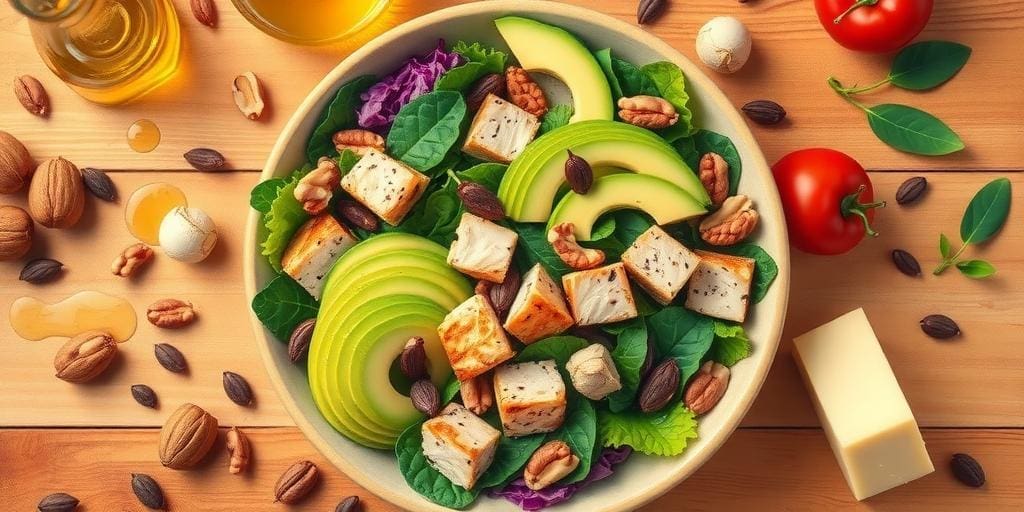
Starting with a base of leafy greens like spinach, kale, or arugula gives your salad a low-carb boost packed with fiber and essential nutrients.
To keep your salad keto-friendly and satisfying, toss in high-fat toppings such as sliced avocado, marinated olives, crunchy nuts like walnuts or pecans, and shredded cheese.
Add crunchy veggies like cucumbers, radishes, or bell peppers to bring texture and freshness without adding many carbs.
Dress your creation with keto-friendly options such as olive oil, avocado oil, or creamy ranch dressings low in carbs, and brighten it up with lemon juice or apple cider vinegar for a refreshing zing.
These ingredients not only add healthy fats but also help keep you full through the afternoon.
For protein, grilled chicken, hard-boiled eggs, bacon, or turkey are perfect choices that make these salads more filling and balanced.
Don’t forget to sprinkle some pumpkin or sunflower seeds for an extra crunch and fat boost.
Fresh herbs like parsley, cilantro, or basil add vibrant flavor without any carbs, making your salad more exciting.
Start with a base of leafy greens like spinach, kale, or arugula for low-carb fiber and nutrients.
Add high-fat toppings such as sliced avocado, olives, nuts (walnuts, pecans), or shredded cheese to boost fat content.
Include protein sources like grilled chicken, hard-boiled eggs, bacon, or turkey to make it filling.
Use keto-friendly dressings made with olive oil, avocado oil, or creamy ranch that are low in carbs.
Incorporate crunchy vegetables like cucumbers, radishes, or bell peppers for texture.
Sprinkle seeds like pumpkin or sunflower seeds to add healthy fats and crunch.
Add fresh herbs like parsley, cilantro, or basil for flavor without carbs.
Try marinated olives or artichoke hearts for variety and extra fats.
Use lemon juice or apple cider vinegar to brighten flavors without adding carbs.
Prepare salad ingredients in advance for quick assembly at work or on busy days.
Low-carb keto sandwiches and wraps are a great way to enjoy a satisfying lunch without breaking your carb limits.
Low-carb keto sandwiches and wraps are a great way to enjoy a satisfying lunch without breaking your carb limits. Start by choosing low-carb tortillas made from almond flour, coconut flour, or cheese-based wraps.
If you want something even lighter, large, sturdy lettuce leaves like romaine or butter lettuce make perfect natural wraps that keep everything together. When it comes to fillings, lean deli meats such as turkey, ham, roast beef, or chicken breast provide plenty of protein to keep you full.
Adding slices of creamy avocado brings in healthy fats and a smooth texture that balances the sandwich nicely. Cheese slices like cheddar, mozzarella, or pepper jack add both fat and flavor, making your lunch more enjoyable.
For condiments, stick with keto-friendly options such as mayonnaise, mustard, or sugar-free pesto to add moisture and taste without hidden sugars. Another fun option is cloud bread, made from eggs and cream cheese.
When adding veggies, avoid high-carb choices like carrots or corn; instead, go for crunchy cucumbers or extra leafy greens to keep things fresh and low carb.
To keep your lunch ready for work, wrap sandwiches tightly and store them in airtight containers.
This helps maintain freshness. Preparing ingredients like sliced meats, cheeses, and washed lettuce ahead of time helps you assemble your sandwich quickly in the morning.
Adding slices of creamy avocado brings in healthy fats and a smooth texture that balances the sandwich nicely.
When it comes to fillings, lean deli meats such as turkey, ham, roast beef, or chicken breast provide plenty of protein to keep you full.
Start by choosing low-carb tortillas made from almond flour, coconut flour, or cheese-based wraps. If you want something even lighter, large, sturdy lettuce leaves like romaine or butter lettuce make perfect natural wraps that keep everything together.
These egg muffins are a fantastic keto-friendly meal prep option that’s both easy and versatile.
Hard boil your eggs carefully to avoid cracking the shells. Then peel them gently for perfect halves. For a classic egg salad, chop the eggs and mix them with full-fat mayonnaise to add creaminess.
Healthy fats are included in the mix.
Stir in a spoonful of Dijon or yellow mustard for tangy flavor without adding carbs. Season with salt, pepper, and fresh herbs like dill, chives, or parsley to brighten the taste.
If you prefer deviled eggs, scoop out the yolks and blend them with mayo and mustard, then pipe this creamy mixture back into the whites for a neat, flavorful bite.
Adding extras like chopped celery or pickles gives the salad a nice crunch and extra flavor layers. To finish deviled eggs, sprinkle paprika or smoked paprika on top for a pop of color and a subtle smoky twist.
These dishes are not only quick to make but also easy to portion into containers or serve in lettuce cups for a mess-free lunch at work. Eggs provide a great balance of protein and fat, making this meal satisfying and perfect for keeping energy levels steady.
Plus, making a batch ahead of time saves you time during busy mornings.
You can grab and go without stress.
Tuna Salad Lettuce Wraps That Pack Well
Tuna salad lettuce wraps are a fantastic keto lunch option that’s both quick to prepare and easy to take to work.
Start with canned tuna packed in water or oil, making sure to drain it well to avoid sogginess.
Classic Chicken Caesar Salad with Low-Carb Dressing
A Classic Chicken Caesar Salad is a perfect keto-friendly lunch that’s both satisfying and easy to prep for work. Start with fresh romaine lettuce chopped into bite-sized pieces for a crisp base. Grill or roast chicken breast, then slice it thin or shred it to make it easy to eat on the go. The key to keeping it keto is using a low-carb Caesar dressing, either homemade or store-bought, that contains no sugar or hidden carbs, look for olive oil-based dressings to keep fat levels high and support ketosis.
Add plenty of grated Parmesan cheese for a nice boost of flavor and healthy fats. For that authentic Caesar taste, mix in anchovies or anchovy paste, which also adds depth without carbs.
To bring extra crunch and fat, toss in crispy bacon bits, but skip traditional croutons; instead, substitute with roasted nuts or cheese crisps to keep it low-carb while adding texture. Finish the salad with freshly ground black pepper and a squeeze of lemon juice to brighten all the flavors.
When packing your lunch, keep the dressing separate until you’re ready to eat to keep the salad fresh and crisp. This salad hits all the marks for a keto lunch, high in fat, moderate in protein, low in carbs, and full of flavor, making it an effortless, delicious choice for your workday meal in 2025.
Easy Avocado and Bacon Boats
Avocado and bacon boats are a perfect keto lunch that’s both simple and satisfying. Start by slicing ripe avocados in half and carefully removing the pit. To make room for the filling, scoop out a bit more avocado flesh from the center.
Then fill each half with crispy cooked bacon pieces or chopped bacon bits. For a tasty twist, add a scoop of chicken salad or egg salad on top. Sprinkle shredded cheese or chopped green onions for extra flavor, and season with salt, pepper, plus a drizzle of olive oil or fresh lemon juice to brighten it up. Preparing the bacon ahead of time saves you valuable morning minutes, making it an effortless grab-and-go option. Avocados bring a healthy dose of fats and fiber, keeping you full and energized throughout your workday.
To prevent any mess, pack the avocado halves in containers that hold them upright. This no-cook, nutritious lunch is ideal for busy days when you want something quick, tasty, and keto-friendly.
Zucchini Noodles with Pesto and Chicken
Zucchini noodles, or zoodles, are a fantastic low-carb alternative to pasta that keeps your lunch light and fresh. You can easily make them using a spiralizer or even a vegetable peeler if you don’t have one.
To avoid soggy noodles, lightly sauté or blanch the zoodles just enough to soften them while keeping a bit of crunch. Toss them with a homemade or store-bought pesto that’s low-carb and sugar-free.
Adding pine nuts or walnuts to your pesto not only boosts healthy fats but also adds a nice texture. For protein, grilled or roasted chicken pieces are perfect and keep this meal filling. Season everything with a pinch of salt, pepper, and a squeeze of lemon to brighten up the flavors.
Avoid starchy vegetables or sugary sauces that can throw off your keto balance. To save time during the week, prepare pesto in bulk and store it in the fridge. When packing your lunch, use an airtight container to keep the zoodles fresh; if you prefer, you can reheat them gently to preserve their texture without turning them mushy.
Stuffed Bell Peppers with Ground Meat
Stuffed bell peppers make a colorful and satisfying keto lunch that’s easy to prep and take to work. Start by choosing vibrant red, yellow, or green bell peppers, then cut the tops off and remove the seeds and membranes to create a perfect pocket for the filling.
Cook ground beef, turkey, or pork with onions, garlic, and spices like cumin and paprika to add bold flavor without extra carbs. Once the meat is cooked, mix it with shredded cheese and a low-carb tomato sauce or paste to keep it moist and rich.
Fill each pepper generously and arrange them in a baking dish. Bake at 375°F until the peppers are tender and the filling is heated through, adding extra cheese on top in the last 5 minutes for a melty, golden finish.
Let the peppers cool before packing to prevent condensation in your lunch containers. These stuffed peppers are packed with nutrients, protein, and healthy fats, making them a portable and filling keto meal that reheats beautifully for a warm midday boost.
Keto Chili Without Beans
Keto chili without beans is a perfect work lunch that’s hearty, flavorful, and low-carb. Start by browning ground beef or turkey, which gives you a solid protein base packed with flavor. While the meat cooks, sauté onions, garlic, and bell peppers to build a rich, aromatic foundation.
Add diced tomatoes (make sure they have no added sugar) along with a spoonful of tomato paste for depth and thickness. Season everything with chili powder, cumin, paprika, and oregano to get that classic chili taste without the carbs from beans.
Let it simmer gently so all the flavors meld and the sauce thickens nicely. If the chili gets too thick, a splash of beef broth helps adjust the consistency without adding carbs. When you’re ready to serve or pack it for work, top your chili with shredded cheese, creamy avocado slices, or a dollop of sour cream for extra fat and creaminess.
One of the best things about this chili is how easy it is to make in bulk, it reheats well and stores in microwave-safe containers, making it a convenient and satisfying keto lunch option that keeps you fueled throughout the workday.
Cauliflower Fried Rice with Protein
Cauliflower fried rice is a fantastic low-carb alternative to traditional rice dishes, perfect for a keto lunch that’s both filling and flavorful. Start by grating or pulsing cauliflower into small, rice-sized pieces to keep carbs in check.
Stir-fry the cauliflower rice quickly on high heat in a bit of sesame or avocado oil, adding minced garlic and fresh ginger to build a tasty base. Toss in colorful chopped veggies like bell peppers, green beans, or scallions for a satisfying crunch and vibrant look.
For protein, scramble eggs right in the pan and mix in diced chicken, shrimp, or pork to make the meal more substantial and keep you energized through the workday.
eason everything with low-carb soy sauce or tamari, avoid sweet or thick sauces that can sneak in extra sugar. When packing, use containers that seal tightly to lock in moisture and freshness, ensuring your cauliflower fried rice stays delicious whether you eat it warm or at room temperature.
This dish is easy to prep ahead, reheats well, and offers a tasty, quick, and keto-friendly lunch option to keep you on track at work.
Keto Meatballs Served with Zoodles
Keto meatballs are a perfect low-carb lunch that’s both satisfying and easy to prepare. Start by mixing ground beef or pork with Parmesan cheese to boost flavor without adding carbs. Instead of traditional breadcrumbs, use almond flour or crushed pork rinds as a binder to keep the meatballs keto-friendly.
Season the mixture with garlic, Italian herbs, salt, and pepper for a classic, comforting taste. You can bake or pan-fry the meatballs in olive oil or avocado oil until they’re golden and cooked through. Then, simmer them briefly in sugar-free marinara sauce to add moisture and a rich tomato flavor without the added sugars. For the pasta substitute, serve the meatballs over zucchini noodles, or zoodles, which add vegetable fiber and keep the meal light and low-carb.
You can spiralize fresh zucchini yourself or buy pre-made zoodles for convenience. To finish, top with freshly grated Parmesan and chopped basil for extra flavor and a nice presentation. These meatballs hold up well in the fridge and freeze nicely, making bulk prep a timesaver for busy workdays.
When packing lunch, keep the meatballs and zoodles in separate containers to avoid sogginess, and reheat them just before eating for the best texture and taste.
Buffalo Chicken Salad with Ranch Dressing
Buffalo chicken salad is a perfect keto lunch that packs bold flavor and plenty of healthy fats to keep you full throughout the workday.
Start with shredded cooked chicken tossed in a homemade buffalo sauce made from hot sauce and melted butter, just make sure the hot sauce is sugar-free to stay keto-friendly.
Serve the spicy chicken over a bed of mixed greens like romaine, spinach, or iceberg to add crunch and nutrients. Top it off with celery sticks, creamy avocado slices, and blue cheese crumbles for that classic buffalo vibe.
For an extra boost of fat and flavor, sprinkle cooked bacon bits or shredded cheese on top. The ranch dressing is key here: blend full-fat mayo, sour cream, and herbs to create a creamy, carb-free dressing that perfectly balances the heat.
Feel free to adjust the buffalo sauce’s heat level to suit your taste, and brighten the dish with chopped green onions or parsley. This salad is great for meal prep since you can pack the dressing separately to keep the greens fresh. High in protein and fat, it’s an effortless, satisfying lunch that fits seamlessly into your keto routine at work.
Egg Muffins for Meal Prep
Egg muffins are a fantastic keto-friendly meal prep option that’s both easy and versatile. Start by whisking eggs with heavy cream or coconut milk to give the muffins a fluffy, rich texture.
Add chopped veggies like spinach, bell peppers, and onions for extra fiber and nutrients, and throw in cooked bacon, sausage, or shredded cheese to boost the fat and protein content, perfect for keeping you full through the workday.
Season the mixture with salt, pepper, and fresh herbs such as chives or parsley to brighten the flavor. Pour the batter into muffin tins (silicone pans work great for easy removal and cleanup) and bake until they’re set and golden on top.
These muffins are super portable, making them ideal for grab-and-go lunches or snacks. You can store them in the fridge for up to 5 days or freeze for longer, then reheat in the microwave or eat cold if you prefer. Egg muffins offer a simple, tasty way to incorporate eggs and veggies into your keto meal plan without much fuss.
Loaded Cobb Salad with Keto Dressings
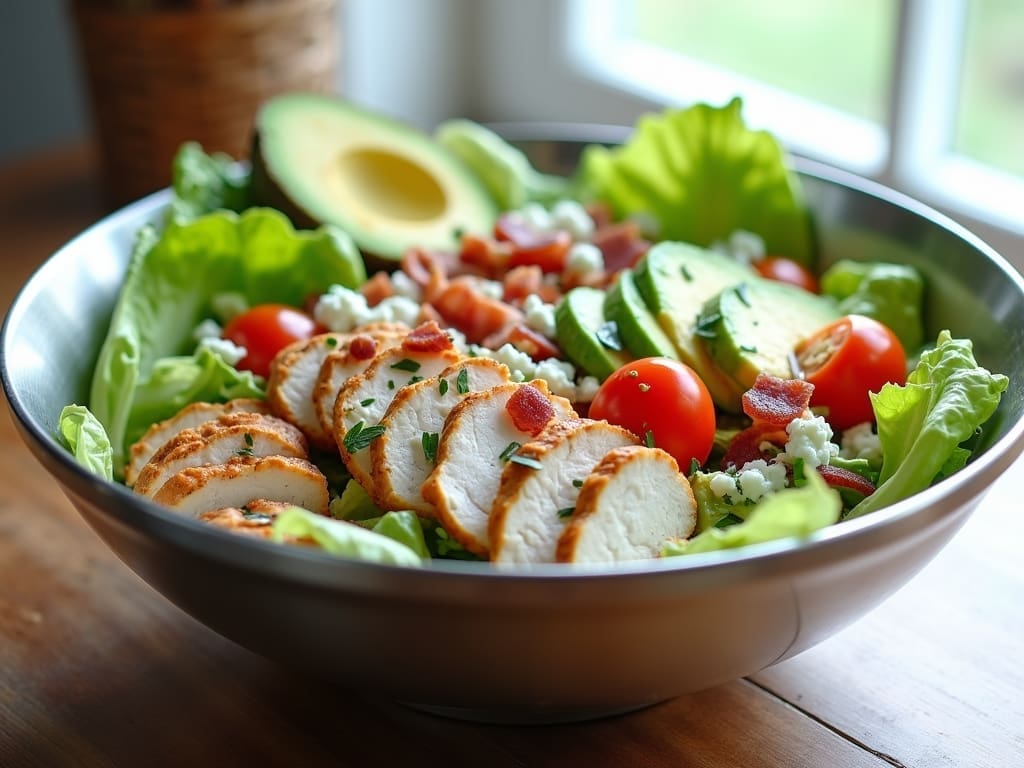
A Loaded Cobb Salad is a perfect keto lunch to take to work because it’s filling, packed with healthy fats, protein, and low-carb veggies.
Start with a base of mixed greens like romaine, kale, or arugula for a fresh and crunchy foundation. Add diced grilled chicken or turkey for lean protein, then toss in crispy bacon pieces and sliced boiled eggs to boost fats and protein.
Creamy avocado chunks bring healthy fats and smooth texture, while diced tomatoes and cucumbers add freshness and crunch without adding many carbs.
Sprinkle blue cheese or shredded cheddar on top to enhance flavor and fat content. For dressing, stick to olive oil with apple cider vinegar or a creamy keto-friendly option like ranch or blue cheese dressing. Fresh herbs such as chives or parsley work great to brighten the flavors.
To keep it fresh during the workday, prep your ingredients ahead of time and assemble the salad just before eating. This combination creates a balanced meal that’s easy to pack, satisfying, and fully keto-compliant, making it an excellent choice for your 2025 work lunches.
Tuna or Chicken Stuffed Avocados
Using ripe avocados as natural bowls is a simple, tasty way to enjoy a keto-friendly lunch. Halve and pit the avocado, then fill each half with a creamy mix of canned tuna or shredded cooked chicken blended with mayonnaise and a touch of mustard.
To add some crunch and flavor, toss in chopped celery, pickles, or onions. Season the mixture with salt, pepper, and fresh herbs like dill or parsley for a bright finish. A squeeze of lemon juice not only lifts the flavors but also helps keep the avocado from browning.
These stuffed avocados are best served chilled, making them a perfect grab-and-go option that needs no reheating. Packed with healthy fats from the avocado and protein from the tuna or chicken, this meal keeps you full and energized throughout the day.
For easy meal prep, prepare the protein salad in advance and store it separately from the avocado halves until ready to eat. This low-carb, high-satiety lunch fits perfectly into a busy keto lifestyle while offering a fresh, satisfying bite every time.
Creamy Keto-Friendly Soups to Reheat
Creamy soups are a fantastic keto lunch option that you can easily prepare in advance and reheat at work. Think broccoli cheese, chicken and vegetable, or creamy mushroom soups made with full-fat cream, heavy cream, or coconut milk to add richness and healthy fats.
Use low-carb veggies like cauliflower, spinach, zucchini, or mushrooms to keep the carb count low while adding fiber and nutrients. For protein, toss in shredded chicken, ground beef, or sausage to make your soup more filling and satisfying. Avoid high-carb ingredients like potatoes, corn, or beans to stay in ketosis.
Season your soups with herbs such as thyme, rosemary, garlic, and onion powder to deepen the flavor without extra carbs. Making large batches and portioning them into containers means you can grab a ready-to-go lunch that reheats well and keeps you warm and full. To thicken your soup, stir in cream cheese or shredded cheese, which also boosts the fat content.
Using bone broth or homemade stock not only adds flavor but also packs in extra nutrients. Overall, these creamy keto soups are perfect for busy workdays when you want comfort food that fits your keto lifestyle without extra prep or carbs.
Bunless Burgers with Keto Toppings
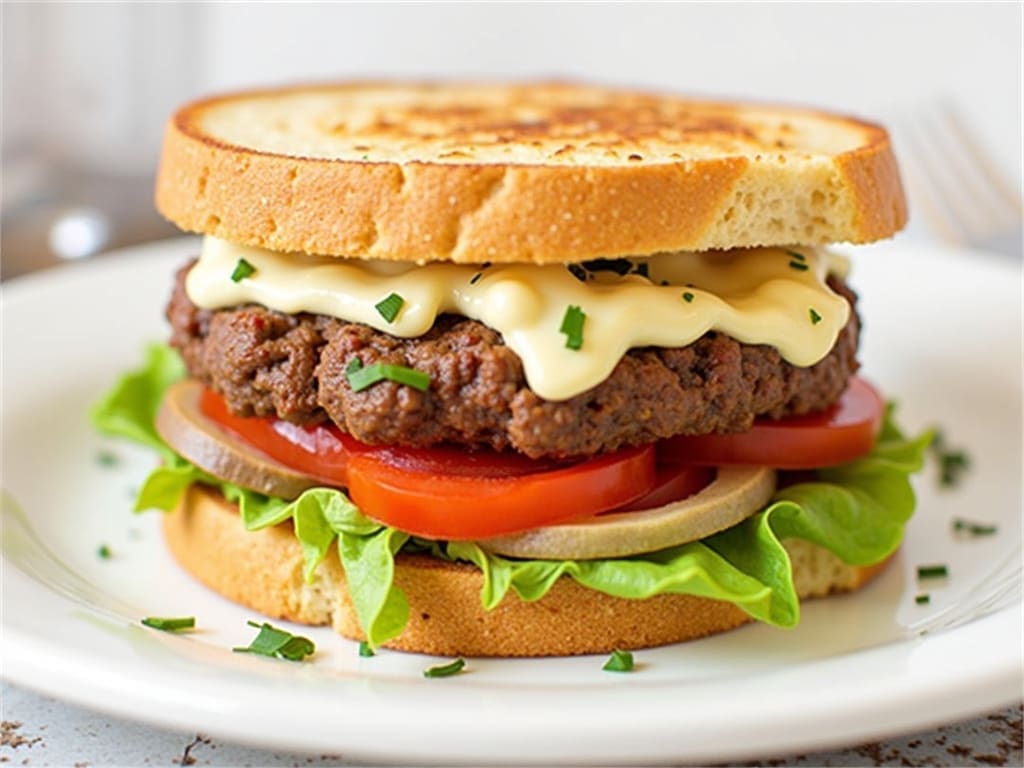
Bunless burgers are a classic keto lunch option that’s both simple and satisfying. Start with high-quality ground beef or turkey, seasoned lightly with salt and pepper, then grill, pan-fry, or bake the patties until they’re cooked through but still juicy inside. Instead of a bun, wrap the burger in large lettuce leaves like romaine or iceberg, or serve it open-faced for an easy-to-eat lunch.
Top your patty with keto-friendly favorites like cheese slices, creamy avocado, crispy bacon, and sauces such as mayo or sugar-free ketchup. Adding fresh crunch with sliced tomato, pickles, and onions can brighten the flavors and add texture.
Mustard or homemade aioli are great low-carb options to boost flavor without adding carbs. These patties can be prepared ahead of time and reheated at work or enjoyed cold during warmer months, making them perfect for busy days.
To round out the meal, pair your bunless burger with a side salad or low-carb veggies. Keep sauces separate in small containers to avoid sogginess and maintain fresh textures. This meal is straightforward, filling, and easily customized to your taste, making it a reliable go-to for keto lunches at work.
Keto Sushi Rolls with Cauliflower Rice
Keto sushi rolls are a fantastic low-carb lunch option that bring all the fun of sushi without the carbs from traditional rice. Instead of white rice, finely grated cauliflower rice is steamed or microwaved briefly to soften, creating the perfect base.
Using nori seaweed sheets keeps that authentic sushi texture and flavor. Fill your rolls with creamy avocado slices, crisp cucumber, and a touch of cream cheese for richness.
For protein, options like cooked shrimp, crab meat, smoked salmon, or tuna work beautifully and keep the rolls filling. Add a little wasabi, tamari (a gluten-free soy sauce alternative), and pickled ginger sparingly to keep it keto-friendly and flavorful.
Rolling tightly with a bamboo sushi mat helps create neat, easy-to-pack pieces that are perfect for work lunches. Just slice the rolls into bite-sized pieces and avoid sugary sauces or tempura to stay within keto guidelines.
These rolls offer a fresh, light lunch with healthy fats and protein, making them both satisfying and easy to enjoy on the go.
Cucumber and Cream Cheese Roll-Ups
Cucumber and cream cheese roll-ups are a fantastic keto lunch option that’s both refreshing and easy to prepare. Start by slicing cucumbers thinly lengthwise using a mandoline or a sharp knife to get even, flexible strips.
Spread a layer of full-fat cream cheese evenly over each slice, which adds rich fat to keep you full. For protein, add a slice of smoked salmon, deli turkey, or ham right on top. To boost flavor, sprinkle fresh dill, chives, or a pinch of black pepper before rolling the cucumber slices tightly into bite-sized wraps.
If you want to keep them secure for work, use toothpicks to hold everything together. These roll-ups are low in carbs, making them perfect for staying in ketosis, while the cream cheese provides creaminess and the deli meats offer satisfying protein.
Chill them before packing to keep the cream cheese firm and fresh, making these roll-ups ideal for a quick, portable lunch. Plus, they’re a smart way to use up deli meats and add variety to your keto meal rotation without much fuss.
Simple Keto Chicken Salad
Simple Keto Chicken Salad is a go-to for easy, satisfying lunches that fit perfectly into a keto lifestyle. Start with shredded cooked chicken breast or thighs for a solid protein base. Mix in full-fat mayonnaise or avocado mayo to add creaminess and healthy fats that keep you full longer. For a bit of crunch and fresh flavor, toss in diced celery and green onions.
Season generously with salt, pepper, garlic powder, and fresh herbs like parsley or dill to elevate the taste. If you like a tangy twist, chopped pickles or olives make a great addition without adding carbs. You can enjoy this salad in large lettuce cups, spread on keto crackers, or stuffed into avocado halves for a filling meal.
One of the best parts is that you can make it in bulk and store it in the fridge for several days, making meal prep a breeze. Just avoid sugary add-ins like raisins or dried cranberries to keep your carbs low.
The salad tastes great cold, perfect for work lunches, but it also reheats well if you want to serve it warm. Overall, this chicken salad is quick to prepare, portable, and keeps you satisfied during busy workdays while sticking to your keto goals.
Cauliflower Mac and Cheese
Cauliflower mac and cheese is a fantastic keto-friendly twist on a classic comfort food. Instead of pasta, use cauliflower florets to keep the carbs low while still enjoying that creamy, cheesy goodness.
Make a rich cheese sauce by combining heavy cream, sharp cheddar, and cream cheese, full-fat dairy not only boosts the flavor but also keeps you in ketosis and feeling satisfied longer.
Spice things up with paprika, garlic powder, and mustard powder to add depth without any extra carbs. For a little extra texture and punch, toss in cooked bacon bits or diced jalapenos before baking.
Baking the cauliflower and cheese sauce together creates a golden, bubbly top that mimics traditional mac and cheese perfectly. This dish is great for meal prep since it reheats well; just be sure to portion it in containers that prevent sogginess to keep that appealing texture.
Pair your cauliflower mac and cheese with a side of leafy greens or a simple salad to round out your meal with fiber and nutrients. For an even cheesier experience, try mixing in shredded mozzarella or Parmesan cheese for layers of melty flavor.
Grilled Sausages with Sauerkraut
Grilled sausages paired with sauerkraut make a simple yet satisfying keto lunch that’s perfect for work. Start by choosing high-quality, nitrate-free sausages with no added sugars to keep it keto-friendly.
Grilling or pan-frying the sausages brings out a smoky, rich flavor that hits the spot when cravings strike. Sauerkraut adds a nice tangy crunch without adding carbs, and its probiotics help support digestion and gut health, a great bonus for busy workdays.
For extra flavor, serve with mustard or sugar-free ketchup on the side. To round out the meal, toss in some sautéed low-carb veggies like bell peppers or zucchini, creating a balanced plate with protein, fats, and fiber.
Make extra sausages during meal prep so you can quickly assemble lunches throughout the week. Using insulated containers keeps everything warm and fresh until lunchtime, ensuring your keto meal stays delicious and satisfying.
This combo not only fuels your day with a good mix of protein and fats but also supports overall health with fermented veggies that promote gut-friendly bacteria.
Keto Pizza Chaffles with Pepperoni
Keto pizza chaffles are a fun and tasty way to enjoy pizza at work without breaking your low-carb goals. Start by mixing eggs and shredded cheese, mozzarella or Parmesan work great, then cook the batter in a waffle maker until it’s golden and crispy.
This creates a perfect keto-friendly base that’s easy to handle and packed with fat and protein to keep you full. Top your chaffles with a small spoonful of sugar-free tomato sauce, sprinkle more mozzarella cheese, and add slices of pork pepperoni that contain no added sugars or fillers to keep carbs low.
Finish them off under a broiler or in a toaster oven for a few minutes to melt the cheese and crisp the pepperoni. You can prep chaffles ahead of time and store them in the fridge or freezer, making lunch assembly super quick. They’re portable and taste great cold or reheated, which is ideal for a busy workday. For an extra layer of flavor, mix in Italian herbs like oregano or basil into your cheese or sauce.
Pair your chaffles with a simple side salad or sliced veggies to add fiber and nutrients, rounding out your meal while staying keto-friendly.
Avocado egg salad is a fresh twist on the classic egg salad that swaps out some or all of the mayonnaise for mashed avocado.
Avocado egg salad is a fresh twist on the classic egg salad that swaps out some or all of the mayonnaise for mashed avocado, adding extra creaminess and healthy fats. Using finely chopped hard-boiled eggs makes it easy to mix and spread, perfect for packing into lettuce wraps or serving with keto-friendly crackers for a quick work lunch.
Adding diced celery or green onions gives the salad a nice crunch and a burst of freshness without adding carbs. To brighten the flavors, season with mustard, salt, pepper, and a squeeze of lemon or lime juice.
You can also mix in fresh herbs like dill or chives to keep things interesting. Avocado not only boosts the fat content to help keep you in ketosis but also adds fiber and potassium, which support electrolyte balance, something important on a keto diet.
This salad stores well in airtight containers and doesn’t need reheating, making it an ideal portable option for busy days at work.
Leftover Keto Meal Bowls
Leftover keto meal bowls are a fantastic way to save time and reduce food waste while keeping your lunch interesting and keto-friendly. Start by combining leftover proteins like grilled chicken, steak, or sausage with low-carb veggies such as roasted broccoli, cauliflower, or sautéed spinach.
To keep your fats high and flavors rich, drizzle your bowl with a high-fat dressing or sauce like olive oil vinaigrette, ranch, or a mayo-based dressing. Adding cheese, avocado slices, or nuts not only boosts the richness but also adds a nice texture contrast. Using airtight containers is key to maintaining freshness and preventing sogginess, especially if you’re prepping meals for the week.
To keep things exciting and nutritionally balanced, rotate different leftovers and include fermented foods like pickles or sauerkraut, which help with digestion and add a tangy twist.
Portion your bowls carefully to control carb intake, and when you’re ready to eat, fresh herbs or a sprinkle of your favorite spices can bring the flavors back to life. Whether you prefer them cold or warmed up, leftover keto bowls offer flexible, hassle-free lunches that fit well into any workday routine.
Frequently Asked Questions
1. How can I make sure my keto lunch stays fresh throughout the workday?
To keep your keto lunch fresh, use airtight containers and consider packing ingredients separately when possible. Cold items like salads or deli meats stay best when kept chilled with an ice pack, and reheating leftovers in the morning can also help maintain taste and texture.
2. What are some simple ways to add variety to my keto lunches without spending too much time?
Mix up your lunch by swapping proteins like chicken, beef, or tofu, and rotate low-carb veggies such as spinach, broccoli, or zucchini. Adding different herbs, spices, or keto-friendly dressings can also change flavors easily without extra prep time.
3. Are there keto-friendly lunch options that are easy to eat at a desk without making a mess?
Absolutely! Think about meals like lettuce wraps, stuffed avocado halves, or egg muffins that are neat and portable. These options minimize the need for utensils and reduce mess, making them perfect for busy workdays.
4. How can I balance my keto lunch for sustained energy and avoid afternoon slumps?
Include a good mix of healthy fats, moderate protein, and fiber-rich low-carb veggies. Foods like salmon, avocado, nuts, and leafy greens help keep your blood sugar steady, which supports lasting energy and keeps those energy crashes away.
5. What are some keto lunch ideas that require little to no cooking and can be prepped the night before?
Try simple recipes like cold chicken salad with mayo, cheese and veggie roll-ups, or a combo of boiled eggs and olives. These can be assembled quickly the night before and stored in the fridge for a hassle-free morning grab.
TL;DR Discover 25 simple and tasty keto lunch ideas perfect for taking to work in 2025. From hearty salads and low-carb wraps to egg muffins and keto-friendly soups, these meals focus on easy prep, healthy fats, and plenty of protein to keep you full and in ketosis.
Whether you prefer salads, stuffed avocados, or cauliflower-based dishes, these recipes are designed to be portable, reheatable, and packed with flavor, all based on effortless keto cooking principles for sustainable weight loss and busy lifestyles.
Starting a 1,200 calorie diet can feel challenging, but it’s a great plan for beginners aiming to lose weight safely. This low-calorie menu focuses on whole foods like lean proteins, veggies, and healthy fats while making sure you get enough fiber and vitamins. Simple meals like Greek yogurt with berries for breakfast or grilled chicken with quinoa at lunch help keep things balanced without being confusing.
You can even swap meals with nutrient-packed smoothies or keto-inspired dinners now and then to avoid boredom. Remember to stay hydrated and sync your eating with workouts as advised by weightlossdiet4u.com for better results. Meal prep also makes sticking to this easy plan much smoother!
What Is a 1200 Calorie Diet and Who Should Try It
A 1200 calorie diet limits your daily food intake to 1200 calories, making it a popular choice for weight loss, especially for women or people with smaller bodies and low physical activity. This calorie level is usually enough to create a calorie deficit for those with lower energy needs, helping shed pounds without feeling overly hungry. However, beginners should focus on balanced meals to avoid missing out on important nutrients like protein, fiber, vitamins, and minerals. Choosing whole, minimally processed foods, like fresh vegetables, lean proteins, and whole grains, helps you get the most nutrition out of every calorie.
Portion control is key here: eating the right amounts prevents overeating but also stops you from feeling deprived. It’s important to avoid empty calories found in sugary drinks, fried foods, and processed snacks since they add little nutritional value and can make sticking to the limit harder. Before starting a 1200 calorie diet, check with your healthcare provider, especially if you have any medical conditions.
This plan isn’t ideal for pregnant or breastfeeding women or people who are very active since their energy needs are higher. Pairing the diet with light to moderate exercise can improve fat loss and help maintain muscle. The main goal is to build steady, sustainable habits rather than chasing quick fixes, which helps prevent regaining weight later on.
How to Plan Balanced Meals on a 1200 Calorie Diet
When planning meals on a 1200 calorie diet, it helps to divide your daily calories into three balanced meals and two small snacks. This keeps your energy steady throughout the day and prevents hunger spikes. Each meal should include a good source of lean protein like chicken, fish, tofu, or legumes, which supports muscle health and keeps you feeling full longer. Adding plenty of fiber-rich veggies and whole grains improves digestion and helps curb overeating. Healthy fats such as olive oil, nuts, and seeds are important too but keep portions moderate to stay within calorie limits. Don’t forget to include colorful fruits for natural sweetness, vitamins, and antioxidants.
To keep blood sugar stable and reduce cravings, limit added sugars and refined carbs. Preparing meals ahead of time makes it easier to control portions and ingredients, while using herbs and spices like ginger, cinnamon, and turmeric can add flavor without extra calories. Favor cooking methods like baking, steaming, or grilling over frying to keep meals light and nutritious. Lastly, tracking your meals with an app or journal helps you stay on target with calories and ensures you’re getting a good balance of nutrients throughout the day.
Syncing Your Diet with Workouts for Better Results
To get the most out of your 1200 calorie diet, it’s important to sync your meals with your workout routine. Eating carbs and protein before exercise gives your body the energy it needs to perform well, while having protein after your workout helps repair muscles and preserve lean mass as you lose weight. For example, a small banana or Greek yogurt before hitting the gym can boost your energy, and a protein-rich snack like grilled chicken or a protein shake afterward supports recovery. Staying hydrated before, during, and after exercise is just as crucial, water and metabolism-boosting herbal teas like green tea or ginger can help keep your energy steady and support fat loss.
On workout days, slightly adjust your calorie intake to meet your energy needs without going overboard. Combining moderate strength training with cardio exercises maximizes fat burning and tones muscles without overwhelming your body on a low-calorie plan. Avoid skipping meals before workouts to prevent fatigue and keep your energy consistent. Finally, track how your body responds to this routine and tweak your diet or exercise accordingly to stay on track and see better results.
Using Natural Herbs to Boost Your Metabolism
Incorporating natural herbs into your 1,200 calorie diet can gently boost your metabolism and improve digestion without adding extra calories. Green tea is a great choice since it contains antioxidants and caffeine that can slightly increase the number of calories your body burns throughout the day. Ginger is another powerful herb known for aiding digestion and reducing inflammation, which supports overall metabolic health. Cinnamon helps regulate blood sugar levels, which can prevent sudden hunger spikes and keep cravings in check.
Turmeric, with its active compound curcumin, supports fat metabolism and fights inflammation, making it a smart addition to your meals. Garlic may also play a role in improving metabolic function and lowering cholesterol. Peppermint is helpful for some people to reduce appetite and soothe digestion. You can enjoy these herbs as teas, add them as spices in your cooking, or take supplements after consulting with your doctor.
Remember, these herbs work best when combined with a balanced diet and regular exercise, so don’t rely on them alone. Using fresh or dried herbs adds flavor without extra calories or sodium, which is perfect for a low-calorie plan. Be consistent with your use of these herbs to notice subtle, long-term benefits that support your metabolism naturally.
Sample Easy 1200 Calorie Menu for Beginners
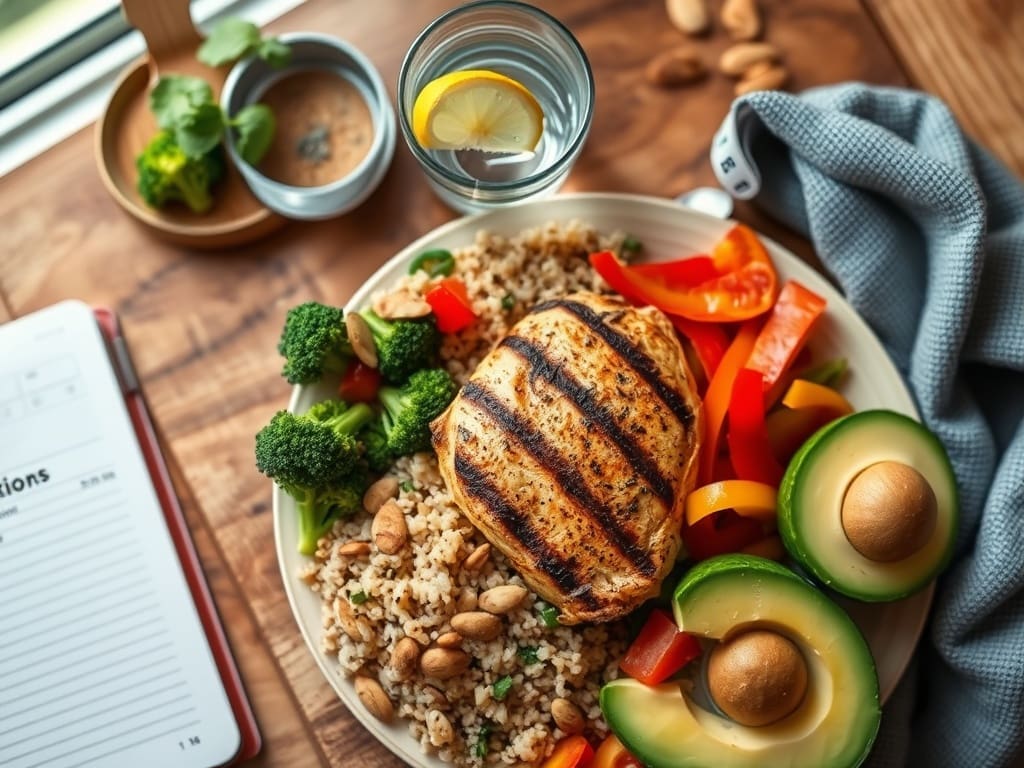
Here’s a simple and balanced 1200 calorie menu designed for beginners who want an easy start without sacrificing taste or nutrition. For breakfast, enjoy non-fat Greek yogurt topped with mixed berries, a tablespoon of chia seeds, and a drizzle of honey or a sprinkle of cinnamon, clocking in around 300 calories. Mid-morning, snack on a small apple or sliced cucumber paired with a tablespoon of hummus for about 100 calories to keep energy steady.
Lunch includes a lean protein option like grilled chicken breast or baked tofu alongside a fresh mixed green salad dressed with olive oil and lemon juice, plus half a cup of cooked quinoa or brown rice, totaling around 350 calories. In the afternoon, a handful of 10 raw almonds or a small banana provides a satisfying 100 calorie pick-me-up.
Dinner offers a hearty serving of steamed salmon or a warming lentil stew with steamed broccoli and a small sweet potato or whole wheat pasta, wrapping up the day with roughly 350 calories. Portion control is crucial here, making sure you stay within your calorie goals while feeling full and nourished. To keep meals exciting, swap your protein sources, try turkey instead of chicken, or white fish instead of salmon, and vary your veggies and grains throughout the week.
Using herbs and spices like garlic, turmeric, or ginger not only adds flavor but also supports digestion without extra calories. Don’t forget to drink water or herbal tea with every meal to stay hydrated and aid metabolism, making this menu both simple and sustainable for beginners stepping into a 1200 calorie lifestyle.
Meal
Description
Approximate Calories
Breakfast
Non-fat Greek yogurt with mixed berries, chia seeds, and a drizzle of honey or cinnamon
300
Morning Snack
Small apple or sliced cucumber with hummus
100
Lunch
Grilled chicken breast or baked tofu with mixed green salad dressed with olive oil and lemon, plus ½ cup quinoa or brown rice
350
Afternoon Snack
10 raw almonds or a small banana
100
Dinner
Steamed salmon or lentil stew, with steamed broccoli and a small sweet potato or whole wheat pasta
350
Simple Meal Prep Tips to Save Time and Stay on Track
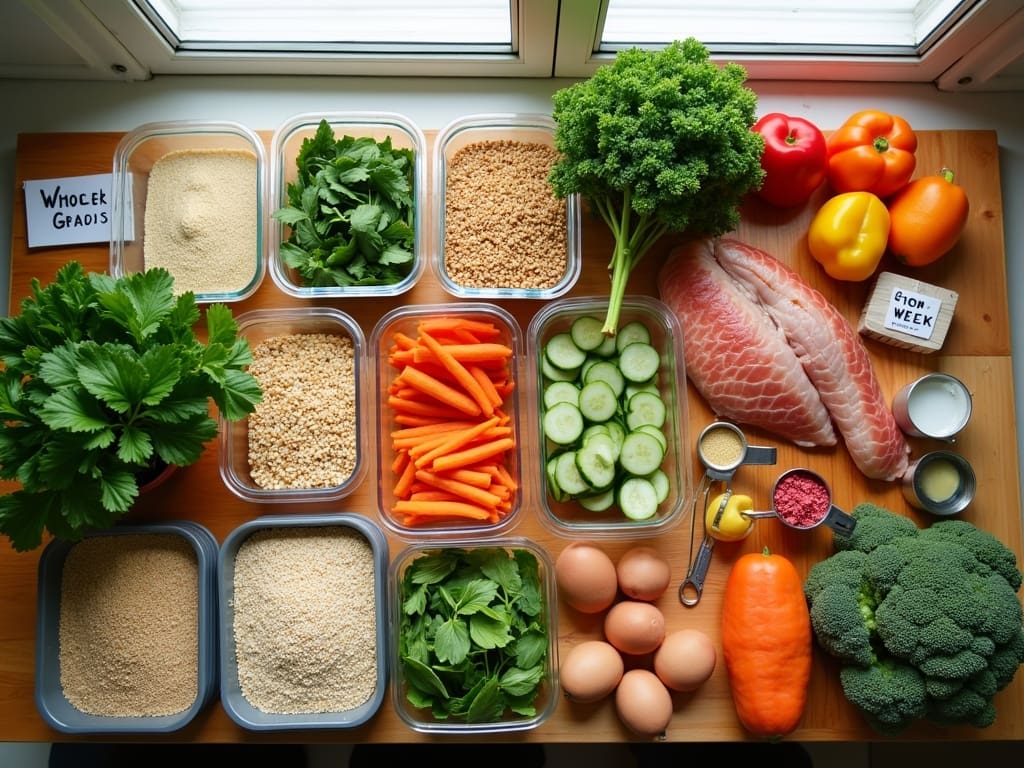
Meal prepping is a game changer when following a 1,200 calorie diet, especially for beginners who want to save time and avoid last-minute unhealthy choices. Start by cooking proteins like chicken or tofu in bulk at the beginning of the week. Portion them out into containers so you can quickly add a lean protein source to your meals without extra effort. Next, chop a variety of vegetables ahead of time and store them in airtight containers. This makes it easy to toss together salads or stir-fries in minutes. Batch cooking grains such as quinoa or brown rice is another smart move, you can mix these into different meals to keep things interesting and filling.
Preparing snack packs with nuts or pre-cut fruits helps curb cravings and keeps you from reaching for high-calorie snacks. Using versatile ingredients that work well in salads, wraps, or bowls adds flexibility to your meals and prevents boredom. Investing in quality containers that seal tightly will keep your food fresh and make it easy to take meals on the go.
Labeling your meals with calorie counts can help you stay mindful of portions and stick to your daily goals. Choose one day a week as your meal prep day to reduce daily cooking stress and free up time for other activities. For busy days, freezing soups or stews in individual portions is a lifesaver, you just thaw and heat when needed. Keep seasoning blends like garlic powder, paprika, or Italian herbs handy to quickly add flavor without extra calories or fuss. These simple steps make it easier to stay consistent, enjoy your meals, and succeed on your 1,200 calorie diet journey.
Cook proteins like chicken or tofu in bulk and portion them for the week.
Chop vegetables ahead and store in airtight containers for quick salads or stir-fries.
Batch cook grains such as quinoa or brown rice to reuse in multiple meals.
Prepare snack packs with nuts or cut fruits to avoid grabbing unhealthy options.
Use versatile ingredients that can be mixed into salads, wraps, or bowls.
Invest in quality containers that keep food fresh and are easy to transport.
Label meals with calorie counts to stay mindful of portions.
Set a weekly meal prep day to reduce daily cooking stress.
Freeze soups or stews in individual servings for busy days.
Keep seasoning blends ready to quickly add flavor without extra effort.
Smoothie Ideas to Replace a Meal on a 1200 Calorie Plan
Smoothies are a fantastic way to replace a meal when you’re following a 1200 calorie diet, especially if you need something quick and nutritious on the go. Start with a low-calorie base like unsweetened almond milk or plain water to keep calories in check. Adding a scoop of protein powder helps maintain muscle mass and keeps you feeling full longer. Don’t forget to toss in some leafy greens such as spinach or kale, they add fiber, vitamins, and minerals without altering the flavor much.
Frozen berries are perfect for natural sweetness and provide antioxidants that support overall health. To include healthy fats, add a tablespoon of chia seeds or ground flaxseeds, which also boost fiber and omega-3 intake. For an extra metabolism kick, sprinkle in spices like cinnamon or fresh ginger; these add flavor without extra calories. Keep your smoothie between 300 and 350 calories by avoiding added sugars or syrups.
To keep things interesting and nutritionally balanced, rotate your ingredients regularly so you don’t get bored or miss out on key nutrients. When drinking your smoothie, take your time and savor it slowly to help your brain register fullness, which prevents overeating later. For example, a simple smoothie could be unsweetened almond milk, one scoop of vanilla protein powder, a handful of spinach, half a cup of mixed frozen berries, a tablespoon of chia seeds, and a pinch of cinnamon, blended until smooth. This easy meal replacement fits perfectly into your 1200 calorie plan while keeping you energized and satisfied.
How to Stay Hydrated and Eat Mindfully Every Day
Staying hydrated is a key part of any healthy diet, especially on a 1,200 calorie plan where every bit of support counts. Aim to drink at least eight cups of water daily, and if you’re more active or live in a hot climate, drink even more. Starting your meals with a glass of water can help curb your appetite and prevent overeating. Herbal teas like green tea are a great addition, they not only keep you hydrated but also gently boost your metabolism.
Mindful eating goes hand in hand with hydration. Slow down, chew thoroughly, and really savor each bite. This helps you recognize when you’re comfortably full instead of stuffed. Try to avoid distractions like TV or phones during meals so you can focus fully on your food. Listening to your body’s hunger signals and stopping when satisfied can prevent unnecessary calorie intake.
Planning regular meal times is another smart strategy to avoid getting overly hungry, which often leads to overeating. Using smaller plates and bowls can trick your brain into feeling satisfied with less food, making portion control easier. Keep a water bottle nearby throughout the day as a simple reminder to sip regularly.
Combining mindful eating habits with meal prepping reduces impulsive choices that might derail your calorie goals. For example, prepping grilled chicken or washed veggies ahead of time helps you stay on track without feeling rushed. These simple tips make staying hydrated and eating mindfully an achievable part of your daily routine, supporting your weight loss and wellness journey effectively.
7-Day Meal Rotation to Keep Your Diet Interesting
Sticking to a 1,200 calorie diet doesn’t mean you have to eat the same thing every day. A well-planned 7-day meal rotation can keep your taste buds happy and your nutrition balanced. Start with Day 1: grilled chicken paired with quinoa and steamed broccoli, a simple combo packed with protein and fiber. On Day 2, switch things up with baked salmon, sweet potato, and a fresh mixed greens salad to boost omega-3 intake. Day 3 brings a plant-based option with tofu stir-fry served alongside brown rice and assorted vegetables, offering a colorful plate full of nutrients. Lentil soup with whole wheat bread and a side salad makes up Day 4, delivering a comforting, fiber-rich meal.
Day 5 features turkey breast with barley and roasted carrots, combining lean protein with hearty grains. For Day 6, try a keto-inspired low-carb dinner of zucchini noodles tossed in pesto and topped with grilled shrimp to add healthy fats and variety. Finally, Day 7 rounds out the week with a refreshing chickpea salad including cucumber, tomato, olive oil, and lemon for a light but satisfying meal. To keep things fresh, rotate your fruits and snacks daily, think apples, berries, almonds, or hummus with veggies.
Changing up dressings and spices like lemon vinaigrette, balsamic, or a sprinkle of cinnamon can transform familiar dishes without adding calories. Don’t hesitate to use leftovers creatively; repurpose grilled chicken or roasted veggies into wraps or salads to save time and reduce waste. This rotation not only maintains interest but also ensures you get a broad spectrum of nutrients essential for your weight loss journey.
Including Low-Carb Keto-Inspired Meals Occasionally
Including low-carb, keto-inspired meals once or twice a week can be a smart way to manage cravings and bring some variety to your 1200 calorie diet. These meals focus on non-starchy vegetables, moderate protein, and healthy fats, which help keep you full without blowing your calorie budget. Think zucchini noodles tossed with fresh basil pesto and grilled shrimp, or an avocado salad sprinkled with nuts for crunch. Using herbs like garlic and basil adds natural flavor without extra calories, so you can enjoy tasty dishes without heavy cream or processed high-fat foods that might derail your calorie goals.
It’s important to monitor how your body reacts to these lower-carb meals since everyone’s digestion and energy levels respond differently. Keep your keto-inspired meals balanced by including plenty of nutrient-rich veggies and lean proteins to avoid any nutrient gaps. Pair these meals with plenty of water and practice mindful eating to support digestion and overall wellness. Just make sure these occasional keto meals fit within your weekly calorie target so you maintain steady weight loss and don’t feel deprived or overwhelmed.
Safety Tips Before Starting a 1200 Calorie Diet
Before jumping into a 1200 calorie diet, it’s important to talk with your healthcare provider to make sure this plan fits your unique health needs and daily lifestyle. Since 1200 calories is a low-calorie target, it might not be the best option for everyone, especially if you have higher energy needs or certain medical conditions. To avoid feeling weak or missing out on key nutrients, focus on planning meals that include enough protein, fiber, vitamins, and minerals. Skipping meals can cause energy dips and might lead to overeating later, so try to eat regularly throughout the day.
If your calorie limit makes it tough to get all the nutrients you need, consider a multivitamin or supplements, but only if recommended by your doctor. Keep an eye on how your body responds by tracking your weight and energy levels, if you start feeling overly tired or weak, it may be time to adjust your calorie intake. Staying hydrated is also key; drink plenty of water and enjoy herbal teas like green tea, which can gently boost your metabolism.
Adding natural herbs such as ginger, cinnamon, or turmeric can support digestion and add flavor without extra calories. Lastly, if you work out, try to time your protein and calorie intake around your exercise to help with energy and recovery. And remember, don’t make sudden drastic changes to your eating habits, ease into the 1200 calorie plan gradually for better long-term success and safety.
Tools and Resources to Track Diet and Workouts
Tracking your diet and workouts can make sticking to a 1,200 calorie plan much easier and more effective. Apps like MyFitnessPal and Lose It! are great for logging your daily food intake because they let you scan barcodes and add custom recipes, which is perfect for keeping track of homemade meals. Pairing these apps with wearable fitness trackers like Fitbit or Garmin helps you monitor your physical activity and syncs your exercise data for a complete view of your progress. For workouts, beginner-friendly apps or YouTube channels can guide you through routines that match your calorie goals, making it simple to stay active without feeling overwhelmed.
Setting reminders on your phone for meal times and hydration can keep you on track throughout the day, while digital scales and measuring cups ensure your portions are accurate to avoid accidentally eating too much or too little. If you want extra motivation, joining online forums focused on 1,200 calorie diets provides support and ideas from people on the same journey. Food journaling tools are also helpful because they encourage you to pay attention to hunger and fullness cues, promoting mindful eating habits.
For more meal ideas and tips on syncing diet with workouts, websites like weightlossdiet4u.com offer valuable resources, including suggestions for metabolism-boosting herbs and balanced nutrition. Finally, consulting a registered dietitian or certified trainer who uses these digital tools can personalize your plan and help you track progress effectively, ensuring you stay safe and motivated along the way.
Frequently Asked Questions
1. Can I get all the nutrients I need on a 1,200 calorie diet without feeling weak?
Yes, it’s possible to meet your basic nutrient needs with careful planning on a 1,200 calorie diet. Focus on nutrient-dense foods like lean proteins, vegetables, fruits, and whole grains to keep energy levels stable and avoid feeling weak.
2. How should I balance my meals throughout the day on a 1,200 calorie menu?
Try dividing calories roughly into three balanced meals and one or two healthy snacks. Prioritize proteins and fiber to keep you full longer, and include healthy fats in moderation to maintain energy and support bodily functions all day.
3. Is a 1,200 calorie diet safe for beginners who have never dieted before?
Generally, a 1,200 calorie diet can be safe for many beginners, but it really depends on age, activity level, and health conditions. It’s best to check with a doctor or dietitian to make sure this calorie level fits your personal needs and goals.
4. What types of foods should I avoid or limit to stick to a 1,200 calorie diet without feeling hungry?
Avoid empty-calorie foods like sugary snacks, fried foods, and sodas since they add calories without filling you up. Instead, stick to whole foods with protein, fiber, and healthy fats, they help control hunger and keep you satisfied longer.
5. How can I adjust my 1,200 calorie diet menu if I’m working out regularly?
If you exercise regularly, you might need to add more calories or focus on higher protein intake to support muscle recovery and energy. Consider consulting a nutrition expert to tweak your menu so you don’t underfuel your workouts or slow down progress.
TL;DR Thinking about starting a 1200 calorie diet? This beginner-friendly guide breaks down what the diet is, who it’s best for, and how to plan balanced meals that fuel your body properly. You’ll learn how to sync your meals with workouts for better results, use natural herbs to boost metabolism, and easily prep meals to save time.
Plus, it includes a simple, tasty day menu with snacks, smoothie ideas, hydration tips, and a 7-day rotation to keep things fresh. Safety advice and helpful tools are also covered, so you can stay on track without stress. Perfect for anyone wanting an easy, sustainable way to lose weight in 2025.
In 2025, lasting weight loss comes from a balanced approach combining mindful habits and practical strategies. Eating slowly and enjoying your food helps you tune into fullness and reduces overeating. Meal prepping saves time and keeps choices healthy, while strength training builds muscle that boosts metabolism. It’s important to sleep well because poor rest messes with hunger hormones, making cravings worse. Don’t skip meals; regular eating prevents excessive hunger later on. Hydration also plays a role by stopping false hunger signals. Focus on whole foods with protein at each meal and swap sugary desserts for fruits to support sustainable changes that stick long-term without feeling too restrictive or complicated.
Eat Slowly to Recognize Fullness and Enjoy Food
Eating slowly is one of the simplest yet most effective ways to support lasting weight loss. When you chew each bite thoroughly and put down your utensils between bites, you give your brain enough time to receive fullness signals from your stomach. This helps prevent overeating because your body can tell you when it’s had enough before you feel stuffed. Taking smaller bites not only makes your meal last longer but also improves digestion and lets you savor the flavors, textures, and aromas of your food.
Avoid distractions like watching TV or scrolling on your phone during meals so you can stay mindful and focused on eating. Try practicing mindful breathing before and during your meal to center your attention on the experience. Pay attention to how your appetite shifts as you eat, and stop once you feel comfortably full, not overly full. By slowing down and truly enjoying your meals, you’ll find greater satisfaction in your food and a natural way to control calorie intake without feeling deprived.
Chew each bite thoroughly to give your brain time to register fullness signals.
Put down utensils between bites to slow the pace of eating.
Focus on the flavors, textures, and aromas in your mouth to increase satisfaction.
Avoid distractions like TV or phone while eating to stay mindful.
Recognize hunger and fullness cues instead of eating until stuffed.
Take smaller bites to make meals last longer and enhance digestion.
Practice mindful breathing before and during meals to center attention on eating.
Notice how your appetite changes throughout the meal to avoid unnecessary calories.
Find Healthy Foods You Like for Sustainable Eating
Finding healthy foods you genuinely enjoy is key to making lasting changes in your diet. Start by exploring a variety of fruits and vegetables to discover which ones appeal to your taste buds. Adding herbs and spices like basil, cumin, or paprika can boost flavor without adding calories, making meals more satisfying. Trying different cooking methods such as roasting, grilling, or steaming can also change textures and enhance flavors, keeping your meals interesting.
Incorporate whole grains like quinoa, brown rice, or oats to add nutrient diversity, and balance your plate with lean proteins such as chicken, fish, tofu, or beans. To prevent feeling overwhelmed, mix familiar foods with new options gradually, and consider rotating your healthy choices weekly to avoid boredom. Keeping a list of go-to healthy snacks that you enjoy helps maintain consistency, while adjusting portion sizes to fit your appetite and lifestyle ensures you stay comfortable and satisfied. Using simple recipes with fresh ingredients makes it easier to stick with healthy eating long term.
Use a Gratitude or Stress Journal to Manage Emotional Eating
Keeping a gratitude or stress journal can be a powerful tool to manage emotional eating. Start by writing down three things you’re grateful for each day to gently shift your focus away from food and toward positive aspects of your life. When you feel stressed or tempted to eat emotionally, jot down the event and your feelings to spot patterns and triggers. Reflecting on how emotions influence your eating habits helps you recognize when you’re truly hungry versus when you’re eating for comfort.
Use your journal as a pause button before reaching for snacks, take a moment to list alternative stress-relief activities like going for a walk or reading a book. Celebrate moments when you successfully resist emotional eating to build confidence over time. Also, track your hunger levels before and after journaling to better understand real hunger cues. Setting small goals in your journal can improve emotional resilience, and including positive affirmations in your entries may boost your self-control. Regularly reviewing past entries lets you see progress and fine-tune your coping strategies for lasting weight loss success.
Batch Cook and Meal Prep to Avoid Unhealthy Choices
Setting aside a specific day, like Sunday, to batch cook multiple meals can be a game changer for healthy eating. Choose recipes that store well and can be reheated easily, such as stews, roasted vegetables, or grain bowls. Dividing these meals into single-serving containers makes grabbing a nutritious option quick and hassle-free, which helps avoid last-minute unhealthy choices. Each batch should include a good balance of protein, vegetables, and whole grains to keep meals satisfying and nutrient-rich.
Preparing snacks ahead of time, like chopped veggies or a handful of nuts, can also prevent reaching for processed snacks when hunger strikes. Labeling containers with dates keeps your fridge organized and ensures freshness, while freezing portions you won’t eat within a few days reduces food waste. Using tools like slow cookers or instant pots can simplify the process by allowing hands-free cooking. Planning meals around seasonal produce not only adds variety but also saves money. Keeping a list of simple batch-cook recipes ready can help you stay consistent even during busy weeks.
Tip
Details
Set a specific day for cooking multiple meals
Designate a day like Sunday to prepare meals in advance.
Choose recipes that store well
Pick meals that reheat easily without losing quality.
Divide into single-serving containers
Portion meals for convenience and to control servings.
Include balanced nutrients
Combine protein, vegetables, and whole grains in each batch.
Prepare healthy snacks
Make snacks like chopped veggies or nuts ready to eat.
Label containers with dates
Keep track of freshness and reduce waste.
Use slow cookers or instant pots
Utilize hands-free cooking methods for efficiency.
Freeze extra portions
Preserve food for later use to avoid spoilage.
Plan meals with seasonal produce
Save money and add variety by using seasonal ingredients.
Keep a list of batch-cook recipes
Have go-to recipes handy for busy weeks.
Add Strength Training to Boost Metabolism
Incorporating strength training into your routine 2 to 3 times a week can significantly boost your metabolism and support lasting weight loss. Focus on compound exercises like squats, deadlifts, and push-ups, which engage multiple muscle groups at once, making your workouts more efficient. If free weights aren’t an option, resistance bands or machines work well too. Start with lighter weights and gradually increase the load to avoid injury and ensure steady progress.
Building muscle increases your resting metabolic rate, which means you burn more calories even when you’re not active. Plus, strength training improves your body composition by increasing lean mass and reducing fat. Remember to schedule rest days between sessions to let your muscles recover and grow stronger. Tracking your progress by noting the weights you lift or the number of reps you perform can keep you motivated. For best results, combine strength training with aerobic exercises to improve overall fitness. If you’re new to these exercises, consider following tutorials or consulting a professional to learn proper form and prevent strain.
Get Quality Sleep to Balance Hunger Hormones
Getting 7 to 9 hours of uninterrupted sleep each night plays a crucial role in managing weight by balancing hunger hormones. When you don’t get enough rest, your body produces more ghrelin, the hormone that signals hunger, and less leptin, which tells you when you’re full. This imbalance can lead to stronger cravings for sugary and salty foods, making it harder to stick to a healthy diet.
To improve sleep quality, keep a consistent schedule by going to bed and waking up at the same times every day, including weekends. Establish a calming bedtime routine, like reading or meditating, to help your body wind down. Avoid screens and bright lights at least an hour before bed because the blue light can disrupt your natural sleep cycle.
Also, limit caffeine and heavy meals in the evening since they can interfere with falling and staying asleep. Creating a sleep-friendly environment is important too: keep your bedroom cool, dark, and quiet to support deep rest. Managing daytime stress reduces nighttime tossing and turning, so consider relaxation techniques or light exercise during the day. If you can’t get enough sleep at night, a short nap of 20 to 30 minutes can help, but avoid longer naps that might throw off your schedule. Prioritizing quality sleep helps regulate hunger hormones, making it easier to control cravings and maintain lasting weight loss.
Eat Regularly Every 3-4 Hours to Prevent Overeating
Eating every 3 to 4 hours helps keep your blood sugar and energy steady, which reduces the chances of feeling overly hungry later. When you go too long without food, your body can respond with strong hunger signals that often lead to overeating. Planning meals and snacks throughout the day avoids these long gaps. Including protein and fiber in each meal or snack, like nuts, yogurt, or fruit, boosts fullness and slows digestion. If you tend to forget meal times, setting reminders or alarms can keep you on track.
Skipping breakfast is a common mistake because it delays jump-starting your metabolism. Instead, aim to balance your calorie intake evenly across meals rather than eating most of your calories at once. Pay attention to how your body feels between meals and adjust the timing if needed. Consistently eating this way not only supports better digestion and nutrient absorption but also helps maintain energy levels and control appetite, making long-term weight management easier.
Drink Water Before Meals to Control Appetite
Drinking a glass of water 20 to 30 minutes before meals can help reduce hunger and control how much you eat. Water partially fills the stomach, making you feel fuller with less food. Often, people confuse thirst with hunger, so staying well-hydrated prevents unnecessary snacking. Carrying a water bottle throughout the day encourages consistent sipping, which keeps hydration levels steady. For a bit of flavor without extra calories, try adding lemon or cucumber slices to your water. Avoid sugary drinks like soda or sweetened juices, as they add empty calories and can actually increase your appetite.
Drinking water slowly before eating also promotes slower meal pacing, which helps your body recognize fullness cues better. Replacing high-calorie beverages with water is a simple, effective way to cut overall calorie intake. Tracking your daily water intake ensures you stay properly hydrated, and even drinking cold water might give a slight boost to calorie burning through thermogenesis. Making water your go-to drink before meals sets a solid foundation for appetite control and lasting weight loss.
Cut Calories Without Losing Flavor
Cutting calories doesn’t mean meals have to be bland or boring. One of the easiest ways to keep flavor while reducing calories is by using fresh herbs like basil, cilantro, and rosemary. These add vibrant, natural tastes without adding fat or sugar. Spices such as cumin, paprika, and chili powder can bring boldness and warmth to dishes, helping you enjoy your food more without extra calories. For dairy lovers, swapping full-fat options with lower-fat or plant-based alternatives cuts down calories but keeps creaminess. Adding brightness with a splash of citrus juice or vinegar lifts flavors and makes dishes feel fresh and satisfying.
When cooking vegetables, try replacing some oil with broth or water for sautéing to reduce fat without sacrificing moisture or taste. Roasting or grilling foods concentrates their natural flavors, making them richer and more satisfying. Including umami-rich ingredients like mushrooms or tomatoes adds depth and savoriness, which helps satisfy cravings for richer foods. Use strong-flavored ingredients such as sharp cheeses or mustard sparingly to keep dishes tasty but light. Fresh garlic and onions are great for adding aroma and flavor without adding calories. Lastly, season with salt moderately to enhance flavors without overdoing sodium. These simple swaps and additions make it easier to enjoy your meals fully while cutting calories for lasting weight loss.
Fill Half Your Plate with Vegetables for Balanced Meals
Filling half your plate with vegetables is a simple but powerful way to create balanced meals that support lasting weight loss. Aim for at least 2 to 3 cups of vegetables per meal, choosing a variety of colors to maximize nutrient intake. Including leafy greens like spinach or kale, cruciferous veggies such as broccoli or cauliflower, and root vegetables like carrots or beets ensures you get a broad spectrum of vitamins and minerals. To preserve vitamins and maintain a crunchy texture, cook vegetables lightly, steaming or sautéing briefly works well, or eat them raw in salads. Keep in mind, starchy vegetables like potatoes count toward your grain portion, so balance them accordingly.
Vegetables are low in calories but high in fiber, which helps you feel full longer and reduces the temptation to overeat. Adding vegetables to soups, stews, casseroles, or using vegetable-based sauces and purees can increase flavor and volume without extra calories. For convenience, keep frozen or canned vegetables on hand, but watch for added salt or sauces that might add unwanted calories or sodium. Using salads as a base or side dish is an easy way to boost your vegetable intake every day.
Start with Small Changes and Build Up Gradually
Begin by taking a close look at your current habits to find one or two simple areas to improve. For example, you might decide to add 1,000 extra steps to your daily routine or switch out soda for water. These small, realistic goals are easier to stick with than drastic changes. Slowly increase your physical activity, like taking a 5-minute walk after meals, and swap one processed snack for a piece of fruit or a vegetable each week. Instead of cutting portions sharply, reduce them bit by bit so you don’t feel deprived.
Also, consider minor adjustments in meal timing, such as eating breakfast within an hour of waking up. Tracking these changes helps you see progress and fine-tune your goals over time. Avoid jumping into extreme diets that can be overwhelming and hard to maintain. Celebrate every small win to keep your motivation steady and focus on building habits that naturally fit your daily life for long-term success.
Focus on Calories, Protein, Fiber, Movement, and Recovery
Managing your daily calorie intake is important for weight loss, but avoid extreme restrictions that can backfire by slowing metabolism or causing nutrient gaps. Instead, aim for a moderate calorie deficit that feels sustainable. Including protein in every meal helps slow digestion and keeps you feeling fuller longer. For example, adding chicken, beans, or Greek yogurt can reduce hunger and support muscle maintenance. Fiber-rich foods like vegetables, fruits, and whole grains help digestion and increase satiety, making it easier to stick with your eating plan. Regular movement beyond workouts boosts calorie burn; simple actions like standing while working, taking short walks, or stretching keep metabolism active throughout the day.
Strength training is especially valuable because building muscle increases resting metabolic rate, helping your body burn more calories even at rest. Prioritizing recovery through quality sleep and rest days is just as crucial since poor rest disrupts hunger hormones and slows weight loss progress. Balancing macronutrients, protein, fats, and carbs, helps maintain steady energy and prevents crashes that can lead to overeating. Staying hydrated supports metabolic processes and can sometimes curb false hunger signals. Avoid sitting for long periods by breaking up your day with movement to keep calorie burn steady. Lastly, listen to your body’s signals for rest and activity to prevent burnout and sustain your efforts long term.
Track Progress with Photos and Measurements, Not Just Scale
Relying only on the scale can be misleading because weight naturally fluctuates daily due to water retention, digestion, and hormones. Instead, take progress photos weekly or biweekly to see visual changes in your body shape and posture. Use a tape measure to track key areas like your waist, hips, and arms, recording these numbers in a journal or an app. This helps you notice improvements that the scale might not show, such as muscle gain or fat loss.
Pay attention to how your clothes fit, as feeling more comfortable or needing smaller sizes is a solid sign of progress. Celebrate non-scale victories too, like increased strength, better endurance, improved sleep, more energy, and boosted confidence. Sharing your progress with a trusted friend or coach can keep you accountable and motivated. By looking at multiple data points instead of just weight, you can adjust your goals realistically and stay encouraged on your weight loss journey.
Eat 15-25 Grams of Protein at Breakfast to Stay Full
Starting your day with 15 to 25 grams of protein can make a big difference in controlling hunger and reducing cravings later on. Good choices include eggs, Greek yogurt, cottage cheese, or plant-based options like tofu. Adding nuts or seeds to smoothies or oatmeal boosts protein while keeping things tasty. Pairing whole grain toast with nut butter provides a solid mix of protein and fiber, helping you feel full longer. Avoid sugary cereals since they lack the nutrients needed to sustain energy and fullness.
Simple meals like scrambled eggs with veggies are quick and satisfying, and if mornings are rushed, a protein shake can be a practical alternative. Balancing your protein with fiber-rich fruits or vegetables further extends fullness and supports digestion. Using leftovers from dinner as breakfast can save time while keeping your protein intake on track. Tracking your protein each morning helps ensure you meet your target consistently. To keep meals interesting and nutritionally balanced, rotate your protein sources regularly instead of sticking to the same options every day.
Include Protein in Every Meal for Appetite Control
Including protein in every meal is key for managing hunger and supporting lasting weight loss. Protein slows digestion, which helps you feel fuller longer and reduces the urge to snack excessively. To boost protein intake, add beans, lentils, or chickpeas to salads and soups for a plant-based option that also adds fiber. Regularly include lean meats like chicken, turkey, or fish to supply high-quality protein without excess fat. For snacks, nuts, seeds, or cheese are convenient protein-rich choices that keep you satisfied between meals.
Dairy or fortified dairy alternatives can also help meet protein needs, and protein powders are a practical option when it’s tough to get enough from food alone. Pairing protein with fiber-rich foods further slows digestion and enhances fullness. When planning meals, make protein a main component instead of an afterthought to maintain steady energy and support muscle maintenance during weight loss. It’s important to limit processed meats high in sodium and preservatives and to watch portion sizes to avoid eating too many calories. By prioritizing protein at every meal, you support appetite control and help preserve lean muscle, which is essential for a healthy metabolism as you lose weight.
Choose Whole, Minimally Processed Foods
Choosing whole, minimally processed foods is one of the most effective ways to support lasting weight loss. Fresh vegetables and fruits should be your first choice instead of canned or frozen options that come with added sauces or preservatives. Whole grains like brown rice, quinoa, and oats provide more fiber and nutrients than refined grains, helping you feel fuller longer.
Always check labels to avoid hidden sugars, excess salt, and unhealthy fats that can sneak into processed foods. Cooking meals at home lets you control what goes into your dishes and how they are prepared, which can help reduce calorie intake and improve nutrition. Instead of relying on processed sauces, use herbs, spices, and natural flavorings to keep meals tasty without extra additives.
Swap packaged snacks for nuts, seeds, or fresh produce to avoid unnecessary calories and chemicals. Ready-made meals often contain preservatives and excess sodium, so limiting these can benefit both your weight and overall health. Buying seasonal produce not only enhances flavor but also ensures higher nutrient content. Experimenting with cooking methods like roasting or steaming helps preserve vitamins and minerals, making your meals more nourishing. Aim for a balanced plate loaded with whole foods to get the best nutrition and support your weight loss journey in a sustainable way.
Limit High-Glycemic Carbs to Avoid Hunger Spikes
High-glycemic carbs cause blood sugar to rise quickly, leading to hunger spikes that can derail weight loss efforts. Avoid refined breads, pastries, and sugary cereals, which digest rapidly and cause these sharp rises. Instead, choose whole fruits over fruit juices to benefit from fiber, which slows sugar absorption and keeps you fuller longer. Including legumes and whole grains in your meals provides a steady energy release, preventing sudden hunger. Pairing carbohydrates with protein or healthy fats, like nuts or avocado, helps blunt blood sugar spikes even more.
Be mindful of portion sizes when eating starchy vegetables and grains, as too much can still impact blood sugar. Steer clear of sugary drinks and sodas, which cause rapid sugar increases without any fiber or nutrients. Reading nutrition labels is key to spotting hidden sugars in processed foods, helping you make better choices. Swap candy for low-glycemic snacks like nuts or yogurt to maintain steady energy levels. Adding vinegar or lemon juice to meals can also lower their glycemic impact, making carbs easier to handle for your body. Finally, pay attention to how different carbs affect your hunger and energy, this awareness will help you adjust your diet for lasting weight control.
Use Fresh Fruits as a Healthy Dessert Alternative
Choosing fresh, seasonal fruits as a dessert is a smart way to satisfy sweet cravings without added sugars or empty calories. Seasonal fruits offer more variety and better taste, keeping desserts interesting and fresh. Try berries, apples, or pears, which have natural sweetness and come packed with fiber and antioxidants to support digestion and overall health. For extra flavor, sprinkle cinnamon on sliced fruit or add a small dollop of yogurt. Keeping pre-cut fruits in the fridge makes grabbing a healthy dessert quick and easy, helping you avoid reaching for ice cream or candy.
Fruit salads or baked fruits can replace traditional sugary treats, and pairing fruits with nuts creates a balanced combo of sweetness and protein that keeps you fuller longer. Experiment with frozen fruit pops made from pureed fruit for a refreshing, low-calorie option. While fresh fruit is great, limit fruit juices and dried fruits since they often have concentrated sugars that can hinder weight loss efforts. Using fruits as toppings on whole grain cereals or pancakes adds nutrition and flavor, making meals more satisfying without extra guilt.
Eat a Big Breakfast and Smaller Dinner for Better Results
Eating a large breakfast packed with proteins, healthy fats, and fiber can set the tone for your entire day by fueling your energy and curbing cravings later on. For example, a meal with eggs, avocado, and whole-grain toast provides lasting fullness and supports metabolism. On the other hand, keeping dinner light with mostly vegetables and lean proteins helps avoid overloading your digestive system before bedtime. Avoid heavy or late-night meals, which can disrupt sleep and digestion, making weight loss harder.
Try to eat breakfast within an hour of waking to kickstart your metabolism and shift most of your calorie intake earlier in the day. Using leftovers for dinner can help control portion sizes and prevent overeating. Also, limit high-calorie sauces and fried foods in the evening to reduce unnecessary calories. After dinner, drinking water or herbal tea can keep you hydrated and prevent late-night snacking. Pay attention to how changing meal timing affects your energy and hunger; shifting calories earlier can be especially helpful if you have social events later in the evening. This eating pattern supports better metabolism and appetite control, making it easier to stick with your weight loss goals over time.
Plan Meals Weekly to Save Time and Avoid Impulse Eating
Planning your meals weekly helps you stay on track and cut down on last-minute food choices that often lead to overeating. Start by creating a shopping list based on your planned meals to avoid buying extra items that don’t fit your diet. Batch cook staples like grains, proteins, and roasted vegetables, then use containers to portion meals for easy grab-and-go options during busy days. Setting aside specific times for meal prep, such as Sunday afternoons, builds a routine that makes healthy eating more manageable.
Include a variety of foods in your plan to keep meals interesting and cover all nutrient bases, which helps prevent boredom and nutrient gaps. Don’t forget to plan snacks too, so you’re less likely to reach for vending machine options or processed snacks when hunger strikes. Before shopping, check your pantry and fridge to use up what you already have, reducing waste and saving money.
Using apps or meal planners can keep your recipes and grocery lists organized, making the whole process smoother. Be flexible and adjust your meal plan as your schedule or social commitments change. Finally, review your progress weekly to see what’s working and refine your strategy, so meal planning becomes a sustainable part of your lifestyle.
Frequently Asked Questions
1. How can I stick to a diet when I’m always surrounded by tempting foods?
Staying on track with your diet takes planning and mindfulness. Try keeping healthy snacks handy, set clear goals, and remind yourself why you want to lose weight. It’s also helpful to avoid situations where you’re likely to overeat and to practice saying no politely when offered unhealthy options.
2. Why is it important to include both diet and exercise for lasting weight loss?
Diet and exercise work together to help you lose weight and keep it off. Eating right gives your body the nutrients it needs, while exercise burns calories and builds muscle. Combining both improves metabolism and helps maintain results long term, rather than relying on diet alone.
3. What are some practical ways to control portion sizes without feeling hungry?
Controlling portion sizes starts with knowing the right amounts and using smaller plates to trick your mind. Focus on eating nutrient-dense foods like vegetables and lean proteins, which fill you up without excess calories. Drinking water before meals can also reduce hunger, and eating slowly helps your body realize when it’s full.
4. How do I handle cravings without ruining my dieting progress?
Cravings are normal and don’t have to derail your diet. You can manage them by allowing small, planned treats occasionally to avoid feeling deprived. Distract yourself with activities, drink water, or try healthier alternatives that satisfy your craving in a lighter way. Understanding what triggers cravings helps you prepare better next time.
5. Why do some diets fail to deliver lasting weight loss and how can I avoid this?
Many diets fail because they are too restrictive or not sustainable over time. Quick fixes often lead to regaining weight as old habits return. To avoid this, focus on balanced eating patterns that you enjoy and can maintain, incorporate regular physical activity, and be patient with progress. Making gradual lifestyle changes works better than drastic shifts.
TL;DR To lose weight and keep it off in 2025, focus on mindful eating by slowing down and enjoying your food. Prep meals ahead to avoid unhealthy choices and include strength training to boost metabolism. Prioritize quality sleep and eat regularly every 3-4 hours to prevent overeating. Stay hydrated by drinking water before meals and cut calories without sacrificing flavor.
Fill half your plate with veggies, choose whole foods, and include protein at every meal, especially breakfast. Limit high-glycemic carbs and use fresh fruit as dessert. Eat a big breakfast and smaller dinner, plan your meals weekly, and track progress using photos and measurements rather than just the scale. Small, sustainable changes combined with balanced nutrition, exercise, and good recovery create lasting weight loss results.
Are you ready to embark on a delicious journey toward a smaller waist? It might sound like a tall order, but with the right approach to eating for weight loss, the possibilities are truly tantalizing! Imagine savoring meals that not only please your palate but also work in tandem with your body to shed those stubborn pounds. Sounds like a win-win, right? In a world where trendy diets come and go faster than you can say “avocado toast,” let’s center our focus on five powerful secrets that nutritionists swear by for impactful results. Grab your forks and take notes, because this isn’t just about cutting calories—it’s about making smart choices that set you up for sustained success!
First up is the magic of protein-rich meals. Did you know that incorporating more protein into your diet can turbocharge your metabolism and keep hunger at bay? According to research from Healthline, higher protein intake can significantly reduce appetite, a crucial factor when aiming for weight loss. Additionally, starting your day with a wholesome breakfast is paramount. Studies show that people who eat breakfast regularly tend to maintain lower BMIs compared to those who skip it—so never underestimate the power of that first meal!
Next on our list are fiber-rich foods. Not only do these delightful edibles increase feelings of fullness, making them essential for any balanced diet for weight loss, but they also support gut health—a vital component of overall wellness. The Harvard T.H. Chan School of Public Health emphasizes the importance of fiber in weight management, so load up on fruits, vegetables, and whole grains!
If you’re wondering how hydration plays into all this, you’re in for a treat! The Mayo Clinic suggests that drinking water before meals can lead to reduced calorie intake and enhance your weight management efforts. So go ahead and hydrate; it’s both refreshing and effective!
Lastly, let’s touch upon sugar reduction. The American Heart Association confirms that cutting down on sugar doesn’t just help with weight loss; it also paves the way for improved health outcomes. In an age where sweet temptations lurk around every corner, monitoring your sugar intake is an essential step in your journey.
Ready to transform not just what’s on your plate but how you approach food entirely? Dive into meal planning for weight loss by trying out new recipes or even concocting some tasty low-calorie meals! With these five nutritionist-approved secrets under your belt, you’re well-equipped to tackle any culinary adventure while inching closer to achieving those health goals. Remember: each small change is another step towards embracing a healthier lifestyle—and we’re here cheering you on every bite of the way!
Prioritize Protein Intake
When it comes to weight loss, the buzzword “protein” is often thrown around like confetti at a party. But what’s the real deal? Let’s break it down. Prioritizing protein intake is not just a fad; it’s a proven strategy that can help you achieve your fitness goals while keeping your taste buds satisfied.
Think of protein as your body’s building block. It’s essential for repairing tissues, boosting immunity, and guess what? It also plays a starring role in weight management! Research has shown that eating more protein can boost metabolism and reduce appetite. That means less time worrying about cravings and more time enjoying delicious meals! From grilled chicken to lentils, there are endless ways to incorporate protein-rich foods into your daily regimen.
The Satiety Factor
One of the biggest struggles in any weight loss journey is dealing with hunger pangs. Nobody wants to feel like they’re on a never-ending diet where snack time is a fantasy! The beauty of protein lies in its ability to increase feelings of fullness. Whether you’re whipping up an omelet for breakfast or snacking on Greek yogurt, these high-protein options can help stave off those pesky cravings that often lead us astray.
Protein-Packed Meal Ideas
Breakfast: Start your day with scrambled eggs topped with avocado and spinach for a sunlight-filled breakfast.
Lunch: A quinoa salad loaded with chickpeas, cherry tomatoes, cucumber, and a sprinkle of feta cheese keeps you energized through the afternoon slump.
Dinner: Grilled salmon with asparagus not only satisfies but provides heart-healthy omega-3 fatty acids too!
If you’re feeling adventurous (and hungry!), why not try meal prepping? Preparing protein-rich meals ahead of time can save you from unhealthy grab-and-go options during busy days. Plus, it turns cooking into an enjoyable activity rather than a chore!
A Word on Protein Sources
While animal proteins like lean meats and dairy are fantastic sources of this nutrient, don’t shy away from plant-based proteins! Foods like beans, lentils, tofu, and nuts are excellent alternatives that also contribute to a well-rounded diet. In fact, adopting a plant-based diet for weight loss can be both nutritious and satisfying!
Your body craves variety just as much as your tastebuds do. So mix things up—experimenting with different protein sources not only keeps meals exciting but also brings various health benefits along for the ride!
The Bottom Line
Incorporating adequate amounts of protein into your diet isn’t merely about losing weight; it’s about fostering a sustainable lifestyle change that promotes overall health and well-being. After all, who wouldn’t want to enjoy their food while watching their waistline shrink?
So begin today! Prioritize those high-protein meals and embrace the multitude of flavors they bring to your table—your waistline will thank you!
Embrace Whole Foods
When it comes to eating for weight loss, the phrase “you are what you eat” takes on a whole new meaning. Embracing whole foods means saying goodbye to overly processed options and welcoming a world of vibrant, nutrient-dense selections that not only nourish your body but also help sculpt that smaller waistline you’re aiming for! Let’s dive into this deliciously wholesome journey.
What Are Whole Foods?
Whole foods are essentially foods that are as close to their natural state as possible. Think fruits, vegetables, whole grains, nuts, and lean proteins—basically anything you can find in nature without a lengthy ingredient list! This approach not only enhances your meal choices but also provides a treasure trove of health benefits.
The Power of Nutrients
Whole foods come packed with vital nutrients like vitamins, minerals, and antioxidants that processed foods often lack. For instance:
Fruits and Vegetables: These are rich in fiber (which can help with weight loss by increasing feelings of fullness), vitamins A and C, and various phytochemicals that combat oxidative stress.
Whole Grains: Foods like brown rice and quinoa are excellent sources of complex carbohydrates that provide sustained energy without the crash associated with refined grains.
Nuts and Seeds: These healthy fats keep you satiated longer and support heart health. Just remember to practice portion control here!
Easy Swaps for Success
If you’re wondering how to incorporate more whole foods into your daily routine without feeling overwhelmed, we’ve got some easy swaps for you:
Soda to Sparkling Water: Say farewell to sugary drinks; sparkling water can be just as refreshing without the excess calories!
White Bread to Whole Grain Bread: Whole grain bread comes loaded with fiber which can help reduce hunger pangs throughout the day.
Candy to Fruit: Swap those candy bars for fresh fruit or dried fruits; they satisfy your sweet tooth while giving your body the nutrients it craves!
The Joy of Cooking
If embracing whole foods sounds like an exciting challenge (and it should!), why not take it a step further? Cooking at home allows you full control over what goes into your meals. Plus, experimenting with new recipes can be both fun and rewarding! Check out our free cookbook for some scrumptious ideas that will make healthy eating feel like an adventure rather than a chore!
A Balanced Perspective
Sustainability is key. Instead of labeling food good or bad, focus on balance. It’s perfectly okay to indulge occasionally—just make sure those meals don’t hijack your entire diet plan. Remember: moderation is your best friend on this journey!
The transition to a whole foods diet isn’t just about weight loss; it’s about fostering a healthier relationship with food that lasts long after those pounds have shed. So embrace these nutritional powerhouses today—your future self will thank you! Let’s raise our forks to delicious choices that bring us closer to optimal health!
Mindful Eating Practices
In our fast-paced world, eating often becomes a mindless activity. We might find ourselves scarfing down lunch at our desks or munching on snacks while binge-watching our favorite shows. But what if we told you that practicing mindful eating could be your secret weapon for not only achieving weight loss goals but also enhancing your overall relationship with food?
What is Mindful Eating?
Mindful eating is all about bringing awareness to your eating habits—it’s about savoring each bite rather than rushing through meals like a marathon runner at the finish line. According to the Center for Mindful Eating, this practice encourages us to listen to our body’s hunger and fullness cues, allowing us to eat with intention and gratitude.
The Benefits of Mindfulness
Increased Awareness: By paying attention to what and how you eat, you’re more likely to notice when you’re actually hungry versus when you’re just bored or stressed.
Better Digestion: Eating slowly allows your body to properly digest food. This enhances nutrient absorption and can prevent uncomfortable bloating—because let’s be honest, nobody likes that feeling!
Improved Satisfaction: When you truly savor your meals, you’ll find that even smaller portions can be satisfying. This aligns perfectly with portion control tips for successful weight management.
Mindful Eating Techniques
Ready to embrace this enriching approach? Here are some practical strategies to get you started:
Set the Scene: Create a calm atmosphere for meals—whether it’s lighting a candle or playing soft music, make it a special occasion!
No Distractions: Put away devices and turn off the TV. Give your meal your full attention; it’s all about connection! You deserve it!
Savor Each Bite: Chew slowly and appreciate the flavors and textures of your food. This not only makes for a delightful experience but can signal satiety sooner.
Check in with Yourself: Before reaching for seconds, pause and ask yourself: “Am I really hungry?” This moment of reflection can help prevent unnecessary caloric intake.
The Power of Gratitude
A simple yet profound practice that pairs beautifully with mindfulness is expressing gratitude for your food. Whether it’s appreciating the farmers who grew it or simply recognizing how delicious it tastes, gratitude enhances enjoyment and fosters a positive relationship with what you consume.
A Mindful Approach to Snacking
If snacking is part of your routine (and let’s face it, we all love a good snack), opt for healthy snacking ideas for weight loss! Prepare portion-controlled servings of nuts or air-popped popcorn and take time to enjoy these between-meal treats mindfully.
The Research Behind It
A study published in the journal “Appetite” found that mindful eating practices can lead to reduced emotional eating and more effective weight management strategies. As you prioritize mindfulness at mealtime, remember: every small step matters in creating lasting change!
The journey toward well-being doesn’t have to be overwhelming; by incorporating mindful eating into your daily life, you’re setting yourself up for success while nurturing a loving relationship with food. So let’s raise our forks—not just in celebration of those health goals—but as an invitation to truly enjoy every bite along the way!
Hydration as a Hunger Buster
When it comes to your quest for a smaller waist, hydration might just be the unsung hero of weight loss. You might be thinking, “Water? Really?” But hear us out! Staying properly hydrated can radically change the way you perceive hunger and manage your appetite. Let’s dive into how drinking water—and staying hydrated—can help keep those pesky cravings at bay!
The Science Behind Hydration
Did you know that our bodies are comprised of about 60% water? This essential fluid plays a critical role in almost every bodily function, from nutrient absorption to temperature regulation. But what does that mean for your weight loss journey?
Research shows that drinking water before meals can lead to reduced calorie intake. According to the Mayo Clinic, simply hydrating yourself with a glass of water prior to eating can curb your appetite and lead to healthier portion sizes.
The Hunger Cues
Ever found yourself reaching for a snack only moments after finishing lunch? Sometimes, our bodies can confuse thirst with hunger. When you’re dehydrated, you may mistake signals for food cravings when what you really need is to hydrate.
Tip: Before grabbing that bag of chips, try drinking a glass of water first and see if your cravings subside!
Optimal Hydration Strategies
So how can you ensure you’re drinking enough water throughout the day?
Create a Water Routine: Set reminders on your phone or download an app to help track your daily intake.
Cue Your Hunger Signals: Drink a glass of water when you feel hungry—give it about 15 minutes. If you’re still hungry afterward, then consider reaching for a healthy snack.
Add Flavor: If plain water doesn’t excite you, infuse it with fruits like lemon or cucumber for an enjoyable twist!
The Magic of Herbal Teas
If you’re looking for variety, herbal teas offer hydration along with additional benefits—some even have metabolism-boosting properties! Green tea, for instance, has been linked to fat oxidation and improved metabolic rates, making it a double whammy in your weight loss arsenal.
Hydration and Workout Performance
If you’re hitting the gym (and we hope you are!), remember that hydration enhances performance! Dehydration can lead to fatigue and decreased endurance; therefore, keeping yourself hydrated supports not just weight loss but also improves workout efficiency.
The Bottom Line
Cultivating good hydration habits doesn’t have to be daunting. Start small by incorporating more water into your day-to-day routine. Whether it’s through sipping on herbal teas or being mindful about consuming fluids throughout meals, each small step contributes significantly toward achieving those health goals.
Your body works hard for you—so give it what it truly craves! By adopting these hydration habits as part of your healthy eating strategy, you’ll not only discover a new tool in fighting hunger but also enhance overall wellness as you work towards that smaller waistline.
The Power of Fiber-Rich Foods
When it comes to the quest for a smaller waist, fiber-rich foods are like your trusty sidekick—always there to help you stay full longer and make healthier choices. But wait, what exactly is fiber, and why should you care? Let’s dig into the nitty-gritty of this powerhouse nutrient!
What is Fiber?
Fiber is a type of carbohydrate that the body can’t digest. Yes, you read that right! Instead of breaking it down for energy, your body passes fiber through the digestive system largely intact. This mighty nutrient comes in two forms: soluble and insoluble.
Soluble Fiber: This type dissolves in water and forms a gel-like substance in your gut. It can help lower blood cholesterol and control blood sugar levels. Think oats, beans, lentils, and apples!
Insoluble Fiber: This doesn’t dissolve in water but adds bulk to your stool, helping food move through your digestive tract more effectively. Whole grains, nuts, fruits with edible skins (like pears), and vegetables are great sources.
The Satiety Superstar
Here’s where things get exciting! Studies have shown that adding more fiber-rich foods to your diet can significantly enhance feelings of fullness. According to the Harvard T.H. Chan School of Public Health, this means less snacking between meals and a better chance of sticking to those calorie goals.
Imagine sitting down for lunch with a big bowl of salad packed with leafy greens, cucumbers, and chickpeas (hello protein!). You’re not just eating; you’re feeding your body what it craves while keeping hunger at bay. Sounds fantastic, right?
The Health Benefits
But wait—there’s more! Beyond weight loss support, fiber-rich foods come with a variety of health perks:
Digestive Health: Fiber keeps things moving in your digestive system—nobody wants to be backed up! It can also prevent issues like constipation.
Heart Health: Consuming enough fiber may help lower cholesterol levels, reducing the risk of heart disease.
Belly Fat Reduction: Research indicates that higher fiber intake might even contribute to a reduction in visceral fat—the kind that wraps around your organs.
Your Daily Fiber Fix
The recommended daily intake for adults is about 25 grams for women and 38 grams for men. But if you’re not hitting those numbers yet, no worries! Here are some simple ways to sneak more fiber into your meals:
Add Beans & Legumes: Toss kidney beans into soups or salads—these little gems are packed with both protein and fiber.
Sneak in Whole Grains: Replace white rice or pasta with quinoa or brown rice in your favorite recipes; they’re rich in nutrients!
Ditch Refined Snacks: Swap chips for air-popped popcorn or raw veggies with hummus—your waist will thank you later!
A Word on Gradual Changes
If you’re new to increasing fiber intake, do it gradually! Sudden changes can lead to bloating or discomfort (and nobody wants that). Increase your intake slowly while drinking plenty of water to keep everything flowing smoothly.
The Bottom Line
Your journey toward a healthier weight doesn’t have to be drab or boring; embrace the power of fiber-rich foods as part of an enjoyable meal plan! Experimenting with different recipes featuring high-fiber ingredients can transform mundane dishes into vibrant culinary experiences. So go ahead—fill up on those fruits, veggies, legumes, nuts, and whole grains—and watch as they work their magic on both your waistline and overall health!
Your future self will thank you every time you feel full without overindulging—now that’s something worth celebrating!
Embarking on a journey toward a smaller waist doesn’t have to be daunting or restrictive. By incorporating these five nutritionist-endorsed secrets into your lifestyle, you’ll not only move closer to achieving your desired weight but also foster a healthier relationship with food. Remember: every small change adds up over time in remarkable ways!
Understanding the nutrition basics is like having your own cheat sheet for a healthier lifestyle. Whether you’re aiming to shed a few pounds or simply improve your overall health, getting familiar with the essential nutrients that fuel your body can make all the difference. Think of it as upgrading from a flip phone to a smartphone—suddenly, everything’s clearer!
In today’s fast-paced world, many young people find themselves juggling busy schedules and tempting food options that often lead to unhealthy eating habits. In fact, research shows that the average American consumes nearly 17 teaspoons of added sugar per day. That’s like downing two whole cans of soda just from sugar alone! The good news? By learning about nutritional guidelines and making informed choices, you can break this cycle and take control of your health.
The foundation of any successful health journey lies in understanding how to build a balanced diet. It’s not just about counting calories; it’s about ensuring you’re getting the right mix of macronutrients (proteins, fats, and carbohydrates) along with micronutrients, such as vitamins and minerals. Ready to dive in? Let’s explore these building blocks together!
Introduction to Nutrition Basics
Welcome to the world of nutrition basics, where every bite counts! If you’ve ever felt overwhelmed by all the diet trends and fitness fads out there, take a deep breath. You’re not alone! The good news is that understanding the fundamentals of nutrition doesn’t have to be daunting. In fact, it can be quite empowering!
At its core, nutrition is all about how our bodies use the food we eat to fuel our daily activities. When we talk about essential nutrients, we’re referring to the vital components necessary for our growth, health, and overall well-being. These nutrients are categorized into two main groups: macronutrients and micronutrients.
Macronutrients: The Heavy Lifters
Proteins: Important for building and repairing tissues. Think of proteins as your body’s construction crew. Sources include chicken, fish, beans, and nuts.
Fats: Often misunderstood, healthy fats are crucial for brain health and energy. Avocados and olive oil are your friends here!
Carbohydrates: Your body’s primary energy source! Not all carbs are created equal—focus on whole grains and fruits over sugary snacks.
Micronutrients: The Unsung Heroes
Vitamins and minerals, though needed in smaller amounts than macronutrients, play a massive role in your health. They assist with everything from immune function to bone health. To keep things simple, aim for a colorful plate—more colors often mean a broader range of nutrients!
The goal? A balanced diet. This means combining these nutrients in proportions that meet your body’s needs while keeping your meals exciting and tasty!
Navigating Nutrition Labels
You might have noticed that food labels can look like they’re written in another language at first glance. But don’t worry! Understanding them is key to making healthier choices. Check for serving sizes, caloric content, and nutrient density to get a clearer picture of what you’re consuming.
“Eating well is a form of self-respect.” – Unknown
If you’re ready to put this knowledge into practice, consider meal planning as your roadmap for healthy eating! With some handy meal planning tips, you can ensure that you’re consistently making nutritious choices without feeling restricted.
Your journey towards better health starts with knowledge—and now you have the basics down pat! Remember that it’s not about perfection; it’s about progress. So grab those veggies, enjoy wholesome carbs, and don’t shy away from healthy fats! You’ve got this!
The Food Pyramid and Nutritional Guidelines
The Food Pyramid is a classic representation of nutritional guidelines that can simplify your journey toward healthy eating. Imagine it as your personal map to navigate the often overwhelming landscape of food choices. The pyramid’s structure emphasizes the importance of variety and balance in your diet—think of it like building a strong foundation for a house; if one part is weak, everything else can crumble!
Understanding the Layers
The Food Pyramid has several layers, each representing different food groups:
Grains: At the base of the pyramid, whole grains should make up the largest portion of your diet. Think brown rice, quinoa, and whole grain bread! These foods are rich in fiber and essential for digestive health.
Vegetables: Next up, fill your plate with a colorful variety of vegetables. Aim for a rainbow—each color represents different vitamins and minerals necessary for overall health.
Fruits: Enjoy fruits in moderation; they’re nature’s candy! Rich in antioxidants, fruits contribute to heart health and overall wellness.
Proteins: This includes lean meats, beans, nuts, and seeds. Incorporating protein helps build muscles and repair tissues after workouts.
Dairy: Opt for low-fat options when you can. Dairy provides calcium for strong bones but remember moderation is key!
Sweets & Fats: These should be at the top of your pyramid—enjoy in small amounts. Yes, you can have that piece of dark chocolate or avocado toast; just keep it balanced!
Your Personalized Nutritional Guidelines
Navigating through dietary recommendations isn’t just about following a set plan; it’s all about finding what works best for you! Here are some practical tips to help you create a healthy diet plan tailored to your lifestyle:
Aim for Variety: Eating a wide range of foods ensures you’re getting all the essential nutrients your body needs.
Pace Yourself: Slow down during meals to enjoy each bite—this helps control portion sizes and enhance satisfaction.
Stay Hydrated: Don’t forget about water! Staying hydrated is crucial for metabolism and overall health.
Create Balanced Meals: Each meal should include macronutrients: proteins, carbohydrates, and fats paired with micronutrients from fruits or veggies!
If you get lost among these guidelines (hey, it happens), refer to updated resources like MyPlate from the USDA that reflects modern dietary science without being overly complicated. You can think of it as an upgrade from the traditional Food Pyramid – less confusion = more success!
Your approach to nutrition doesn’t have to feel like rocket science. By keeping these basics in mind and experimenting with fun recipes (like those from family cooking sessions), you’ll soon find healthy eating feels less like a chore and more like an exciting adventure!
“Let food be thy medicine and medicine be thy food.” – Hippocrates
The truth is—you have the power to reshape how you think about food. Remember that every meal is an opportunity to nourish yourself! Embrace these guidelines as stepping stones toward achieving your goals without sacrificing enjoyment.
If you’re curious about how smoothies or juicing fit into this nutritional landscape, check out our guides on smoothie diets, or consider testing out a juicing cleanse. They could be just the fresh start you need!
Understanding Macronutrients
When diving into the world of macronutrients, think of them as the heavy hitters in your diet. These are the nutrients that your body requires in larger amounts to function optimally. Ready to meet the trio that fuels your body? Here they are:
Proteins: The Builders
Protein is often celebrated as the superstar of macronutrients—after all, it plays a crucial role in building and repairing tissues, making it essential for growth and recovery. Whether you’re hitting the gym or just chasing after life’s daily challenges, protein should be on your plate!
Sources: Look for lean meats like chicken and turkey, fish, eggs, dairy products, legumes (such as beans and lentils), and plant-based options like tofu.
Daily Recommendation: Aim for about 10-35% of your total daily calories to come from protein sources—this can vary based on activity level. For example, a 1500-calorie diet would need about 150-525 calories from protein (or about 37-131 grams)!
Fats: The Essential Nutrient
Fats have often been portrayed as the villain in our diets, but here’s a plot twist—they are essential for many bodily functions! Healthy fats support brain health, hormone production, and even help you absorb fat-soluble vitamins.
Healthy Sources: Focus on avocados, nuts, seeds, olives, and fatty fish like salmon. Remember to keep saturated fats in check and avoid trans fats whenever possible!
Daily Recommendation: Aim for about 20-35% of your total daily calories from fats—this translates to around 44 to 78 grams per day on a 2000-calorie diet.
Carbohydrates: The Energy Source
Your body’s primary fuel source comes from carbohydrates. However, not all carbs are created equal! Complex carbohydrates provide sustained energy while simple carbs can cause spikes in blood sugar levels.
Smart Choices: Opt for whole grains like quinoa and brown rice; fruits; vegetables; and legumes. These foods are also packed with fiber—which is not only great for digestion but also helps keep you satiated!
Daily Recommendation: Carbs should account for about 45-65% of your total daily caloric intake—for instance, around 225 to 325 grams on a standard diet.
The Macronutrient Balance
The key takeaway? A balanced approach is crucial! It’s not just about focusing on one macronutrient but enjoying a variety that meets your personal goals.
“The food you eat can be either the safest and most powerful form of medicine or the slowest form of poison.” – Ann Wigmore
If you ever find yourself lost amidst fad diets claiming one macronutrient is better than another (looking at you keto!), remember that moderation is vital. A well-rounded plate leads not only to better physical health but also enhances overall well-being.
Your journey toward understanding macronutrients might feel overwhelming at first—but with practice (and maybe some fun cooking experiments), you’ll soon navigate these concepts like a pro! So grab those whole grains and lean proteins—they’re calling your name!
If you’re looking for more tailored advice or want to incorporate these macronutrient insights into family meals without sacrificing flavor or fun togetherness around cooking time, check out our article on Family Cooking on a Diet: Strengthens Support – Jen’s Blog.
Micronutrients: Vitamins and Minerals
Welcome to the world of micronutrients, where tiny treasures work tirelessly to keep you feeling your best! While they may be needed in smaller amounts than macronutrients, vitamins and minerals are crucial for your overall health—think of them as the backstage crew making sure the show goes on smoothly.
The Mighty Vitamins
Vitamins can be divided into two categories: fat-soluble and water-soluble. Each type plays a unique role in your body’s functionality.
Fat-Soluble Vitamins: These include vitamins A, D, E, and K. Since they’re stored in your body’s fat tissues, they don’t need to be consumed daily. Vitamin D, for instance, is vital for bone health and can be obtained through sunlight exposure or fortified foods.
Water-Soluble Vitamins: This category encompasses the B vitamins and vitamin C. Unlike fat-soluble vitamins, these need to be replenished regularly since they aren’t stored in significant amounts. For example, vitamin C is essential for immune function and collagen production!
The Power of Minerals
Minerals are just as important as vitamins and help with processes like building bones and transmitting nerve impulses. Here are a few key players:
Calcium: Essential for strong bones and teeth, calcium can be found in dairy products, leafy greens, and fortified plant-based milks.
Iron: Crucial for transporting oxygen throughout your body; sources include red meat, beans, lentils, and spinach. Don’t forget that vitamin C helps enhance iron absorption!
Magnesium: This mineral supports muscle function and energy production. You can find it in nuts, seeds, whole grains, and leafy greens.
The Colorful Plate Principle
A simple way to ensure you’re getting a well-rounded mix of vitamins and minerals is by following the colorful plate principle. You’ve likely heard the phrase “Eat the rainbow,” which means including various fruits and vegetables in your meals.
Red Foods: Think tomatoes and strawberries packed with antioxidants.
Green Foods: Leafy greens like spinach contain iron and fiber.
Purple Foods: Eggplants are rich in antioxidants that support heart health.
“You are what you eat—so don’t be fast, cheap, easy or fake.” – Unknown
The beauty is that a diverse diet not only provides essential nutrients but also keeps your mealtime exciting! So why not try new recipes using seasonal produce? You might just discover a new favorite dish!
A tip for those who feel lost when grocery shopping: keep an eye on nutrition labels! Understanding how to read them will help you choose nutrient-rich foods packed with vitamins and minerals instead of empty-calorie snacks.
Your journey towards vibrant health isn’t about perfection; it’s about progress! Whether you’re experimenting with new recipes or planning meals around nutrient-dense foods (like those colorful veggies), you’re on the right path!
If you’re eager to learn more about incorporating micronutrients into family meals without compromising flavor or fun togetherness around cooking time check out our article on Family Cooking on a Diet: Strengthens Support – Jen’s Blog. Remember—the more knowledgeable you become about nutrition education basics today, the happier you’ll be tomorrow!
The Role of Nutrient Density in Healthy Eating
When it comes to healthy eating, the term nutrient density is a game changer. But what exactly does it mean? Simply put, nutrient density refers to the amount of essential nutrients—vitamins, minerals, and other beneficial compounds—in a food relative to its calorie content. Think of it as a quality-over-quantity situation. Foods that are nutrient-dense provide more bang for your caloric buck!
Imagine walking into a candy store versus a grocery store. The candy might be flashy and tempt you with its sweetness, but it’s the whole fruits and vegetables in the grocery aisle that pack the real punch when it comes to nutrition. Those vibrant veggies and fruits are low in calories but high in fiber, vitamins, and minerals—making them your best friends on this health journey.
Why Does Nutrient Density Matter?
The reason why focusing on nutrient density is so important for young people concerned about weight and overall health can be summarized in three key points:
Weight Management: By choosing foods that are high in nutrients but low in calories (like leafy greens or berries), you can fill up without racking up excess calories. This can help you maintain or lose weight while still feeling satisfied!
Promoting Health: Nutrient-dense foods support your body’s functions better than empty-calorie options (think chips versus spinach). A diet rich in these foods can reduce the risk of chronic diseases over time.
Mood and Energy Boost: Ever notice how a sugary snack gives you an instant spike followed by a crash? Nutrient-dense foods provide sustained energy without those dreaded lows—perfect for keeping your spirits high throughout the day.
The challenge lies in making smart food choices amidst all those tempting options out there. It’s easy to grab that pack of chips or sugary drink when you’re on-the-go, but taking a moment to choose fruit or nuts instead can turn your snack time into an opportunity for nourishment.
How to Boost Your Nutrient Density
Ready to step up your nutrient density game? Here are some practical tips:
Dine on Whole Foods: Focus on whole, unprocessed foods like fruits, vegetables, whole grains, lean proteins, and healthy fats. These foods are typically more nutrient-dense compared to processed alternatives.
Add Color to Your Plate: As mentioned earlier—eat the rainbow! Incorporating various colors ensures you’re getting different nutrients from your meals.
Sneak in Some Superfoods: Consider adding nutrient powerhouses like kale, quinoa, chia seeds, or blueberries into your meals regularly—they pack a serious nutritional punch!
“Eat food, not much, mostly plants.” – Michael Pollan
Nutrient density isn’t just another trendy term; it’s a principle that empowers you to make choices that benefit both your waistline and overall wellness. So next time you’re at the grocery store or planning meals at home (maybe even during family cooking sessions), remember: vibrant colors equal vibrant health!
The journey toward mastering nutrition is exciting! Embrace these principles of nutrient density as stepping stones toward a healthier lifestyle filled with delicious flavors and good-for-you foods—and don’t forget to have fun along the way!
Meal Planning Tips for a Balanced Diet
Meal planning is your secret weapon in the battle for a balanced diet. It’s like having a cheat code for healthy eating, making it easier to stick to your goals without resorting to takeout or last-minute junk food runs. Plus, who doesn’t love the satisfaction of opening their fridge and finding a rainbow of nutritious meals waiting for them?
Start with a Plan
The first step in effective meal planning is to carve out some time each week to map out your meals. This doesn’t have to be an all-day affair—just 30 minutes can do the trick! Here’s how you can get started:
Assess Your Schedule: Check your calendar for any busy days ahead. On those days, plan for quick and easy meals.
Choose Recipes: Select a few recipes that excite you! Aim to incorporate different food groups, ensuring a variety of nutrients in every meal.
Create a Shopping List: Once you’ve picked your recipes, list all the ingredients you’ll need. This will save you time and help avoid impulse buys at the grocery store!
Batch Cooking: Your New Best Friend
Batch cooking is like meal prepping’s cooler cousin—it allows you to cook larger quantities of food at once, saving both time and effort throughout the week. Here’s how to nail it:
Pasta Sauce & Grains: Cook up big batches of whole grains like brown rice or quinoa and pair them with hearty sauces that can be stored in the fridge or freezer.
Roast Vegetables: Toss seasonal veggies with olive oil and spices, roast them in bulk, and use them as sides or toppings for salads throughout the week.
Protein Packs: Grill chicken breasts or prepare plant-based proteins such as lentils or chickpeas. Portion them out for easy protein boosts in salads or sandwiches!
Diverse Meal Components
A well-balanced plate should mix macronutrients and micronutrients seamlessly! Here’s a simple formula:
Add Lean Proteins: Start with sources like chicken breast, eggs, tofu, or legumes.
Pile on Veggies: Load up on vegetables—aim for at least half your plate! The more colors you include, the better!
Select Whole Grains: Opt for brown rice, quinoa, or whole-wheat pasta instead of white carbs.
Add Healthy Fats: A sprinkle of seeds, drizzle of olive oil, or slices of avocado can elevate any dish.
“Failing to plan is planning to fail.” – Alan Lakein
The beauty of meal planning is flexibility. If one week doesn’t go as planned (because let’s face it—life happens), adjust your strategy rather than abandon ship! Keep experimenting until you find rhythm; soon enough, healthy eating will feel second nature!
Sneaky Snacks & Quick Fixes
No meal plan is complete without some quick snack options! Stock up on nutrient-dense snacks that can keep hunger at bay between meals—think nuts, yogurt cups, veggie sticks with hummus, or fruit smoothies. These are not only healthy but super fun to make!
If you’re curious about how these snack strategies can work together with exercise routines (trust us—they do!), check out our insights on why physical fitness contributes positively to your life by clicking here.
The key takeaway? Meal planning doesn’t just ease stress; it empowers you on your journey toward improved health. So grab those containers and get ready—it’s time to bring balance back into your life one delicious meal at a time!
The Importance of Hydration in Nutrition
When it comes to healthy living, we often think about the food on our plates, but one crucial element can sometimes be overlooked: hydration. Did you know that even mild dehydration can zap your energy and affect your focus? In fact, studies show that just a 2% drop in body fluids can lead to decreased performance in both physical and mental activities!
Why Hydration Matters
Water is essential for virtually every function in our bodies. From regulating temperature to transporting nutrients, staying hydrated plays a vital role in maintaining your overall health. Here are some reasons why hydration should be on your radar:
Boosts Metabolism: Proper hydration can help increase your metabolism—making it easier to manage weight while supporting overall energy levels.
Aids Digestion: Water is necessary for digestion and helps break down food so that your body can absorb nutrients effectively.
Enhances Physical Performance: Whether you’re hitting the gym or just heading out for a jog, staying hydrated keeps your muscles functioning efficiently and reduces the risk of cramps.
Improves Mood and Cognitive Function: Studies indicate that even mild dehydration can impact mood and lead to fatigue, anxiety, or confusion. Staying hydrated keeps those brain gears turning smoothly!
How Much Water Do You Really Need?
The age-old recommendation of eight 8-ounce glasses a day (also known as the “8×8 rule”) is a good starting point. However, individual needs vary based on factors such as activity level, climate, and overall health. Here’s how you can personalize your hydration goals:
Listen to Your Body: Thirst is an obvious sign but don’t wait until you’re thirsty! Aim to drink water consistently throughout the day.
Pee Test: A quick check of urine color is another way to gauge hydration—light yellow usually indicates proper hydration while darker shades suggest it’s time for a drink!
Add Flavor: If plain water isn’t cutting it, spice things up with slices of fruits like lemon or cucumber for a refreshing twist!
Sneaky Sources of Hydration
You don’t have to rely solely on water to meet your hydration needs! Many foods contribute significantly to daily fluid intake. Consider adding these hydrating snacks into your routine:
Cucumbers: With about 95% water content, these crunchy veggies are perfect for snacking!
Watermelon: This summer favorite isn’t just delicious; it’s packed with water—about 92%—to keep you cool!
Berries: Strawberries and blueberries not only hydrate but also provide essential vitamins that support overall health.
“Water is the driving force of all nature.” – Leonardo da Vinci
If you’re feeling adventurous with flavor infusions or looking for creative ways to incorporate hydration into meals (like soups or smoothies!), check out our guide on smoothie diets. Remember that staying properly hydrated doesn’t just quench thirst; it fuels every aspect of your well-being.
Your journey toward better health isn’t complete without paying attention to this essential aspect. So grab that water bottle, fill it up, sip regularly—and watch how much better you feel! You’ve got this!
Navigating Nutrition Labels for Healthful Choices
Have you ever picked up a box of cereal and felt like you were deciphering an ancient scroll? Nutrition labels can seem complex, but mastering them is your golden ticket to making informed, healthful choices. Understanding what those numbers and percentages mean will empower you to pick foods that align with your dietary goals. Ready to turn confusion into confidence? Let’s break it down!
Decoding Serving Sizes
The first thing to look at on any nutrition label is the serving size, usually found at the top. This little number is vital because all the nutritional information that follows is based on this amount. Here’s a fun fact: many people overlook serving sizes and end up consuming more calories than they realize! So, before you dig in, ask yourself, “Am I really eating just one serving?”
Calories: Know Your Limits
Next comes the calorie count. Calories are essentially the energy your body uses for everything from breathing to running marathons (or just running late!). Understanding how many calories you should be consuming daily can help with weight management. The average young adult needs around 2,000-2,500 calories per day, depending on factors like activity level—so make sure those calories come from nutritious sources!
Nutritional Breakdown: What to Watch For
This section of the label outlines the macronutrients and micronutrients in each serving:
Total Fat: Check if it includes healthy fats (like those found in nuts) or unhealthy trans fats (often lurking in processed foods). Aim for healthier options that contain less than 10% of daily value.
Sodium: High sodium levels can contribute to health issues like high blood pressure. Look for products with 5% or less of daily value per serving.
Sugars: Be cautious with added sugars! The American Heart Association recommends limiting added sugars to no more than 6 teaspoons for women and 9 teaspoons for men daily. Remember that sugary snacks can quickly add up!
Fiber: Foods rich in fiber are beneficial for digestion and will keep you feeling fuller longer—aim for at least 25 grams per day!
The Importance of Daily Value Percentages
You’ll often see percentages next to certain nutrients which indicate how much a nutrient contributes to your daily diet based on a 2,000-calorie diet. A good rule of thumb is:
% Daily Value over 20%: High—this means you’re getting a good amount of that nutrient.
% Daily Value under 5%: Low—this means there’s lesser contribution.
“A good diet is a series of small choices made consistently.” – Unknown
If reading labels still feels overwhelming or if you’re unsure which products fit best into your healthy eating plan, consider utilizing tools like mobile apps designed for tracking nutritional info. These apps can help simplify meal planning and keep those pesky sugar levels in check!
In conclusion, navigating nutrition labels doesn’t have to feel like rocket science! With practice and patience, you’ll soon find yourself making healthful choices without second-guessing every ingredient list. So grab your favorite snack, flip it over, and start decoding! You’re one step closer to mastering the art of healthy eating.
Your journey toward better nutrition is all about progress—not perfection! Keep embracing these learning moments as steps toward achieving your health goals; every small choice adds up over time!
Personalized Nutrition Advice Basics
Personalized nutrition is your secret weapon in the quest for a healthier lifestyle. Just like everyone has their own unique fingerprint, our nutritional needs vary based on factors like age, gender, activity level, and health goals. So why settle for a one-size-fits-all approach when you can tailor your diet to fit your individual needs? Ready to embark on this exciting journey of self-discovery? Let’s dive in!
Understanding Your Unique Needs
To kick things off, it’s crucial to assess where you currently stand. Ask yourself:
What are my health goals? Are you looking to lose weight, build muscle, or simply feel more energized?
What is my activity level? Are you an athlete training for an event, or someone who enjoys casual walks? Your energy requirements will differ accordingly.
Do I have any dietary restrictions? Consider allergies, intolerances, or specific dietary preferences (like vegetarianism or gluten-free). These play a significant role in shaping your personalized nutrition plan.
Creating Your Personalized Nutrition Plan
Your personalized nutrition plan should be as unique as your favorite playlist! Here are some steps to consider:
Consult a Professional: If you’re feeling lost or have specific health concerns, consulting with a registered dietitian can provide tailored guidance based on clinical expertise.
Focus on Nutrient Density: Aim for foods that pack a punch! Prioritize fruits, vegetables, whole grains, and lean proteins that provide essential nutrients without excessive calories.
Pace Yourself: Gradual changes are easier to maintain than drastic overhauls. Start by incorporating one or two new healthy habits each week!
Diversify Your Plate: Include a variety of foods within each food group—think colorful vegetables and different protein sources. This ensures you’re getting all the essential nutrients your body craves!
Tuning In: Listening to Your Body
Your body often knows best when it comes to nutrition. Pay attention to how different foods make you feel—do certain meals leave you energized while others weigh you down? Here are some strategies for tuning in:
K: Consider keeping a food diary for a week. Jot down what you eat along with how you feel afterward—this can help identify patterns and food sensitivities.
The 80/20 Rule: Embrace balance! Aim for nutritious choices 80% of the time while allowing yourself the occasional treat—because life’s too short not to enjoy pizza night!
“You don’t have to be perfect; just aim for progress!” – Unknown
The Power of Meal Prep
Dive into meal prep as part of your personalized approach! Preparing meals in advance not only saves time but ensures you’re making healthier choices when hunger strikes unexpectedly. Some quick tips include:
Simplify Recipes: Start with easy-to-make recipes that use whole ingredients.
Batch Cook:** Prepare larger portions of staple items like grains and proteins—which can easily be stored and repurposed throughout the week!
Your journey into personalized nutrition doesn’t have to be overwhelming—it should feel empowering! By understanding your unique needs and making gradual changes tailored just for you, you’ll be well on your way to achieving health goals that align perfectly with your lifestyle. So grab those veggies and get started; after all, every step counts toward becoming the healthiest version of yourself!
If you’re eager for more insights into balancing exercise with these nutritional strategies (trust us—they complement each other perfectly!), check out our article on Why Physical Fitness is Better for Your Life.
In conclusion, mastering nutrition basics empowers you to create healthier dietary habits that support your overall well-being. By incorporating these principles into your daily life, you position yourself on a path toward sustainable health improvements, ensuring vitality at every stage of life.
When it comes to reaching your fitness goals, syncing your diet with your workout routine is like finding that perfect playlist for your morning run—absolutely essential! You wouldn’t hit the gym with an empty tank, so why would you let your nutrition lag behind? A well-structured workout diet plan can amplify the results of your hard-earned sweat and tears, making those post-workout selfies even more glorious.
With a plethora of information available, it can be overwhelming. We’re here to venture through the essentials—think of this as your friendly fitness nutrition guide designed just for you. Imagine getting the most from every squat, lunge, and plank while indulging in delicious meals that fuel not only your body but also your spirit!
Why Bother Syncing Your Diet?
Maximize Performance: Proper nutrition ensures that you have the energy to tackle those tough workouts. Studies show that eating the right foods before exercise can enhance endurance and performance.
Faster Recovery: Post-workout meals rich in protein and healthy fats have been shown to reduce muscle soreness. Research suggests that omega-3 fatty acids are particularly beneficial for recovery.
Sustainable Weight Loss: A balanced diet supports healthy fat loss while preserving lean muscle mass. In fact, studies reveal that high-protein diets can boost metabolism by 80-100 calories per day!
Your Perfect Nutrition Strategy
The ideal approach starts with planning! A good meal plan for exercise should consist of balanced meals rich in macronutrients tailored to support both cardio and strength-training sessions. Whether you’re focused on a keto meal plan, or seeking options for a diets for muscle gain, there’s something here for everyone.
A few key components include:
Pre-Workout Nutrition: Fuel up with easily digestible carbs and a bit of protein about 30 minutes before you hit the gym. Think bananas, oatmeal, or even some Greek yogurt.
Diverse Post-Workout Meals: After sweating it out, aim to replenish with a mix of protein (chicken, fish, legumes) and complex carbs (quinoa, sweet potatoes). These meals help repair muscles and restore glycogen stores.
Your Secret Weapon – Hydration: Never underestimate the power of water! Staying hydrated is crucial during workouts; consider infusing water with fruits or electrolytes if you’re exercising intensely.
The journey to achieving your health goals doesn’t have to feel like an uphill battle. With consistent effort in both your diet and workout regime—and maybe enjoying some cheeky cheat meals along the way—you’ll inspire others around you while feeling vibrant inside out!
“Let food be thy medicine and medicine be thy food.” – Hippocrates
This maxim holds especially true when aligning your nutrition with exercise. The right strategy sets a strong foundation for success—so don’t underestimate its importance! Ready to dive deeper into specific meal ideas? Keep reading as we explore exciting workout meal prep strategies next!
The Importance of a Workout Diet Plan
In the quest for fitness, your workout diet plan stands as a vital ally. Just as you wouldn’t drive a car without checking the fuel gauge, neglecting your nutrition can halt your progress in its tracks. So, let’s break down why having a tailored workout diet plan is not just a good idea—it’s essential!
Fueling Your Body for Success
The body needs proper fuel to perform at its best. According to research, consuming the right balance of macronutrients can significantly impact your exercise performance and overall results. Think of your meals as the high-octane gas that keeps your engine running smoothly during those grueling workouts.
Boosted Energy Levels: A well-planned meal strategy helps maintain optimal energy levels throughout your day. This means fewer sluggish afternoons and more productive gym sessions!
Mood Enhancement: Eating nutritious foods has been linked to improved mood and cognitive function. Who doesn’t want to feel great while smashing their fitness goals?
Aiding Recovery
Your body undergoes significant stress during workouts, particularly strength training. The right post-workout meals can speed up recovery time by replenishing glycogen stores and repairing muscle fibers.
Protein Power: Consuming protein after exercise is crucial for muscle repair. Studies show that athletes who consume protein within 30 minutes post-workout experience less soreness and better recovery.
Nutrient Timing: Understanding when to eat is just as important as what you eat. Timing your meals around workouts can amplify gains and improve performance.
Long-Term Health Benefits
Your workout diet plan isn’t just about short-term gains—it’s an investment in your long-term health. Research indicates that maintaining a balanced diet contributes to better heart health, decreased risk of chronic diseases, and improved mental clarity over time.
Sustainability: A consistent and healthy eating approach ensures you won’t fall into the trap of fad diets or unsustainable habits.
Mental Resilience: Fueling your body with nutritious foods promotes better mood stability and cognitive functions, helping you stay focused on both workouts and daily tasks.
“The journey of a thousand miles begins with one step.” – Lao Tzu
This journey includes not just the physical steps taken in the gym but also the thoughtful choices made at the table. By crafting a personalized workout diet plan that aligns with your fitness goals, you’re setting yourself up for success—not only in weight management but also in feeling energized and alive!
If you’re looking for meal ideas or strategies to implement this workout diet plan effectively, stick around! Next up, we’ll dive deeper into some delicious workout meal prep options that will keep you excited about eating healthy.
Components of an Effective Workout Diet Plan
To create an effective workout diet plan, it’s essential to include components that not only fuel your workouts but also enhance recovery and support your overall health. Here’s a breakdown of the must-have elements that should be included in your nutrition strategy:
1. Macronutrient Balance
The cornerstone of any successful diet is a balanced intake of macronutrients—carbohydrates, proteins, and fats. Each plays a vital role in supporting your fitness journey:
Carbohydrates: Often referred to as the body’s primary energy source, carbs should make up about 45-65% of your daily calorie intake. Opt for whole grains, fruits, and vegetables to provide sustained energy.
Protein: Essential for muscle repair and growth, aim for 1.2 to 2.0 grams of protein per kilogram of body weight depending on your activity level. Incorporate lean meats, legumes, and dairy products into your meals.
Healthy Fats: Fats are critical for hormone production and nutrient absorption! Include sources like avocados, nuts, seeds, and olive oil in moderation.
2. Pre-Workout Nutrition
Your pre-workout meal sets the tone for how you perform during exercise. Consider eating a combination of easily digestible carbohydrates and protein about 30-60 minutes prior to hitting the gym:
Example Foods: Bananas with peanut butter or oatmeal topped with berries can provide that necessary boost without weighing you down!
Caffeine Kick: Consuming caffeine before exercise can improve endurance performance according to research—so don’t shy away from that morning coffee!
3. Post-Workout Recovery
Your post-workout meals are just as important as pre-workout fuel! Focus on replenishing glycogen stores and repairing muscles by consuming a mix of protein and carbohydrates within two hours after exercising:
Example Meals: A grilled chicken breast with sweet potatoes or a protein smoothie with spinach and banana can work wonders.
Nutrient Timing: Research indicates that consuming protein shortly after workouts can significantly reduce muscle soreness—making it easier to get back at it tomorrow!
4. Hydration Strategy
No workout diet plan is complete without proper hydration! Water plays a crucial role in nearly every bodily function—including exercise performance:
Aim for at least: 2 liters (approximately half a gallon) per day.
Add Flavor!: Infusing water with fruits like lemon or berries not only makes drinking more enjoyable but also adds extra nutrients!
5. Smart Snacking
If you’re hitting the gym regularly, healthy snacks can provide added energy between meals while helping you meet daily nutrient goals. Think roasted chickpeas or Greek yogurt with honey for those mid-afternoon cravings!
“Eating well is a form of self-respect.” – Unknown
The right components in an effective workout diet plan will help make sure you’re not just surviving your workouts but truly thriving! Keep this guide handy as you embark on this exciting journey toward better health—because consistency is key! Up next: let’s explore some practical tips on how to simplify your workout meal prep.
Pre-Workout Nutrition: Preparing Your Body
Before you dive into that sweat session, think of your body as a high-performance vehicle. Just like you’d fuel a sports car with premium gas, your pre-workout nutrition is crucial for revving up your engine. Proper pre-workout nutrition helps optimize your energy levels, enhances performance, and minimizes fatigue. Let’s break down how you can prepare your body to conquer those workouts!
The Timing Matters
When it comes to eating before exercise, timing is everything. Aim to consume a meal or snack about 30 to 60 minutes prior to hitting the gym. This allows enough time for digestion while ensuring you have sufficient energy when you need it most.
What Should You Eat?
Complex Carbohydrates: Foods rich in carbohydrates provide the primary source of energy that fuels your workouts. Think whole grains like oatmeal or brown rice, fruits like bananas or apples, and vegetables.
Protein: Including some protein helps support muscle repair and growth. Options like Greek yogurt or a small piece of chicken can be effective.
Healthy Fats: While fats are vital for overall health, they digest slowly. A small amount—such as a tablespoon of nut butter—can be beneficial but should not be the centerpiece of your pre-workout meal.
Quick Meal Ideas
If you’re short on time or craving something easy, here are some quick pre-workout meal ideas that pack a punch:
Banana with Almond Butter: Quick digesting carbs combined with healthy fats will keep you fueled without weighing you down.
Greek Yogurt with Berries: This combo offers protein and antioxidants, making it an excellent choice for muscle recovery as well!
A Smoothie: Blend up a fruit smoothie with spinach and protein powder—it’s refreshing and easy to consume on the go! Curious about smoothies? Check out our article on the Smoothie or Juice Diet while on Keto.
Caffeine – Your Workout Ally?
If you enjoy coffee, here’s some good news: studies suggest that caffeine can enhance endurance performance by improving focus and reducing perceived effort during workouts. So, go ahead—enjoy that morning cup before hitting the gym!
“Success is where preparation and opportunity meet.” – Zig Ziglar
Your pre-workout nutrition is all about preparing yourself so that when opportunity knocks (or when that squat rack calls), you’re ready! By fueling up wisely, you’ll be setting yourself up not just for success today but for every workout moving forward.
If you’re eager to learn more about what comes after those grueling sessions—like effective post-workout meals—stick around! We’re diving into recovery strategies next!
Post-Workout Meals: Recovering Right
After an intense workout, your body is like a sponge, ready to soak up all the goodness you provide it. The right post-workout meals play a pivotal role in recovery, helping to repair those muscle fibers you’ve just taxed and restore energy levels for tomorrow’s workout. Let’s delve into how you can recover right—because nobody wants to feel like a zombie the day after leg day!
The Golden Window
Research suggests that the first 30-60 minutes post-exercise is often referred to as the “anabolic window,” during which your body is especially responsive to nutrients. This is your prime time for recovery! So, don’t let that window close without making a delicious and nutritious choice.
What Should You Eat?
Protein: Aim for about 20-30 grams of protein in your post-workout meal. Protein helps repair muscle tissues and promotes growth. Think grilled chicken breast, fish, or plant-based proteins like lentils or tofu.
Carbohydrates: Replenishing glycogen stores is crucial after intensive workouts. Complex carbs such as quinoa, brown rice, or sweet potatoes should be on your plate alongside protein.
Healthy Fats: While not as critical immediately post-workout, including some healthy fats can help to boost calorie intake and keep you satiated. Avocado or nuts are excellent choices.
Easy Post-Workout Meal Ideas
If you’re looking for some quick inspiration, here are some satisfying post-workout meals that won’t take much time to whip up:
Smoothie Bowl: Blend together your favorite fruits with protein powder and top with granola and nuts for a refreshing treat! Curious about smoothie options? Check out our article on Does The “Smoothie Diet” Work?.
Tuna Salad Wrap: Mix tuna with Greek yogurt (for an extra protein punch) and wrap it in a whole-grain tortilla with veggies—easy and packed with nutrients!
Eggs and Sweet Potatoes: Scramble some eggs with spinach and serve alongside baked sweet potato wedges for a balanced meal bursting with flavor!
The Power of Hydration
Your hydration strategy shouldn’t pause after exercising either! Recovering from sweat loss is equally important. Aim to drink at least 16-24 ounces of water or electrolyte-rich drinks post-workout to rehydrate effectively.
“Recovery is not a race; you don’t have to feel guilty if it takes you longer than you thought.” – Anonymous
You deserve that recovery time! Nourishing yourself properly after workouts ensures not only better physical performance but also mental clarity as you transition back into daily life. Remember: every rep counts towards your health journey. Are you ready to take on tomorrow’s workout feeling energized? Let’s keep pushing forward together!
Customizing Your Meal Plan for Exercise Goals
Customizing your meal plan to align with your unique exercise goals is like tailoring a suit to fit you perfectly—every detail matters! Whether you’re aiming for weight loss, muscle gain, or improved endurance, a personalized exercise diet plan ensures that your body gets exactly what it needs to thrive.
Understanding Your Goals
The first step in customizing your meal plan is to clearly define your fitness objectives:
Weight Loss: If shedding pounds is on your agenda, focus on creating a caloric deficit. This means consuming fewer calories than you burn. Incorporate high-protein meals that keep you satiated while boosting metabolism—after all, studies suggest that high-protein diets can elevate metabolic rates by up to 100 calories per day!
Muscle Gain: For those looking to bulk up, a diet for muscle gain should emphasize protein intake and sufficient calories. Aim for around 1.6-2.2 grams of protein per kilogram of body weight and ensure you’re eating enough healthy fats and complex carbs to fuel workouts.
Endurance Training: If you’re preparing for long-distance events or activities like cycling or running, prioritize carbohydrates as they serve as the primary energy source. Include nutrient-dense foods such as quinoa, pasta, and fruits in your meal planning.
Nutrient Timing Matters
Your nutrition strategy doesn’t just involve what you eat—but when you eat it matters too! Properly timing your meals can enhance performance and recovery:
Pre-Workout Fuel: Consume a balanced meal rich in carbs and protein about 30-60 minutes before exercising. This will help maximize performance during workouts.
Post-Workout Recovery: After exercising, aim to eat within that magical “anabolic window” of 30-60 minutes. Focus on protein combined with complex carbohydrates for optimal recovery.
Create a Balanced Meal Plan
A well-rounded meal plan includes a variety of foods from all major food groups. Here’s how to maintain balance:
Diverse Protein Sources: Incorporate lean meats like chicken or turkey, plant-based proteins (think beans and lentils), and dairy products into your meals.
Colorful Fruits and Vegetables: The more colorful your plate, the broader the range of nutrients! Aim for at least five servings of fruits and veggies daily.
Sustainable Fats: Healthy fats from sources like avocados, olive oil, and nuts are vital for hormone health and provide lasting energy throughout the day.
Your Secret Weapon: Meal Prep
If meal prep feels like assembling IKEA furniture—it can be daunting—but once you get started, you’ll wonder how you ever survived without it! Here are some tips to simplify your workout meal prep:
Select One Day a Week: Choose one day each week dedicated solely to prepping meals—this will save time during busy weekdays and help ensure variety!
Batches are Your Friend: Cook large quantities of grains (like brown rice or quinoa) and proteins (such as chicken or tofu) so they can be portioned out throughout the week.
Add Flavor with Herbs & Spices: Prevent monotony by using different herbs and spices in each dish—who said healthy eating has to be bland?
“Failing to prepare is preparing to fail.” – John Wooden
Your personalized approach should evolve alongside your goals—don’t hesitate to adjust as necessary! As you gain experience in understanding what works best for your body during different phases of training or goal-setting periods, you’ll find yourself well-equipped on this journey toward achieving all those fabulous fitness aspirations!
If you’re eager for inspiration on specific dishes that align perfectly with these strategies—including both tasty treats and nutritious options—stick around as we explore hearty yet healthy ideas next!
Meal Prep Tips for Busy Lifestyles
Life gets busy, and sometimes cooking a full meal feels like trying to solve a Rubik’s cube blindfolded! But fear not, meal prep is here to rescue you from the chaos of your schedule while keeping you on track with your workout diet plan. With a little planning and creativity, you can whip up nutritious meals that fit perfectly into even the most hectic of lifestyles.
1. Choose Simple Recipes
When time is short, opt for recipes that require minimal ingredients and cooking time. Think one-pot meals or sheet pan dinners that allow you to toss everything together and let the oven do the work. Examples include:
Lemon Garlic Chicken with Vegetables: Season chicken breasts with lemon juice, garlic, and your choice of veggies—throw them on a baking sheet and roast!
Quinoa Salad: Cook quinoa in bulk and mix it with canned beans, chopped veggies, and a simple dressing for an easy meal option.
2. Batch Cooking is Your Best Friend
If you’re looking to save both time and energy during the week, consider batch cooking! Prepare large quantities of proteins (like grilled chicken or turkey), grains (such as brown rice or quinoa), and roasted vegetables all at once. Store them in containers for quick assembly throughout the week!
3. Utilize Freezer-Friendly Foods
Your freezer can be an incredible ally in your meal prep journey. Foods like ground turkey, chicken breasts, or pre-chopped vegetables can be frozen for later use. When you’re in a pinch:
Smoothie Packs: Pre-portion fruits and greens into freezer bags—just add liquid and blend when you’re ready!
Soups & Stews: Make a big batch of soup on the weekend; freeze leftover portions so they’re ready to heat up on busy nights.
4. Smart Snacking Strategies
No one wants to let hunger derail their healthy choices! Prep some grab-and-go snacks over the weekend to keep those energy levels high during your workouts:
Greek Yogurt Cups: Portion out servings of yogurt topped with fresh fruit or nuts for quick snacks.
Veggie Sticks & Hummus: Pre-cut carrots, celery, and bell peppers—pair them with single-serving hummus containers for crunchy goodness!
5. Plan Ahead but Stay Flexible
This is key! While having a plan is essential for sticking to your diets for muscle gain, don’t be afraid to adjust based on what’s fresh or appealing at the moment. Embrace the spontaneity of cooking—sometimes the best meals come together from what you have on hand!
“Good food is all the sweeter when shared with good friends.” – Unknown
Nail down these meal prep tips, and watch how much easier it becomes to stay aligned with your health goals—even amidst life’s hustle! Remember: every effort counts toward building consistency in your diet—and if all else fails? There’s always takeout—it just needs to be from somewhere that fits your nutrition strategy! So gear up, get prepping, and remember: you got this!
The Role of Hydration in Fitness Success
Hydration is often the unsung hero of fitness success, quietly supporting your workouts while you focus on those heavy lifts and intense cardio sessions. But let’s be real: when was the last time you truly considered how much water you’re drinking? If you’re guilty of guzzling down that water bottle only during workouts, it’s time to rethink your hydration game!
The Importance of Staying Hydrated
Water is essential for maintaining optimal bodily functions, especially when you’re breaking a sweat. Did you know that even mild dehydration (just 1-2% of body weight) can lead to decreased performance and increased fatigue? In fact, a study found that being just 2% dehydrated can impair your workout performance by up to 30%. That’s like running on empty!
How Much Water Do You Need?
The general recommendation is to drink at least 2 liters (about half a gallon) of water each day. However, this can vary based on factors such as:
Your Activity Level: If you’re sweating buckets during those tough workouts, increase your intake accordingly.
Your Climate: Hot weather or high humidity levels can lead to increased fluid loss.
Your Diet: Foods with high water content (like fruits and veggies) contribute to overall hydration, while caffeinated beverages may have a diuretic effect.
Timing is Everything
Your hydration strategy should span beyond just gulping down water during exercises. Consider the following tips:
Before Workouts: Aim to hydrate thoroughly in the hours leading up to your workout. Drinking 16-20 ounces of water about 1-2 hours prior can help ensure you’re prepared.
During Workouts: For exercise sessions lasting longer than an hour, consider sipping on electrolyte drinks to maintain balance. A little flavor never hurt anyone—infusing your water with lemon or berries makes hydration feel like a treat!
After Workouts: Replenishing fluids post-exercise is crucial! Aim for at least 16-24 ounces of water or an electrolyte-rich drink to recover effectively from what you’ve sweated out.
The Benefits Beyond Performance
Staying hydrated doesn’t just support your workouts; it influences several aspects of health that contribute significantly to fitness success:
Mood Boosting: Dehydration can negatively affect mood and cognitive function. Nobody likes feeling sluggish or cranky while chasing fitness goals!
Aiding Digestion: Adequate hydration supports digestion and nutrient absorption—critical components when fueling up with healthy foods for workouts.
Smoother Skin: Keeping hydrated helps maintain skin elasticity and reduces post-workout dryness, letting you glow without extra highlighter!
“Water is life’s matter and matrix, mother and medium. There is no life without water.” – Albert Szent-Györgyi
This quote perfectly sums up why understanding hydration’s role in fitness success is non-negotiable! By making hydration a priority within your nutrition plan for athletes, you’ll not only perform better but will also ensure every rep counts toward achieving your health goals. So grab that water bottle and let’s get hydrating—because every drop counts in this journey towards greatness!
If you’re looking for more specific strategies on how nutrition impacts workout performance further, stay tuned as we dive into more exciting content coming up next!
Harmonizing your diet with your workout can significantly amplify your fitness results. By following a well-structured exercise diet plan tailored to your goals and lifestyle, you’re setting yourself up not just to succeed but to thrive in every aspect of physical health. Embrace these strategies today as you embark on a healthier journey.
Embarking on a weight loss journey can feel like a rollercoaster ride, complete with thrilling highs and stomach-churning lows. But fear not, because the right fuel can transform your ride into one of joy and success! Enter superfoods—the superheroes of the nutrition world. These weight loss foods are not just buzzwords; they’re packed with nutrients that support your body’s fat-burning efforts while keeping you full and satisfied. Imagine munching on delicious snacks that actually help you shed those extra pounds, all while feeling like a champ!
Research shows that certain foods can significantly impact your metabolism and satiety levels, influencing your weight loss progress in positive ways. For instance, did you know that incorporating whole grains into your meals is linked to lower obesity risks? These fiber-rich powerhouses not only keep you feeling fuller longer but also make it easier for your body to utilize energy efficiently.
So, what are these magical superfoods that can act as catalysts in your weight loss diet? Let’s dive into some of the best options available!
Avocados: The Healthy Fat Hero
When it comes to healthy weight loss foods, avocados are the unsung heroes of the fruit world. These creamy delights are often misunderstood because of their higher calorie content, but don’t let that scare you away! In fact, avocados are loaded with monounsaturated fats, which are proven to aid in weight management and promote heart health.
So why are avocados considered a “healthy fat hero”? Let’s break it down:
Rich in Nutrients: Avocados are packed with vitamins E, C, B6, and K, along with potassium. They provide a wealth of essential nutrients that support overall health while you embark on your weight loss journey.
Satiating Power: The combination of healthy fats and fiber in avocados means they’re incredibly filling. Research shows that healthy fats can help keep you satisfied longer, reducing those pesky cravings between meals. This means fewer chances to reach for unhealthy snacks!
Versatile Ingredient: Avocados can be enjoyed in many ways—spread on whole-grain toast, blended into smoothies for a creamy texture (yes, you can mix them into your smoothies!), or even diced in salads. The possibilities are endless!
Boost Metabolism: Incorporating healthy fats like those found in avocados may help your body absorb more fat-soluble nutrients from other foods. This could give your metabolism a little extra kick while enhancing the effectiveness of your fat burning foods.
One study published in the journal Nutrition Journal found that individuals who included avocado as part of their meal felt more satisfied compared to those who did not. This feeling of fullness can play a significant role when managing caloric intake while still enjoying delicious food.
If you’re looking to incorporate avocados into your meals for a nutritious boost, here are some quick ideas:
Add slices to salads or sandwiches for added texture and flavor.
Mash them up with lime juice and spices for a zesty guacamole dip.
Blend them into smoothies for a creamy texture without dairy.
Create avocado toast topped with seeds or tomatoes for a trendy breakfast option!
The next time you’re assembling your plate, don’t shy away from this green gem! Embracing avocados as part of your regular diet can definitely pave the way for achieving those weight loss goals while keeping your palate happy.
This isn’t just about losing weight; it’s about gaining health—one avocado at a time!
Chia Seeds: The Tiny Powerhouse
Chia seeds might be tiny, but don’t let their size fool you! These little black and white seeds pack a mighty punch when it comes to supporting your weight loss goals. Known as a superfood, chia seeds are truly a powerhouse of nutrition, making them one of the best foods for weight loss.
So, why should you consider adding chia seeds to your diet? Here are some compelling reasons:
High in Fiber: Chia seeds are an incredible source of dietary fiber. Just two tablespoons contain about 11 grams of fiber, which can help keep you feeling full longer. This means fewer cravings and less temptation to snack on unhealthy options!
Hydrophilic Properties: When chia seeds come into contact with liquid, they swell up and form a gel-like consistency. This not only enhances your meal’s texture but also contributes to a sense of fullness. You might even call it nature’s appetite suppressor!
Nutrient-Dense: These little seeds are loaded with essential nutrients like omega-3 fatty acids, protein, antioxidants, and various minerals. They provide a well-rounded nutritional profile that supports overall health while you pursue your weight loss journey.
Versatile Ingredient: Chia seeds can be easily incorporated into various meals! Toss them into smoothies for an extra nutrient boost (and remember—the more textures, the better!), sprinkle them on yogurt or oatmeal, or create a refreshing chia seed pudding as a delightful snack.
A research study published in Nutrition Journal has highlighted the benefits of chia seeds in promoting feelings of satiety and reducing overall calorie intake in individuals trying to lose weight.
If you’d like to try adding chia seeds to your meals but aren’t sure where to start, here are some fun ideas:
Create a tasty chia seed pudding by soaking the seeds in almond milk or coconut milk overnight; top with fruits for added sweetness!
Add them to smoothies for extra thickness and nutrition—it’s like giving your drink a mini upgrade!
Sprinkle them on salads or oatmeal for crunch without compromising on nutrition.
Bake them into muffins or energy bars for an easy grab-and-go option that keeps hunger at bay.
The beauty of chia seeds lies in their adaptability—there’s no wrong way to enjoy these tiny powerhouses! By integrating them into your diet, you’re choosing one of the most effective weight loss foods, thanks to their impressive nutritional benefits. So go ahead—embrace the tiny powerhouses of nutrition and let them aid you on your path towards healthy living!
“Small things can make a big difference—especially when they come from nature!”
Berries: Nature’s Sweet Antioxidants
Berries, those vibrant little gems that burst with flavor, are not just a sweet treat—they’re nature’s powerful allies in your weight loss journey! Rich in antioxidants, fiber, and vitamins, these weight loss foods can help you satisfy your sweet tooth while keeping you on track with your health goals. Whether you enjoy them fresh, frozen, or dried, berries are versatile and can be easily incorporated into your meals and snacks.
Here’s why you should be adding more of these colorful fruits to your diet:
Low in Calories: Most berries are low in calories yet high in nutrients. For example, a cup of strawberries contains just about 50 calories while providing an impressive amount of vitamins C and K. This makes them excellent options for those following a weight loss diet.
High Fiber Content: Berries like raspberries and blackberries are loaded with dietary fiber—about 8 grams per cup! Fiber is crucial for healthy digestion and helps to keep you feeling full longer. So munching on berries might mean fewer snack attacks throughout the day!
Natural Sweetness: Their natural sweetness makes berries the perfect alternative to sugary snacks. Instead of reaching for that candy bar (we’ve all been there!), grab a handful of blueberries or cherries—they’re just as satisfying but without the guilt!
Aids in Fat Loss: Research suggests that the compounds found in berries can enhance fat metabolism. A study published in the journal Nutrients indicates that anthocyanins (the pigments that give many berries their vivid color) may help decrease body fat levels. Who knew eating pretty food could help shed pounds?
If you’re looking for delicious ways to incorporate these delightful fruits into your meals, here are some tasty ideas:
Add mixed berries to your morning oatmeal or yogurt—it’s like starting your day with a party!
Create refreshing smoothies by blending various berries with spinach and almond milk; you’ll be amazed at how delicious healthy can taste.
Use them as toppings for whole-grain pancakes or waffles for a sweet twist without the added sugars.
Savor them as a standalone snack—just wash and enjoy! Perfect for when you’re on the go!
“Berries aren’t just beautiful; they’re also brimming with benefits—sweet success awaits!”
The next time you’re at the grocery store or farmers’ market, remember to stock up on these vibrant superfoods. With their delightful taste and impressive health benefits, berries are not only one of the best foods for weight loss, they also bring joy to every bite! So indulge guilt-free—you deserve it!
Quinoa: The Complete Protein Grain
Quinoa, often hailed as a “superfood,” is a grain that packs a powerful punch in the world of weight loss foods. This ancient seed, which is technically not a grain but a pseudocereal, has gained immense popularity among health enthusiasts for its impressive nutrient profile and versatility in cooking.
What makes quinoa stand out among other grains? Let’s dive into its benefits:
Complete Protein Source: Quinoa is unique because it contains all nine essential amino acids, making it one of the few plant-based complete proteins. This means if you’re on the hunt for protein-rich foods for weight loss, quinoa should definitely make your grocery list! With approximately 8 grams of protein per cup, it’s an excellent choice for those looking to build muscle while shedding fat.
High in Fiber: Not only does quinoa provide protein, but it also boasts a high fiber content—about 5 grams per cup when cooked. Fiber is essential for keeping you full and satisfied while aiding digestion. By integrating more high-fiber foods into your diet, you’ll find yourself craving less between meals.
Nutrient Dense: This grain is rich in vitamins and minerals such as magnesium, potassium, iron, and zinc. These nutrients play vital roles in various bodily functions and support your overall health during your weight loss journey.
Low Glycemic Index: Quinoa has a low glycemic index (GI), meaning it won’t spike your blood sugar levels like some other refined carbohydrates. This makes it suitable for sustained energy throughout the day without those nasty sugar crashes!
A study conducted by researchers at the University of California highlighted that incorporating quinoa into meals can help with weight management due to its ability to promote satiety and reduce overall calorie intake.
If you’re wondering how to incorporate this fantastic superfood into your meals, here are some creative ways:
Add cooked quinoa as a base for salads—mix in your favorite veggies and a light dressing for a refreshing meal.
Create hearty quinoa bowls by topping them with grilled chicken or roasted vegetables; it’s an easy way to pack nutrients into one dish!
Bake quinoa into muffins or bars for healthy snacks on the go—no more reaching for those empty-calorie treats!
Simplify breakfast by swapping oatmeal with cooked quinoa topped with fruits and nuts; it’s like giving your morning routine an upgrade!
“Quinoa isn’t just food; it’s fuel! So why not make every bite count on your journey to better health?”
This versatile grain brings not only deliciousness but also an array of health benefits that can greatly assist you in achieving your weight loss goals. So next time you’re planning meals, don’t forget about this powerhouse—it could be just what you need on your path toward success!
Green Tea: The Metabolism Booster
When it comes to fat burning foods, green tea is like that reliable friend who always encourages you to get moving! This popular beverage has gained a reputation as a potent metabolism booster, and for good reason. Packed with antioxidants and other beneficial compounds, green tea not only hydrates but also enhances your body’s fat-burning potential.
So, what makes green tea such a superstar in the weight loss arena? Here are the key benefits:
Rich in Antioxidants: Green tea is loaded with catechins, particularly epigallocatechin gallate (EGCG). This powerful antioxidant has been shown to increase metabolic rate and promote fat oxidation. In fact, studies suggest that consuming green tea can enhance fat burning during exercise! Talk about multitasking!
Boosts Metabolism: Research indicates that drinking green tea can help raise your metabolic rate by 3-4%. According to a study published in The American Journal of Clinical Nutrition, participants who consumed green tea experienced an increase in energy expenditure that contributed positively to their weight loss efforts.
Aids Fat Loss: Incorporating green tea into your daily routine could help reduce body fat, especially in the abdominal area. That’s right—who wouldn’t want to target belly fat while sipping something delicious?
Caffeine Boost: Green tea contains caffeine, which can provide a gentle energy boost. This not only helps improve exercise performance but also keeps you alert throughout the day. Just be sure not to overdo it—nobody wants to be jittery while trying to focus on their health goals!
If you’re looking for ways to enjoy this metabolism-boosting beverage, here are some ideas:
Brew a cup of hot green tea for a calming afternoon pick-me-up. Try adding a slice of lemon or fresh mint for extra flavor!
Create refreshing iced green tea by steeping it and serving it chilled with berries or herbs.
Add matcha powder (a concentrated form of green tea) into smoothies for an energizing start to your day!
Use brewed green tea as a base for salad dressings or marinades—it’s a unique twist that adds flavor without extra calories.
“Green tea isn’t just ancient wisdom; it’s modern-day magic in your cup!”
The next time you’re searching for healthy drinks that support your weight loss diet, don’t overlook this leafy wonder! Embrace its benefits and let it invigorate your journey towards better health and vitality.
Lentils: The Satiating Legume
Lentils may not be the most glamorous food on the block, but these humble legumes are truly a powerhouse when it comes to aiding your weight loss journey! Packed with nutrients and bursting with flavor, lentils are one of those healthy weight loss foods that can easily become a staple in your diet. Whether you’re whipping up a hearty soup or adding them to salads, lentils are sure to impress and satisfy.
Here’s why you should consider making lentils a regular part of your meals:
High in Protein: Lentils boast an impressive protein content—about 18 grams per cooked cup! This makes them one of the best sources of plant-based protein, perfect for those seeking protein-rich foods for weight loss. Incorporating more protein into your diet can help keep you full and curb those pesky cravings.
Loaded with Fiber: With nearly 16 grams of fiber per cup, lentils are excellent at promoting satiety. Fiber not only keeps your digestive system running smoothly but also contributes to that lovely feeling of fullness. Less snacking means more success on your weight loss track!
Nutrient-Dense: Lentils pack a punch with essential vitamins and minerals like iron, folate, and magnesium. These nutrients contribute to overall health while you’re pursuing your weight loss goals. Plus, they support energy levels, so you can power through workouts without feeling sluggish.
Low in Calories: At approximately 230 calories per cooked cup, lentils offer a great opportunity to fill your plate without piling on the calories. This means you can enjoy satisfying portions without derailing your weight loss diet.
A study published in the journal Nutrients showed that including legumes like lentils in meals significantly increased feelings of fullness compared to meals without them. Who knew such tiny beans could pack such a big punch?
If you’re excited to add lentils to your culinary repertoire but unsure how to start, here are some delicious ideas:
Savor a warming bowl of lentil soup—perfect for chilly days!
Add cooked lentils to salads for extra texture and protein—think of it as giving your greens a delightful boost.
Create tasty veggie burgers by mashing lentils with spices and oats; they’re nutritious and filling!
Mix them into pasta dishes or grain bowls; they pair beautifully with whole grains for an energizing meal.
“Who says weight-loss foods can’t be delicious? Lentils prove that eating healthy doesn’t mean sacrificing flavor!”
The next time you’re crafting a meal plan or looking for easy options during busy weeks, don’t forget about these little legumes! Embrace their versatility and nourishing properties—your body (and taste buds) will thank you!
Incorporating these superfoods into your lifestyle is not just about shedding pounds; it’s about fueling your body with the nutrients it needs to thrive during your weight loss journey. Remember that balance is key—pair these foods with regular physical activity for optimal results. As always, consult with a healthcare provider or nutritionist before making any significant changes to your diet. Embrace this journey as an opportunity to nourish both body and mind—and enjoy watching the transformation unfold!