Posts Categorized: Weight Loss

Transform Your Body: A Science-Backed Weight Loss Plan That Actually Works

Hey there! If you’ve landed here, chances are you’re on a mission to transform your body and get fit—kudos! We all know that diving into the weight loss world can feel like a jungle filled with confusing diet plans, endless fitness routines, and the ever-tempting lure of late-night snacks. But fear not! You’re not alone. Approximately 49.1% of U.S. adults have tried to lose weight within the last year, so you’re part of a big club! CDC

Now, let’s get real: the global weight loss market is booming and was valued at a whopping USD 192.2 billion in 2019—yes, that’s Billion with a ‘B! Grand View Research. But what does this mean for you? It means there’s a wealth of information and countless strategies that promise quick fixes. Spoiler alert: most don’t deliver. That’s why we will break down an actionable, science-backed weight loss plan that works.

Forget about those fad diets promising instant results; we’re talking sustainable change here! The key players in any successful weight loss journey involve healthy eating habits, a tailored exercise plan, and consistent lifestyle changes. Together, they create a powerful trifecta for shedding those pesky pounds while feeling great.

So whether you’re looking to jump into meal prep or curious about portion control techniques, this guide has got your back. From understanding how calorie counting plays into your daily routine to finding ways to sneak in strength training without sacrificing your social life (because who wants to miss out on pizza night?), we’ll cover it all!

Are you ready? Let’s dive right in and start your exciting transformation journey today—because your best self is waiting on the other side!

weight loss plan

The Foundation: Understanding Your Body

Alright, let’s get down to business! Understanding your body is the crucial first step on your weight loss plan journey to a successful weight loss plan. It’s like knowing the layout of a treasure map before you start digging for gold. So, what exactly do we need to know? Let’s break it down.

Know Your Metabolism

Your metabolism is your body’s engine—how efficiently it burns calories. Everyone’s metabolism operates at different speeds, influenced by factors like age, gender, muscle mass, and genetics. Did you know that your metabolism tends to slow down as you age? According to research from Harvard Health, it may decrease by 5% per decade after age 40! But don’t fret; there are plenty of hacks to boost it.

Body Composition: The Real Numbers

Regarding weight loss, the scale can be a tricky little liar. Instead of just focusing on shedding pounds, pay attention to body composition—the fat-to-lean-muscle ratio in your body. Muscles are metabolically active and burn more calories at rest than fat. So, building muscle through strength training not only shapes your physique but also aids in achieving that fat loss you’re aiming for!

The Hormonal Influence

Your hormones significantly affect how your body stores fat and builds muscle. For instance:

  • Insulin: High insulin levels can encourage fat storage.
  • Cortisol: This stress hormone can lead to weight gain around the midsection if elevated for prolonged periods.
  • Leptin & Ghrelin: These hormones regulate hunger and satiety; understanding them can guide you toward smarter eating habits.

If you’re feeling overwhelmed by all this hormonal talk, don’t worry—small changes like reducing stress through mindfulness practices or adopting an effective meditation diet can help balance these hormones.

Your Unique Weight Loss Plan Journey

No two bodies are alike, which makes this journey so exciting! What works for one person might not work for another, so experiment with different diets, workouts, and meal prep strategies until you find what feels right for you. Want tips? Check out our detailed guide on the best diets for quick results!

The Bottom Line

Your body is a complex system that requires care and understanding. By learning about how your unique metabolism works, recognizing the importance of body composition, and being mindful of hormonal influences, you’re setting yourself up for long-term success in your weight loss plan journey!

Feeling inspired yet? Remember: knowledge is power—so let’s keep moving forward together!

weight loss plan

Nourish with Purpose: Healthy Eating & Tailored Nutrition

When it comes to achieving your weight loss plan, healthy eating isn’t just a recommendation—it’s an absolute must. Think of it as the cornerstone of your weight loss plan! But let’s be honest: healthy eating doesn’t have to mean bland salads and boring chicken breast every single day. We’re here to spice things up—literally!

Embrace Variety

A well-balanced diet doesn’t mean you have to sacrifice flavor or variety. In fact, incorporating a range of foods can keep things exciting and help you meet your nutritional needs. Aim for a colorful plate! Here’s a quick breakdown:

  • Fruits and Vegetables: Fill half your plate with these beauties for essential vitamins, minerals, and fiber.
  • Whole Grains: Swap out white bread for whole-grain options. Quinoa, brown rice, and oats are all excellent choices that also provide sustained energy.
  • Lean Proteins: Chicken, turkey, fish, beans—you’ve got options! Lean proteins are crucial for muscle maintenance while trying to shed those pounds.
  • Healthy Fats: Don’t shy away from fats! Avocados, nuts, and olive oil can elevate your meals while keeping you satisfied. Curious about which fats are best? Check out our guide on Unveiling the Secrets of Healthy Fats.

Portion Control: The Unsung Hero

You know that saying “everything in moderation”? It holds more truth than you might think when it comes to portion control! Using smaller plates can trick your brain into thinking you’re eating more than you actually are. Plus, it encourages you to savor each bite—goodbye mindless munching!

Tailored Nutrition: One Size Does Not Fit All

Your body is unique; therefore, your nutrition should be too! Tailoring your nutrition plan based on personal preferences, dietary restrictions (hello food allergies!), and lifestyle can drastically increase your chances of sticking with it.

If you’re unsure where to start, don’t worry! Consider consulting with a diet coach or nutritionist who can help create a customized plan just for you. They can provide insights into what works best for your personal health journey.

The Meal Prep Game

If you’re juggling classes, work, or social events—and let’s face it, who isn’t these days?—meal prep is an absolute game changer. Prepping meals in advance not only saves time but also keeps unhealthy choices at bay when hunger strikes unexpectedly.

  • Your Go-To Meal Prep Tips:
    • Select one day a week dedicated solely to meal prep—think Sundays!
    • Create balanced portions; aim for protein, carbs, and healthy fats in each meal.
    • Use clear containers to make everything visually appealing (yes, we eat with our eyes!).

The Bottom Line

Nourishing your body with purpose isn’t just about what goes on the plate; it’s also about creating a mindset focused on health and longevity. By embracing variety in food choices, practicing portion control, tailoring nutrition specifically for you, and getting into the groove of meal prep, you’re setting yourself up not just for temporary weight loss but sustainable success!

Health is not just about what you’re eating. It’s also about what you’re thinking.” – Unknown

Your journey toward transformation is unique, and so should be the way you nourish yourself along the way.

weight loss plan

Move with Intention: Crafting Your Fitness Routine

Alright, fitness warriors! It’s time to lace up those sneakers and get moving with intention. Crafting a solid fitness routine isn’t just about sweating it out at the gym; it’s about finding activities that you genuinely enjoy and can stick with. Trust me, when exercise feels less like a chore and more like a celebration, the results will follow!

Set Your Fitness Goals

Before we dive into the nitty-gritty of workouts, let’s talk goal setting. What weight loss plan do you want to achieve? Here are some ideas to get your wheels turning:

  • Weight Loss: Aim for a specific amount of weight you want to shed.
  • Strength Building: Focus on lifting heavier weights or increasing your endurance.
  • Overall Fitness: Maybe you just want to live healthier and feel more energetic!

Whatever it is, make sure your goals are SMART—Specific, Measurable, Achievable, Relevant, and Time-bound. By mapping out clear goals, you’ll keep yourself motivated and on track.

Dive into Variety: Mix It Up!

Your body is smarter than you think! Repeating the same exercise routine leads to plateaus and can make workouts feel mundane. Instead, mix it up with a variety of activities that hit different muscle groups:

  • Cardio: Think running, cycling, swimming—anything that gets your heart pumping!
  • Strength Training: Incorporate weights or resistance bands. Even bodyweight exercises like push-ups and squats count!
  • Flexibility & Balance: Don’t skip yoga or pilates; they’re fantastic for core strength and flexibility.

Create a Weekly Weight Loss Plan Schedule

A well-structured workout week can help you stay accountable. Here’s an example breakdown:

  • Monday: Cardio (30 minutes)
  • Tuesday: Strength training (full body)
  • Wednesday: Rest day or light yoga
  • Thursday: HIIT (High-Intensity Interval Training)
  • Friday: Strength training (focus on legs)
  • Saturday: Outdoor activity (hiking or cycling)
  • Sunday: Recovery day—stretching or meditation!

The Power of Accountability

You don’t have to go through this journey alone! Finding a workout buddy can make all the difference in sticking to your fitness routine. Plus, who doesn’t love some friendly competition? If you’re looking for some extra motivation, consider hiring a personal trainer who can tailor an exercise plan just for you while providing expert guidance.

The Bottom Line

Your fitness journey should be fun and fulfilling! By setting clear goals, mixing up your exercise routine, establishing a schedule that works for you, and finding ways to stay accountable, you’re not just working out but paving the way toward lasting change. So get moving—and remember: every step counts on this road to transformation!

Fitness is not about being better than someone else; it’s about being better than you used to be.” – Khloe Kardashian

Cue the music; let’s get this weight loss plan party started!

weight loss plan

The Role of Lifestyle Changes & Goal Setting

When it comes to your weight loss journey, simply following a plan isn’t enough. It’s the lifestyle changes you make and the goals you set that will truly define your success. Think of it this way: a weight loss plan is like a road map, but your lifestyle and goals are the fuel that keeps your vehicle moving forward. Without them, you could easily find yourself stalled on the side of the road, surrounded by tempting fast-food drive-thrus!

Embrace Lifestyle Changes

Making significant shifts in your daily habits might initially feel daunting, but trust me—they’re essential for sustainable weight loss. Here are some key lifestyle adjustments to consider:

  • Mindful Eating: It’s time to ditch the distractions during meals! Put down your phone and turn off the TV. Focus on what’s on your plate—this simple act can help you enjoy your food more while recognizing when you’re full.
  • Sufficient Sleep: Don’t underestimate the power of Zzz’s! Lack of sleep can affect your hormones and increase cravings for sugary snacks. Aim for 7-9 hours per night; your body will thank you!
  • Stay Hydrated: Sometimes our bodies confuse thirst for hunger. Keeping a water bottle handy throughout the day can help curb unnecessary snacking.

The U.S. weight loss market is worth a whopping $72 billion—evidence that we’re all seeking solutions! But remember, true transformation often comes from within through shifts in lifestyle rather than new diet fads.

Set SMART Goals

The next step is setting clear goals that will guide you along this transformative path. Think SMART: Specific, Measurable, Achievable, Relevant, Time-bound.

  • Specific: Instead of saying “I want to lose weight,” get specific: “I want to lose 10 pounds in three months.”
  • Measurable: Use tools like a food diary or fitness tracker to keep tabs on your progress—seeing those numbers can be incredibly motivating!
  • Achievable: Set realistic targets. Losing 1-2 pounds per week is healthy and sustainable; aiming too high can lead to burnout.
  • Relevant: Your goals should align with your overall health objectives; think about why you want to lose weight in the first place—maybe it’s to boost your confidence or improve energy levels.
  • Time-bound: Give yourself deadlines! Without them, it’s easy to put things off indefinitely—and we all know how quickly time flies!

A study shows that individuals who set specific goals are more likely to complete them than those who don’t set any at all (source: NIH). So go ahead and jot down some ambitious yet realistic targets!

The Power of Accountability

Your journey doesn’t have to be solo; enlisting support can make all the difference! Find an accountability partner—a friend who shares similar goals or even join an online community focused on health and wellness. Sharing victories (no matter how small) and challenges with others creates an environment of encouragement.

Alone we can do so little; together we can do so much.” – Helen Keller

The bottom line? Transforming your body requires dedication—not just to a weight loss plan but also to adopting a new mindset that embraces healthy living. By making important lifestyle changes and setting SMART goals, you’ll shed pounds and also gain confidence along the way! So buckle up; we’re all aboard this transformational ride together!

The Support System: Seeking Guidance & Encouragement

Alright, let’s chat about the elephant in the room: the support system. When it comes to making significant lifestyle changes and committing to a weight loss plan, having a cheering squad can make all the difference. Think of it like assembling your own Avengers team—everyone plays a role in helping you conquer challenges and celebrate victories!

The Value of Community

Finding a community that aligns with your weight loss plan goals can be incredibly motivating. Whether it’s a local fitness group, an online forum, or even just friends who share your aspirations, being part of a supportive network helps keep you accountable. Studies show that social support can significantly enhance your chances of sticking to a weight loss journey. In fact, people who engage with others in their fitness endeavors are more likely to achieve their goals!NIH

Seek Professional Guidance

Sometimes we need a little expert advice to steer us in the right direction. This is where diet coaches and personal trainers come into play! These professionals can tailor your nutrition and exercise plans based on your unique needs and preferences. For instance, if you’re interested in incorporating intermittent fasting or trying out high-protein diets, having someone knowledgeable can help ensure you’re doing it safely and effectively.

If you’re unsure where to start when looking for guidance, consider checking out our insights on dietary choices that work best for you!

Encouragement from Friends & Family

Your friends and family play a crucial role too! Share your goals with them so they can encourage you during those tough days. Plus, having someone who understands what you’re going through can turn an evening workout into a fun hangout—because who said exercise couldn’t come with laughter?

  • Quick Tips for Getting Support:
    • Join local meetups or classes focused on fitness or healthy cooking.
    • Engage with social media groups that foster discussions about weight loss journeys.
    • Share your progress on platforms like Instagram; accountability through sharing is powerful!

The Power of Positivity

A supportive environment fosters positivity! Celebrate each small victory—losing that first pound or simply choosing water over soda. Acknowledging these wins reinforces motivation and keeps you focused on your end goal.

Surround yourself with only people who are going to lift you higher.” – Oprah Winfrey

The bottom line? Your support system is vital for navigating the ups and downs of your weight loss journey. By seeking guidance from professionals, engaging with community members, and leaning on friends and family for encouragement, you’re setting yourself up for success beyond just following a weight loss plan. Embrace this support; after all, together we rise!

weight loss plan

Conclusion: Your Path to Transformation

As we wrap up this deep dive into your transformative journey, it’s clear that the path to a healthier you is paved with intention, knowledge, and action. Remember, embarking on a weight loss plan isn’t just about shedding pounds; it’s about building a healthier lifestyle that you can maintain for the long haul.

Throughout this guide, we’ve explored the importance of understanding your body, nourishing it with purpose, moving intentionally, and making essential lifestyle changes. Each step you’ve taken is a building block in your journey toward not just weight loss plan but overall well-being. And guess what? You’re not alone—there are countless resources and communities out there cheering for your success!

Reflect and Celebrate

Don’t forget to take time to reflect on your progress. Celebrate every achievement, no matter how small! Lost a pound? High five! Completed a week of workouts? You deserve a treat (and we don’t mean cake!). Recognizing your wins helps keep motivation levels high and combats the urge to throw in the towel when challenges come knocking.

Stay Committed

Commitment is key! As you navigate through ups and downs, remind yourself why you started this journey. For many of us, it’s not just about aesthetics; it’s about feeling energized and confident in our own skin. Keeping that vision at the forefront will help you push through tough times.

Seek Support When Needed

If you ever feel stuck or demotivated, remember that reaching out for support is totally okay! Whether through friends, family, or professional guidance from diet coaches or personal trainers, having someone in your corner can provide both accountability and encouragement.

Transformation isn’t a future event; it’s a present-day activity.” – Jillian Michaels

Your journey is unique to you. So embrace it fully! Armed with knowledge from this science-backed weight loss plan, go forth and create the healthy lifestyle you’ve always dreamed of. Because at the end of the day, YOU are worth it!

Feeling pumped? Let’s kick-start that transformation together—after all, every step brings you closer to becoming the best version of yourself!

Exploring Fad Diets: A Journey Through Extreme Weight Loss Trends

Fad diets have long captivated those looking to shed pounds quickly, often with questionable methods and sustainability. This blog will explore some of the most extreme weight loss diets throughout history, uncovering their origins, methods, and outcomes.

🌟 Let’s Start

Fad diets have always sparked intrigue and skepticism. They promise rapid weight loss and a quick fix to our dietary dilemmas, often leaning on bizarre methods and unproven science. As we delve into the world of these diets, we will uncover the motivations behind their popularity, the history of their emergence, and their impact on our health.

The allure of quick results can be tempting, especially in a society that prioritizes appearance over well-being. However, these diets often lack sustainability, leading many to cyclical weight gain and loss patterns. Understanding this phenomenon is crucial for making informed dietary choices.

🚬 Smoking and Weight Loss

In the roaring 1920s, smoking was not just a social activity; it was marketed as a weight loss solution. Companies like Lucky Strike capitalized on nicotine’s appetite-suppressing effects, promoting cigarettes as tools for slenderness. Advertisements boldly proclaimed, “Reach for a Lucky instead of a sweet,” glamorizing an unhealthy habit.

These marketing strategies painted a dangerous picture, equating smoking with beauty and desirability. The reality, however, is that smoking has severe health consequences, including cancer and respiratory diseases. This trend highlights how societal pressures can lead to harmful choices in pursuit of an ideal body image.

🥗 Diets Through the Decades

Grapefruit Diet: The 1930s Craze

Fast-forward to the 1930s, when the grapefruit diet emerged, also known as the 18-day diet. This restrictive plan required dieters to consume grapefruit with every meal, limiting overall caloric intake to 500-800 calories per day. The belief was that grapefruit contained fat-burning enzymes, a claim that has since been debunked.

Fad diets

While grapefruits are nutritious, relying solely on them for weight loss is unsustainable and unhealthy. The fad diet’s emphasis on extreme caloric restriction often led to nutrient deficiencies and short-term weight loss that was quickly regained.

The Master Cleanse: 1940s Detoxification

In the 1940s, the Master Cleanse, or cayenne cocktail, became popular. This diet involved consuming a mixture of lemon juice, maple syrup, and cayenne pepper for at least ten days. Marketed as a detoxifying cleanse, it promised significant weight loss but offered little nutrition.

The Master Cleanse is a prime example of how detox diets can be misleading. While they may lead to initial weight loss, they do not promote long-term health or sustainable eating habits. Many individuals felt weak and dizzy due to the lack of essential nutrients.

Cabbage Soup Diet: 1950s Simplicity

The cabbage soup diet gained traction in the 1950s. This diet claimed that consuming large quantities of cabbage soup would lead to rapid weight loss. Participants were encouraged to eat the soup multiple times a day, often resulting in dramatic but temporary weight loss.

However, the diet’s lack of protein and essential nutrients led many to experience fatigue and health issues. The weight lost was primarily water weight, and participants often regained the pounds quickly after returning to a normal diet.

Taibo and Home Workouts: 1990s Fitness Fads

In the 1990s, fitness fads like Taibo emerged, combining martial arts with dance and boxing. This home workout trend promised calorie burning and muscle toning without a gym membership. While it encouraged physical activity, many were injured due to improper form and lack of guidance.

A Taibo workout session showcasing energetic movements

Although home workouts can be effective, they should be approached with caution. Proper technique is essential to avoid injuries, particularly for those new to fitness. Taibo exemplified the shift towards at-home fitness and highlighted the importance of structured workouts.

Slim Fast: The 1980s Meal Replacement Revolution

In the 1980s, Slim Fast took the diet world by storm as a meal replacement shake. This diet allowed users to replace two daily meals with shakes and consume one sensible meal. While it provided convenience, it also raised questions about nutritional adequacy.

Though Slim Fast offers a quick solution for weight management, the long-term sustainability of such diets is questionable. Many dieters found themselves reverting to old eating habits, leading to weight regain. This trend reflects a broader issue within fad diets: neglecting balanced nutrition.

The Baby Food Diet: 2010s Nostalgia

In the 2010s, the baby food diet captured attention, with celebrities endorsing it as a quick weight loss solution. The diet involved replacing meals with baby food jars, which typically contain fewer calories. While it might seem harmless, this approach raises concerns about nutritional balance and satisfaction.

This diet highlights the dangers of restrictive eating patterns. While some individuals may experience quick weight loss, lacking variety can lead to nutrient deficiencies and an unhealthy relationship with food. Sustainable weight loss requires a balanced approach that includes a variety of foods.

Weight Watchers: A Structured Approach

Weight Watchers, developed in 1963, introduced a point system for food, promoting mindful eating. Members are assigned daily points based on their weight loss goals, focusing on zero-point foods like fruits and vegetables. This program emphasizes portion control and encourages participants to make healthier choices.

While Weight Watchers has proven effective for many, it underscores the importance of moderation rather than deprivation. It encourages individuals to enjoy their favorite foods while being mindful of their overall intake. This approach can foster a healthier relationship with food and promote long-term success.

💪 Taibo

Taibo , a dynamic blend of martial arts and dance, gained immense popularity in the 1990s. Created by Billy Blanks, this workout promised to burn calories and tone muscles while allowing participants to exercise from the comfort of their homes. Taibo sessions often included a mix of punches, kicks, and dance moves, making it a fun and engaging way to get fit.

While Taibo encouraged physical activity, it also came with risks. Many participants faced injuries due to improper form or overexertion, particularly if they were new to exercise. The lack of professional supervision in home workouts can lead to dangerous situations, especially when involving high-energy moves.

Despite these concerns, Taibo played a crucial role in the rise of home fitness. It demonstrated that getting in shape could be enjoyable and accessible. However, it also highlighted the importance of understanding one’s limits and focusing on proper techniques to avoid injuries.

🥤 Slim Fast

Slim Fast emerged as a meal replacement option in the 1980s, capturing the attention of dieters everywhere. The concept was straightforward: replace two meals daily with a shake and enjoy one balanced meal. This approach provided convenience, but it raised questions about nutritional adequacy and sustainability.

Slim Fast shake representing the 1980s meal replacement trend

While Slim Fast offered a quick fix for weight management, many users found it challenging to maintain long-term. The diet’s restrictive nature often led to cravings and a return to old eating habits, resulting in weight regain. This trend reflects a broader issue with fad diets: focusing on short-term results rather than long-term health.

Created by Daniel Abraham in 1976, Slim Fast reported impressive earnings and reached millions of users by the 1990s. However, the diet’s effectiveness varied widely among individuals. Many realized that relying solely on meal replacements was not a sustainable lifestyle choice.

👶 Baby Food Diet

In the 2010s, the baby food diet gained traction, largely due to celebrity endorsements. This unusual diet required individuals to replace their meals with baby food jars, which typically contain fewer calories. While the concept may seem harmless, it raises significant concerns regarding nutritional balance and satisfaction.

Jars of baby food representing the 2010s baby food diet

Proponents claimed that substituting regular meals with baby food could lead to rapid weight loss. However, this approach often resulted in nutrient deficiencies and unhealthy food relationships. The monotony of eating baby food can lead to feelings of deprivation, making it challenging to stick with the diet long-term.

Notably, Jennifer Aniston reportedly used this diet to prepare for her role in “Just Go With It,” losing weight quickly. However, the sustainability of such drastic measures is questionable. Long-term weight management requires a balanced approach that includes a variety of foods to ensure adequate nutrition.

📱 Gadgets

As the quest for quick weight loss continued, various gadgets emerged throughout the decades, promising miraculous results with minimal effort. These devices often capitalized on the desire for easy solutions, but many proved ineffective and harmful.

Vibrating Belts: The 1960s Sensation

One of the most notorious gadgets was the vibrating belt, which gained popularity in the 1960s. Marketed as a revolutionary way to melt away fat, users would strap the belt around their waist and let the vibrations do the work. The promise? A slimmer waist without any exercise.

However, the reality was far from the claims. After using the belt, many found no significant difference in their body composition. It was a classic example of how marketing can mislead consumers into believing in quick fixes. The vibrating belt became a symbol of laziness in the fitness community, emphasizing that no gadget can replace the need for physical activity.

The Thigh Master: A 1990s Icon

In the 1990s, the Thigh Master became a must-have fitness gadget. This simple device promises to tone thighs and strengthen muscles with just a few daily squeezes. Many moms and fitness enthusiasts jumped on the bandwagon, believing they could achieve their desired results without hitting the gym.

Yet, the Thigh Master was criticized for lacking resistance and effectiveness. Users often found it a glorified stress ball rather than a legitimate workout tool. While any exercise is beneficial, relying solely on such gimmicky gadgets can lead to disappointment and hinder real progress in fitness goals.

🍞 Atkins Diet

The Atkins Diet emerged in the 1990s as a response to the growing anti-carb movement. It proposed that carbohydrates were the enemy, promoting a low-carb lifestyle that many found appealing. The allure of weight loss through eliminating carbs was hard to resist, leading to widespread adoption.

Initially, followers of the Atkins Diet were promised rapid weight loss by drastically reducing carbohydrate intake, often to as low as 20 grams per day during the initial phase. This approach led many to believe they could indulge in high-fat and high-protein foods without consequence. However, the long-term effects of such a restrictive diet raised concerns.

Understanding the Impact of Low-Carb Dieting

While many experienced significant weight loss on the Atkins Diet, the sustainability of such a lifestyle is questionable. Avoiding complex carbohydrates like oatmeal and whole grains can lead to nutrient deficiencies and long-term health issues. Moreover, the diet’s rigid structure often resulted in feelings of deprivation, making it challenging for individuals to maintain their progress.

Modern Perspectives on Carbohydrates

Today, nutritionists advocate for a balanced approach to eating that includes healthy carbohydrates. Rather than labeling carbs as “good” or “bad,” focusing on the quality of the carbohydrates consumed is essential. Whole grains, fruits, and vegetables are crucial for a well-rounded diet that supports overall health.

In conclusion, the Atkins Diet reminds us of the importance of moderation and balance in our dietary choices. Quick fixes may yield temporary results, but true health and wellness come from sustainable habits that nourish the body and mind.

Did You Know HoneyBurn Can Transform Your Weight Loss Journey?


Are you looking for a unique solution for weight management? Consider HoneyBurn, a revolutionary product designed to support your weight loss journey. With its blend of 100% natural ingredients, HoneyBurn stands out as an effective option for those aiming to achieve their weight loss goals.

This article will explore how HoneyBurn’s unique ingredients can enhance your weight loss efforts. We will discuss the scientific principles behind its effectiveness and safety, backed by findings from clinical trials. Additionally, we will share personal stories from satisfied users demonstrating this innovative supplement’s real-world benefits.

Get ready to discover how HoneyBurn can significantly improve your weight management strategy and bring you closer to the desired transformation.

Purple Weight Loss Honey

HoneyBurn

Activates Your Metabolic Switch

  • 11 powerful natural ingredients that support healthy weight loss
  • 100% natural and unique ingredients
  • Non-GMO, No Stimulants, No Chemicals
  • 100% Satisfaction 60-Day Money Back Guarantee
  • FREE SHIPPING

Understanding HoneyBurn: A Natural Approach to Weight Loss

HoneyBurn is an advanced fat-burning formula designed to help you easily achieve your weight loss goals. This supplement stands out in the crowded market of weight management products due to its commitment to using 100% natural ingredients.

The Purpose of HoneyBurn

The primary function of HoneyBurn is to enhance your body’s ability to burn fat while preventing the storage of new fat. This dual action allows users to effectively manage their weight without resorting to harsh chemicals or stimulants, making it an appealing option for those looking for a more holistic approach.

Uniqueness and Benefits of Natural Ingredients

HoneyBurn incorporates a blend of powerful natural ingredients that synergize to promote effective weight loss. Each component has been carefully selected based on extensive research and traditional uses. Here’s what makes them noteworthy:

  • Kudzu: Known for its anti-diabetic properties, this extract supports healthy metabolism.
  • Berberine: Proven through studies to enhance lipase production, berberine plays a crucial role in fat breakdown.
  • Wild Raspberry and Holy Basil: These ingredients are rich in antioxidants, promoting overall health while aiding in weight management.
  • Royal Jelly and Propolis: These bee-derived substances provide nutritional benefits and support immune function.

The absence of synthetic additives ensures you consume a product that aligns with your health goals. With HoneyBurn, you are not just choosing a supplement; you are opting for a lifestyle change rooted in nature’s wisdom.

This natural approach can lead to sustainable results, helping you feel confident as you embark on your weight loss journey. By harnessing the power of these ingredients, HoneyBurn encourages your body to operate at its best while working towards your desired outcomes.

The Power of Nature: Key Ingredients in HoneyBurn and Their Benefits for Weight Management

HoneyBurn is not just another weight loss supplement; it harnesses the power of nature through its unique blend of 11 all-natural ingredients. Each ingredient is vital in supporting your weight management journey, backed by scientific research and clinical studies. Below is a closer look at these key components and their specific contributions.

Key Ingredients in HoneyBurn

1. Kudzu Extract

Known for its anti-inflammatory properties, kudzu extract can help regulate blood sugar levels. Research suggests that it may assist in fat metabolism, making it easier for your body to convert stored fat into energy. A study highlighted the anti-diabetic effects of kudzu root, showing its potential in managing obesity-related complications.

2. Raspberry Extract

Rich in antioxidants, raspberry extract helps combat oxidative stress in the body. It is linked to increased lipolysis—breaking down fats for energy—thereby enhancing weight loss efforts. Clinical evidence supports its effectiveness, noting significant body mass index (BMI) reductions among users.

3. Olive Leaf Extract

This extract is renowned for its heart-healthy properties and anti-inflammatory effects. It can boost metabolism while aiding in the reduction of fat accumulation. Studies indicate olive leaf extract may improve insulin sensitivity, further supporting weight management.

4. Berberine

Berberine has gained attention for its ability to enhance lipid metabolism. Research shows it can increase adipose triglyceride lipase activity, which promotes fat breakdown and prevents new fat storage. A systematic review confirmed berberine’s effectiveness in combating obesity and improving liver function.

5. Holy Basil

Holy basil is often regarded as an adaptogen, helping the body manage stress. Stress can lead to weight gain due to emotional eating; thus, this herb supports a balanced approach to weight management by reducing cortisol levels. Clinical studies have demonstrated its role in improving metabolic health and reducing body fat.

6. Royal Jelly

Packed with nutrients, royal jelly supports overall health while promoting healthy aging. It enhances energy levels by converting body fat into usable energy more efficiently. Research indicates that royal jelly positively affects lipid profiles, aiding individuals seeking effective weight management solutions.

7. Propolis

Propolis exhibits potent antioxidant properties that help reduce inflammation and support immune function. Inflammation can hinder weight loss; thus, propolis may indirectly contribute to your efforts by creating a healthier internal environment. Studies highlight its potential benefits in metabolic regulation.

8. Bee Pollen

Bee Pollen is a nutrient-dense superfood packed with proteins, vitamins, and minerals essential for health. It helps balance blood sugar levels and improves metabolic rates. Emerging research suggests bee bread may support weight management through enhanced energy utilization.

HoneyBurn

Summary of Benefits

The synergy between these natural ingredients creates a powerful formulation aimed at enhancing your body’s ability to manage weight effectively:

  • Boosting Lipase Production: Several ingredients, like berberine, directly influence lipase activity, facilitating fat breakdown.
  • Preventing New Fat Storage: Components such as olive leaf extract help prevent additional fat accumulation while promoting healthier metabolic pathways.
  • Energy Conversion: Royal jelly and raspberry extract are instrumental in efficiently converting stored body fat into usable energy.

Harnessing these natural ingredients through HoneyBurn presents an authentic approach to weight management that aligns with the growing demand for safe and effective dietary supplements. Each component has been meticulously selected based on scientific evidence showcasing their roles in supporting your journey toward a healthier lifestyle.

The Science Behind Lipase Production and Fat Burning Process

Lipase is a crucial enzyme in the fat-burning process. Its primary function is to break down triglycerides, the main fat stored in your body, into free fatty acids and glycerol. This breakdown is essential for converting stored fat into energy, which can support your weight loss efforts.

HoneyBurn enhances lipase production through its unique blend of natural ingredients. Here’s how it works:

  • Increased Lipase Activity: Ingredients like berberine and kudzu have been shown to stimulate lipase production, leading to more efficient fat breakdown.
  • Energy Conversion: When lipase levels rise, the body becomes more adept at converting stored fat into usable energy. This transformation helps reduce body fat percentage over time.
  • Fat Storage Prevention: Enhanced lipase activity not only aids in fat breakdown but also inhibits new fat storage, creating a dual effect that promotes weight loss.

Research supports these claims, showing increased lipase activity correlates with improved weight management. HoneyBurn users can experience this boost in lipase production, making it an effective ally in the pursuit of a healthier weight.

Real Experiences, Real Results: Customer Testimonials and Clinical Insights on HoneyBurn’s Effectiveness and Safety

Customer Testimonials

Real users have shared their journeys with HoneyBurn, highlighting its impact on their weight loss. Here are some notable testimonials reflecting diverse experiences:

  • Charlene Brown (NY): “I struggled with my weight for years. After using HoneyBurn, I felt a noticeable change in my energy levels and appetite control. The natural ingredients made me feel confident about what I was consuming.”
  • Rebecca Wallace (Wyoming): “I’ve tried countless diets and supplements, but nothing worked until I discovered HoneyBurn. I lost 15 pounds in just two months, all while feeling great. It’s easy to incorporate into my daily routine.”
  • Terry Page (Chicago): “What I love most is that HoneyBurn uses only natural ingredients. I’ve seen a significant reduction in cravings, helping me make better food choices without feeling deprived.”

These testimonials reflect the positive experiences of users who appreciate HoneyBurn’s natural approach to weight management.

Clinical Insights

In addition to user experiences, clinical trials have reinforced the effectiveness and safety of HoneyBurn. Key findings include:

  • Natural Ingredients: Studies indicate that Royal Jelly improves lipid profiles and promotes healthy aging (Petelin et al., 2019). Its inclusion in HoneyBurn contributes to overall well-being during weight loss.
  • Berberine’s Role: Research shows that berberine supplementation positively affects obesity and inflammation (Asbaghi et al., 2020). This aligns with HoneyBurn’s formulation, which aims to enhance metabolic processes.
  • Kudzu Extract: Findings suggest kudzu root extract may aid in fat metabolism, reducing body mass index (Kamiya et al., 2012). Its presence in HoneyBurn supports its fat-burning claims through natural means.
  • Safety Profile: No notable side effects were reported among over 36,220 customers who used HoneyBurn. This statistic underscores its safety as a daily supplement for weight management.

Customer reviews and clinical insights comprehensively picture HoneyBurn’s potential benefits. Users have experienced real results, while clinical studies support its effectiveness through scientifically backed ingredients. Combining personal testimonies and rigorous research establishes confidence in incorporating HoneyBurn into a weight loss strategy, making it a compelling choice for those seeking natural solutions.

How to Incorporate HoneyBurn into Your Daily Routine for Optimal Results

Incorporating HoneyBurn into your daily routine can enhance its effectiveness in supporting your weight loss journey. Here are practical tips to maximize your results:

1. Recommended Serving Size

Take one serving of HoneyBurn in the morning and another in the evening. This dosing schedule helps maintain consistent lipase levels throughout the day.

2. Morning Routine Integration

  • Start your day with a glass of water.
  • Mix one serving of HoneyBurn with warm water or add it to your favorite smoothie for a nutritious boost.
  • Consuming it during breakfast allows you to kickstart your metabolism right from the start.

3. Evening Routine Consideration

  • For the evening serving, consider taking it before dinner. This timing may help convert body fat into energy while you rest.
  • Mix it with herbal tea or yogurt for an enjoyable nighttime ritual.

4. Stay Consistent

Regular usage is critical. Aim for daily consumption to experience the full benefits.

Following these practical steps, you can seamlessly integrate HoneyBurn into your lifestyle, making weight management more approachable and effective.

Embrace Your Weight Loss Journey with HoneyBurn’s Natural Solution!

Are you considering a natural approach to weight management? HoneyBurn offers a unique blend of 100% natural ingredients that may enhance your weight loss efforts.

Benefits of Incorporating HoneyBurn:

  • Supports Lipase Production: Boosts fat-burning processes in your body.
  • Natural Ingredients: Features powerful components like Kudzu, Berberine, and Wild Raspberry.
  • No Chemicals or Stimulants: Safe for daily use without unwanted side effects.

Real users have shared their positive experiences, highlighting improvements in their weight-loss journey. With the added reassurance of a 60-day money-back guarantee, you can confidently explore HoneyBurn’s benefits.

Step towards a healthier you by incorporating HoneyBurn into your routine today. Discover how this weight loss solution can transform your journey!

Important notes:

Please be aware that this information is not meant to substitute for guidance from a qualified healthcare provider.
We urge you to keep your doctor updated on any lifestyle changes you make and discuss them.
If you have any questions or concerns about your medical conditions, please contact your doctor. The Food and Drug Administration has not assessed the information provided on this page.
The products are not meant to diagnose, treat, cure, or prevent illnesses.
If you are pregnant, breastfeeding, on medication, or have a health issue, please consult your doctor before using our products.

Weight Loss Plans Celebrities Swear By: Do They Really Work?

When it comes to shedding pounds, celebrities often set the bar high with their jaw-dropping transformations and weight loss plans. But what is the secret behind their weight loss journey? Celebrities have tried everything from strict diet plans to rigorous workout routines. In this blog post, we explore 10 unbelievable weight loss plans celebrities swear by and investigate whether these plans could work for you.

The Keto Craze

It’s no secret that the keto diet has become Hollywood’s latest obsession, with celebrities like Halle Berry and Jenna Jameson leading the charge. With its high-fat, low-carb credo, the keto diet promises rapid fat loss by pushing the body into ketosis—a metabolic state in which fats become the primary fuel source. But is this just another fleeting Hollywood fad or a sustainable weight loss plan that can lead to long-term success?

Before you invest in expensive avocados and stack your pantry with bacon, let’s dive into the details. The journey into ketosis can quickly feel like a rollercoaster ride where the highs are shorter than the lines for Halle Berry’s autograph. Yet, advocates argue that beyond the scale victories, keto brings improved mental clarity and a metabolism boost. According to a 2019 study published in the “Journal of Clinical Cardiology,” the keto diet led to significant weight loss and improved blood glucose levels (source ).

Still, one must ask: Is ketosis all it’s cracked up to be? There’s a tongue-in-cheek saying among keto enthusiasts: “I only get on the scale to make sure I fit through the door.” But considering your health, several experts caution against long-term reliance on such a restrictive diet. Critics highlight the potential for nutrient deficiencies due to limited food diversity and note that the diet’s rigid structure might be difficult to maintain amid life’s indulgence-filled temptations.

“Keto is great, but will you really never eat bread again?” asks nutritionist Lisa Richards with a wry smile, touching on the inherent sustainability question.

The keto craze may offer some promising keys to fat loss and initial weight management, but longevity lovers should balance their enthusiasm with a dash of old-school common sense. If you’re considering it as part of your weight loss journey, consulting a nutrition guide could help tailor the approach to your lifestyle without losing touch with a balanced diet.

fasting Weight Loss Plans

Weight Loss Plans

Intermittent Fasting Phenomenon

Intermittent fasting, a dietary trend lauded by Jennifer Aniston and Hugh Jackman, isn’t just a fleeting celebrity fad. Many believe this eating pattern, alternating between fasting and feasting periods, offers various health benefits. Proponents tout its effectiveness for weight management, citing potential improvements in metabolism, fat loss, and even cognitive function. For instance, Hugh Jackman utilized intermittent fasting while transforming into the iconic Wolverine, attributing part of his muscular physique to this disciplined eating approach.

But how viable is it for the average person seeking to boost metabolism or shed a few pounds? A study published in the New England Journal of Medicine highlights various benefits, from improved cellular repair processes to potentially reduced disease risk factors. Another research paper from Cell Metabolism reported that intermittent fasting could elevate human growth hormone levels by up to 5-fold, potentially accelerating metabolism and amplifying the body’s fat-burning capacities. However, balancing such potential gains with personal dietary preferences and lifestyle factors is essential.

For many intermittent fasters, the most significant promise is mental clarity. Imagine skipping breakfast only to be sharper and more productive during morning meetings. In Aniston’s own words:

“I noticed a big difference in avoiding solid food for 16 hours… I can ditch junk food and not feel too deprived.”

Yet, regardless of the weight loss plans swept up in the zeitgeist, always consult with a healthcare professional before diving headfirst into any new routine. After all, whether you’re aspiring to chisel a superhero body or simply enjoy the benefits of mindful eating, it’s crucial to tailor these trends to your lifestyle. Remember, success often lies in a sustainable balance rather than extreme shifts.

The Vegan Diet Plan

Regarding a weight loss plan that could make anyone “crazy in love,” Beyoncé’s vegan diet plan during her Coachella preparation takes the crown. Known for its potential to support healthy eating and spark impressive body transformations, this plant-based approach has inspired many to consider ditching meat. But is it the perfect recipe for achieving anyone’s dream body, or will it leave you crying over your kale?

Going vegan isn’t just about munching on celery stalks and giving hugs to trees. It emphasizes enjoying a variety of clean eating options like fruits, vegetables, grains, and legumes while avoiding animal products. Think of it as an adventure for your taste buds with benefits! According to a study published by the National Institutes of Health, participants who followed a low-fat, vegan diet experienced better weight management and improved insulin sensitivity than those on other diet plans (source).

However, as with any diet, certain risks are involved, especially when people take it to the extreme. With potential dietary restrictions limiting protein and other essential nutrients, tailoring the plan to your needs is crucial. As renowned nutritionist Dr. Brian Swinder famously puts it:

“A vegan diet, done right, can be nutritionally complete and highly beneficial. Just remember, a lack of balance might lead you to become the ‘hungry vegan in paradise.'” (source)

Ultimately, balancing and being mindful of your nutritional requirements is the key. Whether or not the vegan diet suits you, exploring different avenues and discovering what best aligns with your healthy lifestyle goals is essential. For anyone inspired by Bey’s disciplined approach, it might be worth a try, considering the importance of tailored nutrition and regular consultations with a diet coach.

Portion Control and Mindful Eating

In celebrity weight loss plans, portion control and mindful eating are hailed as quiet power players. Actress Kate Hudson, known for her radiant glow and fit physique, attributes much of her success to these practices. Rather than counting every calorie, like auditing your finances without the stress of a tax season, Hudson pays attention to her body’s hunger cues and emphasizes the importance of portion sizes. Could this be the secret sauce behind many a celebrity’s lean silhouette?

Renowned holistic health coach and author Deepak Chopra once famously said:

“If you use mindless force, you’ll soon return to the start. The healthier way is through mindfulness to a peaceful heart.”

This mantra resonates well in the realm of mindful eating. The process involves engaging all your senses, slowing down your meals, and genuinely enjoying each bite—much like savoring an episode of your favorite TV show rather than binge-watching the entire season in one go. Research published in the Obesity Reviews journal suggests that mindful eating can help reduce overeating and maintain a balanced diet, making it a robust ally in the fight for sustainable weight loss.

Portion control can be a game-changer; it’s like a backstage pass to the world of clean eating without the VIP price tag. Instead of scrambling to overhaul your diet plans completely, this method helps ensure that each meal is a balanced act. As the Journal of Nutrition and Diabetes outlines, portion control, when coupled with mindful eating, encourages not just weight management but also a healthier lifestyle. After all, the key might just lie in treating your stomach like a gas tank – you wouldn’t overfill it, would you?

If you find yourself intrigued by this approach or seek ways to effectively integrate meditation diets into your lifestyle for better weight management, discover more in The Power of Meditation Diet for Effective Weight Management. It’s a refreshing take on balanced living that might just align perfectly with your own weight loss journey.

Weight Loss Plans

High-Intensity Fitness Routines

When achieving that sculpted superhero physique, stars like Chris Hemsworth swear by high-intensity fitness routines that would leave most of us regular mortals gasping for air. These routines blend rigorous cardio exercises with targeted strength training, effectively torching calories while building lean muscle. It’s like hitting the gym and pretending you’re about to save the world, one rep at a time. Don’t forget to add a cape for some extra motivation!

The magic here isn’t just in the sweat and grind; it’s in the strategy. Celebrities like Hemsworth work closely with personal trainers who meticulously curate exercise plans tailored to fit their individual goals and schedules. These trainers often emphasize the importance of consistency, making fitness a sustainable part of their healthy lifestyle. After all, “Rome wasn’t built in a day,” and neither are biceps the size of Mt. Olympus.

But can such vigorous workout routines alone move the needle without dietary changes? Not quite. Experts agree that a holistic weight loss plan isn’t complete without a balanced diet. According to a study published on Harvard Health Publishing, combining regular exercise with healthy eating habits is the most efficient way to manage weight. Simply put, you’re not going to get those abs on a diet of pizza and nachos, no matter how many crunches you do.

Aline Charlemagne, a renowned personal trainer, once said, “Working out is important, but it’s not a magic wand. If you fuel your body with junk, don’t expect it to perform like a Ferrari.”

While vigorous fitness routines offer significant benefits, they’re best complemented by sound nutritional advice. For those on a weight loss journey, this combo could resemble a one-two punch that thoroughly bowls over excess weight. Of course, this doesn’t mean you can’t enjoy a guilty pleasure now and then—just be prepared to sweat it out!

The Paleo Diet Enthusiasts

Jessica Biel and Matthew McConaughey have taken a step back in time with the paleo diet, often dubbed the “caveman diet”, which emphasizes consuming whole, unprocessed foods akin to those consumed by our prehistoric ancestors. The philosophy behind this eating plan rests on the hypothesis that our bodies are genetically wired for the Paleolithic way of eating—meaning lots of lean meats, fish, fruits, vegetables, nuts, and seeds. Gone are the grains, processed foods, sugars, and dairy.

But can a diet that’s almost as old as time itself truly enhance health and wellness? According to a study published in the European Journal of Clinical Nutrition, individuals following a paleo diet each decreased their waist circumference, triglycerides, and blood pressure (source: European Journal of Clinical Nutrition). However, before you consider swapping your quinoa and almond milk for steak and nuts alone, there’s a catch: Critics of the paleo diet often underline the lack of scientific consensus regarding its nutritional completeness and long-term sustainability.

While Jessica Biel might adore the simple ingredient list—“simply because everything is fresh,” she shares in an interview—the diet does require a significant amount of meal prep and cooking know-how. McConaughey also echoed the same sentiment, jokingly mentioning he’s never looked at a vending machine or box of crackers the same way since going paleo.

“We don’t really need to eat like cavemen when we have supermarkets,” quips sports nutritionist Dr. Helena Reid.

If you’re considering the paleo path, pairing it with a knowledgeable diet coach or nutrition guide might just steer you clear of dietary dino-sized pitfalls. Remember, any weight loss plan should be more about fostering a healthy lifestyle than strictly adhering to a stringent diet.

Meal Prep for Success

Meal prepping has become a staple in the weight loss arsenals of many celebs, such as Khloé Kardashian, who swear by this strategy to maintain their camera-ready figures. So, what’s the secret sauce that makes meal prep such an effective Weight Loss Plan?

Simply put, consistent meal prep shifts the control over your diet from random craving-led choices to well-thought-out and balanced meals. The art of meal prepping involves preparing meals and snacks in advance—think of it as culinary time travel, where you hop into the future with a delicious home-cooked meal waiting for you. This practice helps avoid the temptation of takeout on a busy day, leading to better portion control and healthier eating habits.

According to a study published in the American Journal of Clinical Nutrition, organized meal preparation is linked to greater dietary compliance and improved overall eating habits. By having ready-to-eat meals, preppers cut down on impulsive, often unhealthy food choices, which can quickly derail a meticulously curated diet plan.

“When you fail to plan, you plan to fail,” Khloé famously quips, underscoring the importance of preparation in her weight management journey.

Moreover, meal prepping saves both time and money. It turns Sunday afternoons into a productive culinary jamboree that rewards you throughout the week. By bulk-cooking quinoa, grilled chicken, and roasted veggies, you’re eating clean and simplifying the dreaded ‘what’s for dinner?’ conundrum.

Alas, life isn’t always as glamorous as a celeb’s Instagram feed might suggest. Meal prep requires a sprinkle of dedication, and a dash of commitment, and sometimes a container of Tupperware so large it could double as a guest room. But the effort pays off, birthing a routine that makes healthy eating feel less like a challenge and more like a lifestyle choice.

For those embarking on their meal prep journey, our Meditation Diet insights offer a complementary approach to this disciplined practice—mindful eating can transform mealtime into a moment of nourishment, reflection, and joy.

Weight Loss Plans

Diet Plans with Tailored Nutrition

In the glittering realm of Hollywood, it seems like having a personalized weight loss plan is as ubiquitous as having a tiny dog in a handbag. Stars like Oprah Winfrey swear by tailored nutrition plans, guiding their weight management journeys with precision and care. But as we unroll the red carpet, what exactly constitutes a tailored nutrition approach, and more intriguingly, does it work for everyone beyond the lens of the paparazzi?

Unlike one-size-fits-all diets, tailored nutrition plans are constructed with the individual in mind. Diet coaches bring a wealth of knowledge, analyzing personal health metrics such as body mass index (BMI), dietary preferences, and even food intolerances to craft a plan to target specific weight loss goals. Oprah, for instance, has long been vocal about her weight loss struggles and triumphs, frequently attributing success to personalized guidelines that fit her lifestyle and culinary inclinations.

These unique diet programs aim to provide a balanced diet that keeps celebrities fueled for their long days on set, while also accommodating strict dietary restrictions that may come into play. An article from the American Journal of Clinical Nutrition backs this up by highlighting that personalized nutrition can lead to sustained weight loss compared to generic advice (Source).

Yet, while the spotlight shines brightly on these success stories, one must ponder: Does this diet plan work for the rest of us? Crafting a successful plan requires a deep dive into personal habits and preferences and a commitment to change that extends beyond the ephemeral. A tailored plan necessitates consistent monitoring, often involving regular interaction with a diet coach. This level of investment in nutrition tips is not just for superstars; it can be adapted for anyone willing to put in the legwork.

As we consider these plans, it is crucial to remember the words of nutritionist Alan Aragon:

“One person’s crazy diet is another’s life-saving solution. It really is about finding what works specifically for you.”

So, while it’s tempting to try and emulate the weight loss journey of a celebrity, it’s also essential to tailor expectations to meet personal realities. With dedication, a bit of humor, and a sprinkling of science, a tailored diet could be your Oscar-winning role in achieving a sustainable, healthy lifestyle.

The Juice Detox Trend

You’re not alone if you’re drawn to hitting the reset button before embarking on a weight loss journey. Everyone from Gwyneth Paltrow to Jared Leto seems to be touting juice detox plans for their alleged benefits in rapid fat burning and detoxification. But, just like trying to decipher Gwyneth’s wellness tips, these plans often leave us questioning: Are they truly beneficial or all hype?

In the context of a balanced diet, juice detox plans are designed to flood your body with nutrients while giving your digestive system a break. They usually involve replacing solid meals with a mix of fruit and vegetable juices. Celebs often praise these detoxes for giving them radiant skin, heightened energy, and a slimmer waistline. But let’s pause and juice that thought – is it too good to be true?

Nutritionists caution that juice detoxes can help eliminate toxins, but they’re often not sustainable weight loss methods. Notably, the lack of protein and fats could make it hard to stay full and satisfied, posing a risk to your metabolism boost and muscle mass. According to the Mayo Clinic, the body’s natural detoxification systems – the liver, kidneys, and lungs – can handle the detox work without requiring extreme dietary restrictions (source: Mayo Clinic).

Moreover, while juice detoxes result in quick water weight loss, it’s crucial to remember that water weight isn’t fat loss. In the long term, maintaining a healthy lifestyle, which involves a mix of portion control, a nutritious diet plan, and regular exercise, is the key to shedding pounds and keeping them off.

“Detoxes might provide a quick fix, but they are not a substitute for a healthy diet and fitness routine,” says nutrition expert Lisa Moskovitz, RD.

So, while juice detoxes might catch your eye with their glamorous celebrity endorsements, it’s imperative to ask yourself whether these short-term solutions fit your ongoing weight loss plan. After all, achieving sustainable weight loss isn’t just about knocking back a bottle of green juice – it’s about embracing a wholesome lifestyle that satisfies body, mind, and soul.

Weight Loss Supplements and Pills

While some celebrities endorse weight loss supplements for a quick fix, others warn about their potential risks and the lack of substantial evidence. Are these supplements safe for body transformation, or do they pose more harm than good?

In conclusion, celebrity weight loss plans can be appealing due to their transformative results. However, it’s crucial to consider their sustainability and suitability for your unique lifestyle. Before embarking on any weight loss plan, consult health professionals to ensure it aligns with your health and wellness goals.

How Certain Weight Loss Foods Can Sabotage Your Weight Loss Diet

Embarking on a weight-loss diet often involves prioritizing weight loss foods. However, not all foods labeled as “healthy” align with your weight loss goals. Some can stealthily hinder your progress, leading to frustration and confusion. In this article, we’ll explore how certain “healthy” foods can disrupt your diet and what to consider when creating a weight-loss diet plan.

The Sodium Trap: Processed Foods Masquerading as Healthy

In today’s fast-paced world, convenience is often considered when making food choices. Unsurprisingly, the aisles of your local grocery store are lined with “healthy options that promise to fit perfectly into your weight loss diet. However, lurking beneath the faux health halos of items like veggie chips and canned soups is a sneaky element that could derail your weight loss journey – sodium.

Have you ever noticed your jeans seem a tad snug after a weekend of quick meals and snacks? You might be experiencing water retention thanks to high sodium intake. According to the American Heart Association, over 70% of our sodium is hidden in processed and packaged foods, surpassing the recommended 2,300 milligrams daily. Suddenly, that can of “low-fat” soup doesn’t sound too comforting.

Veggie chips are an excellent example of how illusion and reality differ drastically in the realm of weight loss nutrition. They might sound like a nourishing alternative to potato chips, but often, they contain just as much sodium. One popular brand contains a staggering 220 milligrams per serving, which is nearly 10% of your daily intake, and that’s just a handful!

The sodium trap is real, but don’t hang up your weight loss motivation just yet. A few small changes can help you dodge the sodium bullet. Begin by meticulously reading food labels, focusing on sodium per serving. It may sound tedious, but consider it akin to deciphering a secret code – one that might just lead you to the treasure of effective weight loss.

Moreover, shifting your focus to fresh, whole foods over their canned counterparts can dramatically reduce sodium intake. For instance, a homemade veggie soup can be just as tasty and far more fulfilling without the added salt. It’s like transforming your kitchen into a five-star weight loss program central. As the proverbial saying goes:

“Fresh is best when sodium’s the guest.”

Remember, prioritizing natural ingredients over processed ones fosters healthy weight loss and supports sustainable weight loss practices. Your body will thank you for paving the way with nature’s bounty rather than the salty seas of processed foods. It’s about making a switch, not a sacrifice!

weight loss foods

The Sugar Concealed in “Healthy” Snacks

As you embark on your weight loss journey, you might reach for a granola bar or a cup of flavored yogurt, thinking they’re your new best friends. Unfortunately, these seemingly innocent snacks often harbor a not-so-sweet secret: sugar, and lots of it!

While they might strut around the supermarket aisles wearing a “healthy” badge, granola bars can pack up to 20 grams of sugar per serving, which is about five teaspoons. According to the American Heart Association, the recommended daily sugar intake is no more than 36 grams (or about nine teaspoons) for men and 25 grams (about six teaspoons) for women. So, a single granola bar alone could send you spiraling into a sugar-induced warp zone.

“The problem with labels that say ‘healthy’ or ‘low-fat,’” notes Dr. Robert Lustig, a leading expert in sugar metabolism, “is the misconceived notion that these foods are good for you when in fact, they contain added sugars in forms that our bodies aren’t adept at processing.”

Let’s talk about flavored yogurts, those slippery impostors, adding more drama to the plot! They can contain around 19 grams of sugar per 6-ounce serving. That’s the same amount in half a can of soda! And while they might taste like a dream, the sugar content is pretty much a nightmare for anyone charting their weight loss goals. The influx of sugar spikes insulin levels, wreaking havoc on your metabolic rate and causing your body to start storing, rather than burning, fat. In short, your dedicated weight-loss diet is an unintentional recipe for setbacks.

To keep your weight loss nutrition on track, try switching to snacks with more transparency! Fruits, raw nuts, or a simple Greek yogurt could reduce your sugar intake while keeping you satisfied. By choosing snacks in their natural form, you can avoid a glucose rollercoaster and maintain a balanced diet, leaving you ready to tackle those weight management challenges with gusto.

Remember, making informed choices is key to ending your weight loss journey with a happily-ever-after. So, the next time you reach for a so-called “healthy” snack, remember to read the label carefully or your weight loss goals might just go up in sugar-coated smoke!

Beware of Caloric Density in Nuts and Seeds

Nuts and seeds: Nature’s perfectly packaged snacks are akin to the wolf in sheep’s clothing when it comes to your weight loss diet. While they may come dressed as healthy weight loss allies, they pack quite a punch in the calorie department. Don’t get us wrong—these little powerhouses are nutrient-dense and brimming with healthy fats, fiber, and protein. However, it’s crucial to approach them with caution and a measuring cup.

Did you know that a mere handful of almonds, about 23 nuts, can contain around 162 calories? Sure, they’re excellent for a quick nutritional fix, but pop a few handfuls mindlessly, and suddenly, you’ve consumed more calories than a small dinner. According to the USDA, an ounce of walnuts packs 185 calories. This caloric density can quickly imbalance your weight loss meal plan, potentially derailing your weight loss goals.

The issue lies not in the nuts, as they are loaded with beneficial nutrients, but in our inability to stop munching them in justifiable quantities. As the old saying goes, “A moment on the lips, forever on the hips.” Portion control, therefore, becomes the key to enjoying these crunchy delights without exceeding your caloric targets. Lisa Young, Ph.D., R.D., once stressed in her book The Portion Teller Plan,

“It’s all about the portion size. Nuts are healthy, but they are not free for all.”

To incorporate nuts and seeds effectively in your diet for weight loss, consider decanting them into small, controlled portions rather than eating directly from the bag. The visual cue of a designated amount can save you from caloric overload and step one paw away from adding another ‘weight loss journey’ chapter in your diary.

Remember, even though they’re small, nuts know how to take up space in your daily calorie intake. Embrace their goodness, but with the restraint of a wise caloric accountant—a handful a day keeps the calorie monster at bay!

Fruit Juices: Not as Innocent as They Seem

When selecting weight loss foods for your weight loss diet, fruit juices wear a misleadingly healthy halo. Sure, they flaunt their vitamin content like an overachieving student, but peel away the innocent facade, and you’ll find they’re not quite the classmates you want in your diet plan for weight loss. Let’s summarize: While fruit juices are loaded with vitamins, they are strikingly void of fiber. According to the USDA, the average glass of orange juice contains about 21 grams of sugar, akin to sipping on a soft drink disguised as a citrus princess. This lack of fiber—nature’s own little stomach sponge—means your digestive system doesn’t receive the support it needs to keep you feeling full.

Talking about Drinks and Juices

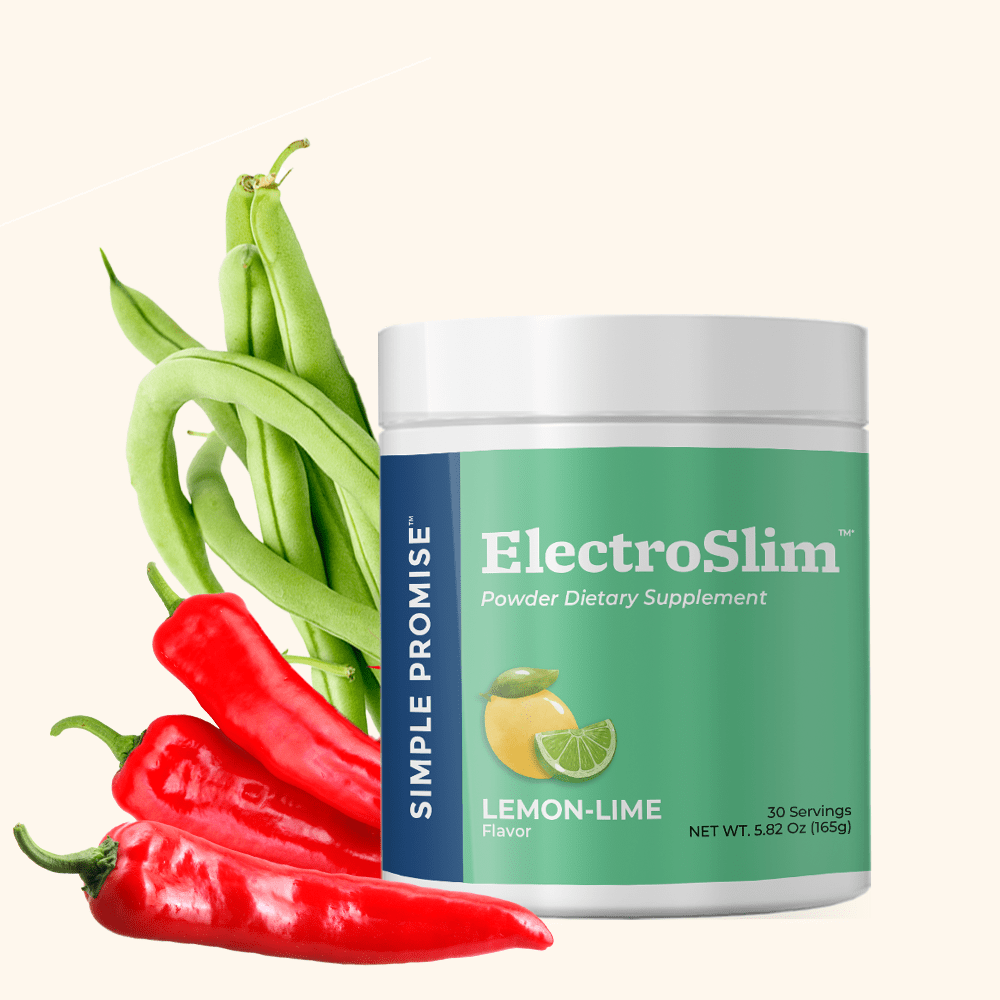
ElectroSlim

You Must Try ElectroSlim

  • This a refreshing and beneficial drink
  • ElectroSlim is an excellent option for those looking to support their weight management goals while staying hydrated.
  • It is sugar-free, a plus for many people looking to maintain a healthy lifestyle.
  • ElectroSlim provides key nutrients that are often lacking in our modern diets.

Instead of going for that glass of apple juice, consider reaching for the apple itself! Whole fruits come packed with fiber, which aids digestion and helps stave off those pesky cravings. Harvard Health Publishing notes that fiber helps improve satiety, meaning you feel fuller for longer, giving you the power to swat away unnecessary snacking like a calorie-conscious ninja warrior. Here’s a fun nugget: a medium apple not only contains about 4 grams of fiber but also takes more effort to chew, giving your brain enough time to register fullness before you end up in the “I can’t believe I ate the whole pie” dilemma.

“It’s not what you eat that kills you. It’s what you don’t digest.” — Josh Billings

Navigating weight loss foods nutrition effectively often means discerning between genuinely beneficial weight loss foods and those deceptive liquid calories frolicking as ‘healthy’ options. So, if you’re aiming for sustainable weight loss while concocting your personalized weight loss meal plan, remember: when it comes to fruit, chewing is way more satisfying than sipping!

The Misleading Halo of Low-Fat Labels

In the quest for the best weight loss diet, many stumble over the comforting embrace of low-fat labels. After all, the promise of low-fat yogurt or chips whispering sweet nothings about shedding pounds faster sounded like a dream! However, the reality is often sprinkled with a bit of a nutritional nightmare.

Here’s the catch: low-fat versions often wave goodbye to the fat only to welcome sugar and additives with open arms. Think of it this way—if they were a character in a sitcom, low-fat weight loss foods would be the sneaky neighbor who steals your Wi-Fi while promising to water your plants. These additives, including sugar, are primarily incorporated to enhance the taste that the absence of fat seems to steal away. Some low-fat foods contain up to 15% more sugar than their full-fat counterparts, which is as counterproductive to a diet for weight loss as running a marathon with the shoelaces tied together!

Experts suggest embracing whole foods and healthy fats as an effective weight loss alternative. Dr. David Ludwig, a nutrition expert at Harvard T.H. Chan School of Public Health, wisely advises,

“By choosing real foods, we can experience foods as they’re supposed to be—and be much more satisfied.”

Opt for avocados, nuts, and olive oil. These options support weight loss nutrition by making you feel satisfied and full, reducing the chances of reaching for that extra low-fat cookie. The shift from low-fat labels to whole fats is more than a diet strategy; it’s a paradigm of returning to nature’s intended nutrition, fostering sustainable weight loss rather than temporary fixes.

So, when you’re about to reach out for that low-fat weight loss foods miracle on the shelf, remember: sometimes, the real miracle is in the whole, wholesome choices you make!

weight loss foods

How to Choose Truly Effective Weight Loss Foods

Embarking on a weight loss journey can often feel like navigating a culinaryfield. With so many weight loss foods masquerading as the proverbial wolf in sheep’s clothing, it’s to focus on whole, minimally processed foods that are nutrient-rich. Ditch the fad diets and fake health foods—you know, the ones with labels longer than a Tolstoy novel—and center your weight loss program on truly effective weight loss foods. But what makes a food truly effective, you ask?

First, let’s set the record straight: effective weight loss foods don’t come with magic capes or secret potions. They offer a balanced mix of protein, healthy fats, and complex carbohydrates. Think grilled chicken, quinoa, and the daily avocado selfie on Instagram. These foods are like the superhero trio of the dieting world, fighting off those late-night chip cravings one calorie at a time.

Why is this balance so essential? Well, consider this: a research article published in the Journal of Nutrition highlighted that diets rich in whole foods decrease overall calorie intake by around 500 calories per day, compared to the consumption of ultra-processed alternatives. That’s a daily donut minus the guilt trip!

Additionally, here’s a fun fact: a high protein diet can boost metabolism by 20-30%, compared to 5-10% for carbs and 0-3% for fats (Healthline). So, upgrade your weight loss meal plan with legumes, tofu, or even the occasional lean steak—if moo-ing isn’t off your ethical menu.

It’s also worth noting that healthy fats are your friends. Yes, you heard that right—avocados, nuts, and olive oil deserve a starring role in your weight loss nutrition script. They help keep you full, satisfied, and less likely to dive headfirst into that communal bowl of office candy.

Finally, no “effective weight loss” guide would be complete without a nod to complex carbohydrates. These aren’t your average bread-in-a-hurry. Opt for sweet potatoes, oats, and whole grains to provide that slow-release energy you’ll need to tackle your diet plan for weight loss without feeling hangry (as in, “hungry + angry”). Albert Einstein put it best when he said,

“Life is like riding a bicycle. To keep your balance, you must keep moving.”

So, keep moving forward toward your weight loss goals by making informed food choices that nourish your body and spirit. Remember, the road to a successful, healthy weight loss diet is paved with whole foods, a sprinkle of humor, and the occasional avocado meme.

Understanding the hidden traps in seemingly weight loss foods is essential for successful weight management. By carefully selecting foods based on their nutritional value rather than misleading labels, you can craft a diet plan for weight loss that truly supports your weight loss goals.

The Top Reasons You Should Switch To A Healthy Diet!

Eating right is more than a trend—it’s a transformative lifestyle choice. A healthy diet typically includes:

  • Plenty of fruits and vegetables
  • Whole grains
  • Low-fat proteins
  • Dairy products

These components work together to nourish your body and mind. The importance of a healthy diet cannot be overstated. It offers numerous benefits, such as:

  • Improved physical health
  • Enhanced mental well-being
  • Reduced risk of chronic diseases

This post outlines the top reasons to switch to a healthy diet, helping you make informed choices that can improve your life.

However, maintaining a healthy lifestyle doesn’t mean giving up on your sweet cravings. With options like Keto desserts and Keto cookie dough bars, you can indulge without guilt.

Furthermore, adopting a specific dieting approach such as keto can lead to significant weight loss and improved health markers. But remember, incorporating fitness exercises into your routine can maximize the benefits of any diet, including keto.

1. Understanding the Components of a Healthy Diet

Definition and Components of a Balanced Diet

A balanced diet provides the nutrients your body needs to function effectively. It includes a variety of foods in the right proportions to maintain health, energy levels, and overall well-being. The essential components include:

  • Fruits and Vegetables
  • Whole Grains
  • Low-fat Proteins
  • Dairy Products
Healthy diet

Importance of Including Fruits and Vegetables in Daily Meals

Fruits and vegetables are the cornerstone of any healthy diet. Packed with vitamins, minerals, and antioxidants, they help protect against chronic diseases. Aim for at least five servings per day to reap these benefits.

Example: A breakfast smoothie with spinach and berries or a side salad with lunch.

Role of Whole Grains in Maintaining Energy Levels

Whole grains are unrefined grains that retain their bran, germ, and endosperm. This means they are high in fiber, which helps to maintain steady energy levels throughout the day by regulating blood sugar.

Examples: Oats, brown rice, quinoa, whole-wheat pasta.

Benefits of Low-fat Proteins and Dairy Products for Overall Health

Low-fat proteins like chicken, fish, beans, and legumes are essential for muscle repair and growth. They also help you feel fuller for longer periods. Dairy products provide calcium and vitamin D for bone health, but choosing low-fat options keeps your overall fat intake in check.

Examples: Grilled chicken breast, lentil soup, low-fat yogurt.

Incorporating elements like the smoothie diet or exploring options like the keto diet can also benefit those looking to maintain a healthy lifestyle while managing their weight effectively. For personalized advice on these diets or to explore more about them, consider reaching out through platforms that offer chat consultations. A well-rounded diet incorporating these elements forms the foundation for improved health and well-being.

2. Health Benefits of Adopting a Healthy Diet

Switching to a healthy diet offers numerous benefits beyond physical health.

Effective Weight Loss

A healthy diet aids in effective weight loss by providing your body with essential nutrients while avoiding excess calories and unhealthy fats. Incorporating more fruits, vegetables, whole grains, and lean proteins can help you feel fuller for longer, reducing the temptation to overeat. However, it’s important to note that not all diets are effective long-term. For instance, a one week smoothie diet may not be sufficient for lasting weight loss results.

Reducing Risks for Heart Disease, Cancer, and Diabetes

The connection between diet and reduction in risks for heart disease, cancer, and diabetes is well-documented.

  • Heart Disease: Consuming foods rich in omega-3 fatty acids (like fish) and fiber (found in whole grains) helps maintain good cholesterol levels and reduces the risk of cardiovascular issues.
  • Cancer: Antioxidant-rich foods such as berries, nuts, and green leafy vegetables can protect cells from damage that may lead to cancer.
  • Diabetes: A balanced diet low in sugar can help manage blood glucose levels, significantly lowering the risk of developing type 2 diabetes.

Improved Mood and Mental Health

Diet affects physical health as well as mood and mental health.

  • Nutrient-rich foods like fatty fish (rich in omega-3s), nuts, seeds, and dark chocolate have been shown to improve brain function.
  • Foods high in vitamins B6 and B12 can enhance mood regulation by supporting neurotransmitter functions.

Maintaining a healthy diet promotes emotional well-being by stabilizing blood sugar levels and reducing inflammation, which are linked to better mental health outcomes.

By focusing on these aspects of a healthy diet, you empower yourself to make choices that benefit your body and mind. However, it’s essential to remember that dieting can often come with its own set of challenges. Many people face diet regrets after embarking on a restrictive eating plan. Therefore, it’s crucial to choose a sustainable dietary approach that works for you. Exploring different options like the keto diet or other personalized meal plans could be beneficial in finding what suits your lifestyle best.

3. Nutritional Components That Matter in a Healthy Diet

Protein and Fiber: The Dynamic Duo

Protein is essential for building and repairing tissues, supporting immune function, and maintaining muscle mass. Including lean protein sources such as chicken, fish, beans, and tofu in your diet ensures you get the amino acids your body needs.

Fiber plays a crucial role in digestive health. Foods high in fiber, such as whole grains, fruits, and vegetables, help maintain fullness, which can aid in weight management. Fiber also helps control blood sugar levels by slowing the absorption of sugar into the bloodstream.

Antioxidants: Nature’s Defense Mechanism

Antioxidants are compounds that neutralize free radicals and harmful molecules that can damage cells and contribute to chronic diseases such as cancer and heart disease. Common antioxidants include:

Incorporating foods rich in antioxidants, such as berries, nuts, and leafy greens, into your diet can significantly bolster your body’s defense against illness.

For instance, you might enjoy making a Keto Blueberry Lemon Bread, which combines the health benefits of blueberries with a low-carb lifestyle.

Vitamin C: The Immunity Booster

Vitamin C is another powerful antioxidant with specific benefits for immunity and skin health. This vitamin enhances the production of white blood cells, vital for fighting infections. Moreover, Vitamin C aids in collagen production, contributing to healthier skin.

Some excellent sources of Vitamin C include:

  • Oranges
  • Strawberries
  • Bell peppers

Ensuring you receive ample amounts of these nutritional components daily sets a strong foundation for a healthy diet that supports long-term wellness. Furthermore, exploring different dietary approaches, such as the Dukan Diet or adopting a low-carb lifestyle, can offer additional health benefits and aid in weight loss while allowing you to enjoy delicious meals like Keto main dishes.

4. Making Healthy Food Choices daily

Guidelines for Selecting Low-Fat Options

Low-fat foods can help reduce your risk of chronic diseases and support weight management. Look for:

  • Lean meats such as chicken breast, turkey, and fish.
  • Low-fat dairy products like skim milk, low-fat cheese, and yogurt.
  • Cooking methods require less oil, such as grilling, steaming, or baking.

Strategies to Choose Low-Sugar Foods to Avoid Energy Crashes

A diet high in sugar can lead to energy spikes and crashes. To maintain steady energy levels:

  1. Opt for fresh fruits instead of sugary snacks or desserts.
  2. Choose whole grains over refined grains; whole grains release sugar more slowly into the bloodstream.
  3. Read labels to avoid added sugars in foods like sauces, cereals, and drinks.

Understanding Carbohydrates and Glycemic Index for Better Choices

Carbohydrates are essential, but not all carbs are created equal. The glycemic index (GI) measures how quickly foods raise blood sugar levels:

  • Low-GI foods provide sustained energy, like lentils, beans, quinoa, and most vegetables.
  • High-GI foods, such as white bread, sugary cereals, and potatoes, can cause rapid spikes in blood sugar.

Balancing your carbohydrate intake with low-GI options can help maintain stable blood sugar levels. For those struggling with carb cravings, consider exploring this ultimate friendly food guide, which offers delicious low-carb food options.

Importance of Portion Control in Meal Planning

Portion control is crucial for a balanced diet. It ensures you consume appropriate amounts of each food group without overeating:

  • Use smaller plates to naturally limit portion sizes.
  • Follow the “plate method”: half your plate with vegetables, a quarter with lean protein, and the remaining quarter with whole grains.
  • Be mindful of serving sizes indicated on food labels to avoid unintended overeating.

Making conscious food choices daily involves understanding what you’re eating and how it affects your body. By selecting low-fat options, reducing sugar intake, choosing the right types of carbohydrates (perhaps even considering a Keto diet), and controlling portions based on insights from a detailed discussion with a dietician, you set yourself up for a healthier lifestyle. Additionally, here are 10 ways for weight loss motivation that might inspire you along this journey.

5. Cooking Methods That Preserve Nutrients and Flavor

Adopting healthy cooking methods is essential for preserving the nutrients in your food while enhancing its flavor. Here are some effective techniques:

  • Steaming: This method uses steam to cook food, retaining vitamins and minerals that might be lost in other cooking processes. It is perfect for vegetables, fish, and even certain grains.
  • Grilling: Grilling adds a smoky flavor without requiring excessive oil. It’s ideal for meats, vegetables, and fruits, providing a delicious and nutritious meal.
  • Sautéing: Lightly frying food in a small amount of healthy fat, like olive oil, helps maintain the nutritional value of ingredients. Combine with natural herbs for weight loss and spices for added flavor without extra calories.
  • Baking: Baking is versatile and can be used for meats, vegetables, and whole grains. It allows even cooking while preserving nutrients.
  • Poaching: Cooking food gently in water or broth at a low temperature keeps it tender and nutrient-rich. Best for eggs, fish, and chicken.

Using these methods ensures that your meals are tasty and packed with essential nutrients. If you want to align these cooking methods with a specific dietary plan like keto, consider exploring these effortless keto cooking secrets that seamlessly fit your busy schedule.

6. Overcoming Common Challenges to Healthy Eating Habits

Identifying Common Pitfalls

Healthy eating can sometimes feel challenging, especially with the lure of processed foods and fast food options. These foods are often convenient and tasty but can harm your health due to their high content of unhealthy fats, sugars, and preservatives.

Here are some common pitfalls to watch out for:

  • Processed Foods: These often contain added sugars, unhealthy fats, and artificial ingredients that can contribute to weight gain and other health issues. Examples include packaged snacks, sugary cereals, and frozen meals.
  • Fast Food Consumption is typically high in calories, saturated fats, and sodium. Regular consumption can lead to increased risks of obesity, heart disease, and diabetes.

Understanding the Impact of High Sodium Intake

Sodium is a necessary mineral for our bodies, but consuming it in excess can have serious health implications. Many processed and fast foods contain high levels of sodium.

Here’s how high sodium intake can affect your health:

  1. Blood Pressure: High sodium intake is linked to elevated blood pressure, which increases the risk of heart disease and stroke.
  2. Kidney Health: Excessive sodium can strain the kidneys, leading to potential kidney disease.

To combat these pitfalls:

  • Opt for fresh fruits and vegetables instead of packaged snacks.
  • Choose whole grains over refined grains.
  • Look for low-sodium options when grocery shopping.

Utilizing tools like a Carb Manager can also help you track your carbohydrate intake and manage your health goals more effectively.

By being mindful of these common challenges and making informed choices, achieving a healthy diet becomes much more manageable.

7. Long-term Benefits of Maintaining a Healthy Diet

Building sustainable eating habits can transform your life in ways that go beyond just physical health.

1. Consistency and Longevity

Adopting a healthy diet isn’t about quick fixes; it’s about creating habits you can maintain over the long term. This means choosing nutrient-dense foods you enjoy and can incorporate into your daily routine.

2. Enhanced Quality of Life

When you eat well, you feel well. A balanced diet provides the necessary nutrients that keep your body functioning optimally, leading to increased energy levels, better sleep, and improved mental clarity.

3. Prevention of Chronic Diseases

Long-term adherence to healthy eating habits significantly reduces the risk of chronic diseases such as heart disease, diabetes, and certain cancers. This proactive approach to nutrition acts as a preventive measure against these conditions.

4. Financial Savings

A healthy diet can save money on healthcare costs in the long run. Preventive health through nutrition diminishes the need for medical treatments for poor dietary choices.

Healthy eating is a temporary change and a lifelong commitment to improving your overall well-being.

Conclusion

Understanding the importance of a healthy diet can change your life in many ways. Small changes can lead to big improvements over time.

  • Start simple: Include more fruits and vegetables in your meals.
  • Stay hydrated: Drink plenty of water every day.
  • Mindful choices: Choose whole grains and lean proteins.

Remember, each step towards healthier eating habits brings you closer to a happier, healthier you. The journey may be slow, but the benefits are deep and long-lasting. Keep making those positive changes—you can do it!

Healthy Diet

What are the Risks of the Vegan Diet?

While vegan diets offer numerous health benefits, they also have risks that need careful management. One major concern is the potential for nutrient deficiencies. Vegan diets can sometimes lack adequate amounts of vitamin B12, iron, calcium, omega-3 fatty acids, and certain amino acids. Vitamin B12 is especially critical as it is primarily found in animal products, and its deficiency can lead to anemia and neurological issues.

Another issue is the intake of ultra-processed plant-based foods. Although these foods are free from animal products, they are often high in unhealthy additives, sugars, and fats, which can increase the risk of cardiovascular disease and early death. Ultraprocessed plant-based foods, such as certain packaged snacks and plant-based meat alternatives, have been linked to a rise in bad cholesterol and hypertension.

Additionally, not all plant-based diets are automatically healthful. Poorly planned vegan diets may result in a higher intake of refined grains and sugars, which could negate the potential benefits and increase the risks of metabolic diseases. It’s essential for individuals following a vegan diet to ensure they have a balanced intake of nutrients, potentially through fortified foods or supplements, and to focus on whole, minimally processed foods to mitigate these risks.

How to add amino acids to a vegan diet?

Incorporating a complete range of amino acids into a vegan diet involves eating various plant-based foods that collectively provide all nine essential amino acids. Here are several strategies:

  1. Consume Complete Protein Sources: Some plant-based foods are complete proteins, meaning they contain all nine essential amino acids. Examples include:
  • Quinoa: Quinoa contains all nine essential amino acids and is rich in fiber, iron, and magnesium.
  • Soy Products: Tofu, tempeh, and edamame are excellent sources of complete protein.
  • Buckwheat: Despite its name, buckwheat is not related to wheat and is a complete protein source.
  • Hemp Seeds: Although low in lysine, hemp seeds offer significant amounts of other essential amino acids.
  1. Combine Different Plant Foods: By eating a variety of plant foods throughout the day, you can ensure you get all the essential amino acids. Some effective combinations include:
  • Rice and Beans: Beans are rich in lysine but low in methionine, while rice is the opposite. When eaten together, they are a complete protein.
  • Hummus and Pita Bread: The combination of chickpeas, which are high in lysine, with wheat, which is low in lysine, provides a complete amino acid profile.
  • Peanut Butter Sandwiches: Combining peanuts with whole wheat bread ensures you get all essential amino acids.
  1. Include Nuts and Seeds: Many nuts and seeds, such as chia seeds, flax seeds, and almonds, contribute to the amino acid content in your diet. While they might not individually provide all the essential amino acids, they are valuable when combined with other plant-based foods.
  2. Utilize Fortified Foods and Supplements: If it’s challenging to get sufficient amino acids from whole foods alone, consider using fortified foods such as plant-based milk and cereals or supplements to help meet your nutritional needs. Nutritional yeast is another great addition as it is protein-rich and provides various B vitamins.

By incorporating these strategies, individuals following a vegan diet can successfully obtain all the essential amino acids needed for optimal health.

Vegan Diet

What are metabolic diseases in the vegan diet world?

Metabolic diseases in the context of vegan diets generally refer to conditions affecting metabolic processes, such as metabolic syndrome (MetS), cardiovascular diseases, type 2 diabetes, and other related chronic non-communicable diseases. Here’s a detailed look at how these conditions interact with vegan diets:

  1. Metabolic Syndrome (MetS): MetS is a cluster of conditions, including increased blood pressure, high blood sugar, excess body fat around the waist, and abnormal cholesterol or triglyceride levels. Research suggests that a vegan diet can help reduce the risk of metabolic syndrome. This is largely attributed to the diet’s high fiber content, vitamins, minerals, and antioxidants, as well as its lower caloric density and absence of harmful fats and cholesterol.
  2. Cardiovascular Diseases: Vegan diets may lower the risk of cardiovascular diseases due to their impact on lipid profiles. Studies have shown that vegans often have lower total and LDL (bad) cholesterol levels. A low-carbohydrate vegan diet, in particular, has been associated with significant decreases in lipid levels, thereby reducing the risk factors for heart disease.
  3. Type 2 Diabetes: Vegan diets can contribute to better glycemic control and reduce the risk of developing type 2 diabetes. This effect is partly due to the diet’s high fiber content, which improves insulin sensitivity and helps manage blood sugar levels. In addition, plant-based diets are typically lower in saturated fats and refined sugars, which are risk factors for type 2 diabetes.
  4. Inflammatory Diseases: Chronic inflammation contributes to metabolic diseases, and vegan diets can lower levels of inflammatory biomarkers. This reduction in inflammation can potentially lower the risk of various chronic diseases, including those that affect metabolic health.
  5. Weight Management: Maintaining a healthy weight is crucial for metabolic health. Vegan diets, especially those rich in whole grains, legumes, fruits, and vegetables, tend to promote weight loss and maintenance due to their higher fiber content and lower energy density. Effective weight management helps mitigate the risk of many metabolic diseases.

Overall, while vegan diets show promise in reducing the risk of various metabolic diseases, they must be well-planned to ensure nutritional adequacy and avoid potential nutrient deficiencies. This can be managed through a diverse diet and, where necessary, using fortified foods or supplements.

Can the Vegan diet be considered an extreme diet?

The characterization of a vegan diet as “extreme” largely depends on the context and perspective from which one views dietary choices. Here are some factors to consider:

Perspective on Extremity:

  1. Cultural and Social Norms:
  • In societies where animal products are a significant part of the traditional diet, adopting a vegan diet might be seen as a drastic departure from the norm. This cultural aspect can influence perceptions of extremity.
  • Conversely, a vegan diet might be perceived as mainstream or even preferred in communities where plant-based diets are common or valued.
  1. Nutritional Adequacy:
  • Some might view a vegan diet as extreme due to the careful planning required to meet all nutritional needs, particularly for nutrients typically found in animal products (e.g., vitamin B12, iron, calcium, omega-3 fatty acids). However, with proper planning and knowledge, these can be adequately sourced from plant-based foods or supplements.

Health Perspective:

  1. Health Benefits:
  • A well-balanced vegan diet can offer numerous health benefits, including reduced risks of chronic diseases such as heart disease, diabetes, and certain cancers. Its emphasis on fruits, vegetables, whole grains, legumes, nuts, and seeds aligns well with many established dietary guidelines to promote health.
  1. Potential Nutrient Deficiencies:
  • If not properly managed, a vegan diet can lead to deficiencies in certain nutrients, which requires heightened attention to diet planning or supplementation. Some might see this requirement for vigilance as extreme, while others see it as a reasonable and manageable aspect of a healthy lifestyle.

Ethical and Environmental Considerations:

  1. Ethical Stance:
  • For many, veganism is rooted in ethical considerations related to animal rights and welfare. By choosing not to consume or use animal products, vegans are taking a strong ethical stance, which can be seen as extreme by those who do not share the same values.
  1. Environmental Impact:
  • From an environmental perspective, vegan diets are often lauded for being more sustainable and less resource-intensive than diets high in animal products. The environmental argument might be seen as a rational and necessary approach in the context of climate change and environmental preservation.

Practicality and Accessibility:

  1. Practicality:
  • The practicality of following a vegan diet can vary greatly depending on one’s location, economic status, and access to various plant-based foods. Maintaining a vegan diet might feel more challenging and, thus, more extreme in areas with limited or expensive plant-based options.
  1. Availability of Vegan Products:
  • The rise in availability and popularity of plant-based alternatives has made veganism accessible and less “extreme” for many. The growing market for plant-based products helps mitigate some of the challenges of adopting a vegan lifestyle.

Conclusion:

Whether a vegan diet is considered extreme or not can be subjective and depends on various factors, including cultural norms, nutritional awareness, ethical beliefs, and practical considerations. What might seem extreme to one person could be a balanced and normative choice for another. It’s essential to view dietary choices in a broader context, recognizing the motivations, benefits, and challenges associated with each.

Is the Vegan diet for everyone?

While a vegan diet can offer many health benefits and is suitable for various individuals, it may not be the best choice for everyone due to various factors, including age, health conditions, nutritional needs, and lifestyle preferences. Here is a nuanced look at who might thrive on a vegan diet and who might face challenges:

Vegan Diet

Who Might Thrive on a Vegan Diet:

  1. Healthy Adults:
  • Many healthy adults can thrive on a well-planned vegan diet that includes a variety of foods to ensure adequate nutrient intake. This group often benefits from the high fiber intake, vitamins, and phytonutrients and the reduced intake of saturated fats.
  1. Individuals with Certain Health Conditions:
  • Some individuals with heart disease, high blood pressure, type 2 diabetes, and obesity may find a vegan diet beneficial. Research suggests that plant-based diets can improve lipid profiles, blood sugar control, and body weight, reducing the risk factors for these conditions.
  1. Ethical and Environmental Advocates:
  • Those who are motivated by ethical concerns about animal welfare or the environmental impact of animal agriculture might find a vegan diet aligns well with their values and principles.

Who Might Face Challenges on a Vegan Diet:

  1. Children and Adolescents:
  • Young children and teenagers have higher nutritional requirements for growth and development. While a vegan diet can be healthy at this stage, it requires careful planning to ensure adequate intake of critical nutrients such as protein, iron, calcium, vitamin B12, and omega-3 fatty acids. Parents and caregivers should work with healthcare providers to monitor and supplement as needed.
  1. Pregnant and Breastfeeding Women:
  • Nutrient needs are increased during pregnancy and breastfeeding, and a vegan diet must be meticulously planned to ensure sufficient iron, vitamin B12, DHA (a type of omega-3 fatty acid), protein, and other essential nutrients. Professional guidance is often recommended to avoid mother and child deficiencies.
  1. Individuals with Certain Medical Conditions:
  • People with specific medical conditions, such as certain digestive disorders or allergies to common vegan protein sources (e.g., soy, nuts), might find it challenging to get adequate nutrition from a vegan diet. Tailored supplementation and dietary adjustments are necessary in such cases.
  1. Elderly Individuals:
  • Older adults may have increased requirements for certain nutrients, like protein and vitamin B12, and may face challenges related to reduced appetite and absorption efficiency. Careful planning and possibly supplementation can help them meet their nutritional needs.
  1. Athletes:
  • Athletes require higher energy and protein requirements and need to pay special attention to obtaining sufficient calories, protein, and micronutrients to support their intense physical activity. While many athletes thrive on vegan diets, they require careful meal planning and sometimes supplementation to ensure optimal performance and recovery.

Key Considerations:

  1. Nutrient Adequacy:
  • Regardless of the group, individuals following a vegan diet should be mindful of potential nutrient deficiencies, particularly vitamin B12, iron, calcium, zinc, omega-3 fatty acids, and vitamin D. Regular monitoring, blood tests, and supplementation, where necessary, are important to maintain health.
  1. Individual Preferences and Needs:
  • Personal preferences, lifestyle, and specific health needs play significant roles in determining the suitability of a vegan diet. Some may find it easier to adhere to and enjoy this lifestyle, while others might struggle with the restrictions.
  1. Professional Guidance:
  • Consulting with healthcare providers, nutritionists, or dietitians can provide personalized advice and help plan a balanced vegan diet suitable for individual needs.

In conclusion, while the vegan diet can be healthy and beneficial for many, it is not necessarily suitable for everyone. Personalized planning and professional guidance are crucial in ensuring they meet the nutritional requirements and health goals of different individuals.

The Best Diet to Lose Weight Fast: A Complete Guide

Introduction to The Best Diet to Lose Weight Fast

Many people share a common desire to lose weight quickly. The role of diet in achieving rapid weight loss cannot be overstated. However, finding a diet that promotes fast weight loss and is safe and sustainable in the long run is essential.

Why Safety Matters

While rapid weight loss can be appealing, it is crucial to ensure your chosen approach is safe. Diets that drastically cut calories or eliminate entire food groups might yield quick results but can lead to nutrient deficiencies and other health issues.

Diets We’ll Cover

In this guide about the best diet to Lose weight fast, we will explore various diets and approaches aimed at fast weight loss:

  • Very Low-Calorie Diets (VLCDs)
  • Low-Calorie Diets (LCDs)
  • Intermittent Fasting
  • Time-Restricted Eating

Each method has its own benefits and considerations. Understanding them will empower you to make informed choices about the best diet for losing weight fast while maintaining your health.

For those on high-fat, low-carb diets like Keto, incorporating Keto Chocolate Smoothie recipes into your meal plan can make your diet more enjoyable and sustainable. These recipes are specifically designed for individuals following a high-fat, low-carb diet like Keto and can serve as a delicious meal option.

Additionally, if you’re considering the Keto diet, it’s important to understand the benefits of ketosis. Ketosis is a metabolic state in which the body uses fat as its primary source of fuel instead of carbohydrates. Exploring the benefits of ketosis will help you determine if this approach aligns with your goals.

Furthermore, we cannot ignore the impact of chemicals on our food supply. The side effects of chemicals in food have become a prevalent issue in today’s society. From pesticides and herbicides to preservatives and additives, these substances can have detrimental effects on our health. Understanding these side effects will enable you to make informed choices about the foods you consume.

Incorporating fitness exercises while on Keto can further enhance your weight loss journey. While the keto diet leads to significant weight loss and improved health markers, incorporating fitness exercises into this lifestyle can maximize its benefits.

For those on low-carb diets, finding the perfect low-carb sweetener is crucial. Many low-carb sweeteners have a minimal glycemic impact and can still satisfy your sweet tooth without derailing your diet.

Lastly, understanding how a BMI calculator works is essential when embarking on a weight loss journey. BMI stands for Body Mass Index and is based on body fat compared to height and weight measurements. Utilizing a BMI calculator can help you track your progress accurately.

Explore the specifics of the best diet to Lose weight fast in the sections that follow to find the best fit for your lifestyle and goals.

Best Diet to Lose Weight Fast

1. Very Low-Calorie Diets (VLCDs) and Low-Calorie Diets (LCDs)

What are VLCDs, and How Do They Promote Rapid Weight Loss?

A very low-calorie diet (VLCD) is a medically supervised eating plan designed to help individuals achieve rapid weight loss. Typically, these diets restrict daily caloric intake to between 800 and 1,200 calories. By drastically reducing calorie consumption, the body is forced to draw on its fat reserves for energy, leading to significant weight loss.

Potential Health Risks of VLCDs

While VLCDs can be effective for quick weight loss, they come with potential health risks:

  1. Nutritional Deficiencies: Extreme calorie restriction can lead to insufficient intake of essential nutrients.
  2. Muscle Loss: Without adequate protein, the body may break down muscle tissue for energy.
  3. Metabolism Slowdown: Prolonged low-calorie intake can slow metabolic rate, hindering future weight maintenance.
  4. Gallstones: Rapid weight loss increases the risk of developing gallstones.

To mitigate these risks, it’s crucial that VLCDs are followed under medical supervision.

Recommendations for Caloric Intake and Nutritional Adequacy in VLCDs

For those considering a very low-calorie diet, it’s essential to ensure nutritional adequacy even with restricted calories. Here are some recommendations:

  1. Daily Caloric Intake: Aim for 800-1,200 calories per day.
  2. Protein Intake: To preserve muscle mass, include high-quality protein sources like lean meats, fish, eggs, and plant-based proteins.
  3. Vitamins and Minerals: Incorporate a variety of fruits and vegetables within the calorie limit or consider supplements as advised by a healthcare provider.
  4. Hydration: Drink plenty of water to stay hydrated and support overall health.

Overview of Low-Calorie Diets (LCDs)

A low-calorie diet (LCD) is a less extreme approach compared to VLCDs but still promotes effective weight loss. Typically, an LCD involves consuming between 1,200 and 1,500 calories per day. This moderate restriction allows for more balanced nutrition while still creating a calorie deficit necessary for weight loss.

Benefits of LCDs:

  • Easier to maintain over a longer period compared to VLCDs
  • Reduced risk of nutritional deficiencies
  • More flexibility in food choices

Recommended Caloric Restrictions for LCDs

Implementing an effective low-calorie best diet to Lose weight fast requires striking a balance between reducing caloric intake and meeting nutritional needs. Here are some guidelines:

  1. Daily Caloric Intake: Aim for 1,200-1,500 calories per day, depending on individual needs and activity levels.
  • Diet Composition:Proteins: Ensure sufficient intake through lean meats, legumes, dairy products
  • Fats: Focus on healthy fats like avocados, nuts, olive oil
  • Carbohydrates: Prioritize complex carbs such as whole grains, fruits, vegetables
  • Meal Planning Tips: Plan meals ahead to avoid impulsive eating
  • Include a variety of nutrient-dense foods to cover all essential vitamins and minerals
  • Opt for whole foods over processed snacks, which can add unnecessary calories without nutritional benefits

Balancing caloric intake while maintaining adequate nutrient levels ensures that both VLCDs and LCDs can be implemented safely.

Best Diet to Lose Weight Fast

2. Harnessing the Power of Intermittent Fasting and Time-Restricted Eating for Weight Loss

Understanding Intermittent Fasting

Intermittent fasting is an eating pattern that cycles between periods of fasting and eating. It doesn’t prescribe specific foods but focuses on when you should eat them. This approach can facilitate weight loss by altering hormone levels and promoting calorie restriction.

How It Works:

  • Hormone Regulation: Insulin levels drop significantly during fasting, facilitating fat burning. Simultaneously, growth hormone levels increase, aiding muscle gain and fat loss.
  • Calorie Restriction: By limiting the eating window, intermittent fasting naturally reduces overall calorie intake without deliberate effort.

Popular Methods of Intermittent Fasting

There are various intermittent fasting methods, each with unique eating patterns and potential effectiveness:

16/8 Protocol

This method involves 16 hours of fasting followed by an 8-hour eating window. For example, you might eat between 12 PM to 8 PM and fast from 8 PM to 12 PM the next day.

Key Benefits:

  • Easier to adhere to as it aligns with typical meal times.
  • Promotes consistent calorie deficit while allowing substantial meals within the eating window.

Alternate-Day Fasting

Alternate-day fasting involves alternating between a day of normal eating and a day of reduced calorie intake (around 500 calories).

Key Benefits:

  • Significant calorie reduction over time.
  • It may be more sustainable for some individuals compared to continuous daily fasting.

The Role of Time-Restricted Eating in Weight Management

Time-restricted eating (TRE) narrows the daily eating period to a specific timeframe, usually aligning with the body’s circadian rhythm. Typically, this means consuming all meals within an 8-12 hour window during daylight hours.

Benefits of TRE:

  1. Improved Metabolic Health: Aligning food intake with the body’s natural rhythms can enhance metabolic processes.
  2. Weight Management: Reduces late-night snacking and mindless eating, contributing to weight control.
  3. Digestive Health: Provides the digestive system ample time to rest and recover.

Incorporating Healthy Meal Replacements into Intermittent Fasting

Meal replacements can simplify intermittent fasting routines by ensuring balanced nutrition and convenience.

Tips for Healthy Meal Replacements:

  1. Nutrient-Dense Options: Choose options rich in protein, fiber, vitamins, and minerals to keep you full longer and support overall health.
  2. Smoothies: Consider nutrient-packed smoothies that are easy to prepare and customize according to your dietary needs. Explore the benefits of incorporating a smoothie diet into your intermittent fasting routine.
  3. Pre-Packaged Shakes: Opt for high-quality pre-packaged shakes designed for meal replacement, ensuring they are low in added sugars and artificial ingredients.

Incorporating these strategies into your intermittent fasting routine can help maintain a balanced diet while promoting effective weight loss. For more insights on diet benefits, unveil them here.

Maintaining a focus on nutrient-rich foods ensures sustained energy levels during fasting periods, supporting both short-term weight loss goals and long-term health benefits. Transitioning smoothly from restrictive diets like Very Low-Calorie

Nutrient-Dense Foods

3. Nurturing Your Body with Nutrient-Dense Foods

The Importance of Nutritious Eating for Weight Loss

Maintaining a diet rich in nutrient-dense foods is crucial for both quick and sustainable weight loss. Nutritious eating ensures that your body receives the necessary vitamins, minerals, and other nutrients it needs to function optimally. A balanced diet can:

  • Boost energy levels
  • Improve overall health
  • Enhance mental clarity
  • Support muscle growth and repair

Focusing on nutrient-dense foods creates a strong foundation for achieving your weight loss goals without compromising your health.

Metabolism: Myths and Facts

Metabolism plays a crucial role in weight loss, influencing how your body burns calories. However, there are many myths surrounding metabolism:

  • Myth: Fast metabolism means you can eat anything without gaining weight.
  • Fact: While some people have naturally faster metabolisms, everyone must balance calorie intake with physical activity.
  • Myth: Eating late at night slows down metabolism.
  • Fact: Total daily calorie intake and expenditure matter more than meal timing.

Understanding these facts helps you make informed choices about your diet and activities.

The Concept of ‘Calories In, Calories Out’

The principle of ‘calories in, calories out’ (CICO) is fundamental to weight loss. This concept revolves around creating a calorie deficit, where you consume fewer calories than your body needs to maintain its current weight.

Key Points:

  1. Calorie Deficit: Aim for a daily deficit of 500-1000 calories to lose weight.
  2. Exercise: Incorporating physical activity can help increase your calorie burn.
  3. Tracking: Use apps or journals to monitor your intake and expenditure.

Remember, the quality of calories also matters; prioritize nutrient-dense foods over empty-calorie options.

Cutting Calories Without Compromising Nutrition

Reducing calorie intake doesn’t mean sacrificing essential nutrients. Here are strategies to cut calories while maintaining nutritional adequacy:

  • Prioritize Whole Foods: Choose fruits, vegetables, lean proteins, and whole grains over processed snacks.
  • Portion Control: Be mindful of portion sizes to avoid overeating.
  • Healthy Swaps: Replace high-calorie ingredients with lower-calorie alternatives (e.g., Greek yogurt instead of sour cream).
  • Hydration: Drink water before meals to help control appetite.

These tips help ensure you’re getting the nutrients you need while working towards your weight loss goals.

Building a Healthy Eating Plan

A well-rounded eating plan includes adequate protein sources, unsaturated fats, and fiber-rich foods:

Protein Sources

Protein is vital for muscle repair and satiety:

  • Lean meats (chicken breast, turkey)
  • Plant-based proteins (beans, lentils)

Unsaturated Fats

Healthy fats support brain function and hormone production:

  • Avocados
  • Nuts and seeds
  • Olive oil

Fiber-Rich Foods

Fiber aids digestion and keeps you feeling full longer:

  • Vegetables (broccoli, spinach)
  • Fruits (berries, apples)
  • Whole grains (oats, quinoa)

Creating a balanced meal plan that incorporates these elements can help you achieve lasting weight loss while supporting overall health.

4. Sustaining Weight Loss Results Through Lifestyle Factors

The Crucial Role of Long-Term Lifestyle Changes

Achieving weight loss is just one part of the journey; maintaining it requires long-term lifestyle changes. One key factor in this process is regular physical activity . Exercise helps burn calories and boosts your metabolism, making it easier to sustain weight loss. Activities like walking, jogging, swimming, or even dancing can be enjoyable ways to stay active.

  • Regular exercise helps improve cardiovascular health
  • Strength training builds muscle mass, which increases basal metabolic rate
  • Incorporating variety in workouts prevents boredom and keeps you engaged

Staying Motivated on Your Weight Loss Journey

Staying motivated during the ups and downs of a weight loss journey can be challenging. Setting realistic goals and seeking support from friends, family, or a community can make a significant difference. For teenagers looking to lose weight, it’s important to note that their bodies are still developing and may require specific guidance tailored to their needs. The CDC and the NIH offer valuable resources for teenagers aiming for weight management.

Practical Tips for Staying Motivated:

  1. Set Realistic Goals: Break down your ultimate goal into smaller, manageable milestones.
  2. Track Your Progress: Use a journal or an app to monitor your achievements and setbacks.
  3. Celebrate Small Wins: Reward yourself for reaching mini-goals with non-food treats.
  4. Seek Support: Join a support group or find a workout buddy to stay accountable.
  5. Stay Positive: Focus on the benefits you’re gaining rather than your sacrifices.

The Often Overlooked Role of Quality Sleep

Quality sleep plays a crucial role in weight management, yet it’s often overlooked. Poor sleep can disrupt hormones that regulate hunger and appetite, leading to increased cravings and potential weight gain.

Prioritizing Healthy Sleep Habits:

  • Establish a Routine: Go to bed and wake up at the same time every day.
  • Create a Sleep-Friendly Environment: Keep your bedroom dark, cool, and quiet.
  • Limit Screen Time Before Bed: Reduce exposure to blue light from phones and computers.
  • Practice Relaxation Techniques: Consider meditation or reading to unwind before bedtime.
  • Avoid Stimulants: Limit caffeine and alcohol intake in the evening.

By focusing on long-term lifestyle changes such as regular physical activity, staying motivated through support systems (especially for teenagers who can benefit from tailored resources), and prioritizing quality sleep, you can maintain your weight loss success effectively.

Seek Professional Guidance and Listen to Your Body

Consult with a Healthcare Professional

Beginning any best diet to Lose weight fast, especially extreme diets or fasting regimens, requires careful consideration. Professional guidance from a healthcare provider or registered dietitian is crucial. These experts can:

  • Assess your individual health needs.
  • Tailor dietary recommendations to fit your lifestyle.
  • Monitor your progress and make necessary adjustments.

An individualized approach ensures that your weight loss plan is effective and safe.

Heed Your Body’s Signals

Listening to your body’s needs is paramount. Rapid weight loss should never come at the expense of overall well-being. Sustainable and gradual weight loss is the key to long-term health.

Incorporate these practices into your routine for a balanced approach to weight management:

  1. Regularly consult with professionals.
  2. Stay attuned to how your body responds to dietary changes.
  3. Prioritize well-being over speed in achieving weight loss goals.

Remember:Your body knows best. Pay attention to signals like fatigue, hunger, and emotional changes.

Integrating professional advice and listening to your body’s cues enables you to navigate your weight loss journey effectively and safely.

Conclusion

Achieving your weight loss goals quickly and safely is a delicate balance. Rapid weight loss can offer benefits, especially for certain health conditions, but adopting a method that prioritizes your overall well-being is crucial. Combining elements from Very Low-Calorie Diets (VLCDs), Low-Calorie Diets (LCDs), Intermittent Fasting, and Time-Restricted Eating under professional supervision ensures a balanced approach.

Key Takeaways:

  • Speed and Safety: Rapid weight loss methods can be effective but should always be approached with caution.
  • Professional Guidance: Consulting healthcare professionals or registered dietitians can provide individualized guidance.
  • Combining Methods: Integrating various diets can yield better results when done correctly.

Resources for Your Journey:

Prioritize a diet plan that suits your lifestyle and body’s needs. Gradual yet consistent efforts pave the way for sustainable weight loss, ensuring long-term health and vitality.

FAQs (Frequently Asked Questions)

What are Very Low-Calorie Diets (VLCDs), and how do they promote rapid weight loss?

VLCDs are diets severely restricting calorie intake, typically 800 calories or less per day. They promote rapid weight loss by creating a significant calorie deficit, forcing the body to use stored fat for energy.

What potential health risks are associated with Very Low-Calorie Diets (VLCDs)?

Some potential health risks of VLCDs include nutrient deficiencies, gallstones, heart problems, and fatigue. It’s important to consult with a healthcare professional before starting a VLCD.

What is the recommended caloric intake for Very Low-Calorie Diets (VLCDs), and how can nutritional adequacy be ensured?

The recommended caloric intake for VLCDs is usually around 800 calories per day. To ensure nutritional adequacy, it’s crucial to incorporate nutrient-dense foods and possibly take dietary supplements under the guidance of a healthcare professional.

What is the difference between Very Low-Calorie Diets (VLCDs) and Low-Calorie Diets (LCDs)?

VLCDs severely restrict calorie intake to promote rapid weight loss, typically providing 800 calories or less per day. On the other hand, LCDs are less extreme and generally provide more calories while still promoting weight loss through a calorie deficit.

How can one strike a balance between weight loss and nutrient needs on a Low-Calorie Diet (LCD)?

To strike a balance on an LCD, focusing on nutrient-dense foods, prioritizing whole foods over processed snacks, and possibly consulting with a registered dietitian to create a well-rounded meal plan is important.

How does intermittent fasting facilitate weight loss?

Intermittent fasting facilitates weight loss by inducing changes in hormone levels and promoting calorie restriction. This can lead to increased fat-burning and improved metabolic health.

The Ultimate Guide to the Carnivore Diet: Benefits, Risks, and More

The carnivore diet has gained immense popularity, attracting a significant number of individuals with its potential health benefits. This eating plan primarily revolves around the consumption of animal products while completely excluding any plant-based foods. Supporters of the carnivore diet claim to have experienced remarkable improvements in various aspects of their health, such as weight loss and enhanced mental focus.

However, this diet also has its critics. Health professionals often express concerns about potential nutrient deficiencies, negative effects on heart health, and the long-term sustainability of following such a restrictive eating regimen. Examining the carnivore diet from multiple perspectives is crucial, especially with such divergent opinions.

In this article, we will delve into the advantages and disadvantages of the carnivore diet using scientific research and expert viewpoints. We will explore the following topics:

  1. The fundamental principles behind the diet.
  2. Debates and opposing views on how it should be followed.
  3. Possible benefits include weight loss and reduced inflammation.
  4. Risks such as inadequate nutrient intake and its impact on gut health.

Our objective is to provide you with a comprehensive understanding of the carnivore diet so that you can make informed choices about your own eating habits. If you’re interested in other types of diets or weight loss methods, you might want to check out these resources on unlocking secrets to effortless keto cooking or exploring effective ways to lose belly fat. Additionally, if you’ve ever wondered about how BMI calculators work, we have an informative resource for that, too. Everyone’s journey is different – let’s explore this topic together!

Understanding the Carnivore Diet

The carnivore diet is an eating plan that focuses exclusively on animal products, completely omitting plant-based foods. This meat-based diet primarily consists of:

  • Meat (beef, pork, lamb, etc.)
  • Fish
  • Eggs
  • Dairy products

Advocates of the carnivore diet believe that our ancestors mainly ate animal flesh and that the human body is best suited for a diet high in animal products.

Unlike other diets with strict guidelines, there is no standard version of the carnivore diet. However, it typically involves:

  1. Consuming large amounts of meat and fish.
  2. Including eggs and dairy for variety.
  3. Avoid carbohydrates and plant foods.

This approach has gained attention for its simplicity and the significant lifestyle changes reported by its followers.

For those interested in other low-carb lifestyles or exploring more about dietary choices, resources like Weight Loss Diet For You can provide valuable insights into broader nutritional strategies. Their articles cover a wide range of topics, such as the importance of fitness exercises while on keto, and even delve into specifics like finding the perfect low-carb sweetener to enhance your dietary experience.

While this diet has its share of supporters, it’s important to consider both the historical context and modern interpretations to understand its effects fully.

Carnivore Diet

The Controversy Surrounding the Carnivore Diet

The carnivore diet is highly controversial, eliciting widespread criticism from nutrition professionals. Many experts voice concerns about potential nutrient deficiencies, given the exclusion of plant-based foods rich in essential vitamins and minerals. For instance, missing out on dietary fiber could negatively impact gut health and bowel function.

Main Concerns Raised by Experts

  1. Nutrient Deficiencies: Without vegetables, fruits, or grains, obtaining adequate levels of vitamins C, K, and certain B vitamins becomes challenging. This can be particularly problematic for individuals with specific health conditions like stomach ulcers and gastritis, where certain nutrient-rich foods are recommended for recovery.
  2. Heart Health Risks: The high consumption of red meat, due to its saturated fat and cholesterol content, has been linked to increased risks of heart disease.
  3. Long-term Sustainability: Maintaining an all-meat diet over the long term raises questions about its practicality and potential health consequences.

Counterarguments by Proponents

Supporters of the carnivore diet often highlight anecdotal success stories as evidence. They claim benefits such as:

  • Improved metabolic health
  • Enhanced mental clarity
  • Reduced inflammation

While these personal accounts are compelling, they lack rigorous scientific validation. This leads to ongoing debate within the nutritional community.

It’s worth exploring alternative diets offering more balanced health and well-being approaches. For example, incorporating practices like a meditation diet into your weight management journey can foster mindfulness and enhance awareness of your eating habits. Additionally, for individuals with conditions such as diabetes, exploring options like the keto diet can be a game-changer in terms of managing their health effectively.

Examining the Potential Benefits of the Carnivore Diet

Potential for Weight Loss and Improved Metabolic Health

Although there’s limited scientific research on the carnivore diet, certain mechanisms suggest it may lead to weight loss and improved metabolic health. By eliminating carbohydrates, the body shifts to burning fats as its primary energy source, potentially enhancing fat loss. This high-fat, low-carb diet, like carnivore and keto, may also play a role in reducing body fat by inducing a metabolic state called ketosis.

  • Insulin Regulation: Reducing carbohydrate intake helps lower insulin levels, improving insulin sensitivity and aiding weight loss.
  • Appetite Control: High-protein, high-fat diets are known to increase satiety, reducing overall calorie consumption.

Enhanced Mental Clarity and Reduced Inflammation

Proponents of the carnivore diet frequently report enhanced mental clarity and reduced inflammation. While anecdotal evidence is abundant, scientific backing remains scarce.

  • Mental Clarity: Some individuals claim that the absence of plant toxins and anti-nutrients leads to better cognitive function. This aligns with reports from those on ketogenic diets who experience similar mental benefits.
  • Anti-inflammatory Effects: Advocates argue that a strict animal-based diet reduces inflammation by eliminating potential irritants found in plant foods. Although more research is needed, some studies indicate that low-carb diets can reduce inflammatory markers.

Connecting these potential benefits with practical dietary advice can help readers make informed decisions. For instance, those interested in low-carb options might explore Your Ultimate Friendly Food Guide – an extensive resource offering delicious low-carb foods designed to curb carb cravings. Additionally, following a high-fat, low-carb diet like Carnivore or keto opens up possibilities for indulging in recipes such as a Keto Chocolate Smoothie, which can be a wonderful addition to one’s morning routine.

The Risks and Drawbacks You Should Know About

1. Lack of Long-Term Data

The carnivore diet’s safety profile remains uncertain due to the absence of extensive long-term data. While some individuals report short-term benefits, experts caution about potential nutrient deficiencies that may arise from eliminating all plant-based foods. Critical nutrients like vitamin C, fiber, and various antioxidants are predominantly found in fruits and vegetables.

2. Impact on Gut Health

Prolonged meat consumption can negatively affect gut microbiota diversity and bowel function. Studies indicate that a diet devoid of plant fibers can lead to a reduced diversity of gut bacteria, which plays a crucial role in overall health. This imbalance may result in digestive issues such as constipation or other gastrointestinal discomforts.

Potential Nutrient Deficiencies

  • Vitamin C: Essential for immune function and skin health.
  • Fiber: Key for maintaining healthy digestion and preventing constipation.
  • Antioxidants: Important for reducing oxidative stress and inflammation.

Gut Microbiota Diversity

A diverse gut microbiome is associated with numerous health benefits, including improved immune function and mental health. Diets rich in plant-based foods contribute to this diversity. By excluding these foods, the carnivore diet could disrupt the delicate balance of gut bacteria.

For those interested in understanding more about the risks associated with restrictive diets, consider exploring Exploring the Perils of Low-carb Diets. This comprehensive guide sheds light on the potential hazards of diets that severely restrict carbohydrate intake.

Understanding these risks allows individuals to make informed decisions about their dietary choices. Consulting healthcare professionals can provide personalized insights into whether such a restrictive diet is appropriate based on individual health needs.

If you’re considering alternative diets like the carnivore diet, it’s crucial to understand the potential risks and drawbacks involved. While some individuals may experience short-term benefits, long-term adherence to this diet can lead to various health issues.

Who Can Benefit from Trying the Carnivore Diet?

Identifying suitable candidates for the carnivore diet is crucial, as this approach may not be appropriate for everyone. Certain individuals might consider exploring this dietary path under strict medical supervision.

Autoimmune Conditions

Those with autoimmune conditions who have not responded to other interventions may find potential relief with the carnivore diet. Anecdotal evidence suggests that eliminating plant-based foods, which can sometimes contain inflammatory compounds, might help reduce symptoms. However, consulting with a healthcare professional to tailor the diet to individual needs and monitor health markers is essential.

Individuals Seeking Simple Dietary Patterns

Some people thrive on simplicity and may find a meat-centric diet easier to follow than one requiring careful tracking of diverse food groups. Focusing solely on animal products eliminates the need for meal planning complexity. For instance, incorporating low-carb meal ideas into their carnivore diet can make it even more manageable, especially for those leading busy lives.

Mental Health Improvements

Reports of enhanced mental clarity and mood stabilization are often cited by proponents of carnivore diet. Individuals struggling with mental health issues might explore this diet as a potential tool in their overall treatment plan, but always under professional guidance.

Weight Loss Seekers

The carnivore approach could offer an alternative for those aiming to lose weight, particularly if they haven’t seen success with other diets. It simplifies food choices and eliminates high-calorie processed foods, potentially aiding in caloric restriction and promoting weight loss. Additionally, incorporating the best keto bread recipe for a bread machine into their carnivore diet can provide more options while still maintaining their low-carb intake.

While these groups may benefit from trying the carnivore diet, always seek advice from a qualified healthcare provider before making such a significant dietary change. This ensures personalized adjustments and safeguards against potential risks. Moreover, for those on a keto diet, it’s important to consider whether having a smoothie or juice diet would align with their overall nutritional goals.

Carnivore Diet

A More Balanced Approach: Incorporating Principles of the Carnivore Diet Safely

Moderation and a diverse diet are key to achieving optimal health while exploring the principles of the carnivore diet. Instead of adopting an extreme all-meat approach, consider these balanced strategies:

1. Prioritize High-Quality Animal Proteins

Opt for grass-fed beef, wild-caught fish, pasture-raised poultry, and eggs. These options are rich in essential nutrients and healthier fats.

2. Minimize Processed Foods

Processed meats like sausages and deli cuts can contain additives and unhealthy fats. Focus on whole, unprocessed animal products.

3. Include Plant Foods

Complement your high-quality animal proteins with a variety of vegetables, fruits, nuts, and seeds. These plant foods provide essential vitamins, minerals, fiber, and antioxidants.

This more balanced approach to the carnivore diet also incorporates elements from other diets. For example, exercising regularly is crucial for weight loss and overall health. Additionally, unlocking the benefits of ketosis can further enhance your well-being by utilizing fat as the primary source of fuel. Moreover, complementing your meals with a flavorful Fresh Keto Chimichurri Sauce adds variety to your protein choices while staying within the carnivore framework.

Incorporating these elements maintains some benefits of the carnivore diet while ensuring a well-rounded intake of nutrients. Considering elements from various diets allows for flexibility and sustainability in your dietary choices while promoting overall health and wellness.

Consulting a Healthcare Professional Before Trying Any Extreme Diet

Professional guidance is crucial when considering an extreme diet like the carnivore diet. Consulting with a qualified healthcare provider or registered dietitian ensures that you receive personalized advice tailored to your unique health needs and goals.

I’LL NEVER SAY IT ENOUGH – CONSULT A QUALIFIED SPECIALIST!!!!

Key Points to Consider:

  • Individual Health Status: Your current health condition significantly determines whether an extreme diet suits you. Health professionals can conduct necessary tests and evaluations to ensure you won’t compromise your well-being.
  • Dietary Preferences: A registered dietitian can help align your dietary habits with your lifestyle, making adhering to any recommended changes easier. This personalized approach prevents unnecessary stress and promotes long-term success.
  • Ethical Considerations: For those with ethical concerns about meat consumption, healthcare professionals can suggest balanced alternatives that respect these values while still meeting nutritional needs.

Why Seek Professional Guidance?

Engaging with experts allows for a balanced review of potential benefits and risks associated with the carnivore diet. They can offer insights into nutrient adequacy, long-term sustainability, and potential health impacts.

It’s also important to consider other aspects of your weight loss journey beyond just extreme diets. For instance, hydration plays a key role in achieving weight loss success. Discovering effective strategies to stay hydrated can greatly enhance your progress toward reaching your goals.

Prioritizing professional advice not only safeguards your health but also empowers you to make informed, sustainable choices about your diet.

Conclusion

The carnivore diet may have some short-term benefits, such as potential weight loss and improved metabolic health. We still don’t know the long-term effects or if it’s a sustainable option. The strictness of this diet raises concerns about whether it can be followed for extended periods.

It’s important to prioritize a balanced eating plan that includes a wide variety of nutrient-rich foods from both animals and plants. This is essential for maintaining overall health. If you’re interested in incorporating elements of the carnivore diet safely, here are two key principles to focus on:

  1. High-quality animal proteins: Choose lean cuts of meat, poultry, fish, and eggs that are minimally processed.
  2. Minimizing processed foods: Limit your intake of packaged snacks, sugary drinks , and other highly processed foods.

By practicing moderation and making conscious decisions about what you eat, you can ensure that you’re getting all the essential nutrients your body needs. It’s also worth exploring other dietary options that offer a more balanced approach.

For example, if you’re looking for a nutritious and easy-to-make meal, you can try this Instant Pot Keto Bone Broth recipe. It’s packed with protein and healthy fats while being low in carbs. Incorporating this into your diet can enhance your weight loss journey with this nourishing and flavorful diet staple.

Additionally, if you’re following a ketogenic (low-carb) diet and want to include fruits occasionally, exploring our guide on the top keto-friendly fruits can be helpful. This guide explores the role of fruit consumption on a keto diet and provides a list of keto-friendly fruits you can enjoy while still staying in ketosis. This can help you add some variety to your meals while staying within your desired carb limit.

Remember, everyone’s nutritional needs are different. Making informed choices based on your individual requirements and goals is crucial. Consulting with a registered dietitian or healthcare professional can provide personalized guidance and support on your journey to optimal health.

Risk and Danger of Extreme Vegan Diet

A good is being hospitalized due to her extreme vegan diet. Let’s look at the risks of going too far.

Risk of an Extreme Vegan Diet

An extreme vegan diet, particularly a raw vegan diet, can pose several risks to an individual’s health. Firstly, following a raw vegan diet for an extended period can lead to important nutrient deficiencies. Although certain raw foods may retain more nutrients than cooked foods, cooking can enhance the absorption of nutrients by breaking down cell walls and aiding the absorption of important vitamins and minerals like calcium and lycopene. Furthermore, raw vegan diets may lack essential nutrients such as B12, D, selenium, zinc, iron, and omega-3 fatty acids commonly found in animal products.

Secondly, deficiencies in key vitamins and minerals on a raw vegan diet can increase the risk of various health issues, including bone fractures, impaired immune function, and heightened risk of cardiovascular diseases. For instance, vitamin B12 deficiency, which is common in individuals following a strict raw vegan diet, can lead to symptoms like jaundice, vision problems, and increased homocysteine levels that may elevate the risk of cardiovascular problems.

Thirdly, an extreme vegan diet, particularly if not well planned, can result in unintended weight loss due to insufficient caloric intake, which is a particular concern for young women. Prolonged adherence to this type of diet may lead to amenorrhea and the absence of menstruation, which can cause infertility and other complications like reduced bone mineral density and osteoporosis.

In summary, while plant-based diets have numerous health benefits, extreme vegan diets like the raw vegan diet can potentially lead to severe nutrient deficiencies, adverse health effects, and unintended consequences if not carefully followed and planned.

Vegan, nutrient-rich foods

How can you prevent deficiencies?

There are indeed alternatives to prevent deficiencies and maintain a healthy balance of nutrients in the body.

  1. Balanced Diet: Consuming a diverse and balanced diet that includes a variety of fruits, vegetables, whole grains, lean proteins, and healthy fats can help ensure that you are getting all the essential nutrients your body needs.
  2. Nutrient-Rich Foods: Including nutrient-dense foods such as leafy green vegetables, nuts, seeds, whole grains, lean meats, and seafood in your diet can provide a wide array of vitamins and minerals.
  3. Supplements: In cases where it is challenging to get enough of a specific nutrient from food alone, dietary supplements can be a helpful solution. For example, vitamin D supplements are often recommended, especially for individuals with limited sun exposure.
  4. Consulting a Healthcare Provider: Seeking advice from a healthcare provider or a registered dietitian can help identify any potential deficiencies and tailor a plan to meet your specific nutritional needs.
  5. Cooking Methods: Opting for cooking methods that preserve the nutrient content of foods, such as steaming or roasting instead of frying, can help retain essential vitamins and minerals.

Incorporating these strategies into your dietary habits and lifestyle choices can significantly reduce the risk of nutrient deficiencies and promote overall well-being.

Vegan, nutrient-rich foods

They play a crucial role in maintaining a well-balanced and healthy plant-based diet. Here are some examples:

  1. Legumes: Beans, lentils, and chickpeas are excellent sources of plant-based protein, fiber, iron, and other essential nutrients.
  2. Nuts and Seeds: Almonds, walnuts, chia seeds, flaxseeds, and sunflower seeds are rich in healthy fats, protein, fiber, vitamins, and minerals like omega-3 fatty acids and zinc.
  3. Whole Grains: Quinoa, brown rice, oats, and barley are nutritious whole grains that provide fiber, vitamins, minerals, and energy.
  4. Leafy Green Vegetables: Spinach, kale, Swiss chard, and collard greens are packed with vitamins A, C, and K and minerals like iron and calcium.
  5. Fruits: Berries, oranges, bananas, apples, and mangoes are loaded with vitamins, antioxidants, fiber, and natural sugars for energy.
  6. Soy Products: Tofu, tempeh, and edamame are versatile plant-based sources of protein, iron, calcium, and other essential nutrients.
  7. Avocados: Rich in healthy fats, avocados also provide fiber, potassium, and vitamins such as C, K, and E.
  8. Nutritional Yeast: Often used as a cheese substitute, nutritional yeast is a good source of vitamin B12 and adds a savory flavor to dishes.
  9. Coconut Products: Coconut oil, coconut milk, and shredded coconut offer healthy fats and a unique flavor profile to vegan recipes.

Including these nutrient-rich foods in your daily meals can help ensure you are meeting your nutritional needs while following a vegan diet.

Consuming the recommended vegan nutrient-rich foods carries minimal risks if consumed as part of a balanced and varied diet. However, there are some considerations to keep in mind:

  1. Antinutrients in Legumes and Whole Grains: Legumes and whole grains contain antinutrients like phytates and lectins, which can interfere with the absorption of certain nutrients. Soaking, sprouting, or cooking these foods can help reduce the levels of antinutrients.
  2. Allergies: Nuts, seeds, and soy products are common allergens for some individuals. It’s important to be aware of any existing allergies and avoid these foods if necessary.
  3. Oxalates in Leafy Greens: Some leafy green vegetables like spinach and Swiss chard contain oxalates, which can bind to minerals like calcium and iron, potentially impacting their absorption. Moderation and variety can help mitigate this risk.
  4. Added Sugars in Fruits: While fruits are rich in vitamins and fiber, some may be high in natural sugars. Balancing fruit intake with other food groups is essential to managing sugar consumption.
  5. Caloric Density: Nuts, seeds, and avocados are energy-dense foods due to their healthy fats. Overconsumption without appropriate portion control may lead to excess caloric intake.
  6. Coconut Products: Coconut products like coconut oil are high in saturated fats, and while they can be part of a healthy diet in moderation, excessive consumption may not be advisable for those needing to lower saturated fat intake.

Incorporating these foods in moderation and as part of a varied diet can help mitigate any potential risks and contribute to a well-rounded, plant-based eating pattern.

Extreme Vegan Diet

Risk of eating too many antinutrients

Consuming excessive amounts of antinutrients can pose several risks to your health. Some potential risks include:

  1. Nutrient Deficiencies: Antinutrients like phytates, oxalates, and lectins can interfere with the absorption of essential nutrients such as iron, zinc, calcium, and magnesium. Prolonged consumption of high levels of antinutrients may lead to nutrient deficiencies, impacting overall health and well-being.
  2. Digestive Issues: Some antinutrients like lectins and saponins can cause digestive discomfort, bloating, and gas in sensitive individuals. Excessive intake of these compounds can irritate the gut lining and lead to digestive problems.
  3. Impaired Nutrient Absorption: Antinutrients can bind to minerals and prevent their absorption in the intestine, leading to reduced bioavailability of key nutrients necessary for various bodily functions. This impaired absorption may impact overall nutritional status.
  4. Risk of Kidney Stones: Oxalates, a type of antinutrient found in certain foods, can bind to calcium and form crystals in the kidneys, increasing the risk of developing kidney stones in susceptible individuals.
  5. Thyroid Function Interference: Certain antinutrients like goitrogens found in raw cruciferous vegetables can interfere with thyroid function by inhibiting iodine absorption. This interference can negatively impact thyroid health, especially in individuals with pre-existing thyroid conditions.

Maintaining a balanced diet that includes a variety of nutrient-rich foods is important to mitigate the risks associated with consuming too many antinutrients. Additionally, adopting cooking and preparation methods that help reduce antinutrient levels can contribute to a healthier dietary pattern.

Nutrient deficiencies symptoms

Nutrient deficiencies can manifest in various ways and present a wide range of symptoms depending on the deficient nutrient. Here are some common symptoms associated with different nutrient deficiencies:

  1. Vitamin A Deficiency: Night blindness, dry eyes, increased susceptibility to infections, impaired immune function.
  2. Vitamin B12 Deficiency: Fatigue, weakness, pale skin, shortness of breath, tingling or numbness in hands and feet, cognitive difficulties.
  3. Vitamin C Deficiency: Fatigue, weakness, swollen gums, easy bruising, slow wound healing, dry and splitting hair, rough skin.
  4. Vitamin D Deficiency: Fatigue, muscle weakness, bone pain, frequent infections, depression, hair loss.
  5. Iron Deficiency: Fatigue, weakness, pale skin, dizziness, cold hands and feet, brittle nails, shortness of breath.
  6. Calcium Deficiency: Muscle cramps, numbness and tingling in extremities, weak or brittle nails, easy fracturing of bones.
  7. Zinc Deficiency: Poor wound healing, frequent infections, hair loss, loss of appetite, skin rashes.
  8. Magnesium Deficiency: Muscle cramps, tremors, irregular heartbeat, fatigue, weakness, nausea.
  9. Iodine Deficiency: Swelling in the neck (goiter), unexpected weight gain, fatigue, hair loss, dry skin.
  10. Omega-3 Fatty Acid Deficiency: Dry skin, brittle hair and nails, heightened inflammation, fatigue.

Recognizing these symptoms and consulting with a healthcare provider can help identify and address nutrient deficiencies promptly to prevent long-term health issues. Maintaining a balanced diet is essential, as is seeking professional advice regarding supplementation if necessary.

Conclusion

Before considering an extreme vegan diet, it is crucial to think twice and weigh the potential risks and challenges involved. Some reasons to be cautious include:

  1. Nutrient Deficiencies: Extreme vegan diets, especially raw vegan diets, can lead to nutrient deficiencies such as vitamin B12, iron, zinc, calcium, omega-3 fatty acids, and vitamin D, which are primarily found in animal products. These deficiencies can result in various health issues if not carefully managed.
  2. Health Risks: Due to the lack of essential nutrients, prolonged adherence to an extreme vegan diet may increase the risk of nutrient deficiencies, impaired immune function, fatigue, bone health issues, and even cardiovascular problems – that’s why my friend is being hospitalized.
  3. Potential Deficiency Symptoms: Nutrient deficiencies can manifest through symptoms like fatigue, weakness, pale skin, hair loss, impaired cognitive function, and increased susceptibility to infections. These symptoms can impact overall health and well-being.
  4. Difficulties in Meeting Nutritional Needs: Meeting nutrient requirements on an extreme vegan diet can be challenging, especially when essential nutrients are limited in plant-based foods. Adequate planning and knowledge are necessary to avoid deficiencies.
  5. Risk of Disordered Eating: Extreme dietary restrictions may lead to disordered eating patterns, orthorexia , and an unhealthy relationship with food. It’s essential to prioritize overall health and well-being over strict dietary rules.

By being aware of these considerations and consulting with healthcare professionals, individuals can make informed decisions about transitioning to or maintaining an extreme vegan diet while prioritizing their health and nutritional needs.