Posts Categorized: Weight Loss

Why Choose Juice Cleanse For Weight Loss

Losing weight can be challenging, particularly when you’re unsure where to start. With so many different diets and wellness programs, it can be overwhelming to decide which is the right fit for you. However, have you considered incorporating juice cleansing into your weight loss journey? A juice cleanse can be a great way to jumpstart your weight loss goals while also providing your body with essential vitamins and minerals. In this blog post, we’ll explore why choosing a juice cleanse for weight loss may be the perfect solution for you. So grab a glass of green juice and read on!

juice cleanse for weight loss

1. What is a juice cleanse and how does it work for weight loss?

A juice cleanse is a diet plan where a person consumes only fruit and vegetable juices for a certain period of time, usually for a few days. The main goal is to lose weight quickly, eliminate toxins from the body, and give the digestive system a rest. However, it is important to note that a juice cleanses may not be the best option for long-term weight loss as the initial weight loss is due to water weight and not fat loss. It can also cause muscle loss and slow down metabolism. Remember to always look for a well-rounded diet with healthy whole foods and exercise for sustainable weight loss. [1] [2]

2. Benefits and downsides of juice cleanses for weight loss

Juice cleanses are a popular weight-loss method involving consuming only juices for a specific duration. While this approach can lead to initial weight loss due to calorie restriction, it’s important to note the downsides. Juice cleanses can result in low blood sugar, weakness, dehydration, and hunger due to insufficient calorie intake.

Moreover, juice cleanses lack dietary fiber, which can make an individual feel hungry and may lead to digestive issues. Additionally, there is a risk of nutrient loss as well as illness if unprocessed juices are consumed. Therefore, it’s essential to consult a medical professional before trying a juice cleanse. [3][4]

3. Safety concerns related to juice cleanses

Juice cleanses that involve consuming only juice for a certain period are deemed dangerous, and a person should only consume a liquid-only diet under medical supervision. These diets are usually low in calories and can cause a person to experience symptoms like dehydration, hunger, and weakness. Furthermore, juice-based diets do not lead to long-lasting weight loss, but rather result in temporary weight loss due to the reduced calorie intake. If a juice cleanse includes unpasteurized juices or laxatives, a person could lose too many nutrients in their stool, leading to imbalanced electrolytes, and health problems. [5][6]

4. Popular myths and misconceptions about juice cleanses for weight loss

Juice cleanse for weight loss is a popular trend for weight loss, but there are many myths and misconceptions about its effectiveness. Some people believe that detoxing is necessary for good health, but the body naturally detoxifies itself through the liver, kidneys, and gastrointestinal tract. Cleansing is also not a good way to lose weight, as the initial weight loss is due to a loss of water and muscle instead of fat. Extended juice cleanses can also result in nutritional deficiencies and harmful side effects, such as low blood sugar and irritability. While some people may feel better after a juice cleanse, it is not a necessary or healthy approach to weight loss. [7][8]

5. Potential side effects of a juice cleanse for weight loss

Juice cleanses for weight loss may seem like a quick fix, but they come with potential side effects. A liquid-only diet can cause a person to experience weakness, dehydration, and hunger due to an insufficient calorie intake. Eliminating food groups for an extended period may lead to nutrient deficiencies and imbalanced electrolytes. In addition, a Juice cleanse for weight loss may increase the risk of illness if the juice is unpasteurized or not treated to remove bacteria. It’s important to note that the weight loss achieved from a juice cleanse may not be long-lasting and can lead to overall weight gain once a person resumes a full healthful diet. [9][10]

6. How juice cleanses affect metabolism and weight gain

Juice cleanses are often marketed as a quick and easy way to shed unwanted pounds. However, the effects of juice cleanses on metabolism and weight gain are complex and uncertain. While some studies suggest that short-term Juice cleanse for weight lossmay lead to initial weight loss due to restricted calorie intake, the weight loss is likely to be temporary. In fact, long-term juice cleanses may actually contribute to weight gain once a person resumes their usual diet. Furthermore, juice cleanses may negatively impact metabolism by reducing muscle mass and slowing down the body’s natural calorie-burning processes. The potential risks and uncertainties associated with juice cleanses make them a questionable choice for weight loss. [11][12]

7. Combining exercise with a juice cleanse for better weight loss results

Combining exercise with a juice cleanse can lead to better weight loss results. However, exercising caution and consulting a healthcare professional before embarking on such a regimen is important.

Juice cleanse for weight loss often involve a very low-calorie intake and a lack of necessary nutrients. By incorporating exercise, individuals can help to maintain muscle mass and burn more calories. Aerobic exercise, weight training, and yoga can all be effective forms of exercise to pair with a juice cleanse. Staying hydrated and listening to your body’s needs during this process is important. [13][14]

8. How long should you juice cleanse for weight loss?

The duration of juice cleanses for weight loss can vary depending on the type you choose. Some cleanses last anywhere from 3 days to 3 weeks. However, juice cleanses may have less dietary fiber than whole fruits and vegetables. This can be a benefit or a downside, depending on your needs.

While eating such a restricted amount of fiber as part of a Juice cleanse for weight loss won’t harm most people’s diets for a couple of days, it will likely make you feel hungry. It’s best to consult with a healthcare provider or a registered dietitian before starting a juice cleanse. [15][16]

9. Choosing the right fruits and vegetables for your juice cleanse

When choosing fruits and vegetables for a Juice cleanse for weight loss, it’s important to consider their nutritional content and potential benefits. Some popular choices include kale, spinach, cucumber, celery, carrots, beets, ginger, and apples. These ingredients are high in vitamins, minerals, and antioxidants, which support overall health and well-being.

Juice cleanse for weight loss

Choosing organic produce whenever possible is important to reduce exposure to pesticides and other harmful chemicals. Remember to balance your fruit and vegetable choices to ensure a mix of nutrients and flavors. Consult a healthcare provider or registered dietitian before starting a juice cleanse, especially if you have an underlying health condition. [17][18]

10. Alternatives to juice cleanses for weight loss.

There are alternatives to juice cleanses for healthy weight loss. One option is to focus on adding more whole, unprocessed foods to your diet, such as fruits, vegetables, lean proteins, and healthy fats. Focusing on nutrient-dense foods that will keep you full and satisfied is important. Another alternative is to practice mindful eating, which involves paying attention to your body’s hunger and fullness signals and eating slowly and intentionally.

Remember, a healthy juice cleanse for weight loss is about making sustainable lifestyle changes, not quick fixes. Consult with a registered dietitian for personalized guidance and support. [19][20]

Guide to Safe Weight Loss with Keto: Tips and Tricks

Are you tired of fad diets that promise quick weight loss but leave you feeling deprived and hungry?

Look no further than the keto diet! Not only can it help you shed those unwanted pounds, but it has also been shown to improve overall health markers.

But with so much information out there, following a safe and effective keto plan can be daunting. That’s why we’ve created “The Guide to Safe Weight Loss with Keto: Tips and Tricks” – a comprehensive resource for anyone looking to start their ketogenic journey or take their efforts to the next level.

Get ready to learn about the science behind this popular diet, practical tips for success, and delicious recipes that will keep your taste buds satisfied along the way!

Introduction to Keto

When it comes to safe weight loss, there is no one-size-fits-all approach. No magic pill, no sitting, relaxing while dropping weight.

However, the diet has been shown to be effective for many people. This guide will give you tips and tricks for successful weight management with keto.

The diet is a high-fat, low-carbohydrate diet that can help you lose pounds. It is effective for many people, but it is not suitable for everyone. If you are considering trying this plan, it is important to consult with your healthcare provider first.

Safe weight loss with Keto

There are a few things you should keep in mind if you decide to try:

  • Make sure you are getting and losing enough calories. When you cut carbs out of your diet, you need to make sure you are getting enough calories from other sources, such as fat and protein. Otherwise, you may experience fatigue, hunger, and other side effects. If you consume too many calories… your body will save those as fats.
  • Drink plenty of water. When you start the ketogenic diet, your body will release water weight. Make sure to drink plenty of water so that you stay hydrated and don’t feel dizzy or lightheaded.
  • Get enough electrolytes. Electrolytes are important for many functions in your body, including muscle function and hydration levels.
  • Add exercise. Exercise is an important part of any weight loss program. Adding exercise to your regimen helps you burn additional calories and keep your metabolism up.

Now that you know what to expect from the ketogenic diet and how to adopt it for safe weight control, let’s go over some tips and tricks for successful weight loss with the keto diet.

Benefits of Keto for Weight Loss

If you’re looking to lose weight, going keto can be a great option. The ketogenic diet, or “keto” diet for short, is a low-carb, high-fat diet that can help you burn fat more effectively. When your body is in a state of ketosis, it burns fat for energy instead of carbohydrates. This can lead to weight loss and other health benefits, including heart disease – don’t forget to talk to your cardiologist first.

There are many benefits to following this diet. Below are some of the most common ones:

  1. You can lose weight quickly – If you’re looking to lose weight quickly, it may be a good option for you. The ketogenic diet can help you melt fat more effectively in a short period of time. BUT if your calorie intake is much higher than what you burn… it won’t work!
  2. It can help reduce your appetite – When you’re in a state of ketosis, your body burns fat for energy instead of carbohydrates. This can help reduce your appetite and make you feel fuller longer. Additionally, keto may help increase satiety hormones like leptin and GLP-1, which can further help reduce your hunger and cravings.
  3. Keto may help improve your blood sugar control – If you have diabetes or prediabetes, following a ketogenic diet may help improve your blood sugar control. The ketogenic diet can help lower your blood sugar levels by increasing insulin sensitivity and reducing the amount of sugar that is absorbed into your blood.
  4. The ketogenic diet may help lower your blood pressure levels. This is because following a low-carb diet can reduce inflammation, improve cholesterol levels, and decrease fat deposits in the arteries. All of these factors can help reduce your risk of high blood pressure.
Safe weight loss with Keto

Tips for Starting a Ketogenic Diet for Weight Loss

If you’re thinking about starting a ketogenic diet following weight problems, there are a few things you should know before getting started. This post will help you safely and effectively start a keto diet and reach your weight goals.

Before starting any new diet, it’s always a good idea to speak with your healthcare provider to make sure it’s the right fit for you. Once you have the go-ahead from your doctor, here are some tips to help you get started on a safe and successful keto journey:

  • Cut out processed carbs and sugar: One of the main goals of starting this diet is to significantly reduce your intake of carbs and sugar. That means removing or drastically reducing processed foods, sugary snacks and drinks, and anything else that’s high in carbs but low in nutrients.
  • Focus on eating healthy fats: Healthy fats are an essential part of the regimen. Not only do they help keep you satiated, but they also promote loss by helping your body burn fat for energy. Aim to get most of your fat from avocados, olive oil, nuts, seeds, and fatty fish like salmon.
  • Increase your intake of fiber-rich whole foods: Fiber is an important nutrient that helps keep you regular and helps promote feelings of fullness after meals. Good sources of fiber on a keto diet include leafy greens, broccoli, Brussels sprouts, asparagus, and avocado.
  • Test your ketone levels: Testing your ketone levels helps you track your progress and see how well you’re doing on the diet. If you’re just starting out, you may be in a state of “keto-adaptation” for a few weeks. During this period, it’s normal for levels to remain low until your body gets used to the new diet.
  • Drink plenty of water: Staying hydrated is essential on any diet, but especially with keto since dehydration can increase feelings of hunger and lead to sugar cravings. Aim for 6-8 glasses (1 cup=8oz) each day.
  • Prioritize sleep and exercise: Getting enough sleep and regular physical activity are both essential for weight loss success. Sleep helps support good hormone balance, while exercise increases metabolic rate and encourages fat burning. Aim for 7-9 hours of restful sleep each night and 30 minutes of physical activity 3-5 times per week (as long as it’s approved by your healthcare provider).

By following these tips, you should be able to have a safe weight loss with Keto and do it successfully

Safe weight loss with Keto

How to Be Safe Weight Loss with Keto

When it comes to weight loss, there is no one-size-fits-all solution. However, the ketogenic diet has become increasingly popular as a way to lose weight safely. Here are some tips and tricks to help you stay safe while losing weight on keto:

Talk to your doctor before starting any diet work, including keto. This is especially important if you have any health conditions or take medications that could be affected by changes in your diet.

Make sure you’re getting enough calories and nutrients. It’s easy to get caught up in the numbers game when trying to lose weight, but it’s important to make sure you’re still eating enough food to fuel your body. Make sure you’re getting plenty of healthy fats, proteins, and vegetables in your diet.

Drink plenty of water. This will help keep you hydrated and flush out any unwanted toxins from your body.

Avoid processed foods and eat mostly whole foods. Processed foods are often high in unhealthy fats, salt, and sugar – all of which can sabotage your weight loss efforts. Instead, focus on eating fresh, whole foods that are packed with nutrients.

Don’t forget about exercise! Exercise is an important part of any healthy lifestyle, and it can help boost your results when combined with a healthy diet like keto. Just make sure you listen to your body and don’t overdo it – too much exercise can be just as unhealthy as not enough.

These tips should help you stay safe while dropping weight on keto. Always remember to listen to your body and talk to a healthcare professional if you have any concerns or questions.

Common Mistakes to Avoid when Being in Ketosis

There are a few common mistakes that people make when following the keto diet, which can lead to weight gain or other health problems. Here are a few of the most common mistakes to avoid:

  • Not Tracking Macros: One of the most important aspects of following the keto diet is tracking your macros. This means knowing how many grams of fat, protein, and carbs you’re eating each day. Without tracking, it’s easy to overeat or undereat one of these macronutrients, which can stall weight loss or even cause weight gain.
  • Eating Too Much Protein: While protein is an important part of the keto diet, eating too much can kick you out of ketosis and stall progress. Be sure to moderate your protein intake and focus on getting most of your calories from fat.
  • Not Getting Enough Healthy Fat: Fat is the basis of the keto diet, so it’s important to make sure you’re getting enough. If you’re not getting enough fat, you won’t be in ketosis, and you won’t lose a pound. Be sure to include healthy fats like avocados, olive oil, and coconut oil in your diet.
  • Eating Too Many Carbs: The goal of the ketosis diet is to stay under 20 grams of net carbs per day. Eating too many carbs can kick you out of ketosis and cause weight gain, so be sure to check labels and track your intake.
  • Not Drinking Enough Water: When following the regimen, it’s important to drink at least 8 glasses of water each day. This will help keep you hydrated, boost your metabolism, and prevent constipation.

Healthy Recipes to Help You on the Keto Diet

When it comes to healthy recipes that can help you lose weight on the keto diet, there are plenty of options to choose from. If you’re looking for breakfast ideas, try a low-carb frittata or omelet loaded with veggies. For lunch or dinner, go for a grass-fed burger on a salad or veggie wrap. And when you need a snack or dessert, reach for an avocado smoothie, high-fat nuts like pecans or macadamia nuts, or dark chocolate.

Safe weight loss with Keto

I’ll have keto meal recipes posted on my blog so you can enjoy them.

Of course, it’s not just about what you eat—it’s also important to focus on other lifestyle factors such as sleep and exercise. Make sure you’re getting enough shut-eye each night (aim for 7-8 hours) and incorporating some form of physical activity into your day-to-day routine. Both of these things will help support your weight loss goals and improve your overall health.

Summary – Why Keto Is the Best Diet For Losing Body Fat

The keto diet is well-known for being a low-carb diet, where the body produces ketones in the liver to be used as energy. It’s referred to by many different names – ketogenic diet, low carb diet, low carb high fat (LCHF), etc. When you eat something high in carbs, your body will produce glucose and insulin.

Glucose is the easiest molecule for your body to convert and use as energy, so that’s what it will choose to do. Insulin is produced to process the glucose in your bloodstream by taking it around the body.

The problem with this is that when you have too much glucose in your blood, it can lead to health problems like:

The good news is if you reduce the number of carbs you eat, your body will look for an alternative energy source – and that’s where ketones come in. Ketones are produced when there aren’t enough carbs to be used for energy, so the body uses fat instead. This process is called ‘fat-adaptation’ and generally takes around two weeks to reach – many call it the Keto Flu.

When you eat a meal high in carbs, your body breaks them down into glucose and stores them as glycogen in your liver and muscles. There are only limited amounts of glycogen stored in your body because it gets used for energy pretty quickly.

Conclusion to Safe Weight Loss with Keto

Weight management can be a daunting task, but with the help of the keto diet, it doesn’t have to be. Our guide has provided you with all the tips and tricks to ensure that your journey is as safe and successful as possible.

By implementing my Safe Weight Loss with Keto strategies into your weight-loss plan, you can rest assured knowing that you’re taking the right steps on your way toward achieving your goals. Good luck!

Losing Weight While on Vacation: Best Tips For Staying Healthy

Traveling is amazing. Whether on business or pleasure, it’s a twofold opportunity to whisk away and leave stress at the door but Losing Weight While on Vacation can be tough.

Getting back into exercise and eating well while on vacation can be tough and even “impossible.” Let’s not lose hope! There are ways with which we can prepare ourselves beforehand and ones with which we can work the plans of our travels in order to facilitate our health regime during the journey itself -allowing for maximal joy but minimal pounds.

Avoid processed food

When you’re on vacation, indulging in all the delicious food available can be tempting. However, if you’re trying to lose weight or maintain your health, it’s important to be mindful of what you eat.

Processed foods are often high in calories, fat, and sugar, and can sabotage your weight loss efforts. So, try to avoid them as much as possible when you’re on vacation. Instead, choose fresh fruits, vegetables, lean proteins, and whole grains.

These healthy foods will fill you up without adding unwanted pounds. And, they’ll help you stay energized so you can enjoy all the fun activities your vacation has to offer!

Weight Loss - Losing Weight While on Vacation

Increase walking and other physical activities

Increasing your physical activity is the best way to lose weight while on vacation. Walking is a great way to get some exercise while sightseeing. Other activities like swimming, biking, and hiking can also help you burn calories and tone your muscles. Remember to pack comfortable shoes and clothing so you can be prepared for whatever activity you choose.

Eat buffets for breakfast

Buffets can be a great option for breakfast when you’re trying to lose weight while on vacation. They offer a variety of healthy options that can help you stay on track with your diet.

Some tips for choosing healthy options at buffets include:

  • opt for lean protein sources like eggs, grilled chicken, or fish
  • load up on fresh fruits and vegetables
  • choose whole-grain options like oats or bran cereal
  • limit your intake of sugary foods and drinks
  • Drink plenty of water throughout the day

Use fitness apps to increase physical activity

There are many great fitness apps available that can help you increase your physical activity while on vacation. For example, the 7 Minute Workout app provides quick and effective workouts that can be done in your hotel room or even while sightseeing. Other apps such as Fitbit and Nike+ Run Club offer tracking features to help motivate you to keep moving.

If you’re traveling with family or friends, plan active outings together such as hiking, biking, or swimming. And if you’re staying at a hotel, take advantage of any fitness amenities they may offer like a gym, pool, or tennis court. You can stay healthy and avoid packing the pounds by making some simple changes to your vacation routine.

Don’t be afraid of the local flavors

Assuming you want tips for staying healthy while on vacation:

  • Research your destination’s cuisine and find healthier options that still sound appetizing to you.
  • Share meals with friends or family members so you’re not tempted to overeat.
  • Pack your own snacks and meals if you’re traveling somewhere remote with limited food options.
  • Make time for physical activity every day, even if it’s just a brisk walk around the neighborhood or hotel gym sessions.
  • Stay hydrated by drinking lots of water and avoiding sugary drinks.
  • Avoid late-night eating by snacking on healthy foods earlier in the evening.

Losing Weight While on Vacation Tips:

  • Try to stick to a cleaner and healthier diet. On my trip to Greece, I lost 10 pounds by avoiding coffee, dairy, and wheat products and eating lots of grilled fish, meat, fresh fruits, and vegetables. You can also choose to sample the local cuisine but make sure to balance it out by opting for healthier options.
  • Utilize leisure time on vacation by incorporating some physical activities such as morning runs, beach yoga, kayaking, beach football, or family paddle boarding. This way, you can still have fun while burning some calories.
  • Avoid the temptation of unhealthy snacks by packing your own nutritious snacks such as nuts, fruits, popcorn, bagged salmon, and protein powder. This will help you bridge the gap between meals and keep you satisfied.
  • Stay hydrated by carrying a BPA-free water bottle and filling it frequently. This will not only keep you hydrated, but it will also help maximize your body’s ability to break down fat stores.
  • Remember that it’s okay to indulge in moderation, but make sure to do it in a conscious manner. This will help you avoid coming back from vacation feeling bloated and tired. With these tips, you can still have a great vacation while losing some weight and maintaining a healthy lifestyle. Hope this helps!

Most Important, Enjoy Your Vacation!

Question from a Reader: How Weight and Wellness Connect

Weight is often the factor that correlates the most strongly to wellness – Weight and Wellness. If you’re happy and healthy, what does the number on the bathroom scale really matter? On the other hand, weight can be significant for health reasons.

Are overweight people just lazy?

No, being overweight does not mean that a person is lazy. In fact, many overweight people are pretty active. The problem is that they may not be active enough to offset the number of calories they consume each day – or they consume too many calories per day.

Being overweight is often the result of overeating and/or exercising too little. Other factors can contribute to weight gains, such as medical conditions and medications. Some people are more susceptible to weight gain than others.

The good news is that even a small amount of weight loss can have substantial health benefits. For example, losing just 5-10% of your body weight can improve your blood pressure, cholesterol levels, and blood sugar control. So if you’re struggling with your weight, don’t give up – there are ways to achieve success!

Weight and Wellness

Think about the implications on physical health

Maintaining a healthy weight is not only important for overall health but can also play a role in fertility and pregnancy. Being overweight or obese can lead to complications such as insulin resistance, high blood pressure, and high cholesterol. These conditions can increase the risk of type 2 diabetes, heart disease, and stroke.

In addition to the physical implications, carrying excess weight can also take a toll on mental health. Obesity is associated with higher rates of depression and anxiety. This can compound the effects of other health conditions and make it more difficult to manage day-to-day.

Making small changes in diet and activity level can help to improve weight and overall health. But it’s essential to speak with a healthcare provider before making any significant changes, especially if you have an existing medical condition.

Weight and Wellness

As you lose weight, you improve your well-being

As you lose weight, you improve your well-being in several ways. Perhaps most obviously, carrying less weight can help reduce strain on your joints and improve your mobility. This can lead to an overall increase in physical activity, which has countless benefits for your health.

In addition, the healthier eating habits that often accompany weight loss can also have a positive impact on your well-being. Eating nutritious foods helps to protect your body against disease and boosts your mood and energy levels. All of these factors can contribute to an improved sense of well-being.

How weight impacts happiness, relationships, and self-worth

It’s no secret that our weight and wellness can have a major impact on our lives. From how we feel about ourselves to our relationships with others, excess weight can take a toll in more ways than one.

Carrying around extra weight can lead to feelings of low self-worth and insecurity. It can make us feel like we’re not good enough, that we’re not worthy of love and respect. These negative emotions can chip away at our happiness, making us more likely to experience depression and anxiety.

Excess weight can also strain our relationships. Whether it’s due to feeling self-conscious about our bodies or simply having less energy to spend quality time with loved ones, carrying extra weight can put a damper on even the strongest connections.

It’s important to remember that we are not our weight. No matter what the scale says, we are worthy of love, respect, and happiness. But taking care of our bodies is important for both physical and mental health. If you’re struggling with your weight, talk to your doctor or a counselor who can help you develop a healthy relationship with food and your body.

Definitively, weight and wellness are connected!

Weight Loss: How To Lose Weight Fast Doing no Workout?

If you are looking for information on how to burn fat as quickly and easily as possible, this is the article for you! Always remember, with or without exercise, if your calorie intake is higher than your calorie use… you will not lose any weight!

Pros and Cons of weight loss fast, without working out

When it comes to weight loss, there are many methods advertised. Some people swear by exercising and working out, while others find they lose weight the fastest when they don’t do any exercise at all. So, what’s the verdict? Is it better to workout or not to workout when you’re trying to lose weight?

Weight loss

There are pros and cons to both approaches. If you’re looking to lose weight quickly, then working out alone may not be the best approach. This is because it can take weeks or even months to see results from exercise, and if you’re not patient, you may give up before you see any progress.

On the other hand, if you’re not worried about losing weight quickly and just want to make sure that you maintain a healthy weight, then working out is a good idea. Exercise has tons of other benefits besides helping with weight loss, such as improving your mood,energy levels and cardiovascular health.

So, ultimately, the decision of whether or not to workout when trying to lose weight comes down to your individual preferences and goals. If you want to lose weight quickly without exercise, then there are methods available to help you do so safely. However, if you prefer a slower approach with more long-term benefits, then add some workouts into your routine.

Easy Ways of Weight loss that are free

There are several simple and easy ways of losing weight that don’t involve spending any money. If you’re looking to shed a few pounds quickly, without having to hit the gym or change your diet too much, then give these tips a try:

  1. Cut out sugary drinks
    One of the simplest ways to reduce calorie intake is to ditch sugary drinks like soda and fruit juice. A can of soda can have over 150 calories, while a glass of fresh orange juice has around 110 calories. If you replace just two cans of soda per week with water, you could cut out over 1,000 calories every month!
  2. Walk more
    Walking is a free and easy way to get some exercise, and it’s also great for weight loss. Just 30 minutes of walking each day can help you burn off around 150 calories. If you walk for an hour every day, you could potentially lose one pound every two weeks – without even breaking a sweat!
  3. Reduce portion sizes
    If you’re eating too much at mealtimes, then simply reducing your portion sizes can help you lose weight quickly and easily. Use smaller plates at meals so that you automatically eat less, and avoid going back for seconds or thirds. You might be surprised how satisfying smaller portions can be!
  4. Avoid high-calorie snacks
    Junk food and other high-calorie snacks are one of the worst things you can eat if you’re trying to lose weight. Not only are they packed with empty calories, but they’re also highly addictive, meaning you’re likely to eat more than you intended. If you’re craving something sweet, try a piece of fruit instead – it’s much lower in calories and far healthier for you.
  5. Drink plenty of water
    Drinking water is not only great for your health, but it can also help with weight loss. It helps to flush out toxins and keep you feeling full, meaning you’re less likely to snack on unhealthy foods . Try to drink at least eight glasses of water per day.
  6. Avoid late-night eating
    If you want to lose weight, it’s important to cut out late-night snacking. Studies have shown that people who eat late at night are more likely to be overweight than those who don’t. So try to avoid eating anything after dinner, and if you do feel hungry later on, reach for a glass of water instead of the fridge door.
Weight loss

Sets a goal to Lose weight

If you’re looking to lose weight fast, there are a few things you can do without exercise. First, cut out calories and eat fewer processed snacks. You should also make sure you’re getting enough sleep each night.

Finally, focus on making minor changes to your diet that you can stick with long-term. These changes will help you lose weight slowly and steadily, without needing to exercise too much.

Conclusion about Weight Loss

So there you have it — Remember, sustainable weight loss is all about making small changes to your lifestyle that you can stick with for the long term. Pick one or two of these tips and start incorporating them into your life today — you’ll be surprised at how quickly the pounds start to come off.

Does The “Smoothie Diet” Work? My Experiences And Results

Smoothie diet is a popular healthy food trend. They take the guesswork out of creating a healthful meal, and often taste better than boiled vegetables. But, they are not all efficient or that cheap.

No thanks to Covid, we went from very active to professional couch potatoes and I gained 32 lbs, hubby “only 19 lbs” – unfair, right?

Here is the diet we use and for $37, it’s worth every penny: THE SMOOTHIE DIET 21-DAY PROGRAM – try it. You don’t like it; the company gives you a full refund, no question asked. Follow the link below:

Get the 21-day Smoothie Diet for $47 $37 only!

The Smoothie Diet Introduction

The Smoothie Diet is a weight loss and detoxification program that helps you lose weight, improve your health, and feel more energized. The diet is based on the premise that by drinking nutrient-rich smoothies for 21 days; you give your body the nourishment it needs to function optimally and shed excess weight.

I decided to try the Smoothie Diet for myself to see if it really works. I tried other diets, some were too restrictive, others let me gain back everything I lost plus benefits lol (6 extra lbs). One even gave the runs so bad I had to go to the doctor.

Finally, we tried paid plans and the only thing that was really skimming down was our bank account lol

After completing the 21-day program, I can say that I experienced weight loss, improved energy levels, and overall improvements in my health.

However, I also experienced some side effects like better mood, better sleep, more energy.

Here’s a detailed look at my experience with this Smoothie Diet, including both the good and the bad.

smoothie diet

Why I decided to start the Smoothie Diet

I had read about one Smoothie Diet in a magazine and was intrigued. I had been looking for a way to improve my health and lose weight, and this seemed like it could be a fun and easy way to do both.

I loved the idea of being able to have delicious smoothies for meals, and the fact that there was no counting or measuring involved was a major bonus. I decided to give it a try!

Did those paid plans work?

Well, not really – first $60 a month to recieve a recipe and advice daily seemed a bit steep and I had to go shopping every single day. I cancelled.

One diet I tried for $99 was weird, like adding 3 oz of avocado oil in each smoothie. That’s a lot and the only store I could find it was Amazon. Another recipe called for tumeric, silken tofu, raw egg whites and sun roasted cayenne. Weird, I feel I have a difficult taste as all the reviews were all 5-star in deliciousness.

I wasn’t ready for this! Move one and find other smoothie diets…

I had seen all over social media the “new” smoothie diet recommended by a famous TV influencer and gave it a try.

I made a smoothie for breakfast and lunch every day for a week. I didn’t see any drastic results, but I did feel slightly more energized throughout the day.

At the end of 3 weeks, I compared my weight to when I started and saw that I had lost a few pounds. Overall, I would say the diet didn’t work for me. I know everyone’s results will vary, but that was a little too little.

Then I read the influencer makes millions talking about that diet… Next… lol

Finally, someone recommended the 21-day Smoothie Diet

The cost is $37 once, not recurring, then it comes with everything I needed:

  • 36 recipes I can pick from, not a single “today, you must drink this one”
  • a shopping list for the week… yay, not having to run to the store daily
  • no weird stuff like freshly roasted edamame beans
  • no trial and error
  • an easy start guide
  • a 3-day detox smoothie recipe to kickoff

I lost 18 lbs after the 21 days, which seems to be good and standard – the best thing is that after laughing and worrying about my other failed attempts, hubby is doing the diet as well.

Get the link above and try it. Please let me know how it works for you!

Does Smoothie Diet Work?

does smoothie diet work

I have been curious about the effectiveness of the smoothie diet, so I decided to do some research on the topic. From my findings, it seems that the smoothie diet can indeed help with weight loss. 

The 21-day smoothie diet program, developed by a health coach, involves replacing two meals per day with smoothies made using natural ingredients like fruits, vegetables, nuts, and seeds. 

The program claims to help promote healthy eating, enhance immune function, detoxify the body, improve skin and gut health, and boost energy levels. It creates a calorie deficit, meaning you expend more calories than you consume daily. 

The smoothies are also high in fiber, which helps to reset your taste buds and reduce sugar cravings. Although the smoothie diet may not be for everyone, it can be a practical way to incorporate more fruits and vegetables into your diet. As with any weight loss plan, it’s important to consult a physician before starting the smoothie diet.

So, does smoothie diet work? Yes, it does!

What are the Best Types of Diets?

Many asked me about the types of diets and my official answer is: it depends 🙂 Why it depends? Let me explain, but first, let’s start with a detailed explanation.

How does our body get energy from?

We don’t have batteries; we don’t run on gas; our body runs on:

  1. Sugar aka glucose. It comes from straight sugar we consume and from carbohydrates, it breakdowns into glucose. This is the quicker way to make energy. If there is not enough glucose around,
  2. Ketones that our liver generates by using fat, ingested and stored. This is a much slower process but the most efficient one and if there is not enough easily accessible fat,
  3. Protein are broken down into ketones for energy.

Our body needs all 3 for basic functions

  • Glucose to help to break down fat into ketones. The brain needs glucose, and cells also need it. At last, it reduces the chances of breaking down protein (muscle mass) into ketones.
  • Fat to help absorb fat-soluble vitamins such as vitamin A, vitamin D and vitamin E. Fat is also needed to build up cell walls. Fat is also a source of essential fatty acids. Our body can’t make those.
  • Protein, we use amino acids to build and repair muscles and bones and to make hormones and enzymes.

It’s easy to imagine that the only solution is a balanced diet containing carbs for glucose and fibers (no soluble carbs), fat and proteins. Lacking one could put our health at serious risk.

I know someone who went to a strict, no-fat diet for 1 year and ended up in the ER with major issues. They had to put him in a coma.

What if I consume too much carbs, fat or protein?

Our body is a terrific piece of engineering 🙂 and does everything to protect us from not having enough energy even if it comes with downsides.

  • Sugar or glucose is used to make fast energy, but if there it too much of it… we make fat with it.
  • Protein is used to build and repair muscles, but if there is too much of it… we make fat with it.
  • Fat can be used for energy and if it’s not used… it is stored where we DO NOT want it 🙂

Always remember too much of anything will have other effects on kidneys, liver, brain, even bones.

starvation types of diets

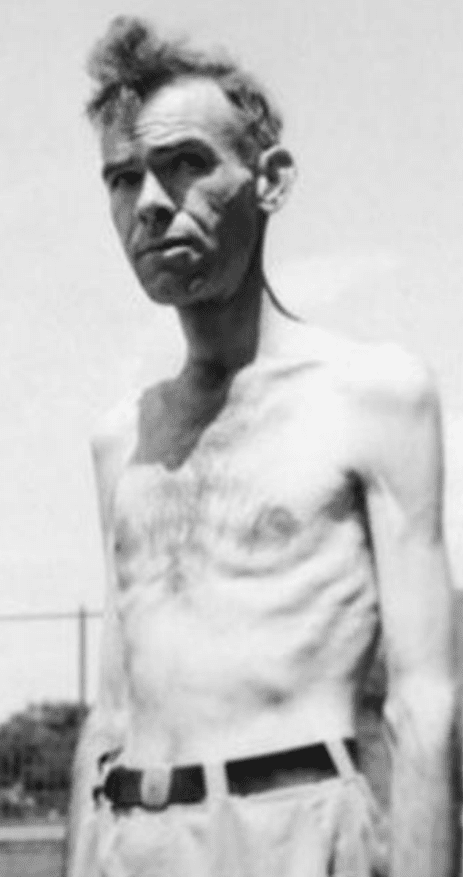
Why that? To protect us in case of starvation. Imagine, you don’t have food, thus no carbs to breakdown. Your body will start digging in to the fat reserves. When the fat stocks are empty, it melts muscles to make energy.

The picture is from a starvation experiment conducted between 1944 and 1945. As you can see in the picture, not a gram of fat left and not much muscle mass as well.

All subjects got serious depressions and mental health issues.

In today’s world, some diet plans are based on 500 calories per meal – that’s at best 1,500 per day. Users notice a quick weight loss but a much faster weight gain as soon as they stop. This is because the body then packs tons of fat in case of another starvation period.

There were many paid plans based on this fast weight loss, but many of these types of diets are gone or converted. I do not recommend a long fasting for the long term because of possible muscle loss. Intermittent fasting for a short period of time works, and I do use it.

So, what are the best types of diets?

There are many to consider but all come with risk factors.We will look at different diets  some extreme, some quite popular and yes, your breakfast diet is part of your overall diet.

The raw food diet 

The raw food diet is composed of completely raw and unprocessed foods. The food keeps its raw carat eristic only if it has never been heated over 118°F some say it should be much lower. Not refined, pasteurized, treated with pesticides or processed, but rich in macros. Many like me confuse with whole foods and vegan diets. Raw food, unless it’s vegan, allows eating fish, animal products and eggs but uncooked and unprocessed. 

It comes with many risks consuming uncooked food as well as deficiencies in some vitamins, calcium and other much needed nutrient.

Type of diets

The Mediterranean diet 

The Mediterranean diet is a popular diet that is based on the traditional eating habits of countries bordering the Mediterranean Sea. This diet has been associated with good health, including a lower risk of heart disease and cancer. I love the Mediterranean diet   it has great recipes, awesome flavors and I really enjoy olive oil.

The Atkins diet 

The Atkins diet is a popular, low-carbohydrate diet that many people swear by. When followed closely, the Atkins plan can help you lose weight and improve your health. However, there are a few things to keep in mind before starting on the Atkins diet. Foremost, it’s important to be consistent with the diet. If you don’t stick to it, you may see some negative results. Second, avoid eating too many snacks or afternoon meals during the day.

This will help cut down on your daily carb intake and result in an overall healthy lifestyle. lastly, make sure you have plenty of water available for drinking and exercise when following this diet. 

Healthy Types of Diets

The Ketogenic diet

The ketogenic diet is a diet plan that’s based on the premise that it can help you lose weight and improve your health. In fact, the ketogenic diet has been shown to be a great way to lose weight, reduce inflammation, and improve blood sugar control. If you’re looking for a new way to cook and manage your food intake, the diet might be what you need. No lean protein, no low fat,not too much protein,it can scare many. We are on keto and we love it and to help we do have intermittent fasting.

The Zone diet   

The Zone Diet instructs to stick to eating a ratio of 40% carbs, 30% protein, and 30% fat. As part of the diet, carbohydrates from vegetables should have a low glycemic index, and provide a slow release of sugar into the blood to keep you fuller for longer. 

Many risk associated with it as the protein levels are high and can be harmful for those with kidney problems.

The Western diet 

This is what we are doing wrong 🙂 The Western Pattern Diet (WPD) or also called the Standard American Diet (SAD) is what we have raised on, it contains high amounts of processed foods, red meat, high-fat dairy, high-sugar, and often over processed and pre-packaged, It increases the risk of chronic illness, reduced ability to manage blood pressure, etc. We got out of it, you can too.

The South Beach Diet 

 This one is a popular weight loss diets in the United States and Europe. The concept is based on the theory that eating large amounts of saturated fat (not like olive oil), cholesterol, and sugar (huge carb intake) will cause you to lose weight and improve your health. Critics say that the South Beach Diet is not effective, dangerous, safe. You won’t lose much weight but is worth noting even if there is no scientific evidence.

The Warrior diet 

The warrior diet is a weight loss plan that promise to help you lose weight and maintain your health. The goal of the diet is to reduce your risk for chronic diseases, and it’s based on eating Wholegrain foods, like sprouted wheat bread, quinoa, bulgur, and oatmeal. But I’m not sure about raw animal products, raw milk and dairy foods. Raw food diet doesn’t make me comfortable for the long term.

The HCG diet

 This idea was conceived in 1954 by a British doctor and is now banned by the FDA.It is deemed dangerous and can lead to many types of cancer. Many claim you can lose up to 2 lbs a day with hte HCG diet , yet you should not take that fertility hormone for weight loss.

Finally, what is the best diet? 

We are all different people with different metabolic rate, it really depends on our eating pattern and our nutritional approach. 

Something you must keep in mind. If you’re a coach potato like my cat but your calorie intake is 3,000 cal per day there is no danger you will lose a single pound. In fact, you’ll gain faster than you can imagine.

The big secret for any diet is to consume fewer calories than you spend.

Where paid plans fail is have the exact same calories level every single day. Monday to Friday I’m in the office, very sedentary while Saturday I’m very active and Sundays I look more like my cat… thus each day should have a different amount of calories intake. 

For Sunday out breakfast diet is very light compared to the Saturday one. We also practice intermittent fasting on Sunday evening to compensate the lack of activity 🙂  

My last word, if you want to diet for any health reason, TALK to your doctor first. 

If you want me to talk about different diets, contact me. I’ll be pleased to do so!