This refreshing keto salmon salad is a perfect blend of protein-packed salmon, crisp romaine, and a zesty dressing. Designed to cater to your low-carb lifestyle, this salad is both flavorful and easy to prepare.
Enjoy a burst of gourmet taste with every bite while keeping your carb count in check.
This delicious keto salmon salad has only 4g of net carbs!!!
Keto Salmon Salad Ingredients
6 oz salmon fillet
1 head Romaine lettuce (approx. 8 oz), torn into bite-sized pieces
2 tablespoons light Caesar dressing
2 tablespoons freshly squeezed lemon juice (divided)
1 tablespoon olive oil
1/4 teaspoon paprika
1/4 teaspoon salt
Black pepper to taste
8 tablespoons shredded Parmesan cheese
1 tablespoon slivered almonds (toasted)
Instructions
Prepare the Salmon: Heat 1 tablespoon olive oil in a skillet over medium heat. Season the salmon fillet with 1/4 teaspoon salt and 1/4 teaspoon paprika. Place the salmon in the skillet and cook until lightly browned on each side. Towards the end of cooking, drizzle 1 tablespoon of freshly squeezed lemon juice over the salmon and let it sit in the pan for about 1 minute. Adjust cooking time if you prefer your salmon more done.
Prepare the Salad Base: In a large bowl, combine the torn Romaine lettuce with 2 tablespoons of light Caesar dressing and the remaining 1 tablespoon of lemon juice. Toss gently to coat the greens evenly.
Assemble the Salad: Arrange the dressed lettuce on a serving plate. Lay the sliced, cooked salmon on top. Sprinkle thoroughly with shredded Parmesan cheese and toasted slivered almonds. Add black pepper to taste.
Serve: Enjoy your gourmet keto salmon salad immediately while the flavors are fresh and vibrant.
Nutrition Facts (Approximate per Serving)
Calories: ~650 kcal
Total Fat: ~40g
Saturated Fat: ~7g
Carbohydrates: ~6g
Fiber: ~2g
Net Carbs: ~4g
Protein: ~45g
Sodium: ~550mg
This delightful keto salmon salad is a perfect choice for those looking to maintain a healthy and balanced diet. Packed with essential nutrients and protein, this salad not only satisfies your hunger but also fuels your body with the energy it needs.
By incorporating fresh herbs or a squeeze of lemon juice, you can customize the flavors to your liking.
Salmon is rich in omega-3 fatty acids, which are beneficial for heart health and brain function. It is also a great source of protein, making it an excellent option for those following a keto diet.
The combination of salmon with leafy greens, crunchy vegetables, and a zesty dressing creates a delicious and satisfying meal that is sure to please your taste buds.
Experimenting with different herbs such as dill, parsley, or basil can add a burst of freshness to the salad, while a splash of lemon juice can enhance the overall flavor profile of your Keto Salmon Salad.
Adding avocado slices or nuts like almonds or walnuts can provide an extra crunch and a dose of healthy fats.
Whether you are looking to maintain a keto lifestyle or simply enjoy a nutritious meal, this salmon salad is a versatile and flavorful option that can be enjoyed any time of day.
So go ahead and get creative in the kitchen by adding your own personal touch to this delicious and healthy dish. Your body will thank you for it!
Are you looking for a scrumptious keto-friendly recipe to share with your fellow low-carb enthusiasts? Look no further than this mouth-watering dish that is sure to satisfy your cravings while keeping you on track with your ketogenic lifestyle.
The star of this recipe is the juicy and flavorful grilled chicken breasts marinated in a blend of herbs and spices that will leave your taste buds tingling.
Not only is chicken a great source of protein, but it also fits perfectly into a keto diet with its low-carb content.
Pair it with a side of roasted vegetables drizzled with olive oil and sprinkled with Parmesan cheese for a well-rounded and satisfying meal.
To make this dish even more delicious, consider adding a creamy avocado salsa on top of the chicken for a burst of freshness and flavor.
Avocados are rich in healthy fats and fiber, making them an excellent choice for those following a ketogenic eating plan.
So whip up this fantastic recipe, indulge in its savory flavors, and spread the joy of keto-friendly cooking with your friends and family.
Whether you’re hosting a dinner party or simply craving a delicious meal, this dish is sure to be a hit with everyone who tries it.
Share the love for good food and healthy eating by enjoying this delightful recipe together.
Get Ready to Kickstart Your Keto Day with This Fresh Herb Omelette – 2g of net carbs ONLY!
This recipe is the ultimate celebration of simplicity and flavor—perfect for anyone who loves a high-protein, low-carb kickstart to their morning. Imagine fluffy eggs cooked to perfection and loaded with fresh, zesty toppings that will send your taste buds into hyperdrive! Let’s dive into this energetic keto delight that’s as quick to prepare as it is delicious.
Low-Carb Fresh Herb Omelette Ingredients
2 Eggs
1/4 Teaspoon Black Pepper
1/8 Cup Green Onion, Chopped
4 Cherry Tomatoes
1 Sprig Fresh Basil, Chopped
1/8 Cup Parmesan Cheese, Shredded
Olive Oil (enough to coat your pan)
Instructions
Beat It Up! In a bowl, vigorously whisk your 2 eggs together with 1/4 teaspoon of black pepper—make sure to break those yolks for the smoothest, creamiest texture.
Heat Things Up! Warm up a non-stick pan over medium-high heat and drizzle in just enough olive oil to coat the bottom. The sizzling oil is your ticket to a perfectly cooked egg.
Sizzle and Pop! Pour the whisked eggs into the pan. Let it cook for 1-2 minutes until those bubbles start to settle and the egg gently begins to firm up. Flip the egg over carefully, and cook the other side until it’s gloriously cooked through.
Top It Off! Transfer the golden, perfectly cooked egg onto your plate. Sprinkle over the chopped green onion, arrange the cherry tomatoes for a burst of color, add the chopped fresh basil, and finish with a generous 1/8 cup of shredded Parmesan cheese.
Devour with Delight! Enjoy your keto-friendly creation that’s bursting with flavor and ready to power you through your day!
Fresh Herb Omelette Nutrition Facts (Approximate)
Serving Size: 1 Egg Creation
Nutrient
Amount per Serving
Calories
~220 kcal
Total Fat
~18 g
Saturated Fat
~5 g
Cholesterol
~370 mg
Total Carbohydrates
~3 g
Dietary Fiber
~1 g
Net Carbs
~2 g
Protein
~17 g
Note: These values are estimates based on standard ingredient profiles and may vary slightly with different brands.
Why You’ll Love This Fresh Herb Omelette!
Indulge in the delight of this vibrant keto egg recipe that goes beyond being just a morning meal; it’s a culinary experience worth savoring. Packed with nutrient-dense ingredients, this dish is designed to provide your body with essential nutrients while helping you maintain a healthy lifestyle. The careful selection of ingredients ensures that your carb counts stay in check, making it an ideal choice for those following a keto diet.
The magic of this recipe lies in the playful combination of fresh herbs and crunchy Parmesan, elevating a simple egg into a gourmet masterpiece. Each bite is a symphony of flavors, with the herbs adding a burst of freshness and the Parmesan offering a satisfying crunch. This explosion of flavors is sure to awaken your taste buds and leave you craving for more.
By incorporating fresh herbs, this recipe not only enhances the taste but also provides a host of health benefits. Herbs like parsley, chives, or dill are rich in antioxidants, vitamins, and minerals that can boost your immune system and support overall well-being. Additionally, Parmesan cheese is a good source of protein and calcium, making this dish not only delicious but also nutritious.
Whether you are looking to start your day on a high note or want a quick and easy keto-friendly meal, this recipe ticks all the boxes. It’s a delightful way to enjoy the benefits of a keto diet without compromising on taste or satisfaction. So, treat yourself to this gourmet masterpiece and experience the joy of eating healthy, flavorful, and fulfilling food.
So, grab your skillet, get whisking, and treat yourself to this keto Fresh Herb Omelette dynamo that’s ready in minutes. Enjoy the burst of energy and zest that only a truly exciting keto breakfast can deliver!
Fad diets have long captivated those looking to shed pounds quickly, often with questionable methods and sustainability. This blog will explore some of the most extreme weight loss diets throughout history, uncovering their origins, methods, and outcomes.
🌟 Let’s Start
Fad diets have always sparked intrigue and skepticism. They promise rapid weight loss and a quick fix to our dietary dilemmas, often leaning on bizarre methods and unproven science. As we delve into the world of these diets, we will uncover the motivations behind their popularity, the history of their emergence, and their impact on our health.
The allure of quick results can be tempting, especially in a society that prioritizes appearance over well-being. However, these diets often lack sustainability, leading many to cyclical weight gain and loss patterns. Understanding this phenomenon is crucial for making informed dietary choices.
🚬 Smoking and Weight Loss
In the roaring 1920s, smoking was not just a social activity; it was marketed as a weight loss solution. Companies like Lucky Strike capitalized on nicotine’s appetite-suppressing effects, promoting cigarettes as tools for slenderness. Advertisements boldly proclaimed, “Reach for a Lucky instead of a sweet,” glamorizing an unhealthy habit.
These marketing strategies painted a dangerous picture, equating smoking with beauty and desirability. The reality, however, is that smoking has severe health consequences, including cancer and respiratory diseases. This trend highlights how societal pressures can lead to harmful choices in pursuit of an ideal body image.
🥗 Diets Through the Decades
Grapefruit Diet: The 1930s Craze
Fast-forward to the 1930s, when the grapefruit diet emerged, also known as the 18-day diet. This restrictive plan required dieters to consume grapefruit with every meal, limiting overall caloric intake to 500-800 calories per day. The belief was that grapefruit contained fat-burning enzymes, a claim that has since been debunked.
While grapefruits are nutritious, relying solely on them for weight loss is unsustainable and unhealthy. The fad diet’s emphasis on extreme caloric restriction often led to nutrient deficiencies and short-term weight loss that was quickly regained.
The Master Cleanse: 1940s Detoxification
In the 1940s, the Master Cleanse, or cayenne cocktail, became popular. This diet involved consuming a mixture of lemon juice, maple syrup, and cayenne pepper for at least ten days. Marketed as a detoxifying cleanse, it promised significant weight loss but offered little nutrition.
The Master Cleanse is a prime example of how detox diets can be misleading. While they may lead to initial weight loss, they do not promote long-term health or sustainable eating habits. Many individuals felt weak and dizzy due to the lack of essential nutrients.
Cabbage Soup Diet: 1950s Simplicity
The cabbage soup diet gained traction in the 1950s. This diet claimed that consuming large quantities of cabbage soup would lead to rapid weight loss. Participants were encouraged to eat the soup multiple times a day, often resulting in dramatic but temporary weight loss.
However, the diet’s lack of protein and essential nutrients led many to experience fatigue and health issues. The weight lost was primarily water weight, and participants often regained the pounds quickly after returning to a normal diet.
Taibo and Home Workouts: 1990s Fitness Fads
In the 1990s, fitness fads like Taibo emerged, combining martial arts with dance and boxing. This home workout trend promised calorie burning and muscle toning without a gym membership. While it encouraged physical activity, many were injured due to improper form and lack of guidance.
Although home workouts can be effective, they should be approached with caution. Proper technique is essential to avoid injuries, particularly for those new to fitness. Taibo exemplified the shift towards at-home fitness and highlighted the importance of structured workouts.
Slim Fast: The 1980s Meal Replacement Revolution
In the 1980s, Slim Fast took the diet world by storm as a meal replacement shake. This diet allowed users to replace two daily meals with shakes and consume one sensible meal. While it provided convenience, it also raised questions about nutritional adequacy.
Though Slim Fast offers a quick solution for weight management, the long-term sustainability of such diets is questionable. Many dieters found themselves reverting to old eating habits, leading to weight regain. This trend reflects a broader issue within fad diets: neglecting balanced nutrition.
The Baby Food Diet: 2010s Nostalgia
In the 2010s, the baby food diet captured attention, with celebrities endorsing it as a quick weight loss solution. The diet involved replacing meals with baby food jars, which typically contain fewer calories. While it might seem harmless, this approach raises concerns about nutritional balance and satisfaction.
This diet highlights the dangers of restrictive eating patterns. While some individuals may experience quick weight loss, lacking variety can lead to nutrient deficiencies and an unhealthy relationship with food. Sustainable weight loss requires a balanced approach that includes a variety of foods.
Weight Watchers: A Structured Approach
Weight Watchers, developed in 1963, introduced a point system for food, promoting mindful eating. Members are assigned daily points based on their weight loss goals, focusing on zero-point foods like fruits and vegetables. This program emphasizes portion control and encourages participants to make healthier choices.
While Weight Watchers has proven effective for many, it underscores the importance of moderation rather than deprivation. It encourages individuals to enjoy their favorite foods while being mindful of their overall intake. This approach can foster a healthier relationship with food and promote long-term success.
💪 Taibo
Taibo, a dynamic blend of martial arts and dance, gained immense popularity in the 1990s. Created by Billy Blanks, this workout promised to burn calories and tone muscles while allowing participants to exercise from the comfort of their homes. Taibo sessions often included a mix of punches, kicks, and dance moves, making it a fun and engaging way to get fit.
While Taibo encouraged physical activity, it also came with risks. Many participants faced injuries due to improper form or overexertion, particularly if they were new to exercise. The lack of professional supervision in home workouts can lead to dangerous situations, especially when involving high-energy moves.
Despite these concerns, Taibo played a crucial role in the rise of home fitness. It demonstrated that getting in shape could be enjoyable and accessible. However, it also highlighted the importance of understanding one’s limits and focusing on proper techniques to avoid injuries.
🥤 Slim Fast
Slim Fast emerged as a meal replacement option in the 1980s, capturing the attention of dieters everywhere. The concept was straightforward: replace two meals daily with a shake and enjoy one balanced meal. This approach provided convenience, but it raised questions about nutritional adequacy and sustainability.
While Slim Fast offered a quick fix for weight management, many users found it challenging to maintain long-term. The diet’s restrictive nature often led to cravings and a return to old eating habits, resulting in weight regain. This trend reflects a broader issue with fad diets: focusing on short-term results rather than long-term health.
Created by Daniel Abraham in 1976, Slim Fast reported impressive earnings and reached millions of users by the 1990s. However, the diet’s effectiveness varied widely among individuals. Many realized that relying solely on meal replacements was not a sustainable lifestyle choice.
👶 Baby Food Diet
In the 2010s, the baby food diet gained traction, largely due to celebrity endorsements. This unusual diet required individuals to replace their meals with baby food jars, which typically contain fewer calories. While the concept may seem harmless, it raises significant concerns regarding nutritional balance and satisfaction.
Proponents claimed that substituting regular meals with baby food could lead to rapid weight loss. However, this approach often resulted in nutrient deficiencies and unhealthy food relationships. The monotony of eating baby food can lead to feelings of deprivation, making it challenging to stick with the diet long-term.
Notably, Jennifer Aniston reportedly used this diet to prepare for her role in “Just Go With It,” losing weight quickly. However, the sustainability of such drastic measures is questionable. Long-term weight management requires a balanced approach that includes a variety of foods to ensure adequate nutrition.
📱 Gadgets
As the quest for quick weight loss continued, various gadgets emerged throughout the decades, promising miraculous results with minimal effort. These devices often capitalized on the desire for easy solutions, but many proved ineffective and harmful.
Vibrating Belts: The 1960s Sensation
One of the most notorious gadgets was the vibrating belt, which gained popularity in the 1960s. Marketed as a revolutionary way to melt away fat, users would strap the belt around their waist and let the vibrations do the work. The promise? A slimmer waist without any exercise.
However, the reality was far from the claims. After using the belt, many found no significant difference in their body composition. It was a classic example of how marketing can mislead consumers into believing in quick fixes. The vibrating belt became a symbol of laziness in the fitness community, emphasizing that no gadget can replace the need for physical activity.
The Thigh Master: A 1990s Icon
In the 1990s, the Thigh Master became a must-have fitness gadget. This simple device promises to tone thighs and strengthen muscles with just a few daily squeezes. Many moms and fitness enthusiasts jumped on the bandwagon, believing they could achieve their desired results without hitting the gym.
Yet, the Thigh Master was criticized for lacking resistance and effectiveness. Users often found it a glorified stress ball rather than a legitimate workout tool. While any exercise is beneficial, relying solely on such gimmicky gadgets can lead to disappointment and hinder real progress in fitness goals.
🍞 Atkins Diet
The Atkins Diet emerged in the 1990s as a response to the growing anti-carb movement. It proposed that carbohydrates were the enemy, promoting a low-carb lifestyle that many found appealing. The allure of weight loss through eliminating carbs was hard to resist, leading to widespread adoption.
Initially, followers of the Atkins Diet were promised rapid weight loss by drastically reducing carbohydrate intake, often to as low as 20 grams per day during the initial phase. This approach led many to believe they could indulge in high-fat and high-protein foods without consequence. However, the long-term effects of such a restrictive diet raised concerns.
Understanding the Impact of Low-Carb Dieting
While many experienced significant weight loss on the Atkins Diet, the sustainability of such a lifestyle is questionable. Avoiding complex carbohydrates like oatmeal and whole grains can lead to nutrient deficiencies and long-term health issues. Moreover, the diet’s rigid structure often resulted in feelings of deprivation, making it challenging for individuals to maintain their progress.
Modern Perspectives on Carbohydrates
Today, nutritionists advocate for a balanced approach to eating that includes healthy carbohydrates. Rather than labeling carbs as “good” or “bad,” focusing on the quality of the carbohydrates consumed is essential. Whole grains, fruits, and vegetables are crucial for a well-rounded diet that supports overall health.
In conclusion, the Atkins Diet reminds us of the importance of moderation and balance in our dietary choices. Quick fixes may yield temporary results, but true health and wellness come from sustainable habits that nourish the body and mind.
Sautéed Chicken With Mushrooms and Cream – The Ultimate Keto Comfort Meal!
Prepare to treat your taste buds with this mouthwatering, keto-approved dish that combines crispy, savory chicken with juicy mushrooms and a rich, decadent cream sauce. This dish is bursting with flavors and perfect for fueling your low-carb lifestyle with 4g of net carbs only!
Every step is designed to bring out the best in each ingredient while keeping your macros in check. Let’s dive into this culinary adventure!
Sautéed Chicken Ingredients
2 1/2 pounds frying chicken parts
2 cups mushrooms, cleaned and sliced
3 tablespoons butter
1 tablespoon olive oil
Salt to taste
Fresh ground black pepper
1/2 cup dry white wine
1/4 cup heavy cream
Instructions
Prep the Chicken:
Rinse the chicken in cool water and pat dry with clean paper towels. This ensures a crisp, golden finish when the chicken hits the pan.
Sear to Perfection:
Place a heavy-bottomed frying pan over moderately-high heat.
Add 2 tablespoons of butter and 1 tablespoon of olive oil to the pan.
Once the pan is very hot (but not smoking), add the chicken pieces skin-side down and season generously with salt and freshly ground black pepper.
Sauté for 5-6 minutes, basting with the chicken’s natural juices and melted fat until the underside is beautifully browned.
Double-Sided Sizzling:
Flip the chicken over, season once more with salt and pepper, and sauté for another 5-6 minutes, or until the juices run clear. Your chicken should be nearly perfected by now!
Mushroom Magic:
In a separate pan, heat 1 tablespoon butter and sauté the sliced mushrooms until they’re gloriously browned.
Remove the mushrooms and set them aside on a plate.
Deglaze and Create the Sauce:
With the chicken finished cooking, transfer it to a warm plate.
Rapidly spoon out all but about 1 tablespoon of fat from the pan.
Pour in 1/2 cup dry white wine to deglaze. Scrape the sides and bottom of the pan to lift all those delicious browned bits. Let the wine simmer until the alcohol has evaporated.
Stir in the 1/4 cup heavy cream and add back the browned mushrooms. Allow the sauce to boil for 1-2 minutes until it thickens into a luscious cream sauce.
Bring the Sautéed chicken All Together:
Return the chicken to the pan, and generously baste with your thick, creamy mushroom sauce.
Cover and simmer for an additional 2-3 minutes to ensure the chicken is piping hot and infused with the sauce’s flavor.
Give it a final seasoning with salt and pepper if necessary, then serve and enjoy every decadent bite!
Sautéed Chicken Nutrition Facts (Approximate per Serving)
Based on 6 hearty servings
Nutrient
Amount per Serving
Calories
~520 kcal
Total Fat
~35 g
Saturated Fat
~12 g
Cholesterol
~140 mg
Total Carbohydrates
~6 g
Dietary Fiber
~2 g
Net Carbs
~4 g
Protein
~45 g
Note: These values are estimates and may vary slightly based on specific ingredient brands and cuts of chicken.
If you are a fan of keto-friendly dishes that are both delicious and satisfying, then you will love this Sautéed Chicken With Mushrooms and Cream. This recipe is a true masterpiece for those following a keto diet, as it provides a generous amount of protein from the chicken while keeping the carbs to a minimum. The rich and savory sauce made with cream and mushrooms adds a depth of flavor that will surely delight your taste buds.
This dish is perfect for a hearty dinner and can also serve as a special keto treat for those looking to indulge without straying from their low-carb goals. Whether you are new to the keto lifestyle or a seasoned pro, this recipe will surely become a favorite in your meal rotation.
You only need a skillet and a few simple ingredients to prepare this mouthwatering dish. The combination of tender chicken, earthy mushrooms, and creamy sauce creates a harmonious blend of textures and flavors that impresses the pickiest eaters. Plus, the ease of preparation makes it a convenient option for busy weeknights when you want a delicious meal without spending hours in the kitchen.
So, if you are looking for a keto-friendly dish that is indulgent and aligned with your low-carb goals, look no further than this Sautéed Chicken With Mushrooms and Cream. It’s a dish that will satisfy your hunger and nourish your body with the nutrients it needs to thrive on a ketogenic diet. Give it a try today and experience the flavorful magic of this delectable recipe.
Are you looking for a unique solution for weight management? Consider HoneyBurn, a revolutionary product designed to support your weight loss journey. With its blend of 100% natural ingredients, HoneyBurn stands out as an effective option for those aiming to achieve their weight loss goals.
This article will explore how HoneyBurn’s unique ingredients can enhance your weight loss efforts. We will discuss the scientific principles behind its effectiveness and safety, backed by findings from clinical trials. Additionally, we will share personal stories from satisfied users demonstrating this innovative supplement’s real-world benefits.
Get ready to discover how HoneyBurn can significantly improve your weight management strategy and bring you closer to the desired transformation.
Purple Weight Loss Honey
Activates Your Metabolic Switch
11 powerful natural ingredients that support healthy weight loss
Understanding HoneyBurn: A Natural Approach to Weight Loss
HoneyBurn is an advanced fat-burning formula designed to help you easily achieve your weight loss goals. This supplement stands out in the crowded market of weight management products due to its commitment to using 100% natural ingredients.
The Purpose of HoneyBurn
The primary function of HoneyBurn is to enhance your body’s ability to burn fat while preventing the storage of new fat. This dual action allows users to effectively manage their weight without resorting to harsh chemicals or stimulants, making it an appealing option for those looking for a more holistic approach.
Uniqueness and Benefits of Natural Ingredients
HoneyBurn incorporates a blend of powerful natural ingredients that synergize to promote effective weight loss. Each component has been carefully selected based on extensive research and traditional uses. Here’s what makes them noteworthy:
Kudzu: Known for its anti-diabetic properties, this extract supports healthy metabolism.
Berberine: Proven through studies to enhance lipase production, berberine plays a crucial role in fat breakdown.
Wild Raspberry and Holy Basil: These ingredients are rich in antioxidants, promoting overall health while aiding in weight management.
Royal Jelly and Propolis: These bee-derived substances provide nutritional benefits and support immune function.
The absence of synthetic additives ensures you consume a product that aligns with your health goals. With HoneyBurn, you are not just choosing a supplement; you are opting for a lifestyle change rooted in nature’s wisdom.
This natural approach can lead to sustainable results, helping you feel confident as you embark on your weight loss journey. By harnessing the power of these ingredients, HoneyBurn encourages your body to operate at its best while working towards your desired outcomes.
The Power of Nature: Key Ingredients in HoneyBurn and Their Benefits for Weight Management
HoneyBurn is not just another weight loss supplement; it harnesses the power of nature through its unique blend of 11 all-natural ingredients. Each ingredient is vital in supporting your weight management journey, backed by scientific research and clinical studies. Below is a closer look at these key components and their specific contributions.
Key Ingredients in HoneyBurn
1. Kudzu Extract
Known for its anti-inflammatory properties, kudzu extract can help regulate blood sugar levels. Research suggests that it may assist in fat metabolism, making it easier for your body to convert stored fat into energy. A study highlighted the anti-diabetic effects of kudzu root, showing its potential in managing obesity-related complications.
2. Raspberry Extract
Rich in antioxidants, raspberry extract helps combat oxidative stress in the body. It is linked to increased lipolysis—breaking down fats for energy—thereby enhancing weight loss efforts. Clinical evidence supports its effectiveness, noting significant body mass index (BMI) reductions among users.
3. Olive Leaf Extract
This extract is renowned for its heart-healthy properties and anti-inflammatory effects. It can boost metabolism while aiding in the reduction of fat accumulation. Studies indicate olive leaf extract may improve insulin sensitivity, further supporting weight management.
4. Berberine
Berberine has gained attention for its ability to enhance lipid metabolism. Research shows it can increase adipose triglyceride lipase activity, which promotes fat breakdown and prevents new fat storage. A systematic review confirmed berberine’s effectiveness in combating obesity and improving liver function.
5. Holy Basil
Holy basil is often regarded as an adaptogen, helping the body manage stress. Stress can lead to weight gain due to emotional eating; thus, this herb supports a balanced approach to weight management by reducing cortisol levels. Clinical studies have demonstrated its role in improving metabolic health and reducing body fat.
6. Royal Jelly
Packed with nutrients, royal jelly supports overall health while promoting healthy aging. It enhances energy levels by converting body fat into usable energy more efficiently. Research indicates that royal jelly positively affects lipid profiles, aiding individuals seeking effective weight management solutions.
7. Propolis
Propolis exhibits potent antioxidant properties that help reduce inflammation and support immune function. Inflammation can hinder weight loss; thus, propolis may indirectly contribute to your efforts by creating a healthier internal environment. Studies highlight its potential benefits in metabolic regulation.
8. Bee Pollen
Bee Pollen is a nutrient-dense superfood packed with proteins, vitamins, and minerals essential for health. It helps balance blood sugar levels and improves metabolic rates. Emerging research suggests bee bread may support weight management through enhanced energy utilization.
Summary of Benefits
The synergy between these natural ingredients creates a powerful formulation aimed at enhancing your body’s ability to manage weight effectively:
Boosting Lipase Production: Several ingredients, like berberine, directly influence lipase activity, facilitating fat breakdown.
Preventing New Fat Storage: Components such as olive leaf extract help prevent additional fat accumulation while promoting healthier metabolic pathways.
Energy Conversion: Royal jelly and raspberry extract are instrumental in efficiently converting stored body fat into usable energy.
Harnessing these natural ingredients through HoneyBurn presents an authentic approach to weight management that aligns with the growing demand for safe and effective dietary supplements. Each component has been meticulously selected based on scientific evidence showcasing their roles in supporting your journey toward a healthier lifestyle.
The Science Behind Lipase Production and Fat Burning Process
Lipase is a crucial enzyme in the fat-burning process. Its primary function is to break down triglycerides, the main fat stored in your body, into free fatty acids and glycerol. This breakdown is essential for converting stored fat into energy, which can support your weight loss efforts.
HoneyBurn enhances lipase production through its unique blend of natural ingredients. Here’s how it works:
Increased Lipase Activity: Ingredients like berberine and kudzu have been shown to stimulate lipase production, leading to more efficient fat breakdown.
Energy Conversion: When lipase levels rise, the body becomes more adept at converting stored fat into usable energy. This transformation helps reduce body fat percentage over time.
Fat Storage Prevention: Enhanced lipase activity not only aids in fat breakdown but also inhibits new fat storage, creating a dual effect that promotes weight loss.
Research supports these claims, showing increased lipase activity correlates with improved weight management. HoneyBurn users can experience this boost in lipase production, making it an effective ally in the pursuit of a healthier weight.
Real Experiences, Real Results: Customer Testimonials and Clinical Insights on HoneyBurn’s Effectiveness and Safety
Customer Testimonials
Real users have shared their journeys with HoneyBurn, highlighting its impact on their weight loss. Here are some notable testimonials reflecting diverse experiences:
Charlene Brown (NY): “I struggled with my weight for years. After using HoneyBurn, I felt a noticeable change in my energy levels and appetite control. The natural ingredients made me feel confident about what I was consuming.”
Rebecca Wallace (Wyoming): “I’ve tried countless diets and supplements, but nothing worked until I discovered HoneyBurn. I lost 15 pounds in just two months, all while feeling great. It’s easy to incorporate into my daily routine.”
Terry Page (Chicago): “What I love most is that HoneyBurn uses only natural ingredients. I’ve seen a significant reduction in cravings, helping me make better food choices without feeling deprived.”
These testimonials reflect the positive experiences of users who appreciate HoneyBurn’s natural approach to weight management.
Clinical Insights
In addition to user experiences, clinical trials have reinforced the effectiveness and safety of HoneyBurn. Key findings include:
Natural Ingredients: Studies indicate that Royal Jelly improves lipid profiles and promotes healthy aging (Petelin et al., 2019). Its inclusion in HoneyBurn contributes to overall well-being during weight loss.
Berberine’s Role: Research shows that berberine supplementation positively affects obesity and inflammation (Asbaghi et al., 2020). This aligns with HoneyBurn’s formulation, which aims to enhance metabolic processes.
Kudzu Extract: Findings suggest kudzu root extract may aid in fat metabolism, reducing body mass index (Kamiya et al., 2012). Its presence in HoneyBurn supports its fat-burning claims through natural means.
Safety Profile: No notable side effects were reported among over 36,220 customers who used HoneyBurn. This statistic underscores its safety as a daily supplement for weight management.
Customer reviews and clinical insights comprehensively picture HoneyBurn’s potential benefits. Users have experienced real results, while clinical studies support its effectiveness through scientifically backed ingredients. Combining personal testimonies and rigorous research establishes confidence in incorporating HoneyBurn into a weight loss strategy, making it a compelling choice for those seeking natural solutions.
How to Incorporate HoneyBurn into Your Daily Routine for Optimal Results
Incorporating HoneyBurn into your daily routine can enhance its effectiveness in supporting your weight loss journey. Here are practical tips to maximize your results:
1. Recommended Serving Size
Take one serving of HoneyBurn in the morning and another in the evening. This dosing schedule helps maintain consistent lipase levels throughout the day.
2. Morning Routine Integration
Start your day with a glass of water.
Mix one serving of HoneyBurn with warm water or add it to your favorite smoothie for a nutritious boost.
Consuming it during breakfast allows you to kickstart your metabolism right from the start.
3. Evening Routine Consideration
For the evening serving, consider taking it before dinner. This timing may help convert body fat into energy while you rest.
Mix it with herbal tea or yogurt for an enjoyable nighttime ritual.
4. Stay Consistent
Regular usage is critical. Aim for daily consumption to experience the full benefits.
Following these practical steps, you can seamlessly integrate HoneyBurn into your lifestyle, making weight management more approachable and effective.
Embrace Your Weight Loss Journey with HoneyBurn’s Natural Solution!
Are you considering a natural approach to weight management? HoneyBurn offers a unique blend of 100% natural ingredients that may enhance your weight loss efforts.
Benefits of Incorporating HoneyBurn:
Supports Lipase Production: Boosts fat-burning processes in your body.
Natural Ingredients: Features powerful components like Kudzu, Berberine, and Wild Raspberry.
No Chemicals or Stimulants: Safe for daily use without unwanted side effects.
Real users have shared their positive experiences, highlighting improvements in their weight-loss journey. With the added reassurance of a 60-day money-back guarantee, you can confidently explore HoneyBurn’s benefits.
Step towards a healthier you by incorporating HoneyBurn into your routine today. Discover how this weight loss solution can transform your journey!
Important notes:
Please be aware that this information is not meant to substitute for guidance from a qualified healthcare provider. We urge you to keep your doctor updated on any lifestyle changes you make and discuss them. If you have any questions or concerns about your medical conditions, please contact your doctor. The Food and Drug Administration has not assessed the information provided on this page. The products are not meant to diagnose, treat, cure, or prevent illnesses. If you are pregnant, breastfeeding, on medication, or have a health issue, please consult your doctor before using our products.
When it comes to shedding pounds, celebrities often set the bar high with their jaw-dropping transformations and weight loss plans. But what is the secret behind their weight loss journey? Celebrities have tried everything from strict diet plans to rigorous workout routines. In this blog post, we explore 10 unbelievable weight loss plans celebrities swear by and investigate whether these plans could work for you.
The Keto Craze
It’s no secret that the keto diet has become Hollywood’s latest obsession, with celebrities like Halle Berry and Jenna Jameson leading the charge. With its high-fat, low-carb credo, the keto diet promises rapid fat loss by pushing the body into ketosis—a metabolic state in which fats become the primary fuel source. But is this just another fleeting Hollywood fad or a sustainable weight loss plan that can lead to long-term success?
Before you invest in expensive avocados and stack your pantry with bacon, let’s dive into the details. The journey into ketosis can quickly feel like a rollercoaster ride where the highs are shorter than the lines for Halle Berry’s autograph. Yet, advocates argue that beyond the scale victories, keto brings improved mental clarity and a metabolism boost. According to a 2019 study published in the “Journal of Clinical Cardiology,” the keto diet led to significant weight loss and improved blood glucose levels (source).
Still, one must ask: Is ketosis all it’s cracked up to be? There’s a tongue-in-cheek saying among keto enthusiasts: “I only get on the scale to make sure I fit through the door.” But considering your health, several experts caution against long-term reliance on such a restrictive diet. Critics highlight the potential for nutrient deficiencies due to limited food diversity and note that the diet’s rigid structure might be difficult to maintain amid life’s indulgence-filled temptations.
“Keto is great, but will you really never eat bread again?” asks nutritionist Lisa Richards with a wry smile, touching on the inherent sustainability question.
The keto craze may offer some promising keys to fat loss and initial weight management, but longevity lovers should balance their enthusiasm with a dash of old-school common sense. If you’re considering it as part of your weight loss journey, consulting a nutrition guide could help tailor the approach to your lifestyle without losing touch with a balanced diet.
fasting Weight Loss Plans
Intermittent Fasting Phenomenon
Intermittent fasting, a dietary trend lauded by Jennifer Aniston and Hugh Jackman, isn’t just a fleeting celebrity fad. Many believe this eating pattern, alternating between fasting and feasting periods, offers various health benefits. Proponents tout its effectiveness for weight management, citing potential improvements in metabolism, fat loss, and even cognitive function. For instance, Hugh Jackman utilized intermittent fasting while transforming into the iconic Wolverine, attributing part of his muscular physique to this disciplined eating approach.
But how viable is it for the average person seeking to boost metabolism or shed a few pounds? A study published in the New England Journal of Medicine highlights various benefits, from improved cellular repair processes to potentially reduced disease risk factors. Another research paper from Cell Metabolism reported that intermittent fasting could elevate human growth hormone levels by up to 5-fold, potentially accelerating metabolism and amplifying the body’s fat-burning capacities. However, balancing such potential gains with personal dietary preferences and lifestyle factors is essential.
For many intermittent fasters, the most significant promise is mental clarity. Imagine skipping breakfast only to be sharper and more productive during morning meetings. In Aniston’s own words:
“I noticed a big difference in avoiding solid food for 16 hours… I can ditch junk food and not feel too deprived.”
Yet, regardless of the weight loss plans swept up in the zeitgeist, always consult with a healthcare professional before diving headfirst into any new routine. After all, whether you’re aspiring to chisel a superhero body or simply enjoy the benefits of mindful eating, it’s crucial to tailor these trends to your lifestyle. Remember, success often lies in a sustainable balance rather than extreme shifts.
The Vegan Diet Plan
Regarding a weight loss plan that could make anyone “crazy in love,” Beyoncé’s vegan diet plan during her Coachella preparation takes the crown. Known for its potential to support healthy eating and spark impressive body transformations, this plant-based approach has inspired many to consider ditching meat. But is it the perfect recipe for achieving anyone’s dream body, or will it leave you crying over your kale?
Going vegan isn’t just about munching on celery stalks and giving hugs to trees. It emphasizes enjoying a variety of clean eating options like fruits, vegetables, grains, and legumes while avoiding animal products. Think of it as an adventure for your taste buds with benefits! According to a study published by the National Institutes of Health, participants who followed a low-fat, vegan diet experienced better weight management and improved insulin sensitivity than those on other diet plans (source).
However, as with any diet, certain risks are involved, especially when people take it to the extreme. With potential dietary restrictions limiting protein and other essential nutrients, tailoring the plan to your needs is crucial. As renowned nutritionist Dr. Brian Swinder famously puts it:
“A vegan diet, done right, can be nutritionally complete and highly beneficial. Just remember, a lack of balance might lead you to become the ‘hungry vegan in paradise.'” (source)
Ultimately, balancing and being mindful of your nutritional requirements is the key. Whether or not the vegan diet suits you, exploring different avenues and discovering what best aligns with your healthy lifestyle goals is essential. For anyone inspired by Bey’s disciplined approach, it might be worth a try, considering the importance of tailored nutrition and regular consultations with a diet coach.
Portion Control and Mindful Eating
In celebrity weight loss plans, portion control and mindful eating are hailed as quiet power players. Actress Kate Hudson, known for her radiant glow and fit physique, attributes much of her success to these practices. Rather than counting every calorie, like auditing your finances without the stress of a tax season, Hudson pays attention to her body’s hunger cues and emphasizes the importance of portion sizes. Could this be the secret sauce behind many a celebrity’s lean silhouette?
Renowned holistic health coach and author Deepak Chopra once famously said:
“If you use mindless force, you’ll soon return to the start. The healthier way is through mindfulness to a peaceful heart.”
This mantra resonates well in the realm of mindful eating. The process involves engaging all your senses, slowing down your meals, and genuinely enjoying each bite—much like savoring an episode of your favorite TV show rather than binge-watching the entire season in one go. Research published in the Obesity Reviews journal suggests that mindful eating can help reduce overeating and maintain a balanced diet, making it a robust ally in the fight for sustainable weight loss.
Portion control can be a game-changer; it’s like a backstage pass to the world of clean eating without the VIP price tag. Instead of scrambling to overhaul your diet plans completely, this method helps ensure that each meal is a balanced act. As the Journal of Nutrition and Diabetes outlines, portion control, when coupled with mindful eating, encourages not just weight management but also a healthier lifestyle. After all, the key might just lie in treating your stomach like a gas tank – you wouldn’t overfill it, would you?
If you find yourself intrigued by this approach or seek ways to effectively integrate meditation diets into your lifestyle for better weight management, discover more in The Power of Meditation Diet for Effective Weight Management. It’s a refreshing take on balanced living that might just align perfectly with your own weight loss journey.
High-Intensity Fitness Routines
When achieving that sculpted superhero physique, stars like Chris Hemsworth swear by high-intensity fitness routines that would leave most of us regular mortals gasping for air. These routines blend rigorous cardio exercises with targeted strength training, effectively torching calories while building lean muscle. It’s like hitting the gym and pretending you’re about to save the world, one rep at a time. Don’t forget to add a cape for some extra motivation!
The magic here isn’t just in the sweat and grind; it’s in the strategy. Celebrities like Hemsworth work closely with personal trainers who meticulously curate exercise plans tailored to fit their individual goals and schedules. These trainers often emphasize the importance of consistency, making fitness a sustainable part of their healthy lifestyle. After all, “Rome wasn’t built in a day,” and neither are biceps the size of Mt. Olympus.
But can such vigorous workout routines alone move the needle without dietary changes? Not quite. Experts agree that a holistic weight loss plan isn’t complete without a balanced diet. According to a study published on Harvard Health Publishing, combining regular exercise with healthy eating habits is the most efficient way to manage weight. Simply put, you’re not going to get those abs on a diet of pizza and nachos, no matter how many crunches you do.
Aline Charlemagne, a renowned personal trainer, once said, “Working out is important, but it’s not a magic wand. If you fuel your body with junk, don’t expect it to perform like a Ferrari.”
While vigorous fitness routines offer significant benefits, they’re best complemented by sound nutritional advice. For those on a weight loss journey, this combo could resemble a one-two punch that thoroughly bowls over excess weight. Of course, this doesn’t mean you can’t enjoy a guilty pleasure now and then—just be prepared to sweat it out!
The Paleo Diet Enthusiasts
Jessica Biel and Matthew McConaughey have taken a step back in time with the paleo diet, often dubbed the “caveman diet”, which emphasizes consuming whole, unprocessed foods akin to those consumed by our prehistoric ancestors. The philosophy behind this eating plan rests on the hypothesis that our bodies are genetically wired for the Paleolithic way of eating—meaning lots of lean meats, fish, fruits, vegetables, nuts, and seeds. Gone are the grains, processed foods, sugars, and dairy.
But can a diet that’s almost as old as time itself truly enhance health and wellness? According to a study published in the European Journal of Clinical Nutrition, individuals following a paleo diet each decreased their waist circumference, triglycerides, and blood pressure (source: European Journal of Clinical Nutrition). However, before you consider swapping your quinoa and almond milk for steak and nuts alone, there’s a catch: Critics of the paleo diet often underline the lack of scientific consensus regarding its nutritional completeness and long-term sustainability.
While Jessica Biel might adore the simple ingredient list—“simply because everything is fresh,” she shares in an interview—the diet does require a significant amount of meal prep and cooking know-how. McConaughey also echoed the same sentiment, jokingly mentioning he’s never looked at a vending machine or box of crackers the same way since going paleo.
“We don’t really need to eat like cavemen when we have supermarkets,” quips sports nutritionist Dr. Helena Reid.
If you’re considering the paleo path, pairing it with a knowledgeable diet coach or nutrition guide might just steer you clear of dietary dino-sized pitfalls. Remember, any weight loss plan should be more about fostering a healthy lifestyle than strictly adhering to a stringent diet.
Meal Prep for Success
Meal prepping has become a staple in the weight loss arsenals of many celebs, such as Khloé Kardashian, who swear by this strategy to maintain their camera-ready figures. So, what’s the secret sauce that makes meal prep such an effective Weight Loss Plan?
Simply put, consistent meal prep shifts the control over your diet from random craving-led choices to well-thought-out and balanced meals. The art of meal prepping involves preparing meals and snacks in advance—think of it as culinary time travel, where you hop into the future with a delicious home-cooked meal waiting for you. This practice helps avoid the temptation of takeout on a busy day, leading to better portion control and healthier eating habits.
According to a study published in the American Journal of Clinical Nutrition, organized meal preparation is linked to greater dietary compliance and improved overall eating habits. By having ready-to-eat meals, preppers cut down on impulsive, often unhealthy food choices, which can quickly derail a meticulously curated diet plan.
“When you fail to plan, you plan to fail,” Khloé famously quips, underscoring the importance of preparation in her weight management journey.
Moreover, meal prepping saves both time and money. It turns Sunday afternoons into a productive culinary jamboree that rewards you throughout the week. By bulk-cooking quinoa, grilled chicken, and roasted veggies, you’re eating clean and simplifying the dreaded ‘what’s for dinner?’ conundrum.
Alas, life isn’t always as glamorous as a celeb’s Instagram feed might suggest. Meal prep requires a sprinkle of dedication, and a dash of commitment, and sometimes a container of Tupperware so large it could double as a guest room. But the effort pays off, birthing a routine that makes healthy eating feel less like a challenge and more like a lifestyle choice.
For those embarking on their meal prep journey, our Meditation Diet insights offer a complementary approach to this disciplined practice—mindful eating can transform mealtime into a moment of nourishment, reflection, and joy.
Diet Plans with Tailored Nutrition
In the glittering realm of Hollywood, it seems like having a personalized weight loss plan is as ubiquitous as having a tiny dog in a handbag. Stars like Oprah Winfrey swear by tailored nutrition plans, guiding their weight management journeys with precision and care. But as we unroll the red carpet, what exactly constitutes a tailored nutrition approach, and more intriguingly, does it work for everyone beyond the lens of the paparazzi?
Unlike one-size-fits-all diets, tailored nutrition plans are constructed with the individual in mind. Diet coaches bring a wealth of knowledge, analyzing personal health metrics such as body mass index (BMI), dietary preferences, and even food intolerances to craft a plan to target specific weight loss goals. Oprah, for instance, has long been vocal about her weight loss struggles and triumphs, frequently attributing success to personalized guidelines that fit her lifestyle and culinary inclinations.
These unique diet programs aim to provide a balanced diet that keeps celebrities fueled for their long days on set, while also accommodating strict dietary restrictions that may come into play. An article from the American Journal of Clinical Nutrition backs this up by highlighting that personalized nutrition can lead to sustained weight loss compared to generic advice (Source).
Yet, while the spotlight shines brightly on these success stories, one must ponder: Does this diet plan work for the rest of us? Crafting a successful plan requires a deep dive into personal habits and preferences and a commitment to change that extends beyond the ephemeral. A tailored plan necessitates consistent monitoring, often involving regular interaction with a diet coach. This level of investment in nutrition tips is not just for superstars; it can be adapted for anyone willing to put in the legwork.
As we consider these plans, it is crucial to remember the words of nutritionist Alan Aragon:
“One person’s crazy diet is another’s life-saving solution. It really is about finding what works specifically for you.”
So, while it’s tempting to try and emulate the weight loss journey of a celebrity, it’s also essential to tailor expectations to meet personal realities. With dedication, a bit of humor, and a sprinkling of science, a tailored diet could be your Oscar-winning role in achieving a sustainable, healthy lifestyle.
The Juice Detox Trend
You’re not alone if you’re drawn to hitting the reset button before embarking on a weight loss journey. Everyone from Gwyneth Paltrow to Jared Leto seems to be touting juice detox plans for their alleged benefits in rapid fat burning and detoxification. But, just like trying to decipher Gwyneth’s wellness tips, these plans often leave us questioning: Are they truly beneficial or all hype?
In the context of a balanced diet, juice detox plans are designed to flood your body with nutrients while giving your digestive system a break. They usually involve replacing solid meals with a mix of fruit and vegetable juices. Celebs often praise these detoxes for giving them radiant skin, heightened energy, and a slimmer waistline. But let’s pause and juice that thought – is it too good to be true?
Nutritionists caution that juice detoxes can help eliminate toxins, but they’re often not sustainable weight loss methods. Notably, the lack of protein and fats could make it hard to stay full and satisfied, posing a risk to your metabolism boost and muscle mass. According to the Mayo Clinic, the body’s natural detoxification systems – the liver, kidneys, and lungs – can handle the detox work without requiring extreme dietary restrictions (source: Mayo Clinic).
Moreover, while juice detoxes result in quick water weight loss, it’s crucial to remember that water weight isn’t fat loss. In the long term, maintaining a healthy lifestyle, which involves a mix of portion control, a nutritious diet plan, and regular exercise, is the key to shedding pounds and keeping them off.
“Detoxes might provide a quick fix, but they are not a substitute for a healthy diet and fitness routine,” says nutrition expert Lisa Moskovitz, RD.
So, while juice detoxes might catch your eye with their glamorous celebrity endorsements, it’s imperative to ask yourself whether these short-term solutions fit your ongoing weight loss plan. After all, achieving sustainable weight loss isn’t just about knocking back a bottle of green juice – it’s about embracing a wholesome lifestyle that satisfies body, mind, and soul.
Weight Loss Supplements and Pills
While some celebrities endorse weight loss supplements for a quick fix, others warn about their potential risks and the lack of substantial evidence. Are these supplements safe for body transformation, or do they pose more harm than good?
In conclusion, celebrity weight loss plans can be appealing due to their transformative results. However, it’s crucial to consider their sustainability and suitability for your unique lifestyle. Before embarking on any weight loss plan, consult health professionals to ensure it aligns with your health and wellness goals.
Elevate your culinary experience and kickstart a healthy twist to your side dish with this easy-to-make Tomato Mozzarella Salad! Imagine a salad that perfectly balances creamy mozzarella, juicy tomatoes, and aromatic basil—all while keeping it delightfully low-carb.
This Tomato Mozzarella Salad features:
1/4 cup Balsamic Vinegar – for a tangy-sweet drizzle.
4 Fresh Basil Leaves – finely chopped to release a burst of herbal freshness.
1/2 cup Extra Virgin Olive Oil – providing a rich, heart-healthy fat boost.
Kosher Salt – a pinch to enhance all the flavors.
16 oz Bel Gioioso Fresh Mozzarella – sliced into ½ inch pieces for a luscious, creamy texture.
4 Vine-Ripened Tomatoes or 4-6 Roma Tomatoes – sliced to perfection for a juicy, flavorful pairing.
Picture this: The smooth, creamy mozzarella alternating with succulent tomato slices, all drizzled with impeccable olive oil and balsamic vinegar. Every bite is crowned with delicate basil ribbons, created by stacking and slicing four fresh basil leaves diagonally for that extra touch of flair. Imagine serving this chilled masterpiece at your dinner table, impressing your guests while keeping your meal in tune with a low-carb lifestyle.
Ready to revolutionize your sideTomato Mozzarella Salad? Follow these straightforward steps and enjoy each vibrant, nutrient-packed bite:
Tomato Mozzarella SaladPreparation:
Slice the mozzarella into ½ inch rounds.
Slice the tomatoes into uniform rounds.
Arrange alternating slices of mozzarella and tomato in a neat row.
Drizzle the plate generously with the extra virgin olive oil followed by the balsamic vinegar.
Add a pinch of kosher salt over the top.
Basil Garnish:
Stack all 4 basil leaves tightly, then roll them into a log.
Slice diagonally to reveal fine basil ribbons.
Disperse the basil ribbons evenly over your assembled salad.
Final Touch:
Serve chilled and enjoy the refreshing burst of flavors!
Embrace the art of culinary creativity with this simple yet mouthwatering low-carb side dish recipe that promises to add a burst of flavor and freshness to your daily dining experience. By incorporating a few key ingredients, you can transform your mealtime routine into a gourmet affair that tantalizes the taste buds and leaves you feeling nourished and satisfied.
For your next Tomato Mozzarella Salad, start by selecting the freshest produce available, such as vibrant green vegetables and aromatic herbs, to infuse your dish with a vibrant palette of colors and flavors. Consider incorporating nutrient-dense ingredients like leafy greens, cruciferous vegetables, and colorful bell peppers to enhance the nutritional value of your meal while keeping the carb content low. These ingredients not only add a beautiful visual appeal to your plate but also provide essential vitamins, minerals, and antioxidants to support overall health and well-being.
To elevate the flavor profile of your dish, experiment with a variety of seasonings, sauces, and condiments to create a harmonious blend of tastes that complement each other perfectly. From zesty citrus marinades to fragrant herb-infused oils, the possibilities are endless when it comes to enhancing the taste of your low-carb side dish. Don’t be afraid to get creative and mix and match different flavors to find the perfect balance that suits your preferences.
Once you’ve prepared your low-carb side dish, take a moment to savor the aromas and textures that greet your senses as you take your first bite. Let the fresh ingredients and bold flavors transport you to a culinary paradise where every bite is a celebration of taste and nutrition. Whether you’re enjoying this dish as a light lunch, a flavorful side to your main course, or a nutritious snack on the go, you can rest assured that you’re nourishing your body with wholesome ingredients that support your overall well-being.
Incorporate this delicious and healthy low-carb side dish into your meal rotation to elevate your dining experience and explore the endless possibilities of gourmet cooking from the comfort of your own kitchen. With just a few simple ingredients and a touch of culinary flair, you can create a masterpiece that delights your taste buds and nourishes your body, one delicious bite at a time.
Embarking on a weight-loss diet often involves prioritizing weight loss foods. However, not all foods labeled as “healthy” align with your weight loss goals. Some can stealthily hinder your progress, leading to frustration and confusion. In this article, we’ll explore how certain “healthy” foods can disrupt your diet and what to consider when creating a weight-loss diet plan.
The Sodium Trap: Processed Foods Masquerading as Healthy
In today’s fast-paced world, convenience is often considered when making food choices. Unsurprisingly, the aisles of your local grocery store are lined with “healthy options that promise to fit perfectly into your weight loss diet. However, lurking beneath the faux health halos of items like veggie chips and canned soups is a sneaky element that could derail your weight loss journey – sodium.
Have you ever noticed your jeans seem a tad snug after a weekend of quick meals and snacks? You might be experiencing water retention thanks to high sodium intake. According to the American Heart Association, over 70% of our sodium is hidden in processed and packaged foods, surpassing the recommended 2,300 milligrams daily. Suddenly, that can of “low-fat” soup doesn’t sound too comforting.
Veggie chips are an excellent example of how illusion and reality differ drastically in the realm of weight loss nutrition. They might sound like a nourishing alternative to potato chips, but often, they contain just as much sodium. One popular brand contains a staggering 220 milligrams per serving, which is nearly 10% of your daily intake, and that’s just a handful!
The sodium trap is real, but don’t hang up your weight loss motivation just yet. A few small changes can help you dodge the sodium bullet. Begin by meticulously reading food labels, focusing on sodium per serving. It may sound tedious, but consider it akin to deciphering a secret code – one that might just lead you to the treasure of effective weight loss.
Moreover, shifting your focus to fresh, whole foods over their canned counterparts can dramatically reduce sodium intake. For instance, a homemade veggie soup can be just as tasty and far more fulfilling without the added salt. It’s like transforming your kitchen into a five-star weight loss program central. As the proverbial saying goes:
“Fresh is best when sodium’s the guest.”
Remember, prioritizing natural ingredients over processed ones fosters healthy weight loss and supports sustainable weight loss practices. Your body will thank you for paving the way with nature’s bounty rather than the salty seas of processed foods. It’s about making a switch, not a sacrifice!
The Sugar Concealed in “Healthy” Snacks
As you embark on your weight loss journey, you might reach for a granola bar or a cup of flavored yogurt, thinking they’re your new best friends. Unfortunately, these seemingly innocent snacks often harbor a not-so-sweet secret: sugar, and lots of it!
While they might strut around the supermarket aisles wearing a “healthy” badge, granola bars can pack up to 20 grams of sugar per serving, which is about five teaspoons. According to the American Heart Association, the recommended daily sugar intake is no more than 36 grams (or about nine teaspoons) for men and 25 grams (about six teaspoons) for women. So, a single granola bar alone could send you spiraling into a sugar-induced warp zone.
“The problem with labels that say ‘healthy’ or ‘low-fat,’” notes Dr. Robert Lustig, a leading expert in sugar metabolism, “is the misconceived notion that these foods are good for you when in fact, they contain added sugars in forms that our bodies aren’t adept at processing.”
Let’s talk about flavored yogurts, those slippery impostors, adding more drama to the plot! They can contain around 19 grams of sugar per 6-ounce serving. That’s the same amount in half a can of soda! And while they might taste like a dream, the sugar content is pretty much a nightmare for anyone charting their weight loss goals. The influx of sugar spikes insulin levels, wreaking havoc on your metabolic rate and causing your body to start storing, rather than burning, fat. In short, your dedicated weight-loss diet is an unintentional recipe for setbacks.
To keep your weight loss nutrition on track, try switching to snacks with more transparency! Fruits, raw nuts, or a simple Greek yogurt could reduce your sugar intake while keeping you satisfied. By choosing snacks in their natural form, you can avoid a glucose rollercoaster and maintain a balanced diet, leaving you ready to tackle those weight management challenges with gusto.
Remember, making informed choices is key to ending your weight loss journey with a happily-ever-after. So, the next time you reach for a so-called “healthy” snack, remember to read the label carefully or your weight loss goals might just go up in sugar-coated smoke!
Beware of Caloric Density in Nuts and Seeds
Nuts and seeds: Nature’s perfectly packaged snacks are akin to the wolf in sheep’s clothing when it comes to your weight loss diet. While they may come dressed as healthy weight loss allies, they pack quite a punch in the calorie department. Don’t get us wrong—these little powerhouses are nutrient-dense and brimming with healthy fats, fiber, and protein. However, it’s crucial to approach them with caution and a measuring cup.
Did you know that a mere handful of almonds, about 23 nuts, can contain around 162 calories? Sure, they’re excellent for a quick nutritional fix, but pop a few handfuls mindlessly, and suddenly, you’ve consumed more calories than a small dinner. According to the USDA, an ounce of walnuts packs 185 calories. This caloric density can quickly imbalance your weight loss meal plan, potentially derailing your weight loss goals.
The issue lies not in the nuts, as they are loaded with beneficial nutrients, but in our inability to stop munching them in justifiable quantities. As the old saying goes, “A moment on the lips, forever on the hips.” Portion control, therefore, becomes the key to enjoying these crunchy delights without exceeding your caloric targets. Lisa Young, Ph.D., R.D., once stressed in her book The Portion Teller Plan,
“It’s all about the portion size. Nuts are healthy, but they are not free for all.”
To incorporate nuts and seeds effectively in your diet for weight loss, consider decanting them into small, controlled portions rather than eating directly from the bag. The visual cue of a designated amount can save you from caloric overload and step one paw away from adding another ‘weight loss journey’ chapter in your diary.
Remember, even though they’re small, nuts know how to take up space in your daily calorie intake. Embrace their goodness, but with the restraint of a wise caloric accountant—a handful a day keeps the calorie monster at bay!
Fruit Juices: Not as Innocent as They Seem
When selecting weight loss foods for your weight loss diet, fruit juices wear a misleadingly healthy halo. Sure, they flaunt their vitamin content like an overachieving student, but peel away the innocent facade, and you’ll find they’re not quite the classmates you want in your diet plan for weight loss. Let’s summarize: While fruit juices are loaded with vitamins, they are strikingly void of fiber. According to the USDA, the average glass of orange juice contains about 21 grams of sugar, akin to sipping on a soft drink disguised as a citrus princess. This lack of fiber—nature’s own little stomach sponge—means your digestive system doesn’t receive the support it needs to keep you feeling full.
Talking about Drinks and Juices
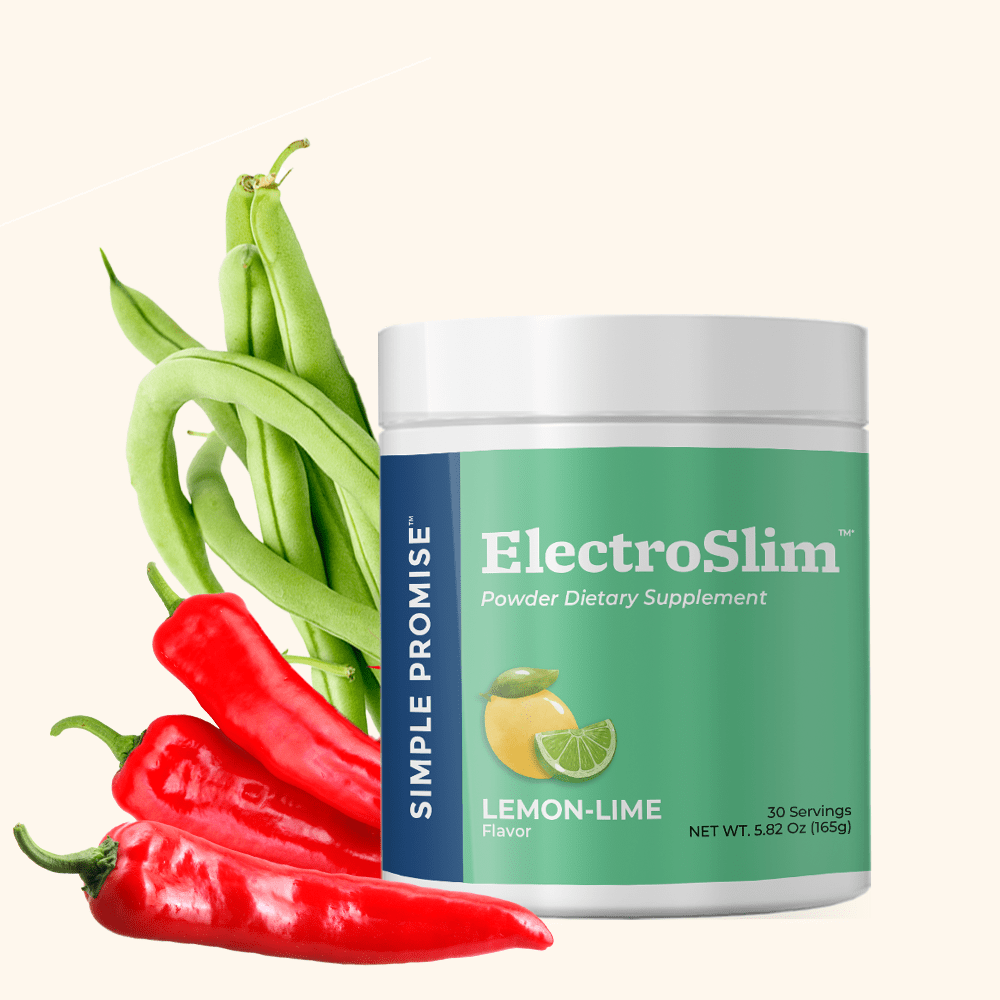
You Must Try ElectroSlim
This a refreshing and beneficial drink!
ElectroSlim is an excellent option for those looking to support their weight management goals while staying hydrated.
It is sugar-free, a plus for many people looking to maintain a healthy lifestyle.
ElectroSlim provides key nutrients that are often lacking in our modern diets.
Instead of going for that glass of apple juice, consider reaching for the apple itself! Whole fruits come packed with fiber, which aids digestion and helps stave off those pesky cravings. Harvard Health Publishing notes that fiber helps improve satiety, meaning you feel fuller for longer, giving you the power to swat away unnecessary snacking like a calorie-conscious ninja warrior. Here’s a fun nugget: a medium apple not only contains about 4 grams of fiber but also takes more effort to chew, giving your brain enough time to register fullness before you end up in the “I can’t believe I ate the whole pie” dilemma.
“It’s not what you eat that kills you. It’s what you don’t digest.” — Josh Billings
Navigating weight loss foods nutrition effectively often means discerning between genuinely beneficial weight loss foods and those deceptive liquid calories frolicking as ‘healthy’ options. So, if you’re aiming for sustainable weight loss while concocting your personalized weight loss meal plan, remember: when it comes to fruit, chewing is way more satisfying than sipping!
The Misleading Halo of Low-Fat Labels
In the quest for the best weight loss diet, many stumble over the comforting embrace of low-fat labels. After all, the promise of low-fat yogurt or chips whispering sweet nothings about shedding pounds faster sounded like a dream! However, the reality is often sprinkled with a bit of a nutritional nightmare.
Here’s the catch: low-fat versions often wave goodbye to the fat only to welcome sugar and additives with open arms. Think of it this way—if they were a character in a sitcom, low-fat weight loss foods would be the sneaky neighbor who steals your Wi-Fi while promising to water your plants. These additives, including sugar, are primarily incorporated to enhance the taste that the absence of fat seems to steal away. Some low-fat foods contain up to 15% more sugar than their full-fat counterparts, which is as counterproductive to a diet for weight loss as running a marathon with the shoelaces tied together!
Experts suggest embracing whole foods and healthy fats as an effective weight loss alternative. Dr. David Ludwig, a nutrition expert at Harvard T.H. Chan School of Public Health, wisely advises,
“By choosing real foods, we can experience foods as they’re supposed to be—and be much more satisfied.”
Opt for avocados, nuts, and olive oil. These options support weight loss nutrition by making you feel satisfied and full, reducing the chances of reaching for that extra low-fat cookie. The shift from low-fat labels to whole fats is more than a diet strategy; it’s a paradigm of returning to nature’s intended nutrition, fostering sustainable weight loss rather than temporary fixes.
So, when you’re about to reach out for that low-fat weight loss foods miracle on the shelf, remember: sometimes, the real miracle is in the whole, wholesome choices you make!
How to Choose Truly Effective Weight Loss Foods
Embarking on a weight loss journey can often feel like navigating a culinaryfield. With so many weight loss foods masquerading as the proverbial wolf in sheep’s clothing, it’s to focus on whole, minimally processed foods that are nutrient-rich. Ditch the fad diets and fake health foods—you know, the ones with labels longer than a Tolstoy novel—and center your weight loss program on truly effective weight loss foods. But what makes a food truly effective, you ask?
First, let’s set the record straight: effective weight loss foods don’t come with magic capes or secret potions. They offer a balanced mix of protein, healthy fats, and complex carbohydrates. Think grilled chicken, quinoa, and the daily avocado selfie on Instagram. These foods are like the superhero trio of the dieting world, fighting off those late-night chip cravings one calorie at a time.
Why is this balance so essential? Well, consider this: a research article published in the Journal of Nutrition highlighted that diets rich in whole foods decrease overall calorie intake by around 500 calories per day, compared to the consumption of ultra-processed alternatives. That’s a daily donut minus the guilt trip!
Additionally, here’s a fun fact: a high protein diet can boost metabolism by 20-30%, compared to 5-10% for carbs and 0-3% for fats (Healthline). So, upgrade your weight loss meal plan with legumes, tofu, or even the occasional lean steak—if moo-ing isn’t off your ethical menu.
It’s also worth noting that healthy fats are your friends. Yes, you heard that right—avocados, nuts, and olive oil deserve a starring role in your weight loss nutrition script. They help keep you full, satisfied, and less likely to dive headfirst into that communal bowl of office candy.
Finally, no “effective weight loss” guide would be complete without a nod to complex carbohydrates. These aren’t your average bread-in-a-hurry. Opt for sweet potatoes, oats, and whole grains to provide that slow-release energy you’ll need to tackle your diet plan for weight loss without feeling hangry (as in, “hungry + angry”). Albert Einstein put it best when he said,
“Life is like riding a bicycle. To keep your balance, you must keep moving.”
So, keep moving forward toward your weight loss goals by making informed food choices that nourish your body and spirit. Remember, the road to a successful, healthy weight loss diet is paved with whole foods, a sprinkle of humor, and the occasional avocado meme.
Understanding the hidden traps in seemingly weight loss foods is essential for successful weight management. By carefully selecting foods based on their nutritional value rather than misleading labels, you can craft a diet plan for weight loss that truly supports your weight loss goals.
Embarking on a weight-loss diet can be a challenging journey, filled with rigorous meal plans, disciplined eating habits, and consistent workouts. But can “cheat days”—those occasional days when you eat foods not typically on your diet—enhance your weight loss? Let’s explore the science behind cheat days and see if they can indeed contribute positively to your healthy weight loss journey.
What Are Cheat Days?
Cheat days are scheduled breaks from your diet where you generously allow yourself to indulge in those “forbidden” foods that usually sit on the naughty list of your weight loss diet. Imagine a diet plan for weight loss as a structured road trip; a cheat day is like stopping at a quirky diner you spotted on the side of the road, where you enjoy a juicy burger or a slice of pie without fretting about the calories. These culinary pit stops can vary in magnitude—from a single meal where you savor your favorite comfort food to an entire day filled with unrestricted, relaxed eating habits.
When diligently following a weight loss meal plan, particularly one as restrictive as a low-carb or ketogenic diet, giving yourself a psychological and physiological break can be particularly advantageous. Releasing yourself from the grips of stringent dieting helps reset your motivation and can even help curb those mid-week cookie cravings that threaten to derail your progress.
But why would you introduce cheat days into your regimen? One could say it’s all about maintaining balance and sanity. With strict dieting, you might feel like a tensioned elastic band, ready to snap. Cheat days bring in that much-needed exhale.
“The psychological relaxation gained from a well-structured cheat day can often help in promoting adherence to your diet long term,” says Dr. Helen O’Connor, a leading nutritionist.
Some evidence suggests that cheat days might not be the diet villain they’re often made out to be. According to a study published in the International Journal of Obesity, participants who included cheat days in their weight loss journey experienced no significant difference in weight loss compared to those who didn’t indulge. Yet, they enjoyed higher satisfaction levels and lower levels of diet-related stress.
Here are a few key points to understand better:
Psychological Benefits: Cheat days can alleviate feelings of deprivation, making the diet more sustainable in the long run.
Hormonal Balance: Indulging periodically can help regulate leptin levels—a hormone associated with hunger and metabolism.
Promotes Adherence: Knowing you have a cheat day to look forward to can help you stick more rigorously to your weight loss meal plan during the week.
Additionally, as you plunge back into your weight loss diet post-cheat day, you may find a renewed vigor and possibly trend towards an effective weight loss strategy. However, “effective” doesn’t mean overindulging every weekend but instead integrating cheat days in a mindful, controlled manner.
So, while a cheat day might feel like a guilty pleasure, science and psychology suggest it’s more like a strategic ally in your weight loss tactics—helping you stay on the path to achieving your weight loss goals without losing your cool.
The Psychology Behind Cheat Days
One of the main reasons cheat days have garnered such popularity is their undeniable psychological benefits. Sticking rigidly to a diet for weight loss can be mentally exhausting, akin to holding your breath through a never-ending tunnel of kale and quinoa. Introducing an occasional cheat day can act as a much-needed mental breather, effectively reducing feelings of deprivation and rejuvenating your weight loss motivation.
Psychologists often highlight the importance of mental breaks, even in the context of dieting. According to a study published in the Journal of Consumer Psychology, individuals who allowed themselves occasional indulgences were likelier to stick to their diet plans in the long run than those who didn’t. This phenomenon can be compared to giving a runner a brief rest during a marathon – a little respite can go a long way in ensuring they reach the finish line.
Here are some compelling reasons why cheat days can be beneficial psychologically:
Reduction in Stress Levels: Constantly denying yourself can elevate stress hormones, making it harder to adhere to a diet. A cheat day can lower cortisol levels, which in turn can facilitate a more sustainable weight loss journey.
Boosted Dopamine Production: Allowing yourself to enjoy your favorite foods occasionally can trigger dopamine release in the brain, contributing to happiness and satisfaction. Think of it as your brain throwing a mini-party.
Enhanced Motivation: Cheat days can be short-term rewards that fuel your long-term goals. The anticipation of a cheat day can make it easier to stick to your weight loss meal plan. As Zig Ziglar famously said,
“People often say that motivation doesn’t last. Well, neither does bathing – that’s why we recommend daily.”
Real-life examples further illustrate the importance of cheat days. Take the case of Dwayne “The Rock” Johnson, who regularly shares his epic cheat meals on social media. Despite his rigorous training and diet regimen, he swears by his cheat days to keep himself mentally and physically balanced. While we may not all have the same Herculean appetite, the principle remains the same: balance and mental flexibility are critical components for sustainable weight management.
Incorporating cheat days is not a free pass to binge but a strategic tool in your weight loss strategy. Understanding the psychology behind it can make your best weight loss diet feel less like a punishment and more like a balanced, achievable lifestyle change. So, savor that slice of pizza – your mind and body might thank you for it!
The Role of Leptin in Cheat Days
Leptin, often called the “satiety hormone,” is pivotal in regulating energy balance, a crucial aspect of any weight loss diet. This hormone, produced by fat cells, sends signals to the brain indicating that you’re full and have sufficient energy reserves. If you’ve ever felt like your loss diet has hit a proverbial wall, leptin might just be the unseen culprit lurking in the shadows.
Research published by the National Institutes of Health suggests that periodic high-calorie days, or “cheat days,” can temporarily boost leptin levels. How does this work? When you consume more calories than usual, your body increases leptin production, enhancing your metabolic rate. This means your body starts burning calories faster, contrary to the sluggish metabolism seen in prolonged, strict diets.
“Periodic high-calorie days can recalibrate your metabolism, making it work for you rather than against you.”
Incorporating cheat days into a weight loss program could serve as a weight loss hack, providing a psychological break from the monotony of constant calorie counting and a metabolic boost. For instance, a study in JAMA Network found that participants who had controlled cheat days exhibited higher levels of leptin and continued to lose weight effectively compared to those who didn’t.
If you’re stuck in a weight loss plateau, adding a judiciously planned cheat day might just revitalize your journey towards your weight loss goals. However, it’s important to integrate these high-calorie days strategically. An impromptu binge-eating session won’t yield the same benefits as a thoughtfully integrated cheat day into your weight-loss meal plan.
So, the next time you’re feeling demotivated by your weight loss diet, remember that a well-placed cheat day can provide both the physical and psychological nourishment to keep you on sustainable weight loss. After all, weight loss nutrition isn’t just about eating less; it’s about beating your body at its own game.
Cheat Days and Metabolism
When it comes to a weight loss diet, the dreaded “metabolic slowdown” can be a major roadblock. Prolonged periods of caloric restriction, as seen in strict low-calorie or balanced diets, can slow down our metabolism, making it harder to lose weight in the long run. This is where cheat days come in as a fascinating yet controversial strategy.
The rationale behind cheat days is that sporadic calorie spikes can trick your body into keeping your metabolism active. So, while you might be religiously sticking to your diet for weight loss six days a week, that one splurge day could keep the fat-burning fires roaring. Don’t just take our word for it—let’s delve into some science.
According to a study published in the Journal of the International Society of Sports Nutrition, intermittent high-calorie days can prevent your body from adapting to a low-calorie diet, helping maintain an efficient metabolism (source). It’s akin to doing a little “metabolic maintenance.” This means your body doesn’t slip into energy conservation mode and continues to burn calories more effectively, assisting in overall weight management.
“Metabolism is like a fire; cheat days are its kindling.” – Anonymous
Incorporating cheat days into your weight loss strategies can also have psychological benefits. Sticking to a diet regimen can sometimes feel like trudging through a nutritional desert. Occasional indulgences can make the journey easier and motivate you in your weight loss journey. Think of it as a morale booster—even superheroes need a day off.
However, it’s crucial to be strategic. Overindulgence can, of course, negate your hard-earned progress. Hence, moderation is key. Here are some tips for making the most out of your cheat days:
Plan Ahead: Identify which day will be your cheat day and stick to it.
Portion Control: Enjoy your favorite foods but in sensible amounts.
Stay Hydrated: Drink water to help with digestion and to avoid confusing thirst with hunger.
Choose Wisely: Opt for foods that provide some nutritional value even if they are higher in calories.
By thoughtfully integrating these cheat days into your weight loss meal plan, you may find your efforts more sustainable and effective in the long haul. So go ahead and enjoy that slice of pizza guilt-free—your metabolism might thank you for it.
How to Implement Cheat Days Effectively
While cheat days can be beneficial, it’s essential to implement them wisely to avoid derailing your diet plan for weight loss. Here are some actionable tips to help you master the art of the occasional indulgence without undermining your hard work:
Plan your cheat day: Schedule it once a week or bi-weekly. Consistency is key here. Studies have shown that planned cheat meals can help maintain metabolic rates during a calorie-restricted diet.
Keep portion sizes in check: Avoid binge eating by practicing portion control. Remember, it’s a cheat day, not a cheat month. “Controlling portion sizes can ensure that you indulge without going off the rails,” advises nutritionist Jane Doe.
Focus on healthier indulgences: Choose healthier treats instead of completely turning to junk food. Think dark chocolate instead of milk chocolate or homemade pizza with a cauliflower crust. “Making smarter choices can keep the essence of indulgence while sticking to your weight loss nutrition goals.”
Incorporate structured weight loss exercises: Exercise on your cheat day to offset the extra calories. A high-intensity interval training (HIIT) session can burn off those additional treats efficiently. According to the American Council on Exercise, HIIT can increase your metabolic rate even after you’ve finished working out.
Stay hydrated and mindful: Overindulgence can sometimes result from mistaking thirst for hunger. Drink plenty of water throughout the day to stave off unnecessary cravings. Mindfulness techniques, like eating slowly and savoring each bite, can help you stay in control. Moderation and balance are key to maintaining a healthy weight loss journey.
Real-World Success Stories
Many individuals embarking on a weight loss journey have shared their triumphs, emphasizing the significant role that cheat days have played. These real-world success stories reveal that cheat days can make losing weight more delightful and sustainable. Rather than feeling constantly deprived, dieters found that allowing themselves an occasional indulgence helped them stay committed to their overall weight loss diet. Here’s a look at some of these inspiring tales:
Take Sarah, for instance. She lost an incredible 50 pounds over a year while indulging in her favorite foods daily. She credits her success to her personalized weight loss meal plan, which incorporated an understanding of balanced diet principles and the strategic inclusion of cheat days. “Cheat days prevented burnout,” she says, “and made me feel like I wasn’t missing out on life’s pleasures.”
“Allowing myself a cheat day made my weight loss program sustainable and enjoyable. I didn’t feel like I was on a strict diet all the time.” — Sarah, 50 pounds lighter.
Another compelling instance is Mark, who struggled with weight loss for years until he discovered the science-backed benefits of cheat days. By integrating cheat days into his healthy weight loss regimen, he shed 30 pounds in 6 months. For Mark, those cheat days were more than just a break; they were a motivational tool that kept his cravings in check and made his low-carb diet feasible over the long term.
“Cheat days were my secret weapon. I could enjoy my favorite foods guilt-free and still achieve my weight loss goals.” — Mark, 30 pounds down.
Real-world evidence supports this framework, propelled by research suggesting that cheat days can reset hormone levels related to hunger and metabolism. A study published in the “International Journal of Obesity” found that people who followed a weight loss meal plan with periodic cheat days reported better adherence and more effective weight loss than those on continuous calorie restriction.
Susan’s story further illustrates the pivotal role of cheat days in achieving sustainable weight loss. Having tried many different weight loss strategies, it wasn’t until she incorporated cheat days that she found success, losing 40 pounds over nine months. Susan emphasizes, “It’s not just about losing weight fast; it’s about finding a weight loss strategy that I could live with forever.”
“With cheat days, I didn’t dread my diet. Instead, I looked forward to my indulging days, making the whole weight loss journey much more manageable and fun.” — Susan, 40 pounds lighter.
These individualized approaches to cheat days highlight how they can be a transformative part of a customized weight loss plan. They demonstrate that cheat days are not merely a lapse in a weight loss diet but a strategic component for maintaining a balanced, healthy lifestyle over the long haul. So, next time you feel tempted to indulge, remember that cheat days might just be the twist you need in your weight loss journey!
Potential Drawbacks
While cheat days can be incredibly satisfying, it’s important to recognize that they aren’t a one-size-fits-all solution to weight loss. For some, indulging in that extra slice of pizza or a decadent piece of chocolate cake can lead to a slippery slope. The challenge lies in recalibrating and returning to your weight loss regimen afterward. Research from the International Journal of Obesity indicates that up to 64% of individuals find it difficult to refocus on their diet plan for weight loss after a cheat day. This disruption can lead to slowed progress, making it harder to achieve your weight loss goals.
Moreover, there’s always the lurking threat of overindulgence. Cheat days may sometimes turn into cheat weekends or even cheat weeks. This can result in consuming excessive calories and deviating from a balanced diet. Excess calories can lead to a caloric surplus, which, according to the American Journal of Clinical Nutrition, can hinder your weight loss journey by promoting weight gain instead of weight loss. Overindulgence may also lead to nutrient imbalances that can jeopardize your weight loss nutrition, making it more difficult to manage your weight effectively.
“It’s not the load that breaks you down, it’s the way you carry it.” – Lou Holtz
This quote underscores the importance of a well-thought-out strategy. The secret to making cheat days work is careful planning and maintaining control. Here are some actionable tips to navigate cheat days without derailing your diet:
Plan Ahead: Know what you will indulge in and stick to it. Avoid turning a cheat meal into an all-day eating spree.
Moderation is Key. Control portion size to avoid consuming too many calories. Opt for a small treat rather than an entire meal.
Stay Hydrated: Sometimes, thirst is mistaken for hunger. Drinking water can help you feel fuller and reduce the likelihood of overeating. Mindful Eating: Focus on genuinely enjoying your cheat meal. Eating slowly can help you feel satisfied with less.
Ultimately, cheat days can be a double-edged sword in your weight-loss diet plan. They can provide a mental and physical break but pose significant challenges if not managed mindfully. Remember, the best weight loss diet is one that you can stick to sustainably, integrating both discipline and occasional indulgences in harmony with your overall weight loss strategies.
Conclusion
Cheat days can be a valuable addition to your weight loss diet, offering psychological relief and potential metabolic benefits. However, they should be incorporated carefully and strategically to ensure they support rather than hinder your weight loss goals. Balancing cheat days with healthy eating, consistent physical activity, and a well-structured meal plan can lead to a more sustainable and enjoyable weight loss journey. Remember, the key to successful weight management lies in moderation and balance.
The smoothie diet has become popular among those looking to lose weight. Full of essential nutrients and simple to make, smoothies provide a tasty and convenient way to cut down on calories without giving up flavor or nutrition.
Why Choose a Smoothie Diet?
Smoothies offer the perfect combination of deliciousness and healthiness. By substituting one or more meals with nutrient-packed smoothies, you can:
Manage calorie intake: You can customize smoothies to be low in calories.
Enhance nutrient absorption: Blending fruits and vegetables helps your body absorb vitamins and minerals better.
Enjoy convenience: Quick preparation makes sticking to a healthy eating plan easy.
A well-planned smoothie diet can be an effective and enjoyable method for shedding pounds while nourishing your body with essential nutrients. You can create balanced meals that support your weight loss goals by incorporating a variety of whole foods like leafy greens, fruits, proteins, and healthy fats. For instance, adding some keto cookie dough bars as a snack could be a delicious way to maintain your energy levels while on this diet. Combining the smoothie diet with regular fitness activities can enhance your weight loss results.
Understanding the Smoothie Diet
Definition and Purpose of a Smoothie Diet
A smoothie diet primarily involves replacing one or more daily meals with nutrient-dense smoothies. These smoothies are carefully crafted to provide essential vitamins, minerals, fiber, and protein while maintaining a low-calorie count. The primary goal is to promote weight loss by reducing overall calorie intake without sacrificing nutrition.
Calorie Restriction and Weight Loss
Smoothies can help with calorie restriction in a few key ways:
Portion Control: Each smoothie serving is typically pre-measured, making it easier to manage portion sizes and avoid overeating.
Low-Calorie Ingredients: You can create satisfying yet low-calorie meals by choosing leafy greens, fruits, low-fat dairy or plant-based milk.
Satiety: Adding ingredients such as protein (e.g., Greek yogurt) and healthy fats (e.g., avocado) helps keep you full longer, reducing the urge to snack between meals.
These strategies can also be beneficial when facing diet challenges, often making dieting hard and repetitive.
The Role of Nutrient Density
Nutrient density refers to the amount of nutrients per calorie in a food item. A successful smoothie diet relies on high-nutrient-dense foods to ensure your body gets all the essential nutrients, even with a restricted calorie intake.
Key aspects of nutrient-dense smoothies include:
Leafy Greens: Spinach and kale contain vitamins A, C, K, iron, and fiber.
Berries: Blueberries, strawberries, and raspberries offer antioxidants and vitamins with relatively low sugar content.
Protein Sources: Greek yogurt or plant-based protein powders can enhance muscle repair and growth while keeping you full.
Healthy Fats: Ingredients like flaxseeds or coconut oil contribute omega-3 fatty acids that support heart health.
Focusing on nutrient density aids in weight loss and supports overall health. This balanced approach ensures you’re cutting calories and effectively nourishing your body.
Benefits of Incorporating Smoothies into Your Diet
Nutrient-Packed Nature of Smoothies and Their Impact on Overall Health
Smoothies are a powerhouse of essential nutrients. By blending various fruits, vegetables, proteins, and healthy fats into one delicious drink, you can create a meal rich in vitamins, minerals, antioxidants, and fiber. This nutrient density can lead to:
Improved immune function: A diet high in vitamins C and E, as found in many fruits and vegetables, can boost your immune system.
Better skin health: Antioxidants like those found in berries help combat oxidative stress, promoting healthier skin.
Enhanced energy levels: Nutrient-rich smoothies provide a sustained release of energy throughout the day.
Convenience and Ease of Preparation
One significant advantage of smoothies is their convenience. You can prepare a nutritious meal replacement with just a few minutes and a good blender. This ease of preparation makes adhering to a healthy eating plan simpler. Key points include:
Quick to make: No need for elaborate cooking; chop, blend, and go.
Portable: Ideal for busy lifestyles, you can take your smoothie on the go.
Versatile: Easily customize your smoothie based on available ingredients and personal preferences.
Specific Benefits
Smoothies offer several specific health benefits that contribute to overall well-being:
Improved DigestionBlending breaks down food into an easily digestible form, which can be gentler on your digestive system.
Ingredients like yogurt or kefir provide probiotics that support gut health.
Enhanced Nutrient AbsorptionSmoothies help your body absorb more nutrients efficiently due to the blending process.
Pairing fruits with healthy fats (like avocado or coconut oil) can enhance the absorption of fat-soluble vitamins.
Balanced Blood Sugar LevelsIncluding fiber-rich ingredients such as leafy greens and chia seeds helps regulate blood sugar spikes.
Low-sugar fruits like berries are excellent choices for maintaining stable glucose levels.
By incorporating smoothies into your diet, you’re enjoying a delicious meal and reaping numerous health benefits that support long-term wellness goals. Moreover, if you’re considering fitness exercises while following a keto diet, or exploring the effectiveness of natural herbs for weight loss, these dietary changes could complement those efforts well. Additionally, if you’re curious about the differences between popular diets such as the Dukan diet and the keto diet, or seeking tips for effortless keto cooking, feel free to chat with Jen for personalized advice and insights.
lossdiet4u.com/importance-of-consulting-a-dietician). They can help tailor your diet plan based on your needs and goals.
Sample Meal Plan: A Day on the Smoothie Diet
Breakfast: Green Smoothie
Kickstart your day with a nutrient-packed green smoothie. This blend is rich in vitamins and minerals, providing a refreshing and energizing start to your morning.
Ingredients:
1 cup kale (stems removed)
1 banana
1 cup almond milk (unsweetened)
1 tablespoon chia seeds (optional for extra fiber)
Ice cubes (optional)
Instructions:
Add kale, banana, and almond milk to your blender.
Blend until smooth.
For a thicker consistency, add ice cubes and blend again.
Optional: Stir in chia seeds for added fiber.
Lunch: Berry Smoothie
Enjoy a delicious, satisfying berry smoothie packed with antioxidants for lunch. This recipe combines mixed berries, spinach, and Greek yogurt, ensuring you stay full and nourished throughout the afternoon.
Ingredients:
1 cup mixed berries (blueberries, strawberries, raspberries)
1 cup spinach
1/2 cup Greek yogurt
1/2 cup water or almond milk
1 tablespoon honey (optional)
Instructions:
Combine mixed berries, spinach, Greek yogurt, and liquid of choice in your blender.
Blend until smooth.
Sweeten with honey if desired.
Dinner: Sweet Potato Smoothie
A sweet potato smoothie provides a comforting yet nutritious dinner option. This unique blend is infused with cinnamon for a delightful flavor profile.
Ingredients:
1 medium sweet potato (cooked and cooled)
1 teaspoon cinnamon
1 cup almond milk
1 tablespoon maple syrup (optional)
Instructions:
Bake or boil the sweet potato until tender, then let it cool.
Add the sweet potato, cinnamon, almond milk, and maple syrup to your blender.
Blend until creamy.
Serve chilled or slightly warm based on preference.
These smoothie recipes keep you full and energized throughout the day while effectively supporting your health goals. If you’re looking to revamp your eating habits with the smoothie diet or explore other low-carb recipes, such as delicious keto main dishes, there are plenty of options available to suit your taste buds while maintaining your health goals. Adopting a low-carb lifestyle can provide numerous health benefits and aid in weight loss.
Recommended Blenders for Making Perfect Smoothies at Home
Exploring Different Blender Options
When starting your smoothie diet journey, having the right blender can make a big difference. Here are some popular options that cater to different needs and budgets:
Vitamix blenders are known for their powerful performance. Their strong motors can blend even the toughest ingredients into a creamy, smooth texture, making them perfect for making nutrient-rich smoothies packed with fiber from fruits and vegetables.
Key Features:
Variable speed control for precise blending.
Durable stainless steel blades.
Self-cleaning function.
Vitamix review: Users often praise its versatility and long-lasting performance, although it has a higher price tag.
Nutribullet offers a compact and affordable solution without compromising on quality. It’s perfect for those who need a quick, efficient way to prepare smoothies without taking up too much kitchen space.
Key Features:
Simple, one-touch operation.
Portable cups for on-the-go convenience.
Powerful motor within a small footprint.
Nutribullet review: Many appreciate its ease of use and portability, making it a favorite among busy individuals.
Blendtec blenders are known for their powerful motors, which allow them to handle tough ingredients effortlessly. They excel at creating smooth textures and can easily handle ice and frozen fruits.
Key Features:
Pre-programmed settings for various recipes.
Robust stainless steel blades.
Unique WildSide jar design for better blending efficiency.
Blendtec review: Users highlight its incredible power and efficiency, although some find it noisier than other models.
Ninja blenders combine versatility with robust performance. Equipped with multiple attachments, they can perform tasks beyond just blending smoothies, such as chopping and food processing.
Key Features:
Multiple blades for different functions.
High-speed crushing capabilities.
Interchangeable attachments, including personal-sized cups.
Ninja review: Praised for its multifunctionality, the Ninja is an excellent choice for those looking to get more out of their blender than just smoothies.
Choosing the right blender depends on whether you need a high-performance, compact size, powerful motors, or multi-functionality blender. Each brand has unique features designed to enhance your smoothie-making experience.
Experimenting with Unique Smoothie Recipes for Variety in Your Diet
Smoothies are a fantastic way to incorporate a variety of nutrients into your diet. They can be sweet, savory, or even a meal replacement. Here are some unique smoothie recipes that you can try.
Blueberry Muffin Smoothie
Start your day with a smoothie that tastes like a treat! The Blueberry Muffin Smoothie combines the sweet and tangy flavors of blueberries with the creamy texture of oats and bananas.
Ingredients:
1 cup blueberries (fresh or frozen)
1 ripe banana
1/2 cup oats
1 cup almond milk
1/2 cup Greek yogurt
1 tsp vanilla extract
Instructions:
Add all ingredients to your blender (Vitamix, Nutribullet, Blendtec, or Ninja).
Blend until smooth and creamy.
Pour into a glass and enjoy immediately.
This smoothie is packed with antioxidants from the blueberries and protein from the Greek yogurt, making it delicious and nutritious. If you’re following a low-carb diet, you could also consider using keto-friendly ingredients.
Spinach and Avocado Smoothie
For a green powerhouse, try the Spinach and Avocado Smoothie. This blend offers a creamy texture thanks to the avocado while delivering a hefty dose of vitamins from spinach.
Ingredients:
2 cups fresh spinach
1/2 avocado
1 apple, cored and chopped
1 cup coconut water or almond milk
Juice of half a lemon
Instructions:
Place the spinach, avocado, apple, coconut water (or almond milk), and lemon juice in your blender.
Blend until smooth.
Serve chilled.
This smoothie supports digestion and keeps you full longer due to the healthy fats in avocado.
Creamy Tomato Soup Smoothie
The Creamy Tomato Soup Smoothie is an excellent dinner alternative for those who prefer savory over sweet. This unique recipe combines the freshness of tomatoes with the warmth of cinnamon.
Ingredients:
2 ripe tomatoes, chopped
1 small sweet potato, cooked and peeled
1 cup vegetable broth
1/4 cup almond milk
1 tsp ground cinnamon
Instructions:
Combine all ingredients in your blender.
Blend until smooth.
Heat in a pot if you prefer it warm, or enjoy it cold as a gazpacho-style soup.
This savory smoothie is perfect for dinner, offering comfort without compromising nutrients.
Experimenting with these unique recipes helps keep your smoothie diet exciting and prevents monotony. By using different blenders, such as Vitamix (known for high performance), Nutribullet (compact yet efficient), Blendtec (powerful motor), or Ninja (versatile with various attachments), you can achieve the perfect consistency every time.
Starting a smoothie diet can be an exhilarating experience, filled with the promise of health and vitality. Here are some tips to ensure you get the most out of your smoothie diet journey:
Incorporate Essential Nutrients
To make sure your smoothies are not just delicious but also nutritionally balanced, consider these key components:
Leafy Greens: Adding kale, spinach, or Swiss chard provides essential vitamins and minerals.
Fruits: Choose low-sugar fruits like berries, which are high in antioxidants, or bananas for their natural sweetness.
Protein Sources: Greek yogurt, nut butter, or protein powder can help keep you feeling full longer.
Healthy Fats: Ingredients like avocado or coconut oil add creaminess and help with nutrient absorption.
Liquids: Almond milk, coconut water, or plain water can provide consistency without adding unnecessary calories.
Experiment with Flavors and Textures
A smoothie diet should never feel monotonous. Keep things exciting by trying new combinations and textures:
Sweet vs Savory: While fruit-based smoothies are popular, don’t avoid savory options like a creamy tomato soup smoothie.
Texture Play: Add ingredients like oats for a thicker texture or chia seeds for a bit of crunch.
Spices and Herbs: Boost flavor with cinnamon, ginger, mint, or basil. These not only enhance taste but also offer additional health benefits.
Practical Tips
Making your smoothie diet successful involves more than just recipes—it’s about habits:
Prep Ahead: Pre-cut fruits and veggies and store them in the freezer. This makes morning prep quick and easy.
Stay Hydrated: Drink plenty of water throughout the day to help with digestion and overall well-being.
Listen to Your Body: How different ingredients make you feel. Customize your smoothies to suit your nutritional needs and taste preferences.
By focusing on these aspects, you can ensure your smoothie diet remains enjoyable and effective.
Common Mistakes to Avoid When Following a Smoothie Diet
Mistakes can derail your smoothie diet progress. Here are some common smoothie diet mistakes to watch out for:
Insufficient Protein or Fiber Intake
Protein and fiber are crucial for keeping you full and energized. Skipping these can lead to hunger or fatigue.
Add Greek yogurt, nut butter, or protein powder to your smoothies for a protein boost.
Include chia seeds, flaxseeds, or oats to increase fiber content.
Overloading on Fruit
While fruits are nutritious, using too many can spike your blood sugar levels.
Balance fruits with leafy greens like spinach or kale.
Opt for low-sugar fruits such as berries instead of high-sugar options like mangoes.
Using Pre-Packaged Mixes
Pre-packaged mixes may contain added sugars and preservatives.
Choose fresh, whole ingredients to ensure maximum nutrient intake.
Read labels carefully if you must use pre-packaged items.
Ignoring Healthy Fats
Healthy fats help with satiety and nutrient absorption.
Include avocado, coconut oil, or nuts in your smoothies for a creamy texture and longer-lasting fullness.
Neglecting Hydration
Smoothies alone might not meet all your hydration needs.
Drink plenty of water throughout the day.
Add hydrating ingredients like coconut water or cucumber to your smoothies.
Not Monitoring Carb Intake
It’s easy to overlook the carbohydrate content in your smoothies, especially when loading up on fruits. This can hinder your weight loss goals. To avoid this pitfall, you might want to consider upping your goals with a carb manager. A popular mobile application that helps individuals track their carbohydrate intake and manage their health goals could be beneficial in this regard.
Avoiding these mistakes can set you up for success on your smoothie diet journey.
Real-Life Success Stories from People Who Have Tried the Smoothie Diet
Sarah’s Journey: Shed Pounds and Boosted Digestion
Sarah started her smoothie diet journey to lose weight and improve her digestive health. In just one month, she lost 10 pounds by replacing two meals a day with smoothies packed with nutrients. One of her favorite recipes included:
Green Smoothie: Kale, banana, almond milk, and a scoop of protein powder.
“I felt lighter and more energetic every day,” Sarah shares. “My digestion improved significantly, and I no longer experienced bloating after meals.”
Mike’s Transformation: Increased Energy Levels
The smoothie diet made a huge difference in Mike’s energy levels. As a busy professional, he often felt tired in the afternoons. By adding smoothies to his daily routine, he noticed an immediate increase in energy. His go-to smoothie was:
Berry Smoothie: Mixed berries, spinach, Greek yogurt, and chia seeds.
“Switching to smoothies gave me sustained energy throughout the day,” Mike explains. “I felt more alert and focused at work.”
Emily’s Health Overhaul: Improved Overall Well-being
Emily wanted to improve her health, so she tried the smoothie diet. She loved getting creative with different ingredients to keep things exciting. One of her favorite combinations was:
Sweet Potato Smoothie: Sweet potato, cinnamon, almond milk, and a dash of nutmeg.
“I loved how versatile the smoothie diet was,” Emily remarks. “It helped me lose weight, improved my skin complexion, and balanced my blood sugar levels.”
These real-life success stories show the positive impact of adopting a smoothie diet. By focusing on nutrient-rich ingredients and enjoying delicious recipes, you can achieve remarkable results on your path to better health.
Conclusion
Starting a smoothie diet can greatly improve your health and well-being. To make the most of it, you must balance cutting calories with getting enough nutrients. Using a wide range of fresh, top-quality ingredients, you can make tasty and filling meal replacements.
Key points to remember:
Use high-performance blenders like Vitamix or affordable options like Nutribullet.
Choose nutrient-dense ingredients: leafy greens, antioxidant-rich fruits, protein sources, and healthy fats.
Avoid processed mixes; focus on whole foods for maximum benefits.
Following these guidelines will help make your smoothie diet effective and enjoyable.
FAQs (Frequently Asked Questions)
What is a smoothie diet?
A smoothie diet involves replacing one or more meals with nutrient-packed smoothies that promote calorie restriction and weight loss. It focuses on meal replacement smoothies that are rich in essential nutrients.
What are the benefits of incorporating smoothies into my diet?
Smoothies offer numerous benefits, including improved digestion, enhanced nutrient absorption, and balanced blood sugar levels. They are convenient and easy to prepare, making maintaining a healthy eating plan easier.
How do I get started with a smoothie diet?
To start a smoothie diet, invest in a high-quality blender for optimal texture and consistency. Choose fresh, high-quality ingredients free from additives. Avoid common pitfalls like relying too heavily on pre-packaged mixes.
What ingredients should I include in my smoothies?
Key ingredients for delicious and nutritious smoothies include leafy greens (like kale or spinach), low-sugar fruits (such as berries or bananas), protein sources (like Greek yogurt or nut butter), and healthy fats (like avocado or coconut oil).
What are some common mistakes to avoid when following a smoothie diet?
Common mistakes include insufficient protein or fiber intake, which can lead to feelings of hunger or fatigue. It’s important to ensure your smoothies are balanced meals on their own.
Can you provide examples of smoothie recipes for weight loss?
Sure! Try a Green Smoothie with kale, banana, and almond milk for breakfast. Enjoy a Berry Smoothie with mixed berries, spinach, and Greek yogurt for lunch. Consider a Sweet Potato Smoothie with sweet potato, cinnamon, and almond milk for dinner.