Posts Categorized: Dieting

Why One Week Smoothie Diet Isn’t Sustainable

Why One Week on a Smoothie Diet Isn’t Sustainable

Are you considering a one week smoothie diet to shed some pounds and detoxify your body? While it may seem like a quick fix, we’re here to tell you that it’s not sustainable in the long run.

Sure, sipping on delicious fruity blends for seven days straight might give you an instant energy boost and help kickstart healthy eating habits. But what happens when the week is over?

In my latest blog post, you will find out why relying solely on smoothies as meal replacements isn’t a sustainable solution for weight loss or overall wellness.

What is a Smoothie Diet

A smoothie diet is a diet where you consume nothing but smoothies for a set period. This usually lasts for one week or less.

The idea behind a smoothie diet is that you can consume more fruits and vegetables than you typically would and that these smoothies will help you detoxify and cleanse your body.

There are many different smoothie recipes, and you can tailor them to your preferences.

However, most people who go on a smoothie diet use a lot of leafy greens, fruits, and water in their smoothies. Some people also add protein powder or other supplements to ensure they get all the nutrients they need.

While a week-long smoothie diet may seem like a great way to reset your eating habits and lose weight quickly, it’s not a sustainable way of eating long-term.

You’ll likely feel deprived and hungry if you only consume smoothies, and it’s hard to stick to a liquid diet for over a few days. Plus, you miss out on important nutrients like fiber when you eat nothing but smoothies.

If you want to make lasting changes to your diet, it’s better to focus on adding more whole fruits and vegetables into your meals and snacks instead of trying fad diets like the Smoothie Diet.

One Week Smoothie Diet

Benefits of Smoothie Diets

A smoothie diet may be effective for weight loss in the short term, but it is not a sustainable or healthy way to eat long-term. Some of the benefits of a smoothie diet include:

  1. Quick and easy to make: Smoothies are quick and easy to make, which makes them an ideal option for busy people who don’t have time to cook healthy meals.
  2. Convenient: Smoothies are also convenient as they can be made ahead of time and stored in the fridge for later. This means you can have a healthy meal or snack ready to go when you need it.
  3. Nutrient-rich: Smoothies are packed with nutrients, including vitamins, minerals, antioxidants, and fiber. This makes them an excellent way to fuel your body and reach your daily nutrient needs.
  4. Weight loss: A smoothie diet may help you lose weight in the short term by reducing your calorie intake and increasing satiety (fullness). However, this weight loss is often not sustainable long-term as it’s difficult to stick to a liquid diet for an extended period of time. In addition, once you start eating solid foods again, you may regain any lost weight quickly.

Why One Week Smoothie Diet Isn’t Enough?

One week on a smoothie diet may lead to some initial weight loss, but it’s not enough time to make lasting changes. Studies have shown that it takes about six weeks to two months for people to start seeing real results from lifestyle changes. So, while a week-long smoothie diet may jumpstart your weight loss journey, it’s not sustainable in the long run.

Here are some other reasons why one week smoothie diet isn’t enough:

You Need Time To Adjust: Your body needs time to adjust to any new diet or eating plan and a one week smoothie diet might not be enough.

If you go from eating solid foods to drinking nothing but smoothies for seven days, you’re likely to experience some side effects like headaches, fatigue, and irritability. These side effects are usually temporary and will go away as your body gets used to the change, but they can still be unpleasant.

You Might Miss Important Nutrients: Smoothies are a great way to get lots of nutrients in one meal, but they’re not perfect. If you’re only drinking smoothies for a week, you might miss out on important nutrients like fiber and protein. Fiber is important for keeping you regular and helping with weight loss, while protein is essential for repairing muscles and preventing cravings.

You’ll Rebound After A Week: When you go on a restrictive diet like a smoothie diet, your body goes into survival mode. Once you resume eating solid foods, your body will be more likely to regain the weight quickly – sometimes even faster than you lost it. That’s why longer-term weight loss strategies that incorporate healthy eating habits and exercise are so important.

Overall, a one-week smoothie diet isn’t enough time for your body to adjust or for you to make lasting changes. While it can be a good way to jumpstart your journey, you need to think long-term if you want real results.

Nutritional Deficiencies With Short-Term one week Smoothie Diet

When people go on short-term smoothie diets, they may not be getting all the nutrients their bodies need. This can lead to deficiencies in essential vitamins and minerals. Some of the most common deficiencies associated with short-term smoothie diets include:

  • Vitamin A: Vitamin A is important for vision, immune function, and cell growth. Deficiencies can cause night blindness and an increased risk of infections.
  • Vitamin B12: Vitamin B12 is essential for making red blood cells and keeping the nervous system healthy. Deficiencies can cause anemia and nerve damage.
  • Vitamin C: Vitamin C is important for wound healing, bone growth, and immune function. Deficiencies can cause scurvy, which is characterized by easy bruising, bleeding gums, and fatigue.
  • Calcium: Calcium is essential for strong bones and teeth. Deficiencies can cause osteoporosis and an increased risk of fractures.
  • Iron: Iron is necessary for transporting oxygen in the blood. Deficiencies can cause anemia and fatigue.
one week Smoothie Diet

Longer-Term Results That Last

Quick fixes and fad diets are usually not the answer when it comes to dieting. If you’re looking for sustainable, long-term results, a one week smoothie diet is not for you.

A smoothie diet may help you lose weight in the short term, but it’s not sustainable eating. You’ll likely regain any weight you lost once you go back to your normal diet.

Smoothies are also often very high in sugar, which can cause spikes in blood sugar levels. If you have diabetes or are prediabetic, a smoothie diet can be dangerous.

A better option for sustainable weight loss is to focus on eating whole foods and exercising regularly. This type of lifestyle change is more likely to lead to lasting results.

Sample Meal Plans for a Sustainable Smoothie Diet

For one week Smoothie Diet , you can try out a sustainable smoothie diet by following these sample meal plans.

  • Breakfast: Start your day with a nutritious green smoothie made with spinach, kale, matcha powder, and almond milk. Add a banana or avocado for some healthy fats and natural sweetness.
  • Lunch: For lunch, enjoy a filling smoothie bowl made with frozen berries, chia seeds, almond butter, and full-fat yogurt. Top with fresh fruits and nuts for extra flavor and texture.
  • Dinner: For dinner, blend up a savory smoothie made with tomatoes, garlic, onion, celery, carrots, and lemon juice. Add some plant-based protein like tofu or tempeh for added satiety.
  • Snacks: In between meals, snack on raw veggies like cucumbers or carrots sticks dipped in hummus or peanut butter. Enjoy a handful of nuts or seeds as well. If you’re feeling hungry between meals or at night, blend up a small snack-size smoothie using whatever ingredients you have on hand.

Conclusion

I hope this article has shed some light on why the one week smoothie diet, while potentially effective in the short-term, is not a sustainable solution for your health and body composition goals in the long run.

By understanding key concepts such as nutrient deficiencies and feelings of deprivation, you can stay on track with your nutrition plans and achieve healthy and maintainable results.

Importance of Cooking Your Own Meals When Dieting

Are you trying to lose weight but finding it difficult to resist the temptation of ordering takeout or eating at restaurants and takeouts?

Cooking your own meals may hold the key to achieving your weight-loss goals. But it’s not just about losing weight; cooking at home has numerous health benefits that outweigh almost any other method of eating, no matter the recipe. 

From being in control of the ingredients to practicing portion control, in this post, we’ll explore the importance of cooking your own meals when dieting. It’s even more important when you are on a Keto or Paleo diet.

Importance of cooking your own meals when dieting

Cooking your own meals while on a diet is essential for a healthy lifestyle. By cooking at home, you have control over the ingredients and are able to adjust the recipe to suit your personal preferences. 

Home-cooked meals also contain fewer calories and harmful additives, promoting weight loss and a healthier diet

Cooking at home enables portion control and helps readjust your taste buds for more flavorful and nutritious meals. 

Despite time constraints and lack of experience, choosing fresh and whole foods over processed options is an important step towards a healthy diet. 

Ability to control ingredients and adjust to personal taste preferences

Cooking your own meals when dieting offers the ability to control ingredients and adjust to personal taste preferences. 

By preparing your own food, you have complete control over what goes into your body, allowing you to avoid unwanted additives and unhealthy ingredients. 

You can also cater your meals to your personal taste buds, making healthy eating more enjoyable. 

Plus, cooking at home often yields more flavorful meals as you can experiment with herbs, spices, and fresh ingredients. 

Lower calorie intake and less consumption of harmful additives

Cooking your own meals when dieting can significantly reduce your calorie intake and minimize the consumption of harmful additives. 

Processed foods tend to contain excessive amounts of sugar, salt, and unhealthy fats. 

However, home-cooked meals offer an opportunity to control the quality and quantity of ingredients, making it easier to cut down on calories and avoid unhealthy additives. 

Cooking at home allows for the use of fresh and whole foods, which are generally healthier for the body. Read More at HelpGuide

Helps readjust taste buds for more flavorful and healthy meals

It’s common to struggle with the taste of healthier options when to a healthier diet. 

Research has shown that taste buds can be retrained to prefer wholesome, nutrient-dense foods. 

By gradually reducing the use of salt, sugar, and unhealthy fats in cooking, individuals can readjust their taste buds to enjoy the flavors of healthier meals. 

Experimenting with herbs, spices, and healthy cooking methods can also add flavor and variety to meals while promoting a more nutritious diet. 

Cooking Your Own Meals``

Promotes weight loss and healthier eating patterns

Cooking your own meals when dieting promotes weight loss and healthier eating patterns. 

Studies demonstrate that those who prepare their own meals have greater adherence to healthier diets such as the Keto, Paleo, Mediterranean, and DASH diets and consume higher amounts of fruits and vegetables. 

By cooking your own meals, you are able to control portion sizes and avoid overeating, leading to a reduction in calorie intake. 

This helps re-adjust your taste buds to prefer more flavorful and healthy meals, making it easier to stick to your diet in the long run. 

Enables portion control to avoid overeating

En portion control is key to avoiding overeating, and by cooking your own meals when dieting, you can measure each ingredient and portion size, ensuring that you are eating a well-balanced meal in the right amount. 

If measuring or weighing food isn’t appealing, using your plate or hands as a portion control guide can also help curb total intake. 

Swapping your usual plate, bowl, or serving spoon for a smaller alternative can reduce the amount of food and prevent overeating. 

By practicing portion control, you can create healthier eating patterns and achieve successful weight loss

Overcoming Obstacles to Cooking at Home – Time constraints and a busy lifestyle

Many people believe that cooking healthy meals at home is time-consuming, especially when balancing work, school, and family responsibilities. 

There are plenty of quick, simple, and wholesome meals to prepare at home in less time than traveling to a restaurant or waiting for a delivery. 

With a little planning and preparation, cooking your own meals can fit into even the busiest of lifestyles. More info on NIH.GOV

Lack of cooking skills or experience

For people, the lack of cooking skills or experience can be a major barrier to cooking their own meals. 

This hurdle can be overcome with a bit of patience and practice. Many resources available online, such as cooking tutorials, recipe blogs, and instructional videos, can help you develop your culinary skills. Just check my easy recipes here, I add more weekly.

Additionally, you can start with simple recipes and gradually work your way up to more complex dishes. 

Don’t be discouraged by mistakes or failures; they are a natural part of learning.

Cost of ingredients and equipment

One difficulty people face when cooking their meals is the ingredients and equipment cost. 

While it may be tempting to opt for cheaper, processed options, investing in fresh whole foods can ultimately save money in the long run by promoting better health. 

Purchasing a few key kitchen tools, such as a sharp knife, a cutting board, and a few pots and pans, can make cooking easier and more enjoyable. 

Plus, homemade meals often yield leftovers that can be enjoyed for multiple meals, further stretching your dollar.

Cooking Your Own Meals

My Tips for Cooking Healthy Meals at Home

Choose fresh and whole foods over processed options

Choosing whole foods over processed options is a great way to improve your diet and overall health. 

These minimally processed and unprocessed foods are more nutrient-dense, containing higher levels of vitamins, minerals, and fiber. 

By choosing whole foods, you also avoid harmful additives and excess calories found in ultra-processed items. 

To make the transition easier, try incorporating simple, fresh ingredients into your meals and gradually phase out processed options. 

With time, you can enjoy more flavorful, satisfying meals while promoting healthier eating habits.

Why You Should Start Juicing – A Beginner’s Guide

Juicing is of course all the rage these days, with everyone from celebrities to busy parents talking about it. But if you’re not yet sold, maybe this will be what makes your decision for you: if there were two choices, one being quick and easy but poor with nutrition, the other slightly more time-consuming but nutrient dense and providing long-term returns in the form of health benefits, which would you take?

What is Juicing and Why Juicing?

Juicing is a process where the liquid is extracted from fruits and vegetables. This can be done with a juicer, by blending the produce, or through a process called cold-pressing. Juicing is beneficial because it allows you to consume a higher concentration of nutrients than you would from eating the whole foods. Additionally, juicing can help improve your digestion and detoxification processes.

Juice Recipe Ideas

  1. Carrot Juice Recipe – This recipe is packed with nutrients that are essential for good health. Carrots are a rich source of beta-carotene, which is converted into Vitamin A in the body. This vitamin is important for healthy vision, skin, and immune system function. In addition, carrots contain fiber and other nutrients that promote digestive health.
  2. Beet Juice Recipe – Beets are an excellent source of antioxidants and nitrates, which have been shown to improve blood pressure and athletic performance. This recipe also contains ginger, which has anti-inflammatory properties and can help to relieve pain and nausea.
  3. Green Juice Recipe – If you’re looking for a nutrient-rich juice recipe, look no further than this green juice recipe! It features spinach, kale, celery, cucumber, and apple; all of which are excellent sources of vitamins, minerals, and antioxidants. This recipe is perfect for those looking to boost their energy levels or improve their overall health.
  4. Citrus Juice Recipe – Citrus fruits are packed with Vitamin C, an important nutrient for immunity and overall health. This refreshing juice recipe features orange, grapefruit, lemon, and lime; all of which will give you a healthy dose of Vitamin C. In addition, this recipe is a great way to get your daily recommended intake of water!
  5. Pineapple juice Recipe – Pineapple is not only delicious, but it’s also full of nutrients like Vitamin C and fiber. This recipe also contains ginger, which can help to improve digestion and reduce inflammation.

What to Consider Before Starting a Juicer Diet

When it comes to starting a juicing diet, there are a few things you should take into consideration beforehand.

First and foremost, you need to make sure that you’re getting enough fruits and vegetables in your diet. This means eating at least five servings of fruits and vegetables per day. If you’re not used to eating this many fruits and vegetables, it may be tough to do at first, but stick with it and your body will adjust.

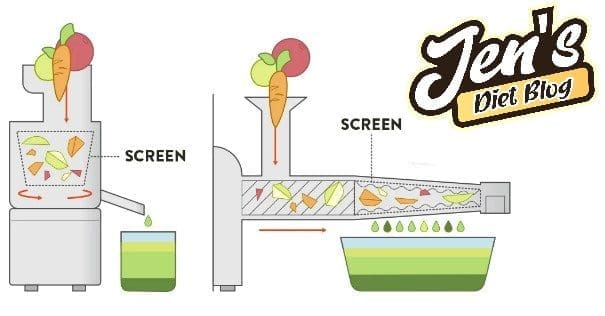
Another thing to consider before starting a juicing diet is the type of juicer you’ll be using. There are two main types of juicers: centrifugal and masticating. Centrifugal juicers are the most common type and they work by spinning the fruits and vegetables at a high speed, which extracts the juice from them. Masticating juicers work by grinding the fruits and vegetables, which also extracts the juice but can result in a higher quality product.

Juicing

Each juicer extracts juice from produce by forcing it against a sharp screen. A centrifugal juicer uses centrifugal pressure by rotating very quickly. Masticating juicers make use of a slow-moving screw to compel the fruit and vegetables against the screen. I do not have a preference and you can get any of the two for less than $60 but some can reach easily $300.

Finally, you’ll need to decide how often you want to juice. For some people, juicing once or twice a day is enough, while others like to drink fresh juice all day long. It’s really up to you and what fits best into your lifestyle. If you’re just starting out, try juicing once a day and see how you feel after a week or two. Then you can adjust as needed from there.

Juicing
Centrifuge Juicer
Juicing
Masticating Juicer

Troubleshooting Juicing Issues

If you’re new to juicing, it’s inevitable that you’ll run into some issues. Here are some common juicing problems and how to solve them.

If your juicer is leaking:

First, check to make sure that all the parts of your juicer are tightened properly. If that doesn’t work, try using a different type of juice strainer or decreasing the amount of pressure you’re using when juicing.

If your juicer is getting clogged:

Fruit and vegetable pulp can build up and clog your juicer over time. To prevent this, clean out your juicer immediately after each use. If it does get clogged, try running the clogged section under hot water or using a plunger to dislodge the blockage.

If your juice is coming out too slowly:

This could be a sign that your blade is dull or that your produce isn’t cut small enough. Try sharpening the blade or cutting your fruits and vegetables into smaller pieces before juicing them.

Last tip

If you’re looking to improve your health and add more nutrient-rich foods to your diet, juicing is a great place to start. Not only is it a convenient way to get your daily servings of fruits and vegetables, but it’s also a delicious way to enjoy them. With so many benefits, there’s no reason not to give juicing a try. So what are you waiting for? Pick up some fresh produce and get started on your healthy new juicing habit today!

Diet Challenge: Our Ultimate Diet Regrets Explained

Dieting is hard and anything but easy- it can be repetitive, tedious, and time-consuming, it’s the diet challenge. With that in mind, I’ve worked up a short list of the most common diet mistakes people make, along with some advice on how to avoid becoming successful.

Recognizing the signs of an unhealthy diet pattern

There are a few red flags when it comes to your diet that you should be aware of. If you notice any of these tendencies in your own eating habits, it may be time to make some changes.

  1. You’re not really following a diet – A diet is a set of specific guidelines that enable you to lose weight. If you’re only following the arithmetic part of the plan but not the psychological aspect, you might not be losing weight as fast as you’d like.
  2. You’re bingeing – When you binge on food, you’ll tend to eat a lot more than you’re supposed to in one sitting. This can lead to weight gain and even more unhealthy eating behaviors down the line.
diet challenge

Diet Challenge: Exploring diet ideas

Everyone has been there, looking up recipes for the perfect diet only to realize that they’re not following it correctly. Maybe you ate out for lunch and forgot to bring your own food, or you decided to have dessert for dinner because it sounded good.That’s the diet challenge we all have!

Whatever the reason, when you make a mistake with your diet, there’s a high likelihood that you’ll end up regretting it. And in case you haven’t guessed already, here are seven of the most common diet regrades:

  1. You overate: Not only do you end up eating more than you should have, but by overeating, you also increase your risk of getting fat and gaining weight.
  2. You skipped meals: When you skip meals, not only do you run the risk of obesity and other health problems down the line, but also your immune system is compromised, which can lead to infections.
  3. You cheated: Whether that means sneaking in a little sugary snack or borrowing someone else’s food from their refrigerator, cheating on your diet is never a good idea. In fact, research has shown that people who cheat on their diets are more likely to regain weight. That’s my biggest diet challenge. than

Benefits to a healthy lifestyle

A healthy lifestyle often includes a balanced diet and regular exercise, but sometimes taking the time to plan a balanced diet can be hard. Here are some diet regrets that many people have:

  • Eating out every night instead of cooking at home
  • Eating high-calorie foods that are not filling
  • Not drinking enough water
  • Not making healthier choices of food
  • Buying unhealthy food without thinking about the long-term consequences

If you’ve ever made any of these mistakes, here are some tips to help you avoid them in the future:

  1. Plan your meals ahead of time and make sure they’re complete and nutritious. This way, you don’t have to worry about eating out or indulging in high-calorie foods.
  2. Make sure to drink plenty of water throughout the day. Not Drinking Enough Water is one of the top contributors to weight gain.
  3. Try to limit processed foods and eat more whole, unpackaged foods. Processed foods are often loaded with calories and ingredients that aren’t good for your health.
  4. Avoid eating sugary snacks late at night if you want to keep your weight under control. Sugary snacks can spike your ghrelin (the hunger hormone) and can throw off your appetite. To get the best results, wait until about 2 to 3 hours after you have eaten a meal, or at least a couple of hours before bedtime. Fat Burners 4 Week Use These Diet Pills If Your Weight Is Up…

Every now and then, I come across some posts on the web about the modern diet challenge and it always comes back to I felt for this delicious… or, I forgot…

diet challenge

Rewards for lasting positive change

If you’re plagued by diet regret, here are some things to keep in mind. Rewards for lasting positive change can help keep you on track and make achieving your goals a lot more gratifying.

  1. Stay flexible with your eating habits. If you find it hard to stick to a rigid diet, try something more temporary, such as fasting or eating only certain types of foods for a certain period of time. This way, you’re not constantly feeling pressure to change your entire lifestyle.
  2. Find comfortable methods of tracking your progress. Whether it’s using a food journal, weighing yourself regularly, or having friends or family members check in with you periodically, having an objective gauge of your own success can be motivating. Seeing positive results spur you on to continue making healthy changes even when the going may be tough.
  3. Celebrate your accomplishments! Whether it’s reaching your weight loss goals or incorporating new healthier eating habits permanently, let yourself enjoy the smaller victories along the way. It’ll make sticking to your routine that much easier in the long run.

My biggest diet challenge was not seeing my progress. This week I lost 3/4 of a pound, it’s not working. What is your biggest diet challenge?

Why Men Are Easier To Lose Weight?

Do you know that there is no specific weight loss plan for men and the experience is different for men and women? Although they try the same so-called diet plan, women have a more difficult time losing weight than men do. Totally UNFAIR.

Learn why in this blog post!

Reasons Men are Easy to Lose Weight

Men are often erroneously thought of as being more resistant to weight loss than women. However, there are a few reasons why men are easier to lose weight than women.

The first reason is that men have less muscle mass than women do. This means that when the scale registers a loss for men, it is more likely that the reduction in weight is due to fat rather than muscle.

Muscle is metabolically active and helps burn calories, so a reduction in muscle can lead to a weight gain over time. Additionally, men generally have more visceral (belly) fat than women do which is more harmful and difficult to lose.

Lastly, testosterone plays a role in obesity and weight gain, so men who are struggling with their weight may be more inclined to reach out for supplements or other weight-loss strategies that target testosterone instead of addressing the root causes of their problem.

Differences between the Body Types

There are a few important differences between the body types of men and women when it comes to weight loss. Here are three reasons why men are easier to lose weight than women:

  1. Men have more stubborn fat stores. Women store more visceral (belly) fat, but men also store more subcutaneous (underneath the skin) fat. Therefore, it is harder for women to lose weight overall because it takes a lot of hard work and dieting to get rid of all the fat stores. However, men are much easier to lose weight overall because they typically have less fat to start with.
  2. Men tend to be more physically active than women. This means that men burn more calories throughout the day even if they don’t have any visible muscle mass. This can help them lose weight faster because they are consuming fewer calories than women who are not as physically active.
  3. Men have a higher threshold for hunger than women do. Women generally become very hungry after eating a small amount of food, but men rarely experience this level of hunger. This means that men are typically better equipped to stick to a healthy diet and lose weight overall.

General Tips of Losing Weight

Men are generally thought to be harder to lose weight than women, but there are some general tips that work for everyone.

One of the most important things is to cut down on the number of calories you intake. If you’re eating enough, burning off the calories won’t be hard, but it will be more difficult if your diet consists mostly of junk food or processed foods.

Another important thing is to get plenty of exercise. Even a small amount of exercise can help add up over time and help you lose weight.

Is there a Weight loss plan for men?

There really is no single weight loss plan that is best for men, as the different biology and metabolism of men and women can make weight loss a challenge.

However, some general tips that can help any man lose weight include reducing portion sizes, watching your calorie intake, and increasing exercise. Working out with a trainer can help men not only burn calories but also get a better workout.

Conclusion

Contrary to popular belief, it is actually men who are more likely to struggle with weight management. There are a few key factors at play here: Men typically have more muscle mass than women does, which means that they carry more weight on their skeletons.

Men’s hormone levels tend to be different from women’s in many ways. This can impact the way that men burn calories and how easily they gain or lose weight.

As you can see, there are a lot of reasons why it might be harder for male obesity to disappear on its own accord. However, by following the advice in this article, you can start to make some important strides forward in your weight loss journey.

weight loss plan for men

What are the Best Types of Diets?

Many asked me about the types of diets and my official answer is: it depends 🙂 Why it depends? Let me explain, but first, let’s start with a detailed explanation.

How does our body get energy from?

We don’t have batteries; we don’t run on gas; our body runs on:

  1. Sugar aka glucose. It comes from straight sugar we consume and from carbohydrates, it breakdowns into glucose. This is the quicker way to make energy. If there is not enough glucose around,
  2. Ketones that our liver generates by using fat, ingested and stored. This is a much slower process but the most efficient one and if there is not enough easily accessible fat,
  3. Protein are broken down into ketones for energy.

Our body needs all 3 for basic functions

  • Glucose to help to break down fat into ketones. The brain needs glucose, and cells also need it. At last, it reduces the chances of breaking down protein (muscle mass) into ketones.
  • Fat to help absorb fat-soluble vitamins such as vitamin A, vitamin D and vitamin E. Fat is also needed to build up cell walls. Fat is also a source of essential fatty acids. Our body can’t make those.
  • Protein, we use amino acids to build and repair muscles and bones and to make hormones and enzymes.

It’s easy to imagine that the only solution is a balanced diet containing carbs for glucose and fibers (no soluble carbs), fat and proteins. Lacking one could put our health at serious risk.

I know someone who went to a strict, no-fat diet for 1 year and ended up in the ER with major issues. They had to put him in a coma.

What if I consume too much carbs, fat or protein?

Our body is a terrific piece of engineering 🙂 and does everything to protect us from not having enough energy even if it comes with downsides.

  • Sugar or glucose is used to make fast energy, but if there it too much of it… we make fat with it.
  • Protein is used to build and repair muscles, but if there is too much of it… we make fat with it.
  • Fat can be used for energy and if it’s not used… it is stored where we DO NOT want it 🙂

Always remember too much of anything will have other effects on kidneys, liver, brain, even bones.

starvation types of diets

Why that? To protect us in case of starvation. Imagine, you don’t have food, thus no carbs to breakdown. Your body will start digging in to the fat reserves. When the fat stocks are empty, it melts muscles to make energy.

The picture is from a starvation experiment conducted between 1944 and 1945. As you can see in the picture, not a gram of fat left and not much muscle mass as well.

All subjects got serious depressions and mental health issues.

In today’s world, some diet plans are based on 500 calories per meal – that’s at best 1,500 per day. Users notice a quick weight loss but a much faster weight gain as soon as they stop. This is because the body then packs tons of fat in case of another starvation period.

There were many paid plans based on this fast weight loss, but many of these types of diets are gone or converted. I do not recommend a long fasting for the long term because of possible muscle loss. Intermittent fasting for a short period of time works, and I do use it.

So, what are the best types of diets?

There are many to consider but all come with risk factors.We will look at different diets  some extreme, some quite popular and yes, your breakfast diet is part of your overall diet.

The raw food diet 

The raw food diet is composed of completely raw and unprocessed foods. The food keeps its raw carat eristic only if it has never been heated over 118°F some say it should be much lower. Not refined, pasteurized, treated with pesticides or processed, but rich in macros. Many like me confuse with whole foods and vegan diets. Raw food, unless it’s vegan, allows eating fish, animal products and eggs but uncooked and unprocessed. 

It comes with many risks consuming uncooked food as well as deficiencies in some vitamins, calcium and other much needed nutrient.

Type of diets

The Mediterranean diet 

The Mediterranean diet is a popular diet that is based on the traditional eating habits of countries bordering the Mediterranean Sea. This diet has been associated with good health, including a lower risk of heart disease and cancer. I love the Mediterranean diet   it has great recipes, awesome flavors and I really enjoy olive oil.

The Atkins diet 

The Atkins diet is a popular, low-carbohydrate diet that many people swear by. When followed closely, the Atkins plan can help you lose weight and improve your health. However, there are a few things to keep in mind before starting on the Atkins diet. Foremost, it’s important to be consistent with the diet. If you don’t stick to it, you may see some negative results. Second, avoid eating too many snacks or afternoon meals during the day.

This will help cut down on your daily carb intake and result in an overall healthy lifestyle. lastly, make sure you have plenty of water available for drinking and exercise when following this diet. 

Healthy Types of Diets

The Ketogenic diet

The ketogenic diet is a diet plan that’s based on the premise that it can help you lose weight and improve your health. In fact, the ketogenic diet has been shown to be a great way to lose weight, reduce inflammation, and improve blood sugar control. If you’re looking for a new way to cook and manage your food intake, the diet might be what you need. No lean protein, no low fat,not too much protein,it can scare many. We are on keto and we love it and to help we do have intermittent fasting.

The Zone diet   

The Zone Diet instructs to stick to eating a ratio of 40% carbs, 30% protein, and 30% fat. As part of the diet, carbohydrates from vegetables should have a low glycemic index, and provide a slow release of sugar into the blood to keep you fuller for longer. 

Many risk associated with it as the protein levels are high and can be harmful for those with kidney problems.

The Western diet 

This is what we are doing wrong 🙂 The Western Pattern Diet (WPD) or also called the Standard American Diet (SAD) is what we have raised on, it contains high amounts of processed foods, red meat, high-fat dairy, high-sugar, and often over processed and pre-packaged, It increases the risk of chronic illness, reduced ability to manage blood pressure, etc. We got out of it, you can too.

The South Beach Diet 

 This one is a popular weight loss diets in the United States and Europe. The concept is based on the theory that eating large amounts of saturated fat (not like olive oil), cholesterol, and sugar (huge carb intake) will cause you to lose weight and improve your health. Critics say that the South Beach Diet is not effective, dangerous, safe. You won’t lose much weight but is worth noting even if there is no scientific evidence.

The Warrior diet 

The warrior diet is a weight loss plan that promise to help you lose weight and maintain your health. The goal of the diet is to reduce your risk for chronic diseases, and it’s based on eating Wholegrain foods, like sprouted wheat bread, quinoa, bulgur, and oatmeal. But I’m not sure about raw animal products, raw milk and dairy foods. Raw food diet doesn’t make me comfortable for the long term.

The HCG diet

 This idea was conceived in 1954 by a British doctor and is now banned by the FDA.It is deemed dangerous and can lead to many types of cancer. Many claim you can lose up to 2 lbs a day with hte HCG diet , yet you should not take that fertility hormone for weight loss.

Finally, what is the best diet? 

We are all different people with different metabolic rate, it really depends on our eating pattern and our nutritional approach. 

Something you must keep in mind. If you’re a coach potato like my cat but your calorie intake is 3,000 cal per day there is no danger you will lose a single pound. In fact, you’ll gain faster than you can imagine.

The big secret for any diet is to consume fewer calories than you spend.

Where paid plans fail is have the exact same calories level every single day. Monday to Friday I’m in the office, very sedentary while Saturday I’m very active and Sundays I look more like my cat… thus each day should have a different amount of calories intake. 

For Sunday out breakfast diet is very light compared to the Saturday one. We also practice intermittent fasting on Sunday evening to compensate the lack of activity 🙂  

My last word, if you want to diet for any health reason, TALK to your doctor first. 

If you want me to talk about different diets, contact me. I’ll be pleased to do so!