Posts Categorized: Dieting

Carnivore Diet Weight Loss: Is Eating Only Meat the Ultimate Solution?

Are you tired of counting calories, weighing your food, and stressing over the latest superfood fad? If so, you’re not alone! Many young people are searching for a simpler path to weight loss and better health. Enter the carnivore diet—a bold approach that consists entirely of meat. Yes, you heard that right! While it might seem like a dream come true for meat lovers, there are several important factors to consider before diving into this meat-only lifestyle.

Research indicates that participants on a carnivore diet have experienced notable reductions in body weight, BMI, and waist circumference. But is this “all-meat weight loss plan” truly sustainable and healthy in the long run? Let’s take a closer look at the potential benefits and drawbacks of the carnivore diet weight loss strategy.

  • Carnivore Diet Benefits: Proponents claim improved energy levels, mental clarity, and even enhanced mood due to stable blood sugar levels.
  • Carnivore Diet Results: Some individuals report rapid weight loss during the initial weeks—often attributed to reduced water retention from cutting carbs.
  • No Carb Weight Loss Plan: A strict elimination of carbohydrates can lead to fat loss; however, long-term adherence might be challenging without proper planning.

Now let’s be clear—eating only meat isn’t as easy as it sounds. It requires some serious commitment and an understanding of how your body reacts to such a dramatic dietary shift. If you’re curious about how to navigate this protein-rich adventure while keeping your health in check, stay tuned as we explore best practices for carnivore dieting!

carnivore diet weight loss

Understanding the Carnivore Diet

The carnivore diet, often described as the ultimate zero carb diet, revolves around a simple premise: eat only animal products. Yes, that’s right—no fruits, no vegetables, just meat, fish, and animal-derived products. While it might make you feel like a prehistoric hunter-gatherer (minus the spear), understanding the fundamentals of this diet is key to embracing it responsibly.

The Basics of a Carnivore Diet

At its core, the carnivore diet promotes high protein intake while eliminating carbohydrates entirely. Here’s what’s generally included:

  • Beef (including ground beef, steaks, and organ meats)
  • Pork and poultry
  • Fish and seafood
  • Eggs
  • Dairy products (if tolerated)

It’s essentially a strict form of a meat-only eating pattern that some have labeled as an animal-based diet. Advocates argue that this approach helps in weight management by leveraging the satiating power of protein—who hasn’t felt fuller after a juicy steak compared to that salad?

The Science Behind It

Research on the benefits of eating only meat for weight loss shows promising results. In many cases, participants report significant changes in body composition within weeks. For example:

  • A 2020 study found that individuals following a carnivore diet experienced an average weight loss of 10-20 pounds over two months.
  • Many users report higher energy levels and improved mental clarity due to stable blood sugar levels.

“When I switched to an all-meat meal plan, it was like my brain turned on—suddenly I was sharper than ever!” – A happy carnivore dieter

Carnivore Diet: The Good, The Bad, and The Smelly!

While you might be dreaming about those sizzling steaks now, it’s essential to recognize both sides of this coin:

  • The Pros:
    • Simplicity: No counting calories or macros!
    • Fat Loss with Carnivore Diet: Many experience rapid fat loss initially.
    • A boost in muscle mass due to high protein intake.
  • The Cons:
    • Nutrient Deficiencies: Missing out on vitamins found in fruits and veggies can be concerning long-term.
    • Sustainability: Some find it hard to stick to an all-meat plan in social settings.
    • This may lead to less-than-pleasant digestive experiences for some!

If you’re considering embarking on this adventurous dietary journey, it’s crucial to consult with a healthcare professional or nutritionist. They can help you navigate potential pitfalls while ensuring that your health remains a top priority. Remember—it’s about finding what works best for your body and lifestyle!

So ask yourself: are you ready for a carnivore diet transformation? Whether you’re looking for sustainable weight loss with the carnivore diet or simply curious about how it stacks up against other diets like keto—keep reading as we dive deeper into strategies for success!

carnivore diet weight loss

Carnivore Diet Benefits and Results

The carnivore diet, often hailed as a revolutionary approach to weight loss, promises a range of benefits that go beyond just shedding pounds. As you embark on this meat-centric journey, let’s dig into some of the key carnivore diet benefits that can potentially transform not just your body, but also your overall well-being.

1. Rapid Weight Loss

One of the most pronounced carnivore diet results is rapid weight loss. Many individuals experience significant changes in their bodies within a matter of weeks. This quick transformation can largely be attributed to:

  • Reduced Water Weight: By eliminating carbs from your diet, you decrease glycogen stores in your muscles and liver, which leads to a loss of water weight early on.
  • Satiating Nature of Protein: Protein-rich foods provide higher satiety levels, meaning you’re less likely to overeat. Who feels tempted after a large steak compared to a bowl of pasta?

2. Improved Mental Clarity and Energy Levels

Anecdotal evidence and some studies suggest that many dieters report enhanced focus and energy after adopting the carnivore lifestyle. The reason? A stable supply of nutrients without the blood sugar spikes common with carbohydrate consumption:

  • No More Sugar Crashes: By maintaining steady blood sugar levels through protein intake, many find their mental fog lifts—allowing them to tackle tasks with renewed vigor.
  • Consistent Energy Levels: Meat provides essential fats that fuel your body effectively throughout the day.

3. Potentially Lower Inflammation

The carnivore diet may also help reduce inflammation in some individuals. While research is still emerging in this area, it’s suggested that cutting out processed foods and sugars can lead to:

  • A Decrease in Inflammatory Markers: Many adherents have reported reductions in joint pain and other inflammatory conditions.
  • An Improved Immune Response: With fewer irritants (like carbs and sugars), some people experience better overall health.

“I used to feel bloated all the time; switching to an all-meat meal plan has totally changed how I feel every day!” – A satisfied carnivore dieter

4. Simplicity and Convenience

If you’re overwhelmed with meal prep or calorie counting, the simplicity of a meat-only approach might be refreshing. Consider this:

  • No more complicated recipes! Just grill, bake, or fry—your choices are straightforward and delicious!
  • You’ll likely spend less time shopping for ingredients since your list will consist mainly of animal products.

The Bottom Line: Is It Right for You?

If you’re curious about how this stacks up against other diets like keto or how fasting integrates into this framework, stick around! There’s plenty more to discover on your path toward health and wellness!

Carnivore Versus Keto for Weight Loss

When it comes to weight loss, the carnivore diet and ketogenic diet have taken center stage in recent years—each championing their unique philosophies. But which one stands out when you’re aiming for effective results? Let’s dive into the nitty-gritty of carnivore versus keto for weight loss.

The Core Differences

While both diets share a low-carb foundation, their approaches diverge significantly:

  • Carnivore Diet: This is an all-meat affair. Think steak, fish, eggs, and a sprinkle of dairy if you’re feeling adventurous! Its rigid structure eliminates all plant-based foods and focuses solely on animal products.
  • Keto Diet: This is a high-fat, moderate-protein regimen with a limit on carbohydrates. It encourages healthy fats like avocados and nuts while still allowing non-starchy vegetables. So yes, you can still enjoy that leafy green salad!

Nutritional Composition

The nutritional makeup of these two diets can also influence your weight loss journey:

  • Carnivore’s Focus on Protein: The carnivore diet emphasizes high-protein intake, which can aid muscle retention during weight loss. Plus, protein is known for its satiating qualities—goodbye cravings!
  • Keto’s Balanced Macronutrients: With keto, you’ll benefit from healthy fats that provide energy while keeping those pesky hunger pangs at bay. It’s all about finding that sweet spot between fats and proteins.

Weight Loss Results

When it comes to carnivore diet results, many dieters report impressive initial weight loss driven by rapid fat reduction and decreased water retention due to the elimination of carbs. Meanwhile, studies highlight that those following the keto route often shed pounds at a steady pace due to sustainable eating habits.

“I lost 15 pounds in my first month on keto! But I’ve heard amazing things about carnivore too; both seem to do wonders!” – A keen dieter weighing options.

Sustainability Factor

Sustainability is crucial if you’re looking for lasting results. Here’s how they stack up:

  • Carnivore Diet: While some thrive in an all-meat environment, others may find it challenging socially or mentally to maintain such a restrictive lifestyle long-term.
  • Keto Diet: With more food variety allowed, many find it easier to stick with keto over time. Plus, there are countless delicious recipes out there to keep things fresh and exciting!

If you love meat and don’t mind skipping out on veggies entirely, the carnivore diet could be right up your alley! However, if you’re looking for flexibility and balance while achieving your weight loss goals, the keto approach might suit your lifestyle better.

carnivore diet weight loss

The Final Verdict: Finding Your Fit

The decision ultimately rests on your preferences and lifestyle. Both diets offer potential benefits like fat loss with the carnivore diet or sustainable weight management with keto.

Before making any drastic changes to your eating habits, consider consulting with a healthcare professional or nutritionist to discover what aligns best with your body’s needs.

Your health journey should be as unique as you are—so listen carefully to what works for you!

Creating a Sustainable Carnivore Meal Plan

Embarking on the carnivore diet journey? You might be wondering how to create a sustainable carnivore meal plan that doesn’t leave you feeling like a confused caveman. The good news is that with a little planning, you can enjoy delicious meals while staying true to your meat-loving lifestyle. Let’s break it down!

1. Stock Up on Quality Protein

The foundation of your carnivore meal plan should be high-quality animal products. Here’s what to include:

  • Beef: Grass-fed options are often richer in omega-3 fatty acids and antioxidants.
  • Pork: Choose cuts like belly or ribs for tastiness; don’t forget bacon for those indulgent moments!
  • Poultry: Chicken and turkey are versatile and can be grilled, roasted, or fried.
  • Fish: Fatty fish like salmon and sardines provide healthy fats and are great for your heart.
  • Organ Meats: These nutritional powerhouses (think liver) pack vitamins that muscle meat might lack.

2. Plan Your Portions

You might think eating only meat lets you go wild in the kitchen, but portion control matters! Here are some general guidelines to help you gauge how much to eat:

  • Daily Protein Intake: Aim for about 1 gram of protein per pound of body weight—this helps maintain muscle mass while losing fat.
  • Cycling Through Cuts: Mix up your meat selections throughout the week to avoid monotony and keep things exciting.

3. Spice It Up!

A common misconception about the carnivore diet is that it has to be flavorless. Not true! Seasoning is key to enjoying your meals without getting bored:

  • Salt: Use sea salt or Himalayan pink salt—it enhances flavor and helps retain water balance!
  • Your Favorite Herbs and Spices: Garlic powder, paprika, or black pepper can add a delightful twist without breaking any “carnivore rules.”

4. Meal Prep Like a Pro

If you want to stick with your carnivore meal plan, meal prepping can save time and energy throughout the week. Try these tips:

  • Bulk Cooking: Roast an entire chicken or several pounds of ground beef on Sunday. Portion them out for use over the week.
  • Create Freezer Packs: Prepare marinated meats ahead of time and freeze them in individual portions for quick meals later.

5. Stay Hydrated

Your body will need plenty of hydration as it adapts to this new way of eating, especially since a high-protein diet may lead to increased water loss. Here’s how to stay hydrated effectively:

  • Ditch Sugary Drinks: Stick with water; herbal teas are also great options that won’t derail your progress.
  • Add Electrolytes: If you’re feeling sluggish, consider supplementing electrolytes—sodium, potassium, and magnesium can help keep energy levels balanced.

“I never thought I could love meal prepping until I made a bunch of delicious steak bites! Now I’m always ready!” – A dedicated carnivore dieter

The Takeaway: Keep It Simple & Enjoyable!

The essence of a sustainable carnivore meal plan is simplicity suited to your tastes! Focus on variety within animal products while being mindful about portion sizes and seasoning choices—and make sure you’re enjoying every bite along the way! As you navigate this all-meat endeavor, remember that it’s ultimately about finding what works best for you on your weight loss journey.

If you’re looking for more inspiration on diets or meal planning strategies, feel free to explore our other resources—because every health journey deserves support!

carnivore diet weight loss

Challenges and Considerations

While the carnivore diet certainly offers a tantalizing promise of weight loss and transformation, it’s not without its challenges and considerations. Before you toss out those greens and dive headfirst into this meat-centric lifestyle, let’s take a moment to chew through some of the potential obstacles and thoughts to keep in mind.

1. Nutritional Balance

One of the biggest concerns with a meat-only diet is the risk of nutritional deficiencies. While animal products are rich in protein, iron, and certain vitamins (like B12), they lack many important nutrients found in fruits, vegetables, and whole grains:

  • Vitamins & Minerals: You might miss out on vitamin C, fiber, and antioxidants that play vital roles in your overall health.
  • Diverse Gut Microbiome: A varied diet supports a healthy gut microbiome; cutting out plant-based foods may limit beneficial fiber for gut bacteria.

2. Social Situations

If you’re a social butterfly who enjoys dining out with friends or family gatherings, navigating these situations can be tricky:

  • Limited Options: Many restaurants offer few carnivorous options, leading you to become the “that person” at dinner parties.
  • Picky Eaters Unite!: Friends may raise eyebrows at your all-meat plate—be prepared for curious questions (and perhaps some teasing).

3. Digestive Adjustments

Your digestive system will undergo significant changes as it adjusts to processing a high volume of animal products alone. Some individuals might experience discomfort such as:

  • Bloating & Constipation: The absence of dietary fiber can lead to digestive issues; give your body time to adjust!
  • The Smell Factor: Be warned—an all-meat diet can lead to some interesting odors that might surprise even the most seasoned meat lovers!

4. Mental & Emotional Well-being

A drastic dietary shift could affect your mental health in unexpected ways. While many report improved clarity and mood during the initial stages, long-term adherence may bring about feelings of deprivation or burnout:

  • Cognitive Effects: Some individuals could experience brain fog if their bodies don’t adapt well to this style of eating.
  • Coping Mechanisms:: It’s essential to develop healthy coping strategies when social events revolve around food choices beyond just meat.

5. Long-Term Sustainability

The ultimate test for any diet is sustainability—will you be able to stick with it long enough to reap lasting benefits? Here are some thoughts on maintaining motivation over time:

  • Boredom with Meals:: Eating only meat can quickly become monotonous without creativity in meal prep. Explore different cuts and cooking methods!
  • Your Body’s Signals:: Listen closely! If you’re feeling off or not seeing desired results after several weeks, don’t hesitate to consult with a nutritionist or healthcare professional.

“I started strong but hit a wall when I realized I missed salads! Finding balance was key.” – A thoughtful carnivore dieter reflecting on their journey.

The bottom line? Embracing the carnivore diet can lead to exciting transformations in your health journey—but it’s crucial to tread carefully. Weighing these challenges against potential benefits will help you make informed decisions tailored to your unique lifestyle and goals.

If you’re eager for more tips on navigating dietary changes or exploring other weight loss strategies that work well alongside this approach—stick around! Your path toward health deserves thorough support every step of the way!

Conclusion: Is Eating Only Meat Right for You?

As you ponder whether the carnivore diet is right for you, it’s essential to consider both your personal health goals and lifestyle. This all-meat approach can lead to impressive carnivore diet weight loss, but here are a few key points to think about:

  • Health Conditions: If you have any underlying health conditions, especially those related to heart health or cholesterol levels, consulting with a healthcare provider before making such a drastic dietary shift is vital.
  • Your Food Preferences: Do you love the idea of eating steak for breakfast, lunch, and dinner? Or do you crave variety? Be honest with yourself about what will keep you motivated long-term.
  • Sustainability: While some thrive on this meat-only regimen, others may find it challenging over time. Consider how eating only meat will affect social interactions and your overall happiness when dining out with friends or family.

If you’re someone who enjoys experimenting in the kitchen and can happily embrace a simpler meal prep routine, the carnivore diet might be an exciting adventure for you! Many individuals have found that they experience not just weight loss but also enhanced energy levels and improved mental clarity—who wouldn’t want that?

“I thought I was going to miss my veggies, but honestly? I feel great—and my cravings for sweets have vanished!” – A delighted carnivore dieter.

Ultimately, remember that every diet isn’t one-size-fits-all. Whether you’re curious about achieving fat loss with the carnivore diet or exploring other avenues like a smoothie or juice diet while on Keto, it’s about discovering what works best for your body and aligns with your lifestyle. Stay curious, listen to your body, and enjoy the journey!

The Smoothie Diet for Weight Loss: 7 Recipes to Transform Your Health

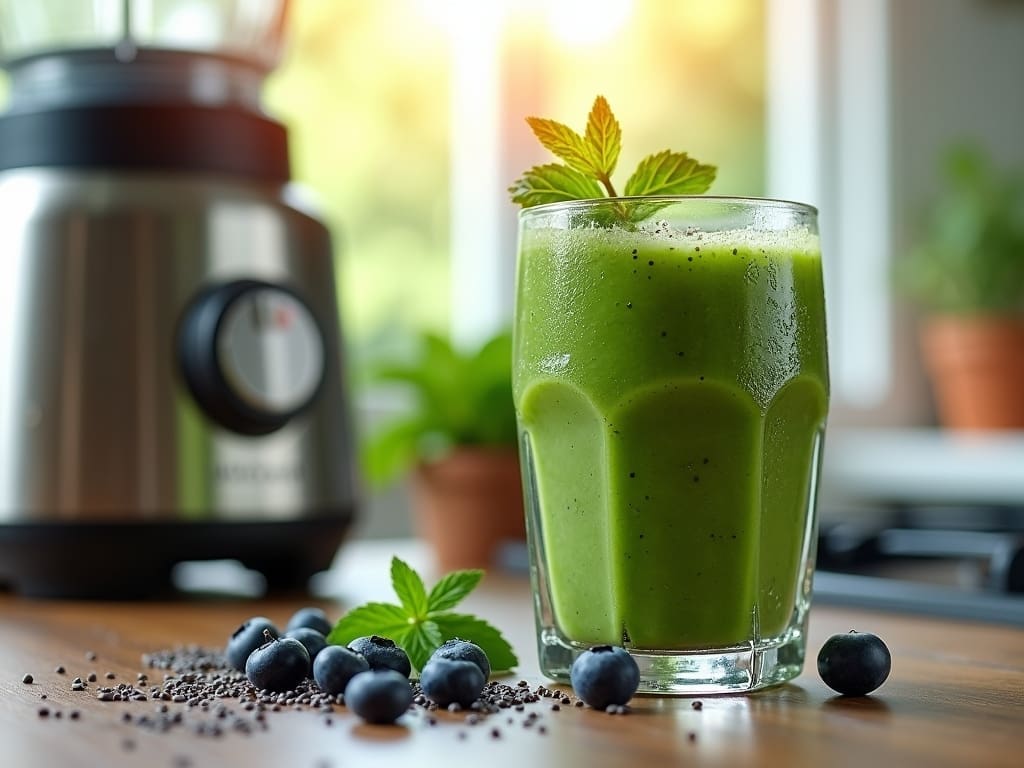
If you’re looking to shed some pounds, the smoothie diet for weight loss might just be your new best friend! Smoothies are not only delicious but also packed with nutrients that can help you on your journey to better health. They offer a quick and convenient way to incorporate fruits, vegetables, and even proteins into your diet without breaking a sweat in the kitchen. Plus, they can be an incredibly satisfying way to curb hunger, thanks to their fiber content. In fact, fiber promotes satiety and can aid in weight loss by keeping you feeling full longer (source: Harvard Nutrition Source ).

With so many options out there, it’s easy to get overwhelmed. That’s why we’ve compiled a list of 7 mouthwatering smoothie recipes specifically designed to help you navigate the world of weight loss smoothies. Whether you’re after low-calorie smoothies or high-fiber options, these recipes will not only support your weight loss goals but also fuel your body with essential vitamins and minerals.

But wait—there’s more! Smoothies aren’t just about weight loss; they can also promote overall wellness. Incorporating these nutrition-packed drinks into your daily routine is a fun way to stay hydrated (and let’s be honest, who doesn’t want an excuse to enjoy a frosty drink?). Remember: water is essential for overall health and plays a crucial role in maintaining a healthy weight (source: CDC). So grab your blender and get ready to whip up something extraordinary!

smoothie diet for weight loss

Understanding the Smoothie Diet for Weight Loss

The smoothie diet for weight loss is more than just a trendy health fad; it’s a flavorful way to pack in nutrients while shedding those stubborn pounds. At its core, this diet revolves around replacing one or two meals a day with nutritious smoothies. But what makes this approach so effective?

Nutrient-Packed Goodness

Smoothies can easily be tailored to include a variety of ingredients that support weight loss. By blending fruits, vegetables, and even superfoods like chia seeds or spinach, you create a balanced meal that’s rich in vitamins and minerals without the added calories that often come with processed foods. For instance:

  • Fruits: Bananas, berries, and apples can sweeten your smoothie naturally while providing fiber.
  • Vegetables: Leafy greens like spinach or kale add bulk without many calories and are packed with essential nutrients.
  • Proteins: Greek yogurt or protein powders can help keep you full longer by adding satiety to your drink.

Fiber Is Your Friend

A key player in the smoothie diet is fiber! As mentioned earlier, fiber promotes feelings of fullness which can help curb those pesky cravings throughout the day. Did you know that diets high in fiber have been associated with greater weight loss? According to research from the National Institutes of Health, individuals consuming around 30 grams of fiber daily were able to improve their weight loss efforts significantly.

A Flexible Approach

One of the best parts about the smoothie diet for weight loss is its flexibility. You don’t have to stick to rigid recipes—experimenting is encouraged! Feel like something fruity? Try out our Four-Berry Blast Fruit Smoothie. In need of something green? Blend up a batch of our refreshing Green Tea Fruit Medley Smoothie. The sky’s the limit when it comes to flavors!

Boosting Metabolism and Energy Levels

Incorporating smoothies into your daily routine not only aids in weight loss but also gives your metabolism a little kickstart. Ingredients like ginger and green tea have been shown to boost metabolic rates temporarily, helping you burn calories more efficiently (source: NCBI). Plus, smoothies are an excellent post-workout snack—providing the hydration and nutrients needed for recovery.

“Smoothies are not just drinks; they’re an experience! Each blend is like a new adventure for your taste buds.”

The smoothie diet isn’t merely about losing weight; it’s about creating healthy habits that will last. By incorporating delicious smoothies into your lifestyle, you’re setting yourself on a path toward vibrant health while satisfying your cravings. So go on, blend up some goodness and toast to your journey!

The Benefits of Smoothies in Weight Management

When it comes to weight management, smoothies pack a powerful punch. These delightful drinks are not just refreshing; they offer multiple benefits that can help you navigate your weight loss journey with ease and satisfaction. Here’s why smoothies should be your go-to when aiming for that ideal weight.

Convenience at Its Best

In our fast-paced lives, finding time to prepare healthy meals can be a challenge. Enter smoothies! They are incredibly convenient options for busy young adults. With just a few minutes in the morning, you can whip up a nutrient-dense smoothie that serves as a meal replacement or snack. No cooking required!

Full of Nutrients, Low in Calories

Smoothies can be calorie-conscious while still being rich in essential nutrients. For example, by combining low-calorie fruits and vegetables with healthy fats like avocado or nuts, you’re crafting a meal that supports your goals without compromising on nutrition:

  • Low-Calorie Ingredients: Berries, leafy greens, and cucumbers are low in calories but high in vitamins.
  • Healthy Fats: Adding ingredients like nut butter or chia seeds not only enhances flavor but also provides satiety.

This means you can enjoy larger portions without guilt and keep hunger at bay—perfect for those late-night cravings!

Aids Digestion

The fiber-rich ingredients in smoothies don’t just make you feel full; they also support digestive health. Fiber is known to promote regular bowel movements and prevent constipation (source: NCBI). By blending whole fruits and veggies into your smoothies, you’re naturally increasing your fiber intake, which is essential for maintaining a healthy gut.

Customizable to Your Cravings

The beauty of smoothies lies in their versatility! Whether you’re in the mood for something fruity or want to amp up the greens with detox smoothie options, the sky’s the limit:

  • Creamy Banana Spinach Smoothie: A delicious way to incorporate leafy greens without overpowering flavors.
  • Mango-Coconut Bliss: Perfect for those sweet cravings while being low in added sugars!

This customization allows you to stay engaged with what you’re drinking—no more boring meals!

Mood Booster & Energy Enhancer

Smoothies can do wonders beyond physical health; they also work magic on your mood! Ingredients rich in antioxidants (like berries) have been linked to improved mental well-being (source: NCBI). Plus, starting your day with a smoothie packed with nutrients gives you an energy boost that coffee alone can’t provide. Goodbye mid-afternoon slumps!

“A smoothie a day keeps the cravings away!”

The benefits of incorporating smoothies into your weight management plan are indeed abundant. Not only do they help satiate you while keeping calories low, but they also foster healthy habits that last beyond the scale. So grab your blender and start blending—your body will thank you! Remember, this journey is all about making enjoyable choices while treating yourself right.

smoothie diet for weight loss

Essential Ingredients for Effective Weight Loss Smoothies

Creating effective weight loss smoothies is all about choosing the right ingredients that not only taste great but also work in harmony to support your health and fitness goals. Think of your smoothie as a blank canvas—you get to fill it with nutritious goodies that will help you shed pounds while enjoying every sip. Here’s a breakdown of essential ingredients that should be staples in your smoothie-making journey:

1. Fiber-Rich Fruits

Fruits are nature’s candy, and when it comes to weight loss smoothies, they’re your best friends! Fruits like berries, apples, and bananas are not only delicious but also high in fiber, which helps keep you full longer. Here’s why they shine:

  • Berries: Blueberries, strawberries, and raspberries are packed with antioxidants and low in calories.
  • Bananas: They add creaminess to your smoothie while providing necessary potassium and energy.
  • Apples: With their skin on, apples provide a satisfying crunch and additional fiber that can help curb cravings.

2. Leafy Greens

No one’s ever said no to greens! Leafy vegetables like spinach, kale, or Swiss chard are low in calories yet high in nutrients. They blend perfectly into smoothies without overpowering the flavor:

  • Spinach: Virtually tasteless when blended; it adds iron and vitamins A and C.
  • Kale: A nutrient powerhouse that’s rich in calcium and antioxidants—perfect for detoxifying!

3. Healthy Fats

Add a scoop of healthy fats to give your smoothie staying power. Ingredients like avocado or nut butter can create a creamy texture while enhancing flavor:

  • Avocado: Creamy goodness loaded with good fats that promote heart health.
  • Nuts & Seeds: Almonds or chia seeds are excellent sources of protein and omega-3 fatty acids.

4. Protein Sources

If you want to feel full after having a smoothie, protein is key! Adding protein can help build muscle and keep you satisfied longer. Options include:

  • Greek Yogurt: Packed with probiotics for gut health along with protein!
  • Soy or Pea Protein Powder: Great for those following vegan diets—just make sure it’s low in added sugars!

5. Liquid Base Choices

The base of your smoothie is crucial—it affects both consistency and flavor! Choose wisely from these options:

  • Coconut Water: A refreshing option that’s hydrating without unnecessary sugars.
  • Almond Milk or Oat Milk: These alternatives provide creaminess without dairy, appealing to those on lactose-free diets.

The Secret Weapon: Superfoods!

If you’re feeling adventurous, consider adding superfoods for an extra boost! Ingredients like spirulina, flaxseed meal, or matcha powder can elevate your smoothies nutritionally without much effort.

A well-crafted weight loss smoothie isn’t just a drink; it’s an experience filled with fun flavors and essential nutrients ready to support your goals!

The right combination of ingredients can turn an ordinary smoothie into a weight loss powerhouse! So go ahead—experiment with these essentials until you find the perfect blend that tantalizes your taste buds while helping you stay on track with your health journey. Remember: every sip counts on this adventure toward better health!

smoothie diet for weight loss

7 Power-Packed Smoothie Recipes for Transformative Health

Ready to shake up your health routine? Dive into these 7 power-packed smoothie recipes designed to transform your well-being while keeping your weight loss goals in check. Each recipe is crafted to be not only delicious but also nutrient-rich, making them perfect for anyone looking to embark on a smoothie diet for weight loss.

1. Berry Blast Smoothie

This vibrant smoothie is a berry lover’s dream! Packed with antioxidants and fiber, it’s an excellent way to kickstart your day.

  • Ingredients: 1 cup mixed berries (strawberries, blueberries, raspberries), 1 banana, 1 cup almond milk, and a teaspoon of honey.
  • Nutritional Benefits: High in vitamin C and fiber—perfect for boosting immunity and digestion!

2. Green Goddess Smoothie

This refreshing recipe is a must-try for those craving something green! It’s a powerhouse of nutrients that will energize you.

  • Ingredients: 1 cup spinach, 1/2 avocado, 1 banana, 1 cup coconut water, and a squeeze of lime juice.
  • Nutritional Benefits: Rich in healthy fats and potassium—great for heart health!

3. Tropical Mango Madness

If you’re dreaming of the beach, this tropical treat will transport you there! It’s creamy, tangy, and oh-so-refreshing.

  • Ingredients: 1 cup diced mango, 1/2 pineapple (fresh or frozen), 1/2 cup Greek yogurt, and a splash of orange juice.
  • Nutritional Benefits: High in vitamin A and C while providing probiotics for gut health!

4. Peanut Butter Chocolate Delight

This indulgent yet healthy smoothie satisfies your sweet tooth without the guilt!

  • Ingredients: 1 banana, 2 tablespoons natural peanut butter, 2 tablespoons cocoa powder, and 1 cup almond milk.
  • Nutritional Benefits: Packed with protein and healthy fats—perfect post-workout fuel!

5. Avocado & Spinach Detox Smoothie

This detoxifying smoothie helps cleanse your system while providing tons of nutrients. It’s as green as it gets!

  • Ingredients: 1/2 avocado, 1 cup spinach, the juice of one lemon, a green apple (cored), and water as needed.
  • Nutritional Benefits: Full of fiber and hydrating properties—great for digestion!

6. Chia Seed Power Smoothie

Your new breakfast favorite! This recipe combines chia seeds’ benefits with the sweetness of fruits.

  • Ingredients: 2 tablespoons chia seeds (soaked overnight), 1 banana, 1/2 cup almond milk, and a handful of strawberries.
  • Nutritional Benefits: High in omega-3 fatty acids and protein—ideal for keeping you full longer!

7. Coconut Blueberry Bliss

A delightful blend that makes every sip feel like a vacation! This creamy concoction is packed with flavor.

  • Ingredients: 1 cup blueberries (fresh or frozen), 1/2 cup coconut yogurt, and coconut water to blend.
  • Nutritional Benefits: Rich in antioxidants while also aiding skin hydration—glow from the inside out!

“Smoothies are like hugs in a glass – they warm you up from the inside!”

smoothie diet for weight loss

Cue the blender because these recipes not only support your weight loss journey but also provide essential nutrients that nourish your body. So go ahead; blend up some magic today! Remember: each sip takes you one step closer to achieving those health goals while tantalizing your taste buds at the same time.

If you’re curious about how these recipes fit into a broader plan or want to explore more options like cleansing smoothies or meal replacements, check out our other posts on healthy smoothie diets!

Power-Packed Protein Foods: Your Ultimate Guide to Building a Healthier Body

When it comes to crafting a healthier body, the conversation often circles back to one powerhouse nutrient: protein. Whether you’re a fitness enthusiast aiming for muscle gain or simply someone who wants to maintain a balanced diet, incorporating protein rich foods into your meals is essential. Not only does protein contribute to the maintenance of muscle mass, but it also plays a vital role in keeping your immune system robust and functioning at its best. Plus, evidence suggests that adequate protein intake can help you feel fuller longer, making it easier to resist those late-night snack attacks!

But let’s be real—navigating the world of high protein foods can sometimes feel like deciphering an ancient script. With so many options available, from animal-based proteins like chicken and fish to plant-based proteins such as lentils and quinoa, where do you even begin? Don’t worry! We’re here to break it down for you. We’ll explore various sources of protein, highlight the best protein foods for weight loss and muscle building, and even touch on vegan and vegetarian options that pack a serious punch.

The recommended daily allowance (RDA) of protein for adults is approximately 0.8 grams per kilogram of body weight—so no wonder it’s such a hot topic! As you embark on your journey toward better health, consider this your ultimate guide to fueling your body with the nutrients it craves while enjoying delicious meals along the way.

protein rich foods

The Nutritional Benefits of Proteins

Protein isn’t just a trendy buzzword thrown around in fitness circles; it’s a cornerstone of good health with a plethora of nutritional benefits. Let’s dive into why making protein rich foods a staple in your diet is a game-changer for your well-being.

1. Muscle Maintenance and Growth

One of the most recognized roles of protein is its contribution to muscle maintenance and growth. When you engage in physical activities, especially resistance training, your muscles experience tiny tears that need repair. Enter protein, which helps rebuild those muscles stronger than before. Consuming adequate amounts of protein supports this recovery process, enabling you to perform better in future workouts.

2. Immune System Support

Your immune system relies on proteins to produce antibodies that fight off infections. A diet rich in protein can help bolster your immune defenses, ensuring you stay healthy even during flu season or amid stressful exam weeks. Think of it as giving your body a fighting chance against those pesky germs!

3. Satiety and Weight Management

If you’re aiming for weight loss or healthy weight management, protein is your ally! Foods high in protein tend to be more satiating than those loaded with carbohydrates or fats. This means you’ll feel fuller longer, reducing the urge to snack mindlessly between meals. Studies show that higher protein intake can lead to lower overall calorie consumption throughout the day—talk about a win-win!

4. Boosting Metabolism

Did you know that digesting protein actually burns more calories compared to fats and carbohydrates? This phenomenon is known as the thermic effect of food (TEF). By incorporating high protein foods into your meals, you might just give your metabolism an extra boost while enjoying tasty dishes!

5. Nutrient-Dense Options

The beauty of protein-rich foods lies not only in their macronutrient profile but also in their micronutrients! Many lean protein sources, like chicken breast and fish, provide essential vitamins and minerals such as B vitamins, iron, and zinc—all crucial for maintaining energy levels and overall health.

“Let food be thy medicine and medicine be thy food.” – Hippocrates

The key takeaway? Embracing a protein rich diet can enhance various aspects of your health—making it easier to achieve your fitness goals while feeling great inside and out! Whether you’re whipping up delicious protein packed meals or snacking on some high-protein goodies between classes, remember: every bite counts towards building that healthier body!

protein rich foods

Top Protein Foods for Every Diet

With a world of options available, finding the top protein foods to include in your diet doesn’t have to be overwhelming. Whether you’re following a high protein diet, a plant-based lifestyle, or something in between, there’s a rich variety of protein rich foods just waiting to be discovered. Here’s a breakdown of some of the best sources of protein tailored to suit every dietary preference:

Animal-Based Proteins

  • Chicken Breast: Lean and versatile, skinless chicken breast is one of the best protein foods you can include in your diet. A 3-ounce serving contains about 26 grams of protein and only 140 calories!
  • Eggs: The classic breakfast staple is packed with protein. One large egg offers around 6 grams of high-quality protein along with essential nutrients like vitamin D and B12.
  • Fish: Especially varieties like salmon and tuna, are not just high in protein (about 22 grams per 3-ounce serving) but also loaded with omega-3 fatty acids that support heart health.

Dairy Products

  • Cottage Cheese: This creamy option boasts around 28 grams of protein per cup! Plus, it’s rich in calcium—perfect for those looking to build strong bones.
  • Greek Yogurt: A deliciously thick alternative to regular yogurt, Greek yogurt contains about double the amount of protein. A typical serving provides around 15-20 grams while being incredibly versatile for smoothies or parfaits.

Plant-Based Proteins

  • Lentils: These tiny legumes pack a punch! Just one cup cooked provides roughly 18 grams of protein and is excellent for those following vegetarian or vegan diets.
  • Quinoa: Often hailed as a superfood, quinoa is one of the few plant foods that are complete proteins—meaning it contains all nine essential amino acids. A cup cooked offers about 8 grams!
  • Nuts and Seeds: Almonds, chia seeds, and hemp seeds are not only great snack options but also provide healthy fats along with approximately 6-8 grams of protein per ounce.

Satisfying Snacks

  • Tuna Salad Wraps: Using lettuce wraps instead of bread can make for an excellent low-carb high-protein snack that’s both refreshing and filling!
  • Pumpkin Seeds: A crunchy topping for salads or smoothies; just an ounce gives you about 7 grams of protein!

No matter your dietary preferences, incorporating these healthy protein options into your meals can help you stay energized throughout the day while also keeping your goals in check. Remember: Variety is key! Mixing up your sources not only keeps meals exciting but also ensures you’re getting a broad spectrum of nutrients.

If you’re looking for personalized advice on how to integrate these foods into your daily routine, consider reaching out for a Detailed Discussion With A Dietician – Weight Loss Diet For You. They can help you craft a plan that aligns with your health aspirations!

The road to a healthier body begins with informed choices—so why not start today by loading up on these power-packed proteins? Your future self will thank you!

protein rich foods

Designing a High Protein Diet Plan

Designing a high protein diet plan is less about strict rules and more about making informed choices that suit your lifestyle and goals. Whether you’re aiming to shed some pounds, build muscle, or simply up your nutritional game, a nourishing plan can pave the way for success. Let’s break it down into manageable steps!

1. Set Your Protein Goals

The first step in crafting your high protein diet is calculating how much protein you actually need. The general recommendation is around 0.8 grams of protein per kilogram of body weight—but this may vary based on your activity level and fitness goals. If you’re looking to build muscle or lose weight, consider bumping that number up to 1.2-2.0 grams per kilogram.

2. Choose Your Protein Sources Wisely

Your diet should be a delightful mix of both animal and plant-based proteins to ensure you get a wide range of amino acids and nutrients:

  • Animal-Based Proteins: Lean meats, fish, eggs, and dairy are excellent choices if you’re not following a plant-based diet.
  • Plant-Based Proteins: Incorporate beans, lentils, quinoa, tofu, nuts, and seeds for healthy vegetarian or vegan options.

3. Plan Balanced Meals

A well-rounded meal should ideally include:

  • A source of protein (like grilled chicken or chickpeas)
  • A healthy carbohydrate (think brown rice or sweet potatoes)
  • A colorful serving of vegetables (broccoli or bell peppers are great!)

This combination keeps you full longer while providing essential nutrients that support overall health.

4. Snack Smartly

Your snacks can be just as rewarding as your meals! Opt for high protein snacks, such as:

  • Cottage cheese with fruit
  • Protein bars made with wholesome ingredients
  • Nuts or seeds for a satisfying crunch!

5. Stay Hydrated and Mindful

It’s easy to forget hydration when focusing on food intake, but drinking enough water is crucial for digestion and overall health! And don’t forget to listen to your hunger signals; eat when you’re hungry and savor each bite.

“A goal without a plan is just a wish.” – Antoine de Saint-Exupéry

Your journey towards a high protein diet doesn’t have to feel daunting or overwhelming! Experiment with different recipes that highlight those tasty protein packed meals, seek out new ingredients at the grocery store, and most importantly—enjoy the process! With each satisfying meal or snack choice you’re making, you’re one step closer to achieving your health aspirations.

If you’re seeking additional personalized guidance along this exciting path, don’t hesitate to explore options like a Detailed Discussion With A Dietician – Weight Loss Diet For You. Let’s raise our forks to healthier eating!

Protein for Muscle Building and Weight Loss

When it comes to building muscle and shedding unwanted pounds, protein emerges as the unsung hero in your nutritional arsenal. Not only does it provide the building blocks your body needs to repair and grow muscle tissue, but it also plays a pivotal role in weight management and metabolic health.

Muscle Building: The Protein Connection

Engaging in resistance training or any physical activity that taxes your muscles creates micro-tears that need to be repaired. Here’s where protein swoops in like a superhero! Consuming adequate amounts of protein after workouts can significantly enhance muscle recovery and growth. In fact, research shows that a post-workout protein intake can lead to greater gains in muscle mass over time—so don’t skip that protein shake after hitting the gym!

  • Recommended Intake: For those aiming for muscle gain, consider increasing your protein intake to about 1.2 to 2.0 grams per kilogram of body weight.
  • Timing Matters: Consuming protein-rich foods within 30 minutes post-exercise can optimize recovery and muscle synthesis.

Weight Loss: Protein as Your Best Friend

If you’re on a quest for weight loss, incorporating high-protein foods into your diet can be a game-changer. Studies indicate that diets high in protein can help you lose fat while preserving lean muscle mass—a crucial factor for maintaining metabolism during weight loss.

  • Satiation Factor: Protein-rich meals are more filling compared to those dominated by fats or carbohydrates, which means you’ll feel fuller longer and be less prone to nibbling on snacks throughout the day.
  • Caloric Burn: Did you know that digesting protein actually burns more calories than digesting carbs or fats? This phenomenon is known as the thermic effect of food (TEF). So, munching on those chicken breasts or chickpeas might just torch some extra calories while you’re at it!

The Perfect Protein Sources

So what exactly counts as high-quality protein? Let’s break it down:

  • Animal-Based Proteins: Lean meats, fish, eggs, and dairy are excellent choices for those not adhering strictly to plant-based diets. Foods like chicken breast deliver up to 26 grams of protein per 3-ounce serving!
  • Plant-Based Proteins: If you’re leaning towards vegetarian or vegan options, legumes such as lentils (providing roughly 18 grams per cup) are amazing sources of plant-based proteins. Other stellar options include quinoa and tofu.

“You don’t have to be extreme, just consistent.” – Unknown

The takeaway here is simple: integrating quality proteins into your meals not only fuels your workouts but also aids in reaching your weight loss goals effectively. From crafting delicious protein packed meals to snacking smartly throughout the day with high-protein delights, every little change adds up!

Your journey toward a healthier body is not just about cutting calories; it’s about nourishing yourself with the right nutrients. So go ahead—embrace protein! Your muscles (and waistline) will thank you later.

Creative Ways to Enjoy Protein-Packed Meals

Eating protein-rich foods doesn’t have to be a monotonous affair! In fact, there are countless creative ways to enjoy protein packed meals that not only tantalize your taste buds but also keep your health goals on track. Here are some fun and delicious ideas to get you started:

1. Build a Breakfast Bowl

Start your day off right with a protein-packed breakfast bowl! Combine Greek yogurt with fresh fruits, nuts, and a drizzle of honey for sweetness. Not only does this dish provide around 20 grams of protein per serving, but it also fuels your morning with energy.

2. Whip Up Protein Smoothies

Smoothies are the perfect canvas for including high-quality proteins! Blend together spinach, a scoop of protein powder (plant-based or whey), banana, and almond milk for a refreshing treat that’s as delicious as it is nutritious. You can pack in about 25 grams of protein in one glass while enjoying all the vitamins from the greens!

3. Snack on Protein Balls

No need for boring snacks! Create no-bake protein balls using oats, nut butter, honey, and chocolate chips. Roll them into bite-sized treats and stash them in your fridge for an easy grab-and-go option. These little guys can deliver around 10 grams of protein per ball—perfect for curbing those afternoon cravings!

4. Think Outside the Taco

Tacos don’t have to be all about carbs! Use lettuce leaves instead of tortillas and fill them with lean ground turkey or black beans topped with salsa and avocado for a refreshing low-carb meal loaded with flavor and nutrients.

5. Upgrade Your Salads

If salads make you think “rabbit food,” it’s time to change that mindset! Add grilled chicken, chickpeas, or quinoa to your leafy greens along with colorful veggies and a tasty dressing. This combo not only makes for a satisfying meal but also can provide up to 30 grams of protein depending on your additions!

6. Get Creative with Eggs

You can never go wrong with eggs—scrambled, poached, or sunny-side up! Try making an egg muffin by whisking eggs with spinach, tomatoes, and cheese poured into muffin tins and baked until fluffy. These portable snacks are perfect for breakfast on the run while packing in around 7 grams of protein each!

7. Embrace Plant-Based Options

If you’re leaning toward vegetarian or vegan choices, try lentil soup or chickpea salad sandwiches made on whole-grain bread! These options not only taste great but also offer substantial amounts of plant-based proteins—about 18 grams per cup of lentils!

“Eating well is a form of self-respect.” – Unknown

The key here is to experiment and find combinations that excite you while being health-conscious at the same time! With these creative suggestions under your belt, you’ll discover that enjoying high protein foods can be both fun and fulfilling. So go ahead—get cooking and savor every bite as you embark on your journey toward optimal health!

Affordable High-Protein Options

Eating healthy doesn’t have to break the bank! If you’re on a journey to incorporate more protein rich foods into your diet, there are plenty of affordable options that won’t leave your wallet feeling light. Here’s a breakdown of some budget-friendly, high protein foods that will fuel your body without costing you an arm and a leg:

Canned and Frozen Options

  • Canned Tuna or Salmon: These convenient sources of protein are incredibly affordable! A standard can of tuna offers around 20 grams of protein for less than $2, making it perfect for quick salads or sandwiches.
  • Frozen Chicken Breast: Stocking up on frozen chicken can save you money in the long run. A 4-ounce serving typically has about 26 grams of protein, and when bought in bulk, it can be quite economical.
  • Frozen Vegetables with Added Protein: Many frozen veggies come with added plant-based proteins such as edamame or chickpeas. Just one cup can give you around 10-15 grams while providing essential micronutrients!

Pulses and Legumes

  • Lentils: These tiny powerhouses are not just nutritious but also incredibly cheap! A cup of cooked lentils provides around 18 grams of protein for just about $0.50. Plus, they cook quickly and are versatile for soups, stews, or salads.
  • Chickpeas: Whether canned or dried, chickpeas are affordable and packed with protein—about 15 grams per cup! Use them in salads, curries, or blend them into hummus for an irresistible dip.

Dairy Products

  • Cottage Cheese: This creamy delight is loaded with protein—approximately 28 grams per cup—and often costs less than other dairy options. Enjoy it plain or mix it with fruits for a delicious snack!
  • Greek Yogurt: Not only does Greek yogurt have double the protein compared to regular yogurt (up to 20 grams per serving), but it’s also frequently available in bulk at supermarkets—making it a smart buy!

Nuts and Seeds

  • Pumpkin Seeds: These nutrient-dense seeds pack roughly 7 grams of protein per ounce and can often be found at reasonable prices. Toss them into salads or snack on them plain for added crunch!
  • Peanut Butter: A classic favorite among athletes and health enthusiasts alike, peanut butter offers about 8 grams of protein per two tablespoons. Spread it on whole-grain bread or mix it into smoothies for a tasty boost!

“Frugality includes all the other virtues.” – Cicero

The key takeaway? Incorporating these affordable high-protein options into your meals can help you stay within budget while fueling your body effectively. From wholesome pulses to creamy dairy delights, there’s no shortage of ways to enjoy delicious meals without overspending! So roll up your sleeves in the kitchen and get creative—your wallet (and waistline) will thank you!

If you’re looking for inspiration on how to use these ingredients in your cooking adventures, feel free to explore our collection of Low-Carb Recipes – Weight Loss Diet For You. Happy cooking!

protein rich foods

Navigating Dietary Restrictions: Vegan & Gluten-Free Proteins

When it comes to embracing a healthier lifestyle, dietary restrictions can often feel like a maze. But fear not—whether you’re navigating the waters of veganism or managing gluten intolerance, there are plenty of protein rich foods that can fit seamlessly into your diet without sacrificing flavor or nutrition.

Vegan Protein Powerhouses

For those who choose a plant-based lifestyle, getting enough protein is entirely achievable with the right choices. Here are some best sources of protein for vegans:

  • Lentils: These little legumes are a fantastic source of protein, delivering about 18 grams per cooked cup. They are also rich in fiber and iron, making them a nutritional superstar perfect for soups and salads!
  • Chickpeas: Another versatile option! One cup provides around 15 grams of protein. Use them in hummus, stews, or roasted as snacks for a satisfying treat.
  • Quinoa: Often dubbed a superfood, quinoa is unique because it’s one of the few plant foods considered a complete protein—offering all nine essential amino acids. With about 8 grams of protein per cooked cup, it’s perfect for salads or as a side dish.
  • Nuts and Seeds: Almonds (6 grams per ounce), chia seeds (6 grams per ounce), and hemp seeds (9 grams per ounce) not only pack protein but also healthy fats! Add them to smoothies or salads for an extra crunch.

Diving into Dairy-Free Options

If you’re avoiding dairy due to lactose intolerance or other reasons, there are still plenty of delicious options that keep your protein levels up:

  • Dairy-Free Yogurt: Made from almond, coconut, or soy milk, many brands offer yogurts packed with protein—look for options that include added pea protein to boost your intake!
  • Tofu and Tempeh: Both soy products are excellent sources of plant-based proteins. Tofu offers about 10 grams per half-cup while tempeh provides approximately 15 grams—both versatile enough to stir-fry, grill, or incorporate into wraps.

Navigating Gluten-Free Proteins

If gluten is off the table for you, don’t worry; plenty of gluten-free foods can also give you that necessary protein boost!

  • Pulses: Beans and peas are naturally gluten-free and loaded with protein. Black beans provide about 15 grams per cooked cup. They work wonders in salads, tacos, or veggie burgers!
  • Pseudocereals: Quinoa isn’t just vegan; it’s also gluten-free! Other options like amaranth and buckwheat add variety while keeping your meals safe from gluten contamination.
  • Nuts and Nut Butters: Always a winner! Beyond almonds and peanuts boasting solid protein content (about 8-10 grams per ounce), nut butters make great spreads over gluten-free bread or as additions to smoothies.

A Balanced Approach

The journey toward maintaining dietary restrictions should never feel restrictive! By exploring these various plant-based options combined with careful planning, you can enjoy delicious meals while meeting your nutritional needs. Remember: every meal is an opportunity to try new flavors and ingredients that keep your palate excited.

“Eating is an agricultural act.” – Wendell Berry

Your health journey is unique—and so should be your food choices! So whether you’re diving into hearty lentil stew on a chilly evening or enjoying quinoa salad at lunch, know that you’re fueling your body with goodness while celebrating every bite along the way.

If you’re looking for more creative recipes tailored to fit dietary restrictions without compromising on taste, explore our collection of Low-Carb Recipes – Weight Loss Diet For You. Let’s continue this adventure together!

Embarking on a journey towards better health is empowering when you have the right information at hand. By incorporating protein rich foods into your diet thoughtfully, you can achieve optimal health benefits while enjoying diverse culinary experiences. Let this guide be your trusted companion in building a stronger, healthier body.

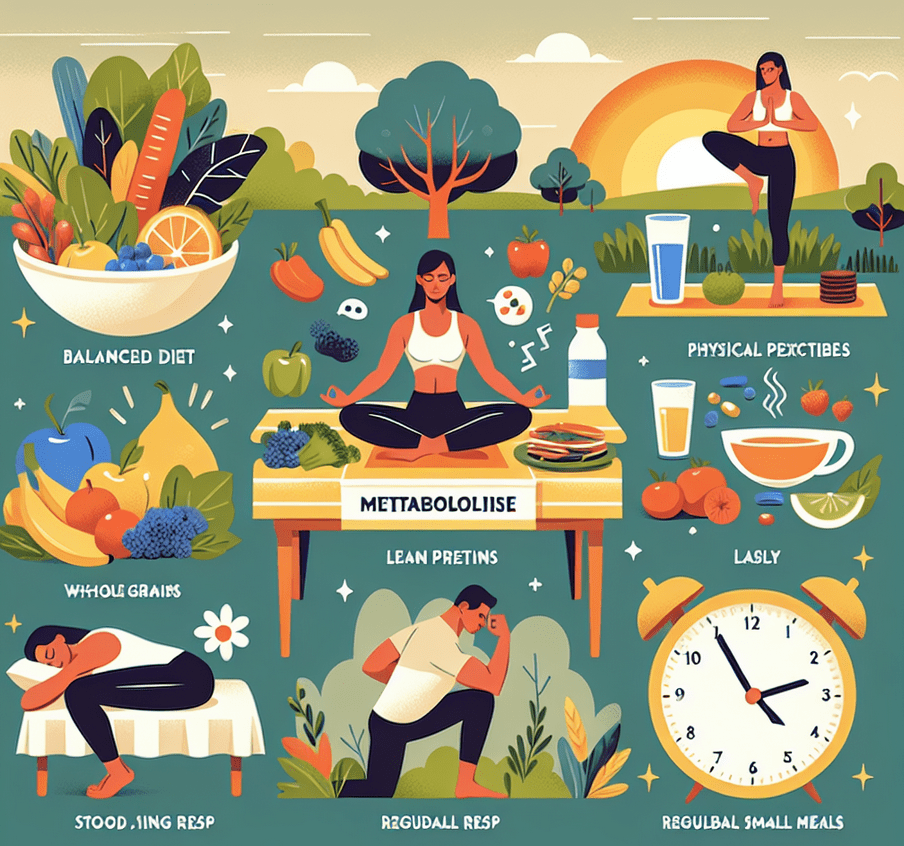
Natural Ways to Boost Your Metabolism: Science-Backed Strategies

Hey there, health warriors! If you’re on a journey to shed some pounds or just want to feel your best, you’ve probably heard the word “metabolism” tossed around like a hot potato. But what exactly is it, and more importantly, how can you amp it up? Well, buckle up because we’re diving into some metabolism boosting tips that are not only science-backed but also super easy to incorporate into your lifestyle.

First off, let’s get real: your metabolism is like that friend who can either drag you down during a workout or cheer you on to run that extra mile. It’s the process by which your body converts what you eat and drink into energy. And trust me, the faster it runs, the more calories you’ll burn—even when you’re binge-watching your favorite series!

  • Did you know? Regular physical activity can significantly increase metabolism. Just 30 minutes of moderate exercise most days can help boost your metabolic rate by about 15%!
  • If you’re looking for foods that speed up metabolism, spicy options like chili peppers might just do the trick! They contain capsaicin, which can temporarily boost calorie burning.

So, how do we kick our metabolism into high gear? Get ready for some actionable strategies that will have you feeling energized and maybe even a little giddy about those weight loss goals!

metabolism boosting tips

Understanding Metabolism: The Basics

Alright, let’s break it down! Metabolism is essentially your body’s engine, running 24/7 to convert the food you eat into energy. It’s not just about burning calories; it’s also about how efficiently your body uses those calories to fuel your daily activities. Think of it as the ultimate multitasker—it keeps everything running smoothly, from breathing to exercising, even while you’re catching those Z’s.

Your metabolic rate can be influenced by several factors: age, gender, genetics, muscle mass, and activity level. As a fun fact, did you know that muscle burns more calories than fat? According to research, just by increasing your muscle mass, you can enhance your metabolic rate—which is why strength training is one the best exercises for metabolism!

How Metabolism Works: The Basics

At its core, metabolism involves two key processes:

  • Anabolism: This is where your body builds up substances. Think of it as construction—building new muscles from proteins after a workout or storing glucose as glycogen.
  • Catabolism: This is the breakdown phase. Your body breaks down molecules for energy—like when you snack on that delicious avocado toast and your body converts it!

The balance between these two processes shapes whether you gain or lose weight. If you burn more calories than you consume (catabolic state), you’re likely to lose weight; conversely, if you consume more calories than you burn (anabolic state), weight gain may occur.

Why Boosting Your Metabolism Matters

A higher metabolic rate means more energy expenditure—even when at rest! This can significantly help with weight management and overall health.

If only we could bottle that energy boost! But since we can’t (yet!), here are some natural metabolism boosters:

  • Spicy Foods: Spice things up with jalapeños or cayenne pepper! They can provide a temporary metabolism boost due to the capsaicin they contain.
  • Caffeine: That morning cup of coffee isn’t just a pick-me-up; caffeine has been shown to increase metabolic rate temporarily.
  • Hydration: Staying hydrated helps optimize metabolic processes. Even mild dehydration can slow it down!

Incorporating these tips into your lifestyle can lead to noticeable changes over time. Remember, every little bit counts on this journey toward better health and weight management! And if you want personalized guidance tailored to your specific needs, consider having a Detailed Discussion With A Dietician. They’re like GPS for your health journey—helping you navigate through all the twists and turns!

Your eyes are now wide open to the world of metabolism! So let’s keep the momentum going and explore some actionable strategies that will help you kickstart this engine and reach

metabolism boosting tips

Metabolism Boosting Foods

Now let’s talk about the fun part—food! Yes, you heard it right! Eating can be a delightful way to boost your metabolism. Who said you can’t have your cake and eat it too? Well, maybe not cake, but there are plenty of metabolism boosting foods that can supercharge your metabolism while tantalizing your taste buds!

1. Protein-Packed Goodness

First up on our list is protein-rich foods! Foods like chicken, turkey, fish, legumes, and even tofu require more energy to digest compared to fats or carbohydrates. This phenomenon is known as the thermic effect of food (TEF). So every time you enjoy a lovely grilled chicken salad or a hearty lentil soup, you’re not just feeding your body; you’re revving up that metabolic engine!

2. Spicy Sensations

If you’ve got a penchant for heat, you’re in luck! Spicy foods such as chili peppers contain capsaicin, which may temporarily boost metabolism by increasing calorie burn. Plus, who doesn’t love a bit of zing in their meals? Sprinkle some crushed red pepper on your next dish and feel the burn—not just from the spice but from your soaring metabolic rate!

3. Green Tea Magic

Brew yourself some green tea for an extra metabolic kick! Rich in antioxidants and caffeine, it has been shown to increase fat oxidation and enhance exercise performance. Sip on this refreshing drink before hitting the gym or as an afternoon pick-me-up—it’s almost like a health elixir!

4. Whole Grains

Say goodbye to white bread and invite whole grains into your life! Brown rice, quinoa, oats—they are all fantastic choices that keep you fuller longer while helping regulate blood sugar levels. The fiber found in whole grains also takes longer to break down, meaning your body burns more calories in the process.

5. Fruits and Veggies Galore

You can’t forget about fruits and veggies! They are often low in calories yet high in fiber—a perfect combination for weight loss and boosting metabolism. Especially try out berries like blueberries and strawberries or leafy greens such as spinach and kale; they’re not only nutritious but also delicious!

6. Healthy Fats

Yes, you read that right—fats can be good for your metabolism too! Incorporate healthy fats from sources like avocados, nuts, and olive oil into your diet. These fats help maintain hormone balance which plays a key role in regulating metabolism.

  • Coconut Oil: This versatile oil contains medium-chain triglycerides (MCTs) known for their ability to enhance energy expenditure.
  • Savory Nuts: A handful of almonds or walnuts can give you that extra metabolic boost while satisfying those mid-afternoon cravings.

The bottom line? You don’t need to starve yourself or live on rabbit food to get fit! By incorporating these metabolism boosting foods, you’re not just eating; you’re fueling your body with what it needs to thrive.

If you’re looking for creative ways to incorporate these foods into your meals, check out our collection of Low-Carb Recipes. Your taste buds will thank you!

Your food choices could mean the difference between feeling sluggish or energetic—so choose wisely and enjoy every bite while doing wonders for your metabolism!

Best Exercises for Metabolism Boost

Alright, fitness enthusiasts! Let’s lace up those sneakers and dive into the world of movement—because when it comes to ramping up your metabolism, exercise is your trusty sidekick. Whether you’re a cardio lover or more of a weights warrior, there are plenty of fun ways to get your sweat on while boosting that metabolic rate!

1. High-Intensity Interval Training (HIIT)

First up, let’s talk about HIIT! This form of exercise alternates short bursts of intense activity with periods of rest or lower-intensity exercise. Not only is HIIT a time-saver (you can get an effective workout in as little as 20-30 minutes), but it also keeps your metabolism revved up for hours after you finish—a phenomenon known as the “afterburn effect.” Studies show that HIIT can increase your metabolic rate significantly! So why not give it a shot during your next gym session?

2. Strength Training

If you want to boost metabolism naturally, strength training should be at the top of your list! Lifting weights helps build muscle mass, which directly influences how many calories you burn at rest. Did you know that muscle tissue requires more energy to maintain than fat? So every rep counts—not just for burning calories during the workout but also for keeping your metabolic engine running high afterward!

3. Steady-State Cardio

Don’t forget about good old steady-state cardio! Activities like jogging, cycling, or swimming for an extended period can help elevate your heart rate and metabolism too. Aim for at least 150 minutes of moderate aerobic activity weekly—that can be broken down into manageable chunks. Plus, it’s a great way to clear your mind and enjoy some fresh air!

4. Functional Training

This is where things get interesting! Functional training involves exercises that mimic daily activities—like squatting to pick something up or lunging forward. Not only does this type of workout help improve your overall strength and balance, but it also boosts metabolic rate improvement by engaging multiple muscle groups at once.

5. Dance It Out!

If traditional workouts aren’t quite your jam, why not shake it off? Dancing is a fantastic way to torch calories while having fun! Whether it’s Zumba, hip-hop classes, or just grooving in your living room—get moving and let loose! You’ll be surprised at how much it boosts both your mood and metabolism.

6. Active Lifestyle Choices

Lastly, remember that every bit counts when it comes to exercise! Incorporating more movement into your day-to-day life can dramatically affect your overall metabolism. Take the stairs instead of the elevator, walk or bike instead of driving when possible, or even squeeze in mini workouts during breaks—it all adds up!

No need for all-or-nothing thinking here; even small changes make a big impact over time! So mix and match these best exercises for metabolism, listen to what feels good for you, and enjoy the journey towards a healthier lifestyle!

The key takeaway? Exercise isn’t just a chore—it’s an investment in yourself that pays off in spades when it comes to boosting that precious metabolic rate!

metabolism boosting tips

Lifestyle Changes for Better Metabolism

When it comes to revving up your metabolic engine, lifestyle changes can be your ultimate game-changer. Think of it as upgrading your body from a jalopy to a high-performance sports car! Here are some actionable metabolism boosting tips that you can start incorporating today for better results.

1. Get Your Zzz’s

Sleep is not just for the lazy; it’s crucial for metabolic health! Lack of sleep can throw your hormones out of whack, leading to increased cravings and less energy expenditure. Aim for 7-9 hours of quality sleep each night. Here’s a little secret: a well-rested body is like a finely tuned machine, ready to burn more calories while you dream!

2. Stay Hydrated

Your body needs water to function optimally, including its metabolic processes. Studies have shown that drinking water can temporarily boost your metabolism by about 30%. So, grab that water bottle and aim for at least eight 8-ounce glasses a day—bonus points if it’s cold water since your body burns extra calories warming it up!

3. Snack Smart

Don’t skip snacks; just choose the right ones! Opt for snacks high in protein or fiber instead of sugary options. A handful of almonds or Greek yogurt can do wonders for your hunger and keep that metabolism humming along nicely!

4. Manage Stress

Stress is like that annoying friend who just won’t leave the party—it messes with your hormones and can hinder weight loss efforts. Find activities that help you unwind—whether it’s yoga, meditation, or simply binge-watching your favorite series (hey, we won’t judge!). Lowering stress levels can lead to healthier eating habits and better metabolic health.

5. Move More Throughout the Day

Who said exercise has to be confined to the gym? Incorporate more movement into your daily routine! Take walking meetings, stand while you work, or even dance during chores—it all counts! Research shows that small bouts of activity throughout the day add up, leading to significant calorie burning over time.

6. Get Your Spice On!

If you enjoy adding some heat to your meals, you’re in luck! Spicy foods like chili peppers contain capsaicin, which has been shown to increase calorie expenditure temporarily. So go ahead—add some extra spice to those tacos and give your metabolism that added kick!

Your journey toward an elevated metabolism doesn’t have to be daunting! With these simple lifestyle changes combined with tasty Low-Carb Recipes, you’ll be on your way to feeling energized and fabulous in no time.

The bottom line? Small adjustments lead to big results when it comes to enhancing metabolism naturally! Now get out there and embrace these changes—you’ve got this!

metabolism boosting tips

Effective Fat Burning Tips

Ready to turn up the heat on your fat-burning potential? Here are some effective fat burning tips that are backed by science and super easy to weave into your daily routine. Let’s make shedding those extra pounds feel less like a chore and more like a fun challenge!

1. Keep Moving!

First things first: movement is your best friend. Regular physical activity can significantly increase metabolism. A study found that just 30 minutes of moderate exercise most days can ramp up your metabolic rate by about 15%! So whether it’s hitting the gym or simply taking brisk walks with friends, find an activity you love and get moving!

2. Don’t Skip Meals

Your metabolism is kinda like a campfire; it needs consistent fuel to keep that flame alive! Skipping meals can slow your metabolic rate because your body thinks it’s in survival mode. Aim for regular meals rich in protein, fiber, and healthy fats to keep your engine running smoothly.

3. Embrace the Power of Protein

If you want to know how to boost metabolism, let’s talk about protein! Including protein-rich foods in every meal can increase the thermic effect of food (TEF)—the energy required for digestion. Think chicken, fish, legumes, or tofu—they all work wonders for elevating metabolism while keeping you full and satisfied.

4. Get Your Spice On

If you crave excitement in your meals, reach for spices! Spicy foods like chili peppers contain capsaicin, which may temporarily boost calorie burning. So sprinkle some cayenne on that avocado toast and feel the metabolism boost—your taste buds will thank you too!

5. Stay Hydrated

The importance of hydration cannot be emphasized enough! Drinking water has been shown to temporarily boost metabolic rate by about 30%. Aim for at least eight 8-ounce glasses a day—bonus points if it’s cold water (your body burns extra calories heating it up!).

6. Get Your Zzz’s

Saying goodbye to sleep deprivation is crucial for effective fat burning! Poor sleep can throw hormones out of balance, leading to increased cravings and slowed metabolism. Prioritize quality sleep—aim for 7-9 hours each night—to ensure your body is ready to tackle the day ahead!

These simple yet impactful changes can make all the difference on your weight loss journey! Remember: consistency is key! Incorporate these metabolism boosting tips, mix them up with fun workouts or healthy recipes from our Low-Carb Recipes, and watch as you start seeing results.

Your journey toward effective fat burning doesn’t have to be overwhelming! With these actionable strategies in hand, you’re well on your way to achieving those fitness goals while feeling fabulous!

metabolism boosting tips

Myth-Busting: Debunking Common Metabolism Myths

Alright, let’s clear the air and bust some of those pesky metabolism myths that might be clouding your journey toward better health! You know what they say: knowledge is power, and in this case, it’s also the key to making informed choices. So grab your detective hat, and let’s unravel the truth behind some common misconceptions!

Myth 1: “Eating Late at Night Slows Your Metabolism”

So you’ve heard it a million times—“Don’t eat after 7 PM!” But guess what? The time you eat doesn’t directly affect your metabolic rate. What really matters is your overall calorie intake and balance throughout the day. If you’re snacking on nutrient-dense foods, you can enjoy a late-night treat without having to stress about slowing down that metabolic engine.

Myth 2: “All Calories Are Created Equal”

Oh boy, this one is a doozy! While it’s true that a calorie is a calorie for energy balance , not all calories are metabolized the same way. For instance:

  • Protein: As mentioned earlier, it has a higher thermic effect because your body uses more energy to digest it.
  • Sugary Snacks: They may provide quick energy, but can lead to sugar crashes and cravings rather than supporting a healthy metabolism.

Your food choices matter—a lot! Opt for whole foods over processed ones for better metabolic health.

Myth 3: “Crash Diets Boost Your Metabolism”

If only it were that easy! Cutting calories drastically might lead to quick weight loss in the short term, but in reality, crash diets can slow down your metabolism over time. Your body goes into survival mode and conserves energy by burning fewer calories. Instead of resorting to extreme dieting, focus on sustainable lifestyle changes and balanced nutrition.

Myth 4: “You Can’t Boost Metabolism After a Certain Age”

Aging doesn’t have to mean losing metabolic efficiency! Sure, as we age our muscle mass may decline—which can impact our metabolism—but with regular strength training and proper nutrition, you can absolutely maintain or even boost your metabolic rate at any age!

Myth 5: “Supplements Are Magic Pills for Metabolism”

While some supplements may claim to give your metabolism that extra punch, they are not substitutes for a healthy lifestyle. The magic really lies in whole foods such as those delicious metabolism boosting foods, regular exercise, and sleep! Always consult with a healthcare professional before jumping on any supplement bandwagon.

So there you have it—time to toss these myths out the window! With this newfound clarity about how to boost metabolism, you’re equipped with the right tools for your journey towards better health. Remember: focus on balanced nutrition and movement instead of falling for quick fixes!

The journey may be challenging at times but keep pushing forward—you’re capable of achieving amazing things!

Hey there, health warriors! If you’re on a journey to shed some pounds or just want to feel your best, you’ve probably heard the word “metabolism” tossed around like a hot potato. But what exactly is it, and more importantly, how can you amp it up? Well, buckle up because we’re diving into some metabolism boosting tips that are not only science-backed but also super easy to incorporate into your lifestyle.

First off, let’s get real: your metabolism is like that friend who can either drag you down during a workout or cheer you on to run that extra mile. It’s the process by which your body converts what you eat and drink into energy. And trust me, the faster it runs, the more calories you’ll burn—even when you’re binge-watching your favorite series!

  • Did you know? Regular physical activity can significantly increase metabolism. Just 30 minutes of moderate exercise most days can help boost your metabolic rate by about 15%!
  • If you’re looking for foods that speed up metabolism, spicy options like chili peppers might just do the trick! They contain capsaicin, which can temporarily boost calorie burning.

So how do we kick our metabolism into high gear? Get ready for some actionable strategies that will have you feeling energized and maybe even a little giddy about those weight loss goals!

The Complete Beginner’s Guide to Intermittent Fasting: Benefits and Methods

Welcome to the exciting world of the Intermittent Fasting Guide! If you’ve ever felt overwhelmed by the endless diets and workout regimens out there, fear not. This intermittent fasting guide is tailored just for you, complete with all the tips and insights you’ll need to get started on this transformative journey. In this intermittent fasting guide, you’ll discover various methods, benefits, and tips to help you succeed.

Intermittent fasting isn’t merely about skipping meals; it’s a structured approach that can help you shed those extra pounds while enhancing your overall health. According to research, participants engaged in intermittent fasting have experienced significant weight loss, particularly among those who are obese (source ). But how does it work, and what exactly should you know before diving in?

Understanding this intermittent fasting guide is your first step towards success. Intermittent fasting isn’t merely about skipping meals; it’s a structured approach that can help you shed those extra pounds while enhancing your overall health.

This intermittent fasting guide will walk you through various methods, highlighting its benefits, such as improved metabolic health and increased energy levels.

This guide will walk you through various methods of intermittent fasting, highlighting its benefits, such as improved metabolic health and increased energy levels. Whether you’re drawn by the promise of a leaner physique or curious about its potential for boosting brain function, we’ve got the information to support your aspirations.

This intermittent fasting guide will help you understand how fasting can lead to positive changes in your life.

intermittent fasting guide

Boosting Your Health—One Fast at a Time

  • Weight Management: Intermittent fasting can help regulate hormones involved in weight control.
  • Mental Clarity: Many practitioners report heightened focus during fasting periods.
  • Cellular Repair: Fasting triggers autophagy, helping your body clear out damaged cells.

Now that you’re intrigued, let’s explore how to start intermittent fasting effectively. With various methods available—from the popular 16/8 intermittent fasting schedule to alternate-day fasting—you’ll find something that fits seamlessly into your lifestyle.

So grab a cup of herbal tea (because coffee during fasting is still on!) and let’s embark on this health journey together!

What is Intermittent Fasting?

In this intermittent fasting guide, we’ll explore the various types of intermittent fasting and how they can fit into your lifestyle.

As you read through this intermittent fasting guide, remember that the focus is not just on weight loss, but also on overall health and well-being.

This intermittent fasting guide emphasizes the importance of finding a method that suits your lifestyle.

At its core, intermittent fasting (IF) is not about what you eat but when you eat. It’s a cycle of eating and fasting that can help your body reset and rejuvenate. Think of it as giving your digestive system a well-deserved break while allowing your body to focus on healing and repair.

Essentially, intermittent fasting involves alternating periods of eating with periods of fasting. This approach can vary widely—some people might fast for 16 hours a day, eating only within an 8-hour window (known as the 16/8 intermittent fasting method), while others may choose to fast for a full day every week or even alternate days.

The Anatomy of Intermittent Fasting in Your Guide

Let’s break it down:

  • Fasting Period: During this time, you abstain from food. Water, herbal teas, and black coffee are generally acceptable. Depending on the method, this phase can last 12 to 24 hours or more.
  • Eating Window: This is when you enjoy your meals! The focus should be on nutritious foods that fuel your body effectively rather than processed snacks or sugary treats.

Your intermittent fasting guide will include insights on what happens during fasting and how it benefits your health.

You may wonder—what happens during the fasting period? Well, here comes the fun part: when you stop eating, your body shifts from using glucose for energy to burning fat stores instead. Research shows that this shift can lead to significant weight loss over time (source). Talk about a two-for-one deal—enhanced energy levels along with weight management!

This isn’t just a fad; there’s real science behind it! Studies suggest that intermittent fasting may improve metabolic health by increasing insulin sensitivity and reducing inflammation (source). It’s like hitting the refresh button on your health!

Diving Deeper into the Benefits

If you’re still curious about why so many people are turning to this method, consider some of these enticing advantages:

  • Easier Meal Planning: With fewer meals to prepare, cooking becomes less daunting.
  • Persistent Hunger Control: Many who practice IF report feeling less hungry as their bodies adapt.
  • Cognitive Benefits: There’s emerging evidence suggesting improved brain function during fasting periods.

If you’re thinking about starting intermittent fasting or looking for practical tips, remember that everyone’s journey is unique. Feel free to explore different schedules until you find one that resonates with your lifestyle, because let’s be honest, nobody enjoys feeling forced into a routine!

Ready to embark on this adventure? With commitment and the right mindset, intermittent fasting could lead you toward healthier habits and improved well-being!

The Science Behind Intermittent Fasting: How Does It Work?

Understanding the science behind intermittent fasting is like unlocking a new level in your health and wellness journey. At its essence, intermittent fasting influences your body’s metabolic processes in remarkable ways. But how does it really work? Let’s break it down!

Metabolic Changes During Fasting

When you fast, your body undergoes several metabolic changes that support weight loss and improve overall health:

  • Insulin Levels Drop: Fasting leads to lower insulin levels, which facilitates fat burning. Lower insulin levels also mean your body is better at utilizing fat as an energy source instead of carbohydrates.
  • Human Growth Hormone (HGH) Increases: Fasting can increase HGH levels significantly—up to 5 times! This hormone plays a crucial role in muscle gain and fat loss.
  • Cellular Repair Processes: During fasting, your cells initiate autophagy, a process where cells remove damaged components. This mechanism is believed to contribute to longevity and disease prevention.

The Brain Benefits

Your brain loves fasting too! Here’s how:

  • Increased Production of Brain-Derived Neurotrophic Factor (BDNF): Fasting boosts BDNF levels, which supports cognitive function and protects against neurodegenerative diseases.
  • Cognitive Clarity: Many people report improved focus and mental clarity during fasting periods, which may be linked to the body’s ability to produce ketones—a clean fuel source for the brain.

The Role of Ketosis

As you fast, your body switches from burning glucose for energy to burning fat—a state known as ketosis. Here’s why that’s a big deal:

  • Sustained Energy Levels: Ketones provide a steady source of energy, preventing the typical energy crashes associated with traditional diets.
  • Enhanced Fat Loss: By utilizing stored fat for energy, you can shed those extra pounds more effectively than with conventional calorie-restricted diets.

“Fasting isn’t just skipping meals; it’s an opportunity for the body to reset, recharge, and refine itself.” — Health Enthusiast

If you’re ready to explore this science-backed approach further, check out our intermittent fasting tips. Remember: each individual responds differently to fasting methods, so listen to your body as you embark on this incredible journey!

The beauty of intermittent fasting lies not just in its simplicity but in its adaptability. Whether you’re seeking weight loss or a boost in mental sharpness, understanding the science behind it can light the path forward on your health journey!

Types of Intermittent Fasting

When diving into the intermittent fasting guide, it’s essential to understand that one size doesn’t fit all. There are several methods available, each tailored to different lifestyles and preferences. Here’s a breakdown of the most popular types of intermittent fasting, so you can find the method that feels right for you:

1. The 16/8 Method

This is one of the most popular and straightforward approaches. In this method, you fast for 16 hours and eat within an 8-hour window. For example, if you eat between noon and 8 PM, you’ll skip breakfast but enjoy lunch and dinner! It’s a great way to start if you’re new to intermittent fasting.

2. The 5:2 Diet

In this plan, you consume a normal diet five days a week and then limit your calorie intake to about 500-600 calories on two non-consecutive days. Don’t worry; those “fasting” days can still include delicious foods like our Sichuan Poached Keto Beef Recipe—low-calorie options can be just as satisfying!

3. Alternate-Day Fasting

This schedule involves fasting every other day. You can choose to either eat nothing or consume a small amount (around 500 calories) on fasting days. While it’s effective for some, it may be challenging to maintain for beginners—so approach with caution!

4. Eat-Stop-Eat

This method involves a full 24-hour fast once or twice a week (for example, from dinner one day until dinner the next day). While many find this effective for weight loss, it requires mental strength—be sure to hydrate well during your fasting period!

5. Warrior Diet

A bit more extreme, this approach involves eating very little during the day (typically only small amounts of raw fruits and vegetables) and then indulging in one large meal at night—think of it as giving your inner warrior time to prepare for battle!

6. Spontaneous Meal Skipping

If organized schedules aren’t your thing, consider simply skipping meals when you’re not hungry or don’t have time to eat! This flexible option allows you to listen to your body without strict guidelines—just make sure your meals remain nutritious when you do eat.

Which Method Suits You?

The key is finding an intermittent fasting schedule that works seamlessly with your lifestyle while keeping you motivated and energized. As with any new dietary change, start slowly; perhaps begin with the 16/8 method, as it tends to be easier for many beginners.

No matter which plan resonates with you, keep in mind that hydration is essential! Drink plenty of water, herbal teas, or black coffee during fasting periods. It keeps your energy up while helping you feel full.

“Finding the right intermittent fasting schedule is like dating—you may need to try a few before finding ‘the one’!” — Friendly Nutrition Guru

Ready to explore these options? Your journey into intermittent fasting awaits! Tailoring your approach will not only boost weight loss but also enhance overall health—and hey, who doesn’t want that?

intermittent fasting guide

Health Benefits of Intermittent Fasting

When it comes to intermittent fasting, the benefits are as exciting as they are diverse! Think of it not just as a weight-loss strategy, but a potential ticket to an overall healthier lifestyle. Here’s what you can look forward to:

1. Weight Loss Made Easier

One of the most attractive benefits of intermittent fasting is its ability to help regulate your weight. By creating structured eating windows, you may naturally consume fewer calories without feeling deprived. Studies suggest that participants practicing intermittent fasting often see improved fat loss while maintaining muscle mass—talk about a win-win!

2. Enhanced Metabolic Health

Incorporate findings from this intermittent fasting guide into your daily routine to maximize your results.

By following this intermittent fasting guide, you will learn how to maintain hydration and nutrient intake.

Your metabolism gets a boost too! Research indicates that intermittent fasting can improve insulin sensitivity, meaning your body becomes more efficient at managing blood sugar levels. This not only aids in weight management but may also reduce the risk of developing type 2 diabetes (source).

3. Brain Power Boost

Your brain loves a good fast! Fasting encourages the production of brain-derived neurotrophic factor (BDNF), which plays a crucial role in cognitive function and memory. Plus, many people report feeling more focused during their fasting periods—perhaps because your body switches from burning glucose to ketones, providing a cleaner energy source for your brain.

4. Cellular Repair and Longevity

Diving deeper into science, intermittent fasting can trigger autophagy—a natural process where cells clean out damaged components and recycle them. This cellular repair mechanism is linked to increased longevity and may protect against various diseases.

As you read this intermittent fasting guide, consider how it can enhance your wellness journey.

This intermittent fasting guide aims to simplify the process, making it easy for you to start.

5. Reduced Inflammation

Your intermittent fasting guide will provide meal ideas that align with fasting schedules.

Using this intermittent fasting guide will help you navigate weight management efficiently.

Keep this intermittent fasting guide handy for tips on meal planning during your eating window.

If pesky inflammation has been cramping your style, intermittent fasting might be here to help! Some studies suggest that this eating pattern can lower markers of inflammation in the body, which is essential for reducing the risk of chronic diseases such as heart disease and cancer.

Your intermittent fasting guide is here to assist you in achieving enhanced metabolic health.

6. Simplicity in Meal Planning

Utilize the information from this intermittent fasting guide to track your progress over time.

Don’t forget, this intermittent fasting guide will also highlight the cognitive benefits of fasting.

Let’s face it: with life being as busy as it is, who wouldn’t appreciate an easier meal-planning routine? By limiting your eating window, you simplify grocery shopping and meal prep while allowing yourself more time for other activities, like binge-watching your favorite series (with our Keto Orange Cake Low-Carb Friendly, of course!).

“Intermittent fasting isn’t just about eating less; it’s about living better!” — Health Advocate

The beauty of these health benefits lies in their potential to transform your life from the inside out! As you embark on this journey towards better health through intermittent fasting, remember that everyone’s experience will be different, so take it at your own pace and enjoy the ride!

Pros and Cons of Intermittent Fasting

As you embark on your intermittent fasting journey, it’s essential to weigh both the pros and cons. Understanding the benefits and potential drawbacks can help you make informed decisions that align with your health goals. Let’s dive in!

Pros of Intermittent Fasting

  • Effective Weight Loss: Many find that intermittent fasting helps them naturally regulate calorie intake, leading to weight loss without constant counting or restriction. Research indicates that those who practice intermittent fasting often shed pounds while preserving muscle mass (source).
  • Simplified Meal Prep: With fewer meals to plan and prepare, you can spend less time in the kitchen and more time doing what you love—like perfecting your binge-watching skills or finally trying out that Sichuan Poached Keto Beef Recipe.
  • Improved Metabolic Health: Intermittent fasting has been linked to better insulin sensitivity, which can lead to lower blood sugar levels and a reduced risk of type 2 diabetes (source). That’s a win for long-term health!
  • Enhanced Mental Clarity: Fasting can lead to increased production of brain-derived neurotrophic factor (BDNF), which encourages brain health. Many practitioners report sharper focus during fasting periods—a possible side effect of switching from glucose to ketones as fuel.
  • Cellular Repair Benefits: Fasting triggers autophagy, a process where your body cleans out damaged cells, promoting overall cellular health and longevity.

Cons of Intermittent Fasting

  • Hunger Pangs: Let’s be real: skipping meals is tough! You may face hunger during fasting periods, especially at the start of your intermittent fasting journey. Remember, this feeling often subsides as your body adjusts.
  • Difficult Social Situations: Navigating social events where food is involved can be tricky when adhering to strict eating windows. It might take some creativity (and perhaps a few excuses) to stick with your plan!
  • Nutritional Deficiencies: If not planned properly, intermittent fasting could lead to inadequate nutrient intake during eating windows. Focus on whole foods packed with nutrients when you do eat—think colorful veggies and lean proteins.
  • Mood Swings: A sudden lack of food can sometimes lead to irritability or mood fluctuations. This doesn’t mean you’re turning into a hangry monster; it’s just part of adjusting! Keep a healthy snack on hand if you feel low.
  • Sleep Disturbances: Some individuals report disrupted sleep patterns when they start intermittent fasting. While many adapt over time, paying attention to how your body reacts is crucial.

“Navigating intermittent fasting is like riding a roller coaster—there are ups and downs, but the thrill is worth it!” — Friendly Health Coach

The key takeaway? Intermittent fasting has its fair share of advantages alongside potential challenges—but understanding both sides can empower you in making this lifestyle choice work for you! As with any dietary change, listen closely to your body and adjust as needed.

intermittent fasting guide

How to Start Intermittent Fasting: Tips for Beginners

Diving into the world of intermittent fasting can feel a bit like stepping into the unknown, but don’t worry! Here are some practical tips to help you embark on this journey with confidence and positivity.

1. Start Slowly

If you’re new to intermittent fasting, it’s wise to ease into it rather than diving headfirst. Consider starting with a 12-hour fasting window and gradually increasing it to 14 or 16 hours as you feel more comfortable. For example, if you finish dinner by 7 PM, aim to have your next meal around 7 AM or 9 AM. This gradual approach allows your body to adapt without overwhelming you!

2. Choose the Right Method for You

With various methods available, pick one that fits seamlessly into your lifestyle. Beginners often favor the 16/8 method due to its simplicity and flexibility—just remember the golden rule: find what works for your schedule!

3. Stay Hydrated

During fasting hours, hydration is your best friend! Drink plenty of water, herbal teas, or black coffee (yes, coffee counts!). Staying hydrated helps suppress hunger pangs and keeps your energy levels up—plus, who doesn’t love a good cup of herbal tea?

4. Focus on Nutrient-Dense Foods

Your meals should be packed with nutrients when you break your fast! Prioritize whole foods like lean proteins, healthy fats, fruits, and vegetables. A well-rounded meal will not only satisfy your cravings but also provide your body with the energy it needs. Think of meals as fuel—your body will thank you later!

5. Listen to Your Body

Let this intermittent fasting guide inspire you to share your journey with others.

This journey is all about understanding yourself better! If you’re feeling overly hungry or fatigued during fasting periods, don’t hesitate to adjust your eating schedule or try a different method altogether. Remember: everyone responds differently; what matters most is finding a sustainable approach that makes you feel good.

6. Keep Busy

Avoid focusing too much on food during fasting periods by keeping yourself occupied—dive into a new book, start a DIY project, or go for a walk! Keeping busy can help take your mind off any feelings of hunger.

7. Seek Support

If possible, find friends or online communities that are also interested in intermittent fasting. Sharing experiences and tips can provide motivation and accountability during challenging days—after all, we’re all in this together!

“Starting intermittent fasting is like learning to ride a bike; it might be wobbly at first but soon you’ll find your balance!” — Supportive Health Buddy

The key takeaway? Starting intermittent fasting doesn’t have to be intimidating! With these tips in hand—and a sprinkle of enthusiasm—you can create an intermittent fasting plan that aligns with your lifestyle while paving the way for healthier habits.

Common Mistakes in Intermittent Fasting and How to Avoid Them

Diving into intermittent fasting is an exciting journey, but like any adventure, it comes with its own set of pitfalls. Many beginners find themselves making common mistakes that can derail their progress or lead to frustration. Here’s a rundown of these missteps and how to sidestep them like a pro!

1. Skipping Meals or Overeating

One of the biggest misconceptions about intermittent fasting is that when it’s time to eat, you should stuff yourself like a Thanksgiving turkey! While it might be tempting to indulge after fasting, overeating can lead to digestive discomfort and negate some weight loss benefits.

  • Tip: Focus on balanced meals rich in nutrients. Aim for whole foods that provide sustained energy without overwhelming your system.

2. Ignoring Hydration

Fasting doesn’t mean you should stop drinking! Many beginners forget to hydrate during fasting hours, which can lead to fatigue and irritability. Water is your best friend here.

  • Tip: Keep a water bottle handy and aim for at least 8-10 cups throughout your fasting period. Herbal teas are also a great option!

3. Not Listening to Your Body

Your body will send you signals—sometimes loud and clear! Ignoring feelings of hunger or fatigue can hinder your progress and make this journey unsustainable.

  • Tip: Pay close attention to how you feel during fasting periods. If you’re feeling excessively drained, adjust your fasting schedule until it aligns better with your lifestyle.

4. Sticking Rigidly to One Method

If the method you’ve chosen feels more like punishment than progress, it’s time for a change! Different schedules work better for different people—there’s no one-size-fits-all approach.

  • Tip: Don’t hesitate to experiment with various methods until you find one that fits seamlessly into your routine—like that perfect pair of jeans!

5. Neglecting Nutrient Quality

The quality of food during your eating window matters just as much as the quantity! Relying on processed snacks or fast food might be tempting but won’t support your health goals.

  • Tip: Aim for a well-rounded meal plan with lean proteins, healthy fats, veggies, and whole grains when breaking your fast.

This intermittent fasting guide includes a section on common mistakes and how to avoid them.

6. Setting Unrealistic Expectations

Aiming for rapid results can lead to disappointment and burnout. It’s crucial to remember that lasting change takes time!

  • Tip: Set realistic goals and celebrate small victories along the way; they add up more than you think!

“Intermittent fasting is a marathon, not a sprint—pace yourself for lasting success!” — Friendly Health Coach

Avoiding these common mistakes can make all the difference in ensuring a smooth transition into intermittent fasting and maintaining motivation along the way! Remember: every journey has its bumps; what matters is how you navigate them. Embrace the learning process and enjoy discovering what works best for your unique lifestyle!

Dietary Guidelines for Intermittent Fasting: What to Eat During Your Eating Window

Explore dietary recommendations that can enhance the effectiveness of intermittent fasting without compromising nutritional needs. Gain insights into meal planning during feeding windows.

Tracking Progress with Intermittent Fasting Apps and Tools

Utilize technology like apps and trackers designed specifically for those practicing intermittent fasting. This section covers tools available for setting goals effectively while monitoring progress along your journey towards better health outcomes. <

Conclusion: Transitioning into an Intermittent Fasting Lifestyle

Embrace intermittent fasting as part of your daily routine by integrating steps outlined within this guide seamlessly over time towards achieving desired results sustainably over the long term! Feel empowered knowing you’re making informed decisions backed by science tailored especially towards reaching ultimate wellness aspirations today onward! Remember always listen closely observing body’s cues adapting as necessary maintaining balance inherently unique personal situation respected above all else ensuring success lies ahead awaits eagerly anticipated arrival at doorstep soon enough assuredly indeed sure bet!

Finally, this intermittent fasting guide is here to empower you on your path to a healthier lifestyle.

10 Healthy Eating Habits That Actually Work for Long-Term Success

When it comes to healthy eating habits, the internet can be a wild jungle of advice—some gems, some just junk! But worry not, because we’re here to navigate this tasty terrain together. Whether you’re trying to shed a few pounds or simply want to feel more energized and balanced, adopting sustainable eating habits can make all the difference. Think of it as unlocking a cheat code for a healthier life!

According to Harvard’s Nutrition Source , those who incorporate whole grains into their diet tend to experience better health outcomes. It’s not just about looking great; it’s about feeling fantastic, too! So let’s dive into ten healthy eating habits that are not just fleeting trends but tried-and-true strategies that lead to long-term success.

But first, let’s set the stage with something you might find amusing: Did you know that approximately 70% of U.S. adults indulge in sugary drinks every day? Yes, really! That’s enough sugar to make even the strongest among us cringe. Let’s turn that statistic around by making smarter choices—starting today.

healthy eating habits

1. Prioritize Whole Foods

  • Whole foods—like fruits, vegetables, nuts, and grains—are your best pals on this journey.
  • They’re packed with nutrients and fiber that keep you full longer and help your body function optimally!

2. Master Portion Control

  • Portion sizes in the U.S.? Outrageously large! Paying attention can save you from overconsuming.
  • A simple trick? Use smaller plates; your brain will thank you!

3. Embrace Mindful Eating

  • This isn’t just trendy terminology; it’s about savoring every bite.
  • Pretend you’re a food critic at a fancy restaurant—take your time and really enjoy your meals!

4. Hydrate Like a Boss

  • The connection between hydration and health is undeniable.
  • Your body loves water—it aids digestion, improves skin health, and even boosts your mood!

5. Meal Plan Your Way to Success

  • No more last-minute takeout temptations! Planning meals ahead keeps you on track.
  • A fun way could be prepping healthy meals on Sundays for the busy week ahead!

If you’re feeling motivated already, imagine how great it would be to have nutritious meals waiting for you each day without any stress! Stick around as we unveil more actionable tips that can transform your relationship with food into one that’s both nourishing and enjoyable.

Embrace Balanced Diets

Finding balance in your diet is like finding the perfect playlist for a road trip—every song (or food) contributes to the overall vibe! Embracing balanced diets is not just a trend; it’s a recipe for long-term success that keeps you feeling energized and satisfied.

So, what does a balanced diet actually look like? Think of your plate as a colorful canvas where every food group plays an essential role. Here are some friendly guidelines to help you paint that perfect picture:

  • Include Lean Proteins: Whether you’re into chicken, fish, beans, or tofu, protein is crucial for building and repairing tissues. Plus, it keeps you feeling full longer—no more hangry moments!
  • Add Healthy Fats: Yes, you heard that right! Avocados, nuts, and olive oil are your friends. Healthy fats support brain function and can even help with weight management when consumed in moderation. It’s all about quality over quantity!
  • Emphasize Fruits and Vegetables: Aim for at least five servings a day. Not only are they low in calories but high in vitamins and minerals. Plus, their vibrant colors make any meal Instagram-worthy!
  • Don’t Forget Whole Grains: Replace refined grains with whole grains like brown rice, quinoa, or whole-wheat bread. These are packed with fiber that helps keep your digestive system happy—because who wants to deal with tummy troubles?
  • Portion Control Matters: Eating balanced meals isn’t just about what you eat but also how much you eat. Learning to listen to your body’s hunger cues instead of relying on external signals can lead to healthier habits.

A Sample Balanced Meal

If you’re looking for inspiration, try creating a plate with grilled salmon (lean protein), quinoa (whole grain), roasted broccoli (vegetable), sliced avocado (healthy fat), and a side salad topped with cherry tomatoes and balsamic vinaigrette. It’s nutritious, delicious, and uplifting!

The benefits of adopting these healthy eating habits extend beyond weight management; they also promote overall wellness and longevity. Studies have shown that increased consumption of nutrient-rich foods can significantly improve nutritional deficiencies (source). You’ll not only feel great today but also set yourself up for future health victories.

As you navigate this journey towards embracing balanced diets, remember: it’s not about perfection but progress! Celebrate small wins along the way—because every step counts towards becoming the healthiest version of yourself.

healthy eating habits

Practice Mindful Eating

Mindful eating is not just a buzzword; it’s an enlightening approach that can completely transform your relationship with food. Imagine being fully present during your meals—savoring every flavor, texture, and aroma—just like a fine wine tasting! This practice encourages you to tune into your body’s natural hunger and fullness signals instead of mindlessly munching while binge-watching your favorite series.

Here are some engaging tips to help you embrace mindful eating:

  • Slow Down: Take a moment to put down your phone, turn off the TV, and focus on your meal. Chew slowly and relish each bite. It takes about 20 minutes for your brain to register that you’re full, so give yourself the time to enjoy!
  • Engage Your Senses: Before you dig in, take a moment to appreciate the colors and aromas of your food. What do you notice? How does it feel in your mouth? Engaging all five senses can elevate your dining experience.
  • Avoid Distractions: Eating in front of screens can lead to overeating because you’re not paying attention to what or how much you’re consuming. Try creating a designated eating space where distractions are minimized.
  • Listen to Your Body: Are you really hungry or just bored? Check in with yourself before reaching for snacks. Practicing intuitive eating principles can help differentiate between emotional cravings and genuine hunger.
  • Express Gratitude: Take a moment before meals to express gratitude for the food on your plate. It could be thanking those who prepared it or acknowledging the nourishment it provides. This mindset shift can enhance appreciation for what you’re about to eat.

The Benefits of Mindful Eating

The benefits of this practice extend far beyond just weight control. Research indicates that mindful eating can lead to improved digestion, reduced stress levels, and even positive changes in mood (source: Harvard Health Publishing). With less anxiety around food choices, you’ll find more joy in nourishing yourself!

If you’re ready to incorporate some fun into meal times while practicing mindfulness, why not try preparing meals together with friends or family? Cooking together is not only therapeutic but also creates an opportunity for engaging conversations—a win-win!

Incorporating mindful eating into your healthy eating habits doesn’t have to be daunting; think of it as an exciting journey filled with delicious discoveries! Remember: every bite counts towards cultivating a healthier lifestyle that nurtures both body and mind.

Engage in Meal Planning

Meal planning isn’t just a fancy term for what your mom did back in the day; it’s a game-changer that can revolutionize your approach to healthy eating habits! Imagine having delicious, nutritious meals ready to go all week long. Sounds dreamy, right? Well, it’s totally within your reach!

Here are some actionable steps to make meal planning as easy as pie (or should we say, as easy as quinoa salad?):

  • Start Small: If you’re new to meal planning, don’t overwhelm yourself. Begin by planning just a couple of meals for the week. Once you get the hang of it, you can gradually expand!
  • Create a Menu: Sit down with your favorite recipe book or browse online for healthy recipe inspiration. Choose meals that excite you and align with your dietary preferences—whether you’re diving into a Keto Stuffed Salmon or enjoying a hearty veggie stir-fry.
  • Make a Shopping List: After crafting your menu, jot down everything you need. This not only keeps you organized but helps avoid those impulse buys at the grocery store! Trust us; those extra chips won’t help you stick to your goals.
  • Prep Ahead: Dedicate a day each week—like Sunday—to prep your meals. Chop veggies, cook grains, or even portion out snacks into grab-and-go bags. Pro tip: If you love smoothies (and who doesn’t?), consider prepping smoothie packs for quick breakfasts!
  • Stay Flexible: Life happens! Sometimes plans change and that’s okay. Keep some backup frozen meals or simple healthy snacks on hand so that you’re never caught off guard.

The Benefits of Meal Planning

The benefits of engaging in meal planning go beyond saving time (though that’s major!). Studies show that people who plan their meals are more likely to make healthier choices and stay consistent with their weight management goals.

A survey found that almost 70% of people who engage in meal prepping reported feeling more in control of their food choices compared to when they didn’t plan ahead (source: NCBI). You’re not just winging it—you’re setting yourself up for success!

A Quick Meal Planning Example

If you’re feeling overwhelmed about where to start, here’s an example menu for inspiration:

  • Breakfast: Overnight oats topped with berries and nuts.
  • Lunch: Quinoa salad with chickpeas, cucumbers, and feta cheese.
  • Dinner: Grilled chicken breast with steamed broccoli and brown rice.
  • Snack: Hummus with carrot sticks or Greek yogurt with honey.

This way, you’ll know exactly what you’ll eat throughout the week without falling prey to unhealthy temptations! It’s all about making those healthy food choices easier and more enjoyable.

If you’re excited about taking control of your eating habits through meal planning, start today! Your future self will thank you for this little investment in time toward a healthier lifestyle. Plus, think about how much you’ll save on takeout—your wallet will be grateful too!

Focus on Whole Foods

When it comes to healthy eating habits, focusing on whole foods is like choosing the best seat at a concert—you want to be as close as possible to the action! Whole foods are those unprocessed or minimally processed items, like fruits, vegetables, whole grains, nuts, and seeds. They provide essential nutrients without the added sugars and unhealthy fats that often come with processed foods.

So why should you make whole foods your priority? Here are some compelling reasons:

  • Nutritional Powerhouses: Whole foods are chock-full of vitamins, minerals, antioxidants, and fiber. For instance, a medium apple contains about 4 grams of fiber and is packed with Vitamin C—making it a smart choice for keeping your gut happy and supporting your immune system!
  • Sustained Energy Levels: Unlike refined carbs that can lead to energy crashes (hello afternoon slump!), whole foods release energy slowly. This means you’ll feel fuller longer and have the stamina to tackle whatever life throws at you—whether it’s a workout or an online exam!
  • Weight Management Made Easier: Studies show that diets high in whole foods can help maintain a healthy weight. Since they’re usually lower in calories but high in volume (thanks to that fiber!), you can eat satisfying portions without overloading on calories.
  • A Healthier Heart: Incorporating whole grains into your meals has been linked to lower risks of heart disease. Think of quinoa or brown rice instead of white rice. A wholesome swap like this can be a powerhouse for heart health!

Strategies for Including Whole Foods

If you’re ready to dive into the world of wholesome eating, try these simple strategies:

  • Grocery List Makeover: When shopping, focus on the outer aisles of the supermarket where fresh produce and whole foods are typically located. Make a list beforehand to avoid getting sidetracked by all those tempting snack aisles!
  • Snack Smart: Instead of reaching for chips or cookies when hunger strikes between meals, opt for snacks like mixed nuts or sliced veggies with hummus. Your body will thank you—and so will your tastebuds!
  • Culinary Adventures: Explore new recipes that focus on whole food ingredients! Try whipping up a hearty vegetable stew or a refreshing salad loaded with colorful veggies and legumes.
  • Cook at Home: Preparing meals at home allows you to control what goes into them. Plus, it’s an opportunity to experiment with delicious ingredients. Who doesn’t love a little kitchen creativity?

Incorporating more whole foods into your diet isn’t just beneficial; it’s also downright delicious! From vibrant salads bursting with colors to hearty grain bowls filled with flavor—whole foods make eating enjoyable while supporting your health.

If you’re looking for inspiration on how to get started with this wholesome journey, check out some healthy recipes tailored around whole food principles. You might just surprise yourself with how much you love those nutritious meals that love you back!

Your future self will definitely thank you for making these healthier choices today—who knew eating well could taste so good?

Commit to Portion Control

When it comes to healthy eating habits, mastering portion control is like having the ultimate cheat sheet for eating well. Let’s face it: in a world where larger seems better (hello, super-sized meals!), learning to respect serving sizes can feel like a daunting task. But trust us, committing to portion control is a game-changer that can help you manage your weight and maintain a balanced diet without feeling deprived.

Why Portion Control Matters

  • Mindful Consumption: By being mindful of how much you’re eating, you start to listen to your body’s signals. It allows you to differentiate between hunger and boredom—because sometimes we just want to munch while scrolling through TikTok!
  • Prevent Overeating: Large portions can trick your brain into thinking you need more food than you actually do. Research indicates that people often eat 20-50% more when served larger portions (source: NCBI). By managing portion sizes, you can avoid those uncomfortable post-meal feelings of regret.
  • Balance is Key: Portion control helps ensure you’re getting a variety of nutrients from different food groups without going overboard on any one thing. This way, you’re not only focusing on what you eat but also how much!

Practical Tips for Portion Control

Ready to take charge of your plate? Here are some actionable tips that will help you commit to portion control like a pro:

  • Use Smaller Plates: This classic trick works wonders! Eating off smaller plates makes your servings appear larger, tricking your brain into feeling satisfied with less.
  • Pretend You’re at a Restaurant: When plating your food at home, think like a chef! Serve yourself an aesthetically pleasing portion as if someone else made it for you—this adds an element of mindfulness to the meal.
  • Dine In Style: Sit down at the table when you eat—no more eating on the go! This encourages slower consumption and gives your body time to register fullness signals.
  • Savor Each Bite: Take time to enjoy what you’re eating. Chewing slowly not only enhances flavors but gives your brain time to catch up with your stomach (the magic number is around 20 minutes!).
  • Pre-Portion Snacks: Instead of munching straight from the bag, bag up those chips or nuts into single servings. You’ll be less likely to mindlessly snack if it’s already measured out for you!

A Quick Portion Control Challenge

If you’re feeling adventurous, why not take on this fun challenge? For one week, measure out recommended serving sizes for all meals and snacks. Keep track of how it feels compared to those heaping servings you’ve been used to. You might just find that less really is more—and who knows? You might even discover new ways of enjoying foods you’ve overlooked before!

The bottom line is this: commitment to portion control isn’t about restriction; it’s about enhancing your relationship with food while allowing yourself to enjoy every delicious bite. So let’s raise our forks (and our smaller plates) together in pursuit of healthier habits—because every step counts toward becoming the best version of yourself!

Incorporate Smart Snacking Habits

Smart snacking habits can be the secret sauce to your healthy eating strategy! Let’s be real: between classes, work, and socializing, it’s easy to let those snack attacks catch you off-guard. But fear not! With a little planning and some tasty options, you can turn those moments of hunger into opportunities for nourishing your body.

Why Smart Snacking Matters

  • Energy Boost: Snacks can keep your energy levels stable throughout the day. Instead of reaching for that candy bar (which might just send you on a rollercoaster ride of sugar highs and lows), opt for brain-boosting snacks that keep you fueled.
  • Avoid Overeating: When hunger strikes and you’re famished, it’s all too easy to overindulge at meal times. Healthy snacks help prevent that ravenous feeling and promote balanced eating.
  • Nutrient-Dense Choices: The right snacks can provide essential vitamins and minerals that your body craves. Think of them as mini-meals packed with nutrients rather than empty calories!

Smart Snack Ideas

Ready to stock up on smart snacks? Here are some delicious options to keep in your pantry and fridge:

  • Nuts and Seeds: A handful of almonds or sunflower seeds provides healthy fats, protein, and fiber—perfect for filling you up without weighing you down.
  • Greek Yogurt: High in protein and probiotics, Greek yogurt makes an excellent base for topping with your favorite fruits or a sprinkle of granola. Talk about a snack that feels like dessert!
  • Veggies with Hummus: Crunchy carrots or bell peppers dipped in hummus is a tasty way to get your fiber fix while enjoying wholesome flavors.
  • Sliced Apples with Nut Butter: This classic combination is not just delicious but also provides a good mix of carbs and proteins. Just be careful not to double dip into the nut butter jar!
  • Popcorn (Air-Popped): Popcorn can be an excellent low-calorie snack if you skip the butter! Season it with spices or nutritional yeast for added flavor without extra calories.

The Importance of Preparation

If you’re serious about incorporating smart snacking habits into your daily routine, preparation is key! Try dedicating some time each week to create snack packs so they’re ready when hunger strikes. Here’s how:

  • Create Snack Bags: Portion out nuts, dried fruits, or cut-up veggies into grab-and-go bags so they’re easy to access during busy days.
  • Batch Cook Healthy Treats: Make energy balls or homemade granola bars in bulk so you’ve got nutritious options stashed away for those cravings.
  • Mason Jar Salads: Layer ingredients in mason jars for portable salads that can double as meals. Pack them full of greens, proteins, grains, and dressings at the bottom!

This isn’t just about avoiding the junk food aisle; it’s about nourishing yourself in ways that make you feel good inside and out!

Your journey toward healthier eating habits doesn’t have to be boring or restrictive! Incorporating smart snacking habits can transform snack time from mindless munching into purposeful nourishment. So next time hunger hits, arm yourself with these ideas—you’ve got this!

healthy eating habits

Stay Hydrated with Healthy Hydration Tips

Staying hydrated isn’t just about glugging down water; it’s a critical part of maintaining your overall health and achieving those healthy eating habits you’re aiming for! Think of hydration as the oil in your engine—it keeps everything running smoothly. Interestingly, many people overlook this essential aspect, leading to feelings of fatigue, irritability, and even hunger pangs that could simply be thirst in disguise.

Why Hydration is Key

  • Aids Digestion: Hydration helps break down food so your body can absorb nutrients more effectively. It’s like having the right tools for a DIY project—without water, your digestive system may struggle to work its magic!
  • Boosts Energy: Dehydration can lead to tiredness and decreased performance. In fact, studies show that even mild dehydration can affect mood and energy levels (source: Mayo Clinic). So next time you feel sluggish mid-afternoon, it might be time for a refreshing gulp!
  • Supports Weight Management: Staying hydrated can help control appetite. Sometimes our brains confuse thirst with hunger, leading us to snack unnecessarily. Drinking water before meals can help you gauge whether you’re genuinely hungry or just thirsty!

Practical Hydration Tips

If you’re ready to step up your hydration game, here are some actionable tips that make drinking water—and other hydrating options—much easier:

  • Carry a Water Bottle: Invest in a reusable water bottle that you love! Carrying it around not only keeps hydration within reach but serves as a constant reminder to drink more.
  • Add Flavor: If plain water bores you, spice things up! Infuse it with fresh fruits like berries or citrus slices, or add herbs like mint for a refreshing twist.
  • Sip Throughout the Day: Rather than waiting until you’re parched to drink water, make it a habit to sip regularly throughout the day. Set reminders on your phone if needed—your body will thank you!
  • Savor Hydrating Foods: Incorporate foods with high water content into your diet. Fruits and veggies like watermelon, cucumbers, and oranges are not only delicious but also help keep you hydrated!
  • Create a Hydration Schedule: If you’re forgetful about drinking enough water (we’ve all been there!), schedule specific times during the day when you’ll take breaks to hydrate—maybe during study sessions or while binge-watching your favorite show!

The Benefits of Staying Hydrated

The benefits don’t stop at just feeling better; staying hydrated can also improve skin health and enhance athletic performance—so if you’ve got big fitness goals in mind, hydration is crucial! Plus, who doesn’t want glowing skin?

“Water is the most neglected nutrient in your diet but one of the most vital.” – Kelly Barton

Your hydration journey doesn’t have to be boring or tedious; turning it into an enjoyable habit will not only enhance your eating experience but also contribute significantly towards achieving those healthy lifestyle choices you’re striving for. Cheers to drinking more and feeling fabulous!

Adopt Clean Eating Practices

Adopting clean eating practices is like giving your body a refreshing reboot! This concept goes beyond mere dieting; it’s about cultivating a lifestyle that prioritizes whole, minimally processed foods that nourish you from the inside out. Imagine your meals filled with vibrant colors, textures, and flavors that not only satisfy your cravings but also make you feel amazing!

So, what exactly does clean eating entail? Here are some actionable tips to help you dive into this nourishing journey:

  • Choose Whole Foods Over Processed: The simpler the ingredients, the better! Aim for foods that come from nature—like fruits, vegetables, nuts, seeds, and whole grains. This means steering clear of those long ingredient lists filled with words you can’t pronounce.
  • Read Labels Like a Detective: Become a label sleuth! Familiarize yourself with reading food labels to identify added sugars and unhealthy additives. If sugar is one of the first three ingredients listed, consider putting it back on the shelf.
  • Cook at Home More Often: You have complete control over what goes into your meals when you cook at home. This doesn’t mean you need to be a Michelin-star chef; even simple recipes can lead to delicious results! Start by trying out healthy recipes inspiration that excite your taste buds.
  • Incorporate Healthy Fats: Don’t shy away from fats—just choose the right ones! Opt for avocados, olive oil, and nuts instead of butter or margarine. Healthy fats help keep you satiated and support numerous bodily functions.
  • Simplify Your Snacks: Trade in those packaged snacks loaded with preservatives for fresh options like fruit slices or homemade energy balls. Your body will thank you for making smarter snacking habits!

The Benefits of Clean Eating

Cleansing your diet doesn’t just improve how you feel today; it lays down the foundation for long-term health benefits. Research suggests that diets rich in whole foods can reduce inflammation and lower the risk of chronic diseases (source: NCBI). Plus, you’ll likely notice improved energy levels and better digestion—because who doesn’t want a happy gut?

Feeling overwhelmed by where to start? Begin by swapping one processed food item per week with a whole food alternative. Gradually build upon those changes until clean eating becomes second nature. It’s all about progress over perfection!

“Let food be thy medicine and medicine be thy food.” – Hippocrates

Remember, adopting clean eating practices is not about restriction; it’s about giving yourself permission to enjoy nourishing foods that truly make you feel good. With every bite of wholesome goodness, you’re investing in your health and well-being—a journey worth savoring!

healthy eating habits

Select Nutrient-Dense Meals Over Caloric Ones

When you’re on a quest for healthy eating habits, one of the biggest game-changers you can make is selecting nutrient-dense meals over caloric ones. Think of it like choosing a high-quality playlist filled with your favorite songs instead of random noise—you want every bite to be packed with value!

Nutrient-dense meals are those that provide a high amount of essential nutrients (think vitamins, minerals, and fiber) relative to their calorie content. In contrast, caloric meals are often high in empty calories that offer little to no nutritional benefit. By making this switch, you’re not just filling your belly; you’re fueling your body!

Why Choose Nutrient-Dense Foods?

  • Better Satiety: Foods packed with nutrients tend to fill you up more efficiently. This means you’ll feel satisfied longer, helping to curb those pesky snack attacks that derail your goals.
  • Optimal Health: Eating a variety of nutrient-rich foods can significantly lower your risk for chronic diseases such as diabetes and heart disease. In fact, research shows that diets rich in fruits and vegetables can lower mortality rates by as much as 30% (source: NCBI). That’s some serious motivation right there!
  • Energy Boost: Who doesn’t want more energy? Nutrient-dense foods help keep your energy levels steady throughout the day without the rollercoaster ride associated with sugary snacks.

How to Identify Nutrient-Dense Meals

If you’re wondering how to pick these stellar meals out from the crowd, here are some simple guidelines:

  • Prioritize Whole Grains: Instead of white rice or pasta, choose quinoa, brown rice, or barley. These grains are not only higher in fiber but also more filling!
  • Pile on the Veggies: Fill half your plate with colorful vegetables—broccoli, spinach, bell peppers—each bringing unique nutrients and antioxidants to the table.
  • Select Lean Proteins: Opt for sources like chicken breast, fish, beans, or lentils over fatty cuts of meat. They provide ample protein without unwanted saturated fats.
  • Add Healthy Fats Wisely: Yes! Healthy fats can be included. Think avocados or nuts rather than fried foods or butter-laden dishes—they’re not just tasty but also crucial for hormone regulation and brain health.

A Sample Nutrient-Dense Meal

If you’re looking for ideas on what a nutrient-dense meal looks like in practice, consider this: a grilled salmon fillet (packed with omega-3 fatty acids), served over a bed of quinoa (a complete protein) alongside roasted Brussels sprouts and topped with sliced almonds. This plate is bursting with colors and flavors—and it’s bursting with nutritional benefits too!

The choice between nutrient-dense meals and caloric ones is about creating a healthier relationship with food—one where you’re nourishing your body rather than just filling it up. As you embrace these changes in your eating habits, remember that it’s all about progress, not perfection! Celebrate those small wins because every nutritious choice is a step towards a healthier future.

“Eating well is a form of self-respect.” – Unknown

Your health journey doesn’t have to be bland or boring; make it an exciting adventure full of delightful discoveries! The next time you’re faced with meal options, choose wisely—your taste buds (and body) will thank you later!

Cultivate Sustainable Healthy Eating Habits for Future Success

Cultivating sustainable eating habits is like planting seeds for a bountiful garden of health—nurture them, and they’ll flourish! It’s all about creating a lifestyle that supports your health goals without feeling like a never-ending uphill battle. The key is to make changes that you can stick with long-term, rather than jumping on fad diets that leave you feeling deprived and defeated.

Why Sustainability Matters

  • Long-Term Success: Quick fixes may yield temporary results, but sustainable eating habits foster lasting changes. By adopting healthy eating habits that fit into your lifestyle, you’re more likely to maintain progress.
  • Environmental Impact: Sustainable eating isn’t just about personal health; it’s also about the planet. Choosing local produce or plant-based meals can significantly reduce your carbon footprint. Think of it as doing your part to save the world—one bite at a time!
  • Mental Well-Being: When you feel good about what you eat, it positively affects your mental well-being. Enjoying food without guilt creates a healthier relationship with what’s on your plate.

Actionable Steps to Cultivate Sustainable Healthy Eating Habits

If you’re ready to cultivate some healthy change in your life, here are some practical steps to help you get started:

  • Start with Whole Foods: Focus on incorporating more whole foods into your diet. These nutrient-packed options not only nourish your body but often require less processing, which is better for the environment too!
  • Practice Meal Prep: Spend some time each week planning and preparing meals in advance. This will save you time during busy days and help prevent those impulsive takeout orders when hunger strikes.
  • Be Mindful of Portions: Understanding portion control can help avoid food waste and overeating. Using smaller plates or measuring out servings can be eye-opening—and fun!
  • Dine Seasonally: Eating foods that are in season means fresher and more flavorful meals! Plus, seasonal produce often comes from local farms, supporting your community while being kinder to the planet.
  • Limit Processed Foods: While it’s tempting to grab pre-packaged snacks or meals for convenience, minimizing these choices can lead to better health outcomes. Instead, invest a little time in preparing simple, wholesome options at home.

The Rewards of Sustainable Eating

The benefits of cultivating sustainable eating habits go beyond weight management; they enhance overall wellness, too! As you become more attuned to what works best for your body, you’ll likely notice improvements in energy levels, mood stability, and physical health.

“You don’t have to eat less; you just have to eat right.” – Unknown

Sustainable eating isn’t about perfection—it’s about making conscious choices that align with your values and goals. Embrace this journey as an evolving process where every small step counts towards creating a healthier future for yourself and the world around you!

Building these healthy eating habits doesn’t happen overnight, but small steps lead to significant changes over time. Remember, this journey is about progress—not perfection—and every positive choice counts towards lifelong wellness!

Staying Motivated: Psychology Hacks for Weight Loss Success

Embarking on a weight loss journey is as much about mental strength and motivation as diet and exercise. For young people eager to maintain their weight and health, understanding the psychology behind staying motivated can be the key to achieving lasting success. This article delves into effective hacks that can bolster your weight loss motivation, offering insights and practical tips to inspire you throughout your fitness journey.

weight loss motivation

Understanding the Psychology of Motivation

Understanding the psychology behind motivation can be the secret to success when embarking on a weight loss journey. Just like your favorite keto bread recipe needs the perfect blend of ingredients to rise, your motivation needs the right mental mix to shine.

Intrinsic vs. Extrinsic Motivation

First things first, let’s delve into the two types of motivation: intrinsic and extrinsic. Intrinsic motivation comes from within; that inner drive whispers, “You got this!” Whether you want to feel healthier or enjoy a walk without getting winded, intrinsic goals are deeply personal.

Conversely, extrinsic motivation is fueled by external rewards like fitting into those jeans you bought on impulse or earning compliments from family during holiday feasts. Both types of motivation have their place, but research suggests that intrinsic motivation often results in more sustainable weight loss success (source ).

The Power of Positive Affirmations

  • “Today is another step towards my healthiest self.”
  • “I am capable of achieving my weight loss goals.”
  • “With every workout, I grow stronger and more confident.”

These affirmations can serve as powerful reminders that reinforce your commitment and cultivate a positive mindset shift towards healthier living.

Tackling Emotional Triggers

It’s crucial to acknowledge emotional triggers that might derail your diet motivation tips. Stress eating after a tough day or celebrating with food can sabotage even the best-laid plans. Identifying these triggers and having strategies ready—like substituting comfort food for a healthy smoothie—can help maintain focus on your fitness journey motivation.

The Role of Support Systems

No one climbs Mount Everest alone—similarly, embarking on a weight loss journey with an accountability partner or joining a weight loss support group can provide encouragement when the going gets tough. Sharing experiences and learning from each other’s success stories in weight loss can reinforce staying motivated to lose weight.

If you ever find yourself wavering, remember Winston Churchill’s words, “Success is not final, failure is not fatal: it is the courage to continue that counts.” So, dust off those workout plans for beginners’ weight loss and keep moving forward!

weight loss motivation

Setting Realistic Goals for Sustainable Success

Setting realistic goals is your perfect partner in the dynamic dance of weight loss motivation. Much like how you wouldn’t expect to become a salsa dance pro overnight, expecting drastic changes in your weight overnight can set you up for disappointment. Let’s break down how to set achievable goals that will keep you grooving towards your fitness journey motivation.

Why Realistic Goals Matter

  • Long-term Commitment: Realistic goals facilitate a sustainable commitment. According to the National Institutes of Health, aiming for 1-2 pounds of weight loss per week is both healthy and maintainable.
  • Mental Well-being: Achieving smaller, attainable goals boosts your morale and reduces the risk of burnout, keeping you on track.
  • Body Positivity: It’s crucial to embrace every stage of your weight loss journey. Focusing on progress rather than perfection promotes a healthier self-image.

Steps for Setting Realistic Goals

1. Be Specific:

Avoid vague ambitions like “I want to lose weight.” Instead, try something more tangible: “I aim to lose 10 pounds over the next two months by following a balanced diet and exercising thrice a week.” Specificity not only gives clarity but also boosts your effective weight loss mindset.

2. Break It Down:

Larger goals might seem overwhelming at first glance. Divide them into smaller, manageable milestones that let you celebrate victories. Remember when Harry Potter collected Horcruxes one at a time? Your milestones are just like that!

3. Use Visual Aids:

Create a vision board or maintain a journal detailing your aspirations and daily progress. Visualizing successful weight loss outcomes can not only be inspiring but act as an accountability tool too.

4. Flexibility is Key:

Your life isn’t set in stone, and neither should your plans! Adjusting goals based on unexpected life events ensures you progress without unnecessary stress.

weight loss motivation

The Role of Professional Guidance

If you’re unsure where to begin or need expert advice, consider consulting with a dietician who can tailor a plan specific to your needs. You might find our detailed discussion with a dietitian beneficial in aligning your health goals with practical strategies.

Success Stories & Support

Joining a weight loss support group or finding an accountability partner can provide ongoing encouragement and shared experiences that make goal setting more attainable—and fun! After all, winning with friends always feels better than solo victories.

Setting realistic goals is about forging personal commitments that resonate with where you are today while paving the path for tomorrow’s success. Remember, every step forward counts, no matter how small it may seem!

Creating a Supportive Environment

One of the most powerful tools in your arsenal for maintaining weight loss motivation is crafting a supportive environment. It’s like setting the stage for your personal success story, where you are both the star and the director. But what does it really mean to create a supportive environment, and how can you do it effectively? Let’s dive in.

The Role of Your Social Circle

Your friends and family can be your greatest allies or unexpected saboteurs on your fitness journey motivation. Surrounding yourself with people who understand and support your goals can significantly boost your chances of success. According to a study by the American Journal of Preventive Medicine, individuals who had social support were 34% more likely to maintain their weight loss.

  • Engage with a Weight Loss Support Group: Whether online or in-person, finding like-minded individuals who share similar goals can provide encouragement and accountability.
  • Choose Accountability Partners: A workout buddy or diet partner can keep you on track, making it harder to skip workouts or indulge in unhealthy habits when someone else is counting on you too.
  • Communicate Your Goals: Sharing your intentions with those around you increases transparency and may even inspire others to join your quest for a healthier lifestyle.

Tweak Your Physical Space

Your home should be an oasis that reflects your commitment to health and wellness. Picture this: You come home after a long day, open the fridge, and instead of being greeted by leftover pizza from last week’s cheat day, there’s an array of vibrant fruits and fresh veggies waiting for you. What a difference!

  • Curb Temptations: Replace high-calorie snacks with healthier alternatives. Check out our keto taco cups recipe for a delicious low-carb snack option!
  • Create an Inspiring Workout Zone: Carve out space at home dedicated to exercise, adorned with motivational quotes or imagery that keep you moving forward.
  • Simplify Meal Prep: Designate time each week to prep meals that align with your dietary goals, reducing the likelihood of reaching for fast food out of convenience.

With these strategies in place, you’ll find staying motivated to lose weight becomes less about willpower and more about consistent lifestyle choices supported by an environment that nurtures success. Remember, even small changes can have big impacts on achieving enduring health improvements. For further guidance on creating sustainable diet habits, consider our detailed discussion with a dietician.

weight loss motivation

The Power of Positive Affirmations and Visualization

Embarking on a weight loss journey is like setting off on a grand adventure—one filled with hills, valleys, and the occasional tempting roadside donut shop. But fret not! Your secret weapon lies in harnessing the power of positive affirmations and visualization to keep your weight loss motivation alive.

Imagine this: every morning, as you prepare for the day, you stand in front of the mirror and tell yourself, “I am capable of achieving my weight loss goals.” By doing so, you’re not just practicing vanity; you’re engaging in a powerful psychological hack that can transform your mindset.

How Positive Affirmations Work

  • Strengthen Self-Belief: Regular affirmations bolster your confidence and help dispel self-doubt. It’s like having a mini cheerleader in your brain rooting for you.
  • Create a Habit: Consistently repeating positive affirmations helps embed them into your daily routine, making it easier to maintain an effective weight loss mindset.
  • Reduce Stress: A study published by Goodreads suggests that success isn’t final nor is failure fatal; it’s the courage to continue that counts. Positive affirmations work to calm your mind amid life’s chaos.

The Art of Visualization

If positive affirmations are the cheerleading squad, then visualization is the coach. Picture yourself reaching those fitness milestones—whether it’s fitting into that old pair of jeans or easily completing a brisk 5K run without collapsing into an exhausted heap at the finish line!

  • Create Detailed Images: Visualize every detail—how you’ll feel stepping on a scale with pride or enjoying tasty yet healthy dishes from our collection of healthy smoothie recipes for weight loss.
  • Mental Rehearsal: Regularly replaying these scenarios in your mind prepares you mentally and emotionally to manifest them physically.
  • Sustain Intrinsic Motivation: Visualization taps into intrinsic motivation by aligning your goals with personal values, making staying motivated to lose weight more natural.

Incorporating these techniques into your daily routine can be transformative. Remember: success isn’t about never falling; it’s about how gracefully we rise each time we do. So embrace those affirmations, visualize that healthier future, and take one step at a time toward achieving your dream physique!

Tackling Emotional Triggers and Plateaus

Ah, the dreaded plateau! It’s that moment when your weight loss motivation seems to fizzle out faster than a New Year’s resolution. Don’t worry; we’ve all been there, and tackling these hurdles is just part of the journey. Let’s delve into how you can overcome emotional triggers and plateaus without losing your groove.

Identifying Emotional Triggers

  • Stress Eating: Worrying about exams or deadlines? Stress is a notorious saboteur of weight loss efforts. In fact, a study published in the journal Appetite highlights how stress can lead to overeating.
  • Boredom Snacking: Sometimes, munching becomes the default mode during Netflix marathons. Instead, try swapping those chips for a hobby that keeps your hands busy!
  • Social Gatherings: Parties and gatherings come with delicious temptations. Remember, it’s okay to indulge occasionally, but balance it with healthier choices.

Tip: Keep a journal to track emotions linked to eating habits. This self-awareness can be eye-opening and help curb those knee-jerk responses to emotional triggers.

Busting Through Plateaus

The scale isn’t budging? Here’s how you can shake things up:

  • Revamp Your Routine: Your body might have adapted to your current workout regimen. Introducing new exercises or increasing intensity can reignite progress. Curious about beginner-friendly workout ideas? Check out our blog on effective workout plans for beginners.
  • Nutritional Tweaks: Sometimes, small changes in your diet, like controlling portion sizes or trying new recipes—such as our popular Keto Taco Cups, can make a world of difference.
  • Aim for Consistency: Consistency is key! Set realistic long-term goals and remind yourself why you embarked on this journey in the first place.

The process of overcoming plateaus isn’t always straightforward—kind of like assembling IKEA furniture (who knew there could be so many screws!). Remember that patience and persistence are vital companions on this trek towards healthier living.

“The psychology behind breaking through plateaus involves not just physical adjustments but mental resilience too.” — Psychology Today

If you’re feeling overwhelmed by these challenges, consider seeking expert advice from a professional. Our detailed discussion with a dietitian might offer insights tailored to your unique needs: Detailed Discussion With A Dietitian.

Your weight loss journey is unique and full of learning opportunities. Embrace the ups and downs, and remember—you’ve got this!

weight loss motivation

Incorporating Joyful Physical Activities

Embarking on your weight loss journey doesn’t mean you have to dread every workout session! In fact, finding joy in physical activities can be a game-changer for your weight loss motivation. When exercise feels like play rather than a chore, you’re more likely to stay committed and enjoy the process. According to the British Journal of Health Psychology, individuals who associate exercise with fun are more consistent in their fitness journey motivation.

Dance Like Nobody’s Watching

  • Zumba Classes: Let loose with high-energy dance classes that combine calorie-burning moves with chart-topping music.
  • Ballet or Modern Dance: Tap into your inner artist while toning muscles and improving flexibility.

Dancing is not just about breaking a sweat but also about expressing yourself creatively, which can elevate both your mood and heart rate simultaneously!

Explore the Great Outdoors

  • Hiking: Relish the beauty of nature while strengthening your legs and core muscles.
  • Cycling: Take a scenic route through local parks or trails, feel the breeze, and give your heart a healthy workout.

The tranquility of nature offers an excellent backdrop for reflection, helping you maintain a positive outlook on health and fitness changes. Plus, it’s a perfect opportunity to snap some Instagram-worthy shots!

Splash Around

  • Swimming: Dive into full-body workouts that are gentle on the joints yet highly effective for calorie burn.
  • Aqua Aerobics: Engage in water exercises that are proven to boost cardiovascular health while having a splashing good time.

If you need more inspiration for healthy living, check out our collection of healthy smoothie recipes for weight loss. They’re perfect for refueling after an invigorating swim!

By incorporating joyful activities into your routine, you’re laying down sustainable habits motivation that feels less like work and more like play. So put on those dancing shoes or grab your hiking boots—it’s time to make fitness fun again! Remember: The best workout is one you’ll actually do!

Seeking Professional Guidance

Let’s face it, embarking on a fitness journey motivation can sometimes feel like navigating a labyrinth with a blindfold on. That’s why calling in the experts can be your secret weapon for success. Whether you’re feeling stuck at a weight loss plateau or just need someone to decipher the dietary do’s and don’ts, professional guidance can anchor your efforts and boost your weight loss motivation.

The Role of Dietitians and Nutritionists

Dietitians and nutritionists are like Google Maps for your diet—they help identify the best routes to reach your health goals. Not only do they debunk myths (no, you won’t turn into a carrot if you eat too many), but they also tailor plans that fit your unique lifestyle. According to a study published in the Journal of Consumer Studies, individuals who work with dietitians lose up to three times more weight than those who go it alone.

  • Detailed discussion with a dietician: Understand how expert advice can revamp your diet without losing flavor or fun.
  • Create custom meal plans that cater to your preferences.
  • Set realistic goals that are achievable and maintainable.

Mental Health Professionals: The Unsung Heroes

Your mind is as important as your muscles in this journey. Many don’t realize that mental health professionals, like psychologists or counselors, are key players when it comes to sustaining weight loss motivation. They help you navigate emotional triggers and foster an effective weight loss mindset by shifting perspectives from “Why can’t I?” to “How can I?”—talk about a game-changer!

The Power of Accountability Partners

You don’t have to do this alone! Joining a weight loss support group, whether in person or online, offers camaraderie, accountability, and shared experience. It’s like having an army of cheerleaders who understand every victory dance when you fit into those old jeans again. Plus, using apps designed for diet and exercise accountability, such as MyFitnessPal or Noom, keeps you motivated with reminders and progress tracking.

“Success is not final, failure is not fatal: it is the courage to continue that counts.” – Winston Churchill (source )

Don’t underestimate the power of seeking professional guidance on your journey towards healthier living. After all, even superheroes have sidekicks!

Maintaining Motivation Through Technology

In today’s digital age, maintaining weight loss motivation is no longer a solitary journey. Thanks to technology, you can have a world of support, resources, and inspiration right at your fingertips—literally! Imagine having a personal trainer, encouraging friends, and a knowledgeable dietician all tucked away in your smartphone. No excuses to skip that workout now!

The Power of Apps

Weight loss motivation apps have revolutionized the way we approach our fitness journey motivation. These apps not only track your calories and workouts but also offer personalized guidance, reminders, and motivational quotes to keep you on track. Popular choices include MyFitnessPal, Lose It!, and Noom—each offering unique features like barcode scanning for nutritional information or AI-driven coaching experiences.

  • MyFitnessPal: Recognized by health experts for its comprehensive food database and ease of use.
  • Lose It!: Known for its user-friendly interface and community forums where users share success stories in weight loss.
  • Noom: Offers psychological insights into eating habits to help break bad eating habits through cognitive restructuring.

Wearable Fitness Technology

If you’ve ever wanted a personal coach who doesn’t yell at you (or maybe you want one that does), consider investing in wearable fitness technology. Devices like Fitbit, Apple Watch, or Garmin not only count your steps but also monitor heart rate variability—a key metric for understanding how your body is adapting to exercise routines. These devices can sync with health apps to provide a holistic view of your progress over time. Plus, nothing says “get up and move” like a gentle buzz from your wrist reminding you that sitting is indeed the new smoking!

Online Support Communities

The internet is brimming with weight loss support groups, where people just like you are sharing their journeys with honesty and enthusiasm. Platforms such as Reddit’s r/loseit or Facebook groups dedicated to specific diets provide encouragement when the going gets tough. Engaging with these communities can reduce feelings of isolation while offering fresh perspectives on overcoming weight loss plateaus motivation.

The Role of Virtual Coaching

If you’re seeking more personalized advice without leaving the comfort of your home (because let’s face it, gym shorts are super comfy), virtual coaching might be the answer. Many successful dieters employ professional guidance through online platforms like BetterHelp or Talkspace—a convenient way to access expert advice tailored specifically for an effective weight loss mindset.

The key takeaway? In our interconnected world, there’s no shortage of tools designed to bolster your healthy lifestyle motivation. So charge those devices and get motivated—the future of weight loss success might just be in the palm of your hand!

Your path to weight loss success is paved with both challenges and triumphs. By employing these psychology hacks centered around motivation, you’ll be better equipped to sustain a healthy lifestyle that’s enjoyable and fulfilling. Remember, it’s not just about reaching the destination but embracing every step of the journey with positivity and perseverance.

Meal Prep Magic: Simple Recipes for Successful Weight Loss

Discover the art of healthy meal prep that transforms your kitchen into a realm of possibilities, helping you achieve your weight loss goals without sacrificing taste or nutrition.

Our approach combines science-backed strategies with delectable recipes to ensure your successful and enjoyable journey. Join us as we explore easy meal prep solutions designed to fit seamlessly into your busy lifestyle.

healthy meal prep

Understanding the Power of Healthy Meal Prep

If you’ve ever found yourself staring into the fridge, wondering what concoction you can whip up with mustard, an old carrot, and a questionable leftover, you’re not alone. Enter healthy meal prep – your new best friend in the quest for weight loss and health optimization.

Why is Meal Prep So Effective?

  • Consistency: With a fridge full of balanced meal planning, it’s easier to stick to your dietary goals. No more snapping under pressure and ordering that big pizza!
  • Portion Control: When you prepare meals ahead of time, you have the power to control portions, helping manage calorie intake effectively.
  • Reduces Waste: Did you know that approximately 30% of food purchased is wasted in the United States? (Source: EPA ). Meal prepping helps reduce this by utilizing ingredients efficiently throughout the week.

The Benefits You Can’t Ignore

  1. Saves Time: Investing a bit of time upfront saves hours during your hectic weekdays. More Netflix time? Yes, please!
  2. Budget-Friendly: Planning meals ahead prevents last-minute takeout splurges and helps keep your grocery costs in check. Cha-ching!
  3. Nutritional Balance: Having meals ready means you can plan for a diverse range of nutrients—think macro-friendly meals that balance proteins, carbs, and fats perfectly.

If you’re looking to dive deeper into how different diets like keto or paleo can fit into your meal prep routine, check out our detailed guide on various diet plans: The Ultimate Keto Meal Plan Review.

The magic of healthy meal prep is not just in making salads less sad but in transforming them into colorful works of art that fuel your day. So grab those containers and start prepping – your future self will thank you!

Essential Tools and Tips for Effective Meal Prep

Ah, meal prep—the hero of healthy eating that saves time, reduces stress, and keeps your healthy meal prep journey on track. Whether you’re new to the game or a seasoned pro looking to up your meal prep skills, having the right tools and tricks up your sleeve can make all the difference. Let’s dive into some essential tools and tips that will turn your kitchen into a meal prep paradise!

Must-Have Meal Prep Tools

  • Quality Containers: Invest in durable, BPA-free containers with airtight lids. These will keep your meals fresh and prevent those dreaded spills in your bag. Glass containers are a fantastic option as they’re microwave-safe and environmentally friendly.
  • Measuring Cups and Spoons: Portion control is crucial when it comes to weight loss meals. Accurate measurement tools help ensure you’re sticking to your diet meal plans without overindulging.
  • A Sharp Chef’s Knife: Trust us; a high-quality knife can make chopping veggies feel like slicing through butter! A good knife speeds up prep time and reduces the risk of injury.
  • Slow Cooker or Instant Pot: These kitchen wonders allow for effortless batch cooking. Just toss in ingredients, set it, and forget it until it’s ready. Perfect for creating nutritious meal prep dishes like stews or soups.

Pro Tips for Seamless Meal Prep

  • Create a Weekly Plan: Before you embark on your weekly meal prep adventure, map out your meals. Include a variety of balanced meal planning options like protein-packed lunches or quick healthy dinners. This not only saves time but also ensures you cater to all taste buds in the family—yes, even Uncle Bob who insists he’s “allergic” to anything green!
  • Personalize Your Diet Plan: To align with specific dietary needs like gluten-free meal prep or keto-friendly meals, consider consulting with a dietician. Customize according to what makes you feel best—because nobody knows your body better than you do!
  • Batch Cooking is Key: Prepare larger quantities of staple foods like quinoa or grilled chicken at once. Store these for easy mix-and-match options throughout the week.
  • Simplify with Grocery Lists: Creating a detailed grocery shopping list for healthy meals ensures you buy only what you need—and helps avoid those tempting snack aisles! Stick to fresh ingredients for cooking at home daily.

A well-prepped kitchen not only supports clean eating habits but also transforms how you perceive daily dietary planning strategies. Remember, it’s about progress—not perfection! With these effective nutrition management tips in your arsenal, you’ll soon have friends asking if you’re secretly moonlighting as a chef (we’ll keep your secret!). Happy prepping!

Simple and Delicious Meal Prep Recipes

Embarking on your weight loss journey doesn’t mean banishing flavor from your plate. In fact, with a little meal prep magic, you can enjoy delicious meals that support your goals without feeling like you’re missing out. Here are some simple and mouth-watering meal prep recipes that can be easily incorporated into your weekly routine. Trust us; these are anything but bland!

1. One-Pan Lemon Herb Chicken and Veggies

This recipe is a lifesaver for hectic weeks when time is scarce, like leftovers from a family dinner. Packed with protein and rich in vitamins, this dish makes eating healthy seem effortless.

  • Ingredients:
    • 4 chicken breasts
    • 2 lemons, sliced
    • Mixed vegetables (broccoli, bell peppers, zucchini)
    • 2 tbsp olive oil
    • Herbs: rosemary, thyme
    • Salt and pepper to taste
  • Instructions:
    1. Preheat oven to 400°F (200°C).
    2. Toss the vegetables in olive oil, salt, pepper, and herbs.
    3. Place chicken breasts on a baking sheet alongside the veggies.
    4. Add lemon slices on top for extra zest.
    5. Bake for 25-30 minutes or until the chicken is cooked through and veggies are tender.
healthy meal prep

2. Quinoa & Black Bean Salad

This vegetarian delight is nutritious and tastes vibrant thanks to its colorful ingredients! It’s perfect as a standalone meal or as a side dish. Plus, quinoa is high in protein and fiber—keeping you full longer.

Ingredients:

  • 1 cup quinoa – 1 can black beans (drained)
  • Cherry tomatoes (halved)
  • Corn kernels
  • Avocado (diced)
  • Lime juice
  • Cilantro
  • Salt and pepper

Instructions:

  1. Cook quinoa according to package instructions.
  2. Once cooled, combine all ingredients in a large bowl.
  3. Toss with lime juice, cilantro, salt, and pepper.

To dive deeper into personalized healthy meal prep strategies like this one, consider a detailed discussion with a dietitian.

They can help tweak these recipes based on your unique nutritional needs. Remember, folks: the secret ingredient is always love… sprinkled with just a touch of organization! And perhaps some garlic if you’re feeling adventurous!

By incorporating these easy meal prep ideas into your week—making use of balanced meal planning techniques—you’ll not only save time but also set yourself up for weight loss success. Happy cooking!

Navigating Dietary Needs and Preferences

Embarking on a meal prep journey doesn’t have to be daunting, even when catering to specific dietary needs or preferences. Remember, you’re the chef of your own kitchen, so why not have some fun with it? Let’s dive into how you can tailor your meal prep strategies for dietary success while still keeping things exciting and delicious.

1. Understanding Diverse Dietary Needs

First things first—understanding what your body needs is crucial. Is your goal gluten-free meal prep? Perhaps you’re interested in keto-friendly meals or you’re embracing a vegetarian lifestyle. A little research goes a long way! According to the latest Dietary Guidelines for Americans, balanced diets that focus on whole foods can significantly impact overall health and weight management.

  • Gluten-Free: Opt for grains like quinoa, rice, or certified gluten-free oats.
  • Keto-Friendly: Avocado, cheese, and nuts are your best pals.
  • Vegan: Legumes, tofu, and a variety of veggies should fill your plate.

2. Personalized Meal Prep Tips

Embrace the concept of meal customization by using some handy hacks:

  • Create a Rotation: To keep things fresh (pun intended), plan weekly menus that rotate every few weeks.
  • Batch Cooking: Cook larger quantities of staple ingredients like grains or proteins that can be mixed and matched throughout the week.
  • Simplify with Tools: Utilize kitchen gadgets like slow cookers or instant pots to save time—because who has hours to spend in the kitchen every day?

A Friendly Reminder

If you’re unsure about how specific diets might affect you personally, it’s always wise to seek professional advice. Check out our detailed discussion with a dietitian for more personalized guidance on crafting diet meal plans that work for you. It’s like having your very own health guru in your back pocket!

Navigating dietary needs doesn’t have to be an uphill battle. With these insights and tips, you’ll be well-equipped to create healthy meal prep plans that align with your unique goals and preferences, because feeling good should always taste good too!

healthy meal prep

The Art of Grocery Shopping for Meal Prep Success

Embarking on a weight loss journey can be as exciting as it is challenging, especially when it comes to healthy meal prep. But fear not! With a strategic approach to grocery shopping, your meal prepping can become both efficient and enjoyable. Let’s unlock the secrets to turning your grocery trips into a treasure hunt for nutritious ingredients.

1. Plan Your Meals and Make a List

The foundation of successful meal prep begins with planning. Before you hit the store, take some time to devise a weekly meal plan that includes a variety of balanced meals. This not only saves you time but also ensures you’re grabbing everything you need in one go. By sticking to your list, you’ll avoid impulse buys that lead to unhealthy choices.

2. Shop the Perimeter First

If grocery shopping were an Olympic sport, the perimeter would be where the gold medals are won. Fresh produce, lean proteins, and dairy—these reside around the edges of most supermarkets. Focus here first to gather fresh ingredients essential for clean eating meal prep.

  • Fruits & Vegetables: Aim for color variety; each hue boasts different nutrients!
  • Protein Sources: Think chicken breast, fish, tofu—great for high-protein recipes.
  • Dairy Alternatives: Explore options like almond or oat milk if you’re lactose intolerant.

3. Bulk Up on Basics

Bigger is better when it comes to pantry staples like quinoa, brown rice, or canned beans. Buying in bulk not only cuts down on costs but also ensures you always have the basics ready for quick healthy meals.

Pro Tip: Batch Cooking Benefits

By incorporating batch cooking into your routine using these staples, you can whip up large quantities of meals at once—saving precious time during hectic weeks.

4. Embrace Seasonal and Local Produce

Sustainable eating habits start with choosing fresh local produce that’s in season. Not only does this support local farmers but it also adds variety and flavor to your diet meal plans.

5. Don’t Forget Your Freezer Section Friends!

Your freezer section isn’t just for ice cream (though we all love a nice treat!). Stock up on frozen veggies—they’re nutritious and last longer than fresh ones without losing their nutrient punch.

“Frozen foods can sometimes be even healthier than their fresh counterparts because they’re often frozen at peak ripeness,” notes nutritionist Joy Bauer in an interview with NBC News.

The Bottom Line: Shop Smart!

Your journey towards weight loss success doesn’t need to be overwhelming if approached creatively from start to finish—even down those grocery aisles! For more personalized advice on balancing nutrition needs specific to your diet goals, consider engaging in a detailed discussion with a dietician.

A little planning transforms daunting tasks into seamless routines—so grab that cart and let’s make magic happen one aisle at a time!

healthy meal prep

Your Roadmap to Successful Weight Loss Through Meal Prep

Embarking on a weight loss journey can feel like venturing into the unknown, but with healthy meal prep as your trusty compass, you’re well on your way to success. Let’s break down this roadmap into manageable steps, ensuring you stay motivated and informed.

Step 1: Set Clear Goals

Before you start your healthy meal prep and chopping veggies or marinating chicken, define what successful weight loss means to you. Is it shedding pounds, gaining energy, or simply feeling healthier? With clear goals, you’ll have a tangible destination to aim for.

Step 2: Plan Your Meals With Purpose

Aim for balanced meal planning to keep the temptations at bay. Here are some tips:

  • Opt for macro-friendly meals that strike a healthy balance of protein, carbs, and fats.
  • Include portions of high-protein recipes like grilled chicken or quinoa bowls to stay full longer.
  • If you’re following specific diets like keto or paleo, check out our Ultimate Keto Meal Plan Review.

Step 3: Make a Grocery List and Stick to It

Your shopping list is your guide through the grocery jungle. Fill it with fresh ingredients for cooking at home and make room for some organic food preparation tips. Remember, approximately 30% of food purchased ends up wasted in the U.S. (EPA Report). Let’s not let your fridge become another statistic!

Step 4: Batch Cook and Save Time

A batch cooking session can feel like a mini Iron Chef competition in your kitchen—less drama but equal rewards! Prepare several meals at once to save time during hectic weeks. This not only supports your diet meal plans but also helps maintain portion control.

Step 5: Personalize Your Plan

Your body is unique, so why shouldn’t your meal plan be? Adapt recipes for gluten-free meal prep or vegetarian/vegan meal prep ideas if needed. For specialized dietary needs solutions, consider consulting with a nutrition expert—see our detailed discussion with a dietician.

Your journey towards sustainable eating habits doesn’t have to be daunting. Remember, it’s all about creating a routine that fits seamlessly into your lifestyle while nudging you closer to those health goals! So gear up with these strategies and let the healthy meal prep magic guide you there.

This motivational guide has equipped you with the tools, tips, and recipes necessary to master healthy meal prep. Embrace these strategies to revolutionize your dietary lifestyle confidently, turning aspirations into achievements on your path to healthful living!

The Ultimate Guide to Finding Your Perfect Diet Plan

Welcome to the ultimate guide for finding your perfect diet plan—a quest that’s as personal as a well-tailored suit. With 74% of adults in the United States grappling with overweight or obesity issues (CDC) , it’s clear that a one-size-fits-all approach simply won’t cut it when it comes to achieving those health goals. But worry not! We’re here to help you navigate the often-confusing world of healthy diets, weight loss plans, and nutrition strategies.

So why is finding the best diet such a riddle wrapped in an enigma? For starters, our bodies are as unique as our taste buds (some might say even more so!). What works for your friend who swears by a low carb diet might leave you more hangry than happy. Hence, embracing your individuality is crucial in this journey.

The Importance of Personalization

  • Your metabolism’s speed may rival that of a snail or a Formula 1 car—neither is better; they’re just different!
  • Cultural preferences play a huge role. The Mediterranean diet doesn’t just include delicious olive oil; it also reflects centuries of eating practices.
  • Your medical needs matter. Whether you’re looking at a heart-healthy diet, or managing blood sugar levels with low sugar diets, every factor counts.

Before diving into meal prep ideas or practicing mindful eating, consider having a detailed discussion with a dietitian to tailor recommendations specifically for you. After all, isn’t it time we started treating our bodies like the luxury vehicles they are?

As you embark on this journey, remember: finding the best foods for weight loss or mastering portion control tips is about creating sustainable habits, not punishments. Ready to dive deeper? Let’s get started!

Understanding the Basics of a Healthy Diet

Embarking on a journey toward healthy living doesn’t require traveling to the earth’s far reaches or surviving solely on kale smoothies. It all begins with understanding the basics of a healthy diet. Let’s break it down into bite-sized pieces, so you can digest this information as easily as your next meal.

The Core Elements of a Healthy Diet

  • Balance is Key: A healthy diet isn’t about strict limitations or depriving yourself. Instead, it’s about feeling great, having more energy, improving your health, and boosting your mood. Foods like fruits, vegetables, whole grains, and lean proteins should form the foundation.
  • Portion Control: Remember, even healthy foods can contribute to weight gain if consumed in large quantities. Practice mindful eating by listening to your body’s hunger cues.
  • Diversity on Your Plate: Incorporating various foods ensures you receive a full spectrum of nutrients. Variety is not just the spice of life but also the essence of a balanced diet!

Nutritional Plans: Choose Wisely!

If you’ve ever found yourself lost in the labyrinth of nutritional plans—keto diet, vegan diet, or maybe even the Mediterranean diet—you’re not alone! Each carries its benefits and suits different lifestyles. For instance, studies show that the Mediterranean diet is linked with reduced risks of heart disease, stroke, and certain cancers.

Choosing the right plan doesn’t have to be daunting:

  1. Assess Your Lifestyle: Consider factors like activity level and dietary preferences when choosing between low-carb diets or plant-based diets.
  2. Consult an Expert: Sometimes a chat with someone who knows their quinoa from their couscous can be invaluable. Detailed discussions with a dietitian can provide personalized insights.
  3. Sustainable Choices: Opt for dietary changes you can stick with over time rather than extreme restrictions that might be only short-term fixes.

The Fun Part: Experimentation!

A healthy diet, much like life itself, should be an adventure—not an obligation. Explore new recipes or try out meal prep ideas for dieting to keep things interesting. Who knows? You might just find your next favorite dish hiding in those leafy greens!

The key takeaway here? A healthy diet is not about perfection but progress—and every small step counts. So grab that fork and dig into this new chapter with excitement and curiosity!

best diet

Popular Diet Plans Explained

Embarking on the journey to find the best diet can sometimes feel like searching for the Holy Grail. The good news? We’re here to simplify it for you by breaking down some of the most popular diet plans, helping you decide which one might be your perfect match. Remember, diets aren’t one-size-fits-all; it’s all about finding what suits your lifestyle and goals.

The Keto Diet: A Low-Carb Journey

Due to its low-carb, high-fat structure, the Keto diet has been making waves in the weight loss community. By drastically reducing carbohydrates and replacing them with fats, your body enters a state known as ketosis. This process encourages your body to burn fat for energy instead of carbs. Although many swear by its benefits for weight loss and increased energy levels, consulting with a healthcare professional before starting any significant dietary changes is crucial. Curious about the intricacies of a low-carb lifestyle? Check out our Comprehensive Low-Carb Diet Plan for 2025.

The Mediterranean Diet: A Heart-Healthy Choice

If you dream of sun-drenched beaches and vibrant salads (or just want to keep their heart happy), then the Mediterranean diet might be calling your name. Rich in fruits, vegetables, whole grains, olive oil, and lean proteins like fish, this diet is lauded for its heart health benefits. According to a study published in The New England Journal of Medicine, individuals following a Mediterranean diet had a 30% lower risk of cardiovascular diseases compared to those on a standard low-fat diet (source).

The Plant-Based and Vegan Diets: Going Green

Whether you’re motivated by health reasons or ethical considerations, plant-based and vegan diets have gained popularity for their focus on whole foods derived from plants—think fruits, vegetables, nuts, seeds, oils, whole grains, legumes (the list goes on). These diets are often associated with reduced risks of chronic diseases such as diabetes and heart disease when planned properly (source). However, ensuring adequate nutrient intake such as Vitamin B12 is key.

Paleo Diet: Back to Basics

Ever wonder how our ancestors managed without processed snacks? Enter the Paleo diet! This plan focuses on consuming foods that were available during the Paleolithic era—meaning lean meats, fish, fruits, vegetables, nuts, and seeds are all fair game while dairy products and grains take a backseat. While some people experience weight loss success with this approach due to its emphasis on whole foods and protein intake (source), others find it challenging given modern culinary comforts.

Remember that choosing a weight loss diet should not just be about quick results but also sustainability and enjoyment in the long run. For more personalized recommendations or if you’re stuck at crossroads (with pizza on one side), consider having a detailed discussion with a dietician.

The Role of Nutrition Plans in Achieving Your Goals

Embarking on a weight loss journey can feel like standing at the edge of an intimidating forest, wondering which path to choose. Luckily, a well-crafted nutrition plan acts like a trusty map, guiding you through the thicket of dietary choices towards your goals. But what exactly makes a nutrition plan so crucial in your quest for the best diet?

Navigating the Nutritional Maze

A solid nutrition plan isn’t just about shedding pounds; it’s about creating sustainable, healthy eating habits that support your overall well-being. Here are some essential components:

  • Balance is Key: A good nutrition plan ensures you achieve a balanced diet by incorporating all major food groups—proteins, carbs, fats, vitamins, and minerals.
  • Personalization: Your body is unique! Personalized plans consider allergies, ethical choices (like vegan or vegetarian diets), and lifestyle requirements to ensure maximum success.
  • Sustainability: Aiming for long-term changes? Choose sustainable diets that you can stick with beyond the initial enthusiasm.

The Science Behind Nutrition Plans

Studies indicate that structured meal plans can significantly improve adherence to dietary recommendations (source: Harvard Health Publishing). Consistency in following a nutritious diet translates into better weight management and improved health markers.

This is where consulting with experts becomes invaluable. A professional evaluation can provide clarity on what’s truly beneficial for you. Consider having a detailed discussion with a dietician. You might be surprised at how a few tweaks here and there can make your journey smoother.

Real-World Example: The Mediterranean Diet

If you’re searching for inspiration, look no further than the acclaimed Mediterranean diet. Renowned for its heart-healthy benefits, it balances healthy fats from olive oil with plenty of fruits and vegetables. It’s like treating your heart to a vacation by the sea—no passport required!

Getting Started With Your Nutrition Plan

  1. Set Clear Goals: Define what success looks like for you, whether it’s weight loss or maintaining current health metrics.
  2. Select Your Style: If you enjoy variety, try flexitarian options. If you prefer structure, intermittent fasting could be your match.
  3. Monitor Progress: Track your food intake by journaling or using apps like MyFitnessPal to help with portion control and macro tracking.

Nurturing healthy eating habits doesn’t have to feel like marching through an endless kale salad! Empower yourself with knowledge and find joy in discovering the foods that fuel your best self. Remember, every step forward is progress—even if it means gracefully navigating around those cookie cravings now and then!

best diet

Sustainable Eating Habits for Long-term Success

Imagine embarking on a journey where your diet doesn’t just whisper promises but rather shouts enduring success. Sounds like a dream, right? Well, the magic lies in adopting sustainable eating habits that turn your “diet” into a lifestyle choice. Let’s explore how you can make this enchanting transformation.

Why Sustainability Matters

Maintaining a healthy weight isn’t about quick fixes; it’s about embracing changes that you can stick with for life. According to the National Institutes of Health, sustainable diets not only improve your health but also have positive impacts on the environment!

Top Tips for Sustainable Eating

  • Listen to Your Body: Practice mindful eating by tuning into your hunger and fullness cues. It’s all about eating when you’re hungry and stopping when you’re full—sounds simple, yet revolutionary!
  • Embrace Variety: A balanced diet is like a good playlist—it keeps you engaged! Mix up your meals with different textures and flavors to keep things exciting. Think colorful veggies, hearty grains, lean proteins, and healthy fats.
  • Plan Your Meals: Meal prep isn’t just for fitness buffs or Instagram influencers. It saves time and reduces stress during busy weeks. For ideas, check our extensive list of meal prep ideas.
  • Moderation Over Deprivation: The key to lasting weight loss is moderation—not deprivation. Yes, you can enjoy that chocolate cake—just maybe not every day!

The Role of Consistency

Sustainability is all about consistency over intensity. Consider the tortoise who wins the race—not because he sprinted faster than the hare but because he kept moving at his own pace.

“Consistency builds habits that eventually lead to sustainable weight loss,” says Dr. Lisa Nelson from Harvard Health Publishing.

A Little Humor Goes a Long Way

If carrots could talk, they’d probably say something like “I’m good for you!” But let’s face it—sometimes we crave more than raw veggies! Remember, it’s okay to enjoy a mix of foods as part of a healthy diet.

If you’re still unsure about where to start or need personalized advice, consider having a detailed discussion with a dietician. Our expert guides are always here to help you succeed in your healthier living journey.

The Best Foods and Supplements for Weight Loss

Let’s be real: choosing the right foods for weight loss can sometimes feel like solving a Rubik’s Cube blindfolded. But don’t worry, whether you’re a budding chef or someone who considers cereal a culinary accomplishment, we’ve got you covered with some of the best foods and supplements to aid in your weight loss journey. Ready? Let’s dive in!

Superfoods to the Rescue

  • Leafy Greens: Kale, spinach, and Swiss chard are packed with fiber, which helps keep you satiated. Plus, they’re low in calories, so you can eat heaps without worrying about your waistline.
  • Berries: Blueberries, strawberries, and raspberries are antioxidant powerhouses. They satisfy your sweet tooth while keeping calorie intake in check.
  • Nuts: Almonds, walnuts, and pistachios provide healthy fats and protein. Just remember portion control; these little guys love to sneak extra calories into your diet.
  • Whole Grains: Brown rice, quinoa, and oats provide sustained energy without the spike-and-crash effect of refined grains.

Mighty Supplements

While whole foods should be your primary source of nutrients, certain supplements can give your weight loss efforts an extra push:

  • Protein Powder: Essential for muscle repair and growth when paired with exercise. Whey protein is popular among dieters for its quick absorption rate.
  • Green Tea Extract: Rich in antioxidants like EGCG (Epigallocatechin Gallate), it enhances metabolism and supports fat burning when combined with regular exercise.
  • Fiber Supplements: If leafy greens aren’t your jam (we won’t judge), consider fiber supplements like psyllium husk to feel full longer and support healthy digestion.

Your Personalized Nutrition Plan Awaits

If you’re still scratching your head about which foods or supplements suit you best (or if you secretly wish that donuts were a superfood), consider consulting with a nutritionist for tailored advice. Everyone’s body responds differently to various foods and diets—what works wonders for one may not do much for another. For an in-depth exploration of finding what suits you best, check out our detailed discussion with a dietitian.

Your health journey is uniquely yours—embrace it! Remember that balance is key, and every small step you take counts toward the bigger picture of better health. And hey, if things get tough, just channel your inner superhero because you’ve got this!

The Importance of Mindful Eating Practices

In our fast-paced world, where meals are often consumed while scrolling through social media or binge-watching the latest series, it’s easy to overlook one crucial aspect of a healthy diet: mindful eating. Think of it as the Zen master of dieting strategies. Mindful eating isn’t just a trend; it’s a transformative practice that can profoundly affect your health and weight loss journey.

What is Mindful Eating?

  • Being fully present during meals
  • Engaging all your senses while eating
  • Acknowledging hunger and satiety cues
  • Reducing distractions during meals

Mindful eating involves paying attention to the flavors, textures, and aromas of your food. It encourages you to listen to your body’s signals, recognizing when you’re truly hungry and when you’re satisfied—long before you’ve polished off that third slice of cake.

The Science Behind Mindful Eating

A study published in The Journal of Obesity found that individuals who practiced mindful eating experienced greater weight loss compared to those who followed traditional diets without mindfulness practices (source). By focusing on the experience of eating rather than just the nutritional content or calories, participants were more attuned to their body’s needs.

How to Start Practicing Mindful Eating Today

If you’ve ever found yourself halfway through a bag of chips before realizing you weren’t even hungry (we’ve all been there!), here are some tips to introduce mindful eating into your routine:

  1. Savor Each Bite: Take smaller bites and chew slowly. This helps with digestion and allows your brain time to register fullness.
  2. Limit Distractions: Turn off electronics during meals. Instead, create a calm environment conducive to focused dining.
  3. Breathe Deeply: Before diving into your meal, take a few deep breaths. This simple act helps ground you in the present moment.
  4. Tune Into Hunger Cues: Ask yourself if you’re truly hungry or simply eating out of boredom or stress.

Discover more about how healthy diet practices can transform your life here!

Remember, mastering mindful eating is like learning any new skill—it takes practice! With consistent effort, you’ll find yourself more in tune with not only what you’re eating but also why. So next time you sit down for a meal, channel your inner Zen foodie and relish every moment. Who knew losing weight could be such an enlightening experience?

best diet

Conclusion: Crafting Your Personalized Diet Plan

Embarking on the quest to discover the best diet for you is akin to finding a new favorite song. It needs to resonate with your lifestyle, groove with your goals, and leave you feeling like you’re on top of the world. So, let’s wrap up this journey with some key takeaways to help you rock your nutrition plan!

Your Dietary Symphony: Personalization is Key

Your body is unique, and so should be your diet plan. Whether it’s a low carb diet, Mediterranean diet, or a more experimental approach like intermittent fasting, it’s crucial to harmonize these choices with your individual nutritional needs.

  • Listen to Your Body: How different foods make you feel. Are you energized or lethargic? Your body is giving you feedback.
  • Define Your Goals: Whether it’s weight loss, muscle gain, or simply maintaining a balanced diet, having clear objectives will guide your dietary choices.
  • Consider Sustainability: A sustainable diet isn’t just good for the environment; it’s key to long-term success. Make sure your plan includes foods you love and can realistically maintain.

The Power of Support and Expertise

If you’re feeling overwhelmed, remember you don’t have to go it alone. A detailed best diet discussion with a dietitian can provide tailored advice that matches your specific health profile (learn more here). After all, even Batman needed Alfred!

A Little Humor Goes a Long Way!

If life gives you lemons… well, maybe put them in some water instead of lemonade because sugar really doesn’t do any favors for that waistline! Embrace humor as part of your healthy eating habits – laughter truly is the best (calorie-free) medicine.

Your Next Steps: Start Small, Dream Big

Dive into meal prep ideas for a best diet success and discover what portion control tips work best for you. Begin tracking macros or keep a food journal to stay accountable. Remember, significant changes start with small steps. Celebrate every milestone – you’ve earned it!

Your perfect diet plan isn’t just about fitting into those jeans you’ve been eyeing; it’s about crafting a healthy relationship with food that nourishes both body and soul. So go ahead—make that first step today towards better health—your future self will thank you!

The Complete Guide to Diet Supplements: Do You Really Need Them? 🤔

Understanding Diet Supplements: Beyond the Marketing Hype 💊

The global dietary supplements market continues to boom, reaching astronomical figures year after year. But here’s a thought that might save you money and improve your health: Mother Nature may have already provided everything you need on your dinner plate! Let’s dive deep into the world of diet supplements and uncover the truth behind those colorful pills and powders.

Disclaimer: This article is for informational purposes only and should not be considered medical advice. Always consult with healthcare professionals before changing your diet or supplement routine. ⚕️

Diet Supplements

What Are Diet Supplements, Anyway? 📦

Diet supplements come in various forms:

  • Pills and capsules
  • Powders
  • Liquid formulations
  • Gummies
  • Energy bars
  • Injectable formulations

These Diet Supplements typically contain:

  • Vitamins
  • Minerals
  • Herbs
  • Amino acids
  • Enzymes
  • Other compounds

The Natural Alternative: Your Plate as Nature’s Supplement Store 🥗

Fruits and vegetables are rich in essential vitamins and minerals that support overall health and well-being. Whole grains contain fiber, antioxidants, and important nutrients crucial for bodily functions. Lean proteins such as poultry, fish, and legumes are excellent sources of amino acids necessary for muscle growth and repair. Dairy products like milk and yogurt are high in calcium and vitamin D, vital for bone health and strength. Nuts and seeds are packed with healthy fats, protein, and various vitamins and minerals beneficial for heart health and cognitive function.

Before you reach for that diet supplements bottle, consider this: a well-balanced diet typically provides all the nutrients your body needs. Here’s what different whole foods offer:

  1. Dark Leafy Greens
  • Iron
  • Calcium
  • Vitamins A, C, and K
  • Folate
  • Fiber
  1. Colorful Fruits 🍎
  • Antioxidants
  • Vitamin C
  • Fiber
  • Natural sugars
  • Phytonutrients
  1. Lean Proteins 🥩
  • Essential amino acids
  • Iron
  • B vitamins
  • Zinc
  • Selenium

Why Most People Don’t Need Diet Supplements 💪

Whole grains are rich in fiber, antioxidants, and essential nutrients for the body. Incorporating lean proteins like poultry, fish, and legumes provides amino acids vital for muscle repair and growth. Dairy products, including milk and yogurt, offer calcium and vitamin D crucial for bone health. Nuts and seeds are sources of healthy fats, protein, and various vitamins and minerals beneficial for heart and brain functions. A well-rounded diet generally supplies all the necessary nutrients without needing supplements.

Research consistently shows that individuals who maintain a balanced diet rarely require supplementation. Here’s why:

  1. Natural Absorption Your body is designed to absorb nutrients from whole foods more effectively than from synthetic supplements.
  2. Synergistic Effects Whole foods contain multiple compounds that work together, enhancing nutrient absorption and utilization.
  3. Safety Margins Natural foods rarely provide excessive amounts of nutrients, unlike supplements which can lead to overconsumption.

The Marketing Machine Behind Diet Supplements 💰

Supplements are often promoted as essential for optimal health and well-being, but the truth is that most people can get all the necessary nutrients from food. Many supplement companies heavily invest in marketing strategies to convince consumers of the benefits of their Diet Supplements. The marketing tactics used often manipulate language and create a sense of urgency around the need for supplements.

These strategies can make individuals believe that they are lacking vital nutrients, even when they are not. Consequently, it’s important to critically evaluate supplement claims and prioritize a balanced diet for overall health and nutrition.

The supplement industry spends billions on marketing, creating perceived needs through:

  • Celebrity endorsements
  • Pseudo-scientific claims
  • Before-and-after testimonials
  • Social media influence

Remember: Most marketing claims aren’t FDA -approved and often lack substantial scientific backing.

When Diet Supplements Might Be Necessary 🏥

In cases of nutrient deficiencies diagnosed by a healthcare professional. When certain health conditions or medications inhibit nutrient absorption. For individuals on restrictive diets that may not provide all essential nutrients. During specific life stages such as pregnancy or aging, where nutrient requirements increase. To address specific health goals or deficiencies under the guidance of a healthcare provider.

There are legitimate cases where supplementation becomes necessary:

  1. Medical Conditions
  • Diagnosed deficiencies
  • Absorption disorders
  • Certain medications that affect nutrient absorption
  1. Life Stages
  • Pregnancy
  • Advanced age
  • Infancy
  • Intense athletic training
  1. Dietary Restrictions
  • Strict vegetarian/vegan diets
  • Food allergies
  • Limited food access
Diet Supplements

Building a Diet Supplements-Free Healthy Diet 🌟

Shift the focus to whole foods rich in essential nutrients like fruits, vegetables, whole grains, lean proteins, and healthy fats. Make water your primary beverage choice and limit consumption of sugary drinks. Opt for homemade meals over processed or fast food options when possible. Listen to your body’s hunger cues and practice mindful eating to maintain a healthy relationship with food. Consider consulting a registered dietitian for personalized guidance on optimizing your nutrition intake.

Follow these steps to create a naturally nutritious eating plan:

  1. Eat the Rainbow
  • Red: tomatoes, berries
  • Orange: carrots, sweet potatoes
  • Yellow: bell peppers, bananas
  • Green: spinach, broccoli
  • Purple: eggplant, grapes
  • White: cauliflower, garlic
  1. Protein Variety
  • Lean meats
  • Fish
  • Legumes
  • Eggs
  • Dairy
  • Plant-based proteins
  1. Healthy Fats
  • Avocados
  • Nuts
  • Seeds
  • Olive oil
  • Fatty fish

The Hidden Risks of Diet Supplements ⚠️

Supplements are not a replacement for a balanced diet rich in whole foods. It is important to focus on nutrient-dense options for optimal health and well-being. Whole foods provide a variety of essential nutrients that work synergistically in the body. Choosing whole foods over supplements can help minimize the risk of nutrient imbalances or toxicities. Prioritizing a diverse and colorful diet is key to meeting your nutritional needs.

Before reaching for supplements, consider these potential risks:

  1. Interaction with Medications
  • Blood thinners
  • Heart medications
  • Diabetes drugs
  • Antidepressants
  1. Quality Control Issues
  • Contamination
  • Mislabeling
  • Varying potency
  • Artificial additives
  1. Overconsumption Risks
  • Liver damage
  • Kidney problems
  • Hormonal imbalances
  • Digestive issues
Diet Supplements

Money-Saving Benefits of Choosing Food vs. Supplements 💵

Let’s break down the cost comparison:

Monthly Supplement Routine

  • Multivitamin: $30
  • Protein powder: $40
  • Fish oil: $25
  • Specific vitamins: $45
    Total: $140

Nutrient-Dense Food Alternatives

  • Fresh produce: $60
  • Quality proteins: $80
  • Healthy fats: $30
    Total: $170

While the food costs slightly more, it provides:

  • Complete nutrition
  • Better absorption
  • Satisfying meals
  • Additional health benefits

Tips for Transitioning Away from Supplements 🌱

  1. Gradual Reduction
  • Assess current supplement use
  • Identify food alternatives
  • Slowly replace supplements with whole foods
  1. Meal Planning
  • Create balanced weekly menus
  • Include variety
  • Prep meals in advance
  • Focus on nutrient-dense foods
  1. Monitor Your Health
  • Track energy levels
  • Note any changes
  • Consult healthcare providers
  • Adjust as needed

The Environmental Impact 🌍

Transitioning away from supplements can initially seem challenging but can be achieved gradually. Incorporating more nutrient-rich whole foods into your diet is a sustainable approach. Experimenting with diverse recipes and meal planning can make the transition smoother. Over time, you may find that whole foods benefit your health and overall well-being. Making this change aligns with a holistic approach to nutrition and wellness.

Choosing whole foods over supplements often has environmental benefits:

  • Reduced packaging waste
  • Lower processing energy requirements
  • Support for sustainable agriculture
  • Decreased transportation needs

Making Informed Decisions 📚

Before starting any supplement regimen:

  1. Consult Healthcare Providers
  • Get blood work done
  • Discuss specific needs
  • Review current medications
  • Consider lifestyle factors
  1. Research Thoroughly
  • Check scientific studies
  • Verify claims
  • Read reviews
  • Investigate manufacturers
  1. Monitor Results
  • Keep health journals
  • Track improvements
  • Note side effects
  • Adjust as needed

The Future of Nutrition 🔮

The trend is moving toward:

  • Personalized nutrition
  • Whole food focus
  • Sustainable choices
  • Evidence-based supplementation

Summary: The Natural Advantage

Opting for whole foods can also positively impact sustainability and reduce environmental footprints. Being conscious of sourcing food locally and seasonally can further enhance the benefits. Engaging in this dietary shift may lead to a greater appreciation for natural flavors and textures. Exploring farmers’ markets and organic produce can support both personal health and community well-being. Ultimately, prioritizing whole foods fosters a more interconnected relationship with food and the environment.

Diet supplements have their place in specific situations, but for most people, a well-planned diet provides superior nutrition. Consider these key takeaways:

  1. Whole foods provide better nutrient absorption
  2. Natural foods offer synergistic benefits
  3. Proper diet reduces supplement needs
  4. Save money by choosing real food
  5. Minimize potential health risks

Supplements can be beneficial in certain circumstances, but a balanced diet typically offers greater nutritional value. Key points to consider include: Opting for whole foods aligns with a comprehensive approach to health and well-being. Choosing locally and seasonally sourced foods can have positive effects on sustainability. Transitioning to whole foods may enhance your awareness of natural flavors and textures. Exploring farmers’ markets and organic options can support personal and community health. Prioritizing whole foods nurtures a deeper connection with food and the environment.

Remember, your best supplement store might just be your local grocery’s produce section! 🥬

Action Steps 📝

  1. Evaluate your current supplement use
  2. Plan a nutrient-rich diet
  3. Consult healthcare providers
  4. Make gradual transitions
  5. Monitor your health

The path to optimal nutrition doesn’t have to be complicated or expensive. Most people can achieve their health goals without relying on dietary supplements by focusing on whole, nutrient-dense foods. Think of your plate as nature’s supplement laboratory – it’s been perfecting the formula for millions of years! 🌿

The future of nutrition trends is focusing on whole, nutrient-dense foods that provide optimal nutrition naturally. By prioritizing a well-planned diet, individuals can achieve their health goals without relying on dietary supplements. Your local grocery’s produce section can be the best supplement store for many, offering a variety of nutrient-rich options. Embrace nature’s supplement laboratory by choosing whole foods that have been perfected over millions of years for optimal health. Optimal nutrition can be achieved through simple and affordable means, emphasizing the importance of incorporating nutrient-dense foods into your daily diet.