I recently discovered what an exotic fruit is while spending 4 months in South America. It is simply shocking!
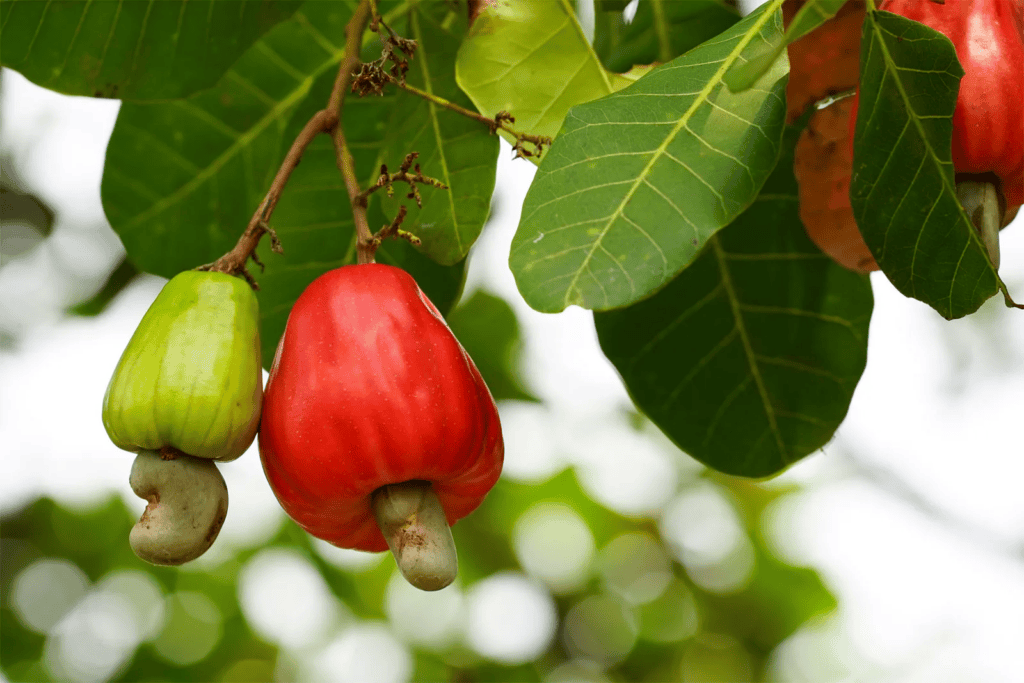
Let’s start with my favorite exotic fruit: Cashew Apple
Cashew juice (also called cashew apple juice) comes from the cashew apple — the fleshy, pear-shaped fruit attached to the cashew nut on the tree. It’s popular in tropical regions like Brazil, India, and parts of Africa, and it’s distinct from cashew nut milk or extracts.
Exotic Fruit Nutritional Highlights
Cashew apple juice stands out for its nutrient density:
Extremely high in Vitamin C: Often 5–6 times more than orange juice (around 200–350 mg per 100 ml, depending on variety and ripeness). Yellow varieties tend to have slightly higher levels than red ones.
Rich in antioxidants: Polyphenols, flavonoids, carotenoids, and tannins that combat oxidative stress.
Good source of minerals: Potassium, magnesium, calcium, phosphorus, and smaller amounts of iron and zinc.
Sugars and fiber: Natural sugars (glucose, fructose) for quick energy, plus some dietary fiber.
B vitamins: Including thiamine, niacin, riboflavin, etc.
Potential Health Benefits of this Exotic Fruit:
Research suggests these benefits, though more large-scale human studies are needed:
Immune Support and Antioxidant Protection
The exceptionally high vitamin C content acts as a powerful antioxidant, helping boost immunity, collagen production for skin health, and protection against free radicals. It may also support wound healing.
Anti-Inflammatory Effects
Compounds in the juice show anti-inflammatory properties that could help reduce inflammation and support recovery.
Heart Health and Blood Pressure
High potassium and magnesium levels may aid in blood pressure regulation (useful in diets like DASH). Antioxidants support cardiovascular health by reducing oxidative damage.
Exercise and Metabolic Benefits
Some studies indicate it can enhance fat oxidation during intense workouts, potentially improving endurance and muscle health. It may positively influence lipid profiles (e.g., better cholesterol in animal models).
Digestion and Overall Nutrition
Fiber and nutrients support digestive health. It’s a hydrating, nutrient-dense option, especially in regions where it’s a local superfood.
Exotic Fruit Other Potential Benefits
Preliminary research points to antimicrobial properties, potential anticancer effects from bioactive compounds (such as anacardic acid), and general wellness support due to its broad nutrient profile.
Considerations and Side Effects
Generally safe when consumed as juice from properly processed cashew apples.
Allergies: Rare for the apple itself (more common with cashew nuts or related plants), but possible cross-reactivity in sensitive individuals.
Tannins and astringency: Can cause a puckering sensation or mild digestive upset if overconsumed. The juice is often sweetened or blended.
Oxalates/Kidney concerns: Like many plant foods, moderation is wise if you have a kidney stone history (though evidence specific to cashew juice is limited).
It’s low in calories relative to its nutrient content but contains natural sugars, so those monitoring blood sugar should note this.
Cashew apples are often underutilized globally (many are discarded after nut harvest), but the juice is a refreshing, vitamin-packed drink. Fresh or minimally processed versions offer the most benefits.
We enjoyed it plain, in smoothies, or mixed with other tropical fruits!
Passion fruit juice is one of the nutritious Exotic Fruit obtained from the pulp of passion fruit (Passiflora edulis). It provides several advantages to your body, mainly because of its vitamin content, antioxidant value, dietary fiber, and minerals.
Key Nutritional Profile (per cup/approx. 247 g of yellow passion fruit juice)
Around 148 calories
High vitamin C content (about 50% DV or more); vitamin C is a great antioxidant
Good source of vitamin A (as beta-carotene) – around 13% DV
High content of potassium (for heart and muscles)
Other: magnesium, phosphorus, folate, and small amounts of fiber and useful plant substances such as polyphenols, flavonoids, and piceatannol (mainly seeds/pulp)
Note: while pure juice has retained most of its health value, it has less fiber compared to whole fruit with seeds and pulp. Commercial drinks are often sweetened or mixed with other juices.
Exotic Fruit Health Benefits
Strengthening Immune System
The content of vitamin C makes you less likely to get ill; vitamin C has antioxidant properties, helps the immune system to function properly and decreases the probability of catching colds and infections. The vitamin A is also helpful to the immune system.
High Antioxidant Value
Antioxidants in the drink include vitamins, beta-carotene, polyphenols, and other plant compounds which neutralize free radicals. It may decrease oxidative stress and inflammation and promote cell health.
Promotes Digestive System Health
Dietary fiber (the highest amount in juice with pulp) regulates bowel movements, prevents constipation, and promotes overall digestive health.
Benefits for Heart Health
Potassium regulates blood pressure. Antioxidants and dietary fiber may support cholesterol and promote proper functioning of the cardiovascular system. Some studies show that substances in passion fruit juice relax blood vessels and protect your heart.
Insulin Sensitivity Improving
Some of the plant substances, e.g., piceatannol (from seeds), showed in studies to improve insulin sensitivity and metabolic parameters which might be helpful for blood sugar regulation (more research is needed).
Healthy Skin and Eyes
Vitamins A and C promote collagen formation (helps your skin become elastic, prevents aging of the skin and wounds); promotes eye health.
Other Potential Advantages of This Exotic Fruit
Can reduce stress/anxiety thanks to some specific flavonoids (preliminary research).
Strengthens bones due to minerals: magnesium, calcium, and phosphorus.
It is low-calorie and a source of hydration and fits into healthy diets very well.
In one small study, it was shown that a single portion of passion fruit juice could improve working ability and attentional focus of healthy people, probably because of stable blood glucose levels after consumption.
Points to Consider When Consuming this Exotic Fruit
Best Way to Consume: fresh or 100% pure juice (especially with pulp). Dilute with water if it is too sour.
Moderation: contains natural sugars; pay attention to added sugars in commercial beverages. Its excessive intake may negatively affect blood sugar level in sensitive persons.
Disadvantages: usually it is considered safe but for those who are allergic to related plants or take some medications consult your doctor first. It is acidic and can cause irritation in sensitive stomachs if consumed in large quantities.
How to consume this exotic fruit: drink directly or in smoothies, cocktails, add to water.
Passion fruit juice is a delicious addition to healthy nutrition, yet it does not mean that it can cure something or has magical properties – only its regular intake with balanced diet and active life will bring some benefits. Consult with your doctor or dietitian to obtain personalized advice.
Weight Loss Benefits of these Exotic Fruit
Both passion fruit and cashew apple (the juicy pseudo-fruit attached to the cashew nut) can support weight loss as part of a balanced, calorie-controlled diet, mainly due to their high fiber, low calorie density, nutrient profiles, and potential metabolic effects. Neither is a “magic” weight-loss food, but they offer helpful properties.
Passion Fruit Exotic Fruit for Weight Loss
High in fiber — A single small fruit provides about 2g of fiber (including from seeds/pulp), promoting fullness, reducing overall calorie intake, and supporting digestion. Fiber slows digestion and helps stabilize blood sugar.
Low in calories — Around 17 calories per small purple passion fruit, making it a satisfying, nutrient-dense snack or juice base.
Other mechanisms — Rich in antioxidants and compounds like piceatannol (from seeds), which may improve insulin sensitivity (helpful for fat metabolism and reducing diabetes risk). The peel is particularly high in pectin-like fiber that can reduce hunger. Some evidence suggests it may help reduce eating compulsions via a mild relaxing effect.
Evidence — Diets high in fiber-rich fruits like this are linked to lower obesity risk. Animal and limited human studies support benefits for metabolic health.
Tip: Eat the whole fruit (pulp + seeds) or use unsweetened juice/puree for maximum fiber. Great in smoothies, yogurt, or water infusions.
Cashew Apple for Weight Loss
Fiber and low calories — High in dietary fiber, which aids satiety, digestion, and appetite control. It’s relatively low in calories while being nutrient-packed. Antioxidants and anti-inflammatory compounds — Rich in vitamin C, flavonoids (like myricetin and quercetin), polyphenols, and anacardic acid. These may reduce inflammation (which can hinder fat loss), support metabolism, and improve insulin sensitivity.
Metabolic support — Animal studies on cashew apple extracts show reductions in body weight gain, fat storage (including liver fat), hyperglycemia, and insulin resistance on high-fat diets. It may help with fat oxidation and endurance during exercise.
Additional perks — This exotic fruit is very high in vitamin C (up to 6x more than oranges per some measures), which supports overall health during calorie restriction, plus prebiotic effects for gut health.
Tip: Consume fresh, as juice (unsweetened), or in smoothies. It’s juicy and tangy-sweet but can be astringent—often processed into juices or wines. Combined Benefits and Practical Advice
Together — Both are hydrating, fiber-rich tropical options that can replace higher-calorie snacks/drinks. Their antioxidants and nutrients support energy, immunity, and metabolic health without spiking blood sugar much (in moderation). A combination could make for a refreshing, low-calorie juice or smoothie that keeps you full.
Realistic expectations — They help by promoting satiety, providing nutrients that support fat metabolism, and fitting into a deficit. Sustainable weight loss comes from overall diet, exercise, sleep, and habits—not single foods.
How to incorporate:
Add passion fruit pulp to oatmeal or salads.
Blend cashew apple juice with greens or protein for a meal replacement.
Aim for whole forms over sweetened juices to maximize fiber and minimize added sugars.
Cautions:
Watch portions if juicing, as natural sugars add up.
Cashew apples can cause allergic reactions in some (related to cashew nuts).
Consult a doctor or dietitian for personalized advice, especially with conditions like diabetes or digestive issues.
In summary, both fruits are excellent, nutrient-dense choices that can aid weight loss efforts through fiber, low calories, and bioactive compounds. Pair them with a balanced lifestyle for best results! If you’re in Brazil (common for these fruits), fresh options should be easy to find.
The concept of a “juicing diet cleanse” has surged in popularity as more people seek to detoxify their bodies, boost nutrient levels, and jumpstart weight loss. While promising rapid results and a revitalized sense of well-being, a juicing diet cleanse also brings a range of challenges and potential risks. This guide offers an in-depth look at the benefits, inconveniences, and risks associated with a juicing diet cleanse.
Whether you’re considering a short-term detox or a longer cleanse, it’s important to understand what you’re getting into so you can make an informed decision that suits your lifestyle and health needs.
Be careful if you are on a low-carb or keto diet… An 8‑ounce glass of juice typically averages around 30 grams of net carbs. This value represents the carbohydrates absorbed by your body after accounting for any fiber that may have been removed during juicing.
What is a Juicing Diet Cleanse?
A juicing diet cleanse is a short-term dietary regimen in which individuals replace one or more meals with freshly squeezed juices from fruits, vegetables, and sometimes herbs or spices. The main intention behind this cleanse is to flood the body with essential vitamins, antioxidants, and minerals while giving the digestive system a break from heavy, processed, or solid foods.
The process typically involves using a juicer to extract liquid from produce, which removes most of the fiber but concentrates the nutrient content. Adherents believe that by doing so, the body’s natural detoxification systems—including the liver and kidneys—are supported and can function more efficiently, thereby helping the body excrete toxins.
Using the primary SEO keyword “juicing diet cleanse” throughout this article ensures that you get a deeper understanding of every facet of this approach to health and wellness.
The Benefits of a Juicing Diet Cleanse
1. Rapid Nutrient Absorption
One of the primary benefits of a juicing diet cleanse is the rapid absorption of nutrients. Unlike eating whole fruits and vegetables—which require a longer digestive process and involve breaking down fiber—the juice form allows the body to absorb vitamins, minerals, and antioxidants more quickly.
Enhanced Vitamin and Mineral Intake: Juices extracted from produce like kale, spinach, cucumbers, and citrus fruits are densely packed with nutrients such as vitamin C, vitamin A, potassium, and magnesium.
Antioxidant Power: Various fruits and vegetables that are common in a juicing diet cleanse contain antioxidants, which help neutralize free radicals, reducing oxidative stress and potentially lowering the risk of chronic diseases.
Quick Energy Boost: For those feeling sluggish, a juicing diet cleanse can provide a noticeable energy uplift, thanks to the immediate availability of micronutrients that may have been lacking in a typical diet.
2. Weight Loss Support
A juicing diet cleanse is often adopted as a method to aid weight loss. By replacing high-calorie meals with nutrient-rich juices, individuals can create a caloric deficit, which is fundamental for fat loss.
Calorie Reduction: The liquid form of fruit and vegetable juices tends to be lower in calories compared to traditional meals, especially if the cleanse is centered on low-sugar vegetables.
Improved Metabolic Function: Some proponents argue that the enzymes and phytonutrients found in fresh juices can kickstart metabolic processes, thereby encouraging the body to burn fat more efficiently.
Reduced Food Cravings: While some may argue that liquids do not provide the same satiety as solids, many users of a juicing diet cleanse report a decrease in cravings for sugary or processed foods—once their body adjusts to the new influx of nutrients.
3. Detoxification and Cleansing
Detoxification is one of the most frequently cited benefits of a juicing diet cleanse. The idea is to give the digestive system a rest, allowing the body’s natural detox processes to cleanse the bloodstream and organs.
Assisting the Liver and Kidneys: By consuming only easily digestible juices, the body isn’t overloaded with heavy, processed foods. This procedure gives the liver a chance to focus on breaking down and removing toxins rather than constantly processing complex meals.
Improved Digestion: While the removal of fiber can be a downside, a temporary cessation of solid foods can help reset the gastrointestinal system for some individuals, potentially reducing bloating and digestive discomfort.
Enhanced Hydration: Juices are not only nutrient-dense; they also have a high water content, which promotes better hydration. Proper hydration is essential for nearly every bodily function, including digestion and detoxification.
4. Mental Clarity and Increased Energy
Many participants in a juicing diet cleanse report an improvement in mental acuity, a clearer mind, and a general feeling of rejuvenation, which they attribute to the high nutritional quality of the juices.
Stable Blood Sugar: When planned correctly, the juices in a juicing diet cleanse can help maintain stable blood sugar levels without the spikes and crashes that accompany high-sugar meals.
Mood Enhancement: An increased intake of fresh produce infuses the brain with essential nutrients needed for optimal neurotransmitter function, which can enhance mood and reduce feelings of stress.
Renewed Vitality: With a break from processed foods and an increased nutrient load, many find that they experience greater energy throughout the day, leading to increased productivity and better overall mental performance.
The Inconveniences of a Juicing Diet Cleanse
While the benefits are enticing, it’s important to consider the many inconveniences accompanying a juicing diet cleanse.
1. Time-Consuming Preparation
One of the common drawbacks associated with a juicing diet cleanse is the time required for preparation.
Daily Routine: Preparing various fresh juices involves washing, peeling, cutting, and processing various fruits and vegetables. Dedicating several extra hours each week just for juicing can be impractical for busy individuals.
Cleaning Up: Juicers and all associated equipment require thorough cleaning after each use. This adds an extra step to your daily cleanup routine, which can be a significant inconvenience for those with a hectic schedule.
Frequent Shopping: Maintaining a juicing diet cleanse demands a constant supply of fresh, high-quality produce. This means frequent trips to the grocery store or local farmers market, which can be both time-consuming and financially taxing.
2. Limited Satiety and Hunger Issues
A major inconvenience of a juicing diet cleanse is its effect on satiety. Many adherents report feeling hungry soon after consuming their juices, which can undermine the cleanse.
Lack of Fiber: The juicing process removes most of the dietary fiber, which is critical for maintaining a feeling of fullness after meals. This omission can result in increased hunger and potential overeating when transitioning back to solid foods.
Short-Term Energy: While juices provide a quick burst of energy, they do not consistently sustain the same level of satiety provided by whole foods. As a result, some individuals may struggle with cravings for high-calorie snacks.
Adjusting to Hunger Cues: Over time, your body may signal increased hunger as it adjusts to the reduced calorie and fiber intake. This adaptation period can be uncomfortable and might even lead to decreased adherence to the cleanse.
3. Expense and Accessibility
The cost factor is another significant inconvenience associated with a juicing diet cleanse.
High Cost of Produce: Quality produce, especially organic fruits and vegetables, tend to be expensive. For individuals on a tight budget, daily or even weekly juicing can lead to increased grocery bills.
Seasonal Variability: Depending on where you live, the availability of fresh, high-quality produce year-round can be a challenge. Seasonal limitations might force you to rely on less fresh or less nutrient-dense options.
Investment in Equipment: A good-quality juicer can be a significant initial investment, and ongoing maintenance or replacement parts add to the overall expense of the cleanse.
4. Potential Boredom and Taste Fatigue
Even if you begin your juicing diet cleanse with enthusiasm, the monotony can eventually set in.
Repetitive Flavors: Consuming a limited variety of juices every day can lead to taste fatigue. The lack of variety may make the cleanse less enjoyable, ultimately affecting your commitment to the regimen.
Experimentation Challenges: While many recipes for a juicing diet cleanse are available, the process of constant recipe experimentation can be time-consuming and may not always yield consistently delicious results.
Social Isolation: Following a strict juicing diet cleanse might restrict your ability to participate in social meals and gatherings, further contributing to a sense of isolation or missing out on communal dining experiences.
The Risks of a Juicing Diet Cleanse
In addition to the inconveniences, a juicing diet cleanse carries inherent risks that should be considered seriously before embarking on such a regimen.
1. Nutrient Imbalances and Deficiencies
A primary risk of a juicing diet cleanse is that it may lead to an imbalance in your overall nutrient intake.
Lack of Protein: Most juicing diet cleanses are extremely low in protein, which is essential for muscle repair, satiety, and immune system function. Prolonged periods without adequate protein can result in muscle loss and a weakened immune system.
Loss of Fiber: Although the removal of fiber might enhance nutrient absorption in the short term, a complete lack of fiber has its consequences. Fiber is not only important for digestive health but also plays a role in maintaining a balanced gut microbiome.
Imbalanced Micronutrients: While juices are rich in vitamins and minerals, they do not provide all the essential macronutrients required for long-term health. This imbalance can lead to deficiencies or imbalances in electrolytes, which have further implications for muscle function and overall energy levels.
2. Blood Sugar Fluctuations
One of the significant risks with a juicing diet cleanse is its impact on blood sugar levels.
Rapid Absorption of Sugars: Juices, particularly those that contain a high proportion of fruit, are rich in natural sugars. Without the buffering effect of fiber, these sugars enter the bloodstream quickly, resulting in rapid spikes.
Subsequent Crashes: These spikes can be followed by sudden drops in blood sugar levels, which may cause fatigue, headaches, mood swings, and irritability.
Risk to Diabetics: For individuals with insulin resistance or diabetes, the fluctuations in blood sugar can be dangerous and require careful management or medical supervision.
3. Gastrointestinal and Metabolic Risks
The impact on your digestive system is another potential risk of following a juicing diet cleanse for an extended period.
Constipation and Digestive Discomfort: The lack of fiber in a juicing diet cleanse can result in constipation and other intestinal irregularities. Over time, this may disrupt the normal balance of gut bacteria, which is crucial for overall gut health.
Slowed Metabolism: With inadequate protein and fiber, the body’s metabolism might slow down as it tries to conserve energy, potentially counteracting any weight loss benefits over the long term.
Long-Term Health Concerns: In extreme cases, prolonged reliance on juices as the sole source of nutrition could lead to malnutrition and other serious health concerns. A poorly planned juicing diet cleanse may deprive the body of critical nutrients, leading to adverse effects on hormonal balance, immune function, and overall vitality.
4. Psychological and Social Implications
Beyond the physiological risks, there can be significant psychological and social effects associated with a rigorous juicing diet cleanse.
Mental Health Strain: Restrictive diets, such as a strict juicing diet cleanse, may contribute to feelings of anxiety, stress, and isolation, especially if they interfere with normal eating patterns and social interactions.
Relationship with Food: Relying too heavily on a juicing diet cleanse may disrupt your natural hunger cues and relationship with food. After the cleanse, individuals might struggle with overeating or developing an unhealthy mindset about food and nutrition.
Social Limitations: Following a strict juicing regimen can hinder participation in social dining events or family meals. The inability to partake in typical meals may foster feelings of being left out or different from peers, which in turn can affect mental well-being.
Practicing a Safe and Balanced Juicing Diet Cleanse
While a juicing diet cleanse offers many potential benefits, it is not without significant inconveniences and risks. Here are some essential recommendations to ensure safety and balance during your cleanse:
1. Integrate Juices with Whole Foods
Rather than committing to a strictly liquid diet, consider using the juicing diet cleanse as a supplement to a balanced eating plan.
Meal Replacement Strategy: Replace only one or two meals a day with juices, while incorporating whole foods for other meals. This approach allows you to benefit from the nutrient boost of juicing while maintaining adequate protein, fiber, and other macronutrients.
Add Protein Boosters: Include protein-rich ingredients such as a scoop of protein powder, chia seeds, or a spoonful of nut butter in your juices to help mitigate muscle loss and promote satiety.
2. Monitor Your Body’s Response
Keeping a detailed journal during the juicing diet cleanse can help you track changes in energy levels, mood, and digestion.
Note Physical Reactions: Document any symptoms such as fatigue, headaches, excessive hunger, or digestive discomfort. This information is invaluable when deciding whether to continue, modify, or cease the cleanse.
Adjust Quantities Accordingly: If you’re experiencing rapid blood sugar fluctuations or an unmanageable hunger spike, consider balancing your juices with a small portion of whole foods or adjusting the fruits-to-vegetable ratio in your blends.
3. Limit the Duration of the Cleanse
A juicing diet cleanse is best approached as a short-term detox rather than a long-term dietary change.
Short-Term Focus: Many experts recommend that a strict juicing diet cleanse be limited to a few days up to a week. Longer durations should only be undertaken under supervision by a healthcare professional.
Transition Gradually: After completing your juicing diet cleanse, gradually reintroduce whole foods into your diet to help reset your digestive system and avoid shocking your metabolism.
4. Seek Professional Guidance
If you are considering a juicing diet cleanse, especially if you have underlying health conditions, consult with a healthcare provider or a registered dietitian.
Personalized Advice: Professionals can tailor the juicing diet cleanse to your specific dietary and health needs, ensuring that you receive the necessary nutrients while mitigating potential risks.
Scheduled Monitoring: Regular check-ups during and after the cleanse can help you track any negative impacts, adjusting your diet as needed.
Understanding for Whom a Juicing Diet Cleanse Might Work
A juicing diet cleanse is not universally beneficial. It may suit some individuals better than others, depending on lifestyle, health status, and personal goals.
Ideal Candidates
Individuals Seeking Short-Term Detox: Those who are interested in a brief reset of their system and have no underlying chronic health conditions.
Health Enthusiasts with Flexible Schedules: People who enjoy preparing fresh produce daily and have the time to invest in a thorough cleansing process.
Motivated Individuals Looking for a Nutrient Boost: If you are experiencing a temporary lapse in energy or a need for improved mental clarity, a well-planned juicing diet cleanse might deliver the rapid nutrient absorption you need.
Who Should Avoid It
Those with Metabolic or Digestive Issues: Individuals with diabetes, insulin resistance, or severe digestive conditions might experience more harm than benefit from rapid fructose absorption and lack of fiber.
Highly Active Athletes: Extended periods without adequate protein and fiber can negatively impact muscle repair and overall performance.
People with a History of Eating Disorders: Restrictive cleanses can trigger unhealthy patterns or exacerbate existing conditions related to food.
Balancing the Juicing Diet Cleanse with Long-Term Health Goals
While a juicing diet cleanse can offer a refreshing start or a temporary boost, it must be balanced with a sustainable long-term nutritional strategy.
Incorporate Variety and Flexibility
Rotate Ingredients: Avoid over-repetition by rotating the types of fruits and vegetables in your juices. This not only prevents taste fatigue but also ensures a broader spectrum of nutrients.
Experiment with Blends: Try mixing in protein or healthy fats gradually to create more balanced, satiating juices that still deliver the detox benefits.
Post-Cleanse Diet Reintroduction
Gradual Transition: As you conclude the juicing diet cleanse, slowly reintroduce whole foods into your daily routine. Start with bland, easy-to-digest meals before moving on to more complex foods.
Maintain Hydration: Continue to drink plenty of water alongside incorporating whole foods, helping to ensure that the detox benefits extend beyond the cleansing period.
Long-Term Goals: Use the juicing diet cleanse as a catalyst for future dietary changes rather than as a permanent solution. A balanced diet rich in whole foods, lean proteins, and healthy fats is vital for ongoing health and maintenance.
Real-Life Experiences and Research Perspectives
Numerous anecdotal reports suggest that a juicing diet cleanse can lead to improvements in energy, skin clarity, and overall vitality. However, scientific research is still catching up to these observations. Some studies suggest benefits in terms of increased antioxidant activity and transient weight loss, while others warn about the risk of nutrient deficiencies if the cleanse is prolonged or improperly managed.
Case Studies: Many individuals have reported a surge in energy and mental clarity after completing a 3-5 day juicing diet cleanse. These reports often include improvements in digestive comfort and even a temporary reduction in inflammation.
Scientific Caution: Researchers often emphasize that while short-term detox effects may be observed, the human body is already equipped with sophisticated detox systems. Thus, the benefits observed are sometimes short-lived, and excessive reliance on liquid-only diets may lead to more harm than good if not properly balanced.
Final Thoughts on the Juicing Diet Cleanse
In conclusion, a juicing diet cleanse presents a variety of advantages and drawbacks, as well as potential risks that require careful consideration. The rapid nutrient absorption, potential weight loss, detoxifying effects, and increased energy levels are alluring aspects of this regimen. However, issues like time-consuming preparation, limited satiety, the high cost of fresh produce, and the risk of nutrient deficiencies must be carefully considered before starting a juicing diet cleanse.
A balanced approach is paramount for those who decide to try a juicing diet cleanse. Integrate juices with whole foods, monitor your body’s responses attentively, limit the cleanse duration, and seek professional advice if needed. By doing so, you can harness the benefits of the juicing diet cleanse while mitigating its drawbacks and safeguarding your long-term health.
Remember, the key to lasting wellness lies in a delicate balance of detoxification and proper nutrition. A juicing diet cleanse may serve as a valuable reset or a creative way to engage with your health, but should always complement—rather than substitute—a balanced, nutrient-rich diet.
Conclusion
A juicing diet cleanse can be a transformative yet challenging approach to health. Many health enthusiasts find it intriguing due to its immediate benefits such as rapid nutrient absorption, detoxification, and potential weight loss. However, you must consider with caution the inconvenience of daily preparation, limited satiety due to fiber removal, financial costs due to expensive produce, and the risks of nutrient imbalances and blood sugar fluctuations.
If you choose to embark on a juicing diet cleanse, ensure that it is short-term, well-planned, and ideally integrated with regular meals that offer balanced nutrition. Keep in mind that while cleansing may provide a temporary boost, true long-term wellness is achieved through a consistent, balanced dietary pattern backed by proper hydration and regular physical activity.
We hope this ultimate guide equips you with the knowledge you need regarding the benefits, inconveniences, and risks of a juicing diet cleanse. Armed with this information, you can make an informed decision that aligns with your personal health goals and lifestyle, ensuring that every step you take is towards better, long-lasting wellness.
Happy juicing, and may your health journey be both enlightening and delicious!
Many readers ask me about Juicing Diet for Weight Loss. Here are my key points and how to do it correctly.
In recent years, juicing diets have gained popularity as a way to lose weight and improve overall health. A juicing diet for weight loss involves consuming only fresh fruit and vegetable juices for a certain period of time, typically ranging from a few days to a few weeks.
The idea behind this diet is that by eliminating solid foods and consuming only liquids, the body can detoxify and shed excess weight. Juicing diets are often used as a jumpstart to a healthier lifestyle or as a way to break unhealthy eating habits.
Juicing Diet for Weight Loss Key Takeaways
A juicing diet for weight loss involves consuming only fresh juices made from fruits and vegetables for a certain period of time to aid weight loss.
A typical juicing diet involves drinking 4-6 juices daily, each containing a variety of fruits and vegetables.
Creating a juicing diet plan involves selecting the right ingredients, preparing them properly, and incorporating them into a daily routine.
Juicing diet benefits for weight loss include increased nutrient intake, improved digestion, and reduced calorie consumption.
Potential juicing diet side effects to consider include hunger, fatigue, and nutrient deficiencies. It is important to consult a healthcare professional before starting a juicing diet for weight loss.
Understanding the Juicing Diet Schedule
When following a juicing diet, it is important to have a clear schedule in place. Most juicing diet for weight loss recommend drinking between 4-6 juices per day, spaced out evenly throughout the day.
It is important to drink plenty of water in addition to the juices, as this helps to flush out toxins and keep the body hydrated. Getting enough rest while on the diet is also recommended, as the body may be working harder to detoxify and adjust to the new diet.
Creating a Juicing Diet Plan
Before starting a juicing diet, it is important to create a plan. This includes setting goals for weight loss and tracking progress along the way.
Keeping a journal or using an app to record daily juice intake, weight loss, and any other relevant information can be helpful. Having a plan can help you stay motivated and focused on achieving your goals.
Juicing Diet Benefits for Weight Loss
There are several benefits of a juicing diet for weight loss.
Consuming only fresh fruit and vegetable juices can provide the body with essential nutrients while reducing calorie intake, which can lead to weight loss over time.
Many people report increased energy levels and improved digestion while on a juicing diet. Studies have also shown that juicing diets can help reduce inflammation in the body, which can contribute to weight gain.
Potential Juicing Diet Side Effects to Consider
While a juicing diet for weight loss can be beneficial for weight loss, it is important to be aware of potential side effects. Some people may experience headaches, fatigue, or dizziness while on a juicing diet.
This is often due to the body adjusting to the change in diet and detoxifying. It is important to listen to your body and rest when needed. To minimize these side effects, starting with a shorter juicing period and gradually increasing the duration is recommended.
Choosing the Right Juicing Ingredients
When embarking on a juicing diet, it is important to choose fresh, organic produce. This ensures that you get the most nutrients from your juices and avoid any harmful pesticides or chemicals. It is also important to select fruits and vegetables known for their weight loss properties. Some examples include leafy greens like spinach and kale, citrus fruits like grapefruit and lemon, and berries like blueberries and raspberries.
Preparing Your Juicing Ingredients
Properly preparing your juicing ingredients is essential for getting the most out of your juices. Wash all fruits and vegetables thoroughly before juicing to remove dirt or bacteria.
Peel any fruits or vegetables that have thick skin, as this can affect the taste and texture of the juice. Additionally, cleaning your juicer regularly is important to prevent any bacteria or mold buildup.
Juicing Diet for Weight Loss Recipes
Here are a few simple, tasty juicing recipes for weight loss:
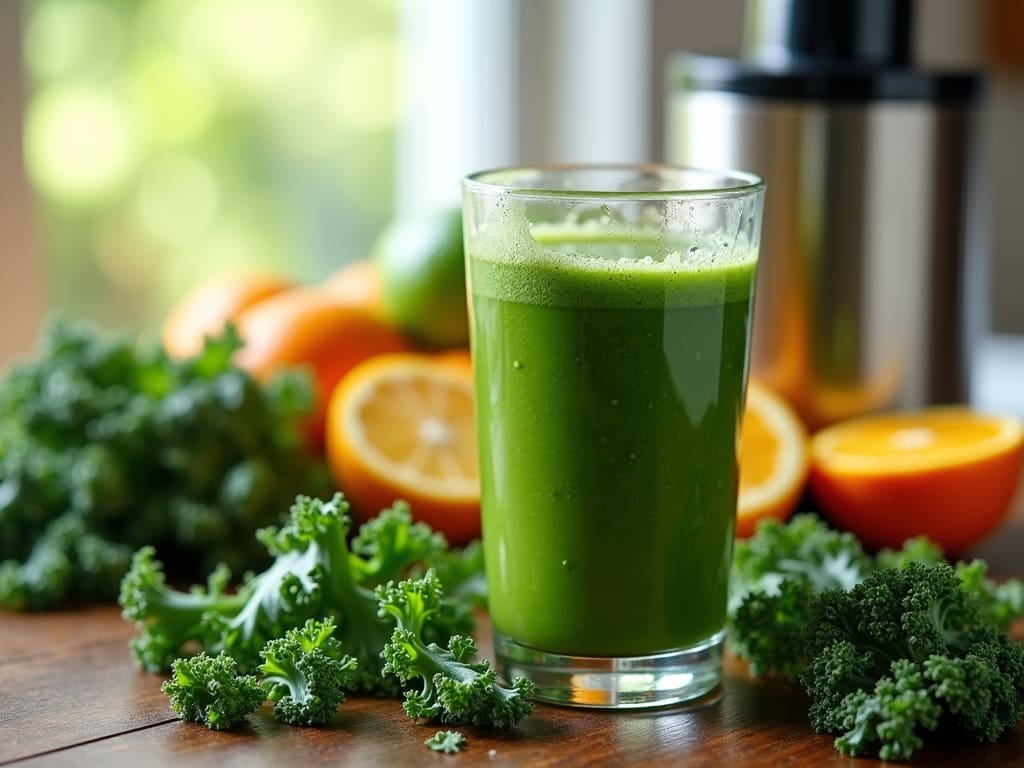
Green Detox Juice:
2 cups spinach
1 cucumber
1 green apple
1 lemon
1-inch piece of ginger
Berry Blast Juice:
1 cup strawberries
1 cup blueberries
1 cup raspberries
1 cup spinach
1 cup coconut water
Citrus Sunrise Juice:
2 oranges
1 grapefruit
1 lemon
1-inch piece of turmeric
Experimenting with different ingredients and finding what works best for you is important. You can also add herbs and spices like mint or cinnamon to enhance the flavor of your juices.
Tips for Sticking to Your Juicing Diet
Sticking to a juicing diet can be challenging, especially when faced with temptation. Here are some tips to help you stay motivated:
1. Set realistic goals: It is important to set achievable goals for weight loss and track your progress along the way. Celebrate small victories and stay focused on your ultimate goal.
2. Find support: Seek support from friends and family who can encourage you and hold you accountable. You can also join online communities or find a juicing buddy to share your journey with.
3. Stay busy: Keep yourself occupied with activities that do not involve food. Engage in hobbies, exercise, or spend time with loved ones to distract yourself from cravings.
4. Prepare in advance: Plan your juices ahead of time and have them readily available. This will help you avoid reaching for unhealthy snacks when hunger strikes.
Is a Juicing Diet Right for You?
In conclusion, a juicing diet can effectively jumpstart weight loss and improve overall health. However, consulting with a healthcare professional before starting any new diet or exercise program is important. They can provide personalized advice based on your individual needs and goals. Remember that a juicing diet should not be used as a long-term solution but rather as a tool to kickstart a healthier lifestyle. With proper planning and preparation, a juicing diet can help you achieve your weight loss goals and improve your overall well-being.
If you’re interested in exploring the benefits of juicing for weight loss, you may also want to check out this informative article on the beginner’s guide to juicing. It provides valuable insights into the basics of juicing, including tips on choosing the right fruits and vegetables, understanding the different types of juicers, and incorporating juicing into your daily routine. Whether you’re a juicing novice or looking to enhance your existing knowledge, this article is a great resource to help you get started on your juicing journey.
A juicing diet, also known as a juice cleanse or Juice fast, is a diet where a person consumes only fruit and vegetable juices for a certain period. The goal of a juicing diet to lose weight is to detoxify the body, promote weight loss, and improve overall health.
During a juice cleanse, solid foods are eliminated from the diet, and the body is nourished with fresh juices that are rich in vitamins, minerals, and antioxidants.
One of the main ways that a juicing diet aids in weight loss is by reducing calorie intake. Since fruits and vegetables are low in calories but high in nutrients, consuming them in juice form significantly reduces calorie consumption while still providing the body with essential vitamins and minerals. Additionally, the high water content in juices helps to keep you hydrated and can help curb hunger cravings.
Benefits of a Juicing Diet To Lose Weight
Increased nutrient intake: Juices are packed with essential vitamins, minerals, and antioxidants that are easily absorbed by the body. By consuming a variety of fruits and vegetables in juice form, you can ensure that your body is getting all the nutrients it needs to function properly.
Reduced calorie intake: Juices are naturally low in calories but high in nutrients. By replacing solid foods with juices during a cleanse, you can significantly reduce your calorie intake while still providing your body with essential nutrients.
Improved digestion: Juices are easier for the body to digest compared to solid foods. This allows your digestive system to take a break and can help improve digestion overall. Improved digestion can lead to better nutrient absorption and can also help reduce bloating and discomfort.
Boosted metabolism: Some fruits and vegetables, such as grapefruit and celery, have been shown to boost metabolism. Including these ingredients in your juices can help increase your body’s calorie-burning potential and aid in weight loss.
Reduced inflammation: Many fruits and vegetables have anti-inflammatory properties. By consuming them in juice form, you can help reduce inflammation in the body, which is often associated with weight gain and other health issues.
Getting Started: Preparing for a Juice Cleanse
Before starting a juice cleanse, it is important to consult with a healthcare professional, especially if you have any underlying health conditions or are taking medication. They can guide and ensure a juice cleanse is safe for you.
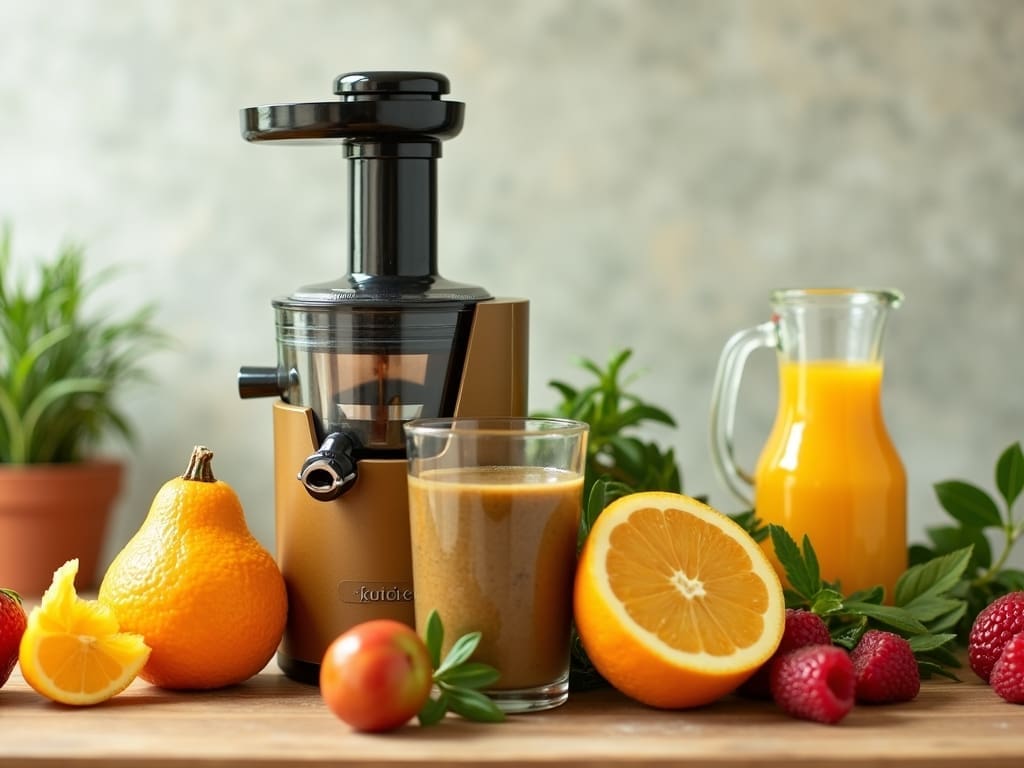
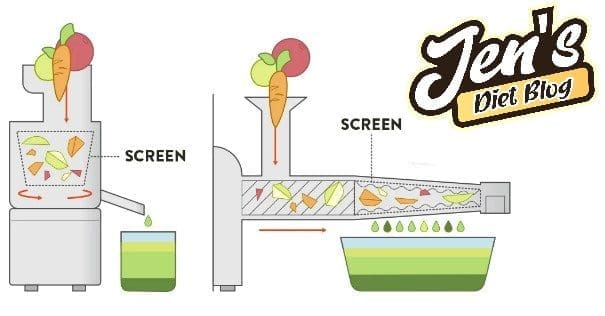
Choosing the right juicer is also important. Different types of juicers are available, such as centrifugal juicers and masticating juicers. Centrifugal juicers are more affordable and work quickly, but they may not extract as much juice from fruits and vegetables. Masticating juicers are slower but tend to extract more juice and retain more nutrients.
When selecting fruits and vegetables for your juices, it is important to choose organic produce whenever possible to avoid consuming pesticides and other harmful chemicals. It is also important to choose a variety of fruits and vegetables to ensure that you are getting a wide range of nutrients.
Preparing your body for a juice cleanse is also important. It is recommended to gradually reduce your intake of caffeine, processed foods, and animal products in the days leading up to your cleanse. This can help minimize withdrawal symptoms and make the transition to a juice cleanse easier.
Juice Diet 5 Days: A Comprehensive Plan for Quick Weight Loss
A 5-day Juicing Diet To Lose Weight can effectively jumpstart weight loss and detoxify the body. Here is a sample plan for a 5-day juice cleanse:
Day 1:
Morning: Green juice (kale, spinach, cucumber, apple)
Mid-morning: Carrot-orange juice
Lunch: Beetroot juice
Afternoon snack: Watermelon juice
Dinner: Tomato-celery juice
Evening snack: Pineapple-mint juice
Day 2:
Morning: Green juice (kale, spinach, cucumber, apple)
Mid-morning: Carrot-orange juice
Lunch: Cucumber-mint juice
Afternoon snack: Watermelon juice
Dinner: Tomato-celery juice
Evening snack: Pineapple-mint juice
Day 3:
Morning: Green juice (kale, spinach, cucumber, apple)
Mid-morning: Carrot-orange juice
Lunch: Beetroot juice
Afternoon snack: Watermelon juice
Dinner: Tomato-celery juice
Evening snack: Pineapple-mint juice
Day 4:
Morning: Green juice (kale, spinach, cucumber, apple)
Mid-morning: Carrot-orange juice
Lunch: Cucumber-mint juice
Afternoon snack: Watermelon juice
Dinner: Tomato-celery juice
Evening snack: Pineapple-mint juice
Day 5:
Morning: Green juice (kale, spinach, cucumber, apple)
Mid-morning: Carrot-orange juice
Lunch: Beetroot juice
Afternoon snack: Watermelon juice
Dinner: Tomato-celery juice
Evening snack: Pineapple-mint juice
During a 5-day Juicing Diet To Lose Weight, it is important to stay hydrated by drinking plenty of water in addition to the juices. It is also important to listen to your body and adjust the cleanse as needed. If you feel weak or lightheaded, adding a small meal or snack to your cleanse may be necessary.
Potential side effects of a 5-day juice cleanse can include headaches, fatigue, and irritability. These symptoms are often temporary and can be managed by staying hydrated, getting plenty of rest, and practicing self-care.
Juice Diet Chart: A Guide to Planning Your Daily Juices
Creating a Juicing Diet To Lose Weight chart can help you stay organized and ensure that you get various nutrients during your cleanse. Here is a sample juice diet chart:
Day 1:
Morning: Green juice (kale, spinach, cucumber, apple)
Mid-morning: Carrot-orange juice
Lunch: Beetroot juice
Afternoon snack: Watermelon juice
Dinner: Tomato-celery juice
Evening snack: Pineapple-mint juice
Day 2:
Morning: Green juice (kale, spinach, cucumber, apple)
Mid-morning: Carrot-orange juice
Lunch: Cucumber-mint juice
Afternoon snack: Watermelon juice
Dinner: Tomato-celery juice
Evening snack: Pineapple-mint juice
Day 3:
Morning: Green juice (kale, spinach, cucumber, apple)
Mid-morning: Carrot-orange juice
Lunch: Beetroot juice
Afternoon snack: Watermelon juice
Dinner: Tomato-celery juice
Evening snack: Pineapple-mint juice
Day 4:
Morning: Green juice (kale, spinach, cucumber, apple)
Mid-morning: Carrot-orange juice
Lunch: Cucumber-mint juice
Afternoon snack: Watermelon juice
Dinner: Tomato-celery juice
Evening snack: Pineapple-mint juice
Day 5:
Morning: Green juice (kale, spinach, cucumber, apple)
Mid-morning: Carrot-orange juice
Lunch: Beetroot juice
Afternoon snack: Watermelon juice
Dinner: Tomato-celery juice
Evening snack: Pineapple-mint juice
It is important to note that this is just a sample Juicing Diet To Lose Weight chart and can be customized to fit your taste preferences and nutritional needs. It is also important to listen to your body and adjust the cleanse as needed.
Juice Diet 30 Days: A Long-Term Plan for Sustainable Weight Loss
Morning: Green juice (kale, spinach, cucumber, apple)
Mid-morning: Carrot-orange juice
Lunch: Beetroot juice
Afternoon snack: Watermelon juice
Dinner: Tomato-celery juice
Evening snack: Pineapple-mint juice
Week 2:
Morning: Green juice (kale, spinach, cucumber, apple)
Mid-morning: Carrot-orange juice
Lunch: Cucumber-mint juice
Afternoon snack: Watermelon juice
Dinner: Tomato-celery juice
Evening snack: Pineapple-mint juice
Week 3:
Morning: Green juice (kale, spinach, cucumber, apple)
Mid-morning: Carrot-orange juice
Lunch: Beetroot juice
Afternoon snack: Watermelon juice
Dinner: Tomato-celery juice
Evening snack: Pineapple-mint juice
Week 4:
Morning: Green juice (kale, spinach, cucumber, apple)
Mid-morning: Carrot-orange juice
Lunch: Cucumber-mint juice
Afternoon snack: Watermelon juice
Dinner: Tomato-celery juice
Evening snack: Pineapple-mint juice
During a 30-day juice cleanse, it is important to stay hydrated by drinking plenty of water in addition to the juices. It is also important to listen to your body and adjust the cleanse as needed. If you feel weak or lightheaded, adding a small meal or snack to your cleanse may be necessary.
Staying motivated during a longer cleanse can be challenging. Setting small goals and rewarding yourself for reaching them can be helpful. Finding support from friends, family, or online communities can also provide encouragement and accountability.
Juice Diet Detox: Cleansing Your Body and Mind
A juice detox is a more intense form of a juice cleanse that focuses on cleansing the body and mind. During a juice detox, the goal is to eliminate toxins from the body and promote overall wellness. Here are some tips for a successful juice detox:
Start with a shorter detox: If you are new to juice detoxes, it is recommended to start with a shorter duration, such as 3-5 days, and gradually increase the length as you become more comfortable.
Stay hydrated: Drinking plenty of water is essential during a juice detox to help flush out toxins and keep your body hydrated.
Practice self-care: During a juice detox, it is important to take care of yourself physically and mentally. This can include activities such as yoga, meditation, or relaxing baths.
Listen to your body: Pay attention to how you feel during the detox and adjust as needed. If you feel weak or lightheaded, you may need to add a small meal or snack to your cleanse.
Be mindful of detox symptoms: During a Juicing Diet To Lose Weight detox, it is common to experience symptoms such as headaches, fatigue, or irritability. These symptoms are often temporary and can be managed by staying hydrated, getting plenty of rest, and practicing self-care.
Juice Diet Ideas: Delicious and Nutritious Recipes for Every Taste
One of the great things about juicing is that there are endless possibilities when it comes to creating delicious and nutritious juice recipes. Here are some ideas for fruit-based and vegetable-based juice recipes:
Fruit-based juice recipes:
Tropical Paradise: Pineapple, mango, and orange
Berry Blast: Strawberries, blueberries, and raspberries
Citrus Sunrise: Grapefruit, orange, and lemon
Watermelon Cooler: Watermelon, cucumber, and mint
Vegetable-based juice recipes:
Green Goddess: Kale, spinach, cucumber, celery, and apple
Beetroot Boost: Beetroot, carrot, ginger, and lemon
Cucumber Refresher: Cucumber, mint, lime, and ginger
Tomato Zinger: Tomato, celery, carrot, and jalapeno
Feel free to experiment with different combinations of fruits and vegetables to create your own unique Juicing Diet To Lose Weight recipes. You can also add herbs and spices such as ginger or turmeric for added flavor and health benefits.
Tips for Success: Staying Motivated and Overcoming Challenges
Staying motivated during a juice cleanse or detox can be challenging at times. Here are some tips to help you stay on track and overcome challenges:
Set realistic goals: It is important to set realistic goals for your juice cleanse or detox. This can help you stay motivated and prevent feelings of disappointment or failure.
Find support: Having a support system can make a big difference in staying motivated during a juice cleanse or detox. This can be friends, family members, or online communities who are also going through a similar experience.
Manage cravings: It is normal to experience cravings during a juice cleanse or detox. To manage cravings, try distracting yourself with activities such as going for a walk or practicing a hobby. You can also try drinking herbal tea or chewing on a piece of sugar-free gum.
Stay active: During a Juicing Diet To Lose Weight, cleanse, or detox, staying active can help boost your mood and energy levels. Engage in light exercise such as walking, yoga, or stretching to keep your body moving.
Achieving Your Weight Loss Goals with a Juicing Diet To Lose Weight
In conclusion, a juicing diet can be an effective way to achieve weight loss and improve overall health. By consuming fresh juices that are packed with essential nutrients, you can nourish your body while reducing calorie intake.
Whether you choose to do a short-term juice cleanse or a longer-term juice detox, it is important to consult with a healthcare professional and listen to your body throughout the process. With proper planning and preparation, a juicing diet can help you achieve your weight loss goals and improve your overall well-being.
FAQs
What is a juicing diet?
A juicing diet involves consuming only fresh fruit and vegetable juices for a certain period of time, usually a few days to a few weeks.
How does a juicing diet help with weight loss?
A juicing diet can help with weight loss by reducing calorie intake and increasing nutrient intake. Juices are low in calories but high in nutrients, which can help to reduce cravings and promote feelings of fullness.
What are the benefits of a juicing diet?
The benefits of a juicing diet include weight loss, improved digestion, increased energy, clearer skin, and improved overall health.
What are the potential risks of a juicing diet?
The potential risks of a juicing diet include nutrient deficiencies, low blood sugar, and gastrointestinal issues such as bloating and diarrhea. It is important to consult with a healthcare professional before starting a juicing diet.
What fruits and vegetables are best for juicing?
Fruits and vegetables that are high in water content and nutrients are best for juicing. Some examples include kale, spinach, cucumber, celery, apples, and carrots.
How often should I juice?
The frequency of juicing depends on individual goals and preferences. Some people juice daily as part of their regular diet, while others may do a juicing cleanse for a few days or weeks at a time.
Can I eat solid food while on a juicing diet?
Some Juicing Diet To Lose Weight allow for small amounts of solid food, while others require only juice consumption. It is important to follow the guidelines of the specific juicing diet being followed.
Are you looking for a new way to fuel your body and boost your health? Let’s see if you can have a Smoothie or Juice Diet while on Keto.
Perhaps you’ve heard about the benefits of smoothie or juice diets and are curious if you can incorporate them into your ketogenic lifestyle.
The idea of sipping on a delicious, nutrient-packed beverage all day may sound enticing, but is it doable while on a keto diet? In this blog post, we’ll explore the relationship between smoothie or juice diets and the keto diet, and share some tips to help you find a balance that works for your unique needs and goals.
Let’s get started!
1. Introduction to Keto Juice and Smoothies
Keto dieting has become increasingly popular over the years, with followers constantly seeking ways to make their meal plans more interesting. One question that’s often asked is whether one can have smoothies or juice diets while on keto. While these drinks may sound healthy, there are certain factors that one needs to consider to ensure that they stay within the limits of the keto diet.
Firstly, it’s crucial to note that traditional smoothies and juices are high in sugar content, which is a big no-no when it comes to keto. The keto diet recommends low-carb, high-fat meals, and drinks such as these may increase carb count and kick you out of ketosis. Instead, it’s best to incorporate low-carb fruits and veggies into your meals and smoothies.
Moreover, juicing may strip fruits and vegetables of their fiber and nutrients, providing significant health benefits. Eating whole food is better than drinking its extracted juice. Whole fruits and vegetables on keto are entirely fine as long as they fit within your carb limits.
There are several keto-friendly drinks to choose from, including water, coffee, tea, and sparkling water, with zero-calorie enhancers. Staying hydrated, especially during keto, is essential. Water is the most versatile option, and you can spruce it up with a squeeze of lemon or lime or even some bubbles for added flavor.
In conclusion, while juicing may seem healthy, it’s unnecessary and may interfere with your ketogenic diet goals. Stick to incorporating fruits and vegetables into your meals and smoothies while being mindful of your carb count. Opt for keto-friendly beverages and stay hydrated to reap the benefits of the keto diet.
2. Understanding Ketosis and Keto Diet
As dieters explore new ways to lose weight and improve their health, many people have turned to the keto diet as an option. This low-carb, high-fat diet puts into motion a state of ketosis in the body, which burns fat for fuel instead of carbohydrates.
This process can lead to weight loss and other health benefits, such as improved insulin sensitivity and reduced inflammation. The keto diet requires specific food choices to maintain ketosis, but can you have a smoothie or juice diet while on keto?
3. Benefits of a Keto Juice and Smoothie Diet
A keto diet focuses on consuming high-fat, low-carb foods to put the body in a state of ketosis where it burns fat for energy. Keto smoothies and juices can benefit those struggling to reach their daily fat intake.
A keto smoothie or juice can provide a nutritious and satisfying meal or snack, including low-carb fruits and vegetables, healthy fats, and low-carb plant-based milk.
Additionally, incorporating fiber-rich ingredients can help promote healthy digestion and keep you feeling full for longer periods.
4. How to Make Keto-Friendly Juice and Smoothies
Smoothies and juices are often considered healthy meal replacements or snacks. However, since the keto diet restricts carbs, including high-carb ingredients such as fruits, honey, and yogurt in your smoothies or juices can be challenging.
Nevertheless, there are still plenty of keto-friendly options, which can be enjoyed without worrying about losing ketosis.
Berries such as strawberries, blueberries, and raspberries are low in carbs and high in fiber, making them great choices for keto-friendly smoothies. A Triple Berry keto smoothie packed with avocado and hemp seeds is nutrient-dense and perfect for a healthy breakfast or snack.
Nuts and seeds can be excellent source of healthy fat for keto smoothies. Chocolate Peanut Butter Smoothie made with almond milk, peanut butter, and unsweetened cocoa powder can keep you full for extended periods.
Incorporating low-carb vegetables like zucchini into your smoothies can provide an array of nutrients, such as fiber and vitamin C, while keeping your carb intake in check. Strawberry Zucchini Chia Smoothie with high omega-3 chia seeds is a perfect summer delight.
Making keto-friendly juices at home is surprisingly easy and healthy. Keto Juice with celery, lemon, and liquid sweetener of your choice is a refreshing and hydrating option. To add more variety to your juice list, you can also experiment with other low-carb fruits and vegetables like cranberries, kiwi, or beetroot.
Introduction to keto-friendly juice and smoothies
Keto is a low-carb, high-fat diet that has gained popularity in recent years due to its potential health benefits. While many people may think that juicing and drinking smoothies would be a great way to get in their daily dose of fruits and vegetables, the truth is that it may not be the best option while on the keto diet.
However, there are ways to make keto-friendly juices and smoothies that can provide you with the same health benefits. The key is choosing low-carb fruits and vegetables, incorporating healthy fats and proteins, and avoiding adding high-sugar ingredients.
Benefits of incorporating juice and smoothies into a keto diet
Incorporating juice and smoothies into a keto diet can provide numerous benefits. They are easy to make and can be a convenient way to consume a variety of vitamins and minerals.
Smoothies can be a great source of fiber and healthy fats by including low-carb fruits and vegetables, such as berries, avocados, and leafy greens.
They can also help keep you hydrated, which is especially important while following a high-fat diet. On the other hand, Juicing is not recommended as it removes some of the essential nutrients and fiber from fruits and vegetables.
Ingredients to include in keto-friendly drinks
K dieters can still enjoy their favorite drinks, like smoothies and juices, as long as the ingredients are low in carbs and healthy fats.
To make a keto-friendly smoothie, opt for ingredients like avocado, coconut milk, almond milk, berries, spinach, and MCT oil.
These ingredients are low in carbs and high in fiber and healthy fats, which will help keep keto dieters in a state of ketosis. It’s important to keep track of the number of carbs in each ingredient to ensure that the smoothie remains keto-friendly.
In addition to low-carb ingredients, keto-friendly sweeteners can also be used in smoothies and juices.
Stevia, erythritol, and monk fruit are all-natural sweeteners that are acceptable on the keto diet and won’t raise blood sugar levels. It’s important to use these sweeteners in moderation to prevent overconsumption of carbs and to maintain ketosis.
Add supplements like collagen powder, chia seeds, and MCT oil powder further to boost the nutritional content of keto smoothies and juices.
These supplements add additional nutrients and healthy fats to the drink, making it more filling and satisfying. They’re also a great way to add variety to the drink and keep it interesting.
While most traditional smoothie and juice recipes are high in sugar and carbs, it’s possible to adapt them to the keto diet.
By using the right ingredients and sweeteners and adding in nutritious supplements, keto dieters can enjoy delicious and healthy smoothies and juices without compromising their weight loss goals or state of ketosis.
Tips to ensure your smoothie or juice fits within your keto diet
Due to their traditional fruit and yogurt ingredients, smoothing and juices are often perceived as high in carbs. However, there are ways to create keto-friendly options that are low in carbs and high in healthy fats.
Berries, leafy greens, and low-carb vegetables are great options for adding nutrition while still keeping your smoothie or juice within keto guidelines.
Including healthy fats such as nut butter or coconut milk can also add richness to your smoothie or juice while helping you stay satiated. Substituting high-carb ingredients like milk for unsweetened almond or coconut milk can also minimize carb intake.
When making a smoothie or juice on the keto diet, it’s important to be mindful of carb counts and net carbs.
Subtracting grams of fiber from total carbs can help determine the actual carb count. Furthermore, powders and extracts such as protein powder or vanilla extract can boost flavor while reducing carb and sugar intake.
Smoothie King offers keto-friendly options that can fit within your diet. Their smoothies utilize low-carb fruits and vegetables, healthy fats, and protein powders to create delicious and nutritious options.
Experimenting with different ingredients and swapping high-carb options for low-carb ones can help you enjoy the benefits of a smoothie or juice while staying within your keto guidelines.
Delicious keto-friendly juice and smoothie recipes to try at home
Juicing and smoothie diets are often associated with high sugar and carb content, making it difficult for those on a keto diet to incorporate them into their meal plan.
However, with a little creativity, it’s possible to make keto-friendly juice and delicious and healthy smoothies. Using low-carb fruits and veggies, healthy fats, and protein sources can create a nutrient-dense and satisfying drink that supports your weight loss goals.
Due to their low-carb and high-fiber content, berries make an excellent addition to keto-friendly smoothies and juices.
Combining frozen raspberries, avocado, and collagen powder creates a creamy and refreshing smoothie with only four net carbs. For a natural and sweet juice recipe, try green apple and cucumber juice with lemon and ginger to balance the flavors and nourish your body with essential nutrients.
Incorporating healthy fats into your juice and smoothie recipes enhances the flavor and keeps you feeling full for longer.
Avocado, coconut milk, and MCT oil are excellent options, low in net carbs, and high in healthy fats. A coconut milk and raspberry smoothie with vanilla protein powder and MCT oil will keep your hunger at bay while tasting like a sweet treat.
Adding superfoods to your juice and smoothies is an easy way to boost their nutritional value. Leafy greens, spirulina, and chia seeds are all excellent sources of vitamins, minerals, and antioxidants.
Turmeric mixed with almond milk, avocado, and vanilla extract created a golden milk smoothie, which tastes like a decadent dessert, yet it’s low in net carbs and packed with healthy fats.
Keto-friendly juices and smoothies can be a healthy addition to any diet, providing essential nutrients, healthy fats, and protein sources. You can create a delicious and satisfying drink that supports your keto lifestyle by choosing the right ingredients.
Whether it’s a creamy and fruity smoothie or a refreshing juice with a hint of ginger, there are endless possibilities to enjoy while staying on track with your health goals.
5. Ingredients to Avoid in Keto Juices and Smoothies
Incorporating fruits and vegetables into a keto diet can improve health, but juicing is not recommended. Juicing removes fiber and some nutrients, reducing the health benefits. Instead, opt for whole keto-friendly fruits and vegetables and include them in meals and smoothies.
Berries like strawberries, blueberries, and raspberries are low in net carbs and high in fiber, making them suitable for a keto diet. However, avoid high-carb smoothie ingredients like fruits, yogurt, honey, and milk.
For a low-carb keto smoothie, replace high-carb ingredients with low-carb options like unsweetened almond, coconut, or plant-based milk. Instead of adding high-carb sweeteners like honey or maple syrup, use fresh herbs and seasonings.
Avoid fruits like bananas and apples, as they are high in carbs. Opt for low-carb veggies like zucchini instead.
Avoid adding artificial sweeteners, even low-carb ones, as they can trigger cravings and affect insulin levels. Also, avoid sweetened protein powders and energy drinks, which typically contain added sugars.
Keep an eye on serving sizes and be mindful of carb count. High-fiber foods like chia seeds, flax seeds, and hemp seeds can be added to smoothies for an added nutritional boost. Finally, always consult with a healthcare professional before starting any new diet or exercise regimen.
A keto diet can include smoothies if made with low-carb and nutritious ingredients. Avoid high-carb smoothie ingredients like fruits, yogurt, honey, and milk. Replace with low-carb options like unsweetened almond milk and coconut milk.
Add flavor with fresh herbs and seasonings instead of high-carb sweeteners. Avoid artificial sweeteners and sweetened protein powders. Finally, be mindful of serving sizes and seek medical advice before starting a new diet.
6. Juicing vs. Blending for Ketosis
Juicing and blending are both popular ways to consume vegetables. However, when it comes to following a keto diet, there are some factors to consider. Juicing involves extracting the liquid from fruits and vegetables, removing most of the fiber and nutrients. Blending, on the other hand, keeps the fiber intact, providing a slower release of glucose into the bloodstream.
Blending may be a better option for those on keto as it helps maintain stable blood sugar levels. Additionally, blending allows for the addition of healthy fats and protein, making it a more complete meal option.
When it comes to making smoothies on keto, it’s important to choose low-carb fruits and vegetables, like berries, leafy greens, and avocado. Adding in sources of protein, such as plain Greek yogurt or collagen powder, and healthy fats, like MCT oil or nuts, can make the smoothie more satisfying and satiating.
Paying attention to portion sizes is important, as even keto-friendly fruits can contain significant carbohydrates. Sticking to a moderate serving size can help maintain ketosis while still enjoying the benefits of a delicious and nutritious smoothie.
While juicing may benefit overall health, blending may be a better option for those following a keto diet.
Blending allows for the preservation of fiber, a slower release of glucose, and the addition of healthy fats and protein. With a little creativity and careful ingredient selection, smoothies can be a delicious and satisfying addition to a keto meal plan.
7. Low-carb and Low-sugar Fruits and Vegetables for Keto Juicing
When it comes to juicing on a keto diet, it’s best to avoid it altogether. Although creating a low-carb, healthy juice is possible, improving your health is unnecessary. Juicing removes the fiber and nutrients from fruits and vegetables, which are crucial to optimal health. Instead, incorporate low-carb and low-sugar fruits and vegetables into your meals or smoothies.
When it comes to keto-friendly green juices, it’s crucial to use low-carb vegetables and limit the amount of sugar. High-carb vegetables or high-sugar fruits can throw off the drink’s ketogenic balance. Even if your green juice matches keto-diet recommendations, it should only be consumed in moderation and in the mornings.
Green juice contains vegetables, fruits, and herbs, offering many health benefits. However, the nutritional makeup of the juice depends entirely on the ingredients used. For example, green juices that include lots of fruit to add sweetness and balance will be much higher in sugar content, which is not ideal for the keto diet.
To ensure that your keto diet includes green juices and other foods low in sugar and carbs, you must know which foods to eat and which to avoid. Healthy oils, low-carb vegetables, and fruits (except for small portions of berries and a few other fruits) are keto-friendly foods to eat. On the other hand, sugary foods, grains and starches, and unhealthy fats are not keto-friendly foods to avoid.
Creating a low-carb, low-sugar juice is possible, but it depends entirely on the ingredients you choose to use. When making green juice keto-friendly, carefully consider what to put in the smoothie. Choose low-carb, low-sugar fruits and vegetables, and avoid high-sugar fruits to maintain the drink’s ketogenic balance. Commercially made juices may contain added sugars, making it important to read the label carefully to ensure they are keto-friendly.
Remember that a smoothie or juice diet may not be the best option while on a keto diet. Instead, incorporate low-carb, low-sugar fruits and vegetables into your meals and smoothies. This will allow you to optimize your health much more effectively while maintaining a keto-friendly diet.
8. Best Keto Juice and Smoothie Recipes
Smoothies and juice diets are popular choices for those looking for a quick and healthy meal. However, with the keto diet limiting carb intake, some may think that these options are off-limits. But fear not – there are plenty of keto-friendly juice and smoothie recipes to choose from.
One option is the triple berry keto smoothie, made with frozen strawberries, blueberries, raspberries, half an avocado, and hemp seeds. This filling smoothie has only 9 grams of net carbs, making it perfect for a quick breakfast or snack.
For a tasty dessert or snack, try the chocolate peanut butter smoothie. This creamy blend contains unsweetened almond milk, peanut butter, cocoa powder, and heavy cream for a delicious treat with only 9 grams of net carbs.
Replace traditional leafy greens with low-carb veggies like zucchini to refresh your usual smoothie. The strawberry zucchini chia smoothie combines frozen strawberries and zucchini with chia seeds for healthy omega-3 fatty acids and only 9 grams of net carbs.
Herbs like fresh mint and seasonings like cinnamon are great additions to any smoothie, especially when you can’t use high-carb sweeteners. The coconut blackberry mint smoothie is made with unsweetened full-fat coconut milk and frozen blackberries for a sweet treat with 12 grams of net carbs.
For a refreshing and hydrating option, try the lemon cucumber green smoothie. Cucumbers are low in carbs and mostly made up of water, making them a perfect addition to any keto smoothie. Blended with spinach or kale, lemon juice, and milled flax seeds, this smoothie has only 5 grams of net carbs.
Other keto smoothie options include the raspberry coconut collagen smoothie, the peanut butter cup in a cup smoothie, the blueberry avocado smoothie, and the green goddess smoothie made with kale, parsley, arugula, and seeds. With these delicious, keto-friendly options, you can still enjoy the benefits of smoothies and juice diets while keeping your carb intake low.
9. Tips for Maintaining Ketosis on a Juice and Smoothie Diet
Maintaining ketosis can be a challenge when following a juice or smoothie diet. Since the diet typically includes fruits and vegetables, staying within the recommended carb intake of 20 grams can be difficult. However, there are ways to maintain ketosis on a juice and smoothie diet.
Firstly, choosing low-carb vegetables such as celery, spinach, and kale is important. These vegetables have lower amounts of carbohydrates and can be used in juicing and smoothie recipes.
Secondly, watching portion sizes and limiting the number of servings per day is essential. Even low-carb vegetables can add up quickly, and it is important to stay within the daily limit to maintain ketosis.
Thirdly, consider incorporating healthy fats into the juice or smoothie to help maintain ketosis. Adding coconut oil or MCT oil to a smoothie can help provide the body with the necessary fats to stay in ketosis.
Fourthly, avoid sweet fruits and high-carb vegetables such as bananas, apples, and carrots. These fruits and vegetables can add significant amounts of carbohydrates, making it difficult to stay in ketosis.
Additionally, consider adding protein powder to the juice or smoothie to help keep you feeling full and avoid snacking on high-carb foods.
Furthermore, it is important to track your daily intake of carbohydrates and adjust your diet accordingly. This way, you can ensure that you stay within the daily limit and maintain ketosis.
Lastly, be mindful of other sources of carbohydrates, such as snacks and drinks. It can be easy to consume excess carbohydrates through these sources and undo your efforts to maintain ketosis. By being aware of these sources and making conscious choices, you can maintain ketosis on a juice and smoothie diet.
10. Conclusion and Final Thoughts on Keto Juicing and Smoothies
Juicing and drinking juice while on the keto diet is not recommended. Although making a healthy, low-net-carb juice is possible, it is unnecessary and robs you of many health benefits. Juicing removes fiber and some nutrients from fruits and vegetables. Opt for whole keto-friendly fruits and vegetables, and incorporate them into your meals and smoothies to optimize your health.
When considering liquids for your keto smoothies, you must be careful with what you mix with your whole ingredients. Plant-based kinds of milk are a versatile addition to your keto smoothies; choose unsweetened nut or plant-based milk to keep those net carbs and sugars down. Safe dairy milk options are limited due to high sugar and net carb content, but half-and-half and heavy cream are keto-friendly.
Coconut milk is an excellent and absolutely great part of the keto diet. Use coconut milk, coconut oil, or MCT oil in many ways. While fruit juice is not the best choice for keto smoothie blending, juiced vegetables can be good. Pick a keto-friendly vegetable low in net carbs, and drink the pulp to retain the nutritious fiber.
Add tea to your keto smoothies for a nearly zero-carb option that is packed with antioxidants. Tea has less than 1 gram of net carbs per cup, including black, green, and white tea.
Black tea is made from aged tea leaves and offers a robust flavor and higher caffeine content. Green tea is rich in antioxidants and has a mild, delicate flavor. Coffee and cold brew are carb-free favorites with an energy boost.
Other than liquid ingredients, there are tons of other low-carb options to add to your keto smoothie to boost flavor and nutrients. Add low-net-carb fruit, such as berries, for added nutrients, vitamins, and flavors. Boost your smoothie with superfoods to add dietary fiber, vitamins, and minerals. Blendtopia keto smoothie packages can take the guesswork out of keto smoothie making.
Losing weight can be challenging, particularly when you’re unsure where to start. With so many different diets and wellness programs, it can be overwhelming to decide which is the right fit for you. However, have you considered incorporating juice cleansing into your weight loss journey? A juice cleanse can be a great way to jumpstart your weight loss goals while also providing your body with essential vitamins and minerals. In this blog post, we’ll explore why choosing a juice cleanse for weight loss may be the perfect solution for you. So grab a glass of green juice and read on!
1. What is a juice cleanse and how does it work for weight loss?
A juice cleanse is a diet plan where a person consumes only fruit and vegetable juices for a certain period of time, usually for a few days. The main goal is to lose weight quickly, eliminate toxins from the body, and give the digestive system a rest. However, it is important to note that a juice cleanses may not be the best option for long-term weight loss as the initial weight loss is due to water weight and not fat loss. It can also cause muscle loss and slow down metabolism. Remember to always look for a well-rounded diet with healthy whole foods and exercise for sustainable weight loss. [1][2]
2. Benefits and downsides of juice cleanses for weight loss
Juice cleanses are a popular weight-loss method involving consuming only juices for a specific duration. While this approach can lead to initial weight loss due to calorie restriction, it’s important to note the downsides. Juice cleanses can result in low blood sugar, weakness, dehydration, and hunger due to insufficient calorie intake.
Moreover, juice cleanses lack dietary fiber, which can make an individual feel hungry and may lead to digestive issues. Additionally, there is a risk of nutrient loss as well as illness if unprocessed juices are consumed. Therefore, it’s essential to consult a medical professional before trying a juice cleanse. [3][4]
3. Safety concerns related to juice cleanses
Juice cleanses that involve consuming only juice for a certain period are deemed dangerous, and a person should only consume a liquid-only diet under medical supervision. These diets are usually low in calories and can cause a person to experience symptoms like dehydration, hunger, and weakness. Furthermore, juice-based diets do not lead to long-lasting weight loss, but rather result in temporary weight loss due to the reduced calorie intake. If a juice cleanse includes unpasteurized juices or laxatives, a person could lose too many nutrients in their stool, leading to imbalanced electrolytes, and health problems. [5][6]
4. Popular myths and misconceptions about juice cleanses for weight loss
Juice cleanse for weight loss is a popular trend for weight loss, but there are many myths and misconceptions about its effectiveness. Some people believe that detoxing is necessary for good health, but the body naturally detoxifies itself through the liver, kidneys, and gastrointestinal tract. Cleansing is also not a good way to lose weight, as the initial weight loss is due to a loss of water and muscle instead of fat. Extended juice cleanses can also result in nutritional deficiencies and harmful side effects, such as low blood sugar and irritability. While some people may feel better after a juice cleanse, it is not a necessary or healthy approach to weight loss. [7][8]
5. Potential side effects of a juice cleanse for weight loss
Juice cleanses for weight loss may seem like a quick fix, but they come with potential side effects. A liquid-only diet can cause a person to experience weakness, dehydration, and hunger due to an insufficient calorie intake. Eliminating food groups for an extended period may lead to nutrient deficiencies and imbalanced electrolytes. In addition, a Juice cleanse for weight loss may increase the risk of illness if the juice is unpasteurized or not treated to remove bacteria. It’s important to note that the weight loss achieved from a juice cleanse may not be long-lasting and can lead to overall weight gain once a person resumes a full healthful diet. [9][10]
6. How juice cleanses affect metabolism and weight gain
Juice cleanses are often marketed as a quick and easy way to shed unwanted pounds. However, the effects of juice cleanses on metabolism and weight gain are complex and uncertain. While some studies suggest that short-term Juice cleanse for weight lossmay lead to initial weight loss due to restricted calorie intake, the weight loss is likely to be temporary. In fact, long-term juice cleanses may actually contribute to weight gain once a person resumes their usual diet. Furthermore, juice cleanses may negatively impact metabolism by reducing muscle mass and slowing down the body’s natural calorie-burning processes. The potential risks and uncertainties associated with juice cleanses make them a questionable choice for weight loss. [11][12]
7. Combining exercise with a juice cleanse for better weight loss results
Combining exercise with a juice cleanse can lead to better weight loss results. However, exercising caution and consulting a healthcare professional before embarking on such a regimen is important.
Juice cleanse for weight loss often involve a very low-calorie intake and a lack of necessary nutrients. By incorporating exercise, individuals can help to maintain muscle mass and burn more calories. Aerobic exercise, weight training, and yoga can all be effective forms of exercise to pair with a juice cleanse. Staying hydrated and listening to your body’s needs during this process is important. [13][14]
8. How long should you juice cleanse for weight loss?
The duration of juice cleanses for weight loss can vary depending on the type you choose. Some cleanses last anywhere from 3 days to 3 weeks. However, juice cleanses may have less dietary fiber than whole fruits and vegetables. This can be a benefit or a downside, depending on your needs.
While eating such a restricted amount of fiber as part of a Juice cleanse for weight loss won’t harm most people’s diets for a couple of days, it will likely make you feel hungry. It’s best to consult with a healthcare provider or a registered dietitian before starting a juice cleanse. [15][16]
9. Choosing the right fruits and vegetables for your juice cleanse
When choosing fruits and vegetables for a Juice cleanse for weight loss, it’s important to consider their nutritional content and potential benefits. Some popular choices include kale, spinach, cucumber, celery, carrots, beets, ginger, and apples. These ingredients are high in vitamins, minerals, and antioxidants, which support overall health and well-being.
Choosing organic produce whenever possible is important to reduce exposure to pesticides and other harmful chemicals. Remember to balance your fruit and vegetable choices to ensure a mix of nutrients and flavors. Consult a healthcare provider or registered dietitian before starting a juice cleanse, especially if you have an underlying health condition. [17][18]
10. Alternatives to juice cleanses for weight loss.
There are alternatives to juice cleanses for healthy weight loss. One option is to focus on adding more whole, unprocessed foods to your diet, such as fruits, vegetables, lean proteins, and healthy fats. Focusing on nutrient-dense foods that will keep you full and satisfied is important. Another alternative is to practice mindful eating, which involves paying attention to your body’s hunger and fullness signals and eating slowly and intentionally.
Remember, a healthy juice cleanse for weight loss is about making sustainable lifestyle changes, not quick fixes. Consult with a registered dietitian for personalized guidance and support. [19][20]
Juicing is of course all the rage these days, with everyone from celebrities to busy parents talking about it. But if you’re not yet sold, maybe this will be what makes your decision for you: if there were two choices, one being quick and easy but poor with nutrition, the other slightly more time-consuming but nutrient dense and providing long-term returns in the form of health benefits, which would you take?
What is Juicing and Why Juicing?
Juicing is a process where the liquid is extracted from fruits and vegetables. This can be done with a juicer, by blending the produce, or through a process called cold-pressing. Juicing is beneficial because it allows you to consume a higher concentration of nutrients than you would from eating the whole foods. Additionally, juicing can help improve your digestion and detoxification processes.
Juice Recipe Ideas
Carrot Juice Recipe – This recipe is packed with nutrients that are essential for good health. Carrots are a rich source of beta-carotene, which is converted into Vitamin A in the body. This vitamin is important for healthy vision, skin, and immune system function. In addition, carrots contain fiber and other nutrients that promote digestive health.
Beet Juice Recipe – Beets are an excellent source of antioxidants and nitrates, which have been shown to improve blood pressure and athletic performance. This recipe also contains ginger, which has anti-inflammatory properties and can help to relieve pain and nausea.
Green Juice Recipe – If you’re looking for a nutrient-rich juice recipe, look no further than this green juice recipe! It features spinach, kale, celery, cucumber, and apple; all of which are excellent sources of vitamins, minerals, and antioxidants. This recipe is perfect for those looking to boost their energy levels or improve their overall health.
Citrus Juice Recipe – Citrus fruits are packed with Vitamin C, an important nutrient for immunity and overall health. This refreshing juice recipe features orange, grapefruit, lemon, and lime; all of which will give you a healthy dose of Vitamin C. In addition, this recipe is a great way to get your daily recommended intake of water!
Pineapple juice Recipe – Pineapple is not only delicious, but it’s also full of nutrients like Vitamin C and fiber. This recipe also contains ginger, which can help to improve digestion and reduce inflammation.
What to Consider Before Starting a Juicer Diet
When it comes to starting a juicing diet, there are a few things you should take into consideration beforehand.
First and foremost, you need to make sure that you’re getting enough fruits and vegetables in your diet. This means eating at least five servings of fruits and vegetables per day. If you’re not used to eating this many fruits and vegetables, it may be tough to do at first, but stick with it and your body will adjust.
Another thing to consider before starting a juicing diet is the type of juicer you’ll be using. There are two main types of juicers: centrifugal and masticating. Centrifugal juicers are the most common type and they work by spinning the fruits and vegetables at a high speed, which extracts the juice from them. Masticating juicers work by grinding the fruits and vegetables, which also extracts the juice but can result in a higher quality product.
Each juicer extracts juice from produce by forcing it against a sharp screen. A centrifugal juicer uses centrifugal pressure by rotating very quickly. Masticating juicers make use of a slow-moving screw to compel the fruit and vegetables against the screen. I do not have a preference and you can get any of the two for less than $60 but some can reach easily $300.
Finally, you’ll need to decide how often you want to juice. For some people, juicing once or twice a day is enough, while others like to drink fresh juice all day long. It’s really up to you and what fits best into your lifestyle. If you’re just starting out, try juicing once a day and see how you feel after a week or two. Then you can adjust as needed from there.
Centrifuge Juicer
Masticating Juicer
Troubleshooting Juicing Issues
If you’re new to juicing, it’s inevitable that you’ll run into some issues. Here are some common juicing problems and how to solve them.
If your juicer is leaking:
First, check to make sure that all the parts of your juicer are tightened properly. If that doesn’t work, try using a different type of juice strainer or decreasing the amount of pressure you’re using when juicing.
If your juicer is getting clogged:
Fruit and vegetable pulp can build up and clog your juicer over time. To prevent this, clean out your juicer immediately after each use. If it does get clogged, try running the clogged section under hot water or using a plunger to dislodge the blockage.
If your juice is coming out too slowly:
This could be a sign that your blade is dull or that your produce isn’t cut small enough. Try sharpening the blade or cutting your fruits and vegetables into smaller pieces before juicing them.
Last tip
If you’re looking to improve your health and add more nutrient-rich foods to your diet, juicing is a great place to start. Not only is it a convenient way to get your daily servings of fruits and vegetables, but it’s also a delicious way to enjoy them. With so many benefits, there’s no reason not to give juicing a try. So what are you waiting for? Pick up some fresh produce and get started on your healthy new juicing habit today!