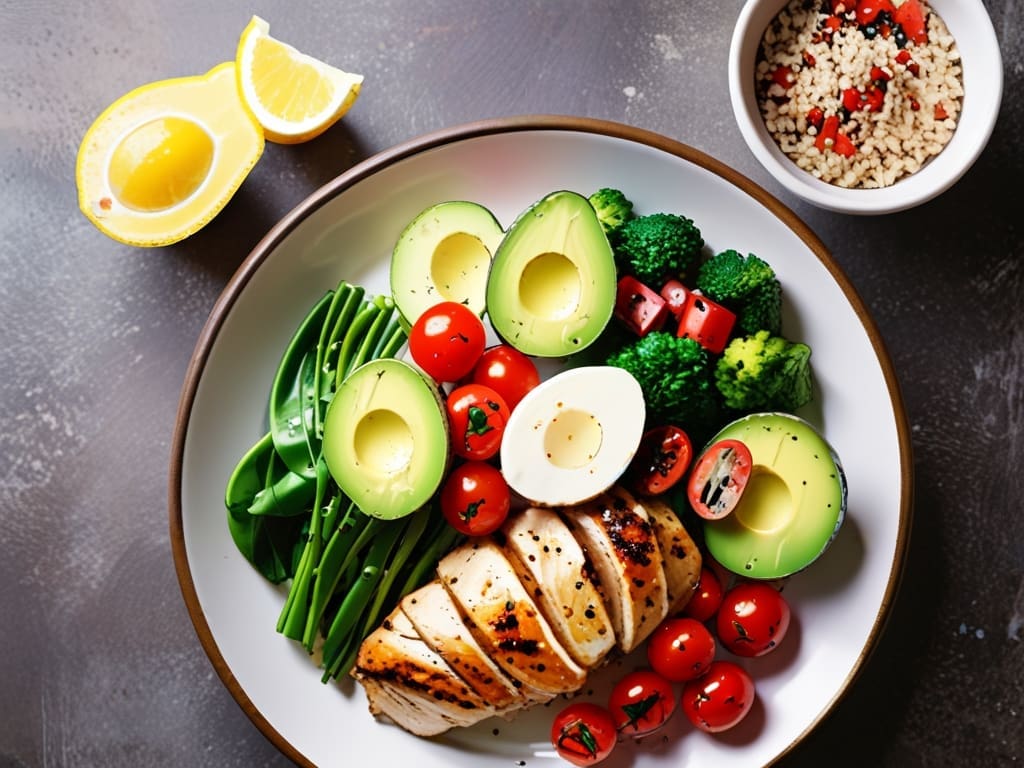
Staying Motivated: Psychology Hacks for Weight Loss Success

Embarking on a weight loss journey is as much about mental strength and motivation as diet and exercise. For young people eager to maintain their weight and health, understanding the psychology behind staying motivated can be the key to achieving lasting success. This article delves into effective hacks that can bolster your weight loss motivation, offering insights and practical tips to inspire you throughout your fitness journey.

weight loss motivation

Understanding the Psychology of Motivation

Understanding the psychology behind motivation can be the secret to success when embarking on a weight loss journey. Just like your favorite keto bread recipe needs the perfect blend of ingredients to rise, your motivation needs the right mental mix to shine.

Intrinsic vs. Extrinsic Motivation

First things first, let’s delve into the two types of motivation: intrinsic and extrinsic. Intrinsic motivation comes from within; that inner drive whispers, “You got this!” Whether you want to feel healthier or enjoy a walk without getting winded, intrinsic goals are deeply personal.

Conversely, extrinsic motivation is fueled by external rewards like fitting into those jeans you bought on impulse or earning compliments from family during holiday feasts. Both types of motivation have their place, but research suggests that intrinsic motivation often results in more sustainable weight loss success (source ).

The Power of Positive Affirmations

  • “Today is another step towards my healthiest self.”
  • “I am capable of achieving my weight loss goals.”
  • “With every workout, I grow stronger and more confident.”

These affirmations can serve as powerful reminders that reinforce your commitment and cultivate a positive mindset shift towards healthier living.

Tackling Emotional Triggers

It’s crucial to acknowledge emotional triggers that might derail your diet motivation tips. Stress eating after a tough day or celebrating with food can sabotage even the best-laid plans. Identifying these triggers and having strategies ready—like substituting comfort food for a healthy smoothie—can help maintain focus on your fitness journey motivation.

The Role of Support Systems

No one climbs Mount Everest alone—similarly, embarking on a weight loss journey with an accountability partner or joining a weight loss support group can provide encouragement when the going gets tough. Sharing experiences and learning from each other’s success stories in weight loss can reinforce staying motivated to lose weight.

If you ever find yourself wavering, remember Winston Churchill’s words, “Success is not final, failure is not fatal: it is the courage to continue that counts.” So, dust off those workout plans for beginners’ weight loss and keep moving forward!

weight loss motivation

Setting Realistic Goals for Sustainable Success

Setting realistic goals is your perfect partner in the dynamic dance of weight loss motivation. Much like how you wouldn’t expect to become a salsa dance pro overnight, expecting drastic changes in your weight overnight can set you up for disappointment. Let’s break down how to set achievable goals that will keep you grooving towards your fitness journey motivation.

Why Realistic Goals Matter

  • Long-term Commitment: Realistic goals facilitate a sustainable commitment. According to the National Institutes of Health, aiming for 1-2 pounds of weight loss per week is both healthy and maintainable.
  • Mental Well-being: Achieving smaller, attainable goals boosts your morale and reduces the risk of burnout, keeping you on track.
  • Body Positivity: It’s crucial to embrace every stage of your weight loss journey. Focusing on progress rather than perfection promotes a healthier self-image.

Steps for Setting Realistic Goals

1. Be Specific:

Avoid vague ambitions like “I want to lose weight.” Instead, try something more tangible: “I aim to lose 10 pounds over the next two months by following a balanced diet and exercising thrice a week.” Specificity not only gives clarity but also boosts your effective weight loss mindset.

2. Break It Down:

Larger goals might seem overwhelming at first glance. Divide them into smaller, manageable milestones that let you celebrate victories. Remember when Harry Potter collected Horcruxes one at a time? Your milestones are just like that!

3. Use Visual Aids:

Create a vision board or maintain a journal detailing your aspirations and daily progress. Visualizing successful weight loss outcomes can not only be inspiring but act as an accountability tool too.

4. Flexibility is Key:

Your life isn’t set in stone, and neither should your plans! Adjusting goals based on unexpected life events ensures you progress without unnecessary stress.

weight loss motivation

The Role of Professional Guidance

If you’re unsure where to begin or need expert advice, consider consulting with a dietician who can tailor a plan specific to your needs. You might find our detailed discussion with a dietitian beneficial in aligning your health goals with practical strategies.

Success Stories & Support

Joining a weight loss support group or finding an accountability partner can provide ongoing encouragement and shared experiences that make goal setting more attainable—and fun! After all, winning with friends always feels better than solo victories.

Setting realistic goals is about forging personal commitments that resonate with where you are today while paving the path for tomorrow’s success. Remember, every step forward counts, no matter how small it may seem!

Creating a Supportive Environment

One of the most powerful tools in your arsenal for maintaining weight loss motivation is crafting a supportive environment. It’s like setting the stage for your personal success story, where you are both the star and the director. But what does it really mean to create a supportive environment, and how can you do it effectively? Let’s dive in.

The Role of Your Social Circle

Your friends and family can be your greatest allies or unexpected saboteurs on your fitness journey motivation. Surrounding yourself with people who understand and support your goals can significantly boost your chances of success. According to a study by the American Journal of Preventive Medicine, individuals who had social support were 34% more likely to maintain their weight loss.

  • Engage with a Weight Loss Support Group: Whether online or in-person, finding like-minded individuals who share similar goals can provide encouragement and accountability.
  • Choose Accountability Partners: A workout buddy or diet partner can keep you on track, making it harder to skip workouts or indulge in unhealthy habits when someone else is counting on you too.
  • Communicate Your Goals: Sharing your intentions with those around you increases transparency and may even inspire others to join your quest for a healthier lifestyle.

Tweak Your Physical Space

Your home should be an oasis that reflects your commitment to health and wellness. Picture this: You come home after a long day, open the fridge, and instead of being greeted by leftover pizza from last week’s cheat day, there’s an array of vibrant fruits and fresh veggies waiting for you. What a difference!

  • Curb Temptations: Replace high-calorie snacks with healthier alternatives. Check out our keto taco cups recipe for a delicious low-carb snack option!
  • Create an Inspiring Workout Zone: Carve out space at home dedicated to exercise, adorned with motivational quotes or imagery that keep you moving forward.
  • Simplify Meal Prep: Designate time each week to prep meals that align with your dietary goals, reducing the likelihood of reaching for fast food out of convenience.

With these strategies in place, you’ll find staying motivated to lose weight becomes less about willpower and more about consistent lifestyle choices supported by an environment that nurtures success. Remember, even small changes can have big impacts on achieving enduring health improvements. For further guidance on creating sustainable diet habits, consider our detailed discussion with a dietician.

weight loss motivation

The Power of Positive Affirmations and Visualization

Embarking on a weight loss journey is like setting off on a grand adventure—one filled with hills, valleys, and the occasional tempting roadside donut shop. But fret not! Your secret weapon lies in harnessing the power of positive affirmations and visualization to keep your weight loss motivation alive.

Imagine this: every morning, as you prepare for the day, you stand in front of the mirror and tell yourself, “I am capable of achieving my weight loss goals.” By doing so, you’re not just practicing vanity; you’re engaging in a powerful psychological hack that can transform your mindset.

How Positive Affirmations Work

  • Strengthen Self-Belief: Regular affirmations bolster your confidence and help dispel self-doubt. It’s like having a mini cheerleader in your brain rooting for you.
  • Create a Habit: Consistently repeating positive affirmations helps embed them into your daily routine, making it easier to maintain an effective weight loss mindset.
  • Reduce Stress: A study published by Goodreads suggests that success isn’t final nor is failure fatal; it’s the courage to continue that counts. Positive affirmations work to calm your mind amid life’s chaos.

The Art of Visualization

If positive affirmations are the cheerleading squad, then visualization is the coach. Picture yourself reaching those fitness milestones—whether it’s fitting into that old pair of jeans or easily completing a brisk 5K run without collapsing into an exhausted heap at the finish line!

  • Create Detailed Images: Visualize every detail—how you’ll feel stepping on a scale with pride or enjoying tasty yet healthy dishes from our collection of healthy smoothie recipes for weight loss.
  • Mental Rehearsal: Regularly replaying these scenarios in your mind prepares you mentally and emotionally to manifest them physically.
  • Sustain Intrinsic Motivation: Visualization taps into intrinsic motivation by aligning your goals with personal values, making staying motivated to lose weight more natural.

Incorporating these techniques into your daily routine can be transformative. Remember: success isn’t about never falling; it’s about how gracefully we rise each time we do. So embrace those affirmations, visualize that healthier future, and take one step at a time toward achieving your dream physique!

Tackling Emotional Triggers and Plateaus

Ah, the dreaded plateau! It’s that moment when your weight loss motivation seems to fizzle out faster than a New Year’s resolution. Don’t worry; we’ve all been there, and tackling these hurdles is just part of the journey. Let’s delve into how you can overcome emotional triggers and plateaus without losing your groove.

Identifying Emotional Triggers

  • Stress Eating: Worrying about exams or deadlines? Stress is a notorious saboteur of weight loss efforts. In fact, a study published in the journal Appetite highlights how stress can lead to overeating.
  • Boredom Snacking: Sometimes, munching becomes the default mode during Netflix marathons. Instead, try swapping those chips for a hobby that keeps your hands busy!
  • Social Gatherings: Parties and gatherings come with delicious temptations. Remember, it’s okay to indulge occasionally, but balance it with healthier choices.

Tip: Keep a journal to track emotions linked to eating habits. This self-awareness can be eye-opening and help curb those knee-jerk responses to emotional triggers.

Busting Through Plateaus

The scale isn’t budging? Here’s how you can shake things up:

  • Revamp Your Routine: Your body might have adapted to your current workout regimen. Introducing new exercises or increasing intensity can reignite progress. Curious about beginner-friendly workout ideas? Check out our blog on effective workout plans for beginners.
  • Nutritional Tweaks: Sometimes, small changes in your diet, like controlling portion sizes or trying new recipes—such as our popular Keto Taco Cups, can make a world of difference.
  • Aim for Consistency: Consistency is key! Set realistic long-term goals and remind yourself why you embarked on this journey in the first place.

The process of overcoming plateaus isn’t always straightforward—kind of like assembling IKEA furniture (who knew there could be so many screws!). Remember that patience and persistence are vital companions on this trek towards healthier living.

“The psychology behind breaking through plateaus involves not just physical adjustments but mental resilience too.” — Psychology Today

If you’re feeling overwhelmed by these challenges, consider seeking expert advice from a professional. Our detailed discussion with a dietitian might offer insights tailored to your unique needs: Detailed Discussion With A Dietitian.

Your weight loss journey is unique and full of learning opportunities. Embrace the ups and downs, and remember—you’ve got this!

weight loss motivation

Incorporating Joyful Physical Activities

Embarking on your weight loss journey doesn’t mean you have to dread every workout session! In fact, finding joy in physical activities can be a game-changer for your weight loss motivation. When exercise feels like play rather than a chore, you’re more likely to stay committed and enjoy the process. According to the British Journal of Health Psychology, individuals who associate exercise with fun are more consistent in their fitness journey motivation.

Dance Like Nobody’s Watching

  • Zumba Classes: Let loose with high-energy dance classes that combine calorie-burning moves with chart-topping music.
  • Ballet or Modern Dance: Tap into your inner artist while toning muscles and improving flexibility.

Dancing is not just about breaking a sweat but also about expressing yourself creatively, which can elevate both your mood and heart rate simultaneously!

Explore the Great Outdoors

  • Hiking: Relish the beauty of nature while strengthening your legs and core muscles.
  • Cycling: Take a scenic route through local parks or trails, feel the breeze, and give your heart a healthy workout.

The tranquility of nature offers an excellent backdrop for reflection, helping you maintain a positive outlook on health and fitness changes. Plus, it’s a perfect opportunity to snap some Instagram-worthy shots!

Splash Around

  • Swimming: Dive into full-body workouts that are gentle on the joints yet highly effective for calorie burn.
  • Aqua Aerobics: Engage in water exercises that are proven to boost cardiovascular health while having a splashing good time.

If you need more inspiration for healthy living, check out our collection of healthy smoothie recipes for weight loss. They’re perfect for refueling after an invigorating swim!

By incorporating joyful activities into your routine, you’re laying down sustainable habits motivation that feels less like work and more like play. So put on those dancing shoes or grab your hiking boots—it’s time to make fitness fun again! Remember: The best workout is one you’ll actually do!

Seeking Professional Guidance

Let’s face it, embarking on a fitness journey motivation can sometimes feel like navigating a labyrinth with a blindfold on. That’s why calling in the experts can be your secret weapon for success. Whether you’re feeling stuck at a weight loss plateau or just need someone to decipher the dietary do’s and don’ts, professional guidance can anchor your efforts and boost your weight loss motivation.

The Role of Dietitians and Nutritionists

Dietitians and nutritionists are like Google Maps for your diet—they help identify the best routes to reach your health goals. Not only do they debunk myths (no, you won’t turn into a carrot if you eat too many), but they also tailor plans that fit your unique lifestyle. According to a study published in the Journal of Consumer Studies, individuals who work with dietitians lose up to three times more weight than those who go it alone.

  • Detailed discussion with a dietician: Understand how expert advice can revamp your diet without losing flavor or fun.
  • Create custom meal plans that cater to your preferences.
  • Set realistic goals that are achievable and maintainable.

Mental Health Professionals: The Unsung Heroes

Your mind is as important as your muscles in this journey. Many don’t realize that mental health professionals, like psychologists or counselors, are key players when it comes to sustaining weight loss motivation. They help you navigate emotional triggers and foster an effective weight loss mindset by shifting perspectives from “Why can’t I?” to “How can I?”—talk about a game-changer!

The Power of Accountability Partners

You don’t have to do this alone! Joining a weight loss support group, whether in person or online, offers camaraderie, accountability, and shared experience. It’s like having an army of cheerleaders who understand every victory dance when you fit into those old jeans again. Plus, using apps designed for diet and exercise accountability, such as MyFitnessPal or Noom, keeps you motivated with reminders and progress tracking.

“Success is not final, failure is not fatal: it is the courage to continue that counts.” – Winston Churchill (source )

Don’t underestimate the power of seeking professional guidance on your journey towards healthier living. After all, even superheroes have sidekicks!

Maintaining Motivation Through Technology

In today’s digital age, maintaining weight loss motivation is no longer a solitary journey. Thanks to technology, you can have a world of support, resources, and inspiration right at your fingertips—literally! Imagine having a personal trainer, encouraging friends, and a knowledgeable dietician all tucked away in your smartphone. No excuses to skip that workout now!

The Power of Apps

Weight loss motivation apps have revolutionized the way we approach our fitness journey motivation. These apps not only track your calories and workouts but also offer personalized guidance, reminders, and motivational quotes to keep you on track. Popular choices include MyFitnessPal, Lose It!, and Noom—each offering unique features like barcode scanning for nutritional information or AI-driven coaching experiences.

  • MyFitnessPal: Recognized by health experts for its comprehensive food database and ease of use.
  • Lose It!: Known for its user-friendly interface and community forums where users share success stories in weight loss.
  • Noom: Offers psychological insights into eating habits to help break bad eating habits through cognitive restructuring.

Wearable Fitness Technology

If you’ve ever wanted a personal coach who doesn’t yell at you (or maybe you want one that does), consider investing in wearable fitness technology. Devices like Fitbit, Apple Watch, or Garmin not only count your steps but also monitor heart rate variability—a key metric for understanding how your body is adapting to exercise routines. These devices can sync with health apps to provide a holistic view of your progress over time. Plus, nothing says “get up and move” like a gentle buzz from your wrist reminding you that sitting is indeed the new smoking!

Online Support Communities

The internet is brimming with weight loss support groups, where people just like you are sharing their journeys with honesty and enthusiasm. Platforms such as Reddit’s r/loseit or Facebook groups dedicated to specific diets provide encouragement when the going gets tough. Engaging with these communities can reduce feelings of isolation while offering fresh perspectives on overcoming weight loss plateaus motivation.

The Role of Virtual Coaching

If you’re seeking more personalized advice without leaving the comfort of your home (because let’s face it, gym shorts are super comfy), virtual coaching might be the answer. Many successful dieters employ professional guidance through online platforms like BetterHelp or Talkspace—a convenient way to access expert advice tailored specifically for an effective weight loss mindset.

The key takeaway? In our interconnected world, there’s no shortage of tools designed to bolster your healthy lifestyle motivation. So charge those devices and get motivated—the future of weight loss success might just be in the palm of your hand!

Your path to weight loss success is paved with both challenges and triumphs. By employing these psychology hacks centered around motivation, you’ll be better equipped to sustain a healthy lifestyle that’s enjoyable and fulfilling. Remember, it’s not just about reaching the destination but embracing every step of the journey with positivity and perseverance.

Meal Prep Magic: Simple Recipes for Successful Weight Loss

Discover the art of healthy meal prep that transforms your kitchen into a realm of possibilities, helping you achieve your weight loss goals without sacrificing taste or nutrition.

Our approach combines science-backed strategies with delectable recipes to ensure your successful and enjoyable journey. Join us as we explore easy meal prep solutions designed to fit seamlessly into your busy lifestyle.

healthy meal prep

Understanding the Power of Healthy Meal Prep

If you’ve ever found yourself staring into the fridge, wondering what concoction you can whip up with mustard, an old carrot, and a questionable leftover, you’re not alone. Enter healthy meal prep – your new best friend in the quest for weight loss and health optimization.

Why is Meal Prep So Effective?

  • Consistency: With a fridge full of balanced meal planning, it’s easier to stick to your dietary goals. No more snapping under pressure and ordering that big pizza!
  • Portion Control: When you prepare meals ahead of time, you have the power to control portions, helping manage calorie intake effectively.
  • Reduces Waste: Did you know that approximately 30% of food purchased is wasted in the United States? (Source: EPA ). Meal prepping helps reduce this by utilizing ingredients efficiently throughout the week.

The Benefits You Can’t Ignore

  1. Saves Time: Investing a bit of time upfront saves hours during your hectic weekdays. More Netflix time? Yes, please!
  2. Budget-Friendly: Planning meals ahead prevents last-minute takeout splurges and helps keep your grocery costs in check. Cha-ching!
  3. Nutritional Balance: Having meals ready means you can plan for a diverse range of nutrients—think macro-friendly meals that balance proteins, carbs, and fats perfectly.

If you’re looking to dive deeper into how different diets like keto or paleo can fit into your meal prep routine, check out our detailed guide on various diet plans: The Ultimate Keto Meal Plan Review.

The magic of healthy meal prep is not just in making salads less sad but in transforming them into colorful works of art that fuel your day. So grab those containers and start prepping – your future self will thank you!

Essential Tools and Tips for Effective Meal Prep

Ah, meal prep—the hero of healthy eating that saves time, reduces stress, and keeps your healthy meal prep journey on track. Whether you’re new to the game or a seasoned pro looking to up your meal prep skills, having the right tools and tricks up your sleeve can make all the difference. Let’s dive into some essential tools and tips that will turn your kitchen into a meal prep paradise!

Must-Have Meal Prep Tools

  • Quality Containers: Invest in durable, BPA-free containers with airtight lids. These will keep your meals fresh and prevent those dreaded spills in your bag. Glass containers are a fantastic option as they’re microwave-safe and environmentally friendly.
  • Measuring Cups and Spoons: Portion control is crucial when it comes to weight loss meals. Accurate measurement tools help ensure you’re sticking to your diet meal plans without overindulging.
  • A Sharp Chef’s Knife: Trust us; a high-quality knife can make chopping veggies feel like slicing through butter! A good knife speeds up prep time and reduces the risk of injury.
  • Slow Cooker or Instant Pot: These kitchen wonders allow for effortless batch cooking. Just toss in ingredients, set it, and forget it until it’s ready. Perfect for creating nutritious meal prep dishes like stews or soups.

Pro Tips for Seamless Meal Prep

  • Create a Weekly Plan: Before you embark on your weekly meal prep adventure, map out your meals. Include a variety of balanced meal planning options like protein-packed lunches or quick healthy dinners. This not only saves time but also ensures you cater to all taste buds in the family—yes, even Uncle Bob who insists he’s “allergic” to anything green!
  • Personalize Your Diet Plan: To align with specific dietary needs like gluten-free meal prep or keto-friendly meals, consider consulting with a dietician. Customize according to what makes you feel best—because nobody knows your body better than you do!
  • Batch Cooking is Key: Prepare larger quantities of staple foods like quinoa or grilled chicken at once. Store these for easy mix-and-match options throughout the week.
  • Simplify with Grocery Lists: Creating a detailed grocery shopping list for healthy meals ensures you buy only what you need—and helps avoid those tempting snack aisles! Stick to fresh ingredients for cooking at home daily.

A well-prepped kitchen not only supports clean eating habits but also transforms how you perceive daily dietary planning strategies. Remember, it’s about progress—not perfection! With these effective nutrition management tips in your arsenal, you’ll soon have friends asking if you’re secretly moonlighting as a chef (we’ll keep your secret!). Happy prepping!

Simple and Delicious Meal Prep Recipes

Embarking on your weight loss journey doesn’t mean banishing flavor from your plate. In fact, with a little meal prep magic, you can enjoy delicious meals that support your goals without feeling like you’re missing out. Here are some simple and mouth-watering meal prep recipes that can be easily incorporated into your weekly routine. Trust us; these are anything but bland!

1. One-Pan Lemon Herb Chicken and Veggies

This recipe is a lifesaver for hectic weeks when time is scarce, like leftovers from a family dinner. Packed with protein and rich in vitamins, this dish makes eating healthy seem effortless.

  • Ingredients:
    • 4 chicken breasts
    • 2 lemons, sliced
    • Mixed vegetables (broccoli, bell peppers, zucchini)
    • 2 tbsp olive oil
    • Herbs: rosemary, thyme
    • Salt and pepper to taste
  • Instructions:
    1. Preheat oven to 400°F (200°C).
    2. Toss the vegetables in olive oil, salt, pepper, and herbs.
    3. Place chicken breasts on a baking sheet alongside the veggies.
    4. Add lemon slices on top for extra zest.
    5. Bake for 25-30 minutes or until the chicken is cooked through and veggies are tender.
healthy meal prep

2. Quinoa & Black Bean Salad

This vegetarian delight is nutritious and tastes vibrant thanks to its colorful ingredients! It’s perfect as a standalone meal or as a side dish. Plus, quinoa is high in protein and fiber—keeping you full longer.

Ingredients:

  • 1 cup quinoa – 1 can black beans (drained)
  • Cherry tomatoes (halved)
  • Corn kernels
  • Avocado (diced)
  • Lime juice
  • Cilantro
  • Salt and pepper

Instructions:

  1. Cook quinoa according to package instructions.
  2. Once cooled, combine all ingredients in a large bowl.
  3. Toss with lime juice, cilantro, salt, and pepper.

To dive deeper into personalized healthy meal prep strategies like this one, consider a detailed discussion with a dietitian.

They can help tweak these recipes based on your unique nutritional needs. Remember, folks: the secret ingredient is always love… sprinkled with just a touch of organization! And perhaps some garlic if you’re feeling adventurous!

By incorporating these easy meal prep ideas into your week—making use of balanced meal planning techniques—you’ll not only save time but also set yourself up for weight loss success. Happy cooking!

Navigating Dietary Needs and Preferences

Embarking on a meal prep journey doesn’t have to be daunting, even when catering to specific dietary needs or preferences. Remember, you’re the chef of your own kitchen, so why not have some fun with it? Let’s dive into how you can tailor your meal prep strategies for dietary success while still keeping things exciting and delicious.

1. Understanding Diverse Dietary Needs

First things first—understanding what your body needs is crucial. Is your goal gluten-free meal prep? Perhaps you’re interested in keto-friendly meals or you’re embracing a vegetarian lifestyle. A little research goes a long way! According to the latest Dietary Guidelines for Americans, balanced diets that focus on whole foods can significantly impact overall health and weight management.

  • Gluten-Free: Opt for grains like quinoa, rice, or certified gluten-free oats.
  • Keto-Friendly: Avocado, cheese, and nuts are your best pals.
  • Vegan: Legumes, tofu, and a variety of veggies should fill your plate.

2. Personalized Meal Prep Tips

Embrace the concept of meal customization by using some handy hacks:

  • Create a Rotation: To keep things fresh (pun intended), plan weekly menus that rotate every few weeks.
  • Batch Cooking: Cook larger quantities of staple ingredients like grains or proteins that can be mixed and matched throughout the week.
  • Simplify with Tools: Utilize kitchen gadgets like slow cookers or instant pots to save time—because who has hours to spend in the kitchen every day?

A Friendly Reminder

If you’re unsure about how specific diets might affect you personally, it’s always wise to seek professional advice. Check out our detailed discussion with a dietitian for more personalized guidance on crafting diet meal plans that work for you. It’s like having your very own health guru in your back pocket!

Navigating dietary needs doesn’t have to be an uphill battle. With these insights and tips, you’ll be well-equipped to create healthy meal prep plans that align with your unique goals and preferences, because feeling good should always taste good too!

healthy meal prep

The Art of Grocery Shopping for Meal Prep Success

Embarking on a weight loss journey can be as exciting as it is challenging, especially when it comes to healthy meal prep. But fear not! With a strategic approach to grocery shopping, your meal prepping can become both efficient and enjoyable. Let’s unlock the secrets to turning your grocery trips into a treasure hunt for nutritious ingredients.

1. Plan Your Meals and Make a List

The foundation of successful meal prep begins with planning. Before you hit the store, take some time to devise a weekly meal plan that includes a variety of balanced meals. This not only saves you time but also ensures you’re grabbing everything you need in one go. By sticking to your list, you’ll avoid impulse buys that lead to unhealthy choices.

2. Shop the Perimeter First

If grocery shopping were an Olympic sport, the perimeter would be where the gold medals are won. Fresh produce, lean proteins, and dairy—these reside around the edges of most supermarkets. Focus here first to gather fresh ingredients essential for clean eating meal prep.

  • Fruits & Vegetables: Aim for color variety; each hue boasts different nutrients!
  • Protein Sources: Think chicken breast, fish, tofu—great for high-protein recipes.
  • Dairy Alternatives: Explore options like almond or oat milk if you’re lactose intolerant.

3. Bulk Up on Basics

Bigger is better when it comes to pantry staples like quinoa, brown rice, or canned beans. Buying in bulk not only cuts down on costs but also ensures you always have the basics ready for quick healthy meals.

Pro Tip: Batch Cooking Benefits

By incorporating batch cooking into your routine using these staples, you can whip up large quantities of meals at once—saving precious time during hectic weeks.

4. Embrace Seasonal and Local Produce

Sustainable eating habits start with choosing fresh local produce that’s in season. Not only does this support local farmers but it also adds variety and flavor to your diet meal plans.

5. Don’t Forget Your Freezer Section Friends!

Your freezer section isn’t just for ice cream (though we all love a nice treat!). Stock up on frozen veggies—they’re nutritious and last longer than fresh ones without losing their nutrient punch.

“Frozen foods can sometimes be even healthier than their fresh counterparts because they’re often frozen at peak ripeness,” notes nutritionist Joy Bauer in an interview with NBC News.

The Bottom Line: Shop Smart!

Your journey towards weight loss success doesn’t need to be overwhelming if approached creatively from start to finish—even down those grocery aisles! For more personalized advice on balancing nutrition needs specific to your diet goals, consider engaging in a detailed discussion with a dietician.

A little planning transforms daunting tasks into seamless routines—so grab that cart and let’s make magic happen one aisle at a time!

healthy meal prep

Your Roadmap to Successful Weight Loss Through Meal Prep

Embarking on a weight loss journey can feel like venturing into the unknown, but with healthy meal prep as your trusty compass, you’re well on your way to success. Let’s break down this roadmap into manageable steps, ensuring you stay motivated and informed.

Step 1: Set Clear Goals

Before you start your healthy meal prep and chopping veggies or marinating chicken, define what successful weight loss means to you. Is it shedding pounds, gaining energy, or simply feeling healthier? With clear goals, you’ll have a tangible destination to aim for.

Step 2: Plan Your Meals With Purpose

Aim for balanced meal planning to keep the temptations at bay. Here are some tips:

  • Opt for macro-friendly meals that strike a healthy balance of protein, carbs, and fats.
  • Include portions of high-protein recipes like grilled chicken or quinoa bowls to stay full longer.
  • If you’re following specific diets like keto or paleo, check out our Ultimate Keto Meal Plan Review.

Step 3: Make a Grocery List and Stick to It

Your shopping list is your guide through the grocery jungle. Fill it with fresh ingredients for cooking at home and make room for some organic food preparation tips. Remember, approximately 30% of food purchased ends up wasted in the U.S. (EPA Report). Let’s not let your fridge become another statistic!

Step 4: Batch Cook and Save Time

A batch cooking session can feel like a mini Iron Chef competition in your kitchen—less drama but equal rewards! Prepare several meals at once to save time during hectic weeks. This not only supports your diet meal plans but also helps maintain portion control.

Step 5: Personalize Your Plan

Your body is unique, so why shouldn’t your meal plan be? Adapt recipes for gluten-free meal prep or vegetarian/vegan meal prep ideas if needed. For specialized dietary needs solutions, consider consulting with a nutrition expert—see our detailed discussion with a dietician.

Your journey towards sustainable eating habits doesn’t have to be daunting. Remember, it’s all about creating a routine that fits seamlessly into your lifestyle while nudging you closer to those health goals! So gear up with these strategies and let the healthy meal prep magic guide you there.

This motivational guide has equipped you with the tools, tips, and recipes necessary to master healthy meal prep. Embrace these strategies to revolutionize your dietary lifestyle confidently, turning aspirations into achievements on your path to healthful living!

Transform Your Body: A Science-Backed Weight Loss Plan That Actually Works

Hey there! If you’ve landed here, chances are you’re on a mission to transform your body and get fit—kudos! We all know that diving into the weight loss world can feel like a jungle filled with confusing diet plans, endless fitness routines, and the ever-tempting lure of late-night snacks. But fear not! You’re not alone. Approximately 49.1% of U.S. adults have tried to lose weight within the last year, so you’re part of a big club! CDC

Now, let’s get real: the global weight loss market is booming and was valued at a whopping USD 192.2 billion in 2019—yes, that’s Billion with a ‘B! Grand View Research. But what does this mean for you? It means there’s a wealth of information and countless strategies that promise quick fixes. Spoiler alert: most don’t deliver. That’s why we will break down an actionable, science-backed weight loss plan that works.

Forget about those fad diets promising instant results; we’re talking sustainable change here! The key players in any successful weight loss journey involve healthy eating habits, a tailored exercise plan, and consistent lifestyle changes. Together, they create a powerful trifecta for shedding those pesky pounds while feeling great.

So whether you’re looking to jump into meal prep or curious about portion control techniques, this guide has got your back. From understanding how calorie counting plays into your daily routine to finding ways to sneak in strength training without sacrificing your social life (because who wants to miss out on pizza night?), we’ll cover it all!

Are you ready? Let’s dive right in and start your exciting transformation journey today—because your best self is waiting on the other side!

weight loss plan

The Foundation: Understanding Your Body

Alright, let’s get down to business! Understanding your body is the crucial first step on your weight loss plan journey to a successful weight loss plan. It’s like knowing the layout of a treasure map before you start digging for gold. So, what exactly do we need to know? Let’s break it down.

Know Your Metabolism

Your metabolism is your body’s engine—how efficiently it burns calories. Everyone’s metabolism operates at different speeds, influenced by factors like age, gender, muscle mass, and genetics. Did you know that your metabolism tends to slow down as you age? According to research from Harvard Health, it may decrease by 5% per decade after age 40! But don’t fret; there are plenty of hacks to boost it.

Body Composition: The Real Numbers

Regarding weight loss, the scale can be a tricky little liar. Instead of just focusing on shedding pounds, pay attention to body composition—the fat-to-lean-muscle ratio in your body. Muscles are metabolically active and burn more calories at rest than fat. So, building muscle through strength training not only shapes your physique but also aids in achieving that fat loss you’re aiming for!

The Hormonal Influence

Your hormones significantly affect how your body stores fat and builds muscle. For instance:

  • Insulin: High insulin levels can encourage fat storage.
  • Cortisol: This stress hormone can lead to weight gain around the midsection if elevated for prolonged periods.
  • Leptin & Ghrelin: These hormones regulate hunger and satiety; understanding them can guide you toward smarter eating habits.

If you’re feeling overwhelmed by all this hormonal talk, don’t worry—small changes like reducing stress through mindfulness practices or adopting an effective meditation diet can help balance these hormones.

Your Unique Weight Loss Plan Journey

No two bodies are alike, which makes this journey so exciting! What works for one person might not work for another, so experiment with different diets, workouts, and meal prep strategies until you find what feels right for you. Want tips? Check out our detailed guide on the best diets for quick results!

The Bottom Line

Your body is a complex system that requires care and understanding. By learning about how your unique metabolism works, recognizing the importance of body composition, and being mindful of hormonal influences, you’re setting yourself up for long-term success in your weight loss plan journey!

Feeling inspired yet? Remember: knowledge is power—so let’s keep moving forward together!

weight loss plan

Nourish with Purpose: Healthy Eating & Tailored Nutrition

When it comes to achieving your weight loss plan, healthy eating isn’t just a recommendation—it’s an absolute must. Think of it as the cornerstone of your weight loss plan! But let’s be honest: healthy eating doesn’t have to mean bland salads and boring chicken breast every single day. We’re here to spice things up—literally!

Embrace Variety

A well-balanced diet doesn’t mean you have to sacrifice flavor or variety. In fact, incorporating a range of foods can keep things exciting and help you meet your nutritional needs. Aim for a colorful plate! Here’s a quick breakdown:

  • Fruits and Vegetables: Fill half your plate with these beauties for essential vitamins, minerals, and fiber.
  • Whole Grains: Swap out white bread for whole-grain options. Quinoa, brown rice, and oats are all excellent choices that also provide sustained energy.
  • Lean Proteins: Chicken, turkey, fish, beans—you’ve got options! Lean proteins are crucial for muscle maintenance while trying to shed those pounds.
  • Healthy Fats: Don’t shy away from fats! Avocados, nuts, and olive oil can elevate your meals while keeping you satisfied. Curious about which fats are best? Check out our guide on Unveiling the Secrets of Healthy Fats.

Portion Control: The Unsung Hero

You know that saying “everything in moderation”? It holds more truth than you might think when it comes to portion control! Using smaller plates can trick your brain into thinking you’re eating more than you actually are. Plus, it encourages you to savor each bite—goodbye mindless munching!

Tailored Nutrition: One Size Does Not Fit All

Your body is unique; therefore, your nutrition should be too! Tailoring your nutrition plan based on personal preferences, dietary restrictions (hello food allergies!), and lifestyle can drastically increase your chances of sticking with it.

If you’re unsure where to start, don’t worry! Consider consulting with a diet coach or nutritionist who can help create a customized plan just for you. They can provide insights into what works best for your personal health journey.

The Meal Prep Game

If you’re juggling classes, work, or social events—and let’s face it, who isn’t these days?—meal prep is an absolute game changer. Prepping meals in advance not only saves time but also keeps unhealthy choices at bay when hunger strikes unexpectedly.

  • Your Go-To Meal Prep Tips:
    • Select one day a week dedicated solely to meal prep—think Sundays!
    • Create balanced portions; aim for protein, carbs, and healthy fats in each meal.
    • Use clear containers to make everything visually appealing (yes, we eat with our eyes!).

The Bottom Line

Nourishing your body with purpose isn’t just about what goes on the plate; it’s also about creating a mindset focused on health and longevity. By embracing variety in food choices, practicing portion control, tailoring nutrition specifically for you, and getting into the groove of meal prep, you’re setting yourself up not just for temporary weight loss but sustainable success!

Health is not just about what you’re eating. It’s also about what you’re thinking.” – Unknown

Your journey toward transformation is unique, and so should be the way you nourish yourself along the way.

weight loss plan

Move with Intention: Crafting Your Fitness Routine

Alright, fitness warriors! It’s time to lace up those sneakers and get moving with intention. Crafting a solid fitness routine isn’t just about sweating it out at the gym; it’s about finding activities that you genuinely enjoy and can stick with. Trust me, when exercise feels less like a chore and more like a celebration, the results will follow!

Set Your Fitness Goals

Before we dive into the nitty-gritty of workouts, let’s talk goal setting. What weight loss plan do you want to achieve? Here are some ideas to get your wheels turning:

  • Weight Loss: Aim for a specific amount of weight you want to shed.
  • Strength Building: Focus on lifting heavier weights or increasing your endurance.
  • Overall Fitness: Maybe you just want to live healthier and feel more energetic!

Whatever it is, make sure your goals are SMART—Specific, Measurable, Achievable, Relevant, and Time-bound. By mapping out clear goals, you’ll keep yourself motivated and on track.

Dive into Variety: Mix It Up!

Your body is smarter than you think! Repeating the same exercise routine leads to plateaus and can make workouts feel mundane. Instead, mix it up with a variety of activities that hit different muscle groups:

  • Cardio: Think running, cycling, swimming—anything that gets your heart pumping!
  • Strength Training: Incorporate weights or resistance bands. Even bodyweight exercises like push-ups and squats count!
  • Flexibility & Balance: Don’t skip yoga or pilates; they’re fantastic for core strength and flexibility.

Create a Weekly Weight Loss Plan Schedule

A well-structured workout week can help you stay accountable. Here’s an example breakdown:

  • Monday: Cardio (30 minutes)
  • Tuesday: Strength training (full body)
  • Wednesday: Rest day or light yoga
  • Thursday: HIIT (High-Intensity Interval Training)
  • Friday: Strength training (focus on legs)
  • Saturday: Outdoor activity (hiking or cycling)
  • Sunday: Recovery day—stretching or meditation!

The Power of Accountability

You don’t have to go through this journey alone! Finding a workout buddy can make all the difference in sticking to your fitness routine. Plus, who doesn’t love some friendly competition? If you’re looking for some extra motivation, consider hiring a personal trainer who can tailor an exercise plan just for you while providing expert guidance.

The Bottom Line

Your fitness journey should be fun and fulfilling! By setting clear goals, mixing up your exercise routine, establishing a schedule that works for you, and finding ways to stay accountable, you’re not just working out but paving the way toward lasting change. So get moving—and remember: every step counts on this road to transformation!

Fitness is not about being better than someone else; it’s about being better than you used to be.” – Khloe Kardashian

Cue the music; let’s get this weight loss plan party started!

weight loss plan

The Role of Lifestyle Changes & Goal Setting

When it comes to your weight loss journey, simply following a plan isn’t enough. It’s the lifestyle changes you make and the goals you set that will truly define your success. Think of it this way: a weight loss plan is like a road map, but your lifestyle and goals are the fuel that keeps your vehicle moving forward. Without them, you could easily find yourself stalled on the side of the road, surrounded by tempting fast-food drive-thrus!

Embrace Lifestyle Changes

Making significant shifts in your daily habits might initially feel daunting, but trust me—they’re essential for sustainable weight loss. Here are some key lifestyle adjustments to consider:

  • Mindful Eating: It’s time to ditch the distractions during meals! Put down your phone and turn off the TV. Focus on what’s on your plate—this simple act can help you enjoy your food more while recognizing when you’re full.
  • Sufficient Sleep: Don’t underestimate the power of Zzz’s! Lack of sleep can affect your hormones and increase cravings for sugary snacks. Aim for 7-9 hours per night; your body will thank you!
  • Stay Hydrated: Sometimes our bodies confuse thirst for hunger. Keeping a water bottle handy throughout the day can help curb unnecessary snacking.

The U.S. weight loss market is worth a whopping $72 billion—evidence that we’re all seeking solutions! But remember, true transformation often comes from within through shifts in lifestyle rather than new diet fads.

Set SMART Goals

The next step is setting clear goals that will guide you along this transformative path. Think SMART: Specific, Measurable, Achievable, Relevant, Time-bound.

  • Specific: Instead of saying “I want to lose weight,” get specific: “I want to lose 10 pounds in three months.”
  • Measurable: Use tools like a food diary or fitness tracker to keep tabs on your progress—seeing those numbers can be incredibly motivating!
  • Achievable: Set realistic targets. Losing 1-2 pounds per week is healthy and sustainable; aiming too high can lead to burnout.
  • Relevant: Your goals should align with your overall health objectives; think about why you want to lose weight in the first place—maybe it’s to boost your confidence or improve energy levels.
  • Time-bound: Give yourself deadlines! Without them, it’s easy to put things off indefinitely—and we all know how quickly time flies!

A study shows that individuals who set specific goals are more likely to complete them than those who don’t set any at all (source: NIH). So go ahead and jot down some ambitious yet realistic targets!

The Power of Accountability

Your journey doesn’t have to be solo; enlisting support can make all the difference! Find an accountability partner—a friend who shares similar goals or even join an online community focused on health and wellness. Sharing victories (no matter how small) and challenges with others creates an environment of encouragement.

Alone we can do so little; together we can do so much.” – Helen Keller

The bottom line? Transforming your body requires dedication—not just to a weight loss plan but also to adopting a new mindset that embraces healthy living. By making important lifestyle changes and setting SMART goals, you’ll shed pounds and also gain confidence along the way! So buckle up; we’re all aboard this transformational ride together!

The Support System: Seeking Guidance & Encouragement

Alright, let’s chat about the elephant in the room: the support system. When it comes to making significant lifestyle changes and committing to a weight loss plan, having a cheering squad can make all the difference. Think of it like assembling your own Avengers team—everyone plays a role in helping you conquer challenges and celebrate victories!

The Value of Community

Finding a community that aligns with your weight loss plan goals can be incredibly motivating. Whether it’s a local fitness group, an online forum, or even just friends who share your aspirations, being part of a supportive network helps keep you accountable. Studies show that social support can significantly enhance your chances of sticking to a weight loss journey. In fact, people who engage with others in their fitness endeavors are more likely to achieve their goals!NIH

Seek Professional Guidance

Sometimes we need a little expert advice to steer us in the right direction. This is where diet coaches and personal trainers come into play! These professionals can tailor your nutrition and exercise plans based on your unique needs and preferences. For instance, if you’re interested in incorporating intermittent fasting or trying out high-protein diets, having someone knowledgeable can help ensure you’re doing it safely and effectively.

If you’re unsure where to start when looking for guidance, consider checking out our insights on dietary choices that work best for you!

Encouragement from Friends & Family

Your friends and family play a crucial role too! Share your goals with them so they can encourage you during those tough days. Plus, having someone who understands what you’re going through can turn an evening workout into a fun hangout—because who said exercise couldn’t come with laughter?

  • Quick Tips for Getting Support:
    • Join local meetups or classes focused on fitness or healthy cooking.
    • Engage with social media groups that foster discussions about weight loss journeys.
    • Share your progress on platforms like Instagram; accountability through sharing is powerful!

The Power of Positivity

A supportive environment fosters positivity! Celebrate each small victory—losing that first pound or simply choosing water over soda. Acknowledging these wins reinforces motivation and keeps you focused on your end goal.

Surround yourself with only people who are going to lift you higher.” – Oprah Winfrey

The bottom line? Your support system is vital for navigating the ups and downs of your weight loss journey. By seeking guidance from professionals, engaging with community members, and leaning on friends and family for encouragement, you’re setting yourself up for success beyond just following a weight loss plan. Embrace this support; after all, together we rise!

weight loss plan

Conclusion: Your Path to Transformation

As we wrap up this deep dive into your transformative journey, it’s clear that the path to a healthier you is paved with intention, knowledge, and action. Remember, embarking on a weight loss plan isn’t just about shedding pounds; it’s about building a healthier lifestyle that you can maintain for the long haul.

Throughout this guide, we’ve explored the importance of understanding your body, nourishing it with purpose, moving intentionally, and making essential lifestyle changes. Each step you’ve taken is a building block in your journey toward not just weight loss plan but overall well-being. And guess what? You’re not alone—there are countless resources and communities out there cheering for your success!

Reflect and Celebrate

Don’t forget to take time to reflect on your progress. Celebrate every achievement, no matter how small! Lost a pound? High five! Completed a week of workouts? You deserve a treat (and we don’t mean cake!). Recognizing your wins helps keep motivation levels high and combats the urge to throw in the towel when challenges come knocking.

Stay Committed

Commitment is key! As you navigate through ups and downs, remind yourself why you started this journey. For many of us, it’s not just about aesthetics; it’s about feeling energized and confident in our own skin. Keeping that vision at the forefront will help you push through tough times.

Seek Support When Needed

If you ever feel stuck or demotivated, remember that reaching out for support is totally okay! Whether through friends, family, or professional guidance from diet coaches or personal trainers, having someone in your corner can provide both accountability and encouragement.

Transformation isn’t a future event; it’s a present-day activity.” – Jillian Michaels

Your journey is unique to you. So embrace it fully! Armed with knowledge from this science-backed weight loss plan, go forth and create the healthy lifestyle you’ve always dreamed of. Because at the end of the day, YOU are worth it!

Feeling pumped? Let’s kick-start that transformation together—after all, every step brings you closer to becoming the best version of yourself!

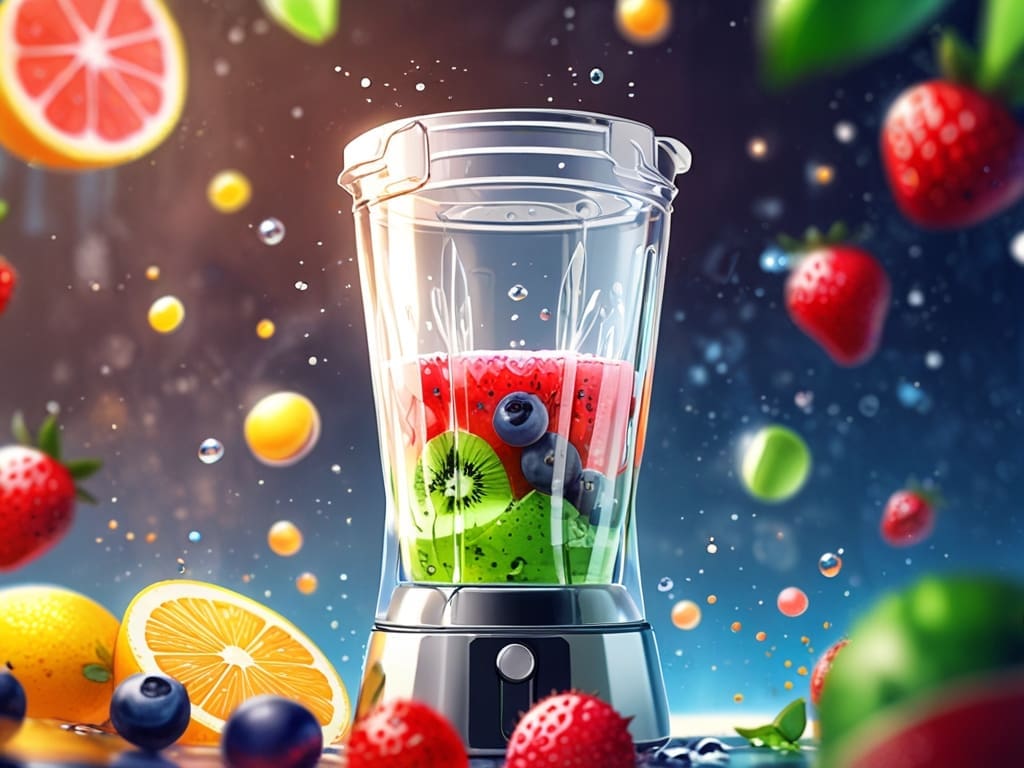
Building the Perfect Low-Carb Green Smoothie for Weight Loss

Why low carb smoothies? A good example is Zach staring at the blender on Monday morning, resigned to another healthy strawberry-banana concoction that always left him hungry by 10 a.m.

A quick glance at his food-tracking app revealed why: that innocent breakfast delivered 42 g of net carbs, more than a bagel. Two tweaks later, swapping the banana for frozen zucchini and adding chia plus almond butter, his drink slipped under 10 g net carbs yet kept the same velvety texture. Weight started dropping, cravings quieted, and Zach wondered why nobody had shown him this trick sooner.

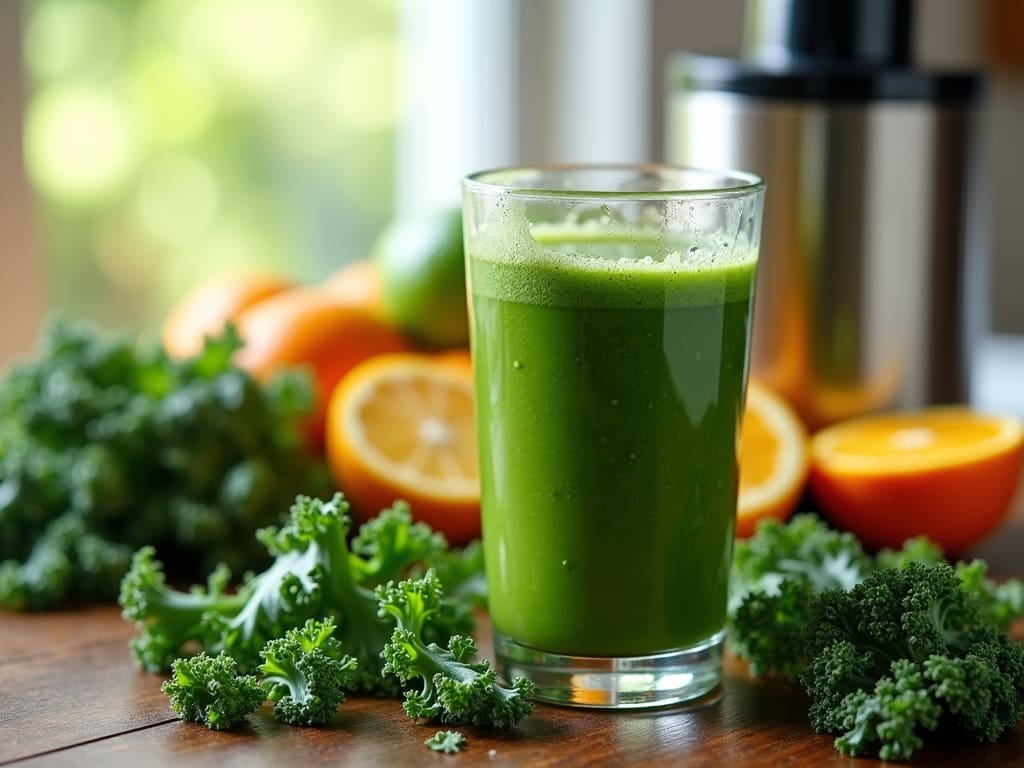
If you’ve ever asked, Are smoothies low carb, or are they sugar bombs in disguise? This guide hands you the blueprint. We’ll unpack the science, pick the best greens, proteins, and fats, then stack them into customizable low carb smoothies that fit keto, macro-controlled, or simply smarter eating plans.

Why Trade the Sugar Bomb for Low Carb Smoothies?

Most classic smoothie recipes rely on fruit juice, bananas, or honey, ingredients that can spike blood glucose levels as dramatically as soda. That rapid rise and fall translates to brain fog by mid-morning and a gnawing urge to raid the office snack drawer.

Cutting the carb load flips the script. With fewer than 15 g net carbs per serving, a low-carb green smoothie:

  • Stabilizes energy thanks to slower-burning fats and protein.
  • Keeps insulin levels lower, supporting fat oxidation rather than storage.
  • Curbs cravings, making a 500-calorie pastry at 11 a.m. far easier to resist.

In short, the right blend turns your blender into a stealthy fat-loss tool, not a hidden source of sugar shock.

The Science of Macro Balance in a Blender

First, a refresher: total carbs represent every gram of carbohydrate in an ingredient. Net carbs subtract fiber and sugar alcohols because those don’t substantially raise blood glucose. For weight-loss-focused adults, especially keto eaters, net carbs matter most.

So what’s the sweet spot? Research and practical coaching converge on this macro split for a weight-loss smoothie:

  • Protein: 2030 g to trigger muscle protein synthesis and satiety.
  • Fat: 1020 g from quality sources like MCT oil or nut butter to extend energy release.
  • Net Carbs: 10 g to keep you in fat-burning territory.

Hit those numbers, and you’ll stay comfortably within low-carb guidelines while still fueling workouts, desk marathons, and school drop-offs alike.

low carb smoothies

Low-Carb Greens: Picking the Perfect Base

Dark leafy vegetables supply the green in a low-carb green smoothie, but not all leaves are equal. Here’s how three favorites stack up per packed cup:

  • Spinach: 1 g net carbs, rich in magnesium, ideal for a soothing keto electrolyte boost.
  • Kale: 3 g net carbs, higher in vitamin C and beta-carotene, slightly earthier flavor.
  • Swiss chard: 2 g net carbs, delivers potassium plus a mild, beet-like sweetness.

Fresh or frozen? Frozen greens are flash-frozen within hours of harvest, locking in nutrients and adding chill without watering things down. Scoop one heaping cup (approximately 30g frozen or 40g fresh) as your baseline. For ultra-low-carb goals, spinach remains the MVP.

Low-Sugar Fruits That Keep Flavor High and Carbs Low

You don’t have to ditch fruit completely; you just need the right players in moderation.

Best Low-Carb Fruit Swaps

  • Avocado: 2 g net carbs per half; pure creaminess without the sugar.
  • Frozen berries: 34 g net carbs per cup, brimming with polyphenols that support fat metabolism.
  • Zucchini: 2 g net carbs per cup; the ultimate banana stand-in for body and thickness.

Limit fruit to a cup or less. Combine with a dash of vanilla or cinnamon to enhance the perceived sweetness without increasing carbs.

Protein Boosters That Won’t Sneak In Sugar

Protein is the satiating backbone of any low carb smoothies recipe. Choose powders with minimal fillers and 02 g net carbs per scoop.

Top Low-Carb Protein Options

  • Whey isolate: Fast-absorbing, typically 25 g protein and 1 g carbs.
  • Collagen peptides: Joint-supporting, blends invisibly into any keto green smoothie.
  • Pea protein concentrate: Vegan, rich in branched-chain amino acids, around 2 g net carbs.

Tip: If you’re going plant-based, pair peas with rice or hemp protein to complete the amino acid profile. One full scoop usually hits the protein target.

Fat-Fueled Superfoods & Fiber Add-Ons

Healthy fats help lengthen satiety, while soluble fiber helps smooth blood sugar peaks. The superstars:

  • MCT oil: 1 tablespoon provides quick-burning ketone fuel with zero net carbs.
  • Chia or flax seeds: 2 tablespoons provide 56 g of fiber, 4 g of omega-3 fats, and just 12 g of net carbs.
  • Almond or macadamia butter: 1 tablespoon adds 9g of fat, a creamy mouthfeel, and 1 g of net carbs.

Aim for any two of the above to stay within the 1020 g fat window while keeping carbs minimal.

low carb smoothies

Your Blueprint: How to Make Low Carb Smoothies Every Time

Step-by-Step Assembly (Under 10 g Net Carbs)

  1. Liquid Base 1 cup: Unsweetened almond milk or coconut milk (1 g net carbs).
  2. Greens 1 cup packed: Spinach, kale, or Swiss chard.
  3. Low-Sugar Fruit cup max: Avocado, frozen berries, or zucchini.
  4. Protein 1 scoop: Whey isolate, collagen, or pea protein.
  5. Healthy Fat 12 Tbsp: MCT oil, chia, or almond butter.
  6. Flavor Extras (optional): Cinnamon, cocoa powder, or liquid stevia, all carb-free.

Blend 30 seconds. Check texture; add ice for thickness or an extra splash of almond milk if too dense. Final macros land around 25 g protein, 15 g fat, 810 g net carbs, a low-carb protein smoothie that powers you till lunch.

Common Pitfalls & Pro-Level Tweaks

Even seasoned smoothie lovers can stumble. Watch for these traps:

  • Fruit creep: A handful of berries can become a cup’s worth of food.
  • Hidden sugars in protein powder: Scan labels for maltodextrin or cane juice.
  • Overdoing high-fat add-ins: Adding two tablespoons of peanut butter and coconut cream can easily add 300 calories. Stick to the blueprint amounts.

Level-up hack: Freeze spinach in pre-measured silicone muffin cups. In the morning, pop one green puck into the blender, no soggy bags, no measuring.

Sip Smarter, Live Lighter

The beauty of low carb smoothies is their flexibility: swap zucchini for cauliflower rice, change protein flavors, play with spice blends, and you still nail the macros that accelerate fat loss.

Master the formulas once, and your blender transforms into a personal nutritionist, providing sugar-free breakfasts in less than five minutes, day after day. Embrace the creamy, green, carb-controlled liberation.

Experiment with zucchini instead of cauliflower rice, switch up protein tastes, and explore spice mixtures – while still hitting the macros that enhance fat burning. A low-carb protein smoothie that energizes you until noon typically contains roughly 25 g protein, 15 g fat, 810 g net carbs.

Don’t overlook these potential pitfalls even if you’re a seasoned smoothie enthusiast. Enhance your game by freezing spinach in pre-measured silicone muffin cups. In the AM, drop a green puck into the blender – no more soggy bags or measuring required.

The Ultimate Guide to Finding Your Perfect Diet Plan

Welcome to the ultimate guide for finding your perfect diet plan—a quest that’s as personal as a well-tailored suit. With 74% of adults in the United States grappling with overweight or obesity issues (CDC) , it’s clear that a one-size-fits-all approach simply won’t cut it when it comes to achieving those health goals. But worry not! We’re here to help you navigate the often-confusing world of healthy diets, weight loss plans, and nutrition strategies.

So why is finding the best diet such a riddle wrapped in an enigma? For starters, our bodies are as unique as our taste buds (some might say even more so!). What works for your friend who swears by a low carb diet might leave you more hangry than happy. Hence, embracing your individuality is crucial in this journey.

The Importance of Personalization

  • Your metabolism’s speed may rival that of a snail or a Formula 1 car—neither is better; they’re just different!
  • Cultural preferences play a huge role. The Mediterranean diet doesn’t just include delicious olive oil; it also reflects centuries of eating practices.
  • Your medical needs matter. Whether you’re looking at a heart-healthy diet, or managing blood sugar levels with low sugar diets, every factor counts.

Before diving into meal prep ideas or practicing mindful eating, consider having a detailed discussion with a dietitian to tailor recommendations specifically for you. After all, isn’t it time we started treating our bodies like the luxury vehicles they are?

As you embark on this journey, remember: finding the best foods for weight loss or mastering portion control tips is about creating sustainable habits, not punishments. Ready to dive deeper? Let’s get started!

Understanding the Basics of a Healthy Diet

Embarking on a journey toward healthy living doesn’t require traveling to the earth’s far reaches or surviving solely on kale smoothies. It all begins with understanding the basics of a healthy diet. Let’s break it down into bite-sized pieces, so you can digest this information as easily as your next meal.

The Core Elements of a Healthy Diet

  • Balance is Key: A healthy diet isn’t about strict limitations or depriving yourself. Instead, it’s about feeling great, having more energy, improving your health, and boosting your mood. Foods like fruits, vegetables, whole grains, and lean proteins should form the foundation.
  • Portion Control: Remember, even healthy foods can contribute to weight gain if consumed in large quantities. Practice mindful eating by listening to your body’s hunger cues.
  • Diversity on Your Plate: Incorporating various foods ensures you receive a full spectrum of nutrients. Variety is not just the spice of life but also the essence of a balanced diet!

Nutritional Plans: Choose Wisely!

If you’ve ever found yourself lost in the labyrinth of nutritional plans—keto diet, vegan diet, or maybe even the Mediterranean diet—you’re not alone! Each carries its benefits and suits different lifestyles. For instance, studies show that the Mediterranean diet is linked with reduced risks of heart disease, stroke, and certain cancers.

Choosing the right plan doesn’t have to be daunting:

  1. Assess Your Lifestyle: Consider factors like activity level and dietary preferences when choosing between low-carb diets or plant-based diets.
  2. Consult an Expert: Sometimes a chat with someone who knows their quinoa from their couscous can be invaluable. Detailed discussions with a dietitian can provide personalized insights.
  3. Sustainable Choices: Opt for dietary changes you can stick with over time rather than extreme restrictions that might be only short-term fixes.

The Fun Part: Experimentation!

A healthy diet, much like life itself, should be an adventure—not an obligation. Explore new recipes or try out meal prep ideas for dieting to keep things interesting. Who knows? You might just find your next favorite dish hiding in those leafy greens!

The key takeaway here? A healthy diet is not about perfection but progress—and every small step counts. So grab that fork and dig into this new chapter with excitement and curiosity!

best diet

Popular Diet Plans Explained

Embarking on the journey to find the best diet can sometimes feel like searching for the Holy Grail. The good news? We’re here to simplify it for you by breaking down some of the most popular diet plans, helping you decide which one might be your perfect match. Remember, diets aren’t one-size-fits-all; it’s all about finding what suits your lifestyle and goals.

The Keto Diet: A Low-Carb Journey

Due to its low-carb, high-fat structure, the Keto diet has been making waves in the weight loss community. By drastically reducing carbohydrates and replacing them with fats, your body enters a state known as ketosis. This process encourages your body to burn fat for energy instead of carbs. Although many swear by its benefits for weight loss and increased energy levels, consulting with a healthcare professional before starting any significant dietary changes is crucial. Curious about the intricacies of a low-carb lifestyle? Check out our Comprehensive Low-Carb Diet Plan for 2025.

The Mediterranean Diet: A Heart-Healthy Choice

If you dream of sun-drenched beaches and vibrant salads (or just want to keep their heart happy), then the Mediterranean diet might be calling your name. Rich in fruits, vegetables, whole grains, olive oil, and lean proteins like fish, this diet is lauded for its heart health benefits. According to a study published in The New England Journal of Medicine, individuals following a Mediterranean diet had a 30% lower risk of cardiovascular diseases compared to those on a standard low-fat diet (source).

The Plant-Based and Vegan Diets: Going Green

Whether you’re motivated by health reasons or ethical considerations, plant-based and vegan diets have gained popularity for their focus on whole foods derived from plants—think fruits, vegetables, nuts, seeds, oils, whole grains, legumes (the list goes on). These diets are often associated with reduced risks of chronic diseases such as diabetes and heart disease when planned properly (source). However, ensuring adequate nutrient intake such as Vitamin B12 is key.

Paleo Diet: Back to Basics

Ever wonder how our ancestors managed without processed snacks? Enter the Paleo diet! This plan focuses on consuming foods that were available during the Paleolithic era—meaning lean meats, fish, fruits, vegetables, nuts, and seeds are all fair game while dairy products and grains take a backseat. While some people experience weight loss success with this approach due to its emphasis on whole foods and protein intake (source), others find it challenging given modern culinary comforts.

Remember that choosing a weight loss diet should not just be about quick results but also sustainability and enjoyment in the long run. For more personalized recommendations or if you’re stuck at crossroads (with pizza on one side), consider having a detailed discussion with a dietician.

The Role of Nutrition Plans in Achieving Your Goals

Embarking on a weight loss journey can feel like standing at the edge of an intimidating forest, wondering which path to choose. Luckily, a well-crafted nutrition plan acts like a trusty map, guiding you through the thicket of dietary choices towards your goals. But what exactly makes a nutrition plan so crucial in your quest for the best diet?

Navigating the Nutritional Maze

A solid nutrition plan isn’t just about shedding pounds; it’s about creating sustainable, healthy eating habits that support your overall well-being. Here are some essential components:

  • Balance is Key: A good nutrition plan ensures you achieve a balanced diet by incorporating all major food groups—proteins, carbs, fats, vitamins, and minerals.
  • Personalization: Your body is unique! Personalized plans consider allergies, ethical choices (like vegan or vegetarian diets), and lifestyle requirements to ensure maximum success.
  • Sustainability: Aiming for long-term changes? Choose sustainable diets that you can stick with beyond the initial enthusiasm.

The Science Behind Nutrition Plans

Studies indicate that structured meal plans can significantly improve adherence to dietary recommendations (source: Harvard Health Publishing). Consistency in following a nutritious diet translates into better weight management and improved health markers.

This is where consulting with experts becomes invaluable. A professional evaluation can provide clarity on what’s truly beneficial for you. Consider having a detailed discussion with a dietician. You might be surprised at how a few tweaks here and there can make your journey smoother.

Real-World Example: The Mediterranean Diet

If you’re searching for inspiration, look no further than the acclaimed Mediterranean diet. Renowned for its heart-healthy benefits, it balances healthy fats from olive oil with plenty of fruits and vegetables. It’s like treating your heart to a vacation by the sea—no passport required!

Getting Started With Your Nutrition Plan

  1. Set Clear Goals: Define what success looks like for you, whether it’s weight loss or maintaining current health metrics.
  2. Select Your Style: If you enjoy variety, try flexitarian options. If you prefer structure, intermittent fasting could be your match.
  3. Monitor Progress: Track your food intake by journaling or using apps like MyFitnessPal to help with portion control and macro tracking.

Nurturing healthy eating habits doesn’t have to feel like marching through an endless kale salad! Empower yourself with knowledge and find joy in discovering the foods that fuel your best self. Remember, every step forward is progress—even if it means gracefully navigating around those cookie cravings now and then!

best diet

Sustainable Eating Habits for Long-term Success

Imagine embarking on a journey where your diet doesn’t just whisper promises but rather shouts enduring success. Sounds like a dream, right? Well, the magic lies in adopting sustainable eating habits that turn your “diet” into a lifestyle choice. Let’s explore how you can make this enchanting transformation.

Why Sustainability Matters

Maintaining a healthy weight isn’t about quick fixes; it’s about embracing changes that you can stick with for life. According to the National Institutes of Health, sustainable diets not only improve your health but also have positive impacts on the environment!

Top Tips for Sustainable Eating

  • Listen to Your Body: Practice mindful eating by tuning into your hunger and fullness cues. It’s all about eating when you’re hungry and stopping when you’re full—sounds simple, yet revolutionary!
  • Embrace Variety: A balanced diet is like a good playlist—it keeps you engaged! Mix up your meals with different textures and flavors to keep things exciting. Think colorful veggies, hearty grains, lean proteins, and healthy fats.
  • Plan Your Meals: Meal prep isn’t just for fitness buffs or Instagram influencers. It saves time and reduces stress during busy weeks. For ideas, check our extensive list of meal prep ideas.
  • Moderation Over Deprivation: The key to lasting weight loss is moderation—not deprivation. Yes, you can enjoy that chocolate cake—just maybe not every day!

The Role of Consistency

Sustainability is all about consistency over intensity. Consider the tortoise who wins the race—not because he sprinted faster than the hare but because he kept moving at his own pace.

“Consistency builds habits that eventually lead to sustainable weight loss,” says Dr. Lisa Nelson from Harvard Health Publishing.

A Little Humor Goes a Long Way

If carrots could talk, they’d probably say something like “I’m good for you!” But let’s face it—sometimes we crave more than raw veggies! Remember, it’s okay to enjoy a mix of foods as part of a healthy diet.

If you’re still unsure about where to start or need personalized advice, consider having a detailed discussion with a dietician. Our expert guides are always here to help you succeed in your healthier living journey.

The Best Foods and Supplements for Weight Loss

Let’s be real: choosing the right foods for weight loss can sometimes feel like solving a Rubik’s Cube blindfolded. But don’t worry, whether you’re a budding chef or someone who considers cereal a culinary accomplishment, we’ve got you covered with some of the best foods and supplements to aid in your weight loss journey. Ready? Let’s dive in!

Superfoods to the Rescue

  • Leafy Greens: Kale, spinach, and Swiss chard are packed with fiber, which helps keep you satiated. Plus, they’re low in calories, so you can eat heaps without worrying about your waistline.
  • Berries: Blueberries, strawberries, and raspberries are antioxidant powerhouses. They satisfy your sweet tooth while keeping calorie intake in check.
  • Nuts: Almonds, walnuts, and pistachios provide healthy fats and protein. Just remember portion control; these little guys love to sneak extra calories into your diet.
  • Whole Grains: Brown rice, quinoa, and oats provide sustained energy without the spike-and-crash effect of refined grains.

Mighty Supplements

While whole foods should be your primary source of nutrients, certain supplements can give your weight loss efforts an extra push:

  • Protein Powder: Essential for muscle repair and growth when paired with exercise. Whey protein is popular among dieters for its quick absorption rate.
  • Green Tea Extract: Rich in antioxidants like EGCG (Epigallocatechin Gallate), it enhances metabolism and supports fat burning when combined with regular exercise.
  • Fiber Supplements: If leafy greens aren’t your jam (we won’t judge), consider fiber supplements like psyllium husk to feel full longer and support healthy digestion.

Your Personalized Nutrition Plan Awaits

If you’re still scratching your head about which foods or supplements suit you best (or if you secretly wish that donuts were a superfood), consider consulting with a nutritionist for tailored advice. Everyone’s body responds differently to various foods and diets—what works wonders for one may not do much for another. For an in-depth exploration of finding what suits you best, check out our detailed discussion with a dietitian.

Your health journey is uniquely yours—embrace it! Remember that balance is key, and every small step you take counts toward the bigger picture of better health. And hey, if things get tough, just channel your inner superhero because you’ve got this!

The Importance of Mindful Eating Practices

In our fast-paced world, where meals are often consumed while scrolling through social media or binge-watching the latest series, it’s easy to overlook one crucial aspect of a healthy diet: mindful eating. Think of it as the Zen master of dieting strategies. Mindful eating isn’t just a trend; it’s a transformative practice that can profoundly affect your health and weight loss journey.

What is Mindful Eating?

  • Being fully present during meals
  • Engaging all your senses while eating
  • Acknowledging hunger and satiety cues
  • Reducing distractions during meals

Mindful eating involves paying attention to the flavors, textures, and aromas of your food. It encourages you to listen to your body’s signals, recognizing when you’re truly hungry and when you’re satisfied—long before you’ve polished off that third slice of cake.

The Science Behind Mindful Eating

A study published in The Journal of Obesity found that individuals who practiced mindful eating experienced greater weight loss compared to those who followed traditional diets without mindfulness practices (source). By focusing on the experience of eating rather than just the nutritional content or calories, participants were more attuned to their body’s needs.

How to Start Practicing Mindful Eating Today

If you’ve ever found yourself halfway through a bag of chips before realizing you weren’t even hungry (we’ve all been there!), here are some tips to introduce mindful eating into your routine:

  1. Savor Each Bite: Take smaller bites and chew slowly. This helps with digestion and allows your brain time to register fullness.
  2. Limit Distractions: Turn off electronics during meals. Instead, create a calm environment conducive to focused dining.
  3. Breathe Deeply: Before diving into your meal, take a few deep breaths. This simple act helps ground you in the present moment.
  4. Tune Into Hunger Cues: Ask yourself if you’re truly hungry or simply eating out of boredom or stress.

Discover more about how healthy diet practices can transform your life here!

Remember, mastering mindful eating is like learning any new skill—it takes practice! With consistent effort, you’ll find yourself more in tune with not only what you’re eating but also why. So next time you sit down for a meal, channel your inner Zen foodie and relish every moment. Who knew losing weight could be such an enlightening experience?

best diet

Conclusion: Crafting Your Personalized Diet Plan

Embarking on the quest to discover the best diet for you is akin to finding a new favorite song. It needs to resonate with your lifestyle, groove with your goals, and leave you feeling like you’re on top of the world. So, let’s wrap up this journey with some key takeaways to help you rock your nutrition plan!

Your Dietary Symphony: Personalization is Key

Your body is unique, and so should be your diet plan. Whether it’s a low carb diet, Mediterranean diet, or a more experimental approach like intermittent fasting, it’s crucial to harmonize these choices with your individual nutritional needs.

  • Listen to Your Body: How different foods make you feel. Are you energized or lethargic? Your body is giving you feedback.
  • Define Your Goals: Whether it’s weight loss, muscle gain, or simply maintaining a balanced diet, having clear objectives will guide your dietary choices.
  • Consider Sustainability: A sustainable diet isn’t just good for the environment; it’s key to long-term success. Make sure your plan includes foods you love and can realistically maintain.

The Power of Support and Expertise

If you’re feeling overwhelmed, remember you don’t have to go it alone. A detailed best diet discussion with a dietitian can provide tailored advice that matches your specific health profile (learn more here). After all, even Batman needed Alfred!

A Little Humor Goes a Long Way!

If life gives you lemons… well, maybe put them in some water instead of lemonade because sugar really doesn’t do any favors for that waistline! Embrace humor as part of your healthy eating habits – laughter truly is the best (calorie-free) medicine.

Your Next Steps: Start Small, Dream Big

Dive into meal prep ideas for a best diet success and discover what portion control tips work best for you. Begin tracking macros or keep a food journal to stay accountable. Remember, significant changes start with small steps. Celebrate every milestone – you’ve earned it!

Your perfect diet plan isn’t just about fitting into those jeans you’ve been eyeing; it’s about crafting a healthy relationship with food that nourishes both body and soul. So go ahead—make that first step today towards better health—your future self will thank you!

The Complete Guide to Diet Supplements: Do You Really Need Them? 🤔

Understanding Diet Supplements: Beyond the Marketing Hype 💊

The global dietary supplements market continues to boom, reaching astronomical figures year after year. But here’s a thought that might save you money and improve your health: Mother Nature may have already provided everything you need on your dinner plate! Let’s dive deep into the world of diet supplements and uncover the truth behind those colorful pills and powders.

Disclaimer: This article is for informational purposes only and should not be considered medical advice. Always consult with healthcare professionals before changing your diet or supplement routine. ⚕️

Diet Supplements

What Are Diet Supplements, Anyway? 📦

Diet supplements come in various forms:

  • Pills and capsules
  • Powders
  • Liquid formulations
  • Gummies
  • Energy bars
  • Injectable formulations

These Diet Supplements typically contain:

  • Vitamins
  • Minerals
  • Herbs
  • Amino acids
  • Enzymes
  • Other compounds

The Natural Alternative: Your Plate as Nature’s Supplement Store 🥗

Fruits and vegetables are rich in essential vitamins and minerals that support overall health and well-being. Whole grains contain fiber, antioxidants, and important nutrients crucial for bodily functions. Lean proteins such as poultry, fish, and legumes are excellent sources of amino acids necessary for muscle growth and repair. Dairy products like milk and yogurt are high in calcium and vitamin D, vital for bone health and strength. Nuts and seeds are packed with healthy fats, protein, and various vitamins and minerals beneficial for heart health and cognitive function.

Before you reach for that diet supplements bottle, consider this: a well-balanced diet typically provides all the nutrients your body needs. Here’s what different whole foods offer:

  1. Dark Leafy Greens
  • Iron
  • Calcium
  • Vitamins A, C, and K
  • Folate
  • Fiber
  1. Colorful Fruits 🍎
  • Antioxidants
  • Vitamin C
  • Fiber
  • Natural sugars
  • Phytonutrients
  1. Lean Proteins 🥩
  • Essential amino acids
  • Iron
  • B vitamins
  • Zinc
  • Selenium

Why Most People Don’t Need Diet Supplements 💪

Whole grains are rich in fiber, antioxidants, and essential nutrients for the body. Incorporating lean proteins like poultry, fish, and legumes provides amino acids vital for muscle repair and growth. Dairy products, including milk and yogurt, offer calcium and vitamin D crucial for bone health. Nuts and seeds are sources of healthy fats, protein, and various vitamins and minerals beneficial for heart and brain functions. A well-rounded diet generally supplies all the necessary nutrients without needing supplements.

Research consistently shows that individuals who maintain a balanced diet rarely require supplementation. Here’s why:

  1. Natural Absorption Your body is designed to absorb nutrients from whole foods more effectively than from synthetic supplements.
  2. Synergistic Effects Whole foods contain multiple compounds that work together, enhancing nutrient absorption and utilization.
  3. Safety Margins Natural foods rarely provide excessive amounts of nutrients, unlike supplements which can lead to overconsumption.

The Marketing Machine Behind Diet Supplements 💰

Supplements are often promoted as essential for optimal health and well-being, but the truth is that most people can get all the necessary nutrients from food. Many supplement companies heavily invest in marketing strategies to convince consumers of the benefits of their Diet Supplements. The marketing tactics used often manipulate language and create a sense of urgency around the need for supplements.

These strategies can make individuals believe that they are lacking vital nutrients, even when they are not. Consequently, it’s important to critically evaluate supplement claims and prioritize a balanced diet for overall health and nutrition.

The supplement industry spends billions on marketing, creating perceived needs through:

  • Celebrity endorsements
  • Pseudo-scientific claims
  • Before-and-after testimonials
  • Social media influence

Remember: Most marketing claims aren’t FDA -approved and often lack substantial scientific backing.

When Diet Supplements Might Be Necessary 🏥

In cases of nutrient deficiencies diagnosed by a healthcare professional. When certain health conditions or medications inhibit nutrient absorption. For individuals on restrictive diets that may not provide all essential nutrients. During specific life stages such as pregnancy or aging, where nutrient requirements increase. To address specific health goals or deficiencies under the guidance of a healthcare provider.

There are legitimate cases where supplementation becomes necessary:

  1. Medical Conditions
  • Diagnosed deficiencies
  • Absorption disorders
  • Certain medications that affect nutrient absorption
  1. Life Stages
  • Pregnancy
  • Advanced age
  • Infancy
  • Intense athletic training
  1. Dietary Restrictions
  • Strict vegetarian/vegan diets
  • Food allergies
  • Limited food access
Diet Supplements

Building a Diet Supplements-Free Healthy Diet 🌟

Shift the focus to whole foods rich in essential nutrients like fruits, vegetables, whole grains, lean proteins, and healthy fats. Make water your primary beverage choice and limit consumption of sugary drinks. Opt for homemade meals over processed or fast food options when possible. Listen to your body’s hunger cues and practice mindful eating to maintain a healthy relationship with food. Consider consulting a registered dietitian for personalized guidance on optimizing your nutrition intake.

Follow these steps to create a naturally nutritious eating plan:

  1. Eat the Rainbow
  • Red: tomatoes, berries
  • Orange: carrots, sweet potatoes
  • Yellow: bell peppers, bananas
  • Green: spinach, broccoli
  • Purple: eggplant, grapes
  • White: cauliflower, garlic
  1. Protein Variety
  • Lean meats
  • Fish
  • Legumes
  • Eggs
  • Dairy
  • Plant-based proteins
  1. Healthy Fats
  • Avocados
  • Nuts
  • Seeds
  • Olive oil
  • Fatty fish

The Hidden Risks of Diet Supplements ⚠️

Supplements are not a replacement for a balanced diet rich in whole foods. It is important to focus on nutrient-dense options for optimal health and well-being. Whole foods provide a variety of essential nutrients that work synergistically in the body. Choosing whole foods over supplements can help minimize the risk of nutrient imbalances or toxicities. Prioritizing a diverse and colorful diet is key to meeting your nutritional needs.

Before reaching for supplements, consider these potential risks:

  1. Interaction with Medications
  • Blood thinners
  • Heart medications
  • Diabetes drugs
  • Antidepressants
  1. Quality Control Issues
  • Contamination
  • Mislabeling
  • Varying potency
  • Artificial additives
  1. Overconsumption Risks
  • Liver damage
  • Kidney problems
  • Hormonal imbalances
  • Digestive issues
Diet Supplements

Money-Saving Benefits of Choosing Food vs. Supplements 💵

Let’s break down the cost comparison:

Monthly Supplement Routine

  • Multivitamin: $30
  • Protein powder: $40
  • Fish oil: $25
  • Specific vitamins: $45
    Total: $140

Nutrient-Dense Food Alternatives

  • Fresh produce: $60
  • Quality proteins: $80
  • Healthy fats: $30
    Total: $170

While the food costs slightly more, it provides:

  • Complete nutrition
  • Better absorption
  • Satisfying meals
  • Additional health benefits

Tips for Transitioning Away from Supplements 🌱

  1. Gradual Reduction
  • Assess current supplement use
  • Identify food alternatives
  • Slowly replace supplements with whole foods
  1. Meal Planning
  • Create balanced weekly menus
  • Include variety
  • Prep meals in advance
  • Focus on nutrient-dense foods
  1. Monitor Your Health
  • Track energy levels
  • Note any changes
  • Consult healthcare providers
  • Adjust as needed

The Environmental Impact 🌍

Transitioning away from supplements can initially seem challenging but can be achieved gradually. Incorporating more nutrient-rich whole foods into your diet is a sustainable approach. Experimenting with diverse recipes and meal planning can make the transition smoother. Over time, you may find that whole foods benefit your health and overall well-being. Making this change aligns with a holistic approach to nutrition and wellness.

Choosing whole foods over supplements often has environmental benefits:

  • Reduced packaging waste
  • Lower processing energy requirements
  • Support for sustainable agriculture
  • Decreased transportation needs

Making Informed Decisions 📚

Before starting any supplement regimen:

  1. Consult Healthcare Providers
  • Get blood work done
  • Discuss specific needs
  • Review current medications
  • Consider lifestyle factors
  1. Research Thoroughly
  • Check scientific studies
  • Verify claims
  • Read reviews
  • Investigate manufacturers
  1. Monitor Results
  • Keep health journals
  • Track improvements
  • Note side effects
  • Adjust as needed

The Future of Nutrition 🔮

The trend is moving toward:

  • Personalized nutrition
  • Whole food focus
  • Sustainable choices
  • Evidence-based supplementation

Summary: The Natural Advantage

Opting for whole foods can also positively impact sustainability and reduce environmental footprints. Being conscious of sourcing food locally and seasonally can further enhance the benefits. Engaging in this dietary shift may lead to a greater appreciation for natural flavors and textures. Exploring farmers’ markets and organic produce can support both personal health and community well-being. Ultimately, prioritizing whole foods fosters a more interconnected relationship with food and the environment.

Diet supplements have their place in specific situations, but for most people, a well-planned diet provides superior nutrition. Consider these key takeaways:

  1. Whole foods provide better nutrient absorption
  2. Natural foods offer synergistic benefits
  3. Proper diet reduces supplement needs
  4. Save money by choosing real food
  5. Minimize potential health risks

Supplements can be beneficial in certain circumstances, but a balanced diet typically offers greater nutritional value. Key points to consider include: Opting for whole foods aligns with a comprehensive approach to health and well-being. Choosing locally and seasonally sourced foods can have positive effects on sustainability. Transitioning to whole foods may enhance your awareness of natural flavors and textures. Exploring farmers’ markets and organic options can support personal and community health. Prioritizing whole foods nurtures a deeper connection with food and the environment.

Remember, your best supplement store might just be your local grocery’s produce section! 🥬

Action Steps 📝

  1. Evaluate your current supplement use
  2. Plan a nutrient-rich diet
  3. Consult healthcare providers
  4. Make gradual transitions
  5. Monitor your health

The path to optimal nutrition doesn’t have to be complicated or expensive. Most people can achieve their health goals without relying on dietary supplements by focusing on whole, nutrient-dense foods. Think of your plate as nature’s supplement laboratory – it’s been perfecting the formula for millions of years! 🌿

The future of nutrition trends is focusing on whole, nutrient-dense foods that provide optimal nutrition naturally. By prioritizing a well-planned diet, individuals can achieve their health goals without relying on dietary supplements. Your local grocery’s produce section can be the best supplement store for many, offering a variety of nutrient-rich options. Embrace nature’s supplement laboratory by choosing whole foods that have been perfected over millions of years for optimal health. Optimal nutrition can be achieved through simple and affordable means, emphasizing the importance of incorporating nutrient-dense foods into your daily diet.

Diet Excuses: Why We Quit and How to Push Through 🥗💪

This question comes back, so welcome to the wild world of diet excuses, where willpower meets its match in the form of clever justifications and sneaky rationalizations! You’re not alone if you’ve ever started a diet only to abandon it faster than a kid drops broccoli. Let’s explore people’s top diet excuses to give up on their healthy eating goals, uncover the psychology behind them, and find ways to crush those excuses with a motivational punch. Get ready to laugh, reflect, and get back on track! 🚀

The Allure of Diet Excuses: Why We Make Them 🤔

Let’s face it—sticking to a diet is tough. Whether cutting carbs, ditching sugar, or eating more greens, changing eating habits feels like climbing a mountain made of chocolate cake. So, when the going gets tough, our brains whip up diet excuses to let us off the hook. These excuses aren’t just random thoughts; they’re often rooted in emotional needs, stress, or a lack of preparation. Understanding why we make these diet excuses is the first step to overcoming them.

Psychologically, diet excuses act as a safety net. They protect us from feeling like failures when we “cheat” or quit. But here’s the kicker: every time we lean on a flimsy diet excuse, we’re just delaying our own success. So, let’s shine a light on the most common culprits and see how we can outsmart them! 🕵️‍♀️

diet excuses

Top 10 Diet Excuses That Sabotage Your Goals 🍔

Here’s a countdown of the most popular diet excuses people use to abandon their healthy eating plans. Recognize any of these in yourself? Don’t worry—we’ve got solutions to keep you moving forward!

1. “I’ll Start Tomorrow” ⏳

Ahh, the classic procrastination anthem! This diet excuse is the king of all justifications. “Tomorrow” becomes a magical land where willpower grows on trees, and kale tastes like pizza. But tomorrow turns into next week, then next month, and suddenly, you’re no closer to your goals.

Solution: Start small today. Swap one snack for a healthier option or drink an extra glass of water. Momentum builds with tiny wins, so don’t wait for a perfect moment that never comes! 🌟

2. “I’m Too Busy to Cook Healthy” ⏰

Life’s a whirlwind, and this diet excuse is a fan favorite. Between work, family, and binge-watching the latest series, who has time to chop veggies? Fast food becomes the hero of the hour, even if it’s a villain to your waistline.

Solution: Meal prep is your secret weapon! Spend an hour on the weekend batch-cooking healthy meals or stock up on pre-made salads and protein packs. Being busy doesn’t mean you have to ditch your diet—plan ahead and win! 🥕

3. “I Deserve a Treat After a Hard Day” 🍫

This diet excuse tugs at the heartstrings. A stressful day at work or a tough workout feels like a free pass to indulge. One cookie turns into a whole pack, and suddenly, your diet is a distant memory.

Solution: Redefine “treat.” Reward yourself with a relaxing bath, a good book, or a walk in nature instead of food. If you must indulge, portion it out—savor one square of dark chocolate instead of the whole bar. You’ve got this! 💪

4. “Healthy Food is Too Expensive” 💸

This diet excuse hits hard, especially when you’re eyeing the price of organic kale versus a cheap burger. It’s easy to think that eating well is a luxury you can’t afford.

Solution: Healthy eating doesn’t have to break the bank. Buy in bulk, stick to seasonal produce, and embrace affordable staples like beans, rice, and eggs. A little creativity in the kitchen can turn budget ingredients into gourmet meals without the hefty price tag! 🥚

5. “I Don’t Want to Miss Out at Social Events” 🎉

Parties, dinners, and holidays are minefields for dieters, and this diet excuse is all about FOMO (Fear of Missing Out). Skipping the cake or cocktails feels like skipping the fun, so you dive in headfirst.

Solution: Plan your indulgences. Eat a light, healthy meal before heading out so you’re not starving, and choose one treat to enjoy guilt-free. Socializing is about the people, not the buffet—focus on the laughs, not the lasagna! 😄

6. “I’m Not Seeing Results Fast Enough” 📉

Patience isn’t everyone’s strong suit, and this diet excuse creeps in when the scale doesn’t budge after a week. You think, “What’s the point?” and wave goodbye to your diet dreams.

Solution: Shift your focus from quick fixes to long-term health. Track non-scale victories like more energy, better sleep, or looser clothes. Progress takes time, but every healthy choice is a brick in the foundation of a stronger you! 🏋️‍♀️

7. “Healthy Food Tastes Boring” 😖

If you think healthy eating means bland salads and sadness, this diet excuse is your go-to. Why suffer through tasteless meals when pizza exists?

Solution: Spice it up—literally! Experiment with herbs, spices, and healthy marinades to make your meals pop. A boring diet is a doomed diet, so explore recipes that excite your taste buds without derailing your goals. Bon appétit! 🍽️

8. “I’m Too Tired to Stick to My Diet” 😴

Exhaustion is a real diet-killer, and this diet excuse thrives when you’re running on empty. Cooking feels like a marathon, so you grab whatever’s easiest—usually junk food.

Solution: Prioritize rest and keep grab-and-go healthy snacks on hand, like nuts, fruit, or yogurt. Fatigue messes with decision-making, so set yourself up for success with easy options. A well-rested you is a diet-crushing machine! 💥

diet excuses

9. “Everyone Else is Eating Junk, So Why Shouldn’t I?” 🧐

Peer pressure isn’t just for teens—this diet excuse kicks in when friends or family tempt you with treats. It’s hard to say no when everyone’s digging into fries and soda.

Solution: Be the trendsetter! Bring a healthy dish to share or suggest a restaurant with nutritious options. Your commitment might even inspire others to join you on the health train. Choo-choo! 🚂

10. “I’ve Already Messed Up, So I Might as Well Quit” 😞

One slip-up—a donut here, a burger there—and this diet excuse convinces you the whole plan is ruined. You think, “I’ll never get back on track,” and give up entirely.

Solution: Ditch the all-or-nothing mindset. One bad meal doesn’t undo weeks of progress, just like one workout doesn’t make you fit. Get back on track with your next meal, and remember: consistency beats perfection every time! 🌈

The Psychology Behind Diet Excuses: Digging Deeper 🧠

Why do diet excuses have such power over us? It’s all about our brains playing tricks. Humans are wired for instant gratification—think dopamine hits from sugary snacks—while dieting requires delayed gratification, which feels like a drag. Plus, stress and emotions often drive us to comfort food, making diet excuses an easy escape from discomfort.

Another factor is self-sabotage. Deep down, some of us fear success or doubt our ability to sustain change, so we use diet excuses as a shield against failure. Breaking this cycle means facing those fears head-on and building self-belief with every small victory.

Lastly, a lack of planning fuels diet excuses. Without clear goals, meal plans, or support systems, it’s easy to fall back on justifications. Set yourself up for success by creating a roadmap—your diet isn’t just a whim; it’s a mission! 🎯

How to Crush Diet Excuses and Stay Motivated 🔥

Ready to kick diet excuses to the curb? Here are actionable tips to keep you on track and inspired:

  • Set Realistic Goals: Don’t aim to lose 20 pounds in a week. Start with small, achievable targets like eating veggies daily or cutting soda. Small wins build unstoppable momentum! 🏆
  • Build a Support System: Share your goals with friends or join a community. Having cheerleaders makes it harder to lean on diet excuses when temptation strikes.
  • Track Your Progress: Use a journal or app to log meals, moods, and milestones. Seeing how far you’ve come squashes diet excuses like “I’m not seeing results.”
  • Prepare for Cravings: Keep healthy alternatives handy for when cravings hit. Swap chips for popcorn or candy for fruit—your taste buds and body will thank you! 🍎
  • Celebrate Every Step: Reward yourself for sticking to your diet, but skip food rewards. Treat yourself to a movie night or new workout gear. You’re a rockstar—own it! 🎸

The Bigger Picture: Why Ditching Diet Excuses Matters 🌍

Overcoming diet excuses isn’t just about fitting into skinny jeans—it’s about transforming your life. Healthy eating boosts energy, sharpens focus, and lowers the risk of chronic diseases. Every time you push past a diet excuse, you’re investing in a longer, happier life.

Plus, you’re setting an example. Whether it’s for your kids, friends, or coworkers, showing grit in the face of diet excuses can inspire others to take charge of their health. Be the change you wish to see, one bite at a time! 🌱

Final Thoughts: You’ve Got the Power! 💥

Diet excuses are sneaky little gremlins, but they don’t stand a chance against your determination. Recognize them for what they are—temporary roadblocks, not dead ends—and tackle them with humor, creativity, and grit. You’re not just on a diet; you’re on a journey to becoming your best self, and no flimsy diet excuse can stop you!

So, what’s your next move? Toss those diet excuses out the window, lace up your sneakers, and take one bold step forward. Your healthier, happier future is waiting—go claim it! 🚀

Create Your Perfect Weight Loss Plan: A Step-by-Step Blueprint

Embarking on a weight loss journey can feel daunting. With approximately 49.1% of U.S. adults attempting to shed pounds within the past year, you’re certainly not alone in this quest! The key to successful weight management lies in creating a personalized weight loss plan that fits your lifestyle, preferences, and goals. Whether you aim for fat loss, muscle gain, or a healthier overall lifestyle, tailoring your diet plan and fitness routine is essential.

The global weight loss and weight management market size was valued at USD 192.2 billion in 2019—you can bet there’s a reason for that! From meal prep to calorie counting and everything in between, the options can be overwhelming. That’s why we’re here to break it down into actionable steps that will help you build an effective plan without the fluff.

Imagine this: You’re armed with a nutrition guide, a killer exercise plan, and a sprinkle of motivation—sounds like a recipe for success, right? Let’s dive into the essential elements that will empower you to create your perfect weight loss strategy!

weight loss plan

Set Clear Goals for Your Weight Loss Plan

Setting clear goals for your weight loss plan is like charting your course on a treasure map—it gives you direction and purpose! If you don’t have specific, measurable goals, it could feel like you’re aimlessly navigating a maze. So how do you set these goals? Here’s a friendly guide to help you get started!

1. Be Specific

A vague goal like “I want to lose weight” isn’t very motivating. Instead, try something more precise: “I want to lose 10 pounds in the next two months.” This specificity will help you focus your efforts on achieving that target.

2. Make Your Weight Loss Plan Measurable

Track your progress! Consider keeping a food diary, or use apps that help monitor your calorie intake and exercise activities. Research shows that those who track their diets and physical activity are more successful in reaching their weight loss goals (source: National Institutes of Health). Bonus points if you can socialize this aspect; sharing your journey with friends can foster accountability!

3. Set Realistic Timeframes

Aiming for sustainable weight loss is crucial! The CDC recommends aiming for 1 to 2 pounds of weight loss per week as a healthy goal. This approach not only enhances fat loss but also helps maintain muscle mass—a win-win!

4. Include Non-Scale Victories

Your journey isn’t solely about the number on the scale. Celebrate non-scale victories such as improved energy levels, better sleep, or consistently fitting into your favorite jeans! These milestones will keep your motivation alive and remind you why you’re working so hard.

5. Adjust Goals as Needed

Your initial goals are not set in stone! As you progress, life changes may necessitate adjustments—like if you discover that intermittent fasting works wonders for you or if certain workouts become too easy (hello, gym gains!). Flexibility can be key in maintaining long-term engagement with your weight loss plan.

“Success is the sum of small efforts, repeated day in and day out.” – Robert Collier

Remember, setting clear goals is just the beginning of your weight loss journey. Combine these objectives with a balanced dietary plan, regular exercise routine, and plenty of self-compassion along the way. You’ve got this—and we’re cheering for you every step of the way!

Understand the Basics of Nutrition

Knowing the fundamentals of nutrition is akin to discovering a wealth of essential information on how to fuel your body and accomplish your weight loss objectives. Nutrition isn’t just about counting calories—it’s about fueling your body with the right foods that work for you!

1. Macronutrients Matter

Your diet consists primarily of three macronutrients: carbohydrates, proteins, and fats. Each plays a unique role in your health:

  • Carbohydrates: These are your body’s primary energy source. Opt for complex carbs like whole grains, fruits, and vegetables that provide sustained energy.
  • Proteins: Essential for building and repairing tissues, proteins also help you feel fuller longer. Include lean meats, dairy, legumes, and nuts in your meals.
  • Fats: Healthy fats are crucial for hormone production and nutrient absorption. Incorporate sources like avocados, olive oil, and fatty fish into your diet (Unveiling the Secrets of Healthy Fats By Jen’s Blog).

2. Portion Control is Key

You might have heard the phrase “everything in moderation,” and it couldn’t be truer! Portion control not only helps with calorie counting but also encourages mindful eating. Techniques such as using smaller plates or measuring servings can significantly impact your food intake without compromising your enjoyment.

3. Mindful Eating Can Transform Your Experience

Munching away while scrolling through social media? Guilty as charged! Mindful eating involves paying attention to what you’re consuming—savoring each bite without distractions can help prevent overeating. Try setting aside dedicated meal times to focus solely on enjoying your food.

4. Hydration is Crucial

Water is often overlooked but plays a monumental role in weight loss! Staying hydrated can boost your metabolism, curb hunger cravings, and keep you energized throughout the day. Aim for at least 8 cups (64 ounces) of water daily; more if you’re active!

5. Create Your Balanced Plate

A balanced plate could be your secret weapon! Fill half your plate with fruits and veggies, one-quarter with lean protein, and one-quarter with whole grains or healthy fats. This simple approach not only ensures you’re getting a variety of nutrients but also keeps things visually appealing (and Instagram-worthy!).

“Let food be thy medicine and medicine be thy food.” – Hippocrates

The more you understand how nutrition works, the easier it will be to navigate your weight loss plan. As you develop this knowledge base, remember that it’s all about making choices that empower you—choices that suit your lifestyle while guiding you on this exciting weight loss journey. So grab those vibrant veggies and lean proteins; you’re well on your way to a healthier you!

weight loss plan

Create a Personalized Diet Plan

Creating a personalized weight loss plan, aka diet plan, is like crafting your favorite playlist—each song (or food choice) adds to the overall experience, making it uniquely yours. To make this journey enjoyable and effective, follow these actionable steps:

1. Assess Your Dietary Preferences

What do you love to eat? Do you crave savory dishes or sweet treats? Start by jotting down your favorite foods. This will help you incorporate meals that excite you into your dietary plan. Remember, enjoying your food is key—if you’re munching on kale while dreaming of pizza, it’s time to rethink your strategy!

2. Consider Your Lifestyle

Your diet should complement your daily routine. If you’re always on-the-go, quick and nutritious meals are critical. Opt for batch cooking or meal prep so you can grab something healthy without stress! For those who prefer leisurely meals, explore new recipes that bring joy to the kitchen.

3. Balance is Everything

A well-rounded dietary plan includes a mix of macronutrients—carbs, proteins, and fats—as mentioned earlier. But let’s not forget about micronutrients! Incorporate colorful fruits and veggies; they add flavor and are packed with vitamins and minerals. Think of it as a rainbow on your plate, because who doesn’t want to eat the colors of the wind?

4. Experiment with Meal Timing

If you’ve heard about intermittent fasting or the benefits of various meal timings, why not give it a whirl? Some people thrive on three square meals a day; others prefer smaller snacks throughout the day to keep energy levels high. Trial and error is part of the fun—find what works best for you!

5. Monitor Portion Sizes

The concept of portion control is not just for dieting—it’s essential for overall health! Use measuring cups or even your hand as a guide (the palm represents protein, a cupped hand for carbs). This helps you enjoy food without overindulging, helping balance calorie intake effortlessly.

6. Keep It Flexible

Your personalized diet plan should adapt as life evolves—a last-minute social event could mean extra calories one week but fewer another week when you’re busy. Be open to adjustments; it’s all part of maintaining a sustainable weight loss plan. After all, it’s about progress, not perfection!

“You don’t have to be extreme; just be consistent.” – Unknown

Building your personalized diet weight loss plan may take some time and tweaking, but that’s precisely what makes it yours! Embrace this journey with an open heart and curiosity about how different foods make you feel.

As you venture into this exciting territory of healthy eating and mindful choices, don’t hesitate to explore helpful tools like meal prep strategies or nutrition guides that align with your goals (The Best Diet to Lose Weight Fast: A Complete Guide). Remember: every step counts in this adventure toward a healthier version of you!

Effective Fitness Routine

Develop an Effective Fitness Routine

When it comes to creating a successful weight loss plan, developing an effective fitness routine is like choosing the right soundtrack for your life’s movie. It sets the tone for your journey, keeps you engaged, and helps you achieve your goals! So, how do you craft the ultimate fitness routine that works for you? Let’s break it down step-by-step:

1. Find Activities You Enjoy

The best workout is the one you’ll stick with! If you’re dreading the thought of running on a treadmill, swap it out for dance classes, hiking, or even martial arts—whatever makes you feel like a superhero! Research shows that enjoying your workouts significantly improves adherence (source: NIH). So go ahead and find your happy place!

2. Set a Realistic Schedule

It’s crucial to carve out time in your week for exercise without overwhelming yourself. Aim for at least 150 minutes of moderate-intensity aerobic activity or 75 minutes of vigorous activity each week, as recommended by the CDC. Break this down into manageable chunks—whether it’s 30 minutes five times a week or shorter bursts throughout your day, consistency is what counts!

3. Mix It Up

Boredom is the nemesis of any fitness routine! Incorporate a variety of workouts to keep things fresh and exciting:

  • Aerobic exercises: Walking, running, cycling, or swimming get your heart pumping.
  • Strength training: Building muscle not only tones your body but also boosts metabolism! Think weights, resistance bands, or even body-weight exercises like push-ups and squats.
  • Flexibility and balance: Incorporate yoga or Pilates to improve balance and reduce your risk of injury.

4. Set Goals Within Your Fitness Routine

Your fitness goals should complement your overall dietetary plan. Want to increase stamina? Plan on gradually increasing your running distance each week. Looking to build muscle? Focus on progressive overload in strength training by increasing weights or resistance over time.

5. Listen to Your Body

Your body will give you valuable feedback during this journey—don’t ignore it! Feeling fatigued? Consider a lighter workout day or some active recovery sessions with stretching or leisurely walks. It’s all about finding that balance between pushing yourself and allowing for rest.

Take care of your body; it’s the only place you have to live.” – Jim Rohn

6. Stay Accountable and Find Support

Add some accountability by teaming up with workout buddies or joining fitness classes in your area (or virtually!). Shared experiences can provide encouragement on days when motivation wanes—plus, working out with friends can make exercising feel less like “work”!

The path to developing an effective fitness routine may twist and turn along the way—but that’s okay! Embrace this adventure as part of your broader weight loss journey. Remember that every step counts towards building not just a fitter body but a sustainable healthy lifestyle.

If you’re eager to kickstart this exhilarating journey into fitness while refining those nutrition habits, check out our friendly guides tailored just for young wellness warriors ready to conquer their goals!

Effective Fitness Routine

Track Your Progress with Tools and Apps

Tracking your progress is a pivotal component of any successful weight loss plan. It’s like having a GPS for your journey—helping you stay on course and adjust as necessary. With the myriad of apps and tools available today, tracking can be fun, engaging, and incredibly motivating. So let’s dive into some clever ways to keep tabs on your progress!

1. Use Fitness Apps

Fitness apps are your best friends in the quest for weight loss! Popular options like MyFitnessPal or Lose It! help you log meals, track calories, and even monitor your workouts. Did you know that people who utilize these tools report losing more weight than those who don’t? Seriously! Research shows that app users lose up to 10% more weight (source: NIH). Talk about motivation in the palm of your hand!

2. Keep a Food Diary

Writing down what you eat can illuminate patterns in your eating habits for your weight loss plan. A food diary allows for reflection—maybe those late-night snacks are more frequent than you thought? The act of noting down meals encourages accountability and promotes mindful eating. Plus, seeing everything written out can inspire healthier choices and habits.

3. Measure Your Workouts

If you’re hitting the gym or working out at home, tracking your workout routines is key! Many fitness trackers or smartwatches allow you to monitor heart rates, calories burned, and distances covered while exercising. Seeing those stats can give you a sense of accomplishment and push you to achieve even more each week.

4. Take Progress Photos

A picture is worth a thousand words—especially when it comes to transformation! Taking progress photos every few weeks will let you visually witness changes in your body over time. Pro tip: wear the same outfit or stand in the same spot to have a consistent comparison point!

5. Celebrate Non-Scale Victories

The scale isn’t the sole indicator of success! Pay attention to non-scale victories such as increased energy levels, improved sleep quality, or fitting into clothes that were once tight. Keeping these wins in sight can provide motivation when the scale doesn’t budge right away.

6. Share Your Journey

Accountability can be an excellent motivator! Consider sharing updates with friends or joining online communities where members support each other’s goals. This camaraderie fosters encouragement and brings fresh perspectives on overcoming challenges together.

“Success isn’t just about what you accomplish in your life; it’s about what you inspire others to do.” – Unknown

Your path toward achieving a healthier lifestyle will come with ups and downs, but remember: every step counts! By using these tools and apps wisely, you’ll not only track milestones but also build a sustainable relationship with health that goes beyond numbers—one that embraces progress and self-love!

Stay Motivated and Adjust as Needed

Staying motivated during your weight loss plan journey can feel like trying to run a marathon with a pebble in your shoe. It’s uncomfortable, and sometimes you just want to give up! However, the key is not just staying motivated but also being adaptable. Let’s explore some engaging ways to keep that fire burning and adjust your plan when life throws curveballs.

1. Embrace the Journey

This isn’t a sprint; it’s a marathon! Understand that a weight loss plan is often non-linear. You may experience plateaus or even minor setbacks. Rather than interpreting these moments negatively, consider them as a necessary part of the journey, akin to encountering obstacles along the way. The important thing is to keep moving forward.

2. Find Your Tribe

Surrounding yourself with positive influences can be a game-changer! Join workout groups, online communities, or buddy up with friends who share your health goals. Having people who understand the struggle can provide that extra boost of motivation on days you’re feeling less than enthusiastic.

3. Mix It Up!

If you’re feeling bored or stuck in a routine, it’s time for some excitement! Experiment with new workouts or try different healthy recipes that excite your taste buds. Whether it’s Zumba classes or exploring vegan dishes that are outside your comfort zone (The Risks of Extreme Vegan Diet: Hospitalization Case Study), change can invigorate your motivation!

4. Keep Your Goals Visible

Out of sight, out of mind—especially when it comes to goals! Write them down and post them where you’ll see them every day—on your fridge, bathroom mirror, or even as reminders on your phone. Visual cues keep your mission front and center while reminding you why you started in the first place.

5. Celebrate Every Victory

No matter how small—it counts! Did you hit a new squat PR? Celebrate! Accomplished meal prep for an entire week? Treat yourself (maybe not with cake though)! Recognizing these little victories nurtures positivity and fuels further progress.

6. Adjust When Necessary

Your initial weight loss plan might require adjustments along the way—and that’s perfectly okay! If something isn’t working (like those kale smoothies) or if you’ve found that portion control needs refining, don’t hesitate to tweak it. Flexibility is key in maintaining long-term engagement with any dietary strategy.

The only limit to our realization of tomorrow will be our doubts of today.” – Franklin D. Roosevelt

Your weight loss journey should be both rewarding and sustainable—so make sure to adapt as needed while keeping motivation high! Remember: every step forward is a victory worth celebrating!

Embrace Lifestyle Changes for Long-Term Success

When it comes to lasting weight loss plan, embracing lifestyle changes is key to turning your goals into reality. It’s not just about the temporary diet; it’s about transforming your whole approach to health! Think of it as upgrading from a flip phone to a smartphone—way more features and way more fun!

1. Shift Your Mindset

The first step is all in your head! Instead of viewing weight loss as a chore, see it as an exciting journey toward a healthier you. This mindset shift can propel you through challenging moments. Remember, it’s not just about shedding pounds; it’s about gaining energy, confidence, and a vibrant, healthier lifestyle.

2. Build Healthy Habits

Establishing healthy habits is like laying the foundation for your new home—essential for long-term success! Start small by incorporating little changes into your daily routine:

  • Morning Rituals: Consider starting your day with a glass of water or a nutritious breakfast instead of reaching for that sugary cereal.
  • Active Breaks: Instead of scrolling through social media during breaks, take a 5-minute walk or do some stretches—your body will thank you!
  • Mindful Eating: Slow down during meals. Take time to savor every bite and listen to your body’s hunger cues.

3. Create an Environment That Supports Your Goals

Your surroundings can significantly impact your success! Stock your kitchen with healthy snacks like fruits and nuts instead of chips and cookies. If junk food isn’t readily available, you’ll be less likely to indulge in those late-night snacking temptations!

4. Make Exercise Part of Your Lifestyle

Your fitness routine should be enjoyable enough that you’ll look forward to it rather than dread it. Try joining group classes or outdoor activities that excite you! Dancing, hiking, or even virtual workout challenges are fantastic ways to keep things fresh—and don’t forget that exercise releases endorphins that boost your mood!

5. Set Up Accountability Mechanisms

Accountability plays a crucial role in maintaining lifestyle changes. Consider buddying up with a friend on the same journey or joining online support groups where members share recipes and tips (and maybe some memes too!). The more support you have, the more likely you are to stay committed.

6. Celebrate Non-Scale Victories

The number on the scale doesn’t define your success alone! Did you finish a workout without feeling exhausted? Or maybe those jeans fit just right? Recognizing these accomplishments will reinforce positive behavior and motivate you to keep going!

Success is not final; failure is not fatal: It is the courage to continue that counts.” – Winston Churchill

Mindful choices and consistent efforts pave the way for lasting weight loss, but remember, it’s okay if things don’t go exactly as planned! Adopt these lifestyle changes with zeal and patience as they become part of you, not just your actions.

You’ve got this! With each small step toward healthier habits, you’re building not only a better body but also an enduring approach to wellness that will serve you well for years to come.

Creating the perfect weight loss plan is all about finding what works best for you while ensuring it’s enjoyable and sustainable in the long run. By setting clear goals, understanding nutrition basics, developing an effective fitness routine, tracking progress wisely, staying motivated—you’re on the right path to achieving your health goals!

Why Your Diet and Exercise Program Must Work Together: The Science Behind Successful Weight Loss

When it comes to achieving optimal health and weight loss goals, the phrase “you can’t outrun a bad diet” has become increasingly popular. However, this doesn’t diminish the crucial role that physical activity plays in a successful diet and exercise program. In fact, the synergy between proper nutrition and regular exercise creates a powerful foundation for sustainable health improvements and weight management.

The Science Behind Diet and Exercise Program Success

Metabolic Advantages

A well-structured diet and exercise program affects your body in multiple ways:

  1. Increased Basal Metabolic Rate (BMR)
    • Regular exercise builds lean muscle mass
    • More muscle means higher calorie burn at rest
    • Enhanced metabolic efficiency
    • Improved hormone regulation
  2. Improved Insulin Sensitivity
    • Better blood sugar control
    • Reduced fat storage
    • Enhanced energy utilization
    • Decreased risk of type 2 diabetes

Hormonal Benefits

Physical activity during your diet and exercise program influences key hormones:

  • Cortisol Regulation: Exercise helps manage stress hormones
  • Growth Hormone: Increased production aids fat burning
  • Endorphins: Natural mood elevators
  • Testosterone: Supports muscle maintenance during weight loss
  • Leptin: Improved hunger and satiety signals
Diet and Exercise Program

Why Exercise Is Crucial During Weight Loss

Preserving Muscle Mass

When following a calorie-restricted diet, your body might break down muscle tissue for energy. Regular exercise:

  1. Signals Muscle Retention
    • Tells your body to maintain muscle tissue
    • Preserves strength during weight loss
    • Maintains functional capacity
    • Supports long-term metabolic health
  2. Promotes Protein Synthesis
    • Helps build and repair muscle tissue
    • Enhances recovery from workouts
    • Improves body composition
    • Supports metabolic efficiency

Enhanced Fat Burning

A comprehensive diet and exercise program optimizes fat loss through:

  1. Direct Calorie Burn
    • During exercise sessions
    • Post-exercise oxygen consumption (EPOC)
    • Increased daily energy expenditure
    • Enhanced fat oxidation
  2. Metabolic Adaptations
    • Improved mitochondrial function
    • Enhanced fat-burning enzyme activity
    • Better substrate utilization
    • Increased metabolic flexibility

Types of Exercise to Include in Your Program

Cardiovascular Exercise

  1. Steady-State Cardio
    • Builds endurance
    • Improves heart health
    • Burns calories consistently
    • Supports recovery
  2. High-Intensity Interval Training (HIIT)
    • Maximizes calorie burn
    • Improves insulin sensitivity
    • Enhances fat oxidation
    • Saves time

Resistance Training

  1. Strength Training
    • Preserves muscle mass
    • Increases bone density
    • Improves functional strength
    • Enhances metabolism
  2. Circuit Training
    • Combines cardio and strength benefits
    • Maximizes workout efficiency
    • Maintains elevated heart rate
    • Provides variety

Optimizing Your Diet and Exercise Program

Timing Your Workouts

  1. Morning Exercise
    • Increases metabolism for the day
    • Improves adherence
    • Enhances fat burning
    • Regulates appetite
  2. Evening Exercise
    • Takes advantage of peak strength
    • Can improve sleep quality
    • Reduces evening snacking
    • Helps stress management

Nutrition Timing

  1. Pre-Workout Nutrition
    • Provides energy for performance
    • Prevents muscle breakdown
    • Supports blood sugar stability
    • Enhances focus
  2. Post-Workout Nutrition
    • Aids recovery
    • Supports muscle repair
    • Replenishes energy stores
    • Optimizes adaptation

Common Challenges and Solutions

Energy Management

  1. Challenge: Low energy during workouts Solutions:
    • Adjust meal timing
    • Ensure adequate carbohydrate intake
    • Monitor sleep quality
    • Consider workout timing
  2. Challenge: Recovery issues Solutions:
    • Increase protein intake
    • Implement rest days
    • Use active recovery
    • Focus on sleep quality

Time Management

  1. Challenge: Fitting in workouts Solutions:
    • Schedule sessions in advance
    • Use shorter, intense workouts
    • Combine cardio and strength
    • Break up sessions throughout day
  2. Challenge: Meal preparation Solutions:
    • Batch cooking
    • Simple meal plans
    • Healthy convenience options
    • Meal prep services

Long-Term Success Strategies

Progressive Overload

  1. For Strength Training
    • Gradually increase weights
    • Add repetitions systematically
    • Vary exercise selection
    • Monitor progress
  2. For Cardiovascular Training
    • Increase duration gradually
    • Enhance intensity progressively
    • Add complexity to movements
    • Track improvements

Sustainable Habits

  1. Lifestyle Integration
    • Make exercise enjoyable
    • Choose sustainable activities
    • Build social support
    • Create realistic schedules
  2. Nutrition Habits
    • Focus on whole foods
    • Practice portion control
    • Plan for social events
    • Allow flexibility

Measuring Progress

Physical Measurements

  1. Body Composition
    • Weight
    • Body fat percentage
    • Circumference measurements
    • Progress photos
  2. Performance Metrics
    • Strength gains
    • Endurance improvements
    • Flexibility advances
    • Functional capacity

Health Markers

  1. Clinical Measurements
    • Blood pressure
    • Resting heart rate
    • Blood sugar levels
    • Cholesterol profile
  2. Subjective Improvements
    • Energy levels
    • Sleep quality
    • Mood
    • Stress management

The Role of Rest and Recovery

Active Recovery

  1. Light Activities
    • Walking
    • Gentle swimming
    • Yoga
    • Stretching
  2. Recovery Techniques
    • Foam rolling
    • Massage
    • Light mobility work
    • Relaxation practices

Complete Rest

  1. Sleep Optimization
    • Consistent schedule
    • Quality environment
    • Pre-sleep routine
    • Stress management
  2. Rest Day Activities
    • Mental recovery
    • Social connections
    • Hobby engagement
    • Stress reduction
Diet and Exercise Program

Conclusion

A successful diet and exercise program requires careful attention to both nutrition and physical activity. The synergistic relationship between these components creates optimal conditions for:

  • Sustainable weight loss
  • Improved body composition
  • Enhanced health markers
  • Better quality of life

Remember that the most effective program is one that you can maintain long-term. Focus on building sustainable habits that support both your nutrition and exercise goals. Regular evaluation and adjustment of your program ensure continued progress and success in your health journey.

Key Takeaways

  • Exercise preserves muscle mass during weight loss
  • Physical activity enhances the effectiveness of dietary changes
  • Proper timing of nutrition and exercise optimizes results
  • Progressive overload ensures continued improvement
  • Recovery is essential for long-term success
  • Sustainable habits lead to lasting results

Start implementing these strategies today to maximize the effectiveness of your diet and exercise program. Remember, small consistent actions lead to significant long-term results.

Optimal Exercise Frequency While Dieting: Your Complete Guide

Recommended Weekly Framework

For Beginners (First 4-6 weeks):

  • 3-4 days per week total
  • 2 strength training sessions
  • 1-2 cardio sessions
  • Rest days between workouts

For Intermediate (After initial adaptation):

  • 4-5 days per week total
  • 3 strength training sessions
  • 2 cardio sessions
  • 2-3 rest days

For Advanced:

  • 5-6 days per week total
  • 3-4 strength training sessions
  • 2-3 cardio sessions
  • 1-2 rest days

Weekly Schedule Breakdown

Strength Training

  • Monday: Upper body
  • Wednesday: Lower body
  • Friday: Full body
  • Duration: 45-60 minutes per session

Cardio Sessions

  • Tuesday: Moderate intensity (30-45 minutes)
  • Saturday: HIIT (20-30 minutes)
  • Can be adjusted based on energy levels

Important Considerations While Dieting

Energy Management:

  • Start with fewer sessions
  • Listen to your body
  • Adjust intensity based on energy
  • Focus on quality over quantity

Recovery Needs:

  • Allow extra rest when needed
  • Get 7-8 hours sleep
  • Stay hydrated
  • Consider your stress levels

Signs You’re Exercising Too Much

🚫 Watch for:

  • Persistent fatigue
  • Decreased performance
  • Poor sleep
  • Irritability
  • Slow recovery
  • Increased hunger

Signs You Can Increase Frequency

✅ Look for:

  • Consistent energy levels
  • Good recovery between sessions
  • Stable mood
  • Improved strength/endurance
  • Manageable hunger levels

Exercise Type Recommendations

For Fat Loss:

  • Prioritize strength training
  • Include HIIT sessions (video)
  • Add low-intensity cardio
  • Focus on compound movements

For Muscle Preservation:

  • Minimum 3 strength sessions
  • Moderate weights (70-80% max)
  • 8-12 reps per set
  • Full body coverage

Special Notes for Different Diets

Low-Carb/Keto:

  • Start with 3 sessions/week
  • Focus on strength training
  • Add cardio gradually
  • Monitor energy levels closely

Calorie Restricted:

  • Begin with 3-4 sessions/week
  • Combine strength and cardio
  • Keep intensity moderate
  • Increase gradually

Progress Tips

  1. Start Conservative:
    • Begin with fewer sessions
    • Build up gradually
    • Focus on form
    • Establish consistency
  2. Monitor Progress:
    • Track energy levels
    • Record workouts
    • Take measurements
    • Assess recovery
  3. Adjust As Needed:
    • Increase/decrease frequency
    • Modify intensity
    • Change exercise types
    • Balance with diet

Key Success Factors

💪 Essential Elements:

  • Consistency over intensity
  • Progressive overload
  • Adequate recovery
  • Proper nutrition
  • Hydration
  • Sleep quality

Remember: The best exercise frequency is one you can maintain consistently while supporting your diet goals. Start conservatively and adjust based on your body’s response and energy levels!

Need help creating a specific workout schedule that aligns with your current diet plan? Let me know!

Juicing Diet Cleanse: Benefits, Inconveniences, and Risks

The concept of a “juicing diet cleanse” has surged in popularity as more people seek to detoxify their bodies, boost nutrient levels, and jumpstart weight loss. While promising rapid results and a revitalized sense of well-being, a juicing diet cleanse also brings a range of challenges and potential risks. This guide offers an in-depth look at the benefits, inconveniences, and risks associated with a juicing diet cleanse.

Whether you’re considering a short-term detox or a longer cleanse, it’s important to understand what you’re getting into so you can make an informed decision that suits your lifestyle and health needs.

Be careful if you are on a low-carb or keto diet… An 8‑ounce glass of juice typically averages around 30 grams of net carbs. This value represents the carbohydrates absorbed by your body after accounting for any fiber that may have been removed during juicing.

What is a Juicing Diet Cleanse?

A juicing diet cleanse is a short-term dietary regimen in which individuals replace one or more meals with freshly squeezed juices from fruits, vegetables, and sometimes herbs or spices. The main intention behind this cleanse is to flood the body with essential vitamins, antioxidants, and minerals while giving the digestive system a break from heavy, processed, or solid foods.

The process typically involves using a juicer to extract liquid from produce, which removes most of the fiber but concentrates the nutrient content. Adherents believe that by doing so, the body’s natural detoxification systems—including the liver and kidneys—are supported and can function more efficiently, thereby helping the body excrete toxins.

Using the primary SEO keyword “juicing diet cleanse” throughout this article ensures that you get a deeper understanding of every facet of this approach to health and wellness.

Juicing Diet Cleanse

The Benefits of a Juicing Diet Cleanse

1. Rapid Nutrient Absorption

One of the primary benefits of a juicing diet cleanse is the rapid absorption of nutrients. Unlike eating whole fruits and vegetables—which require a longer digestive process and involve breaking down fiber—the juice form allows the body to absorb vitamins, minerals, and antioxidants more quickly.

  • Enhanced Vitamin and Mineral Intake: Juices extracted from produce like kale, spinach, cucumbers, and citrus fruits are densely packed with nutrients such as vitamin C, vitamin A, potassium, and magnesium.
  • Antioxidant Power: Various fruits and vegetables that are common in a juicing diet cleanse contain antioxidants, which help neutralize free radicals, reducing oxidative stress and potentially lowering the risk of chronic diseases.
  • Quick Energy Boost: For those feeling sluggish, a juicing diet cleanse can provide a noticeable energy uplift, thanks to the immediate availability of micronutrients that may have been lacking in a typical diet.

2. Weight Loss Support

A juicing diet cleanse is often adopted as a method to aid weight loss. By replacing high-calorie meals with nutrient-rich juices, individuals can create a caloric deficit, which is fundamental for fat loss.

  • Calorie Reduction: The liquid form of fruit and vegetable juices tends to be lower in calories compared to traditional meals, especially if the cleanse is centered on low-sugar vegetables.
  • Improved Metabolic Function: Some proponents argue that the enzymes and phytonutrients found in fresh juices can kickstart metabolic processes, thereby encouraging the body to burn fat more efficiently.
  • Reduced Food Cravings: While some may argue that liquids do not provide the same satiety as solids, many users of a juicing diet cleanse report a decrease in cravings for sugary or processed foods—once their body adjusts to the new influx of nutrients.

3. Detoxification and Cleansing

Detoxification is one of the most frequently cited benefits of a juicing diet cleanse. The idea is to give the digestive system a rest, allowing the body’s natural detox processes to cleanse the bloodstream and organs.

  • Assisting the Liver and Kidneys: By consuming only easily digestible juices, the body isn’t overloaded with heavy, processed foods. This procedure gives the liver a chance to focus on breaking down and removing toxins rather than constantly processing complex meals.
  • Improved Digestion: While the removal of fiber can be a downside, a temporary cessation of solid foods can help reset the gastrointestinal system for some individuals, potentially reducing bloating and digestive discomfort.
  • Enhanced Hydration: Juices are not only nutrient-dense; they also have a high water content, which promotes better hydration. Proper hydration is essential for nearly every bodily function, including digestion and detoxification.

4. Mental Clarity and Increased Energy

Many participants in a juicing diet cleanse report an improvement in mental acuity, a clearer mind, and a general feeling of rejuvenation, which they attribute to the high nutritional quality of the juices.

  • Stable Blood Sugar: When planned correctly, the juices in a juicing diet cleanse can help maintain stable blood sugar levels without the spikes and crashes that accompany high-sugar meals.
  • Mood Enhancement: An increased intake of fresh produce infuses the brain with essential nutrients needed for optimal neurotransmitter function, which can enhance mood and reduce feelings of stress.
  • Renewed Vitality: With a break from processed foods and an increased nutrient load, many find that they experience greater energy throughout the day, leading to increased productivity and better overall mental performance.
Inconveniences of a Juicing Diet Cleanse

The Inconveniences of a Juicing Diet Cleanse

While the benefits are enticing, it’s important to consider the many inconveniences accompanying a juicing diet cleanse.

1. Time-Consuming Preparation

One of the common drawbacks associated with a juicing diet cleanse is the time required for preparation.

  • Daily Routine: Preparing various fresh juices involves washing, peeling, cutting, and processing various fruits and vegetables. Dedicating several extra hours each week just for juicing can be impractical for busy individuals.
  • Cleaning Up: Juicers and all associated equipment require thorough cleaning after each use. This adds an extra step to your daily cleanup routine, which can be a significant inconvenience for those with a hectic schedule.
  • Frequent Shopping: Maintaining a juicing diet cleanse demands a constant supply of fresh, high-quality produce. This means frequent trips to the grocery store or local farmers market , which can be both time-consuming and financially taxing.

2. Limited Satiety and Hunger Issues

A major inconvenience of a juicing diet cleanse is its effect on satiety. Many adherents report feeling hungry soon after consuming their juices, which can undermine the cleanse.

  • Lack of Fiber: The juicing process removes most of the dietary fiber, which is critical for maintaining a feeling of fullness after meals. This omission can result in increased hunger and potential overeating when transitioning back to solid foods.
  • Short-Term Energy: While juices provide a quick burst of energy, they do not consistently sustain the same level of satiety provided by whole foods. As a result, some individuals may struggle with cravings for high-calorie snacks.
  • Adjusting to Hunger Cues: Over time, your body may signal increased hunger as it adjusts to the reduced calorie and fiber intake. This adaptation period can be uncomfortable and might even lead to decreased adherence to the cleanse.

3. Expense and Accessibility

The cost factor is another significant inconvenience associated with a juicing diet cleanse.

  • High Cost of Produce: Quality produce, especially organic fruits and vegetables, tend to be expensive. For individuals on a tight budget, daily or even weekly juicing can lead to increased grocery bills.
  • Seasonal Variability: Depending on where you live, the availability of fresh, high-quality produce year-round can be a challenge. Seasonal limitations might force you to rely on less fresh or less nutrient-dense options.
  • Investment in Equipment: A good-quality juicer can be a significant initial investment, and ongoing maintenance or replacement parts add to the overall expense of the cleanse.

4. Potential Boredom and Taste Fatigue

Even if you begin your juicing diet cleanse with enthusiasm, the monotony can eventually set in.

  • Repetitive Flavors: Consuming a limited variety of juices every day can lead to taste fatigue. The lack of variety may make the cleanse less enjoyable, ultimately affecting your commitment to the regimen.
  • Experimentation Challenges: While many recipes for a juicing diet cleanse are available, the process of constant recipe experimentation can be time-consuming and may not always yield consistently delicious results.
  • Social Isolation: Following a strict juicing diet cleanse might restrict your ability to participate in social meals and gatherings, further contributing to a sense of isolation or missing out on communal dining experiences.

The Risks of a Juicing Diet Cleanse

In addition to the inconveniences, a juicing diet cleanse carries inherent risks that should be considered seriously before embarking on such a regimen.

1. Nutrient Imbalances and Deficiencies

A primary risk of a juicing diet cleanse is that it may lead to an imbalance in your overall nutrient intake.

  • Lack of Protein: Most juicing diet cleanses are extremely low in protein, which is essential for muscle repair, satiety, and immune system function. Prolonged periods without adequate protein can result in muscle loss and a weakened immune system.
  • Loss of Fiber: Although the removal of fiber might enhance nutrient absorption in the short term, a complete lack of fiber has its consequences. Fiber is not only important for digestive health but also plays a role in maintaining a balanced gut microbiome.
  • Imbalanced Micronutrients: While juices are rich in vitamins and minerals, they do not provide all the essential macronutrients required for long-term health. This imbalance can lead to deficiencies or imbalances in electrolytes, which have further implications for muscle function and overall energy levels.

2. Blood Sugar Fluctuations

One of the significant risks with a juicing diet cleanse is its impact on blood sugar levels.

  • Rapid Absorption of Sugars: Juices, particularly those that contain a high proportion of fruit, are rich in natural sugars. Without the buffering effect of fiber, these sugars enter the bloodstream quickly, resulting in rapid spikes.
  • Subsequent Crashes: These spikes can be followed by sudden drops in blood sugar levels, which may cause fatigue, headaches, mood swings, and irritability.
  • Risk to Diabetics: For individuals with insulin resistance or diabetes, the fluctuations in blood sugar can be dangerous and require careful management or medical supervision.

3. Gastrointestinal and Metabolic Risks

The impact on your digestive system is another potential risk of following a juicing diet cleanse for an extended period.

  • Constipation and Digestive Discomfort: The lack of fiber in a juicing diet cleanse can result in constipation and other intestinal irregularities. Over time, this may disrupt the normal balance of gut bacteria, which is crucial for overall gut health.
  • Slowed Metabolism: With inadequate protein and fiber, the body’s metabolism might slow down as it tries to conserve energy, potentially counteracting any weight loss benefits over the long term.
  • Long-Term Health Concerns: In extreme cases, prolonged reliance on juices as the sole source of nutrition could lead to malnutrition and other serious health concerns. A poorly planned juicing diet cleanse may deprive the body of critical nutrients, leading to adverse effects on hormonal balance, immune function, and overall vitality.

4. Psychological and Social Implications

Beyond the physiological risks, there can be significant psychological and social effects associated with a rigorous juicing diet cleanse.

  • Mental Health Strain: Restrictive diets, such as a strict juicing diet cleanse, may contribute to feelings of anxiety, stress, and isolation, especially if they interfere with normal eating patterns and social interactions.
  • Relationship with Food: Relying too heavily on a juicing diet cleanse may disrupt your natural hunger cues and relationship with food. After the cleanse, individuals might struggle with overeating or developing an unhealthy mindset about food and nutrition.
  • Social Limitations: Following a strict juicing regimen can hinder participation in social dining events or family meals. The inability to partake in typical meals may foster feelings of being left out or different from peers, which in turn can affect mental well-being.

Practicing a Safe and Balanced Juicing Diet Cleanse

While a juicing diet cleanse offers many potential benefits, it is not without significant inconveniences and risks. Here are some essential recommendations to ensure safety and balance during your cleanse:

1. Integrate Juices with Whole Foods

Rather than committing to a strictly liquid diet, consider using the juicing diet cleanse as a supplement to a balanced eating plan.

  • Meal Replacement Strategy: Replace only one or two meals a day with juices, while incorporating whole foods for other meals. This approach allows you to benefit from the nutrient boost of juicing while maintaining adequate protein, fiber, and other macronutrients.
  • Add Protein Boosters: Include protein-rich ingredients such as a scoop of protein powder, chia seeds, or a spoonful of nut butter in your juices to help mitigate muscle loss and promote satiety.

2. Monitor Your Body’s Response

Keeping a detailed journal during the juicing diet cleanse can help you track changes in energy levels, mood, and digestion.

  • Note Physical Reactions: Document any symptoms such as fatigue, headaches, excessive hunger, or digestive discomfort. This information is invaluable when deciding whether to continue, modify, or cease the cleanse.
  • Adjust Quantities Accordingly: If you’re experiencing rapid blood sugar fluctuations or an unmanageable hunger spike, consider balancing your juices with a small portion of whole foods or adjusting the fruits-to-vegetable ratio in your blends.

3. Limit the Duration of the Cleanse

A juicing diet cleanse is best approached as a short-term detox rather than a long-term dietary change.

  • Short-Term Focus: Many experts recommend that a strict juicing diet cleanse be limited to a few days up to a week. Longer durations should only be undertaken under supervision by a healthcare professional.
  • Transition Gradually: After completing your juicing diet cleanse, gradually reintroduce whole foods into your diet to help reset your digestive system and avoid shocking your metabolism.

4. Seek Professional Guidance

If you are considering a juicing diet cleanse, especially if you have underlying health conditions, consult with a healthcare provider or a registered dietitian.

  • Personalized Advice: Professionals can tailor the juicing diet cleanse to your specific dietary and health needs, ensuring that you receive the necessary nutrients while mitigating potential risks.
  • Scheduled Monitoring: Regular check-ups during and after the cleanse can help you track any negative impacts, adjusting your diet as needed.
Juicing Diet Cleanse

Understanding for Whom a Juicing Diet Cleanse Might Work

A juicing diet cleanse is not universally beneficial. It may suit some individuals better than others, depending on lifestyle, health status, and personal goals.

Ideal Candidates

  • Individuals Seeking Short-Term Detox: Those who are interested in a brief reset of their system and have no underlying chronic health conditions.
  • Health Enthusiasts with Flexible Schedules: People who enjoy preparing fresh produce daily and have the time to invest in a thorough cleansing process.
  • Motivated Individuals Looking for a Nutrient Boost: If you are experiencing a temporary lapse in energy or a need for improved mental clarity, a well-planned juicing diet cleanse might deliver the rapid nutrient absorption you need.

Who Should Avoid It

  • Those with Metabolic or Digestive Issues: Individuals with diabetes, insulin resistance, or severe digestive conditions might experience more harm than benefit from rapid fructose absorption and lack of fiber.
  • Highly Active Athletes: Extended periods without adequate protein and fiber can negatively impact muscle repair and overall performance.
  • People with a History of Eating Disorders: Restrictive cleanses can trigger unhealthy patterns or exacerbate existing conditions related to food.

Balancing the Juicing Diet Cleanse with Long-Term Health Goals

While a juicing diet cleanse can offer a refreshing start or a temporary boost, it must be balanced with a sustainable long-term nutritional strategy.

Incorporate Variety and Flexibility

  • Rotate Ingredients: Avoid over-repetition by rotating the types of fruits and vegetables in your juices. This not only prevents taste fatigue but also ensures a broader spectrum of nutrients.
  • Experiment with Blends: Try mixing in protein or healthy fats gradually to create more balanced, satiating juices that still deliver the detox benefits.

Post-Cleanse Diet Reintroduction

  • Gradual Transition: As you conclude the juicing diet cleanse, slowly reintroduce whole foods into your daily routine. Start with bland, easy-to-digest meals before moving on to more complex foods.
  • Maintain Hydration: Continue to drink plenty of water alongside incorporating whole foods, helping to ensure that the detox benefits extend beyond the cleansing period.
  • Long-Term Goals: Use the juicing diet cleanse as a catalyst for future dietary changes rather than as a permanent solution. A balanced diet rich in whole foods, lean proteins, and healthy fats is vital for ongoing health and maintenance.

Real-Life Experiences and Research Perspectives

Numerous anecdotal reports suggest that a juicing diet cleanse can lead to improvements in energy, skin clarity, and overall vitality. However, scientific research is still catching up to these observations. Some studies suggest benefits in terms of increased antioxidant activity and transient weight loss, while others warn about the risk of nutrient deficiencies if the cleanse is prolonged or improperly managed.

  • Case Studies: Many individuals have reported a surge in energy and mental clarity after completing a 3-5 day juicing diet cleanse. These reports often include improvements in digestive comfort and even a temporary reduction in inflammation.
  • Scientific Caution: Researchers often emphasize that while short-term detox effects may be observed, the human body is already equipped with sophisticated detox systems. Thus, the benefits observed are sometimes short-lived, and excessive reliance on liquid-only diets may lead to more harm than good if not properly balanced.

Final Thoughts on the Juicing Diet Cleanse

In conclusion, a juicing diet cleanse presents a variety of advantages and drawbacks, as well as potential risks that require careful consideration. The rapid nutrient absorption, potential weight loss, detoxifying effects, and increased energy levels are alluring aspects of this regimen. However, issues like time-consuming preparation, limited satiety, the high cost of fresh produce, and the risk of nutrient deficiencies must be carefully considered before starting a juicing diet cleanse.

A balanced approach is paramount for those who decide to try a juicing diet cleanse. Integrate juices with whole foods, monitor your body’s responses attentively, limit the cleanse duration, and seek professional advice if needed. By doing so, you can harness the benefits of the juicing diet cleanse while mitigating its drawbacks and safeguarding your long-term health.

Remember, the key to lasting wellness lies in a delicate balance of detoxification and proper nutrition. A juicing diet cleanse may serve as a valuable reset or a creative way to engage with your health, but should always complement—rather than substitute—a balanced, nutrient-rich diet.

Conclusion

A juicing diet cleanse can be a transformative yet challenging approach to health. Many health enthusiasts find it intriguing due to its immediate benefits such as rapid nutrient absorption, detoxification, and potential weight loss. However, you must consider with caution the inconvenience of daily preparation, limited satiety due to fiber removal, financial costs due to expensive produce, and the risks of nutrient imbalances and blood sugar fluctuations.

If you choose to embark on a juicing diet cleanse, ensure that it is short-term, well-planned, and ideally integrated with regular meals that offer balanced nutrition. Keep in mind that while cleansing may provide a temporary boost, true long-term wellness is achieved through a consistent, balanced dietary pattern backed by proper hydration and regular physical activity.

We hope this ultimate guide equips you with the knowledge you need regarding the benefits, inconveniences, and risks of a juicing diet cleanse. Armed with this information, you can make an informed decision that aligns with your personal health goals and lifestyle, ensuring that every step you take is towards better, long-lasting wellness.

Happy juicing, and may your health journey be both enlightening and delicious!

Juicing Diet Cleanse