I recently discovered what an exotic fruit is while spending 4 months in South America. It is simply shocking!
Let’s start with my favorite exotic fruit: Cashew Apple
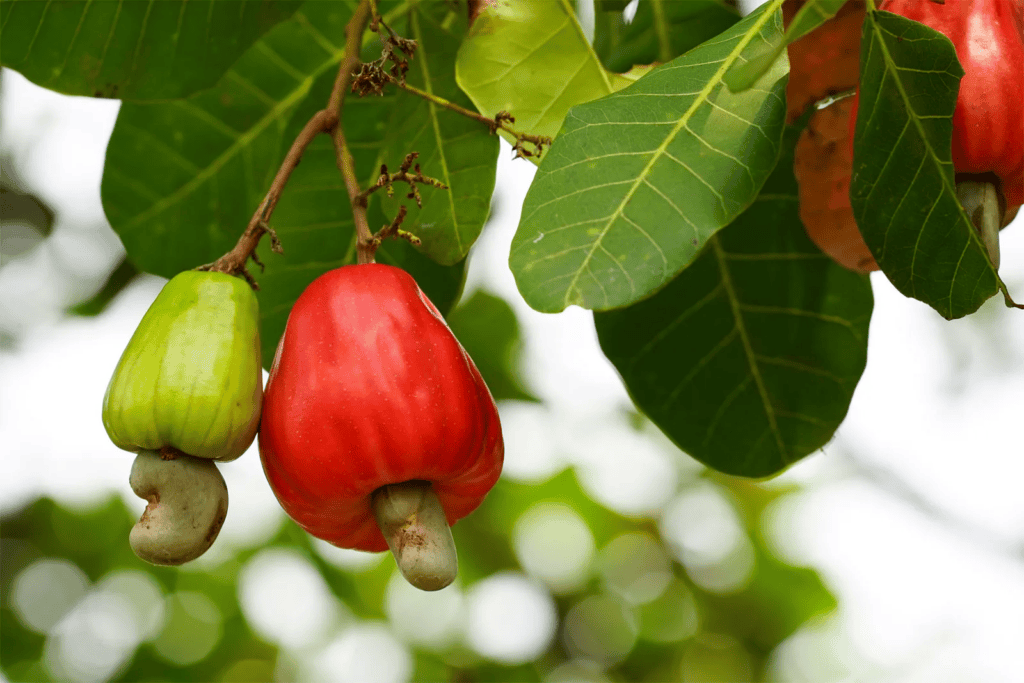
Cashew juice (also called cashew apple juice) comes from the cashew apple — the fleshy, pear-shaped fruit attached to the cashew nut on the tree. It’s popular in tropical regions like Brazil, India, and parts of Africa, and it’s distinct from cashew nut milk or extracts.
Exotic Fruit Nutritional Highlights
Cashew apple juice stands out for its nutrient density:
- Extremely high in Vitamin C: Often 5–6 times more than orange juice (around 200–350 mg per 100 ml, depending on variety and ripeness). Yellow varieties tend to have slightly higher levels than red ones.
- Rich in antioxidants: Polyphenols, flavonoids, carotenoids, and tannins that combat oxidative stress.
- Good source of minerals: Potassium, magnesium, calcium, phosphorus, and smaller amounts of iron and zinc.
- Sugars and fiber: Natural sugars (glucose, fructose) for quick energy, plus some dietary fiber.
- B vitamins: Including thiamine, niacin, riboflavin, etc.
Potential Health Benefits of this Exotic Fruit:
Research suggests these benefits, though more large-scale human studies are needed:
Immune Support and Antioxidant Protection
The exceptionally high vitamin C content acts as a powerful antioxidant, helping boost immunity, collagen production for skin health, and protection against free radicals. It may also support wound healing.
Anti-Inflammatory Effects
Compounds in the juice show anti-inflammatory properties that could help reduce inflammation and support recovery.
Heart Health and Blood Pressure
High potassium and magnesium levels may aid in blood pressure regulation (useful in diets like DASH). Antioxidants support cardiovascular health by reducing oxidative damage.
Exercise and Metabolic Benefits
Some studies indicate it can enhance fat oxidation during intense workouts, potentially improving endurance and muscle health. It may positively influence lipid profiles (e.g., better cholesterol in animal models).
Digestion and Overall Nutrition
Fiber and nutrients support digestive health. It’s a hydrating, nutrient-dense option, especially in regions where it’s a local superfood.
Exotic Fruit Other Potential Benefits
Preliminary research points to antimicrobial properties, potential anticancer effects from bioactive compounds (such as anacardic acid), and general wellness support due to its broad nutrient profile.
Considerations and Side Effects
Generally safe when consumed as juice from properly processed cashew apples.
Allergies: Rare for the apple itself (more common with cashew nuts or related plants), but possible cross-reactivity in sensitive individuals.
Tannins and astringency: Can cause a puckering sensation or mild digestive upset if overconsumed. The juice is often sweetened or blended.
Oxalates/Kidney concerns: Like many plant foods, moderation is wise if you have a kidney stone history (though evidence specific to cashew juice is limited).
It’s low in calories relative to its nutrient content but contains natural sugars, so those monitoring blood sugar should note this.
Cashew apples are often underutilized globally (many are discarded after nut harvest), but the juice is a refreshing, vitamin-packed drink. Fresh or minimally processed versions offer the most benefits.
We enjoyed it plain, in smoothies, or mixed with other tropical fruits!

Passion fruit juice is one of the nutritious Exotic Fruit obtained from the pulp of passion fruit (Passiflora edulis). It provides several advantages to your body, mainly because of its vitamin content, antioxidant value, dietary fiber, and minerals.
Key Nutritional Profile (per cup/approx. 247 g of yellow passion fruit juice)
- Around 148 calories
- High vitamin C content (about 50% DV or more); vitamin C is a great antioxidant
- Good source of vitamin A (as beta-carotene) – around 13% DV
- High content of potassium (for heart and muscles)
- Other: magnesium, phosphorus, folate, and small amounts of fiber and useful plant substances such as polyphenols, flavonoids, and piceatannol (mainly seeds/pulp)
Note: while pure juice has retained most of its health value, it has less fiber compared to whole fruit with seeds and pulp. Commercial drinks are often sweetened or mixed with other juices.
Exotic Fruit Health Benefits
Strengthening Immune System
The content of vitamin C makes you less likely to get ill; vitamin C has antioxidant properties, helps the immune system to function properly and decreases the probability of catching colds and infections. The vitamin A is also helpful to the immune system.
High Antioxidant Value
Antioxidants in the drink include vitamins, beta-carotene, polyphenols, and other plant compounds which neutralize free radicals. It may decrease oxidative stress and inflammation and promote cell health.
Promotes Digestive System Health
Dietary fiber (the highest amount in juice with pulp) regulates bowel movements, prevents constipation, and promotes overall digestive health.
Benefits for Heart Health
Potassium regulates blood pressure. Antioxidants and dietary fiber may support cholesterol and promote proper functioning of the cardiovascular system. Some studies show that substances in passion fruit juice relax blood vessels and protect your heart.
Insulin Sensitivity Improving
Some of the plant substances, e.g., piceatannol (from seeds), showed in studies to improve insulin sensitivity and metabolic parameters which might be helpful for blood sugar regulation (more research is needed).
Healthy Skin and Eyes
Vitamins A and C promote collagen formation (helps your skin become elastic, prevents aging of the skin and wounds); promotes eye health.
Other Potential Advantages of This Exotic Fruit
- Can reduce stress/anxiety thanks to some specific flavonoids (preliminary research).
- Strengthens bones due to minerals: magnesium, calcium, and phosphorus.
- It is low-calorie and a source of hydration and fits into healthy diets very well.
In one small study, it was shown that a single portion of passion fruit juice could improve working ability and attentional focus of healthy people, probably because of stable blood glucose levels after consumption.
Points to Consider When Consuming this Exotic Fruit
Best Way to Consume: fresh or 100% pure juice (especially with pulp). Dilute with water if it is too sour.
Moderation: contains natural sugars; pay attention to added sugars in commercial beverages. Its excessive intake may negatively affect blood sugar level in sensitive persons.
Disadvantages: usually it is considered safe but for those who are allergic to related plants or take some medications consult your doctor first. It is acidic and can cause irritation in sensitive stomachs if consumed in large quantities.
How to consume this exotic fruit: drink directly or in smoothies, cocktails, add to water.
Passion fruit juice is a delicious addition to healthy nutrition, yet it does not mean that it can cure something or has magical properties – only its regular intake with balanced diet and active life will bring some benefits. Consult with your doctor or dietitian to obtain personalized advice.
Weight Loss Benefits of these Exotic Fruit
Both passion fruit and cashew apple (the juicy pseudo-fruit attached to the cashew nut) can support weight loss as part of a balanced, calorie-controlled diet, mainly due to their high fiber, low calorie density, nutrient profiles, and potential metabolic effects. Neither is a “magic” weight-loss food, but they offer helpful properties.
Passion Fruit Exotic Fruit for Weight Loss
- High in fiber — A single small fruit provides about 2g of fiber (including from seeds/pulp), promoting fullness, reducing overall calorie intake, and supporting digestion. Fiber slows digestion and helps stabilize blood sugar.
- Low in calories — Around 17 calories per small purple passion fruit, making it a satisfying, nutrient-dense snack or juice base.
- Other mechanisms — Rich in antioxidants and compounds like piceatannol (from seeds), which may improve insulin sensitivity (helpful for fat metabolism and reducing diabetes risk). The peel is particularly high in pectin-like fiber that can reduce hunger. Some evidence suggests it may help reduce eating compulsions via a mild relaxing effect.
- Evidence — Diets high in fiber-rich fruits like this are linked to lower obesity risk. Animal and limited human studies support benefits for metabolic health.
Tip: Eat the whole fruit (pulp + seeds) or use unsweetened juice/puree for maximum fiber. Great in smoothies, yogurt, or water infusions.
Cashew Apple for Weight Loss
Fiber and low calories — High in dietary fiber, which aids satiety, digestion, and appetite control. It’s relatively low in calories while being nutrient-packed.
Antioxidants and anti-inflammatory compounds — Rich in vitamin C, flavonoids (like myricetin and quercetin), polyphenols, and anacardic acid. These may reduce inflammation (which can hinder fat loss), support metabolism, and improve insulin sensitivity.
Metabolic support — Animal studies on cashew apple extracts show reductions in body weight gain, fat storage (including liver fat), hyperglycemia, and insulin resistance on high-fat diets. It may help with fat oxidation and endurance during exercise.
Additional perks — This exotic fruit is very high in vitamin C (up to 6x more than oranges per some measures), which supports overall health during calorie restriction, plus prebiotic effects for gut health.
Tip: Consume fresh, as juice (unsweetened), or in smoothies. It’s juicy and tangy-sweet but can be astringent—often processed into juices or wines.
Combined Benefits and Practical Advice
Together — Both are hydrating, fiber-rich tropical options that can replace higher-calorie snacks/drinks. Their antioxidants and nutrients support energy, immunity, and metabolic health without spiking blood sugar much (in moderation). A combination could make for a refreshing, low-calorie juice or smoothie that keeps you full.
Realistic expectations — They help by promoting satiety, providing nutrients that support fat metabolism, and fitting into a deficit. Sustainable weight loss comes from overall diet, exercise, sleep, and habits—not single foods.
How to incorporate:
Add passion fruit pulp to oatmeal or salads.
- Blend cashew apple juice with greens or protein for a meal replacement.
- Aim for whole forms over sweetened juices to maximize fiber and minimize added sugars.
Cautions:
- Watch portions if juicing, as natural sugars add up.
- Cashew apples can cause allergic reactions in some (related to cashew nuts).
- Consult a doctor or dietitian for personalized advice, especially with conditions like diabetes or digestive issues.
In summary, both fruits are excellent, nutrient-dense choices that can aid weight loss efforts through fiber, low calories, and bioactive compounds. Pair them with a balanced lifestyle for best results! If you’re in Brazil (common for these fruits), fresh options should be easy to find.